arrakech wrapped itself around us in color, spices, and sound, a city where every turn revealed hand-tiled courtyards, drifting incense, and meals made with rich taste. The Red City was a place that didn’t just mark a journey on a map, it was special from beginning to end.
Marrakech isn’t a city you simply visit; it’s one you feel, layer by layer, sense by sense.
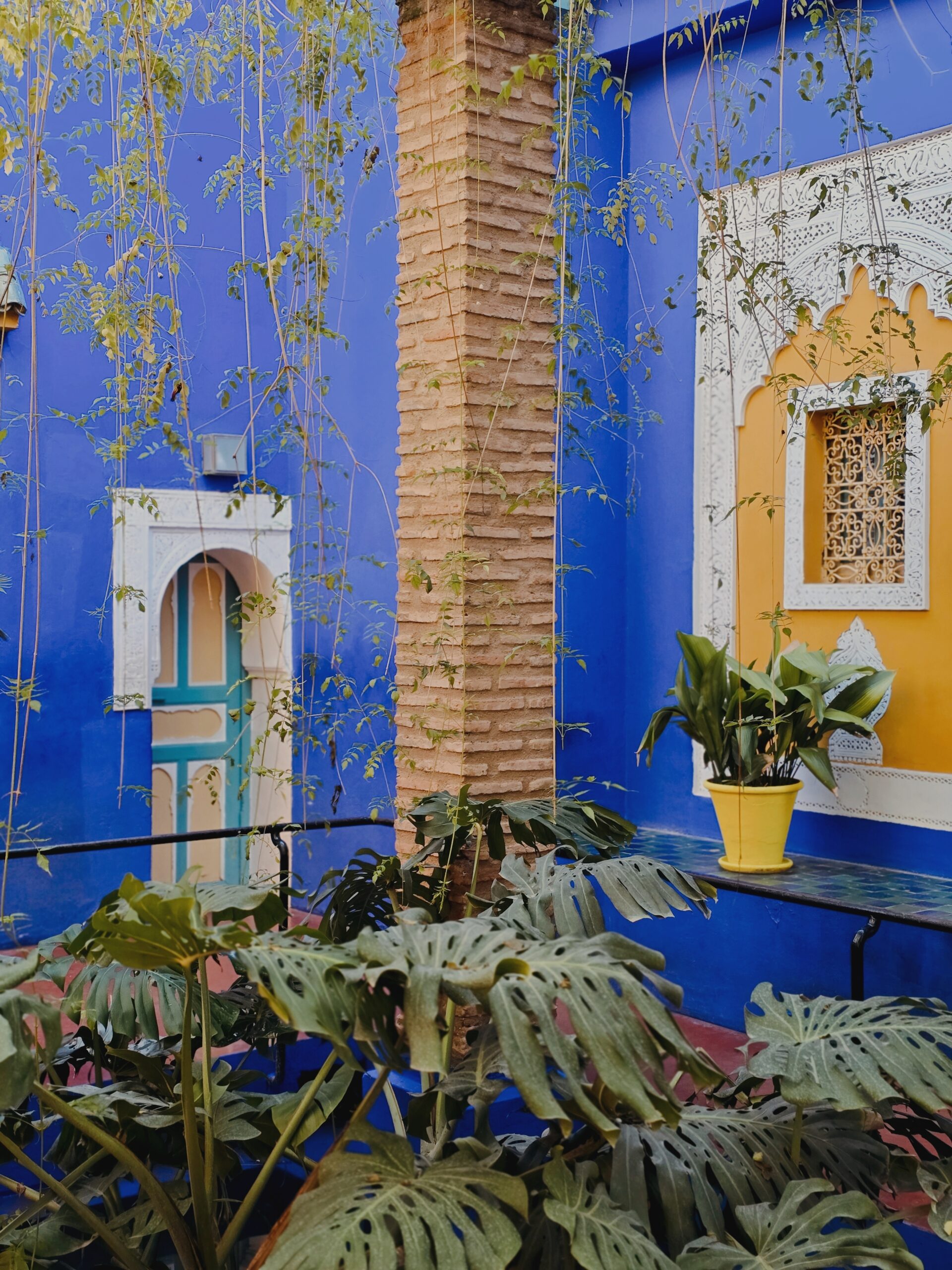
The first time I saw pictures of Morocco was probably almost ten years ago. It was a carousel of the blue walls in Jardin Majorelle, and the thought of ever visiting was only that – a thought, without even the slightest plan of making it a reality. In 2026, for my 35th birthday, I decided to finally make this trip.
Some things you should know is that they use Moroccan dinars – and you can exchange at the airport, when you arrive. A credit card will be useful in some stores, but always carry cash with you. You will also need to know basic French to communicate with most people, even though they do their best to understand English.
So, if we have these covered, read below for the essentials.
Stay in a riad
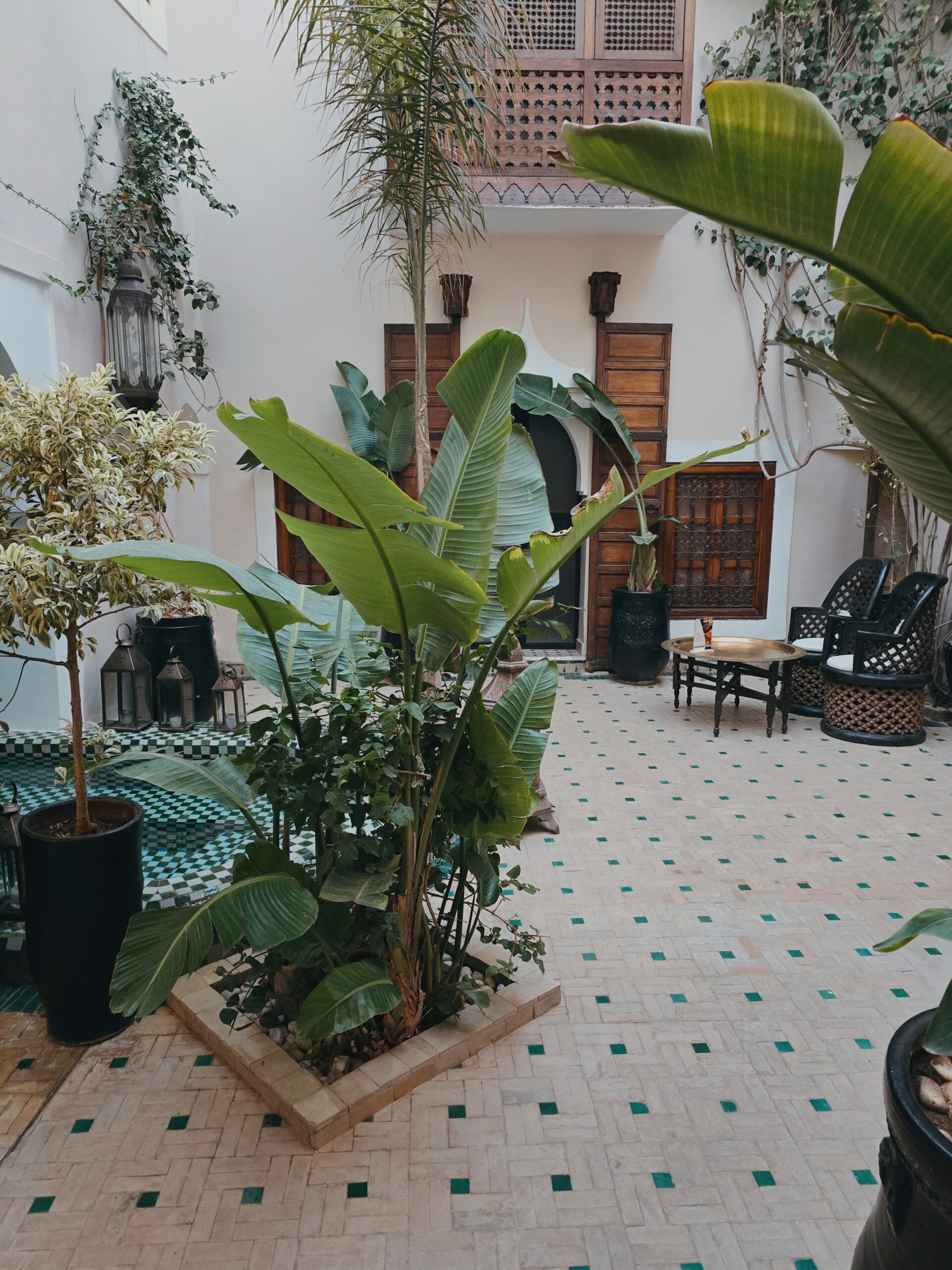
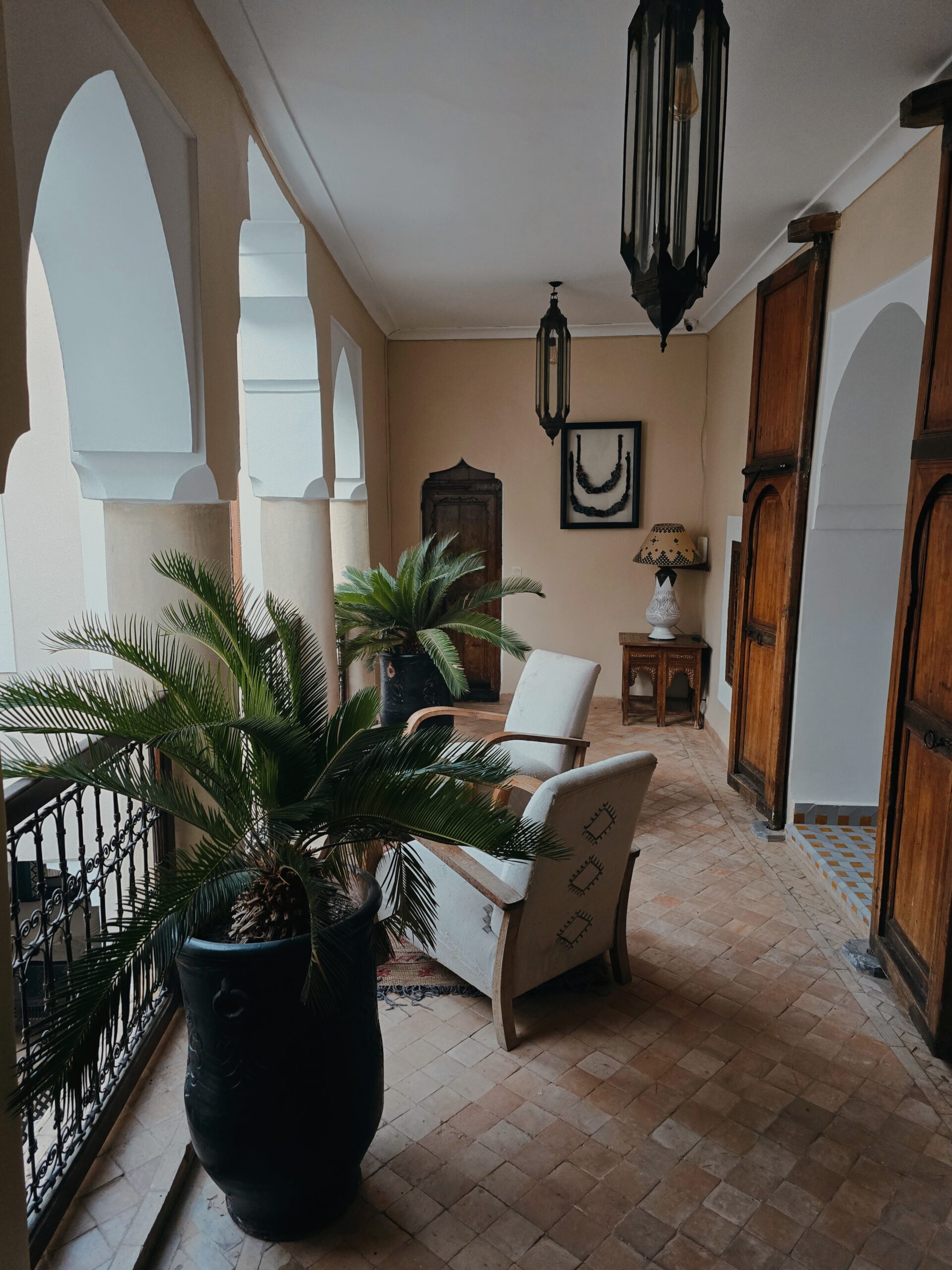
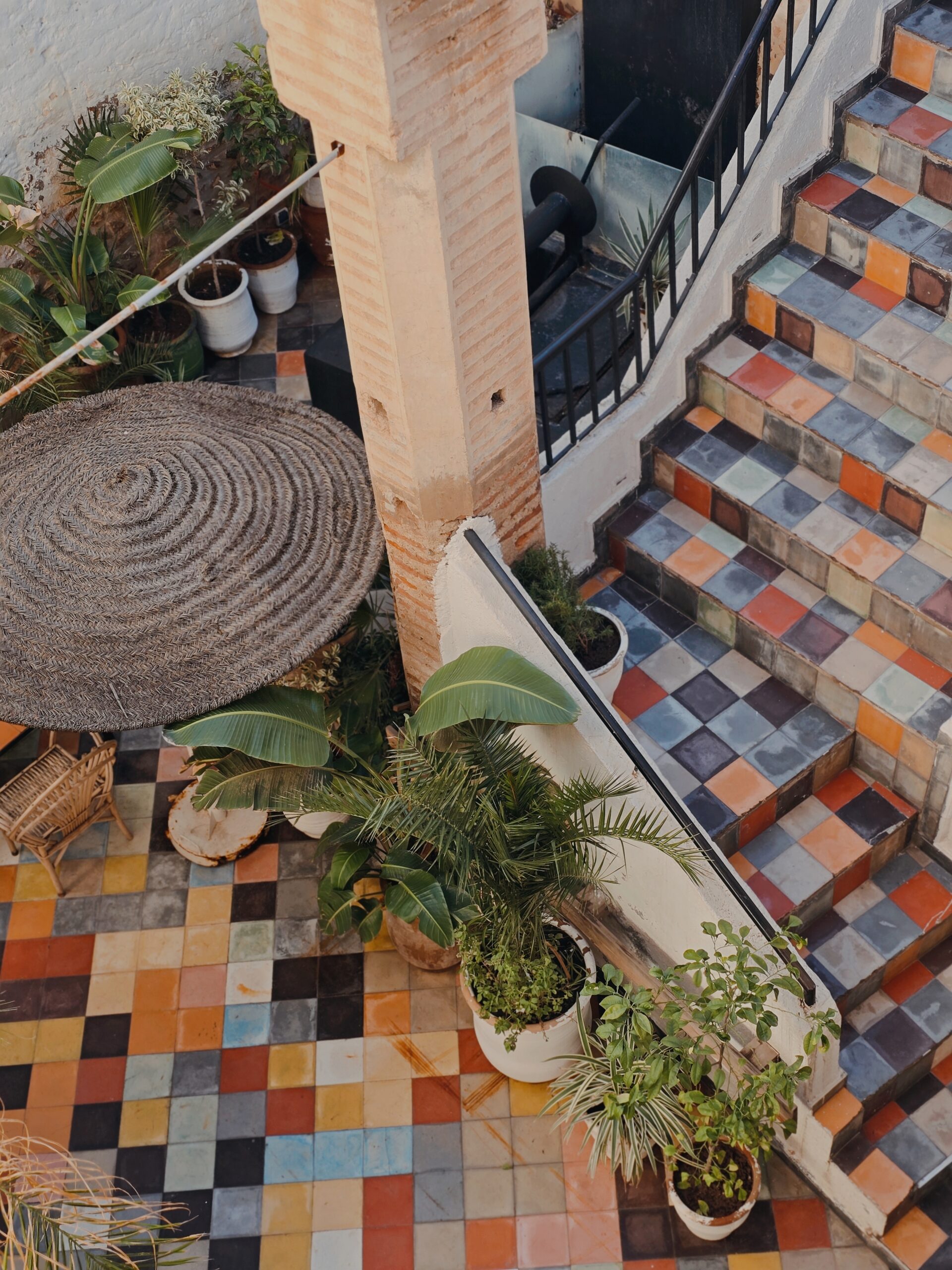
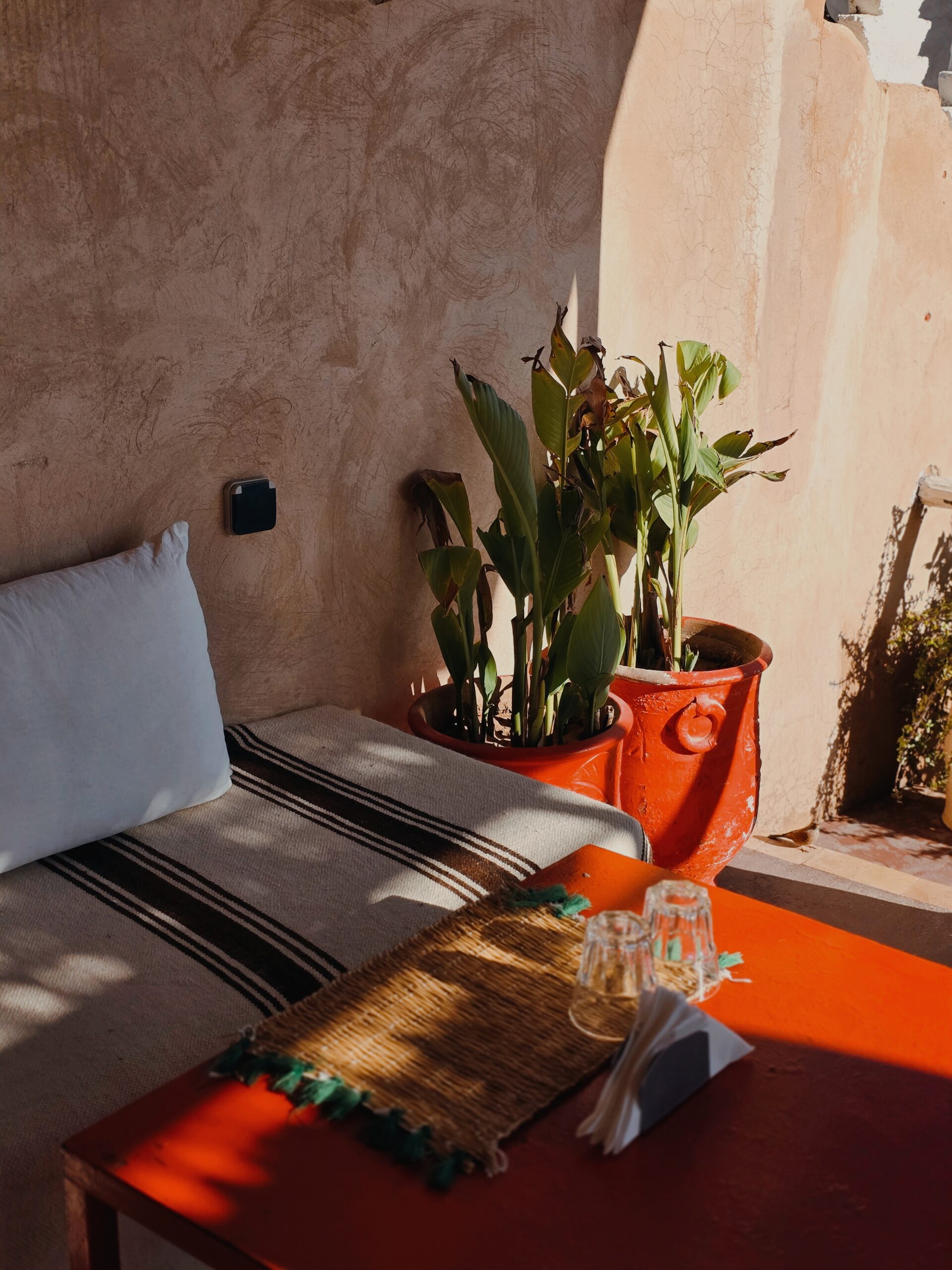
If you’re spending at least one night in Marrakech, stay in a riad. They are traditional Moroccan homes designed around a central courtyard or garden, often featuring intricate zellige tiles, carved woodwork, and a tranquil fountain at the center. Historically, they were homes for wealthy families, with high walls and minimal exterior windows to ensure privacy and protection from the bustling medina streets, while the inner courtyard provided light, ventilation, and a cool retreat from the desert heat.
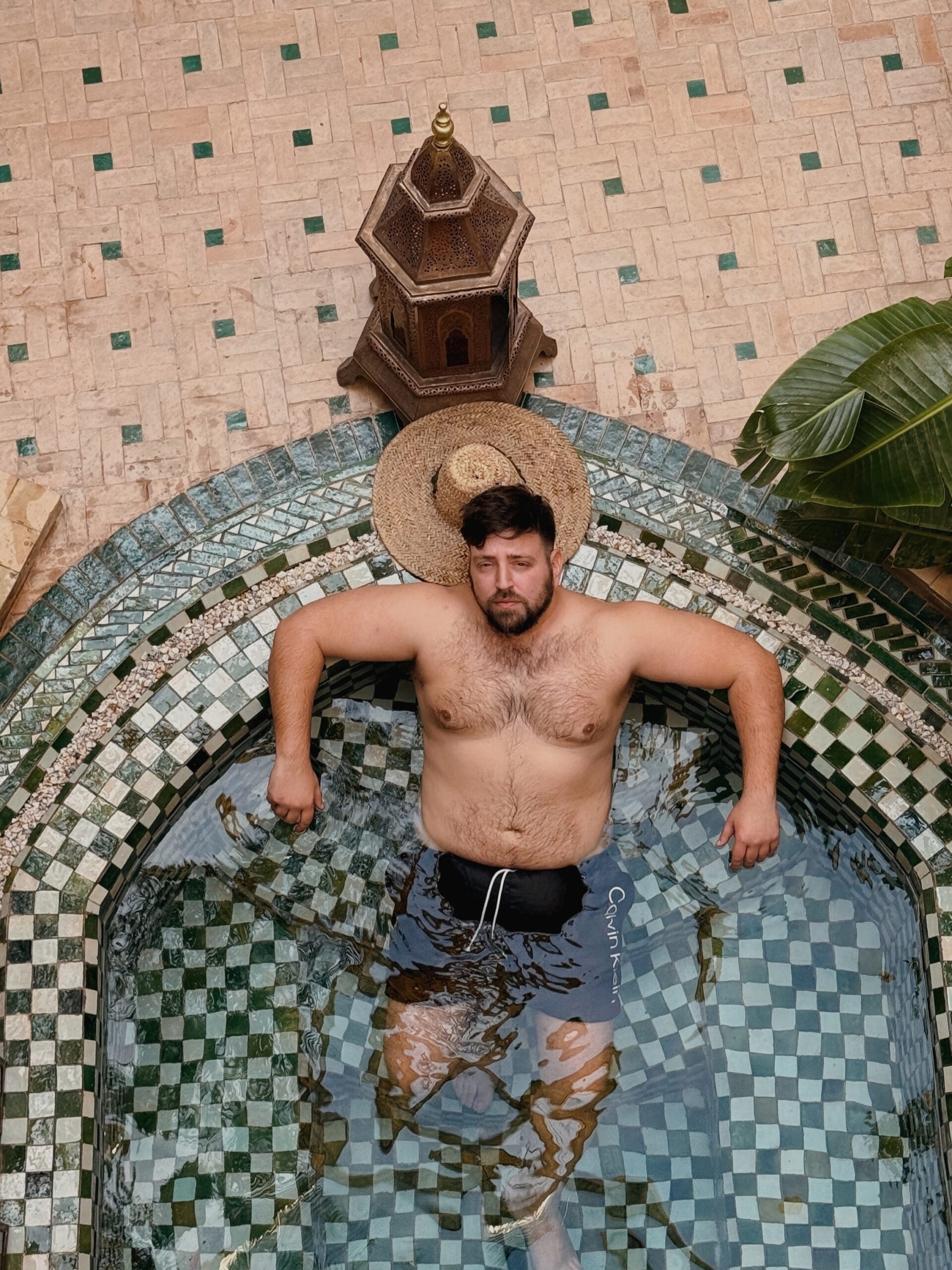
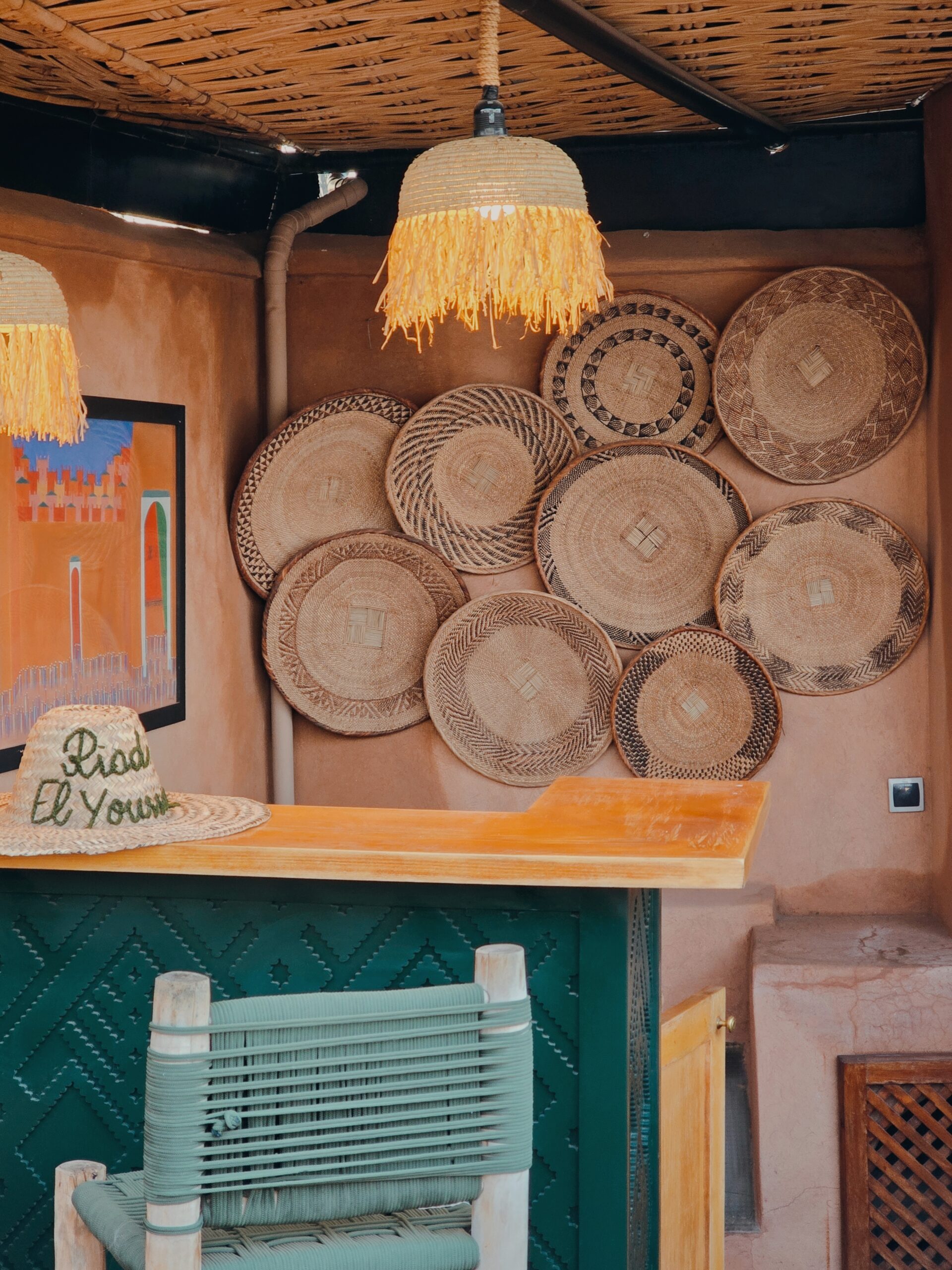
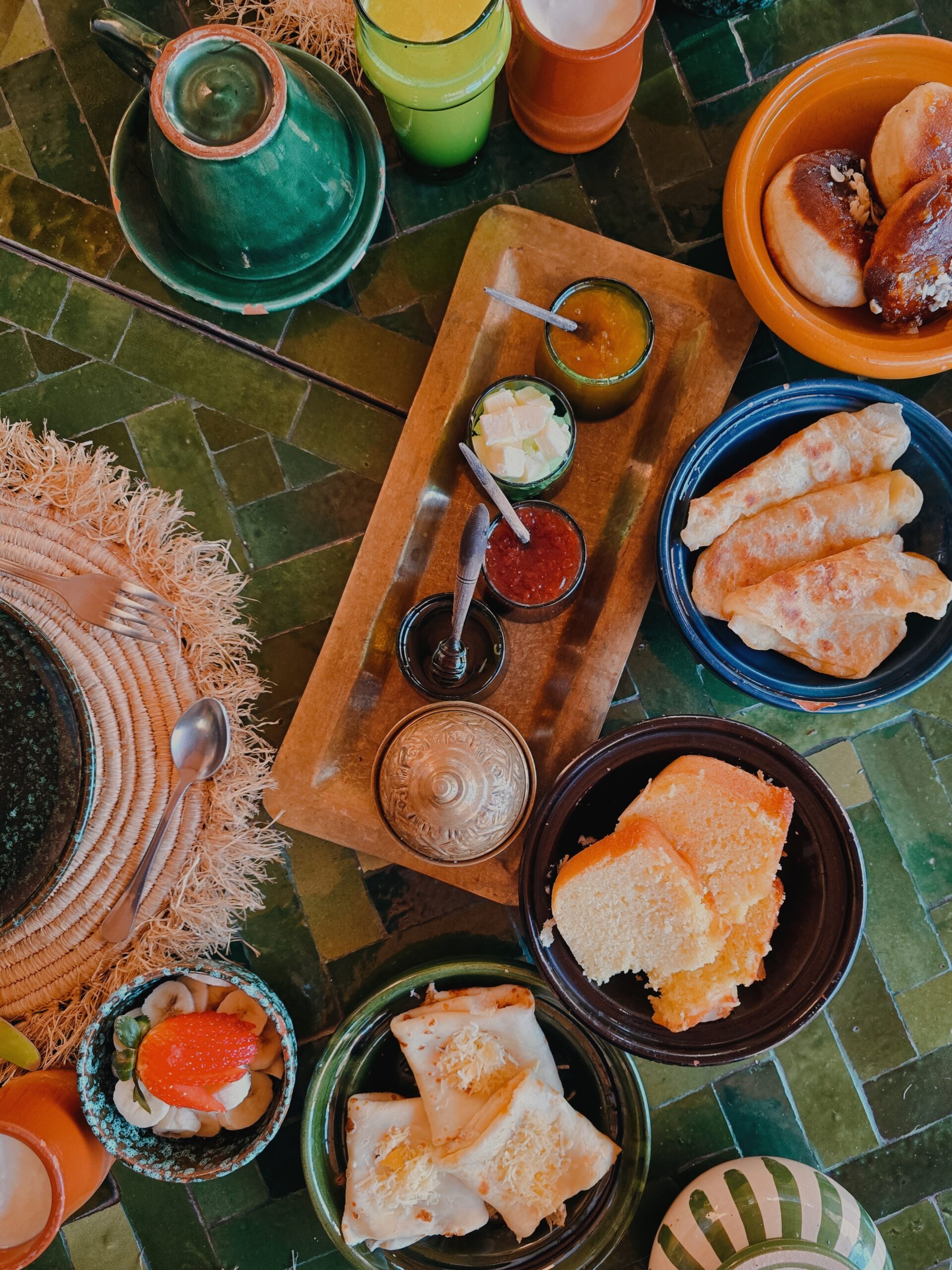
We chose Riad El Youssoufi, and it was truly the best choice, with beautiful design and a pool in the courtyard – and we did go in for the experience, even though the water was freezing cold. The breakfast was delicious and fresh, offering a variety of local snacks and fresh orange juice.
Drink Moroccan tea
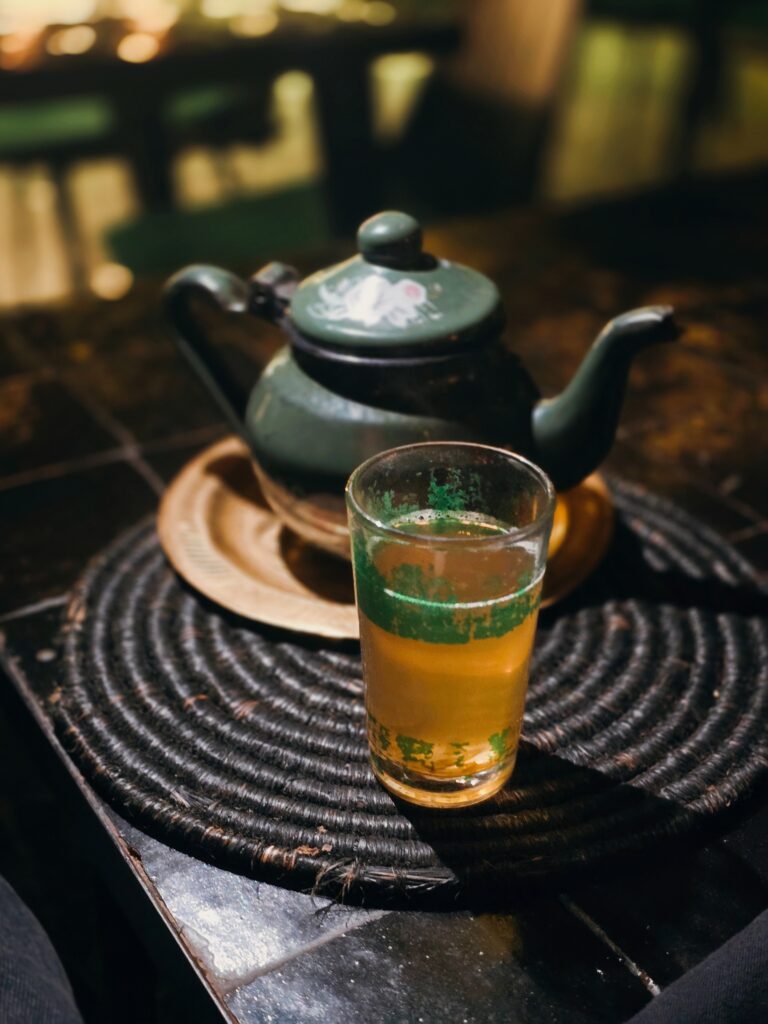
You can’t (and probably won’t) skip the tea. Moroccan mint tea is far more than a drink: it’s a ritual of hospitality and generosity. Made with green tea, fresh mint, and plenty of sugar, it’s poured from high above the glass to create a delicate foam, a small performance that signals you’re welcome to linger, talk, and slow down for a moment. It’s refreshing and subtle and offered almost everywhere.
Walk around the Souks
Right outside the Ben Youssef Madrasa
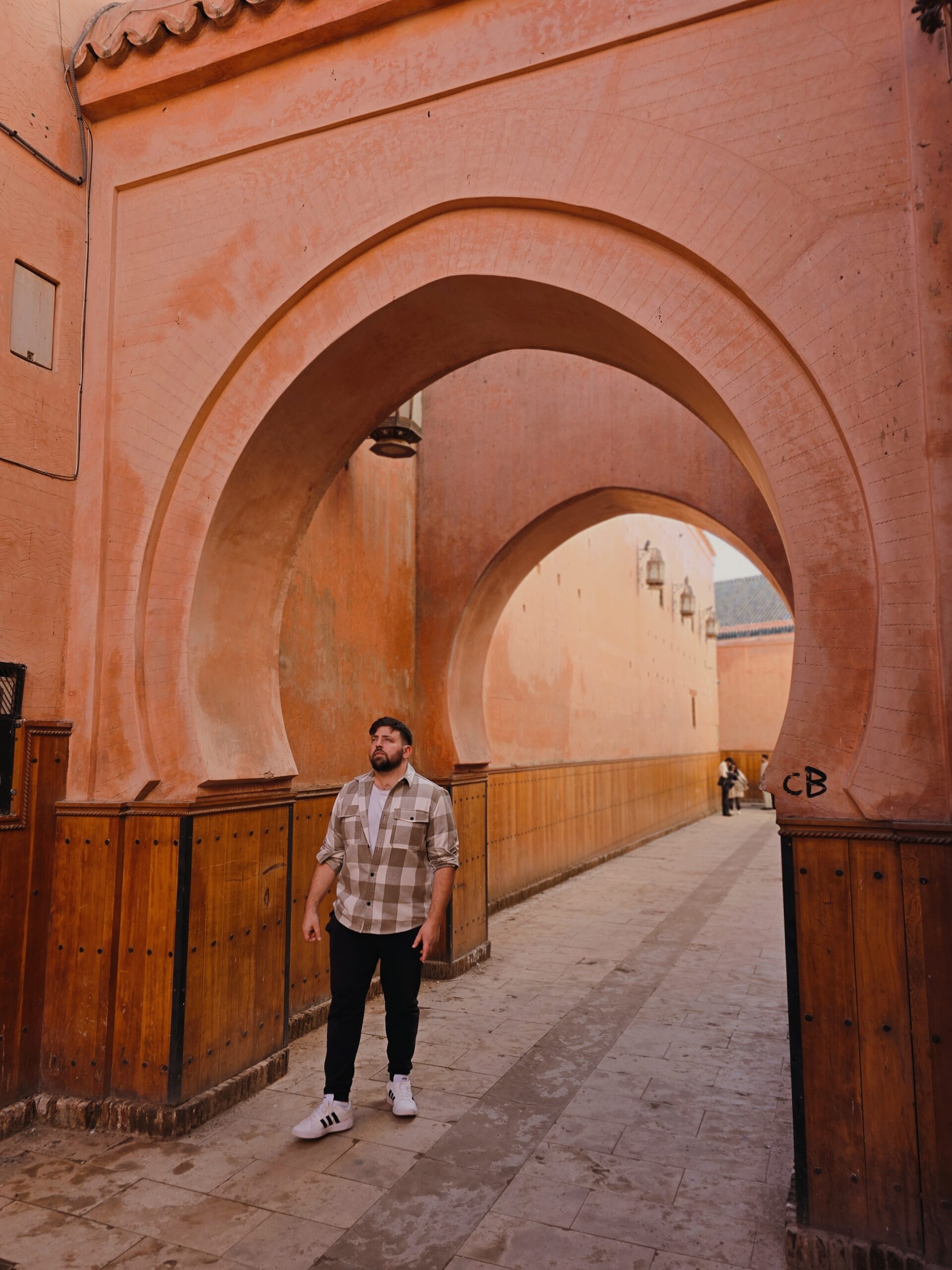
Arches and architecture mixed with shopping
The unique Berber lipstick
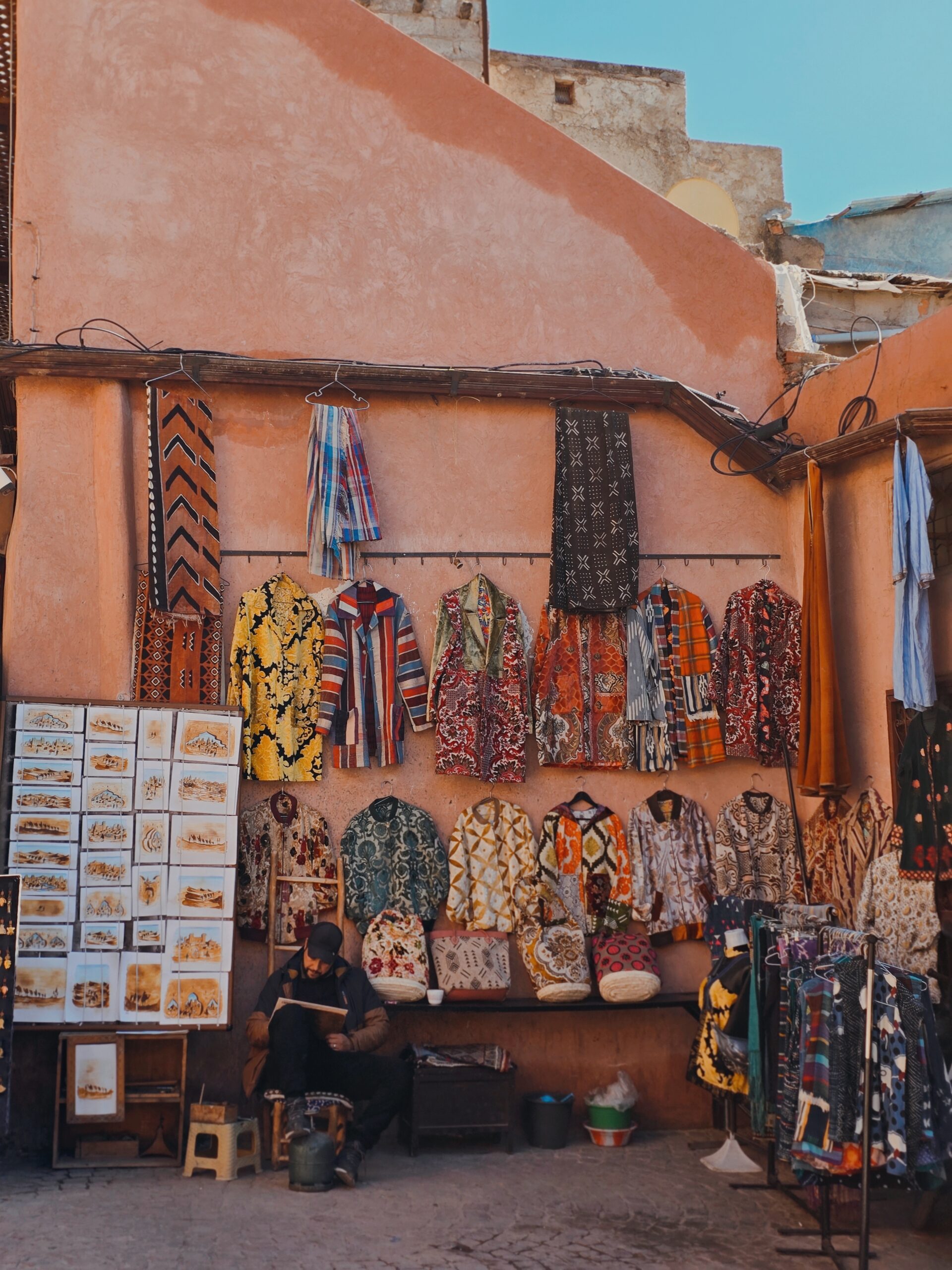
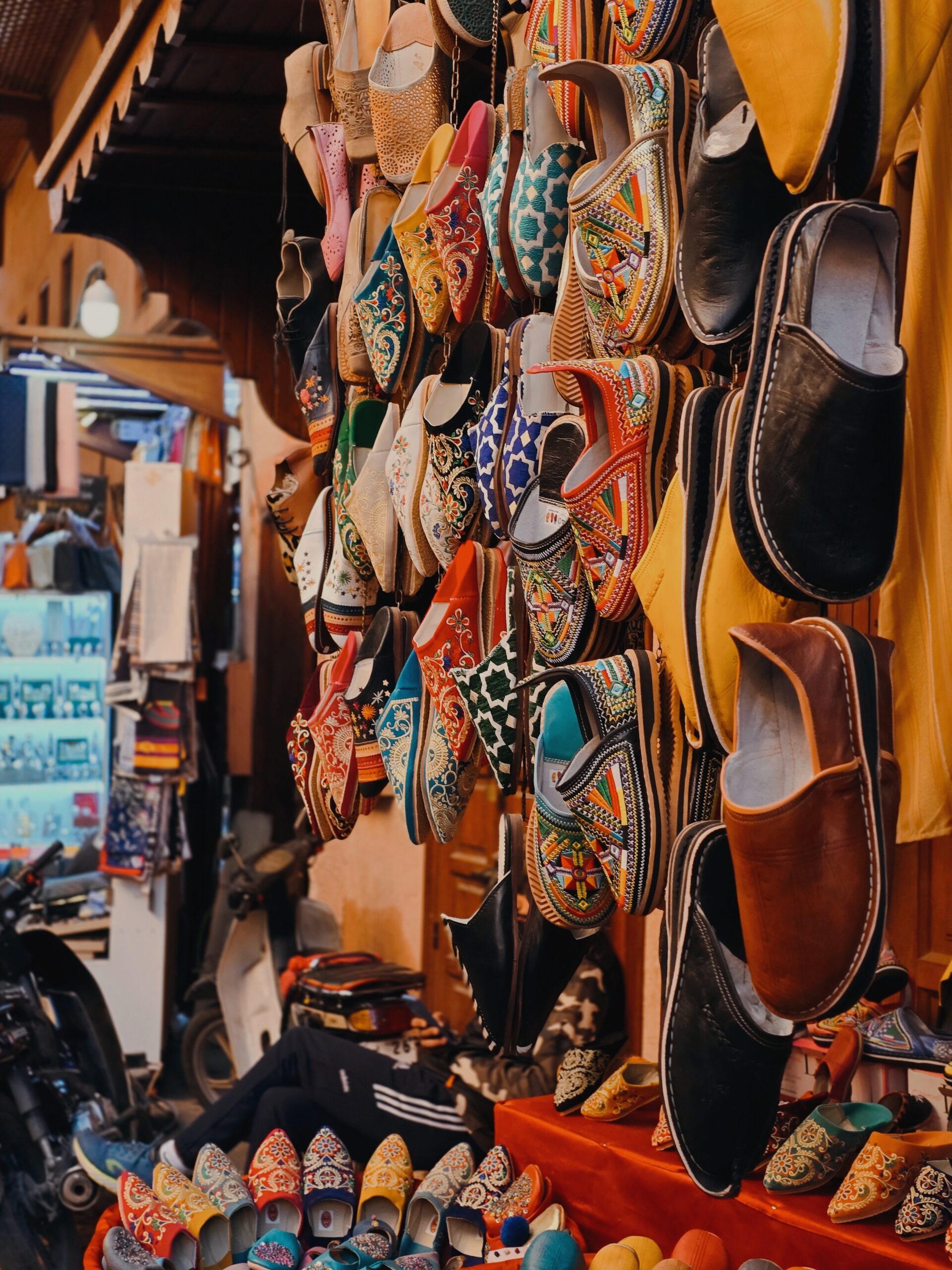
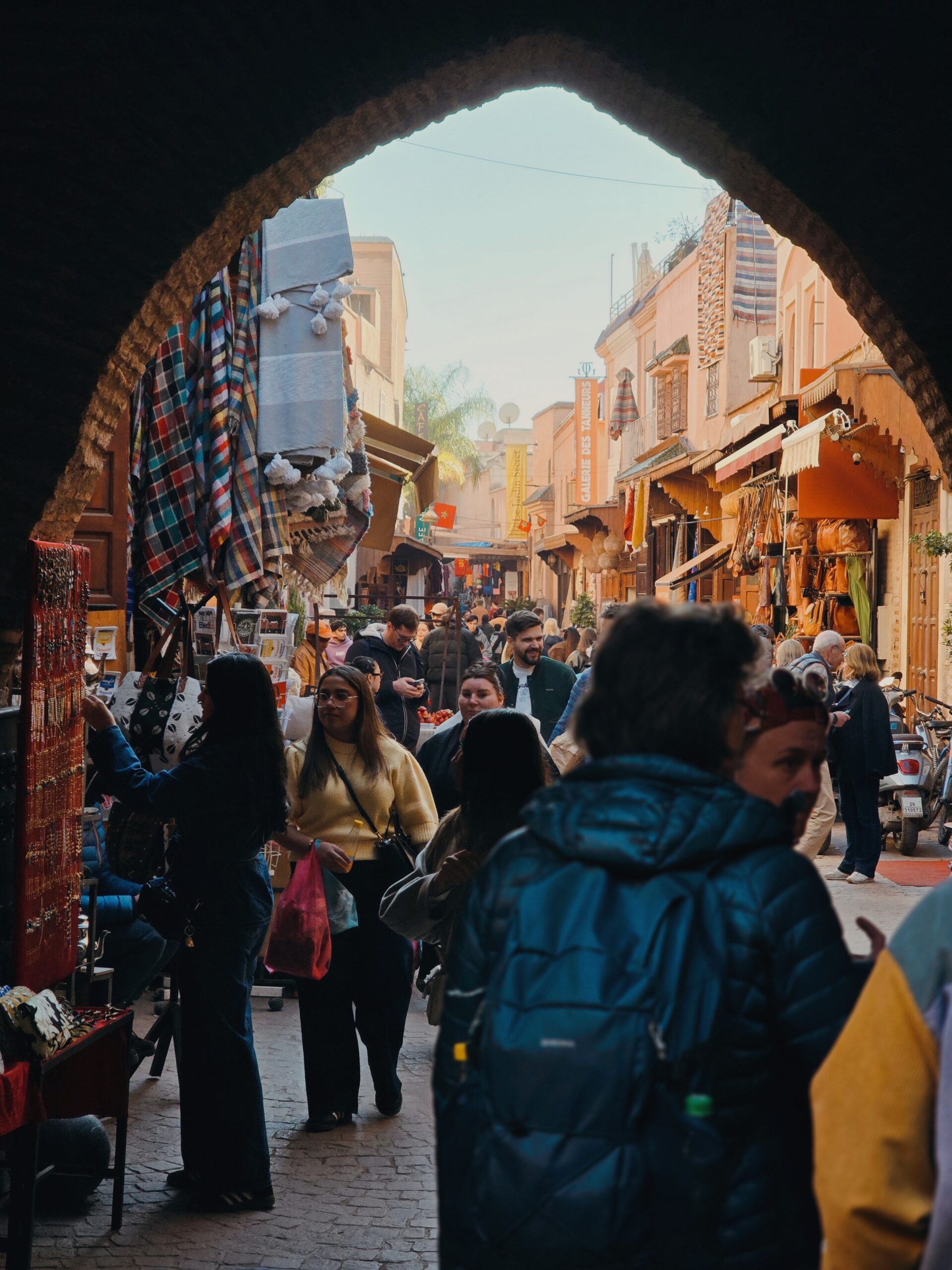
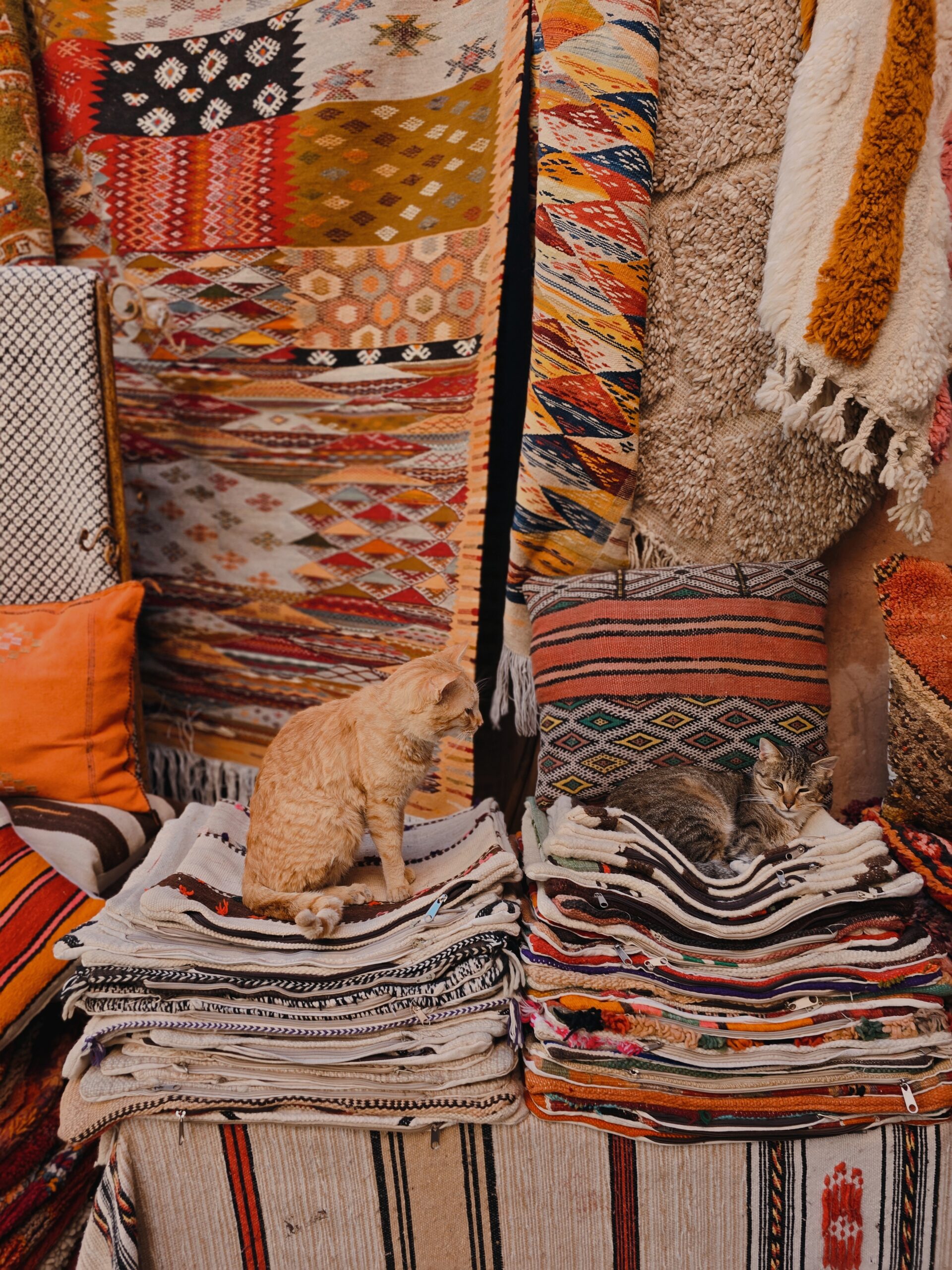
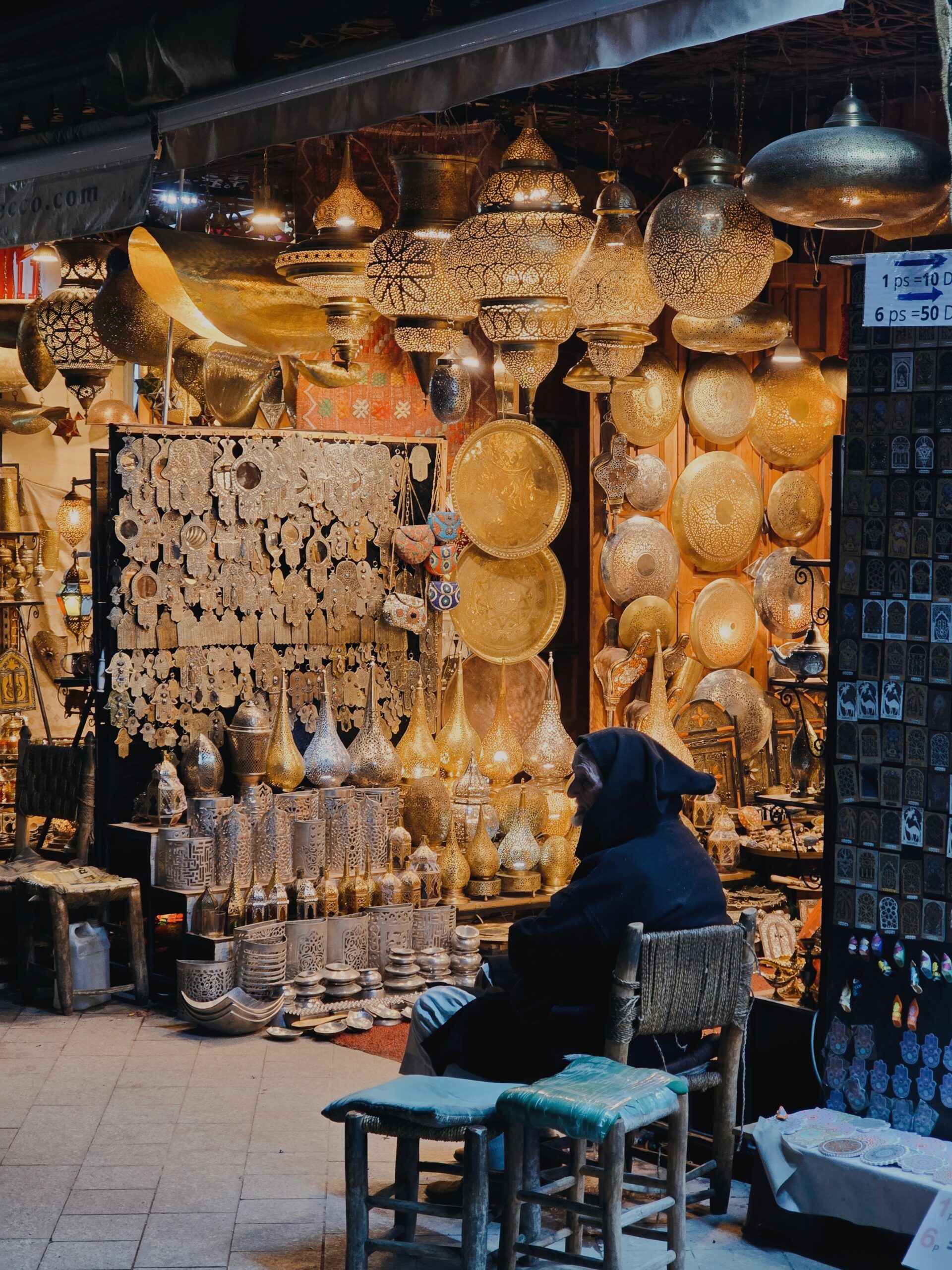
The souks are a sensory labyrinth where the city’s energy pulses brightest – narrow alleys brim with textiles, handwoven rugs, lanterns, spices piled like tiny pyramids, and the scent of leather and incense. Many of these markets date back centuries, organized historically by craft guilds so that each trade had its own quarter. Bargaining here is an art form, keeping alive traditions that have been passed down through generations.
No matter what you may have heard, let yourself walk freely in the streets, the vendors are not pushy, the streets are filled with locals and tourists, the shops are interesting, even if you don’t want to shop, wander around!
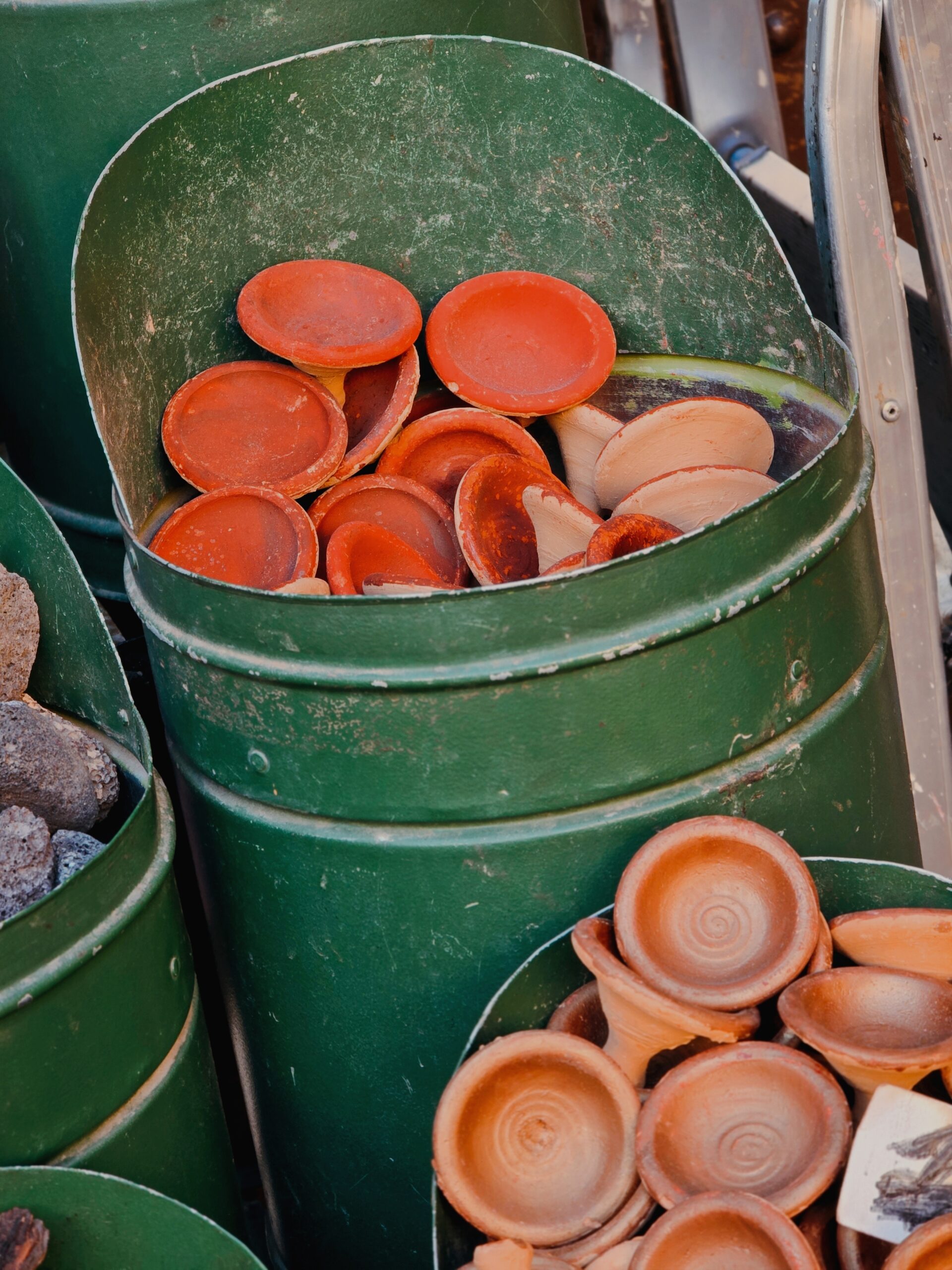
Also, if you’re wearing makeup, keep an eye out for Berber lipstick (or Aker Fassi). Aker Fassi is made from sun-dried poppy petals and pomegranate peel, which are ground into a fine, deep red powder. This pigment is typically stored in a small handcrafted clay pot, often cone- or bell-shaped.
Unlike modern lipstick, it contains no waxes or synthetic ingredients; instead, the color activates when mixed with a little water, rose water, or oil.
Eat local cuisine
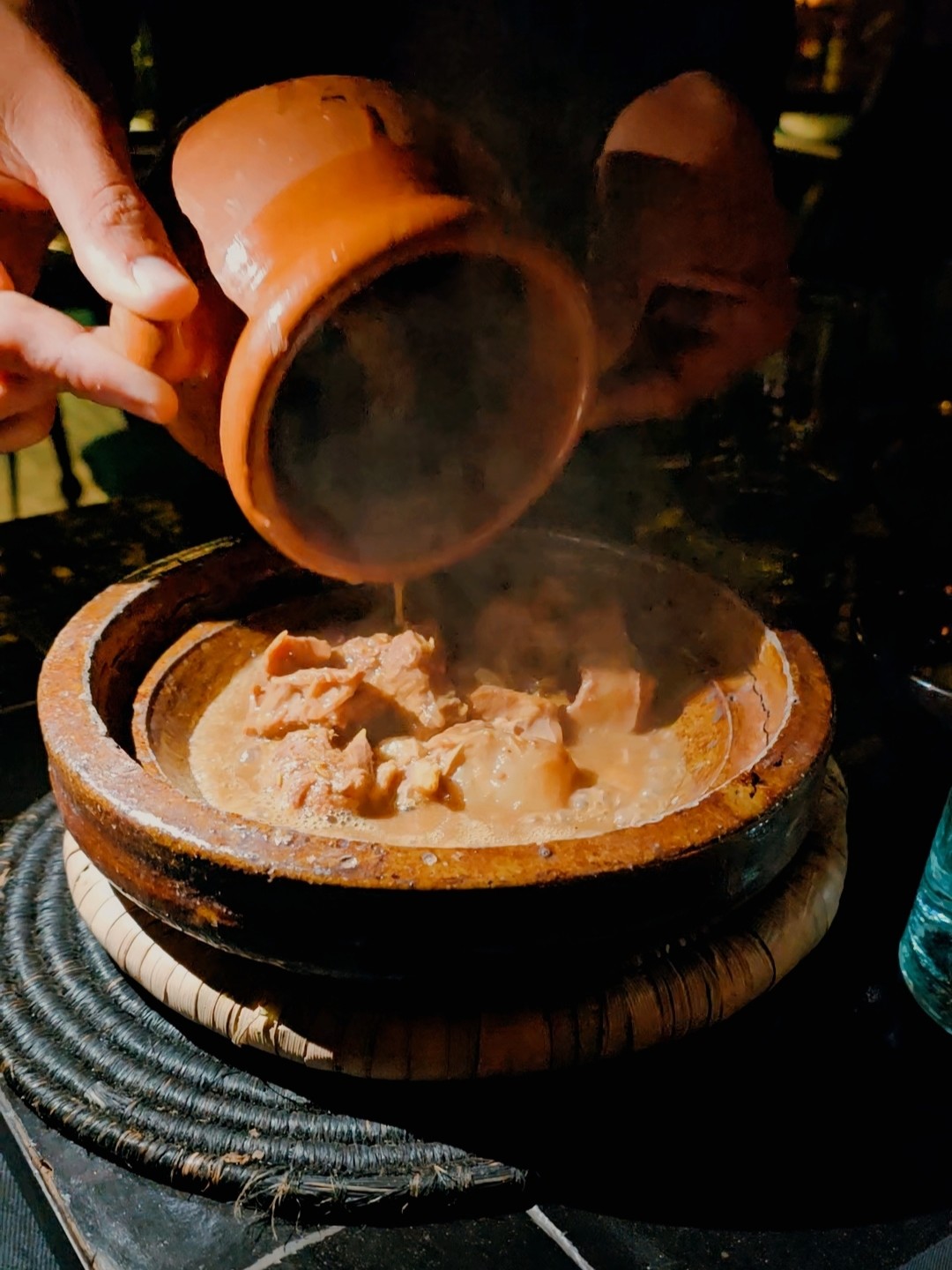
Lamb Tangia at Jardin
Our riad's breakfast
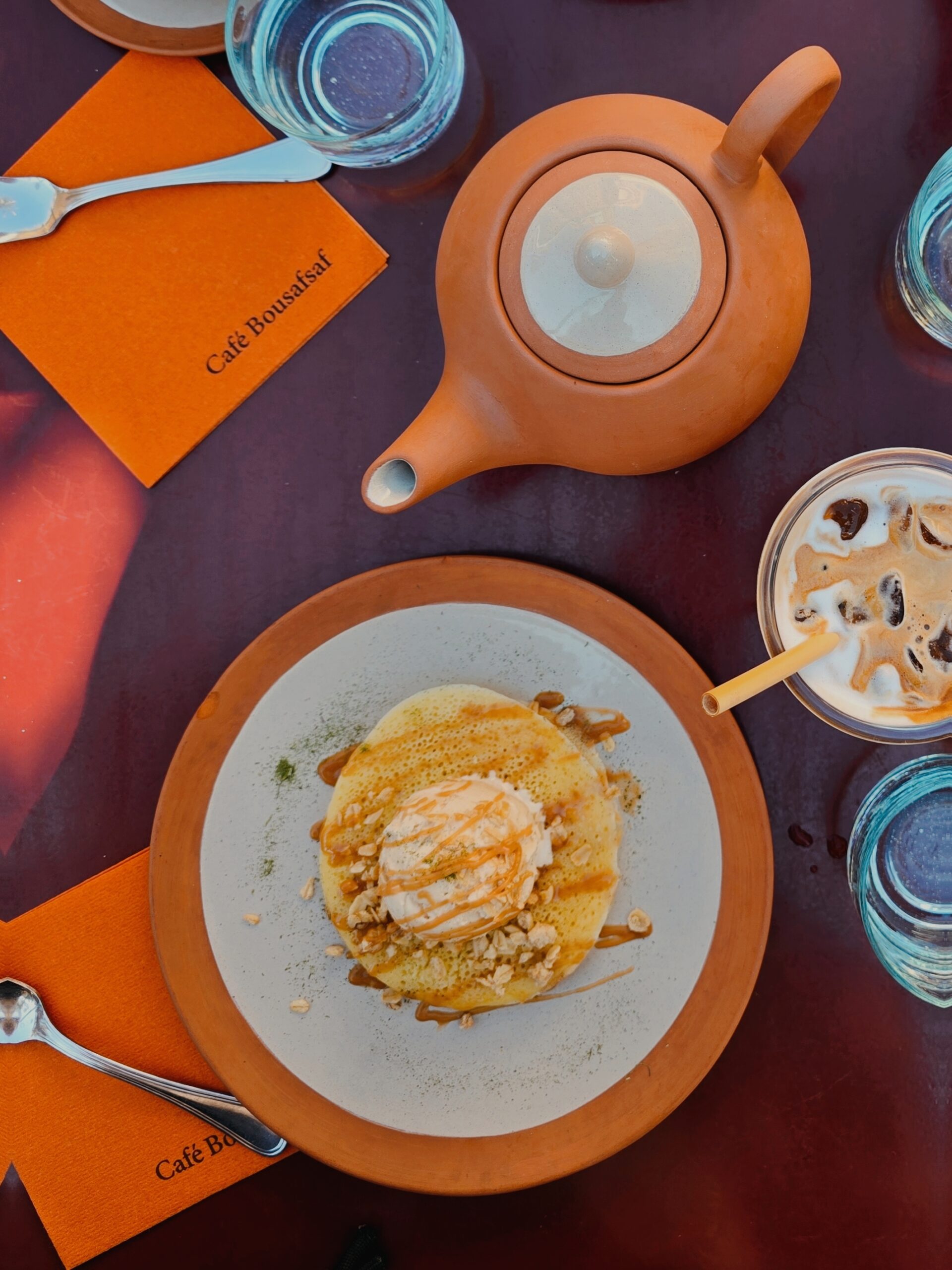
The sweet baghrir
We tried various local food around Morocco, but in Marrakech we had Lamb Tangia. It’s a traditional, slow-cooked stew featuring incredibly tender lamb infused with saffron, preserved lemons, garlic, cumin, and olive oil, traditionally cooked for hours in a unique clay pot (the tangia) in the embers of hammam ovens, but now often recreated in a regular oven. Ours was at Le Jardin, a stunning restaurant spanning through various levels, with tables between trees and plants. It’s not the cheapest, but the food and the atmosphere is worth it if you’re planning one big dinner.
While at Jardin Majorelle, we sat for tea and a baghrir at Café Bousafsaf. Baghrir, often called “thousand-hole pancakes,” is a light, spongy, and slightly sweet breakfast treat. The tiny holes soak up honey and melted butter, making each bite warm, tender, and melting on the tongue—a perfect introduction to the rich flavors of Moroccan cuisine.
For lunch, we discovered Kui-Zin in Marrakech’s medina. Known for having more than seven terraces, including an upper level with great sunset views, which makes the rooftop experience especially memorable. The food was delicious and more affordable. I tried chicken skewers with very subtle curry sauce and, honestly, it was exceptional.
Jardin Majorelle
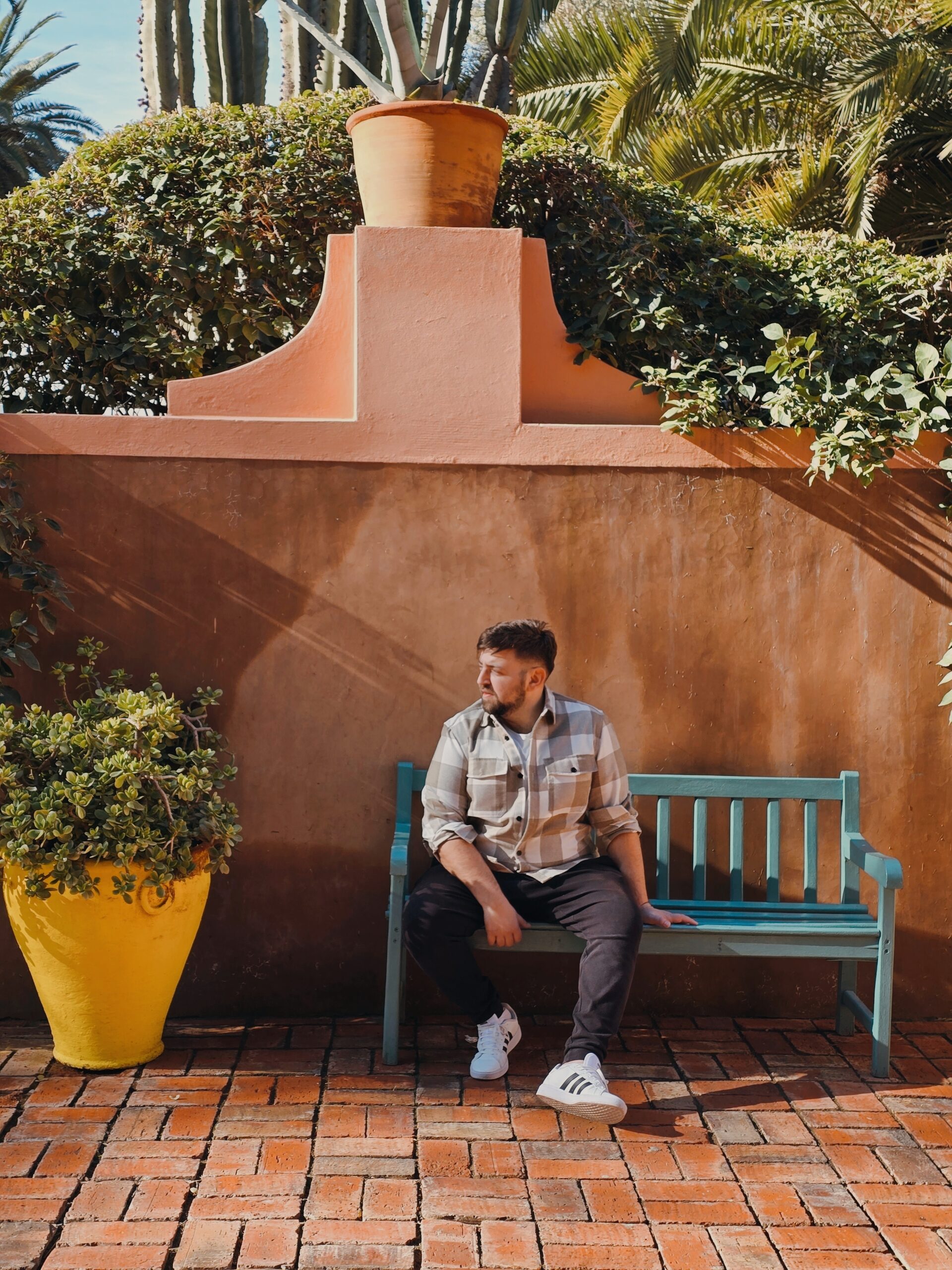
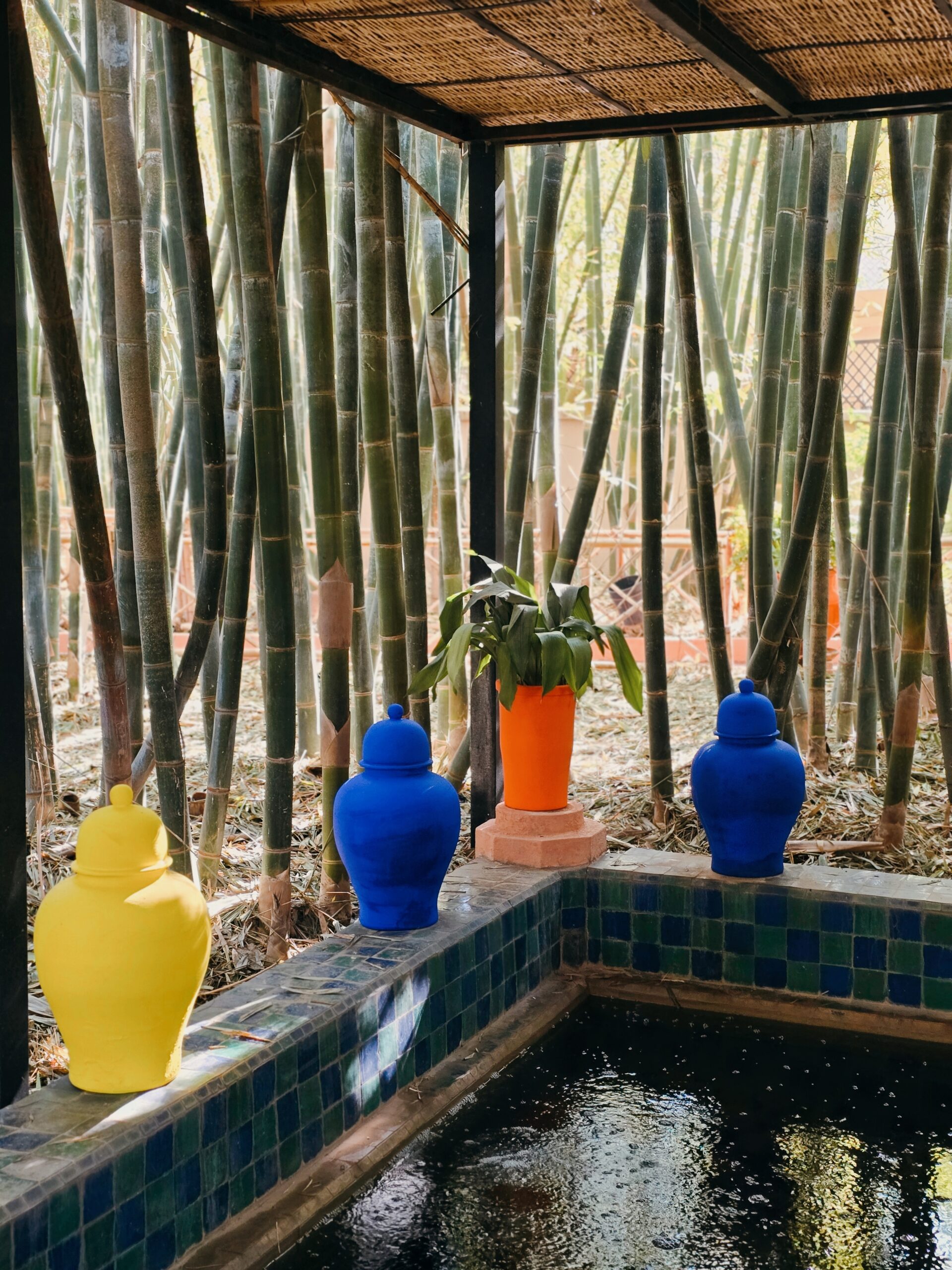
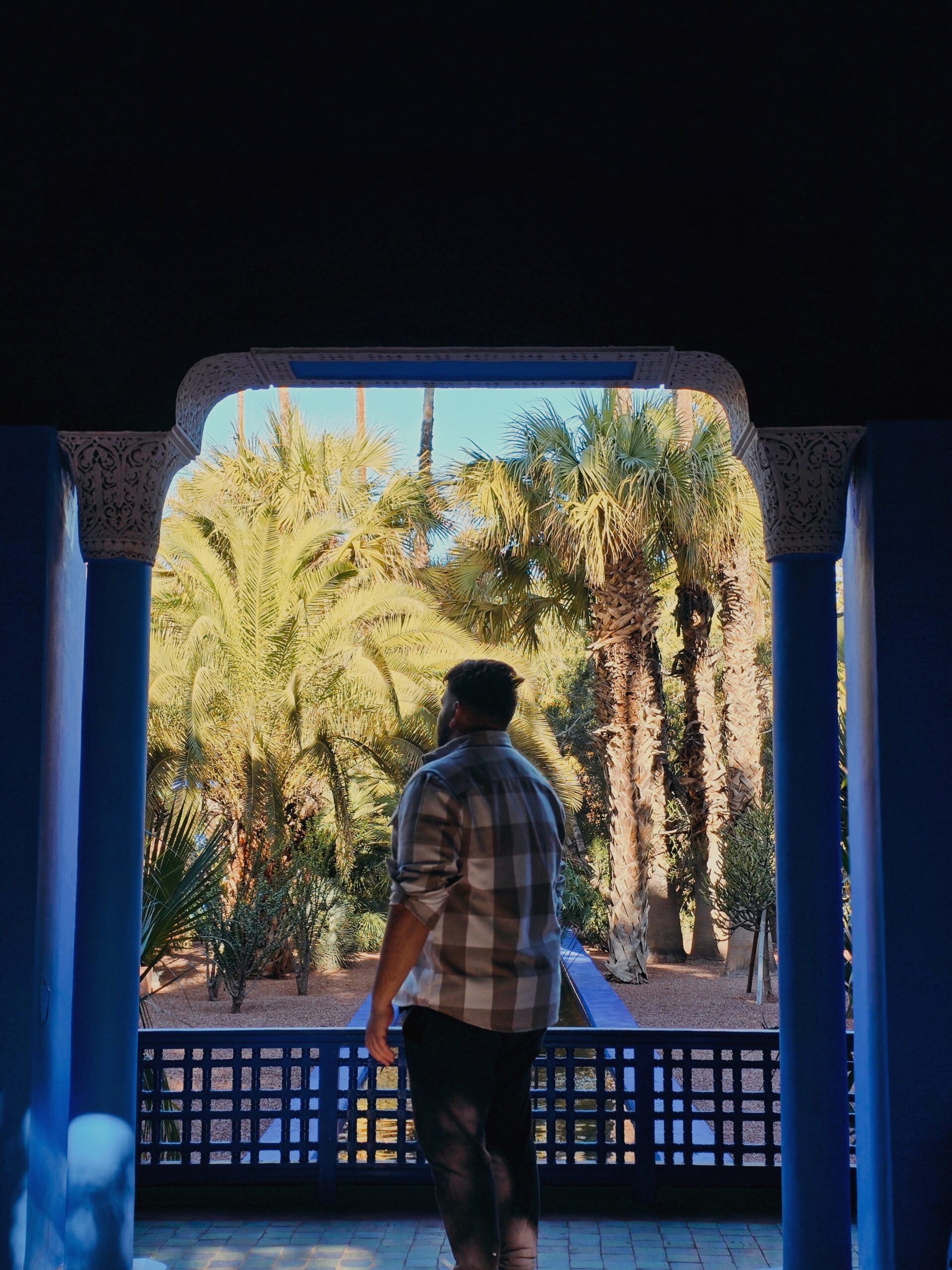
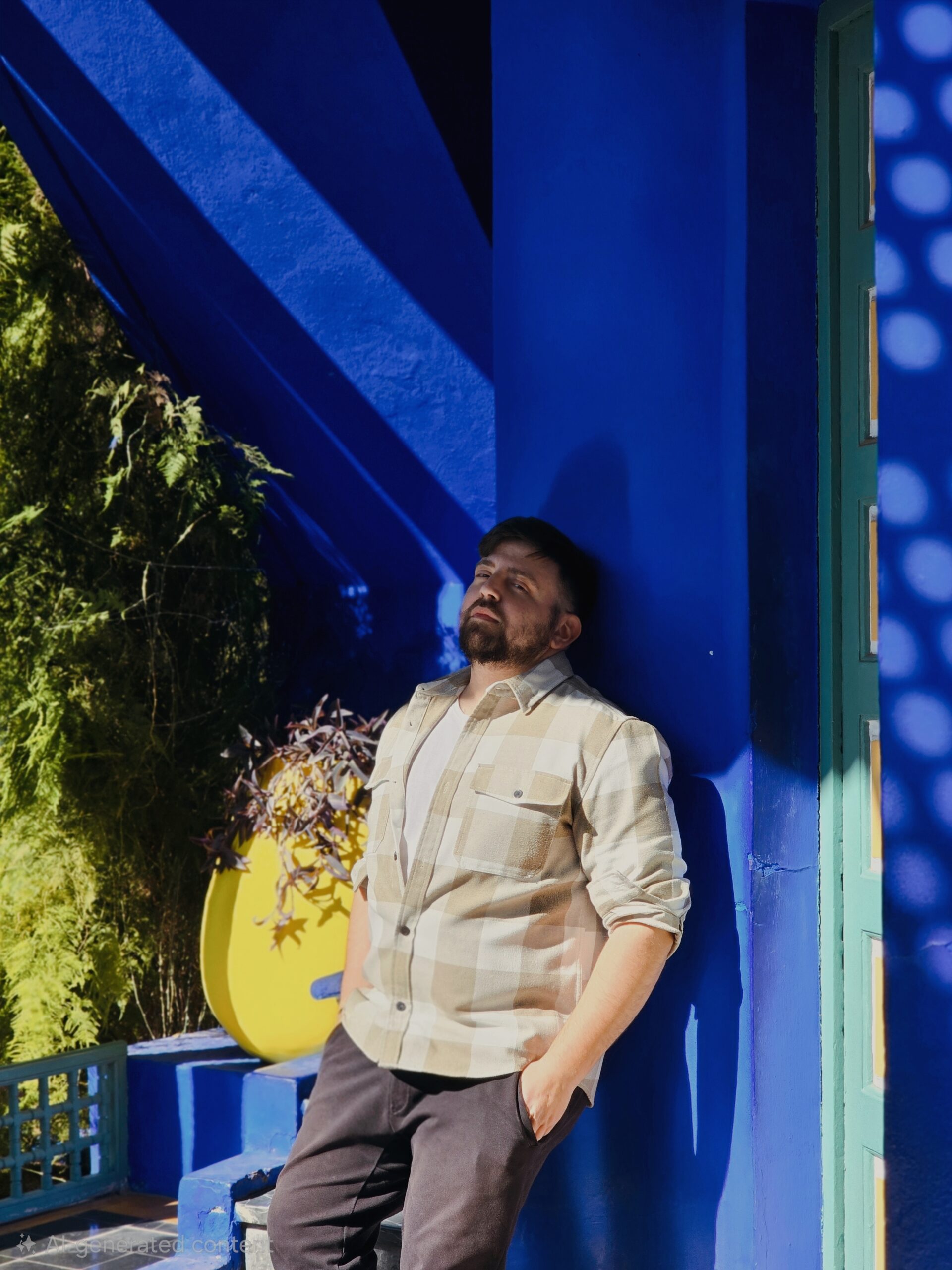
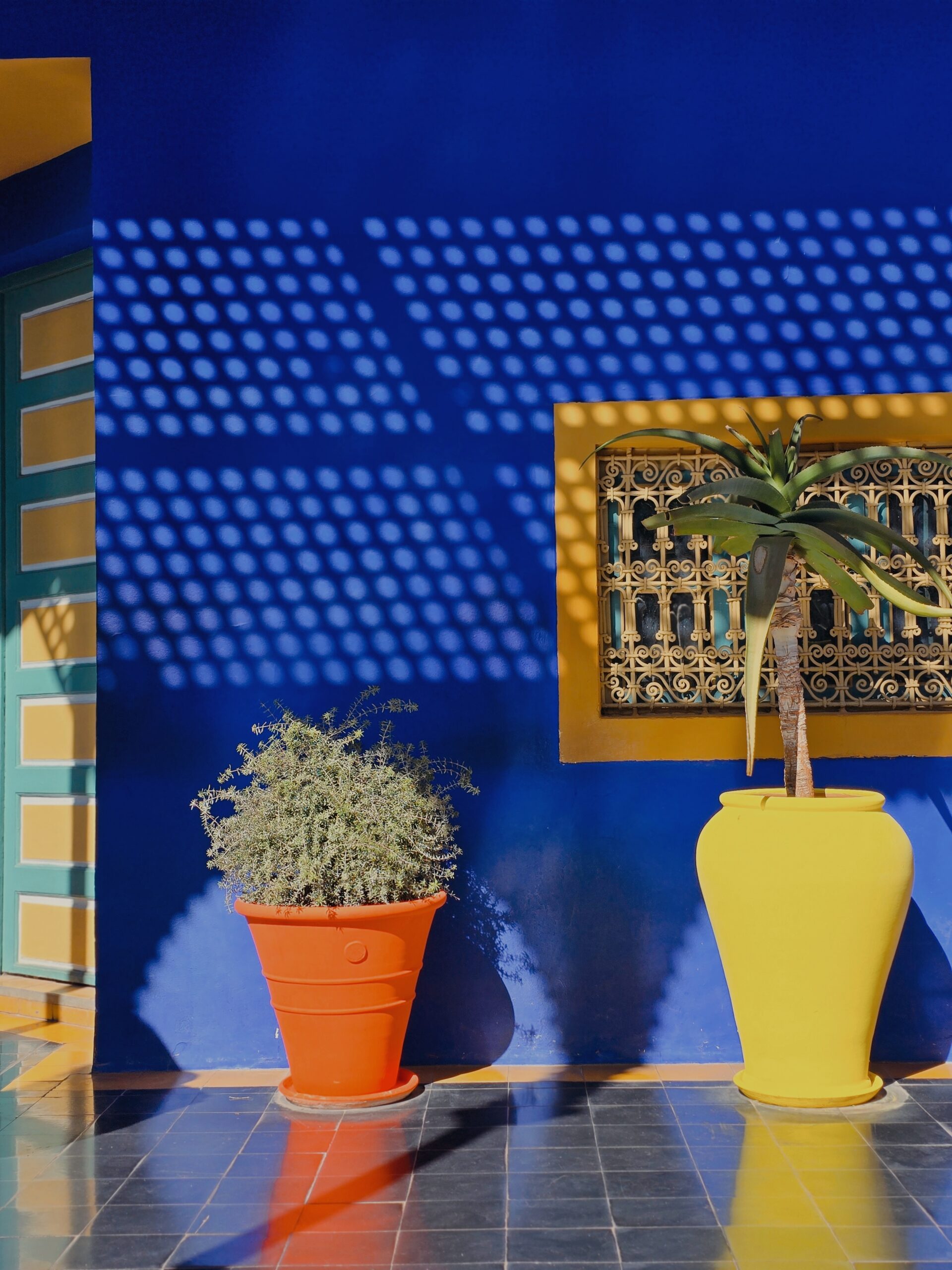
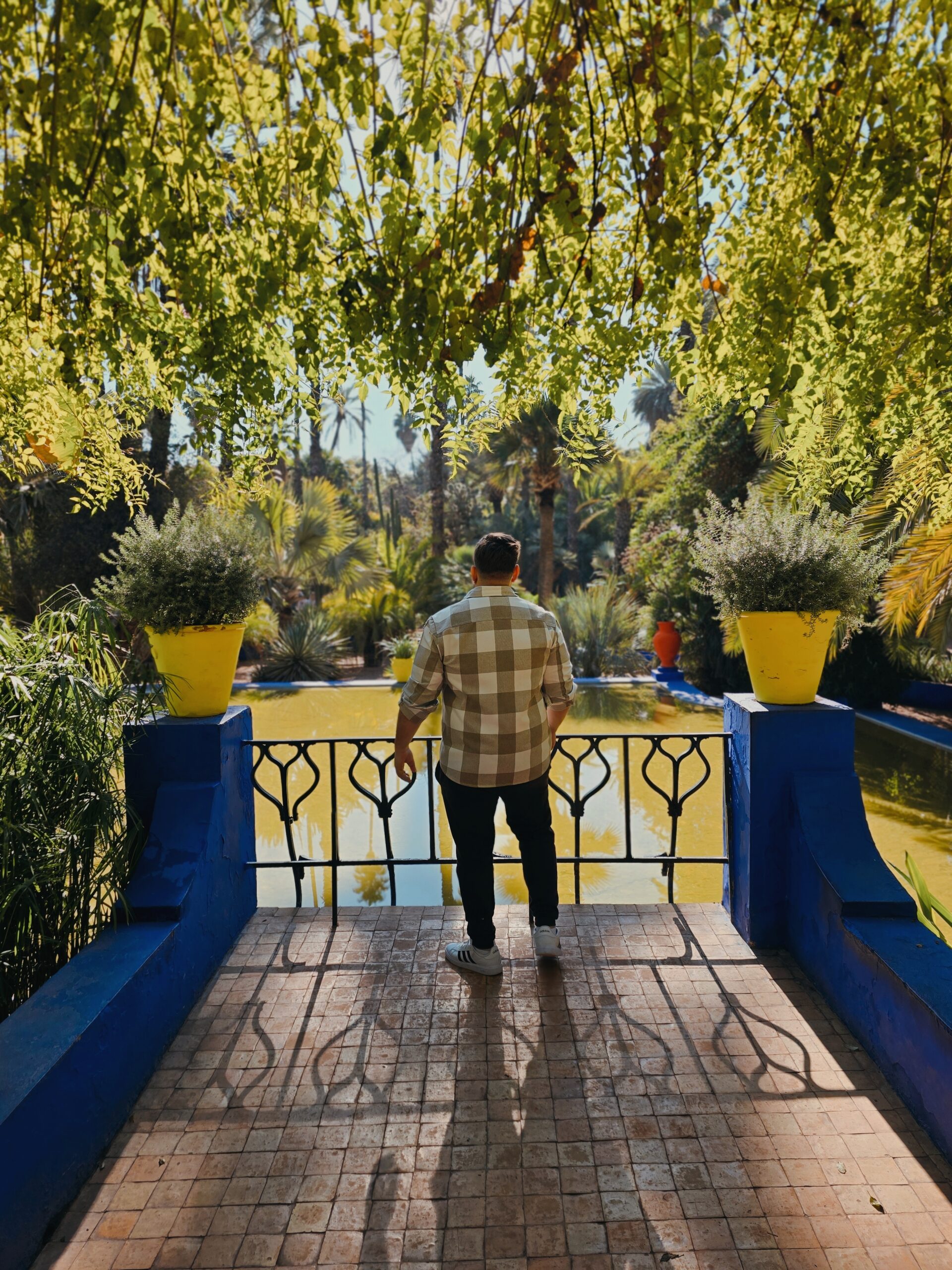
Jardin Majorelle is a quiet burst of color in the heart of Marrakech, where cobalt-blue and red walls cut sharply against lush palms, bamboo, and cactus. Designed in the 1920s by French painter Jacques Majorelle and later restored by Yves Saint Laurent and Pierre Bergé in the 1980s, the garden is both a living artwork and a cultural landmark, now home to a Berber Museum and a subtle reminder of how art, fashion, and nature intertwine in the city.
The museum is housed in Jacques Majorelle’s former painting studio and offers a fascinating look into the heritage of Morocco’s indigenous Berber (Amazigh) peoples. It displays a curated collection of over 600 artifacts—from intricately crafted silver jewelry, textiles, and traditional clothing to everyday objects, tools, pottery, and ceremonial items, collected by Pierre Bergé and Yves Saint Laurent from regions across Morocco. Pictures, however, are not allowed, but know that its 100% worth it.
We pre-booked the tickets combining the garden, the Berber Museum and the YSL Museum for €30 and even though there was a queue outside for the time slots, the wait was very short. The same thing applies for various spots in the garden – people line up for pictures, but they move quickly and there’s security everywhere keeping everything running smoothly.
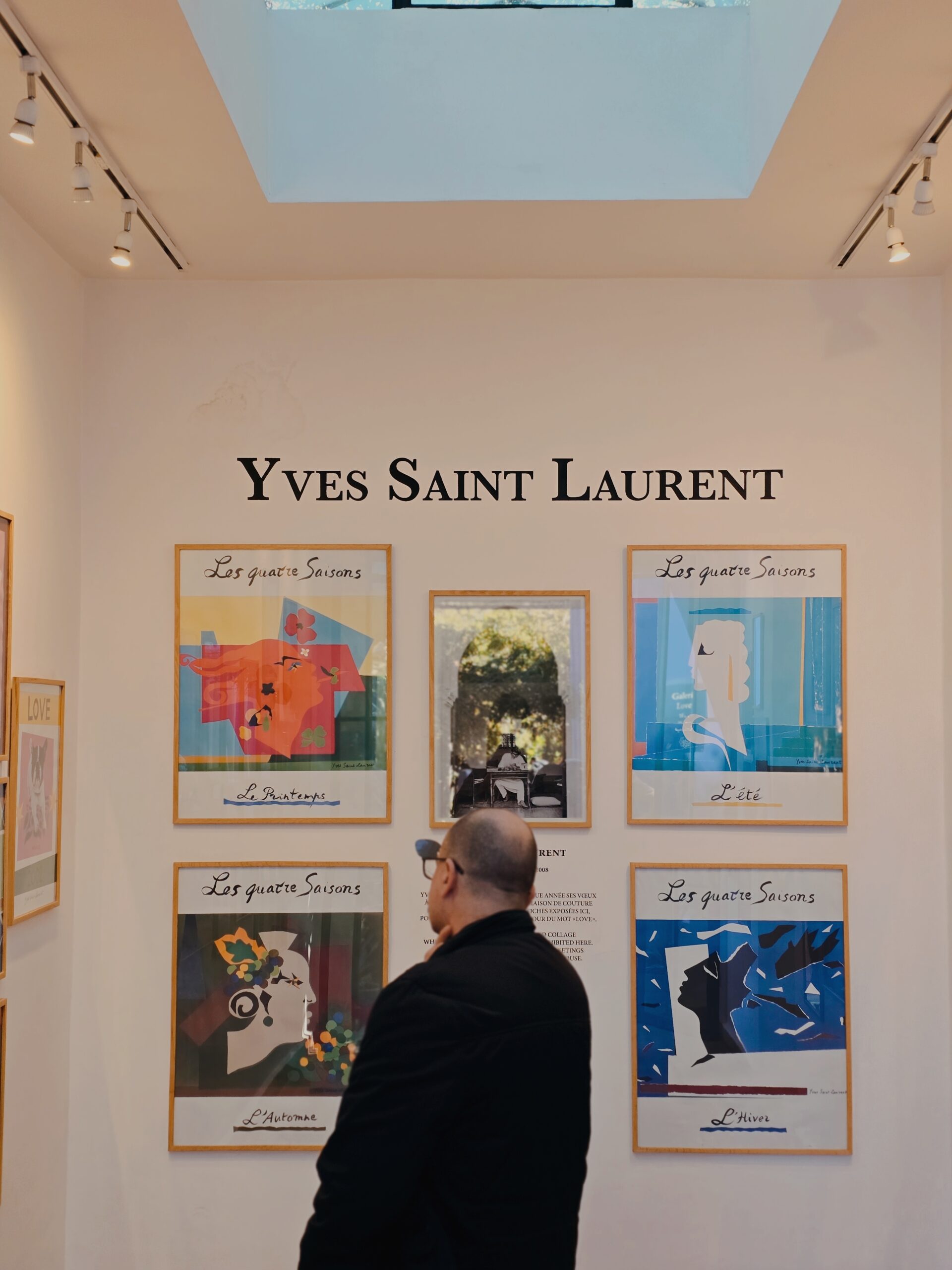
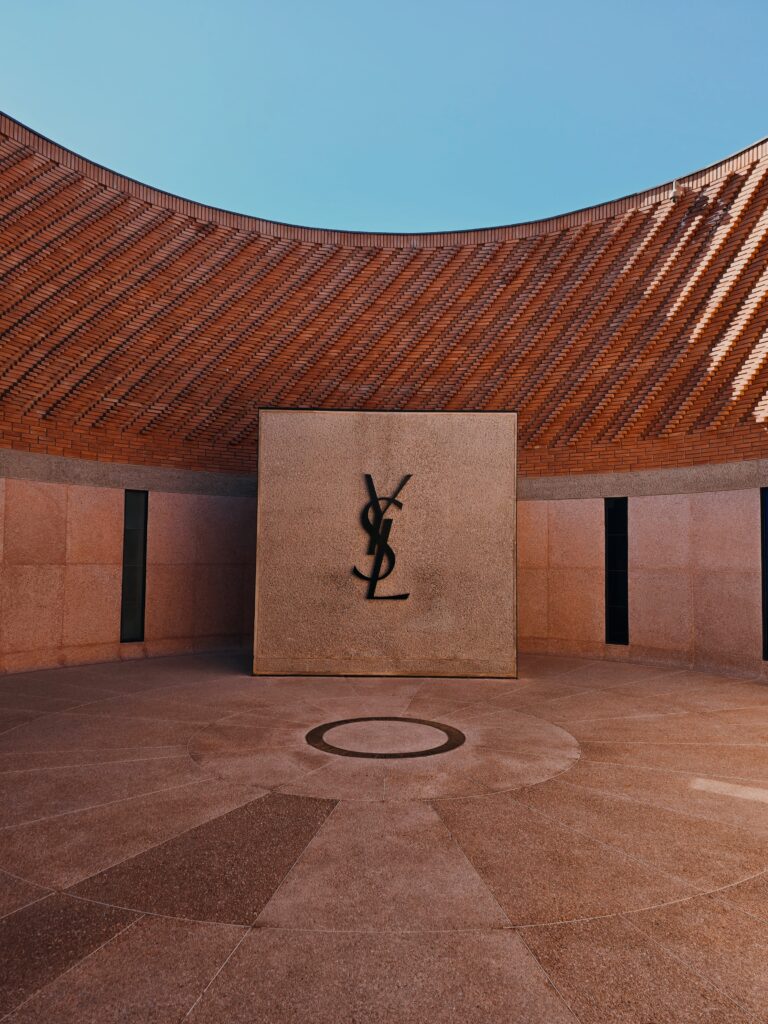
Yves Saint Laurent Museum
The Main Hall was closed when we visited, but we had the chance to see original sketches, photographs and audiovisual displays that trace the designer’s creative journey. A striking tribute to one of fashion’s greatest visionaries, where minimalist terracotta architecture meets haute couture heritage. Both this and Jardin Majorelle have great shops with a big variety of photobooks, posters and merchandise.
Jema el-Fnaa
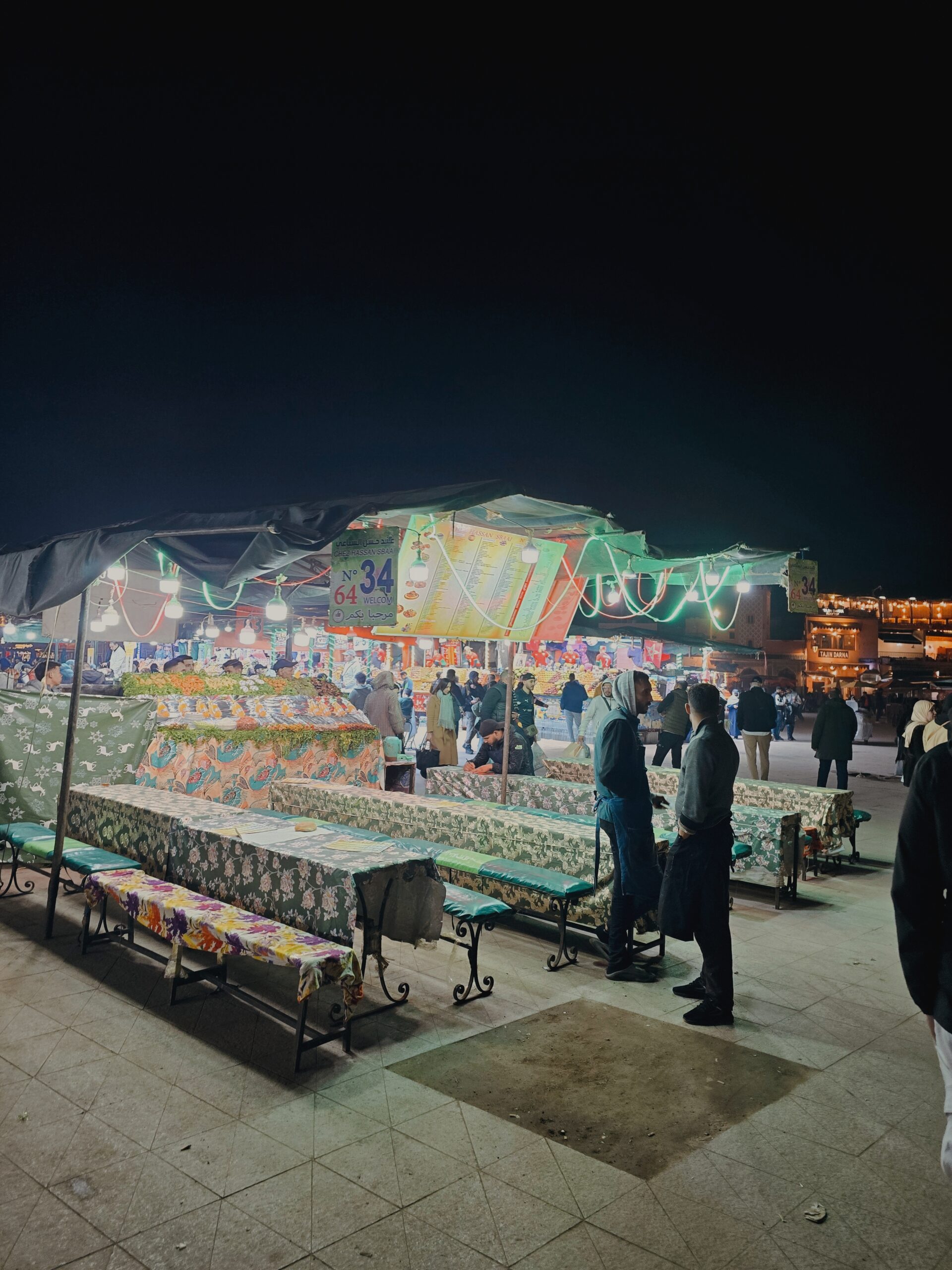
A UNESCO-recognized cultural space, Jema el-Fnaa has been a center of commerce, performance, and social life for centuries, where locals and travelers alike gather to witness the city’s most vibrant traditions unfold in real time. It’s full of shops, food vendors and musicians brighten the night with lights and music.
We found ourselves playing music with street musicians (always for a tip) and it was the highlight of our day. Its very close to most of the riads, and stays open until after midnight, though you might want to be a bit more cautious on your way back – the souks close early, and most of those streets are dark and empty.
In only 24 hours, Marrakech became an unforgettable experience. From the energy of Jema el-Fnaa to the vibes of the Souks and from the rich tastes of slow-cooked tagines and fresh bread torn by hand, to the colors of Jardin Majorelle, it was definitely one for the books. Every corner feels textured, from cool zellige tiles on your fingertips to sun-baked walls blushing pink at golden hour, Marrakech isn’t a city you simply visit; it’s one you feel, layer by layer, sense by sense.