hat do you know about Casablanca and Rabat? Casablanca has that incredible mosque of Hassan II and Rabat is the capital of Morocco. If these two cities are a small part of your Moroccan journey, you can still catch a glimpse of their highlights like we did.
Visiting Casablanca and Rabat in a single day is a whirlwind, but it’s the perfect way to glimpse Morocco’s vibrant contrasts
On the first day of our trip around Morocco, we had stops in Casablanca and Rabat. It’s not ideal to combine two cities in one day, but we did it – and it was raining – so we did manage to see the best bits but didn’t get to walk around and feel the vibes more.
Casablanca is a modern city, just not in the polished, postcard-perfect way people often expect. It’s Morocco’s economic capital and largest city, with a skyline of glass office towers, sprawling neighborhoods, big shopping malls, and one of Africa’s busiest ports. You’ll probably see a daily life that feels closer to a European metropolis than to the medina-centric image many travelers associate with Morocco. That said, Casablanca is modern in a layered, slightly chaotic way. It doesn’t try to charm you like Marrakech or Fez, and that’s kind of the point.
Sacred Heart Cathedral
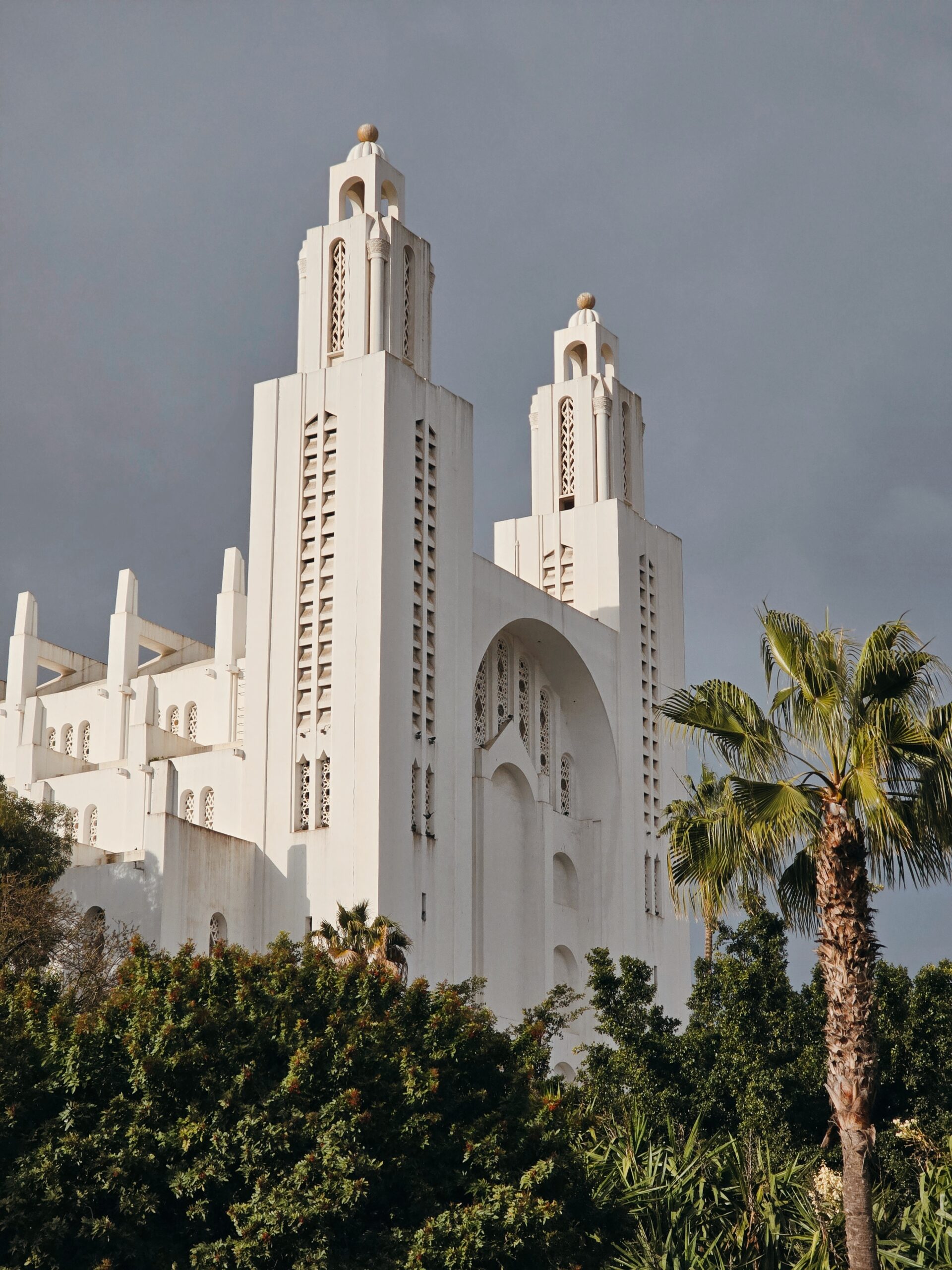
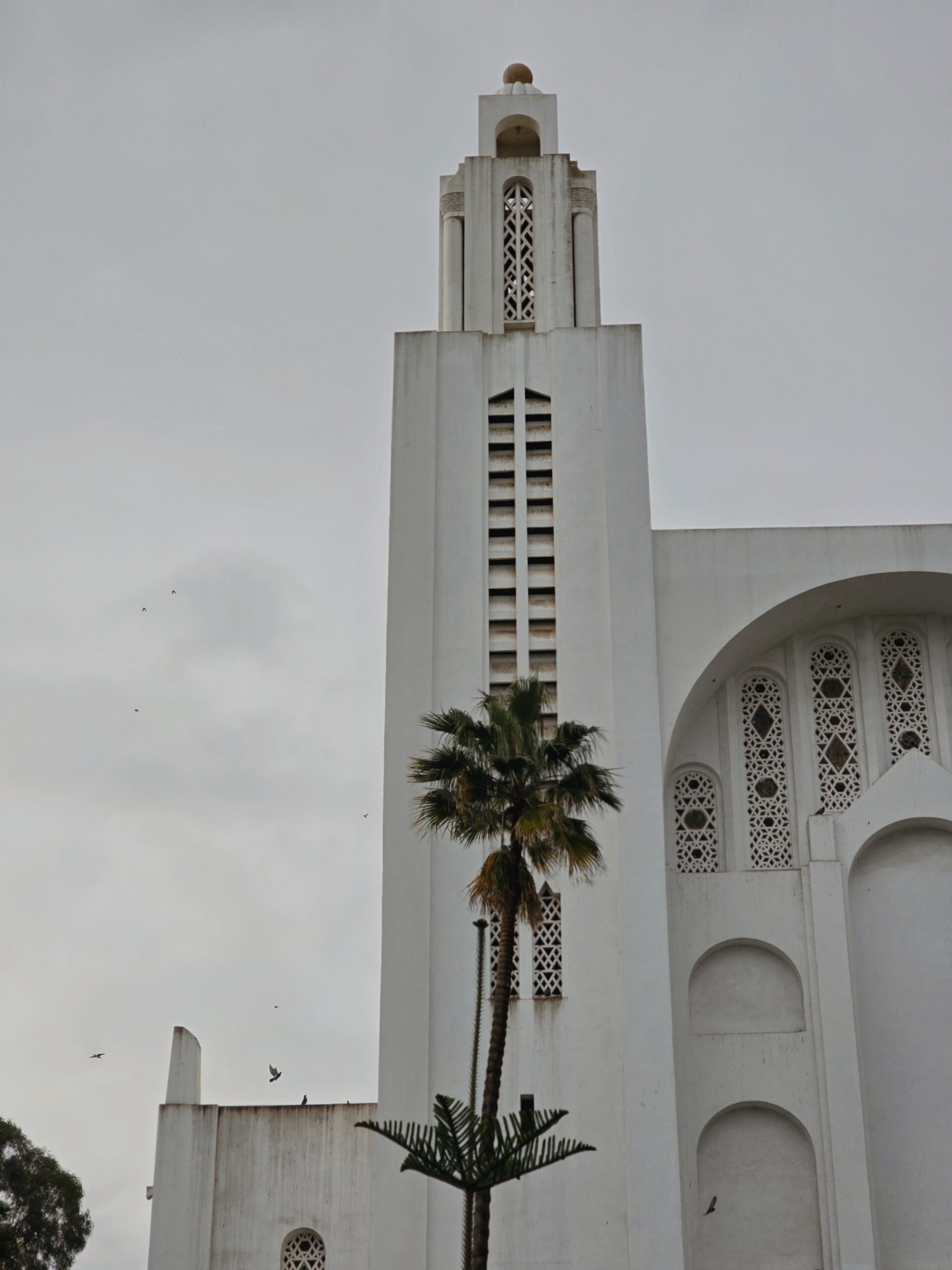
Tucked beside the leafy Arab League Park in the heart of Casablanca lies a surprising sight: the Sacred Heart Cathedral, a white concrete monument that feels like a piece of 1930s Europe dropped into North Africa. Built for the city’s once-large Catholic community, it was designed by French architect Paul Tournon in a striking blend of Art Deco and neo-Gothic styles, with hints of Moorish influence in its clean lines, geometric ornamentation and towering silhouette.
Unfortunately, a private event was taking place in its yard so we couldn’t get close, nor enter the cathedral.
Arab League Park
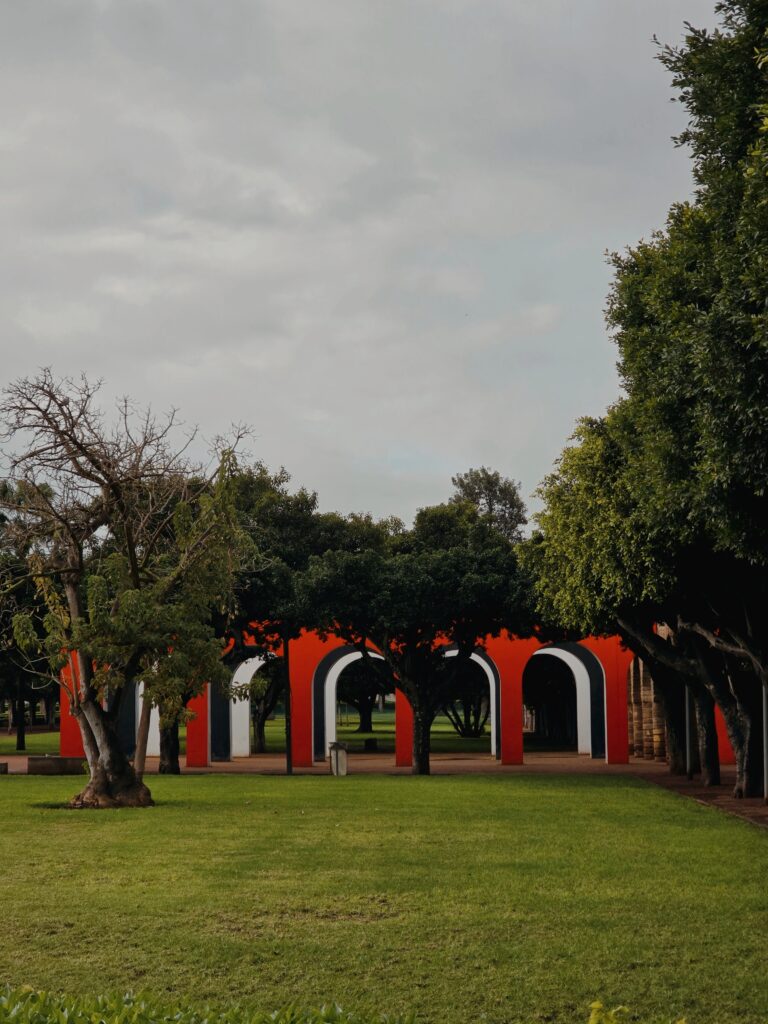
In the nearby Arab League Park you can enjoy nature and pause for a photo at the red and white arches. These are not some art installations. When the park was redesigned in the early 20th century by the French planner Albert Laprade, some arches from the old Portuguese prison (Prison of Anfa) were repurposed and relocated there to support a pergola and add historical ornamentation to the green space.
City Hall
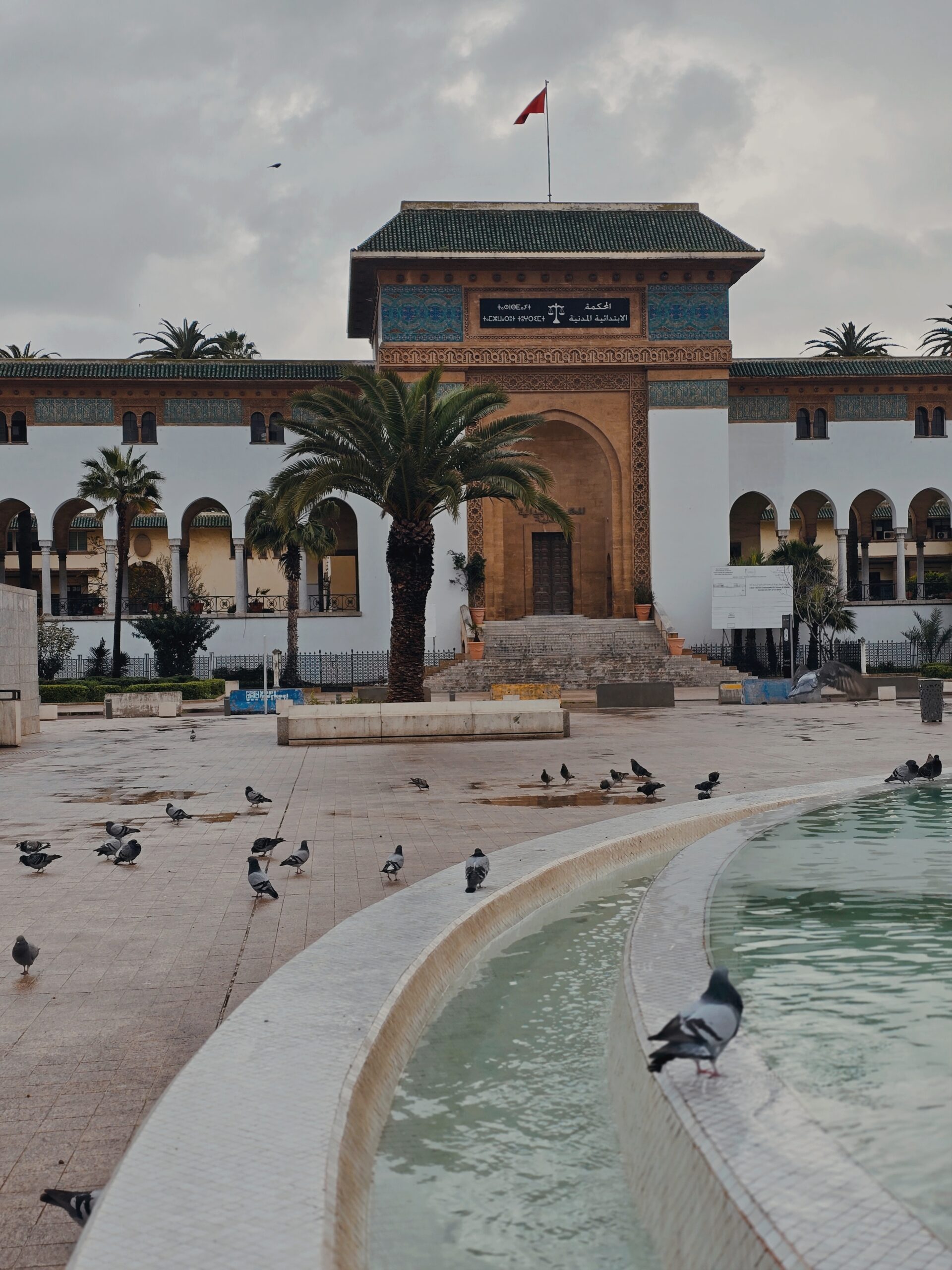
Just a few meters away from the Cathedral, Casablanca’s City Hall, known locally as the Hôtel de Ville, is a beautiful reminder of the city’s early 20th-century transformation under the French Protectorate. Designed by architect Marius Boyer and completed in the 1930s, the building marries Art Deco flair with neo-Moroccan touches.
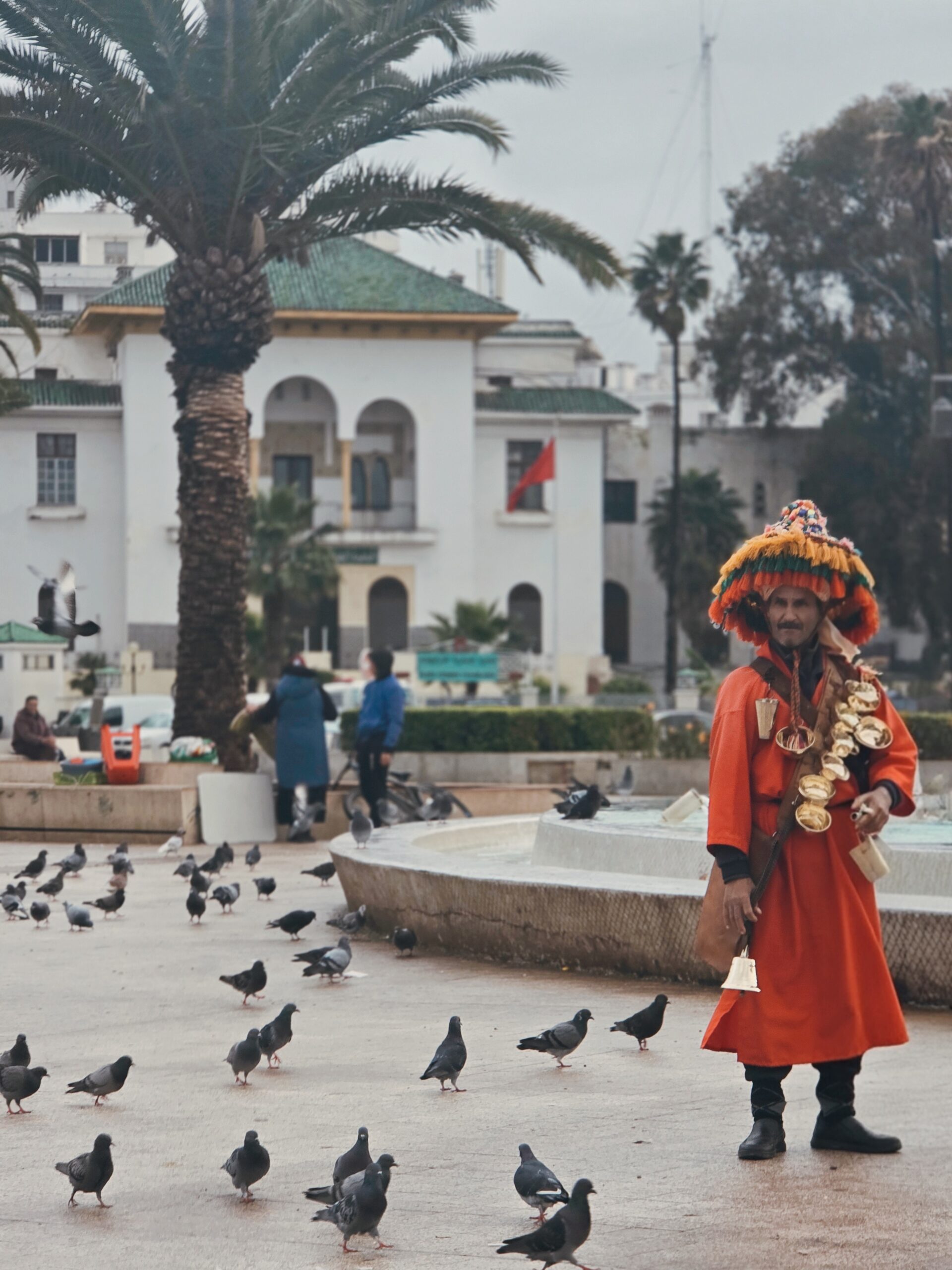
On the pigeon-filled square, around the fountain with the dancing water, you will probably meet a water seller.
The traditional water seller is one of those living symbols that feels straight out of another era, and yet you’ll still spot him posing proudly in city squares, especially for photos. Dressed in a vividly colorful outfit, he typically wears a wide-brimmed straw hat with dangling tassels, a bright red tunic, and carries a polished brass water container strapped across his chest, complete with small metal cups.
These water sellers provided drinking water to passersby long before modern plumbing existed, drawing from public fountains and wells, though today, their role is largely ceremonial
Hassan II Mosque
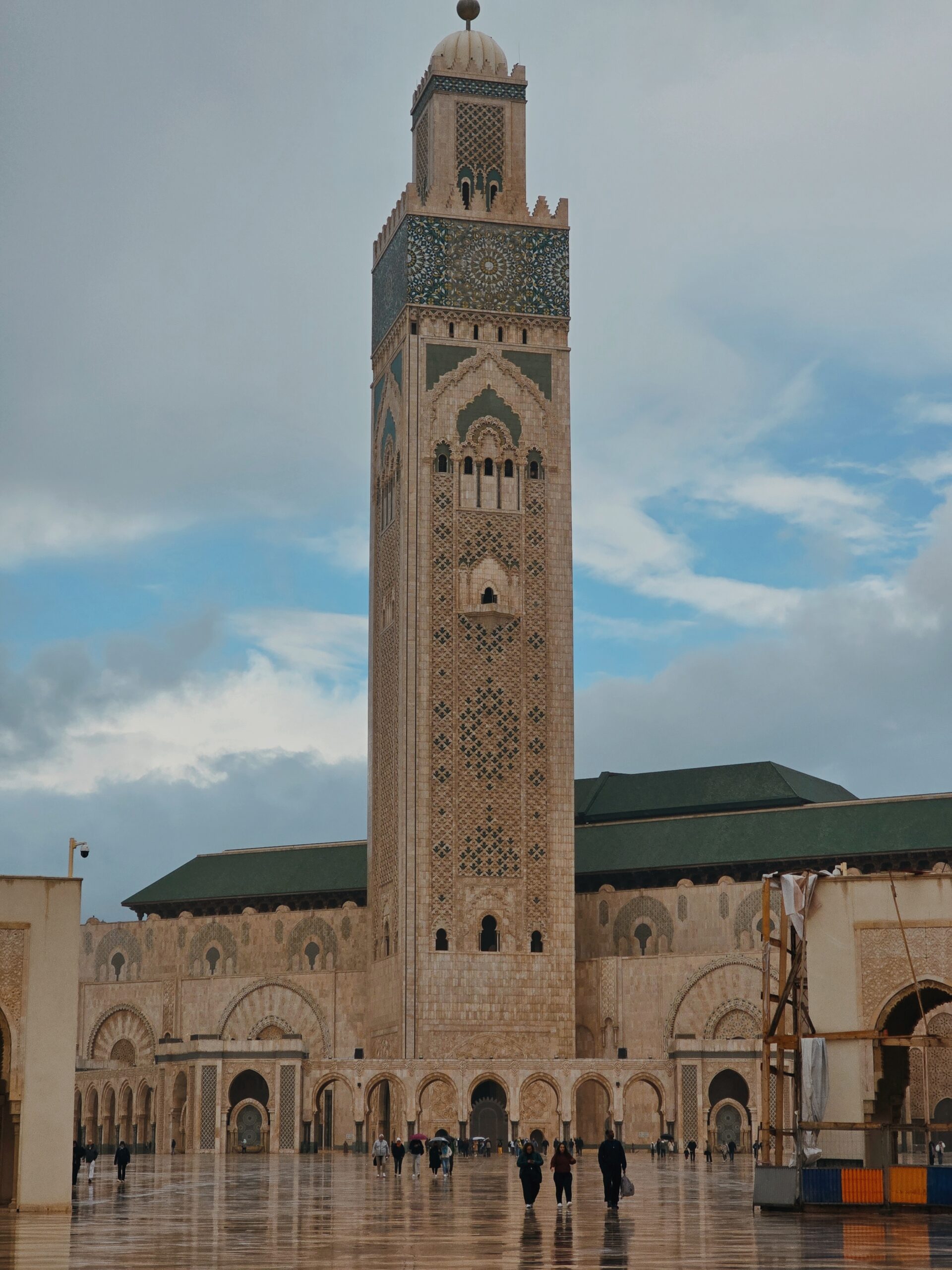
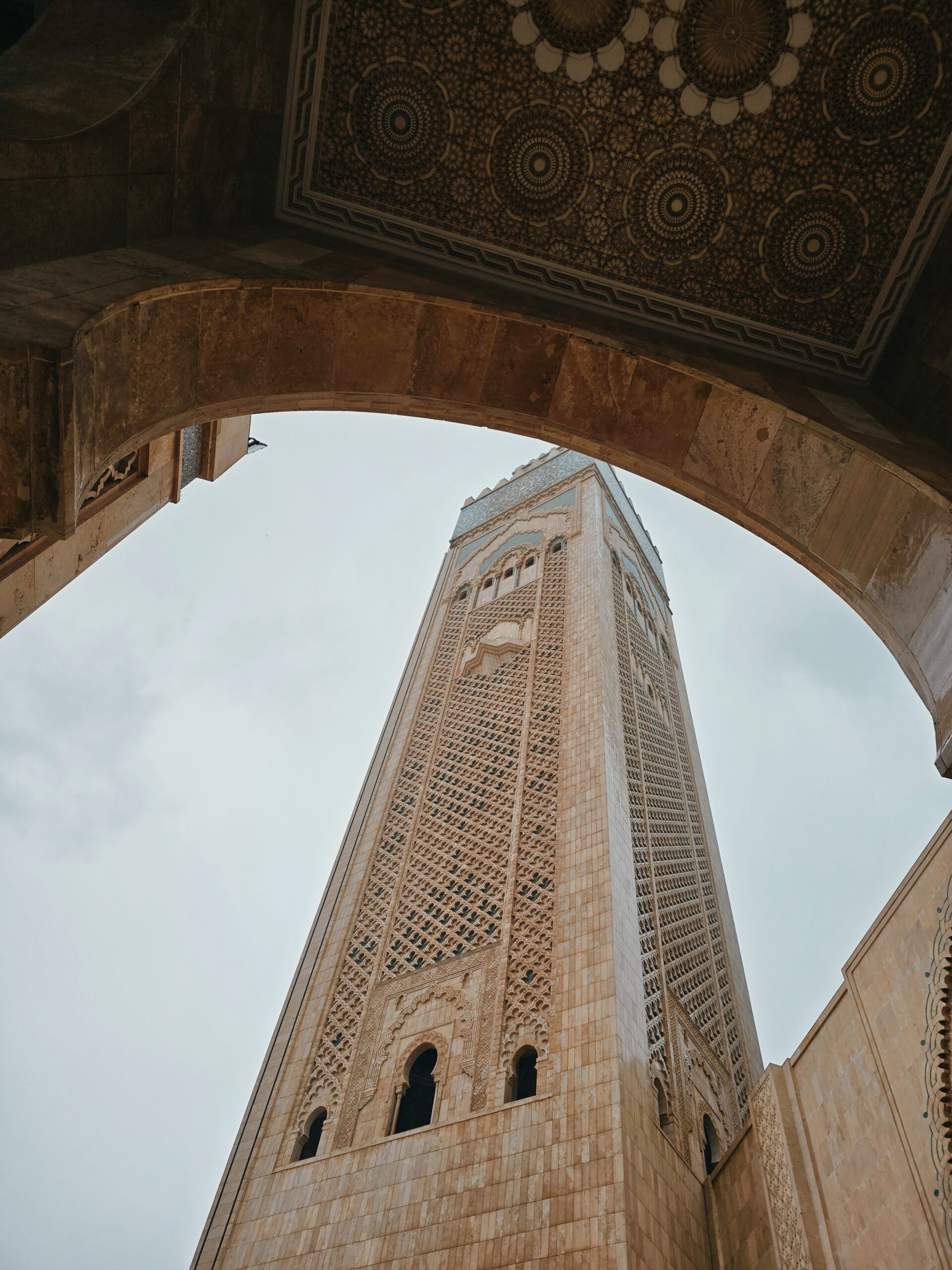
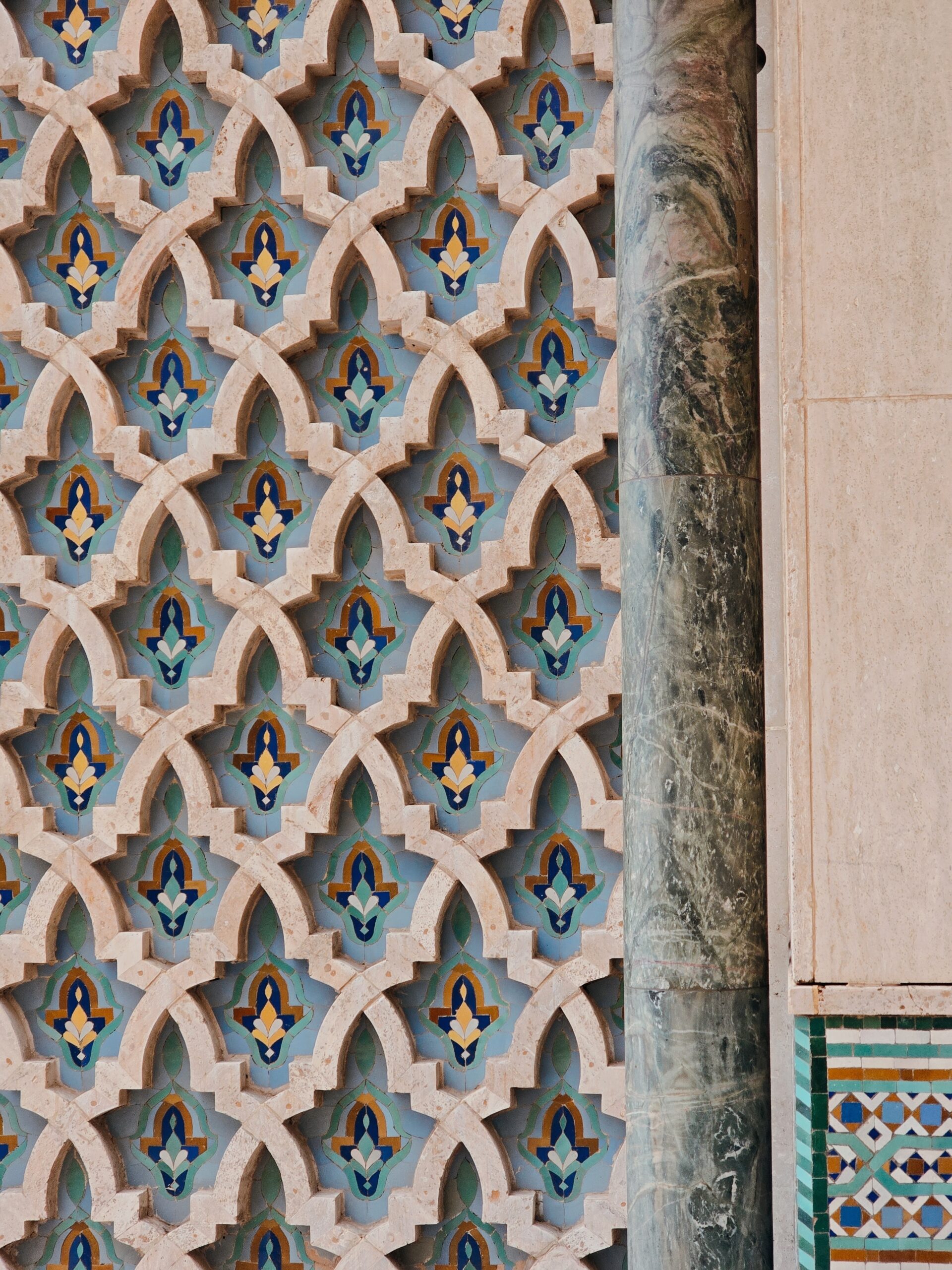
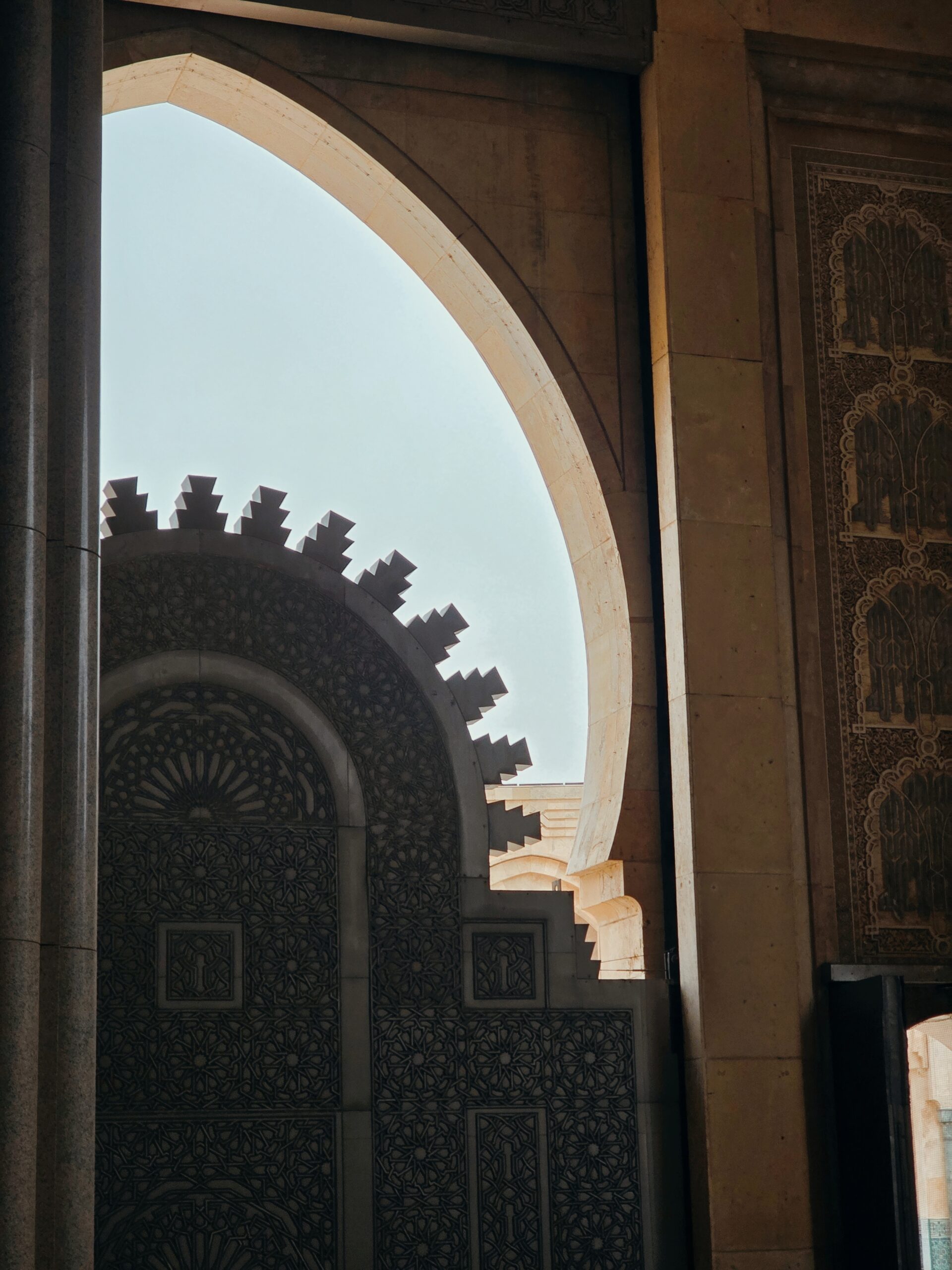
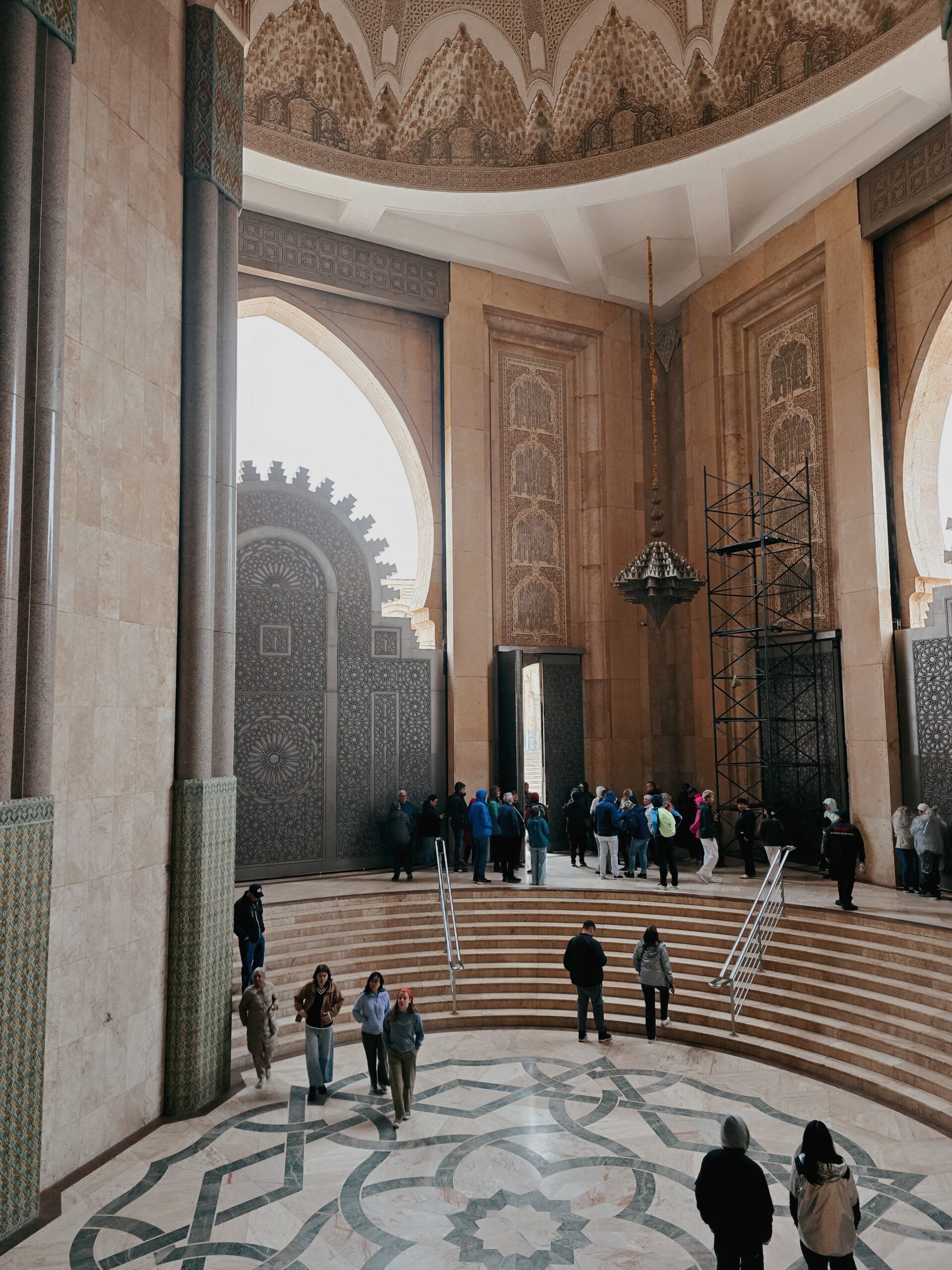
Let me tell you, I’ve known how this mosque looks for so many years, but I never bothered to get a closer look. Once I was there, I realized that the Hassan II Mosque is the kind of place that makes you stop mid-step and just stare at the details.It feels both monumental and slightly unreal.
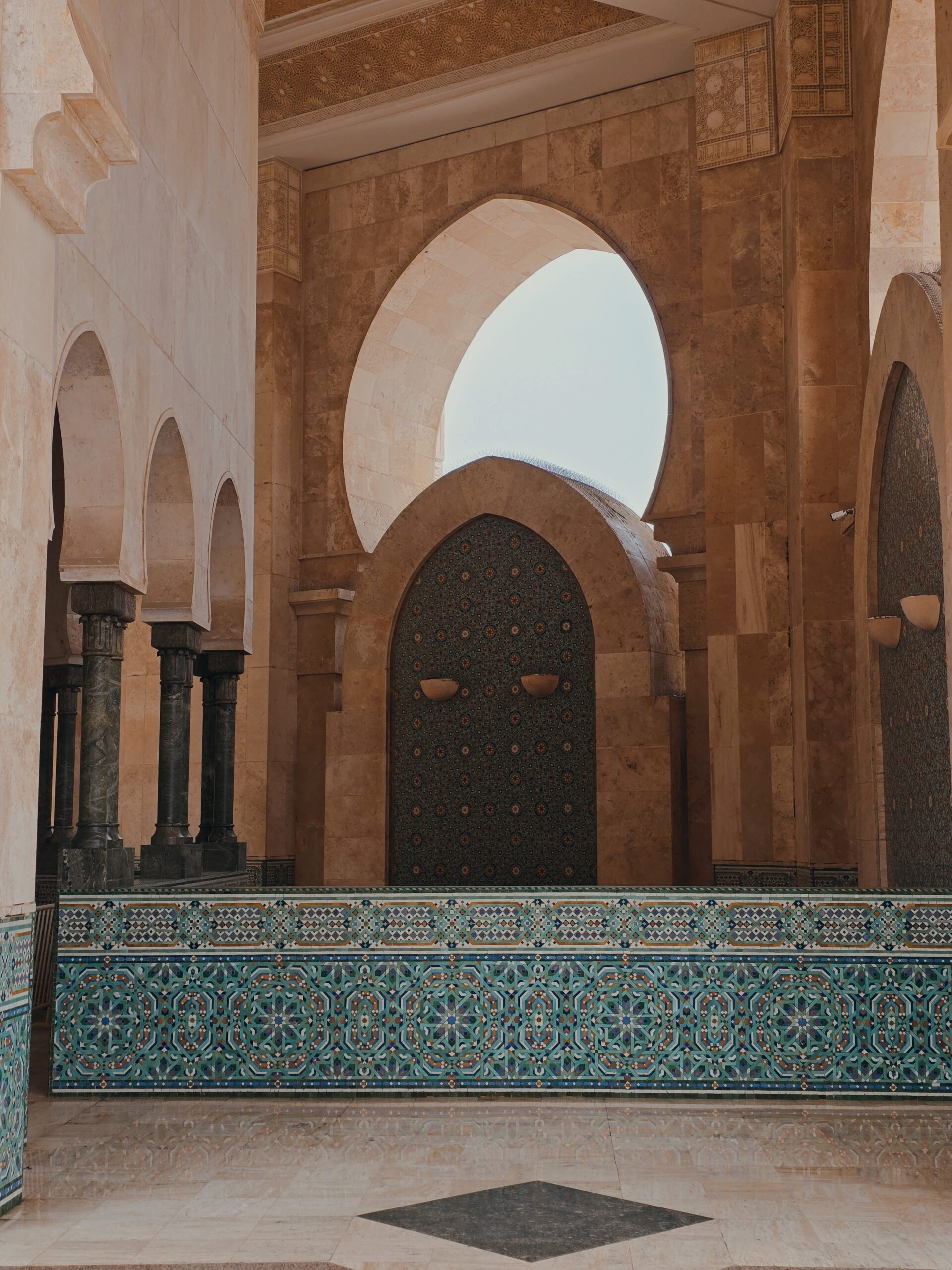
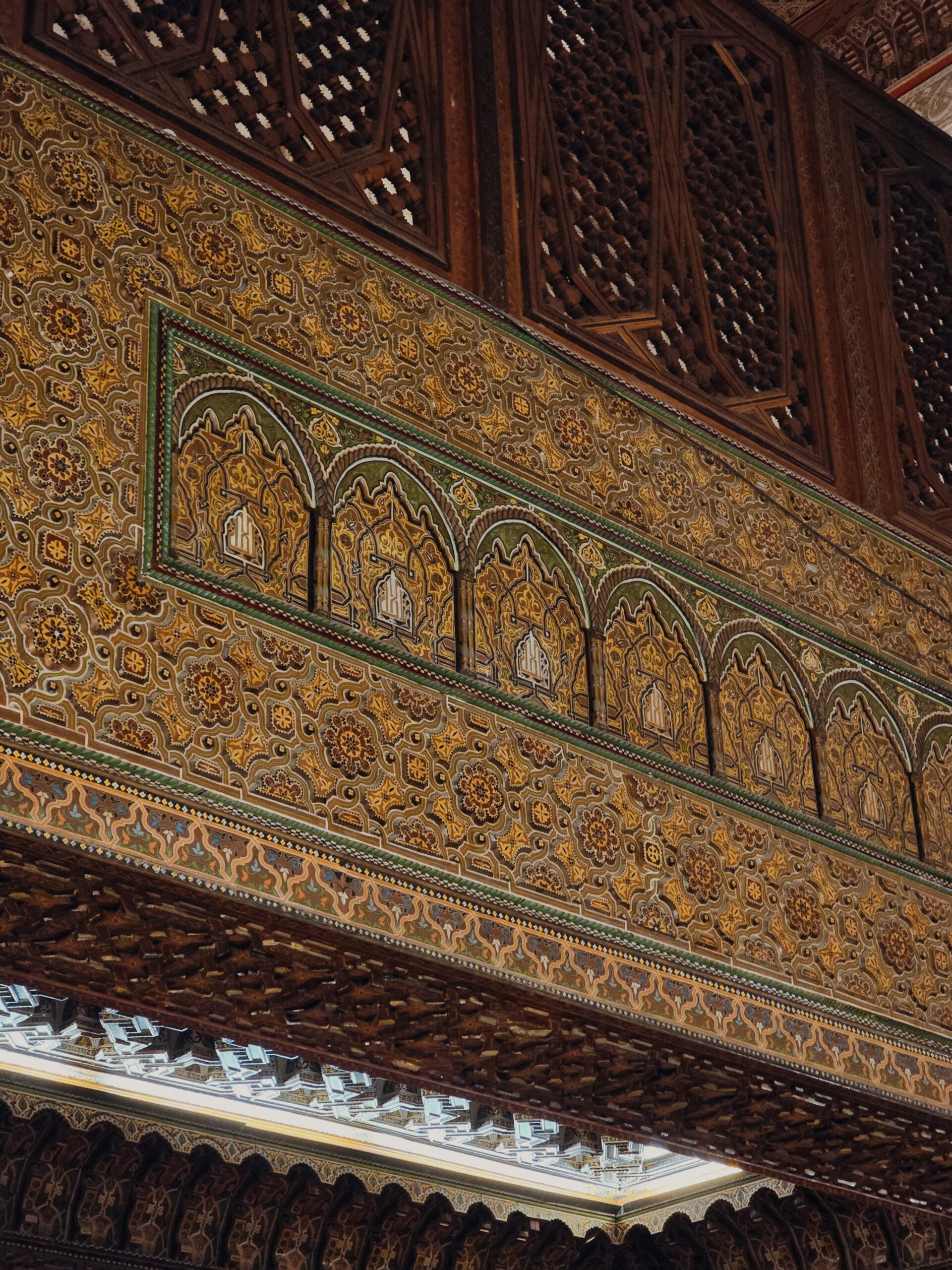
Its 210m minaret, the tallest in Africa, dominates Casablanca’s skyline. Built in the early 1990s, the mosque is a masterclass in Moroccan craftsmanship, with hand-cut zellige tiles, carved cedarwood ceilings, and marble hauled in from all over the country. Grand, intricate, and unapologetically dramatic, it’s easily Casablanca’s most unforgettable landmark.
Unlike many mosques in Morocco, non-Muslims can visit via guided tours at set times, making it one of the best ways to appreciate the architecture up close – so make sure to check the schedule in advance. For most foreign adult tourists, a standard guided tour ticket costs around 130–140 Moroccan dirhams (MAD) (roughly €12-€14).
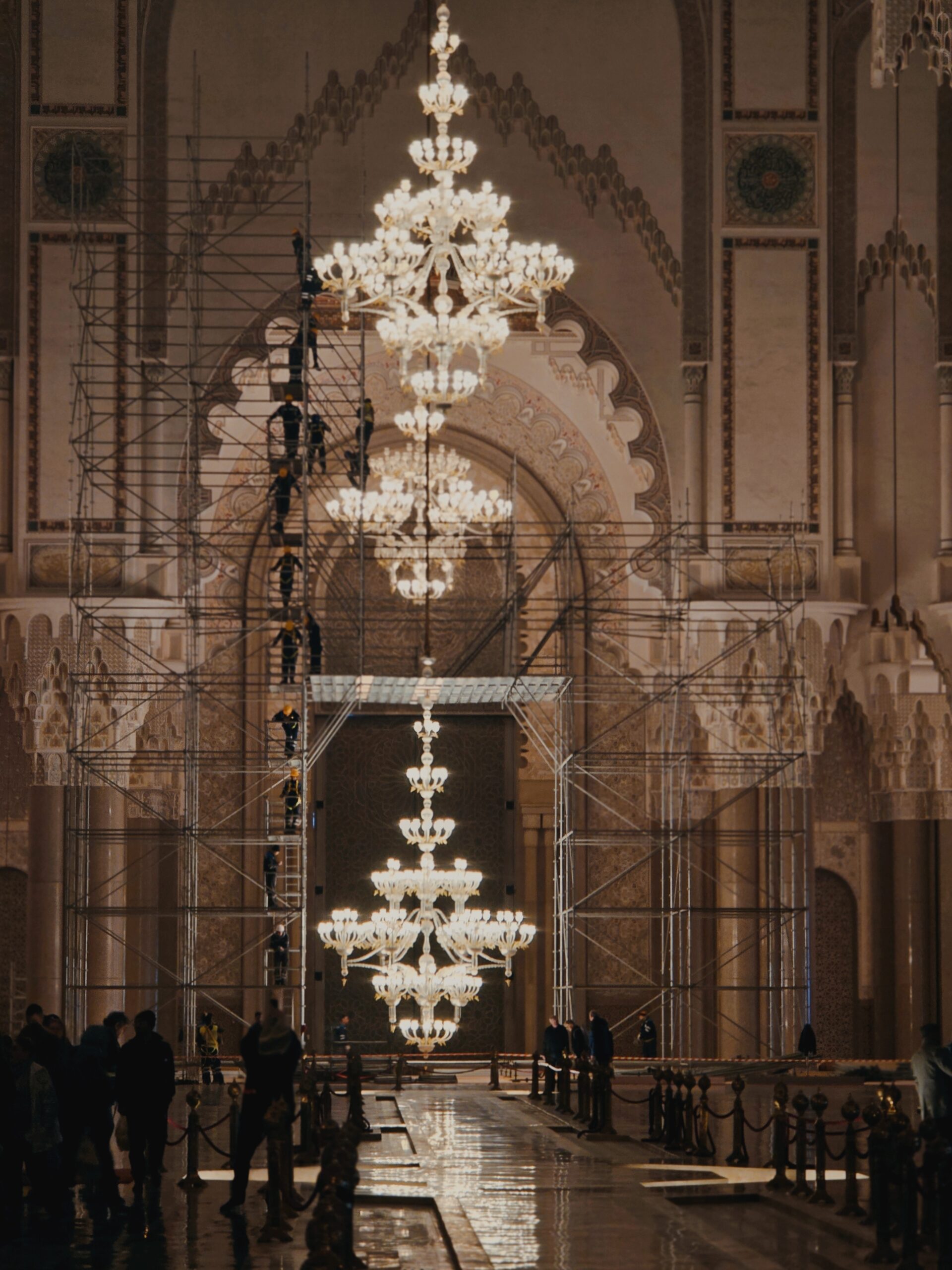
The interior is just as stunning, and when we entered there were workers climbed on scaffolding fixing a giant chandelier. For some reason the picture of them looks like a movie poster? Or something like that.
Food
For our lunch, we stopped at Chez Reda Café & Grillades. It’s close to the mosque, it’s a more tourist-friendly restaurant than a local business but it was clean, the waitress was extremely nice, funny and helpful and the food was delicious.
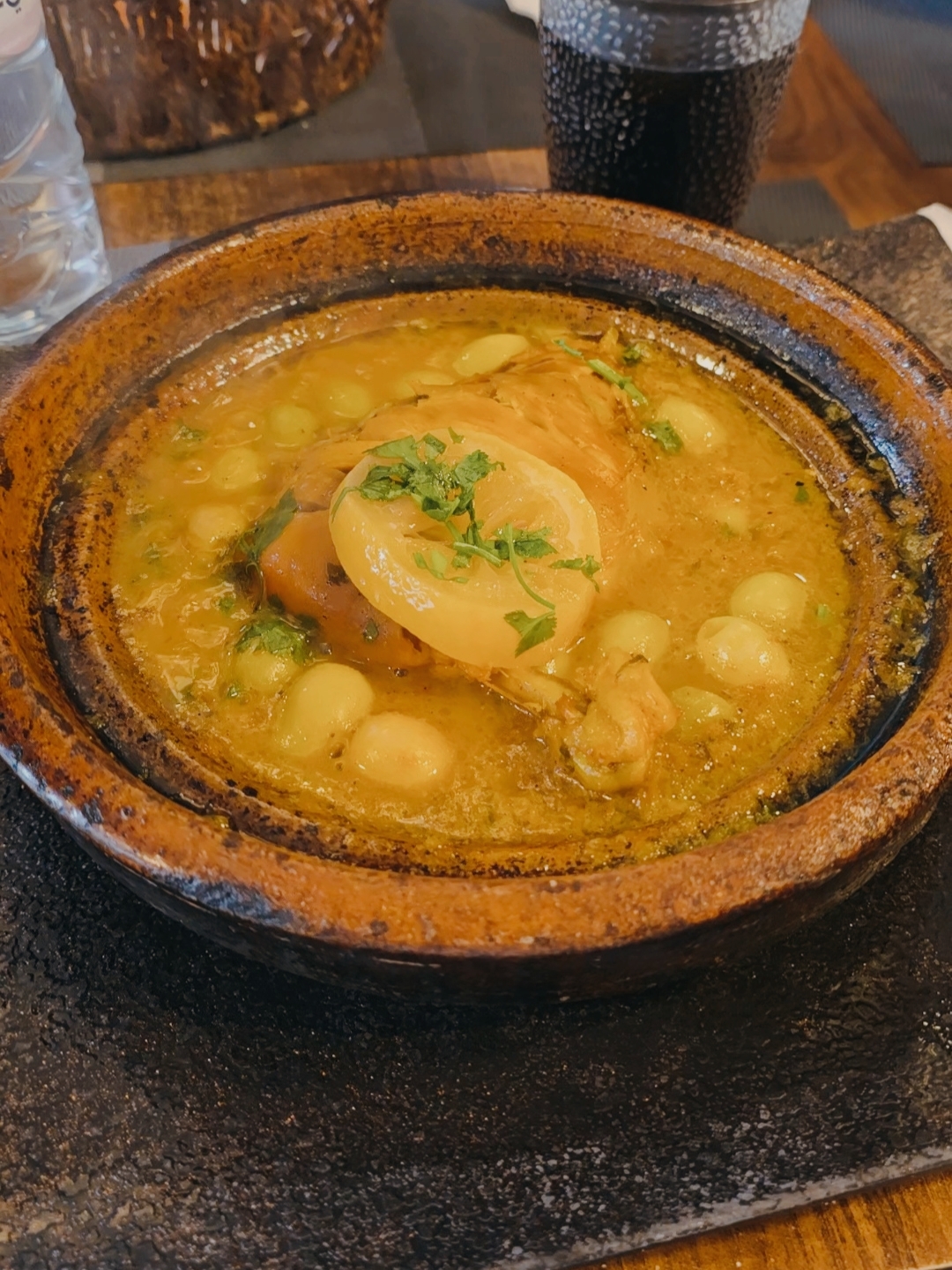
That’s where we had our first local dish. Moroccan dishes are all about complex layers of flavor, often combining sweet and savory in the same dish. I had tagine poulet.
Tagine poulet is one of those dishes that quietly steals the show. Slow-cooked in its iconic cone-shaped clay pot, Moroccan chicken tagine is tender chicken simmered with preserved lemons, green olives, garlic, ginger, and warming spices like saffron and turmeric. The result is deeply savory with a bright, citrusy kick that cuts through the richness perfectly. Comforting, fragrant, and endlessly satisfying, it’s a must-try introduction to Moroccan cuisine.
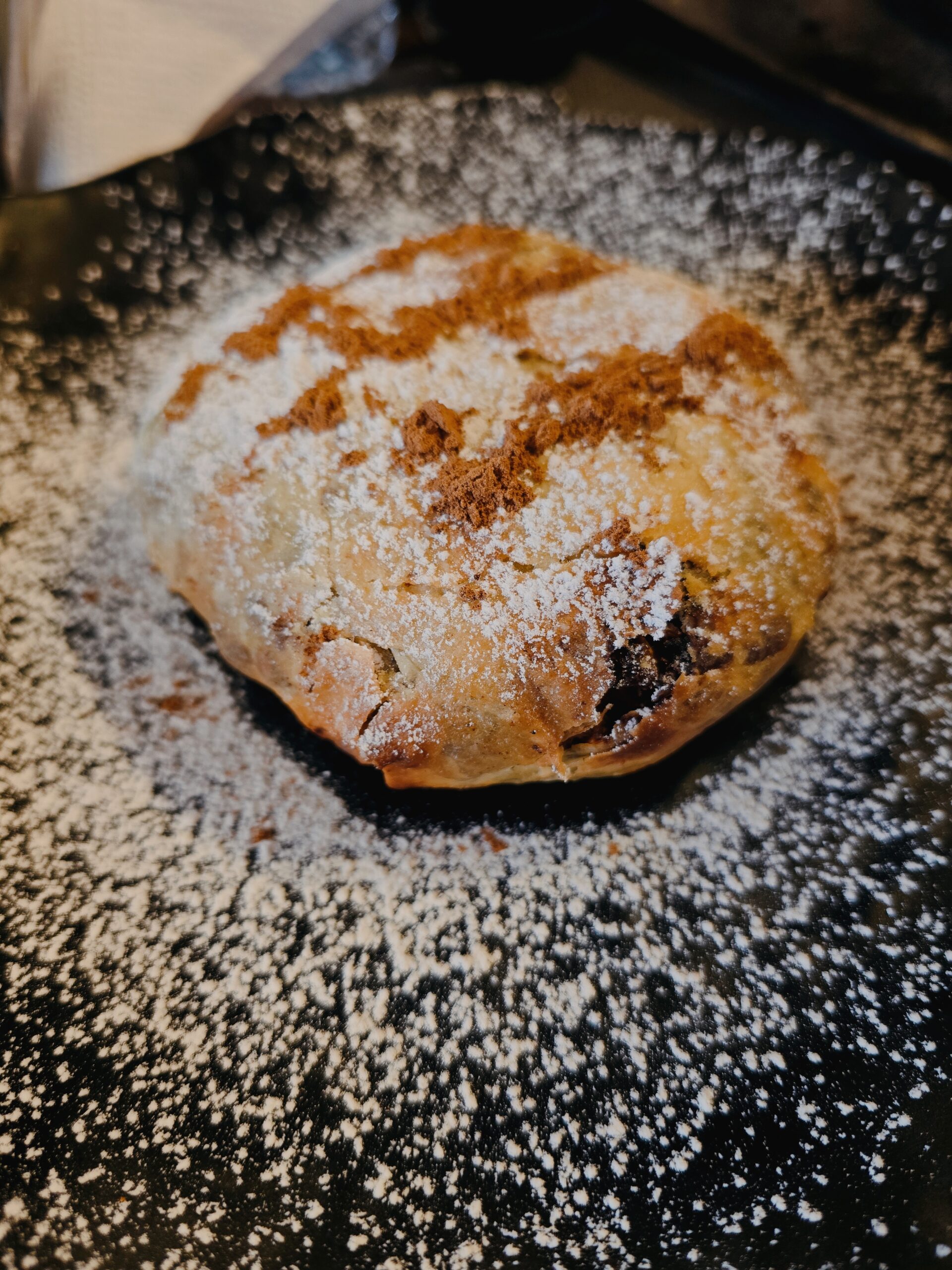
And of course, we couldn’t leave without trying pastilla!
Pastilla blurs every line you think exists between sweet and savory: flaky layers of warqa pastry wrapped around spiced meat (traditionally pigeon, now more often chicken), mixed with almonds, cinnamon, and saffron, then baked until golden and dusted with powdered sugar and cinnamon on top.
I’m not gonna lie, its one of those dishes that makes you pause, slightly confused. The powdered sugar feels out of place but also weirdly, is what makes it so unique. It’s not a dish for everyone, but its definitely worth a try.
In Rabat
Rabat is a city that balances history, politics, and coastal charm. Morocco’s capital is one of the “four imperial cities” and is surprisingly modern and green, with palm-lined avenues, public gardens, and beaches just minutes from the historic heart. It’s often less hectic than Casablanca or Marrakech, giving travelers a blend of Moroccan heritage and contemporary city life.
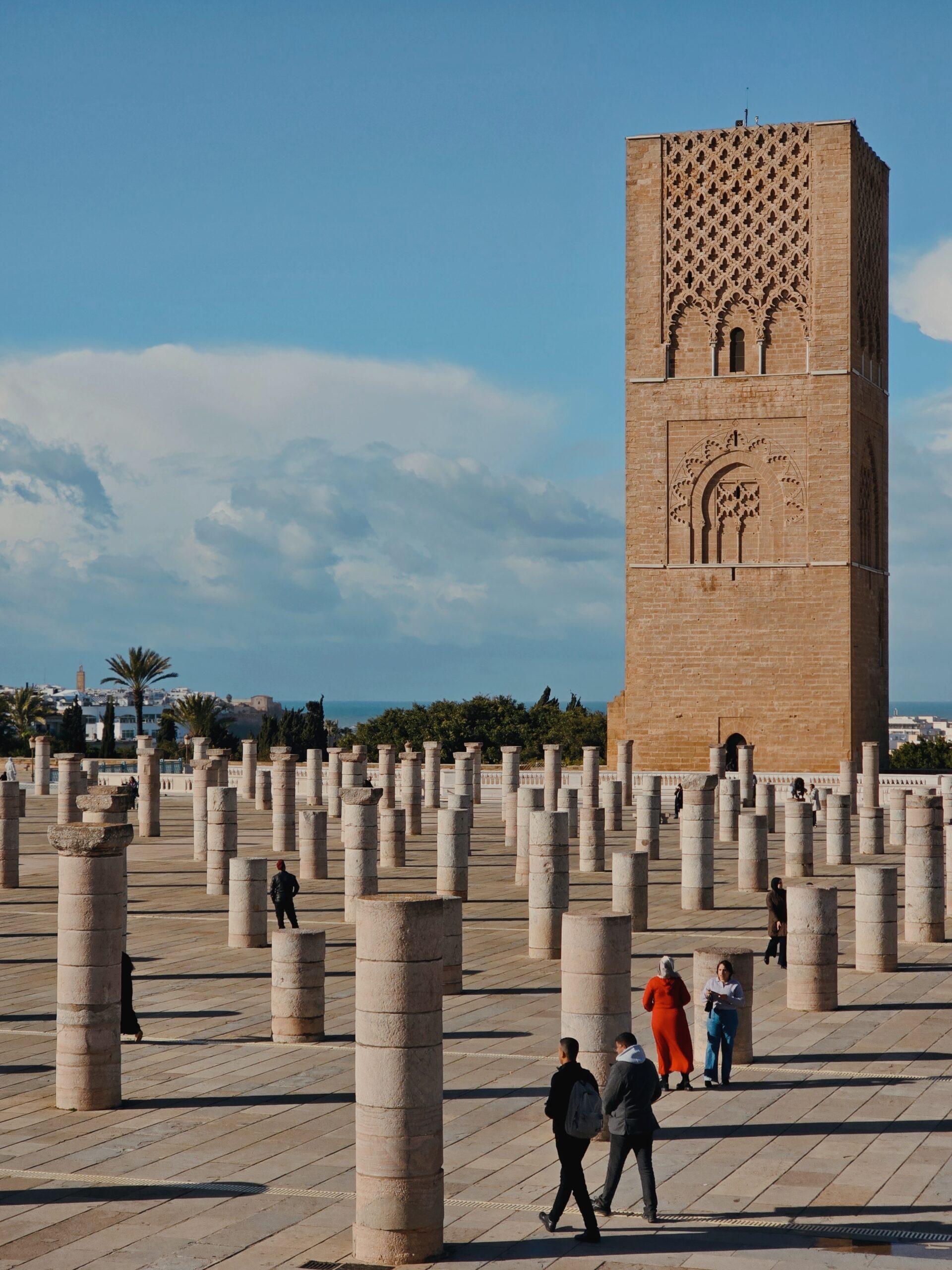
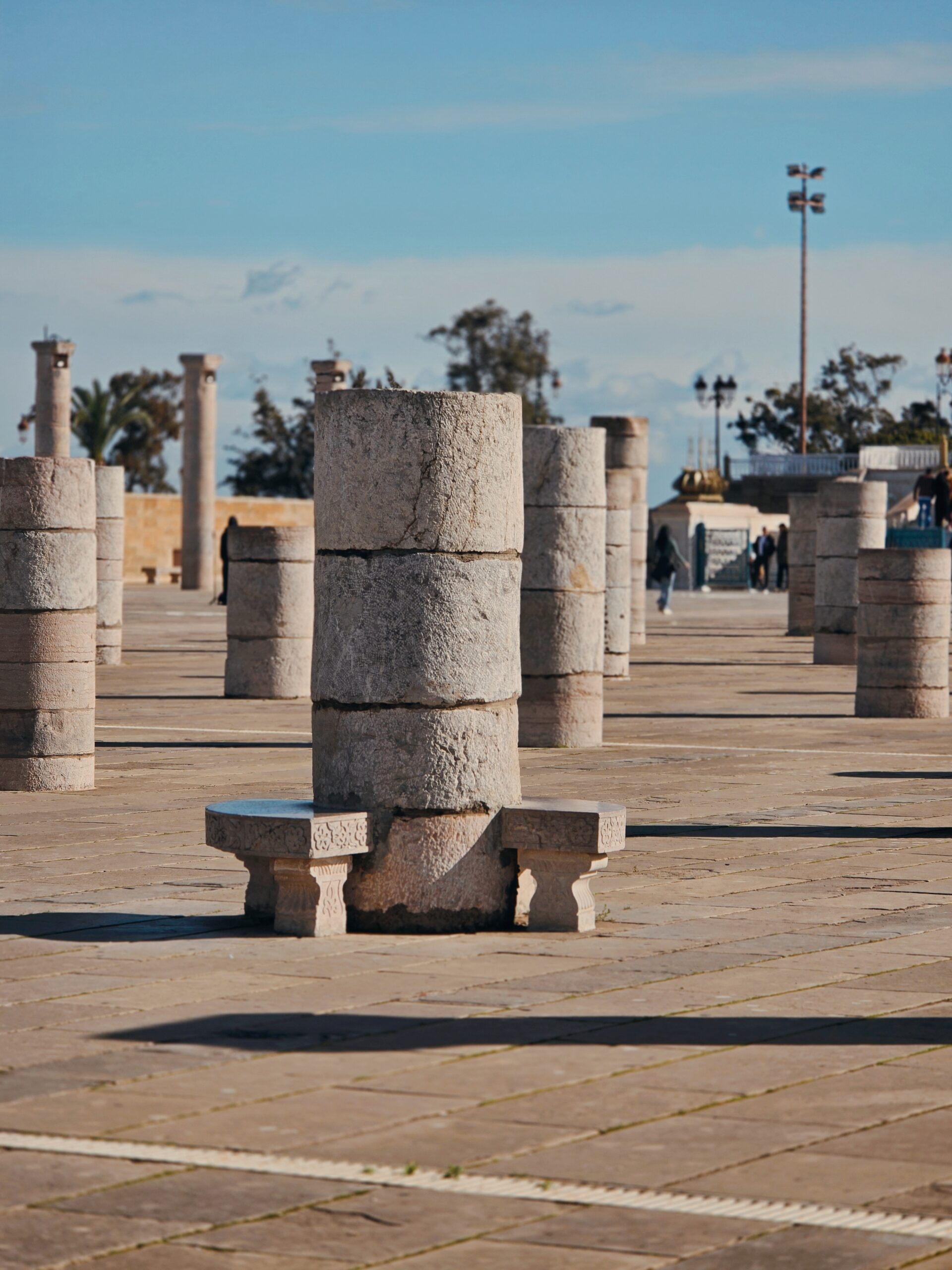
The Hassan Tower is one of Rabat’s most iconic landmarks. A striking 12th-century minaret that was meant to be the tallest in the world when construction began in 1195 under Sultan Yacoub al-Mansour. However, the project was never completed after the Sultan’s death, leaving the tower at 44 meters, roughly half of its planned height.
Surrounding the tower are the ruins of the grand mosque that was meant to accompany it, with dozens of columns still arranged in perfect symmetry. Together, the tower and mosque form a UNESCO-recognized heritage site, attracting visitors interested in architecture, history, and Moroccan culture.
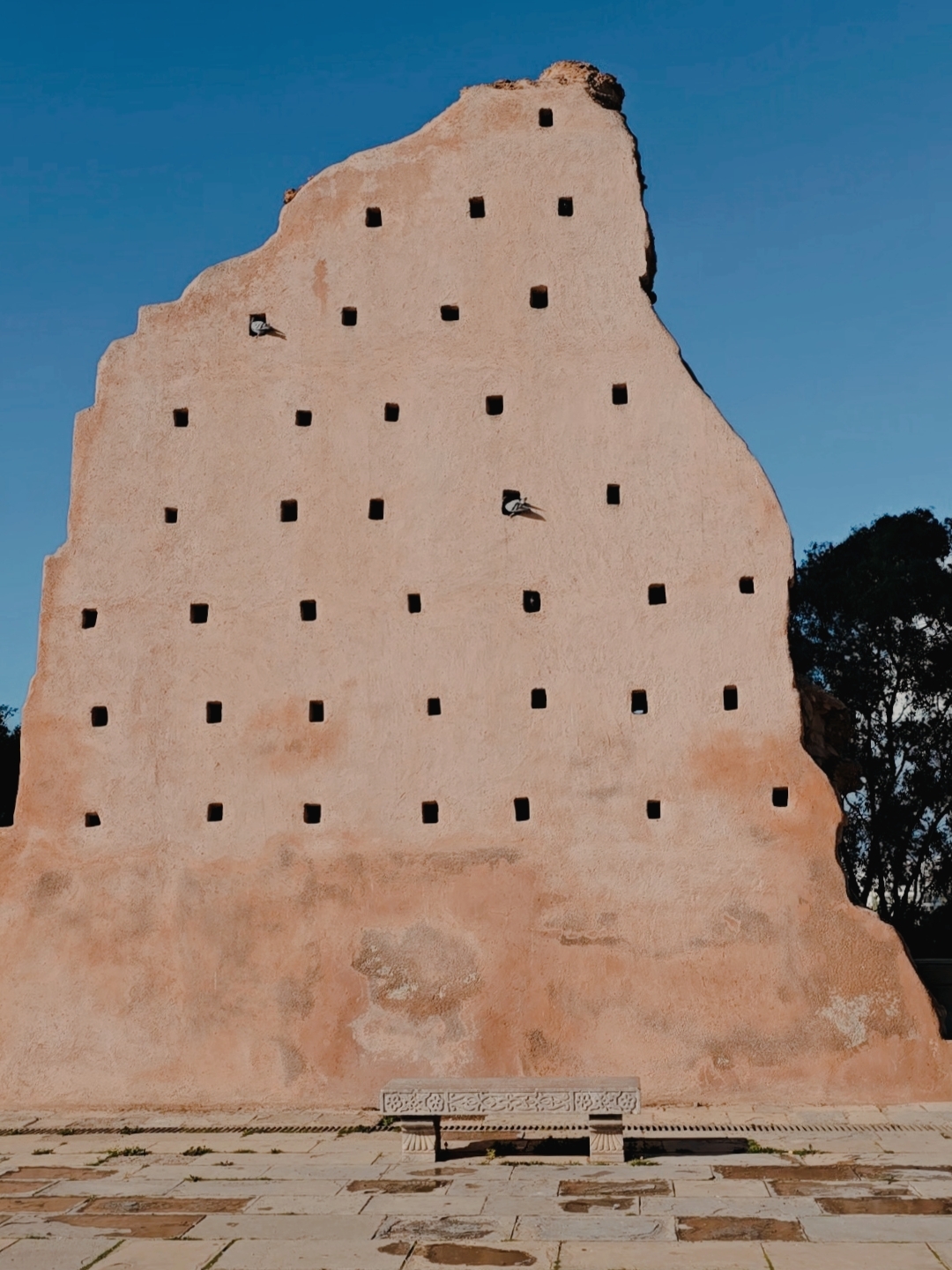
You will notice that the walls surrounding the area have square holes on them. These were designed as pigeon niches, a common feature in medieval Moroccan architecture. Pigeons were valued for food, communication, and sometimes even fertilizer, so these “pigeon holes” were practical as well as decorative.
A fun bit of trivia: the Hassan Tower leans slightly, much like the more famous Leaning Tower of Pisa, giving it a subtle but noticeable character.
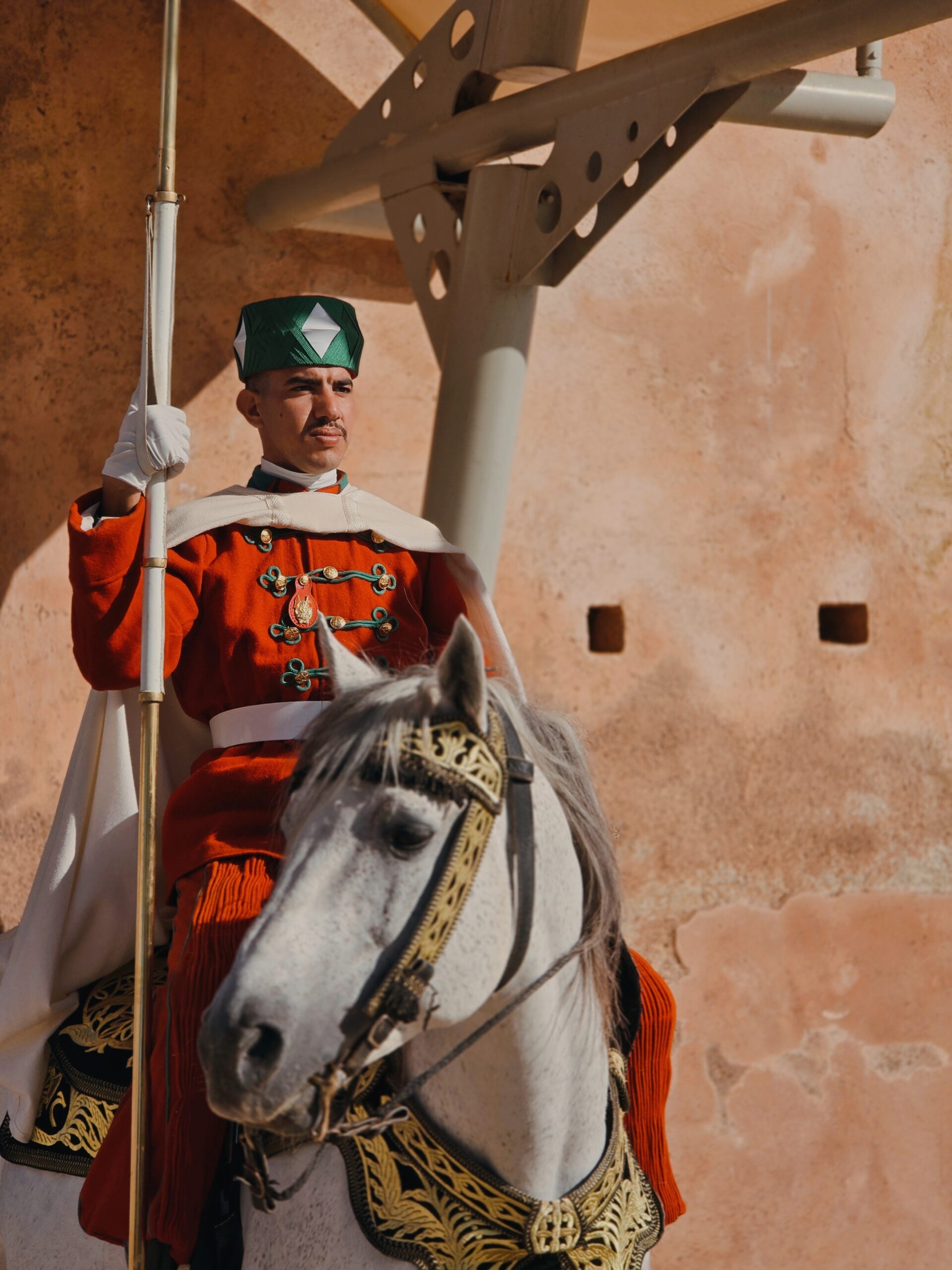
The site is also conveniently located near the Mausoleum of Mohammed V, linking Morocco’s medieval past with its modern monarchy in a compact, walkable area.
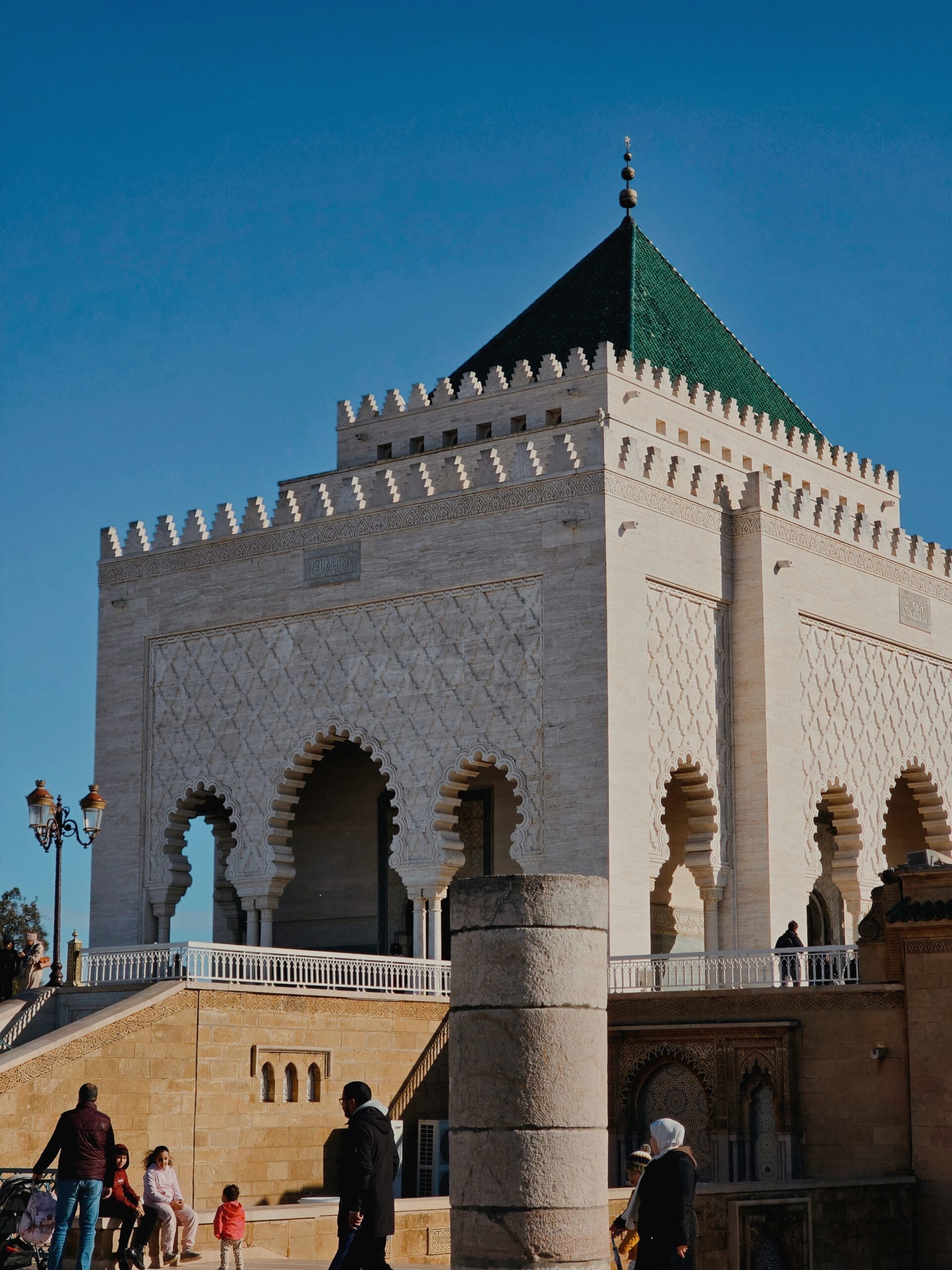
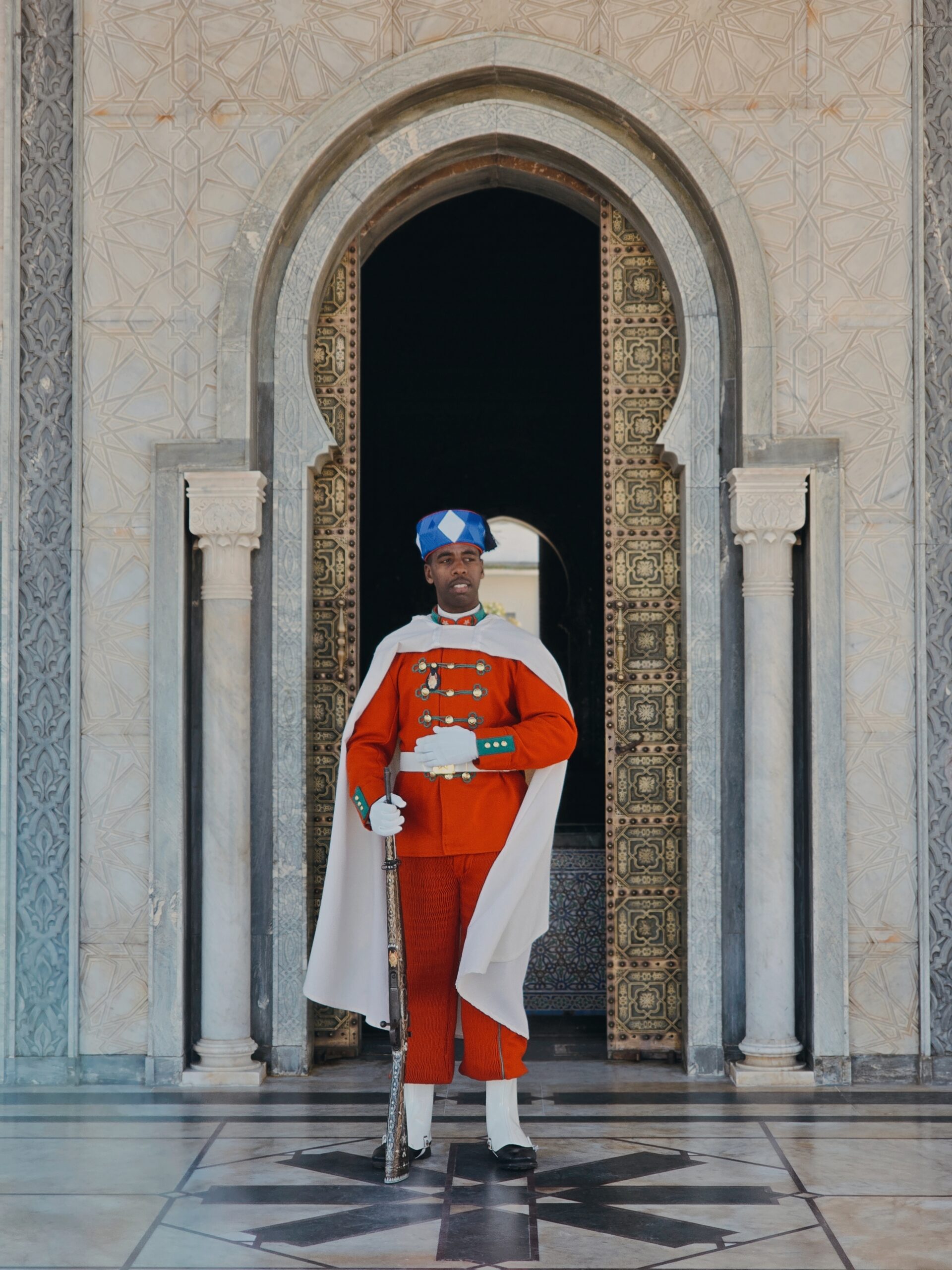
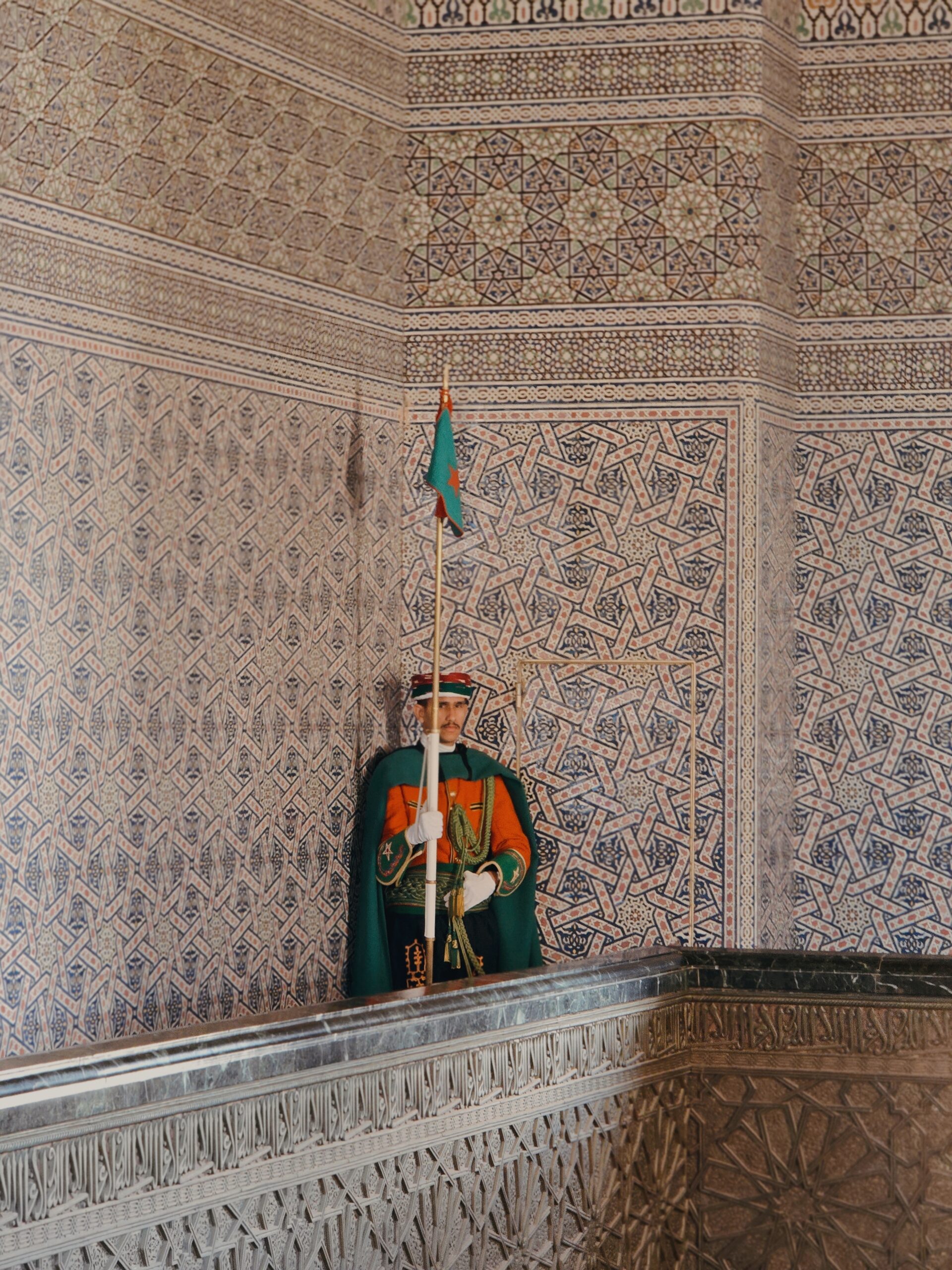
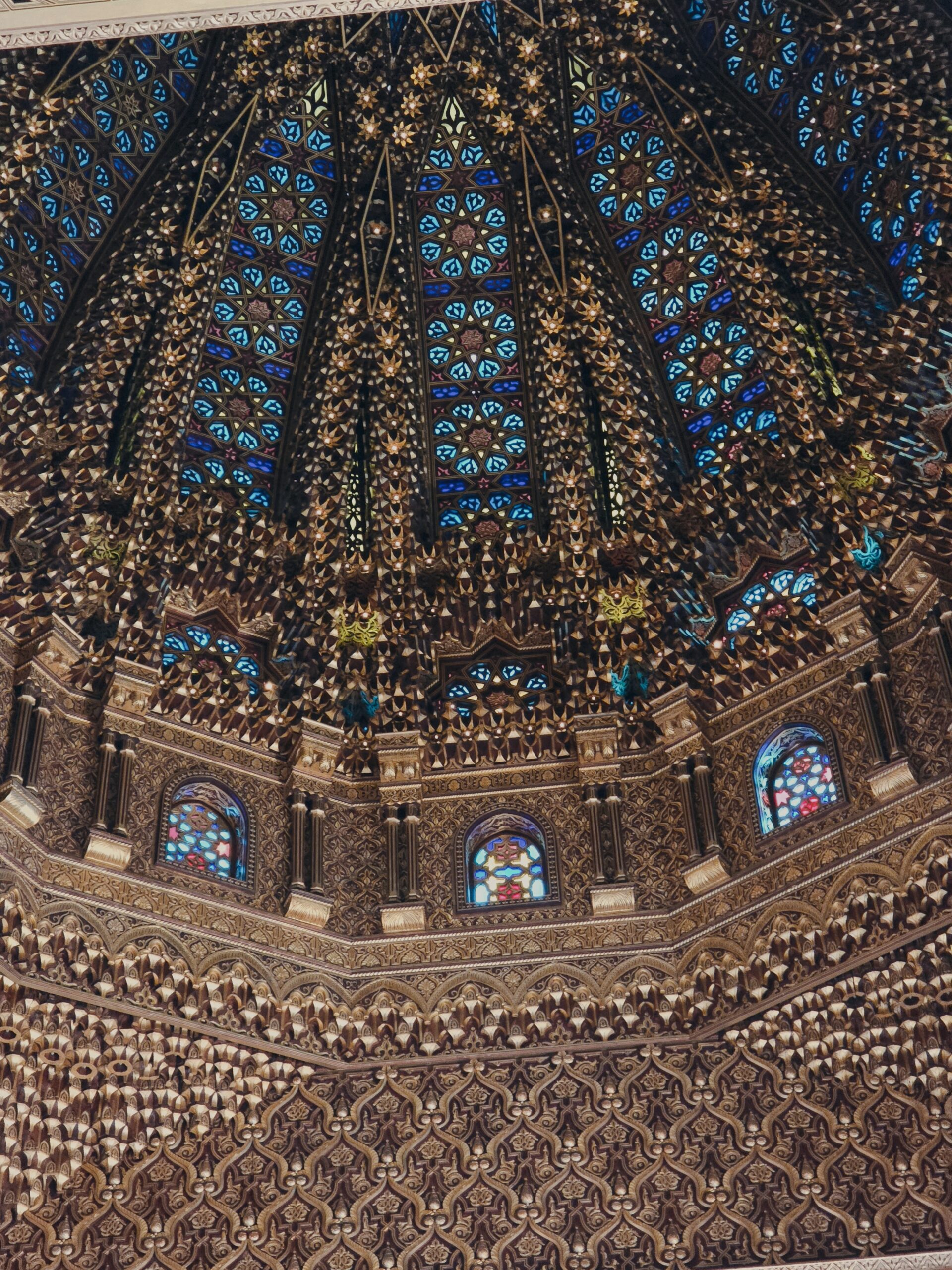
The Mausoleum of Mohammed V is a striking example of modern Moroccan architecture infused with traditional craftsmanship. Completed in 1971, it houses the tombs of King Mohammed V, who led Morocco to independence, and his two sons, King Hassan II and Prince Abdallah. Visitors are often captivated by its white marble façade, green-tiled roof, and the intricate zellige tilework and carved cedar ceilings inside—a combination of elegance and spiritual reverence.
So, long story short, this one-day trip was full of incredible design and architecture, as well as shots of history.
Visiting Casablanca and Rabat in a single day is a whirlwind, but it’s the perfect way to glimpse Morocco’s vibrant contrasts: from the modern bustle of Casablanca’s streets and towering Hassan II Mosque to the serene historic corners of Rabat with its Hassan Tower and the Mausoleum of Mohammed V. Even in a single day, the experience is vivid, colorful, and unforgettable. It was maybe a reminder that sometimes, the quickest trips leave the deepest impressions.