Hanoi to Sapa by sleeper bus: Discovering Vietnam's mountain life
O
ur journey to Sapa started with an experience that had been on my bucket list for quite some time: travelling on a sleeper bus. Six hours later, we found ourselves surrounded by mountains, mist and a completely different side of Vietnam.
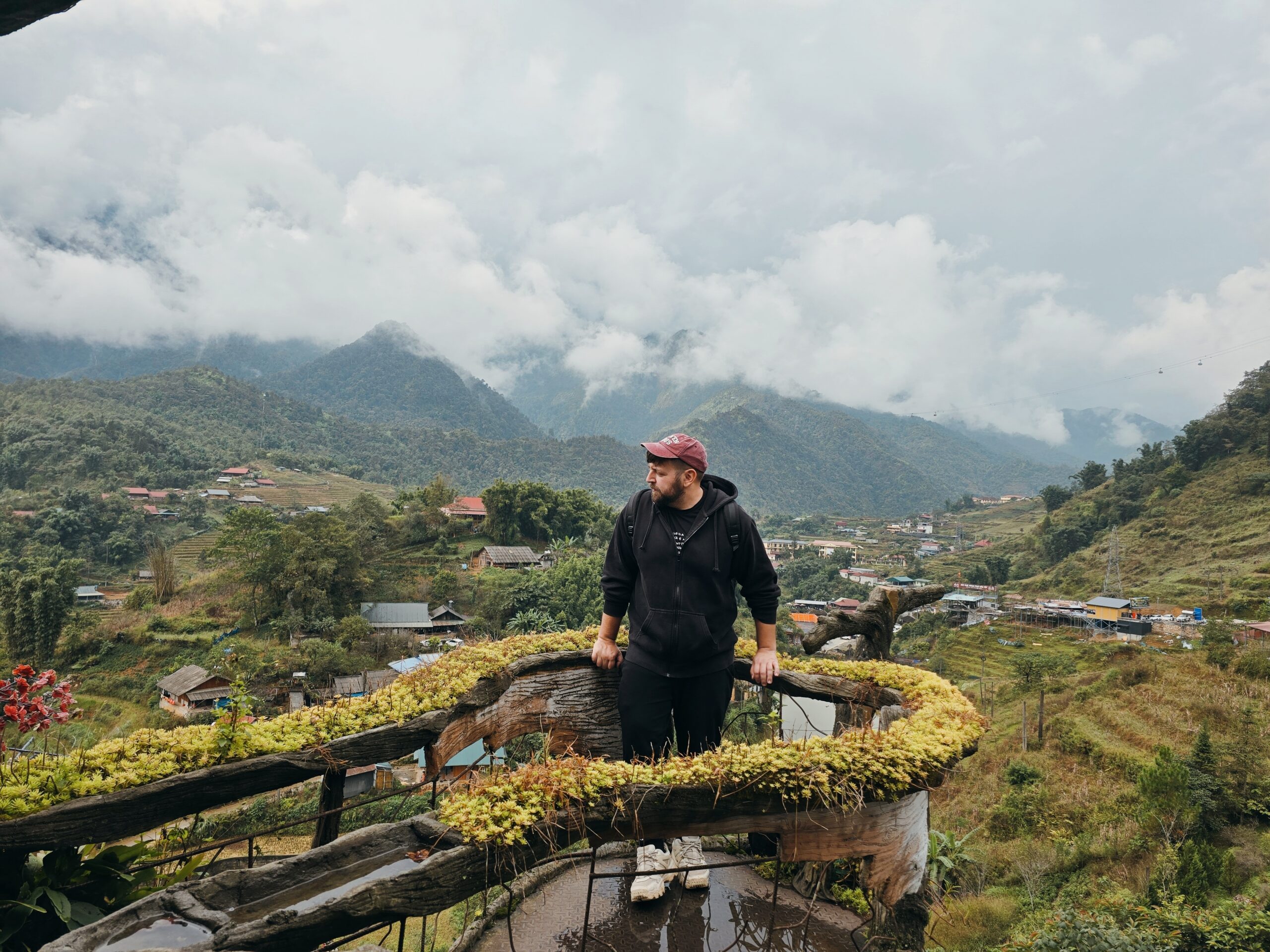
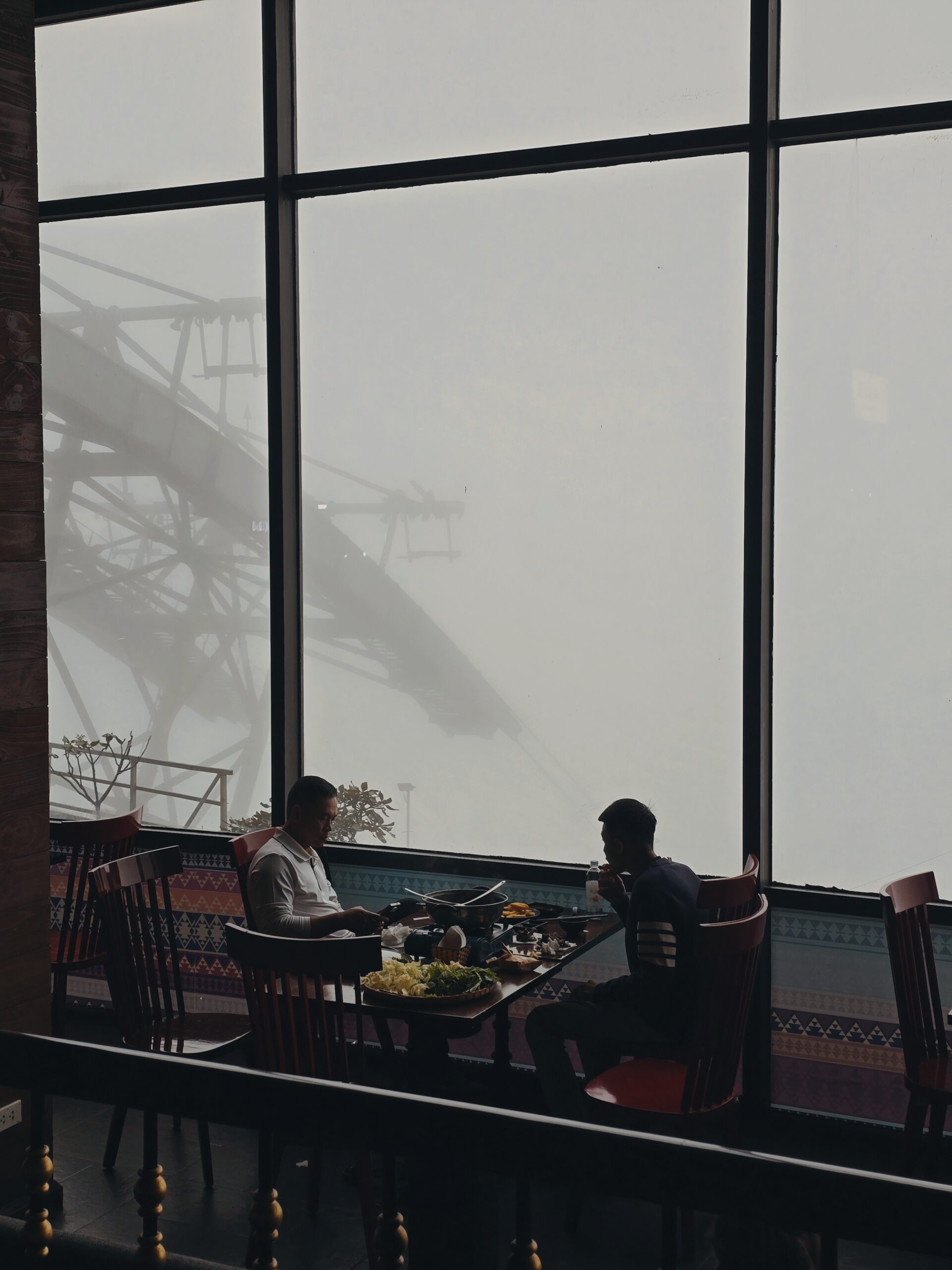
The weather may not have given us the postcard-perfect views, but the misty landscapes had a character of their own.
Leaving the busy streets of Hanoi behind, we headed north towards Sapa, a mountain town in northwestern Vietnam known for its dramatic landscapes, rice terraces and traditional villages.
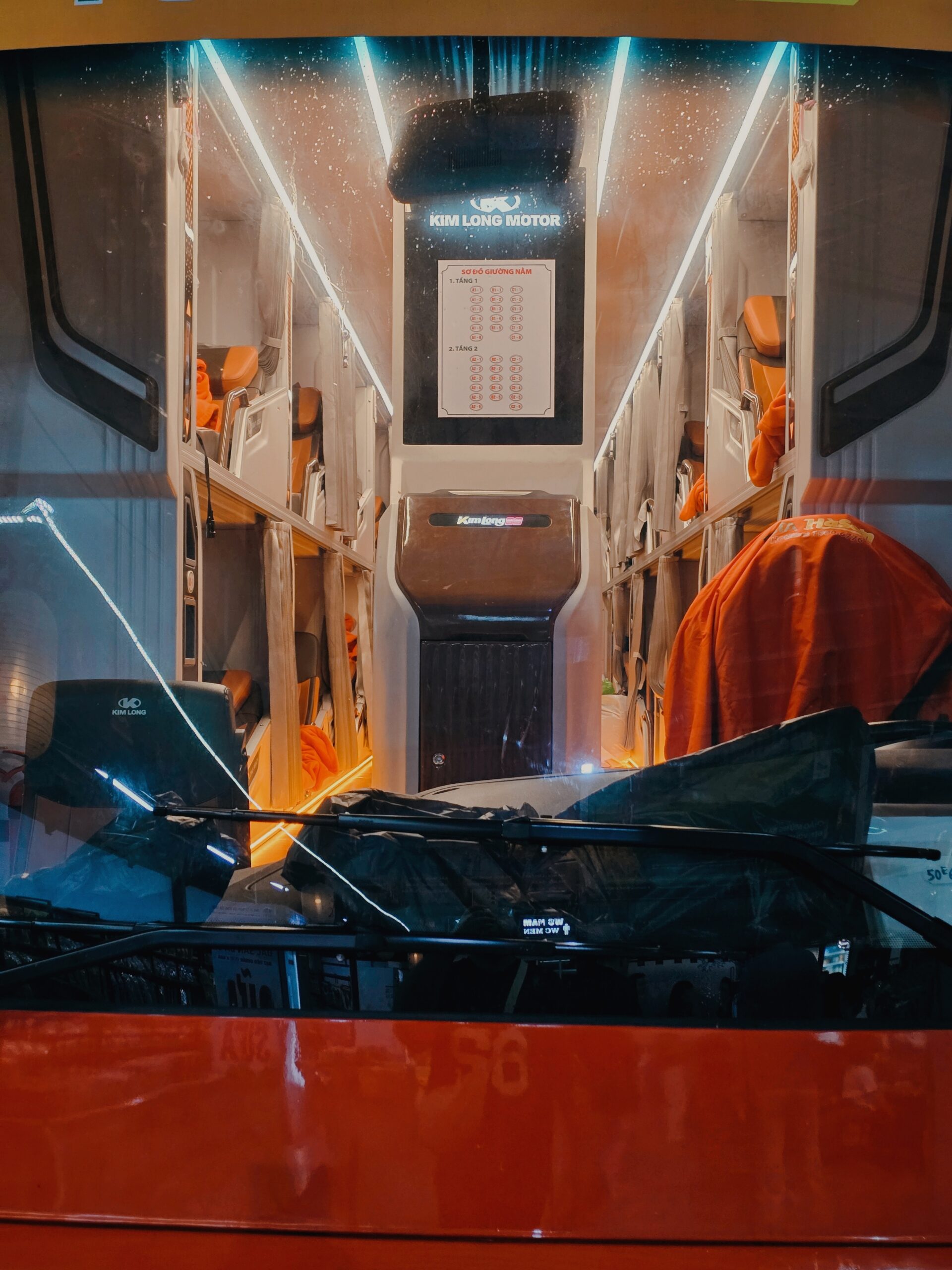
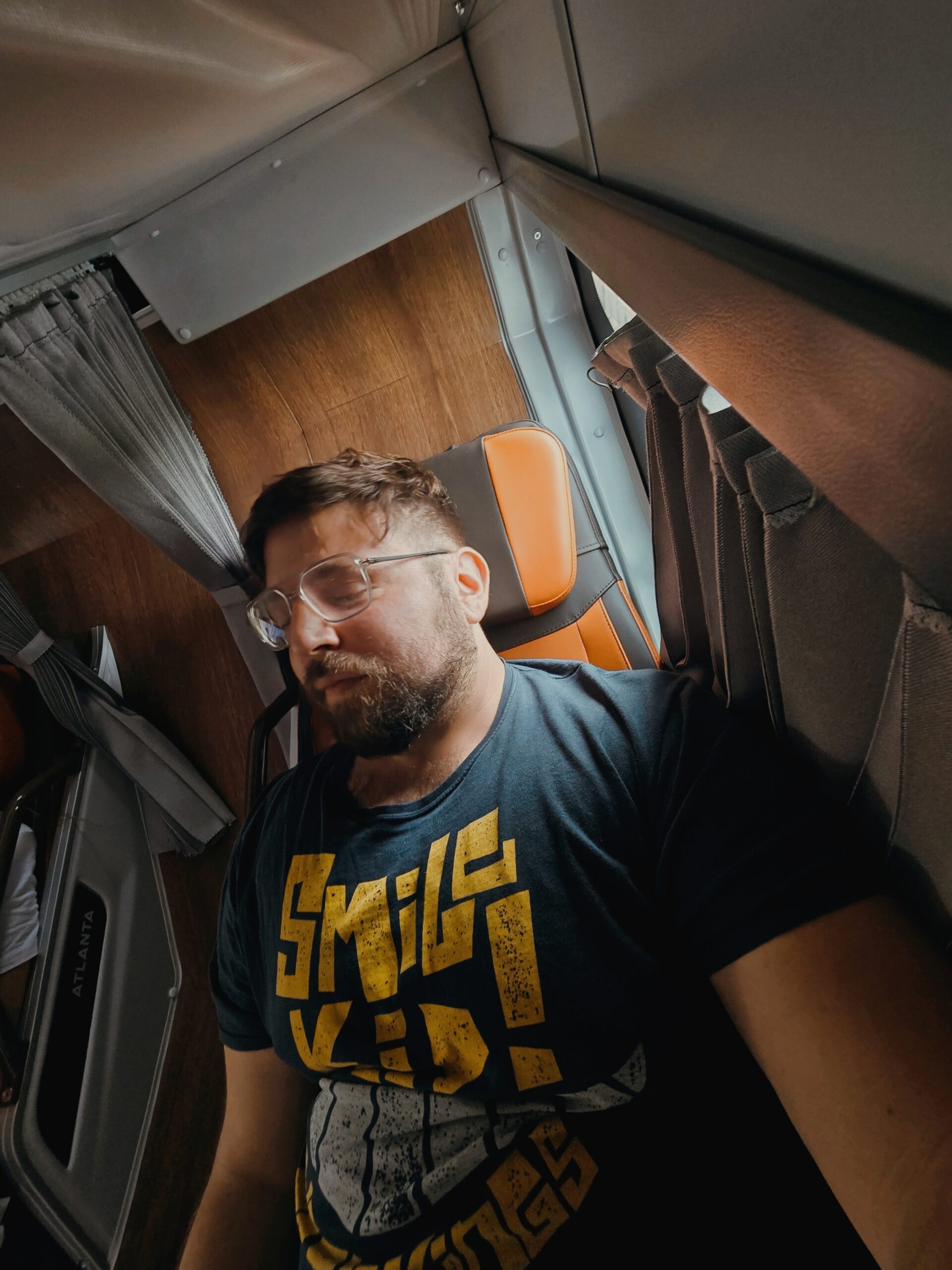
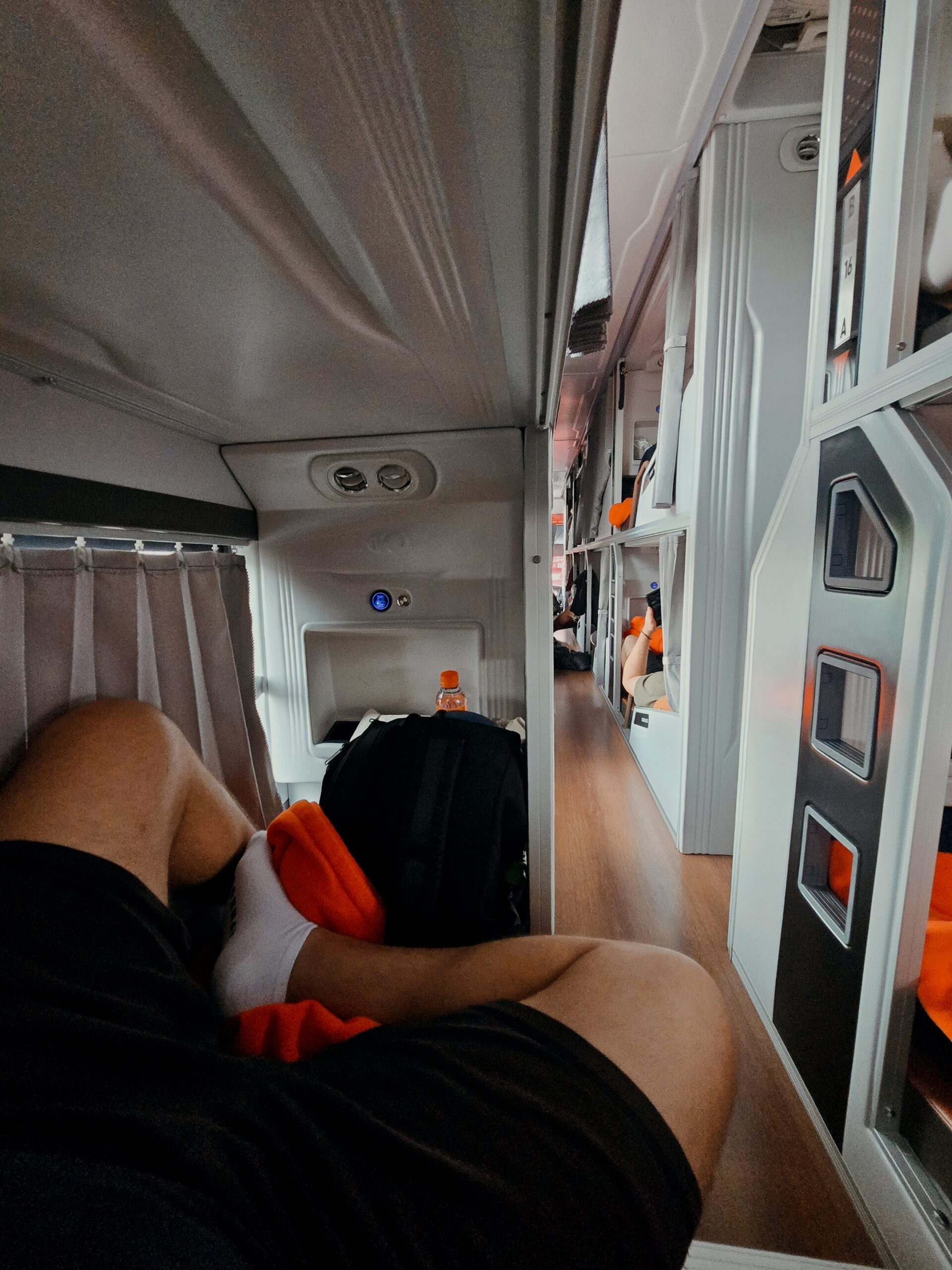
The journey took approximately six hours, travelling by the Futa Hà Sơn sleeper bus during the day. Interestingly, travelling on a sleeper bus was actually on my bucket list, so even though we weren’t travelling overnight, I was quite excited to finally experience it!
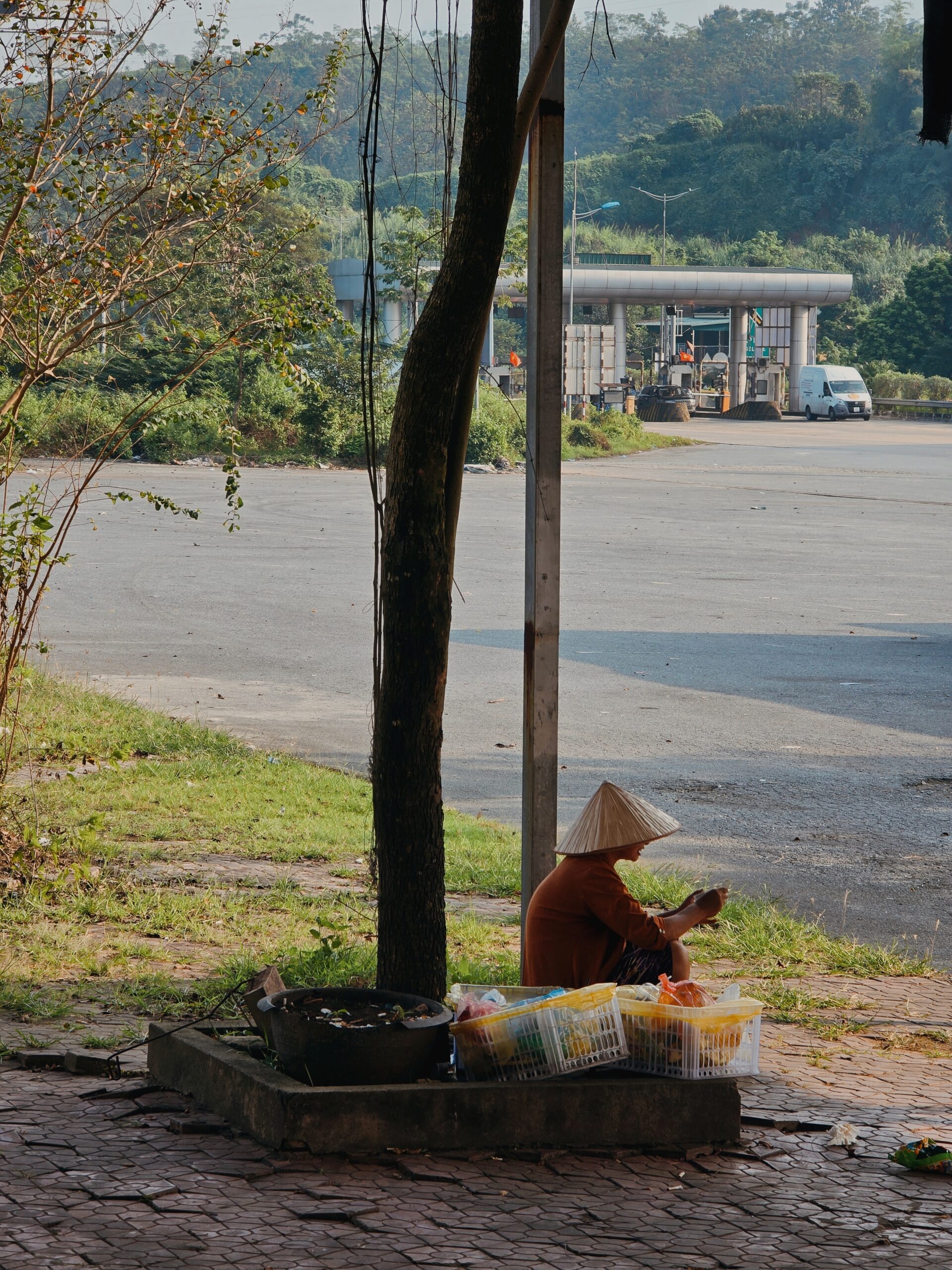
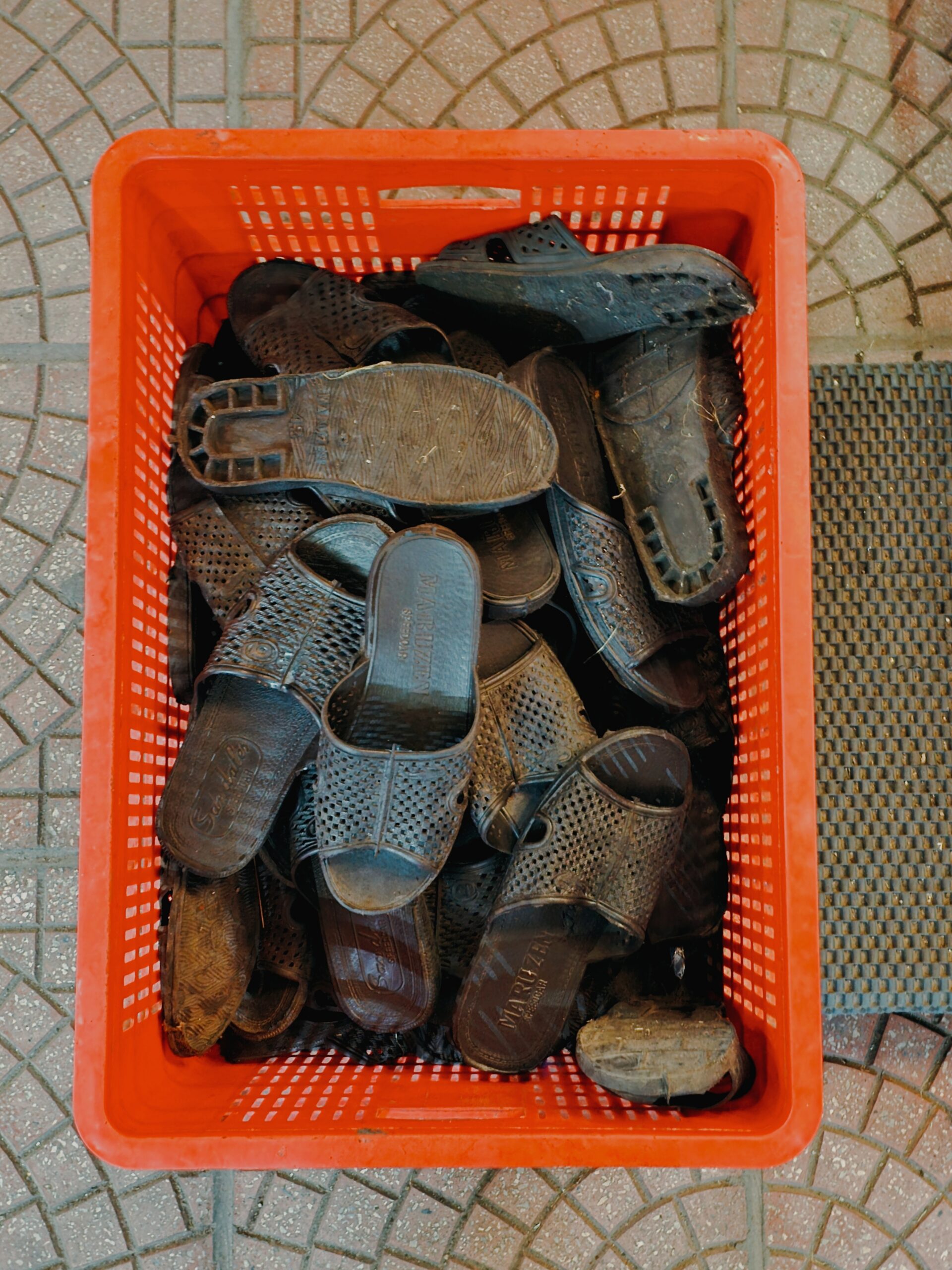
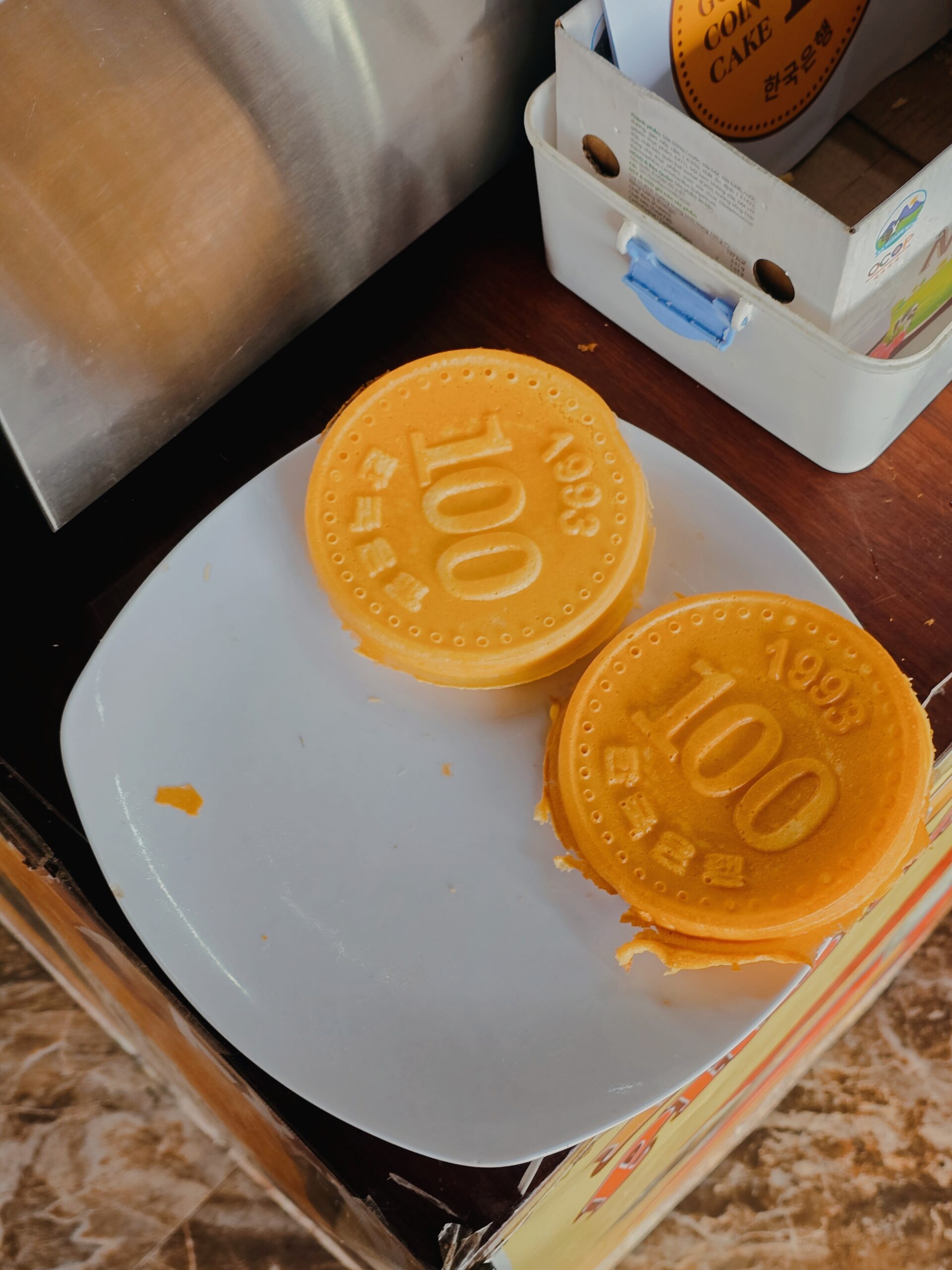
We made two stops along the way for toilet breaks and food. You can even wear the slippers provided by the bus company when stepping outside if you don’t feel like putting your shoes back on. During our first stop, I tried the coin pancake with cheese, and it was delicious!
To be honest, the time passed relatively quickly. The bus was much cleaner and more comfortable than I had anticipated, so all you really have to do is relax, enjoy the ride or catch some sleep. Of course, I imagine the experience might be a little different on an overnight journey, but for a six-hour daytime trip, I really couldn’t complain.
The slippers provided
The delicious coin pancakes
As we approached Sapa, the scenery became increasingly impressive, with winding mountain roads, lush green hills and occasional glimpses of villages scattered across the landscape.
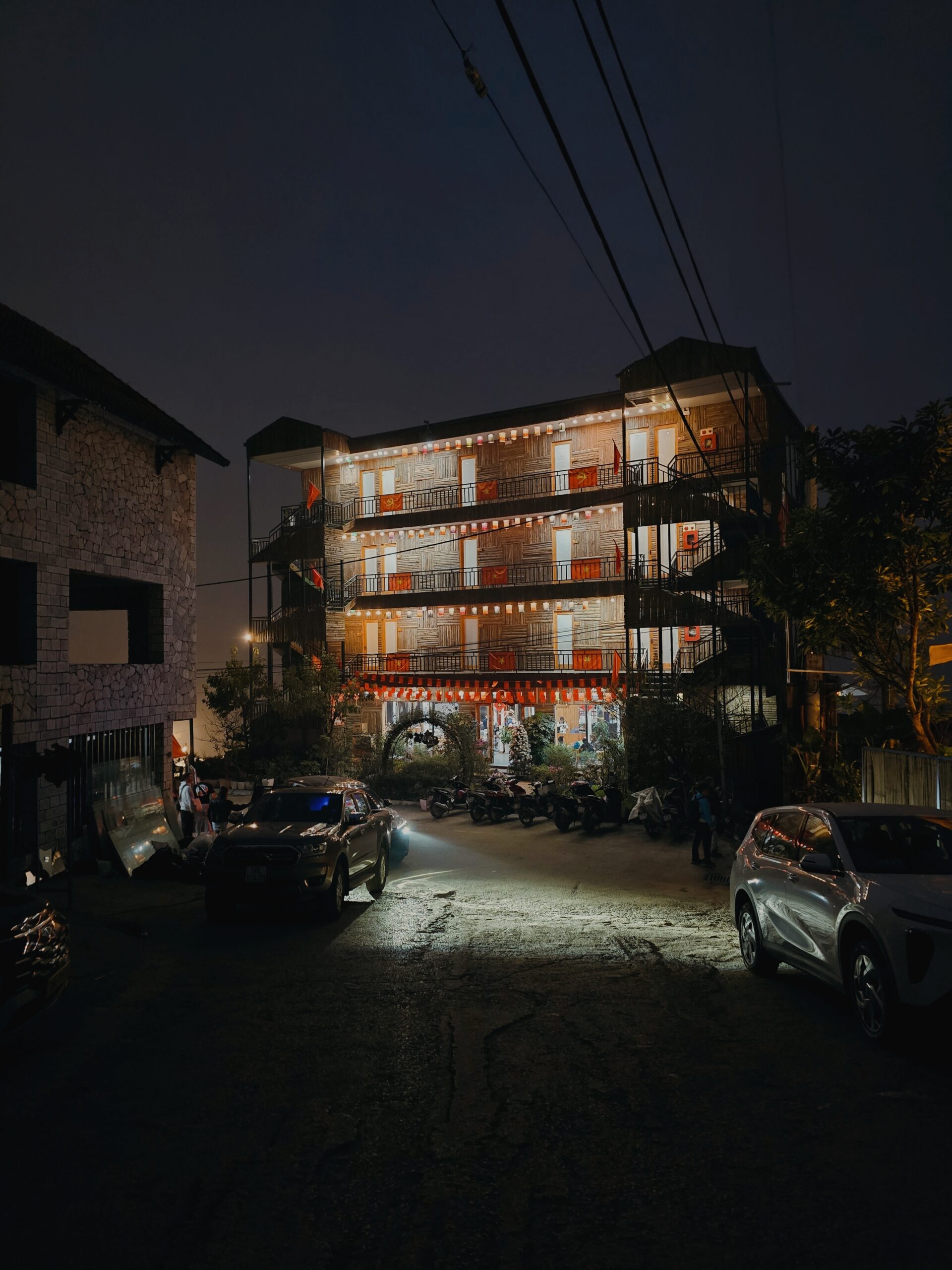
We checked into Aliana Hotel Sapa, a gorgeous, rather fancy hotel that made our stay even more special. It was a lovely place to return to after a day of exploring, although the weather was quite different from what you might expect when thinking of Vietnam. It felt much more like winter, with thick fog surrounding us during the mornings and evenings, creating a completely different atmosphere in the mountains.
Sapa
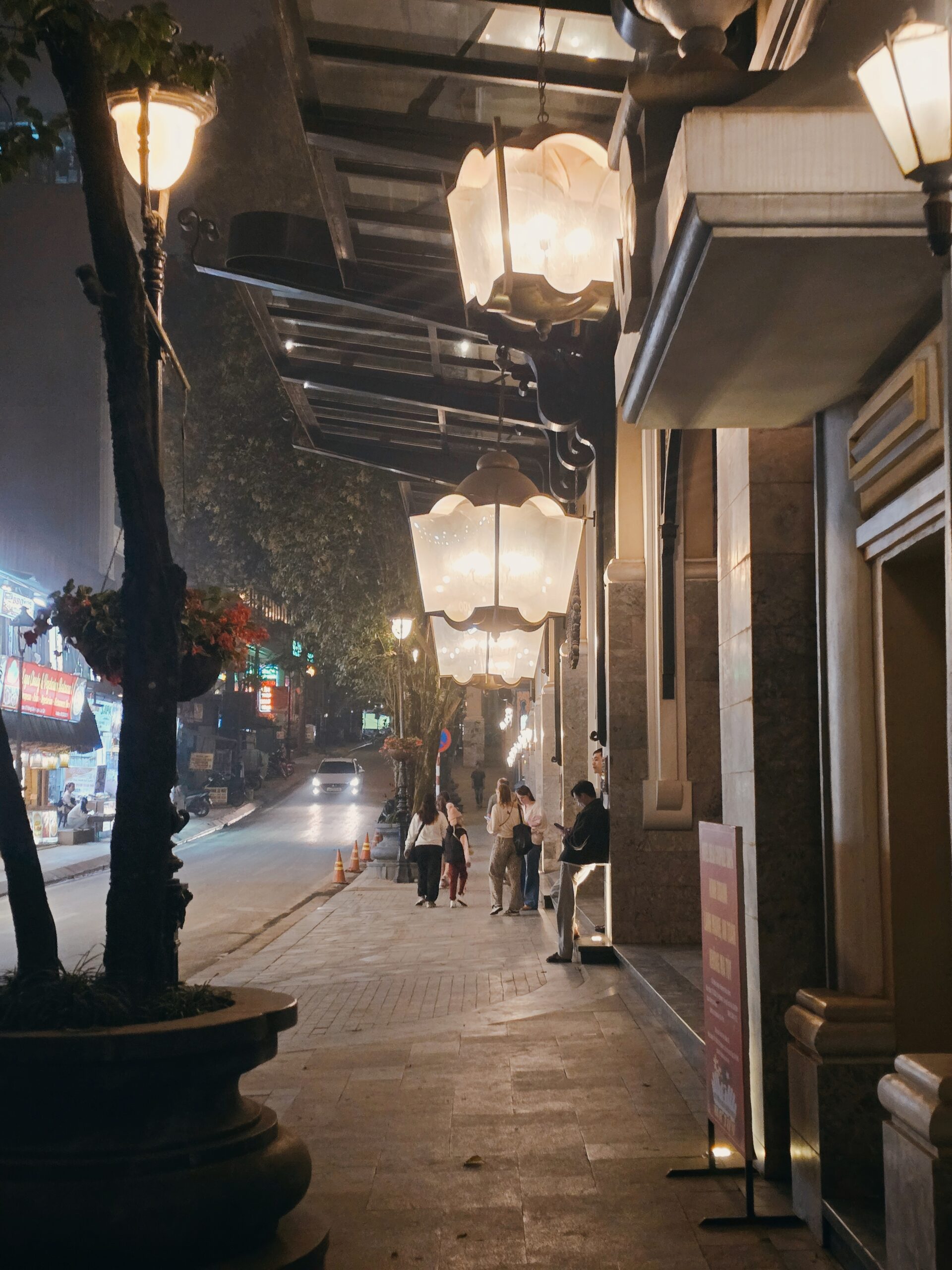
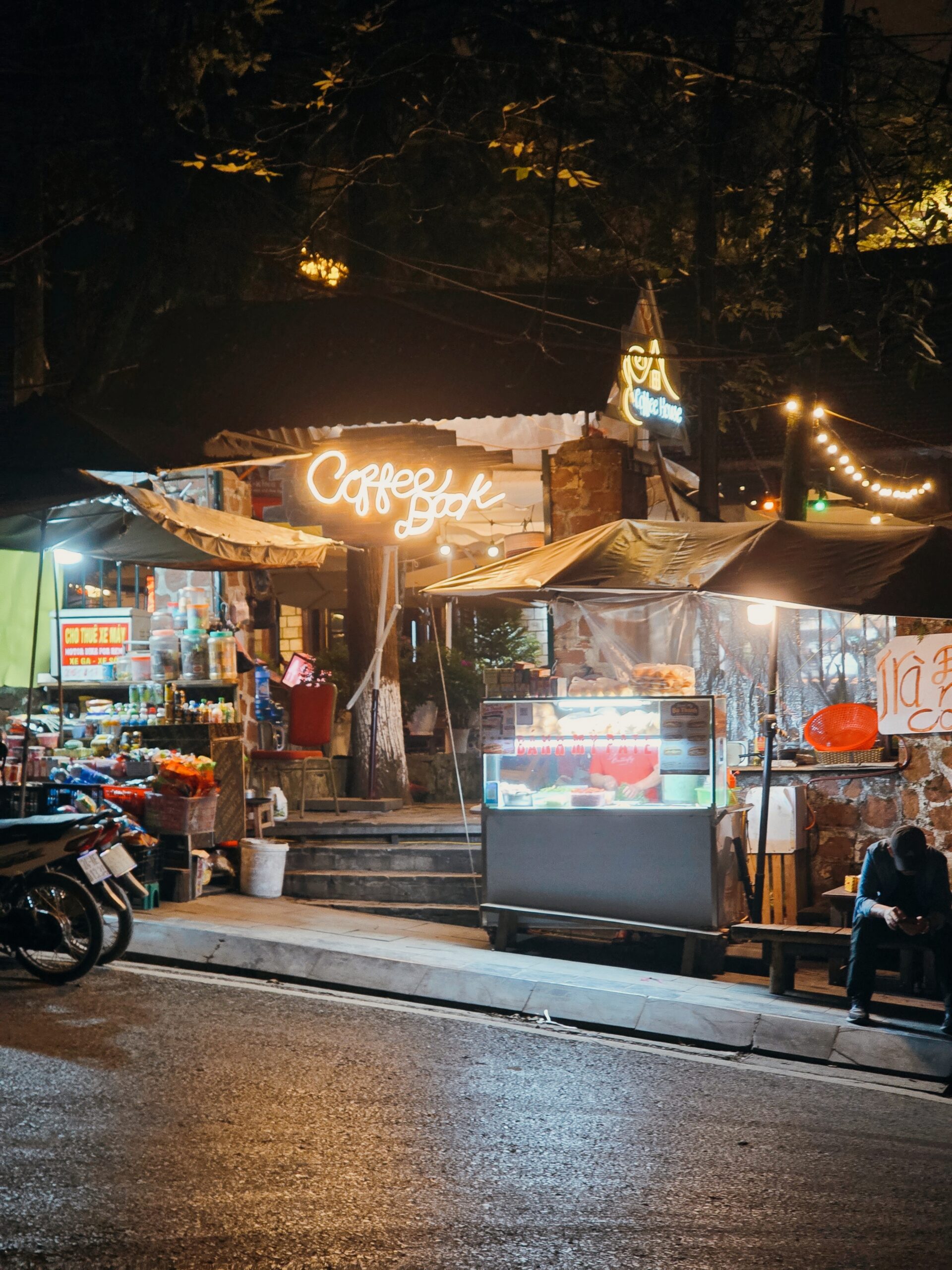
Sapa’s town centre was quite different from what I had imagined. We explored its very touristy streets, surrounded by a rather wintery atmosphere, with fog, chilly air and mountain scenery adding to the experience.
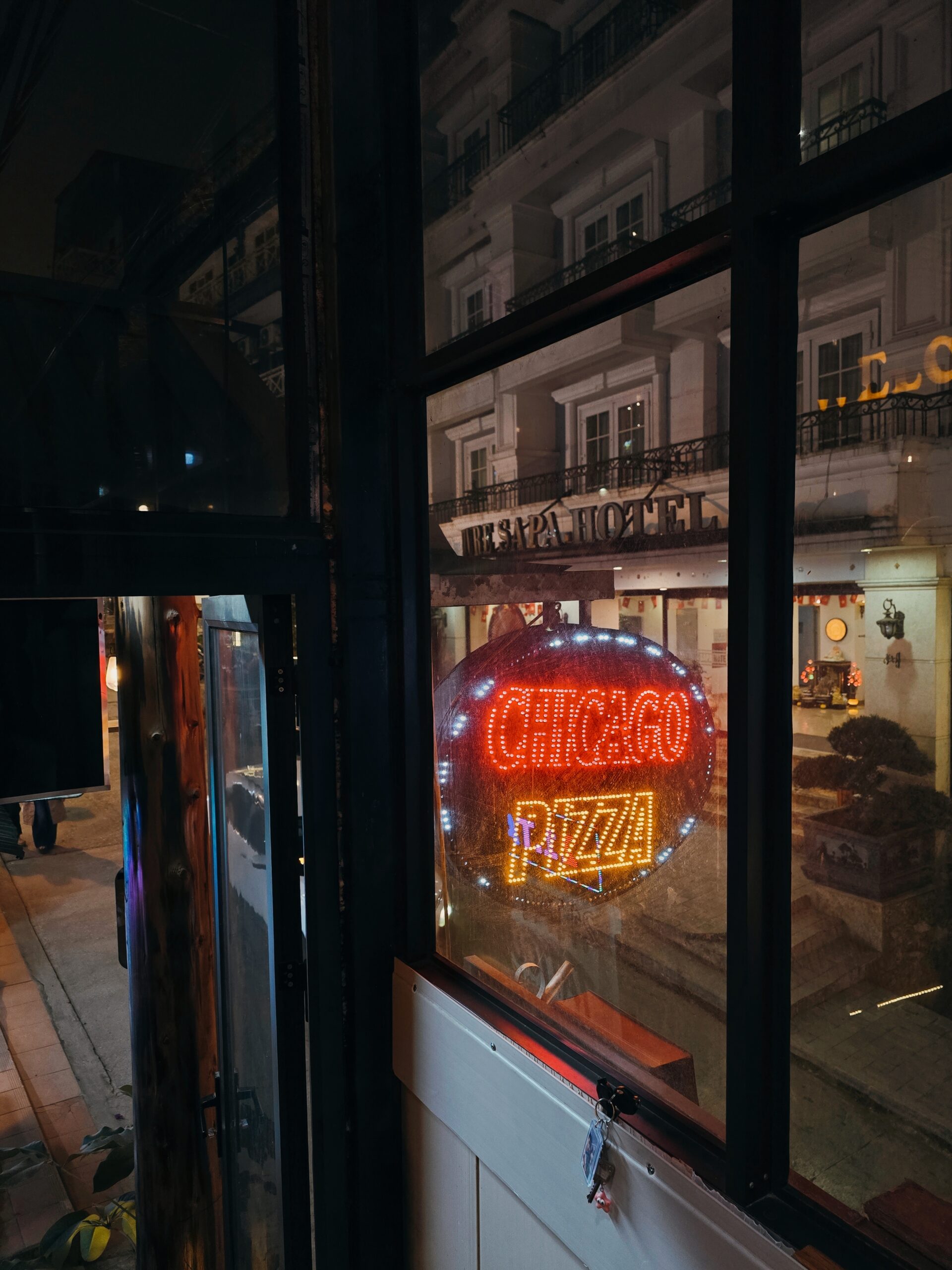
There were plenty of shops, restaurants and cafés to wander into, and after days of eating Pho, I even got to try American-style pizza for the first time at Chicago Pizza – which, I have to say, was delicious!
After spending some time exploring the town and getting a feel for its atmosphere, we eventually retreated to our hotel to relax and enjoy the rest of the evening.
Cat Cat Village
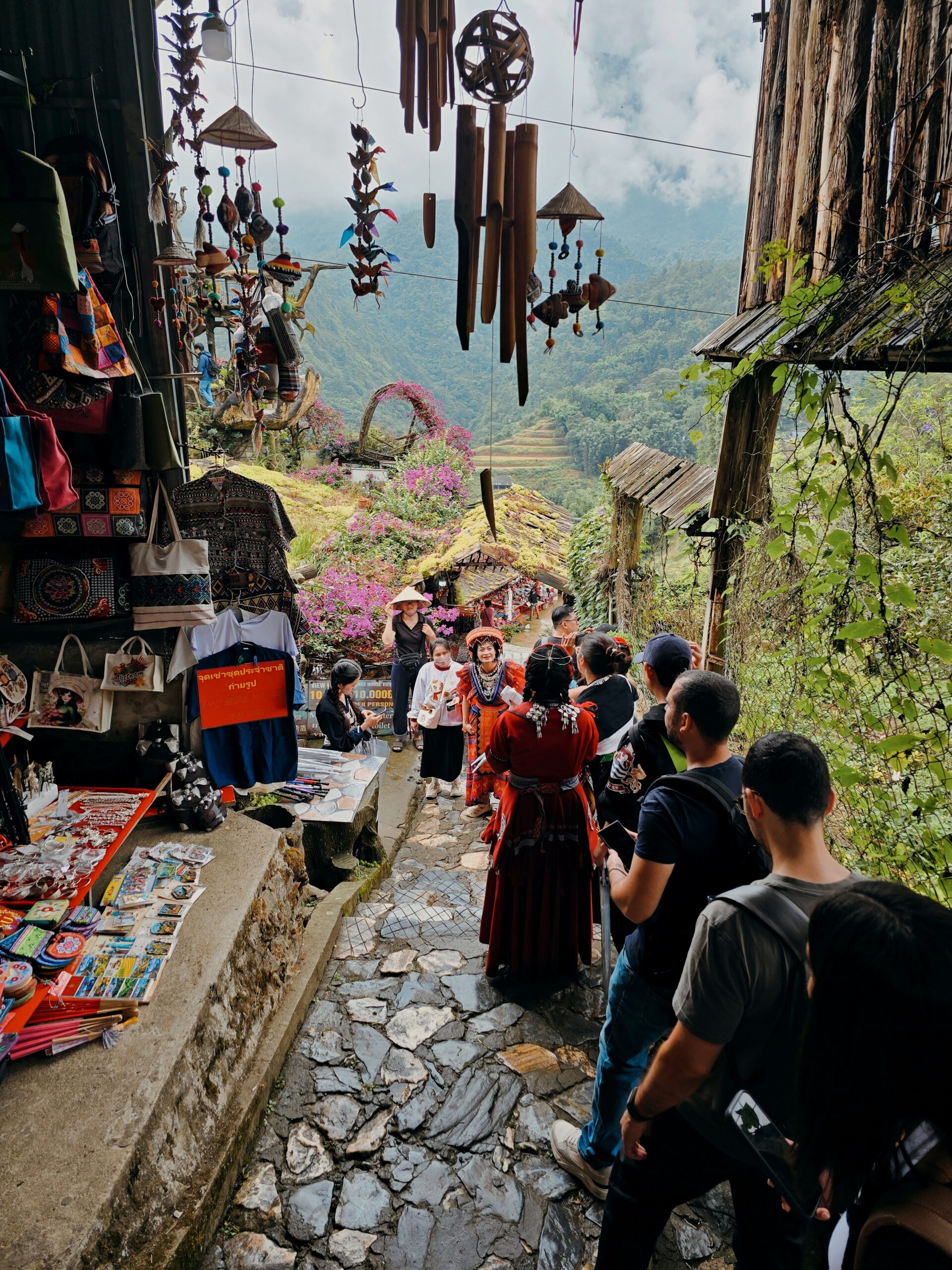
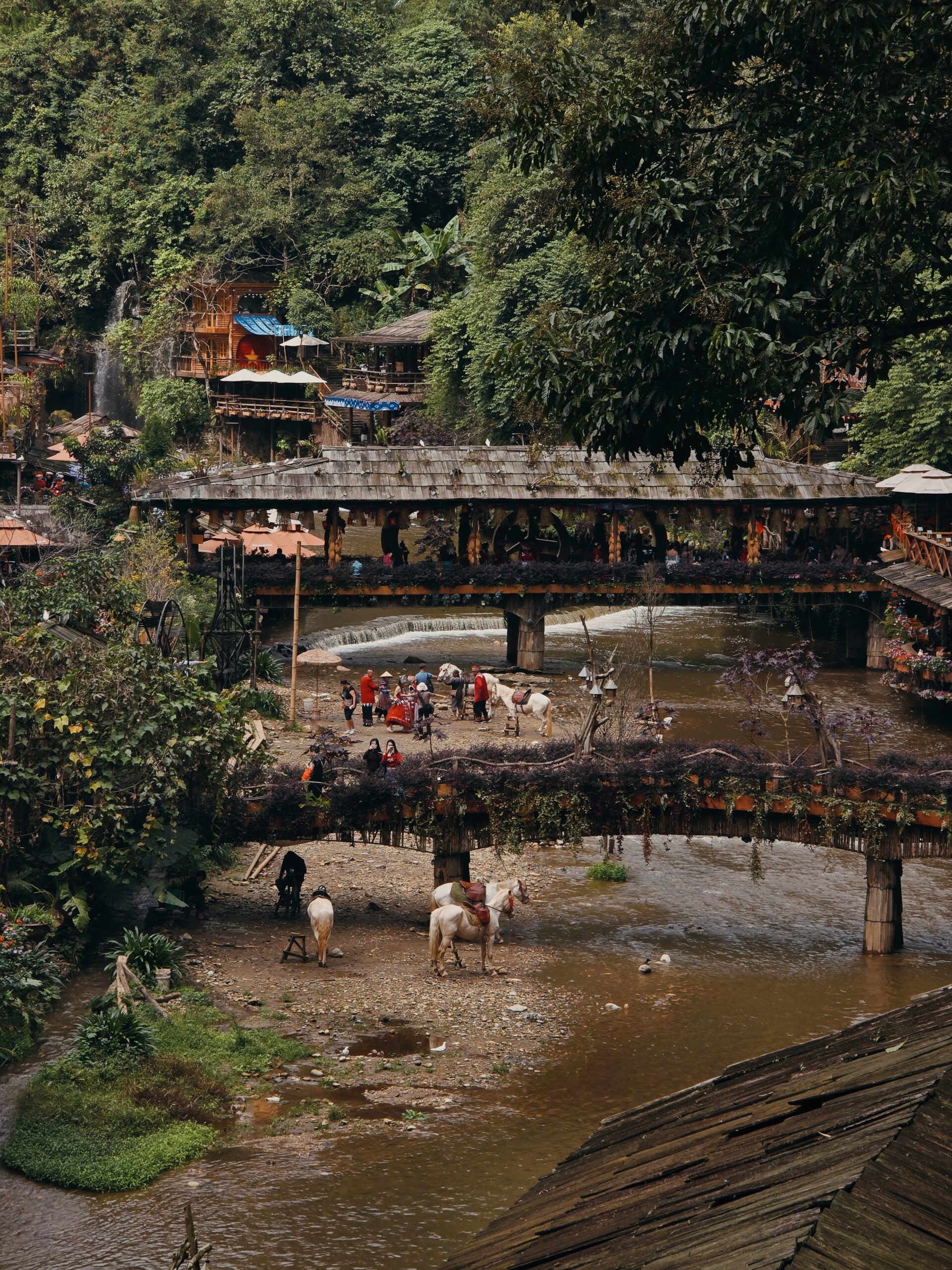
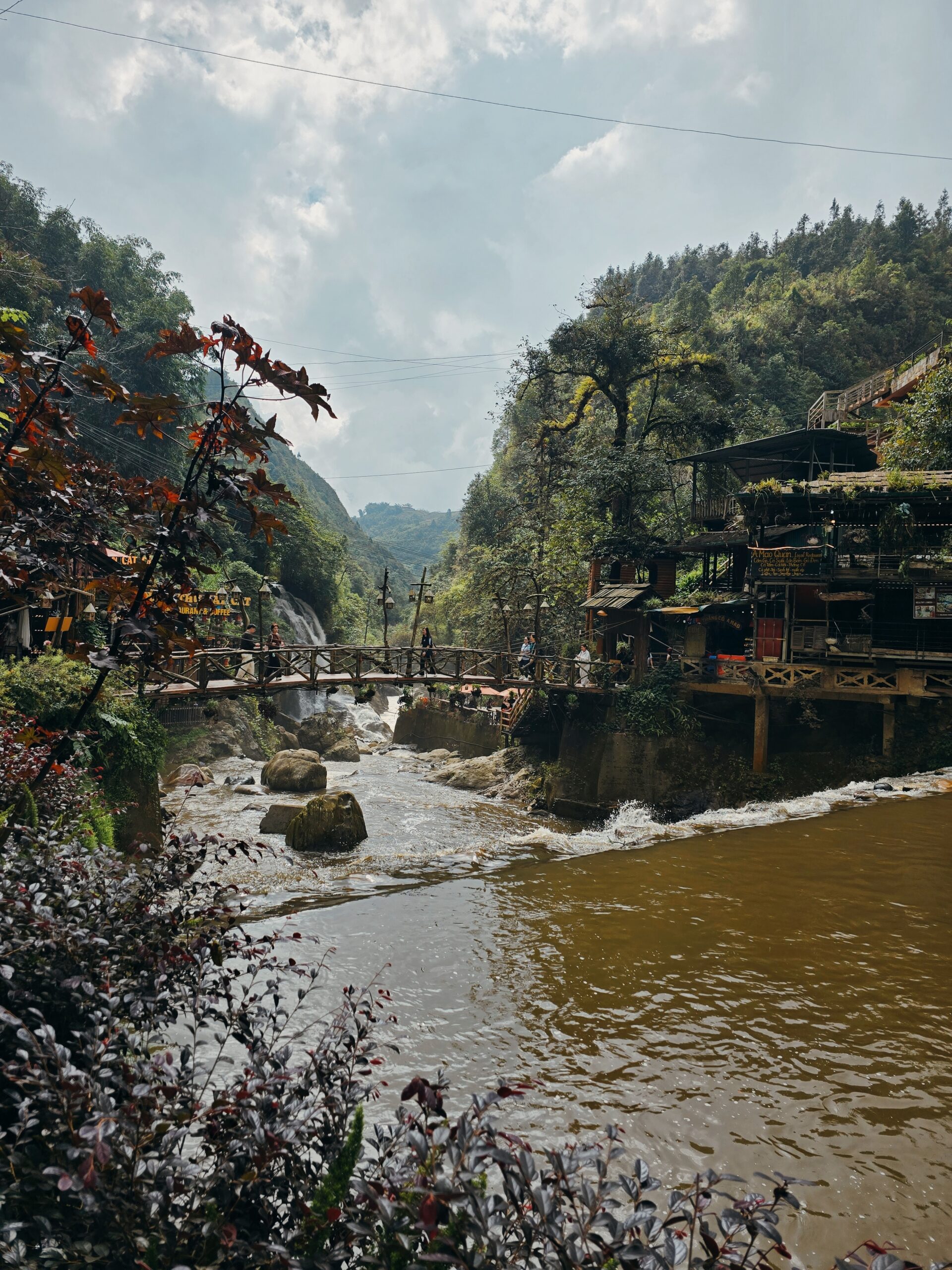
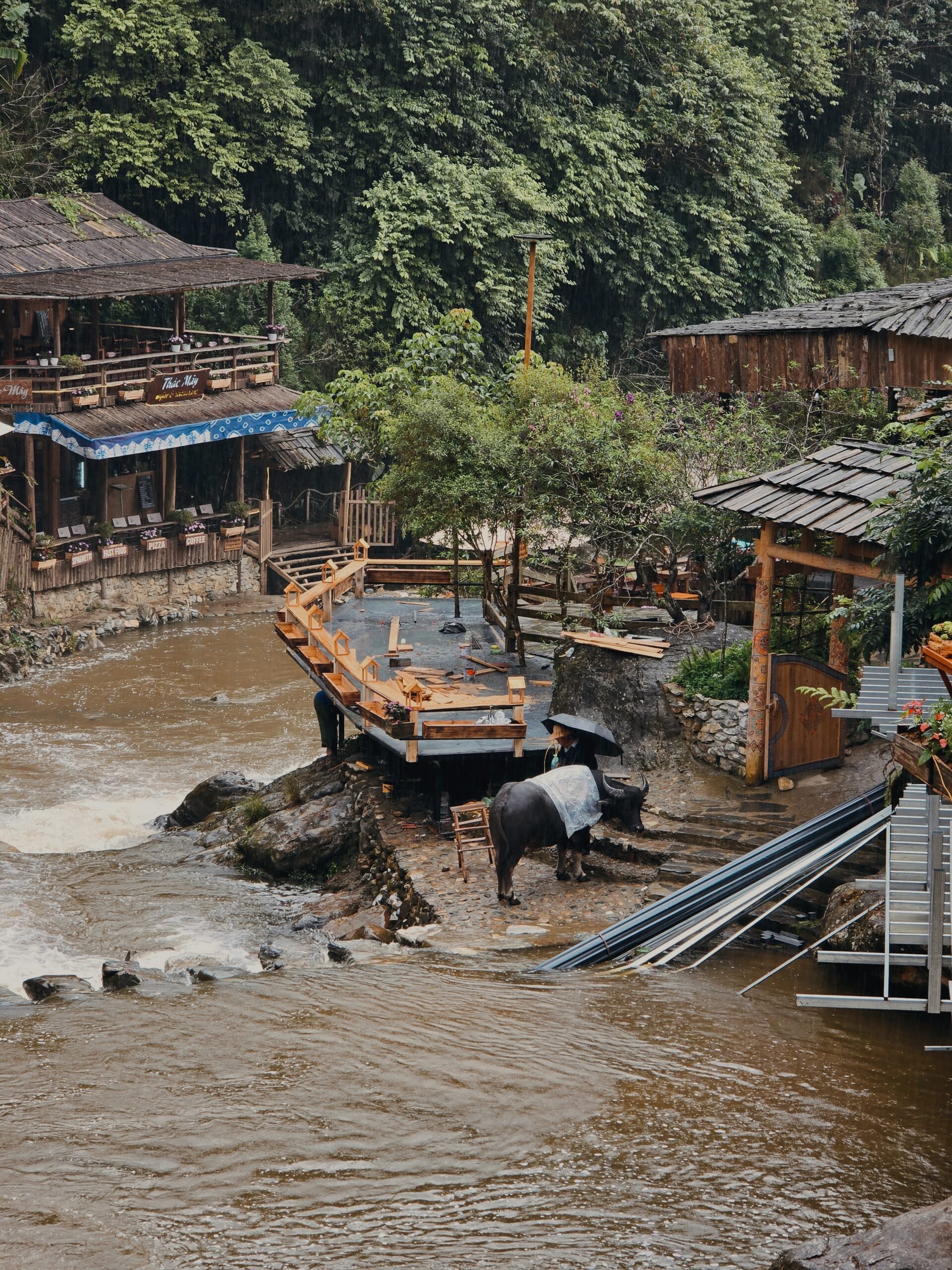
The first sight inside Cat Cat Village
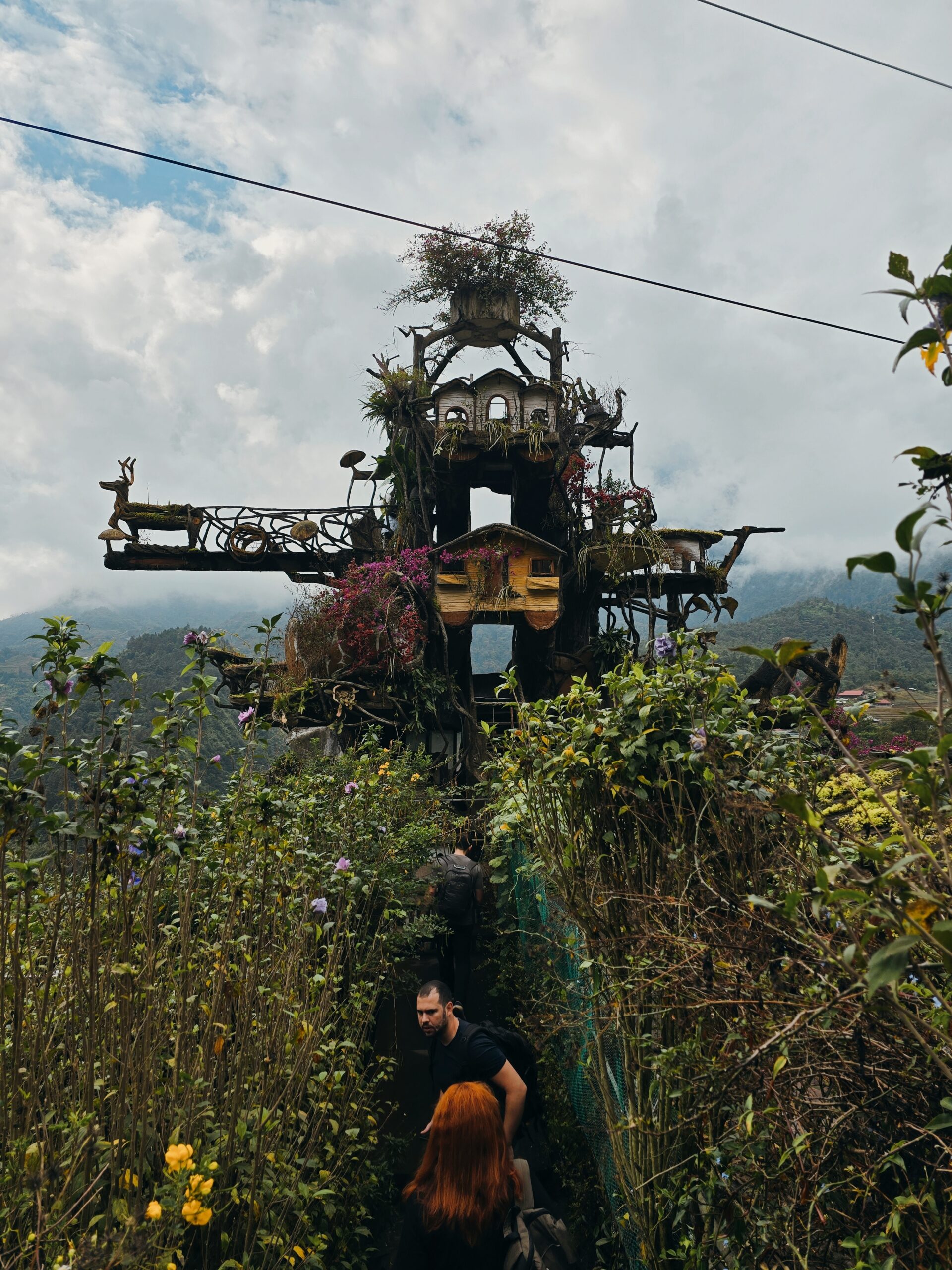
A big treehouse of Instagrammable spots
I'm on the treehouse
Located around 3 km from Sapa town, Cat Cat Village is a traditional settlement of the Black Hmong ethnic minority, dating back to the mid-19th century.
Originally a farming community, it has become one of the region’s most visited attractions, offering a glimpse into local traditions, crafts and mountain life. As you make your way down its stone pathways, you’ll come across traditional wooden houses, colourful handicraft stalls and the beautiful Tien Sa Waterfall.
There are also opportunities to see traditional weaving and embroidery, as well as cultural performances.
It is quite a touristy place nowadays, much more than I expected, but the scenery and traditional architecture make it an interesting stop during your stay in Sapa.
The entrance fee is approximately 150,000 VND per adult.
One thing worth knowing is that reaching the waterfall involves quite a bit of walking downhill along stone steps. If you don’t fancy making the return journey on foot, simply follow the signs towards the exit, where you can catch a shuttle back up to the village entrance.
It’s a handy option, especially after exploring the rest of the village and it costs around 50,000 VND per person.
On the way to Fansipan
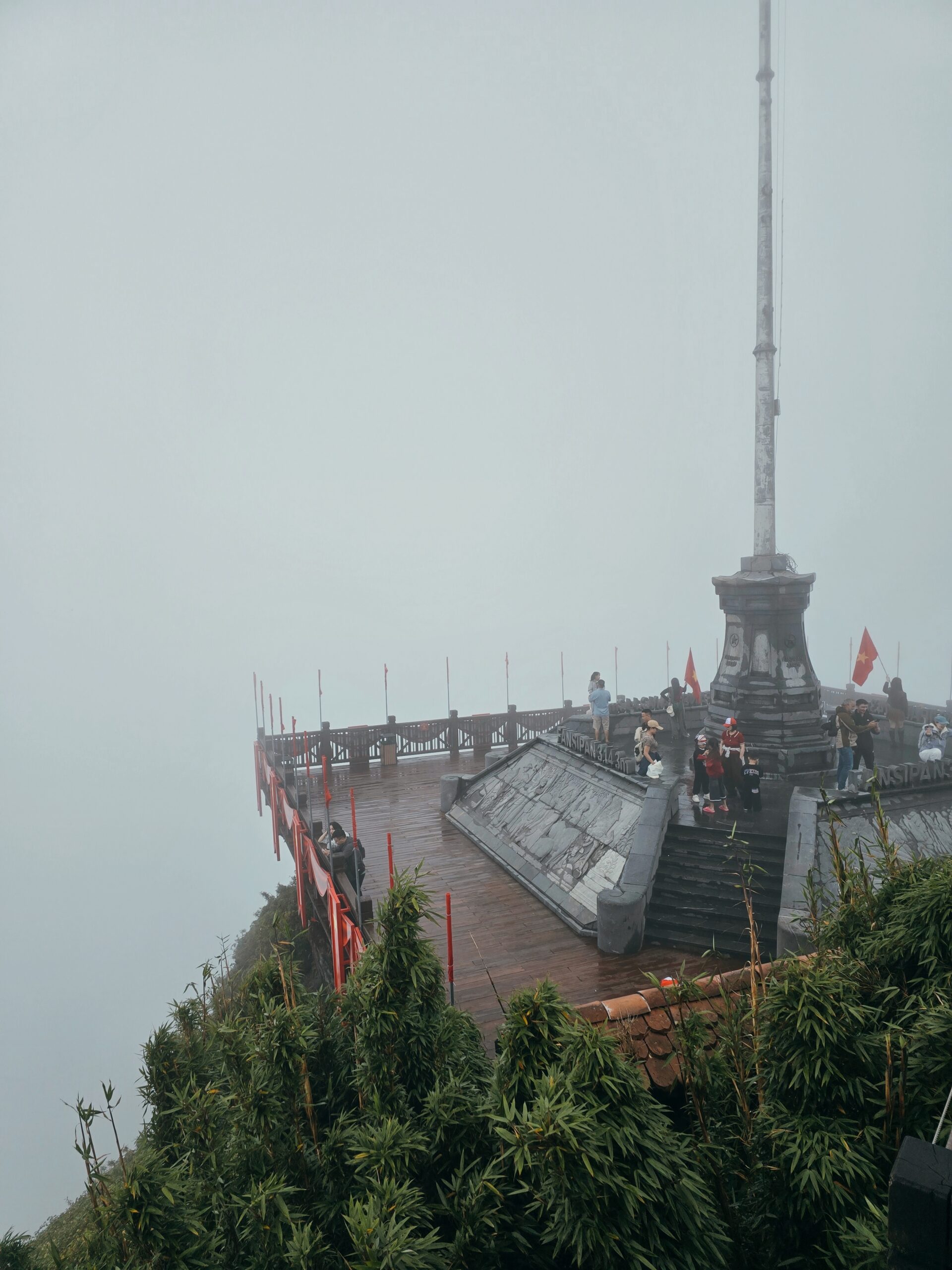
Our main reason for coming to Sapa was to conquer Fansipan, standing at 3,143 metres above sea level and recognised as the highest mountain in Vietnam and the entire Indochinese Peninsula.
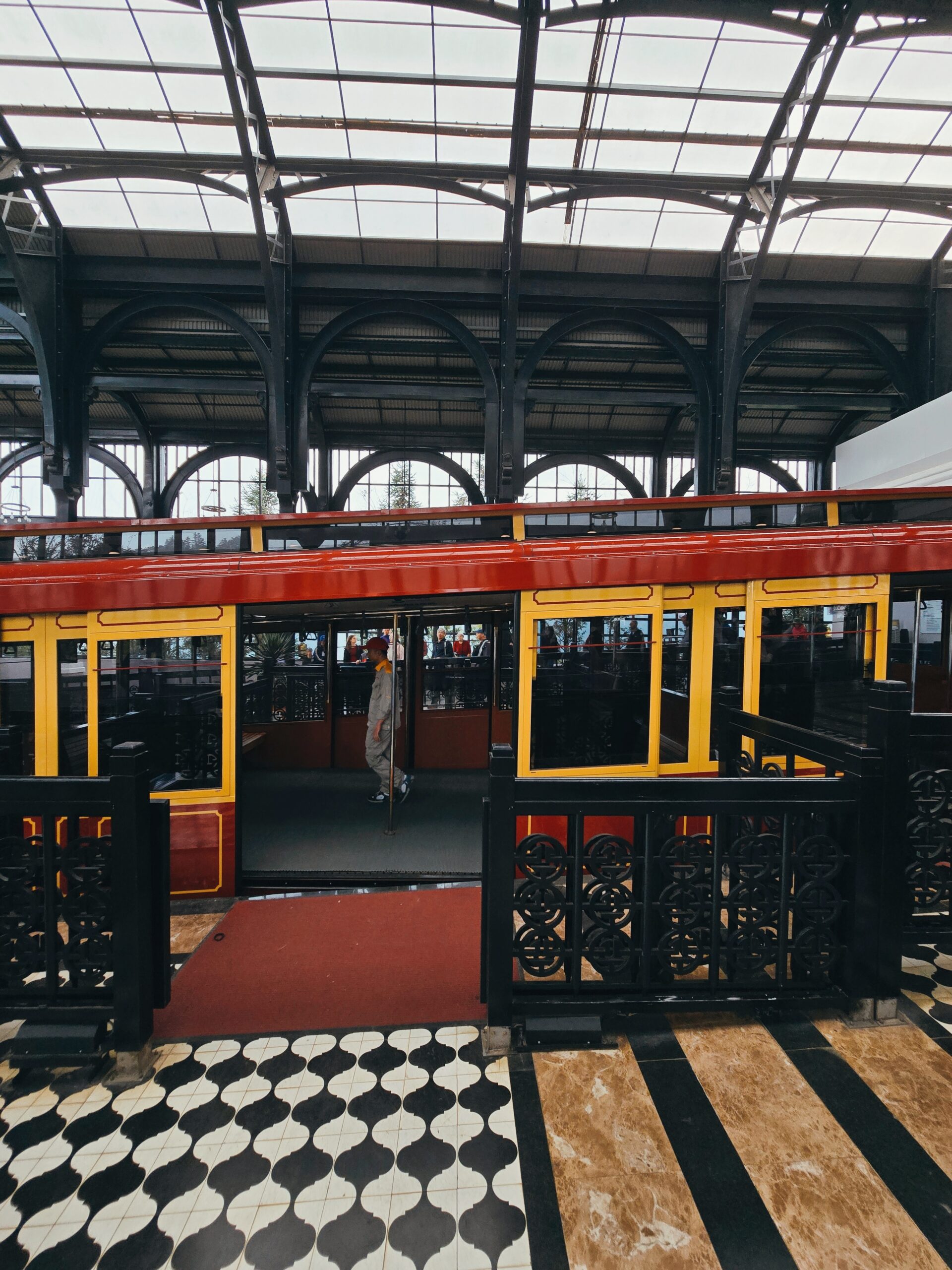
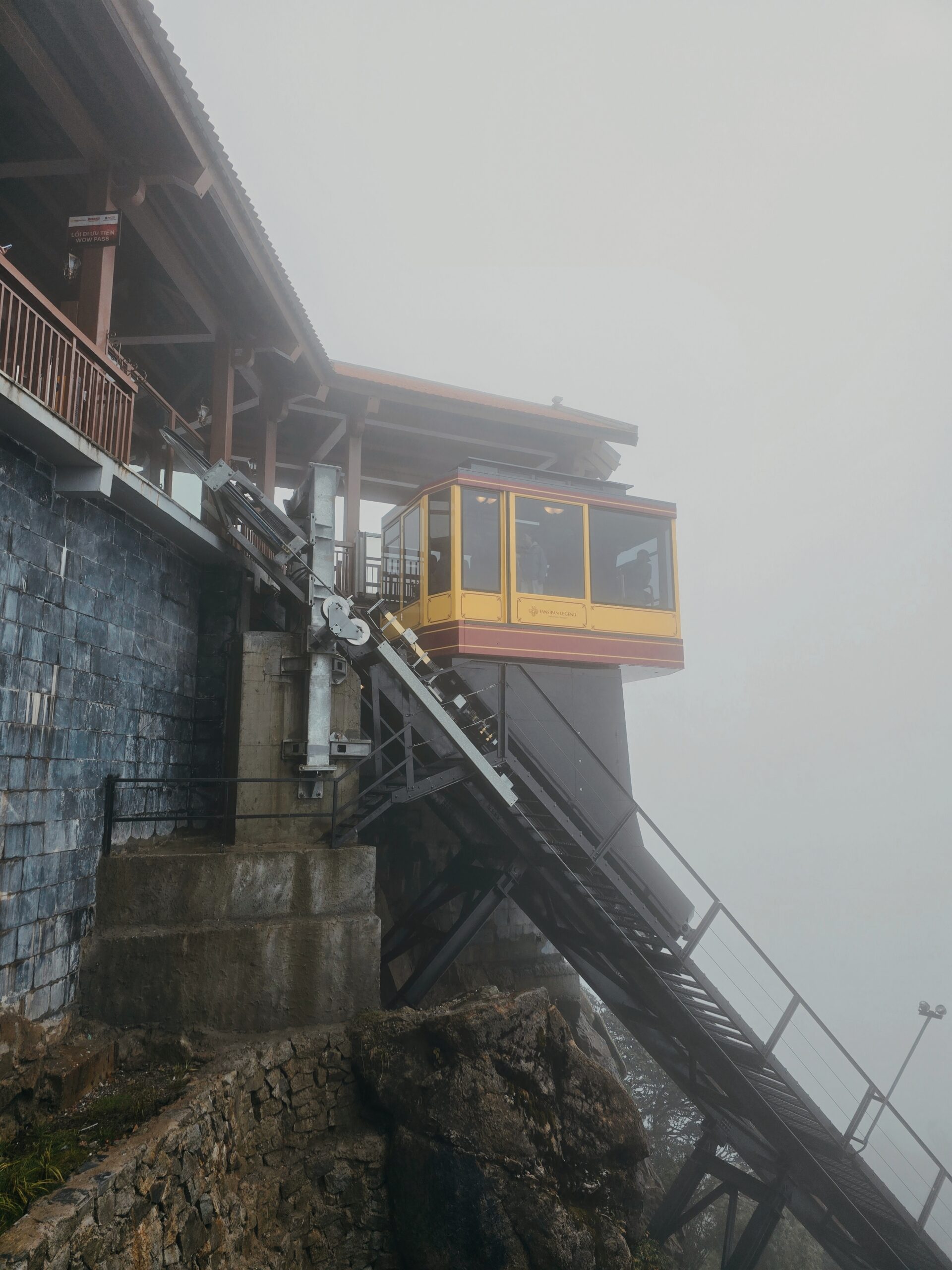
The journey begins at Sun Plaza in the centre of Sapa, where you can board the Muong Hoa mountain railway for a scenic six-minute ride to Hoang Lien Station, the cable car departure point. From there, the spectacular 15-minute cable car journey takes you high above the Muong Hoa Valley and the Hoang Lien Son mountain range. At the top, you’ll find the Sun World Fansipan Legend complex, which is much more than just a cable car station.
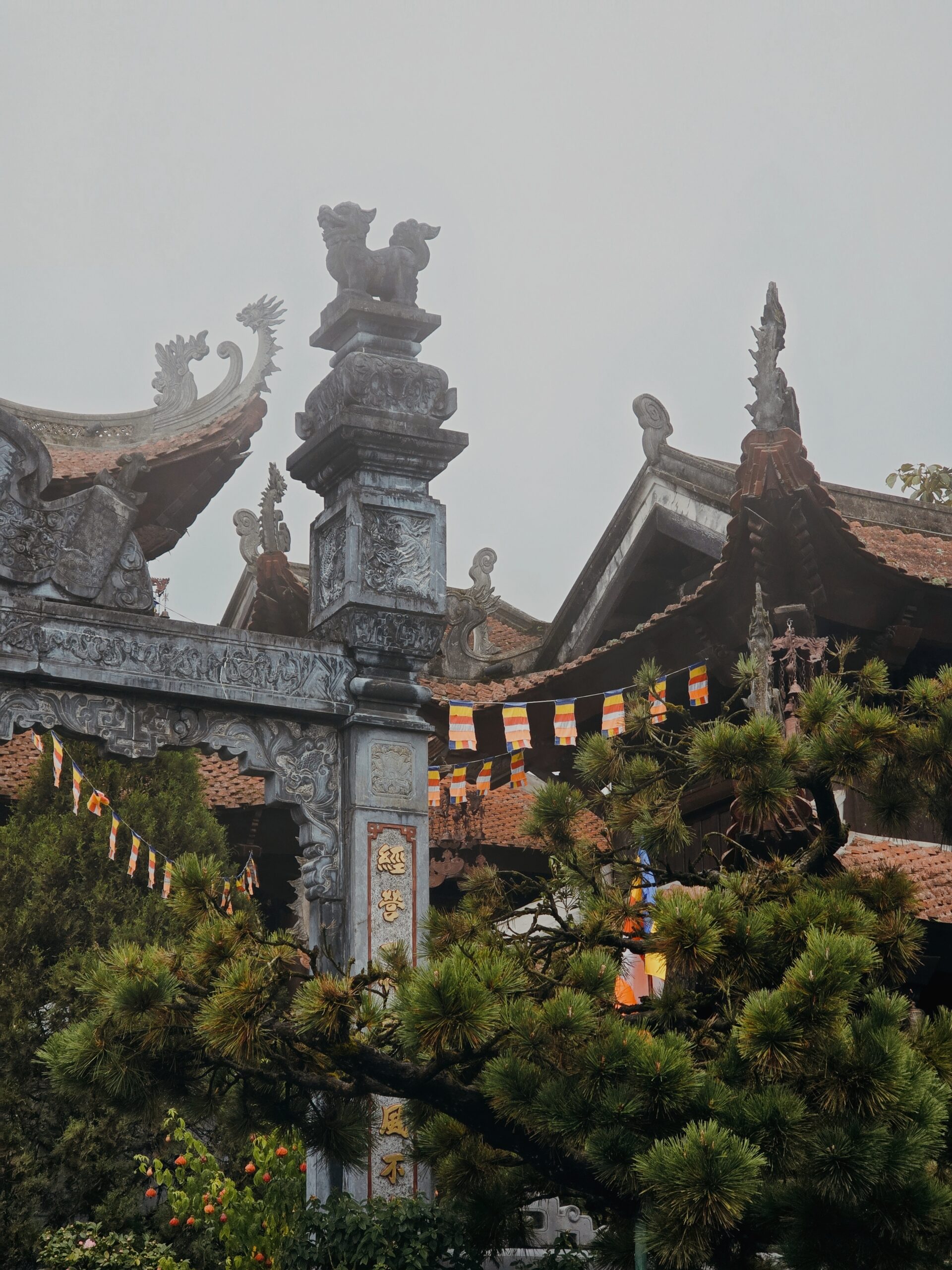
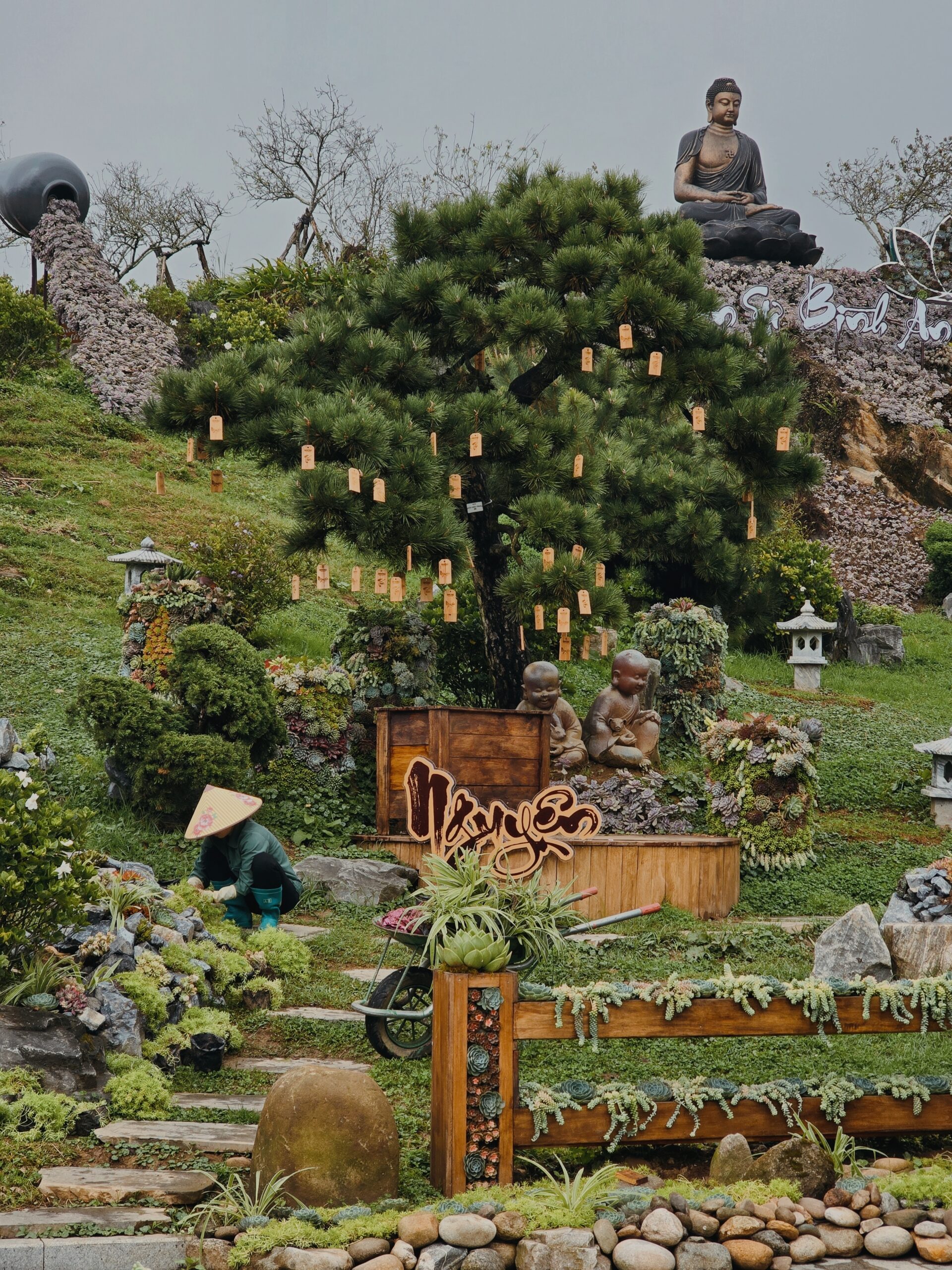
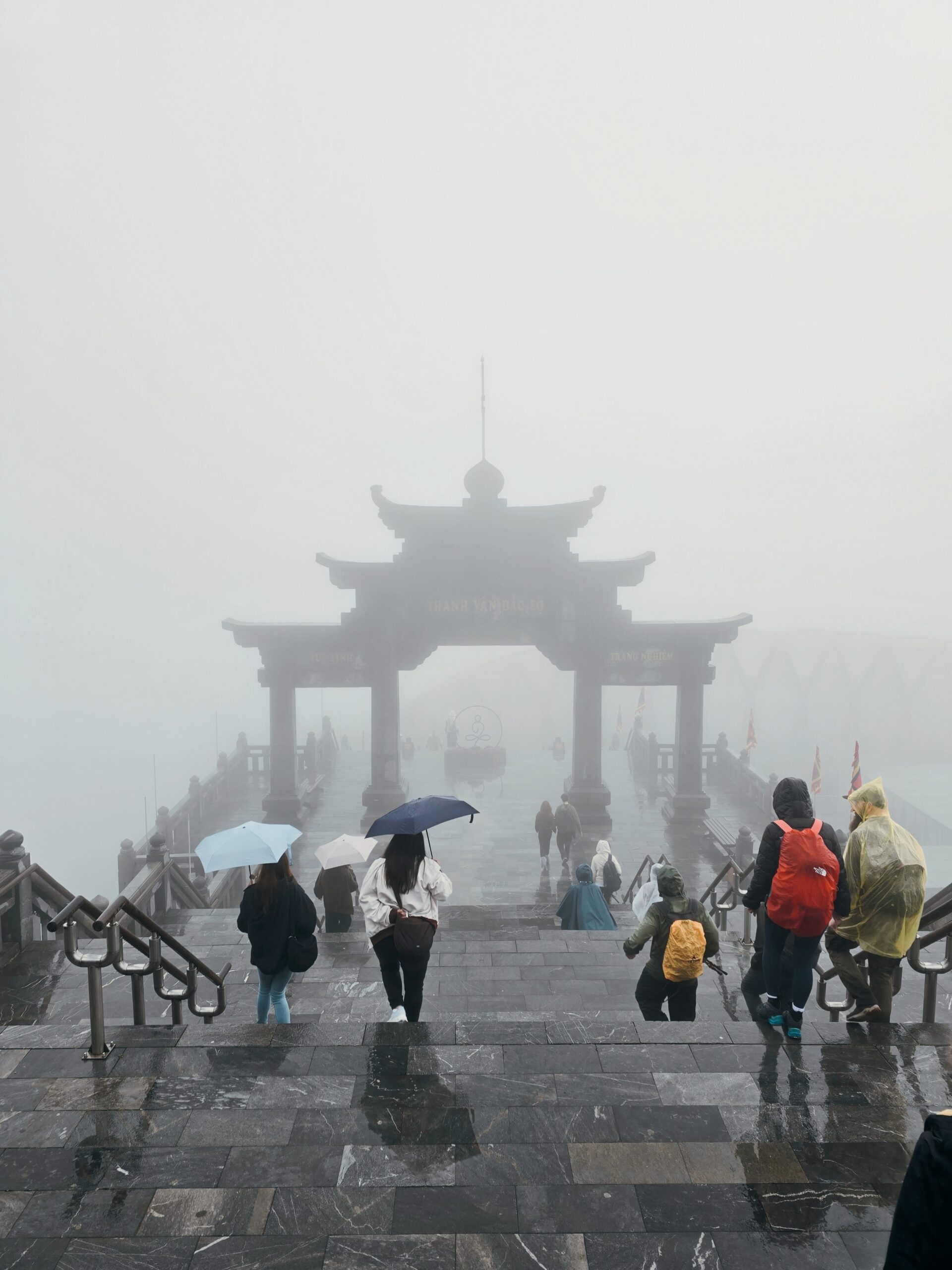
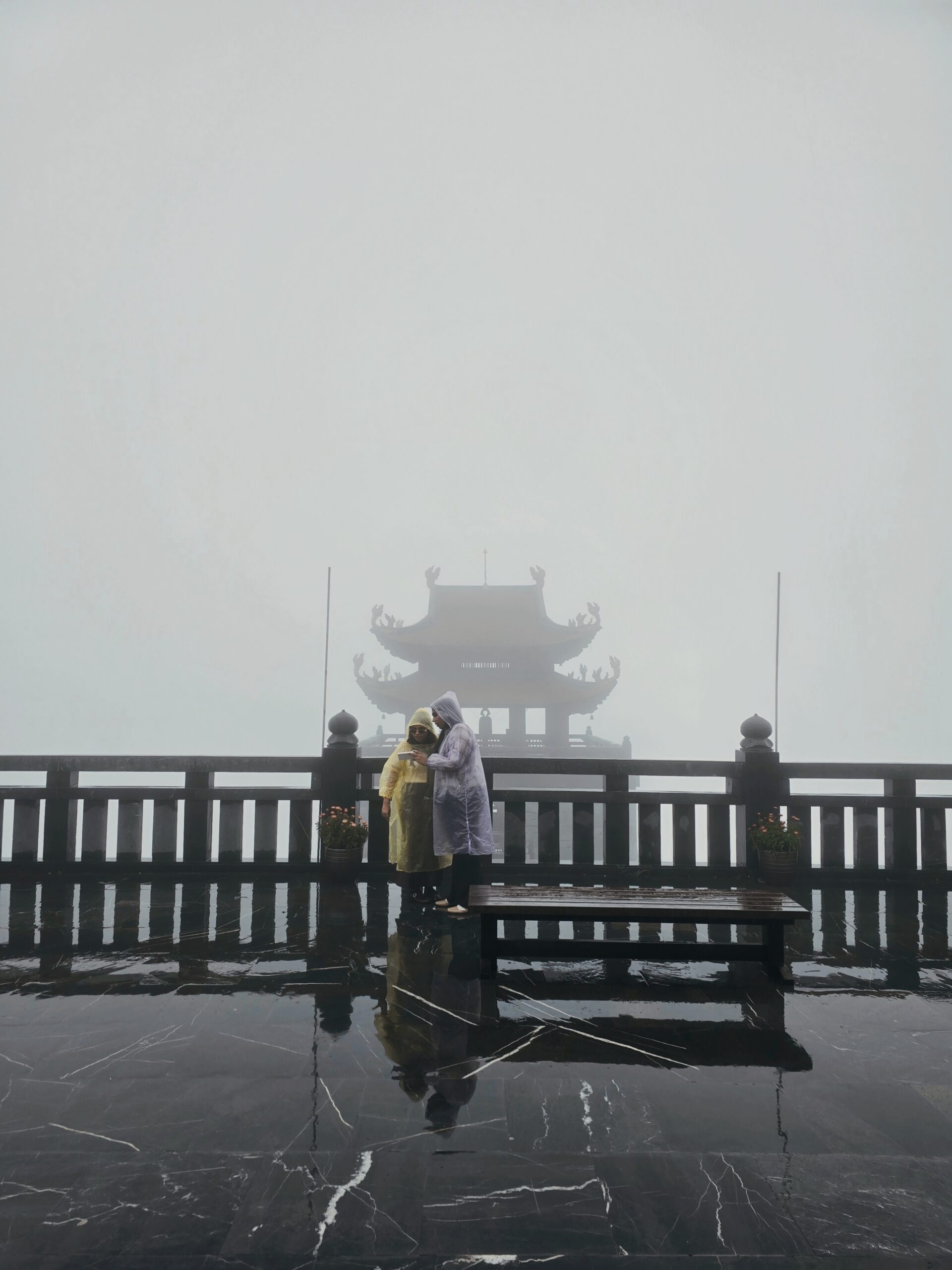
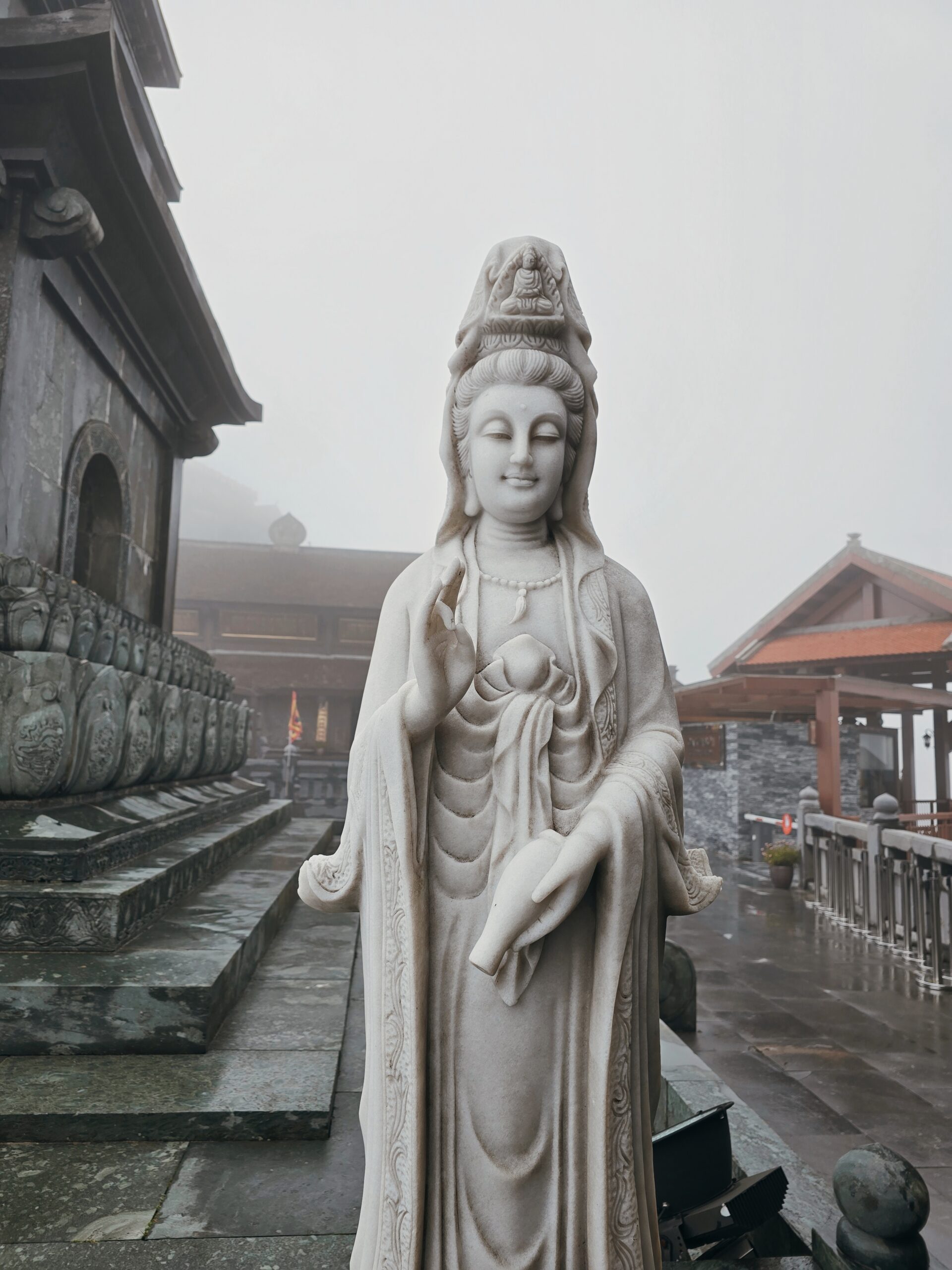
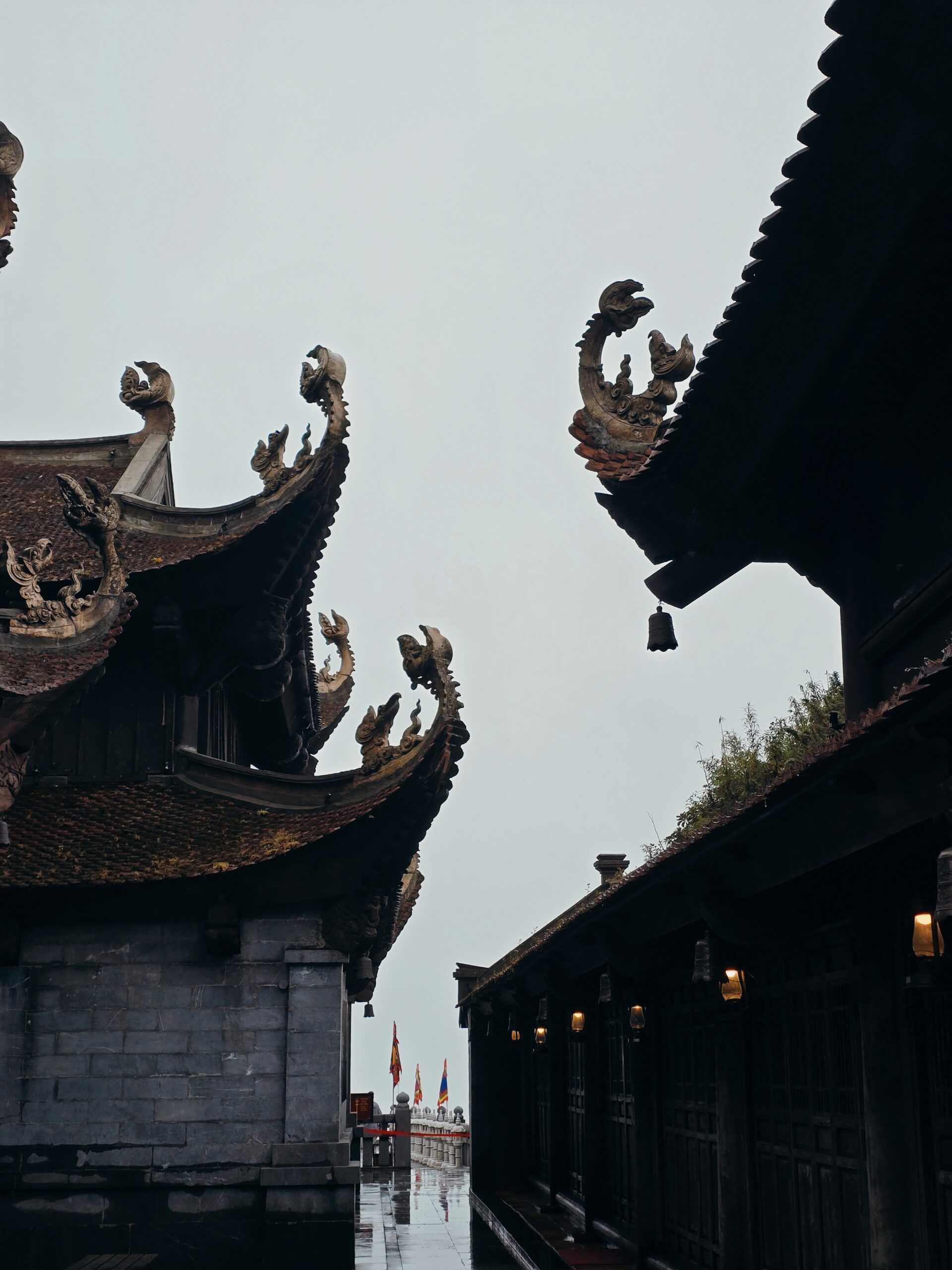
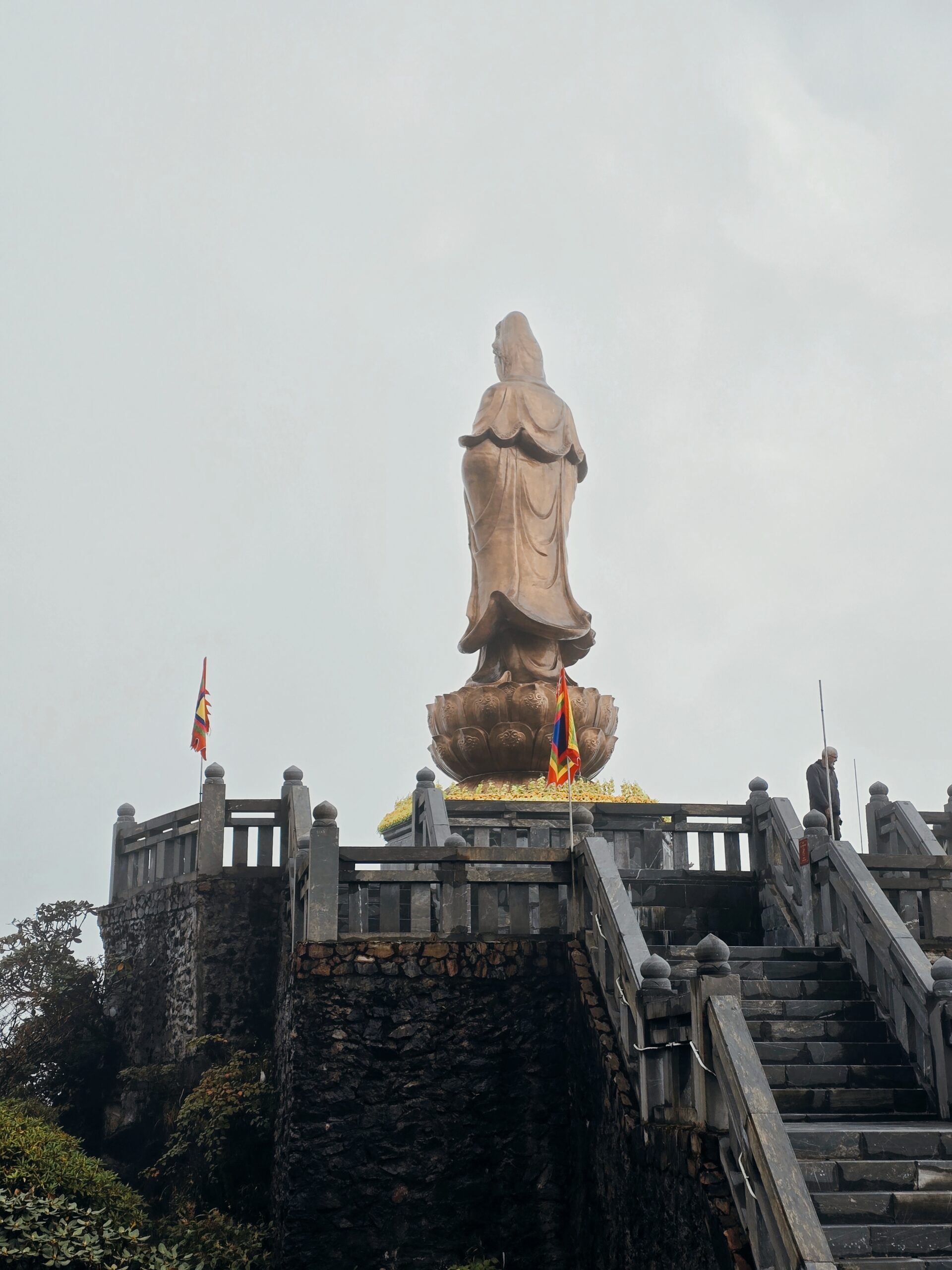
It includes beautifully landscaped gardens, traditional Vietnamese pagodas, the impressive Great Amitabha Buddha statue, an Arhat pathway, spiritual landmarks, flower gardens, restaurants and places to enjoy the mountain scenery.
From the upper cable car station, you have two options to reach the actual summit and its famous 3,143-metre marker. You can either climb approximately 600 stone steps or take the additional Fansipan summit funicular, which saves you most of the uphill walk.
The Muong Hoa railway and summit funicular are optional extras and are not included in the standard cable car ticket.
For reference, the 2026 round-trip cable car ticket costs around 850,000 VND per adult, with separate tickets for the additional train journeys. I’d recommend allowing at least half a day for the experience and bringing warm clothes, as temperatures can be considerably lower at the summit.
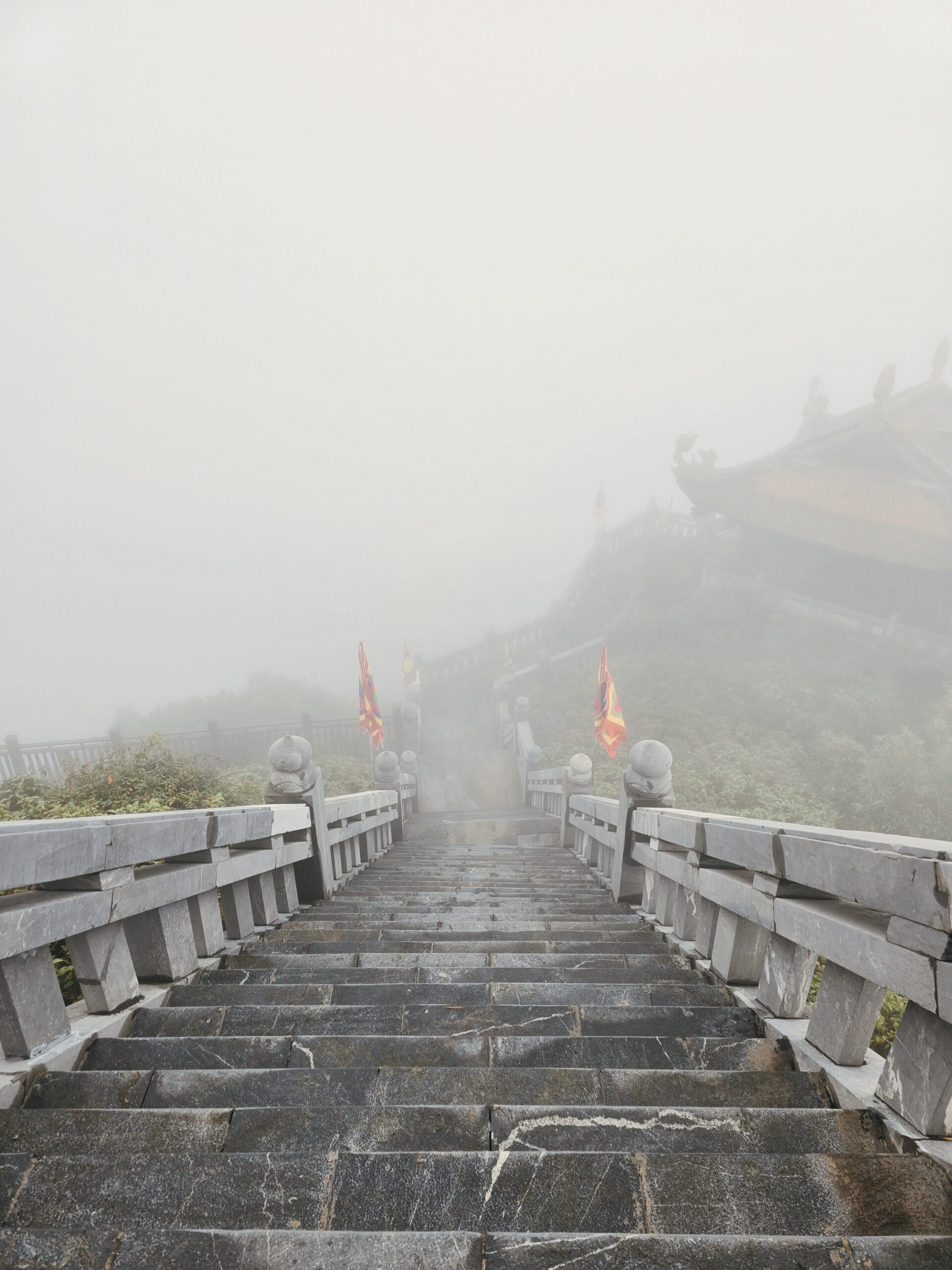
I decided to take the summit funicular on the way up and walk back down, thinking it would be a nice opportunity to explore the complex on foot. Little did I know what I was getting myself into! The fog had become incredibly thick, reducing visibility to just a few metres.
At one point, I actually found myself stranded inside one of the pagodas, with absolutely no idea where the path down was. It was quite an unexpected adventure, to say the least! As much as I would have loved to enjoy the views, the mysterious, almost dystopian atmosphere was something I genuinely appreciated.
Just make sure you keep an eye on the weather before deciding to explore the summit on foot!
Lao Chai Village
Our last stop before heading back to Hanoi was Lao Chai.
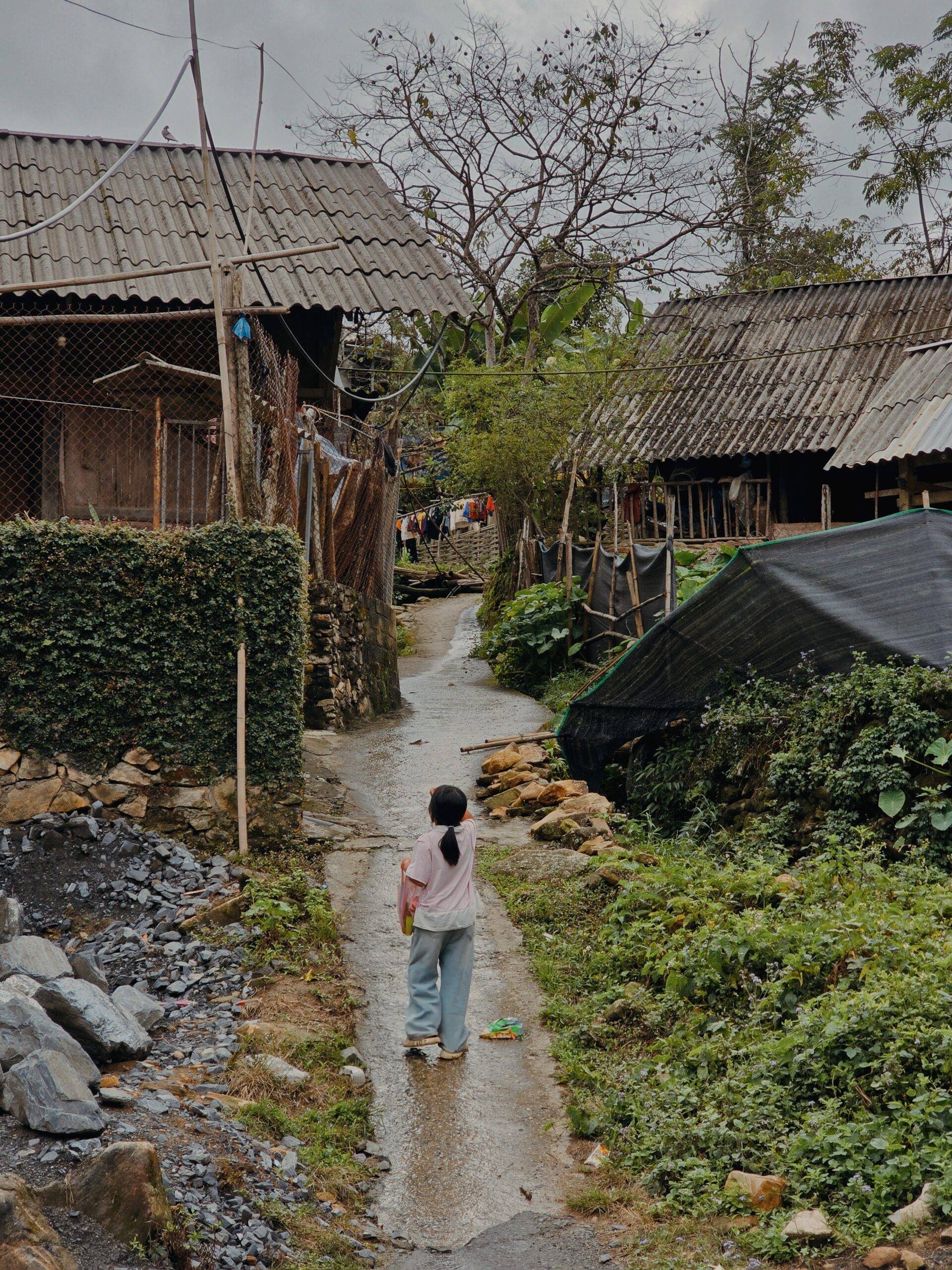
Unlike the more commercialised Cat Cat Village, Lao Chai offers a glimpse into rural mountain life, with traditional houses, local handicrafts and families continuing their agricultural traditions.
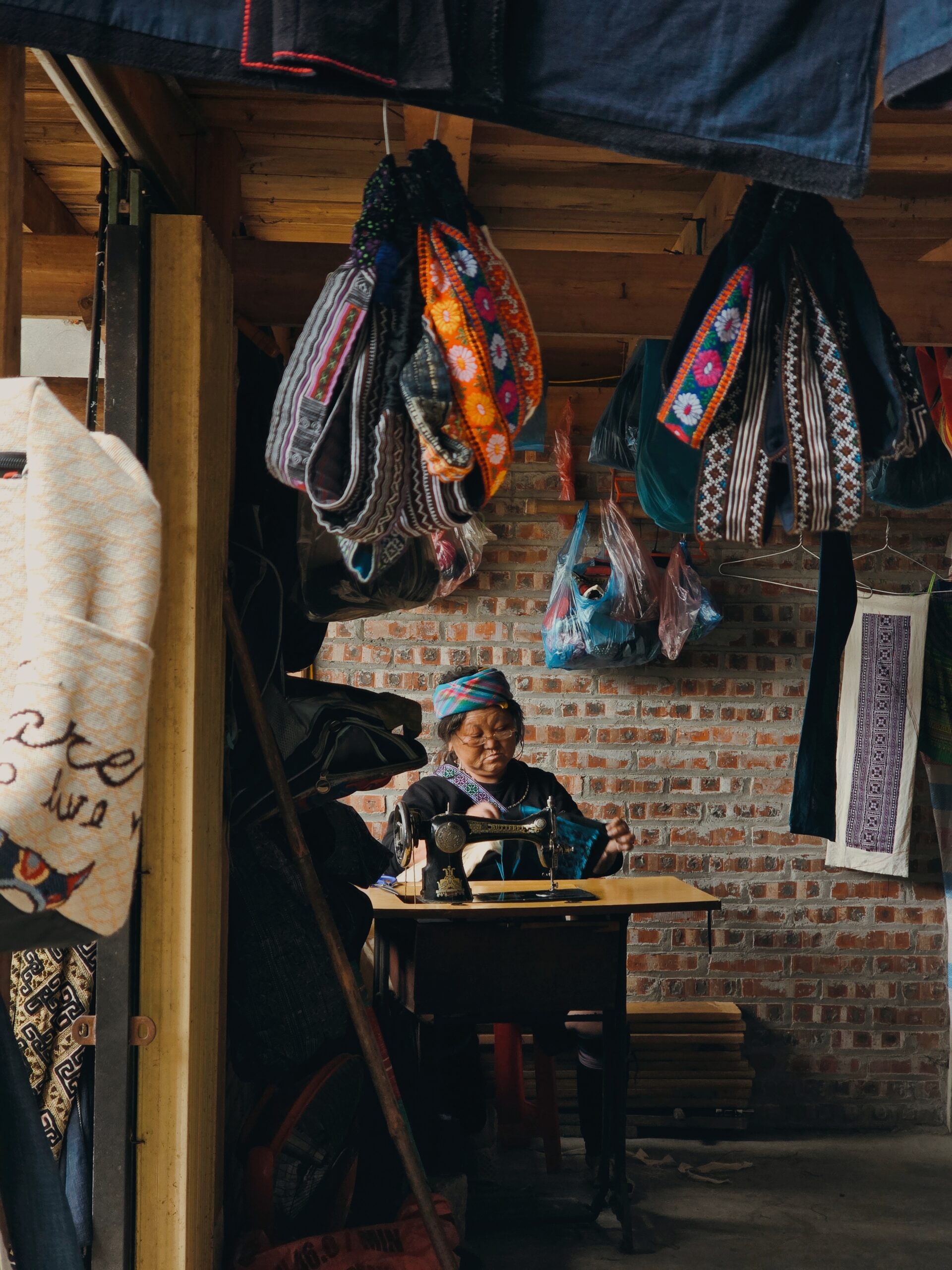
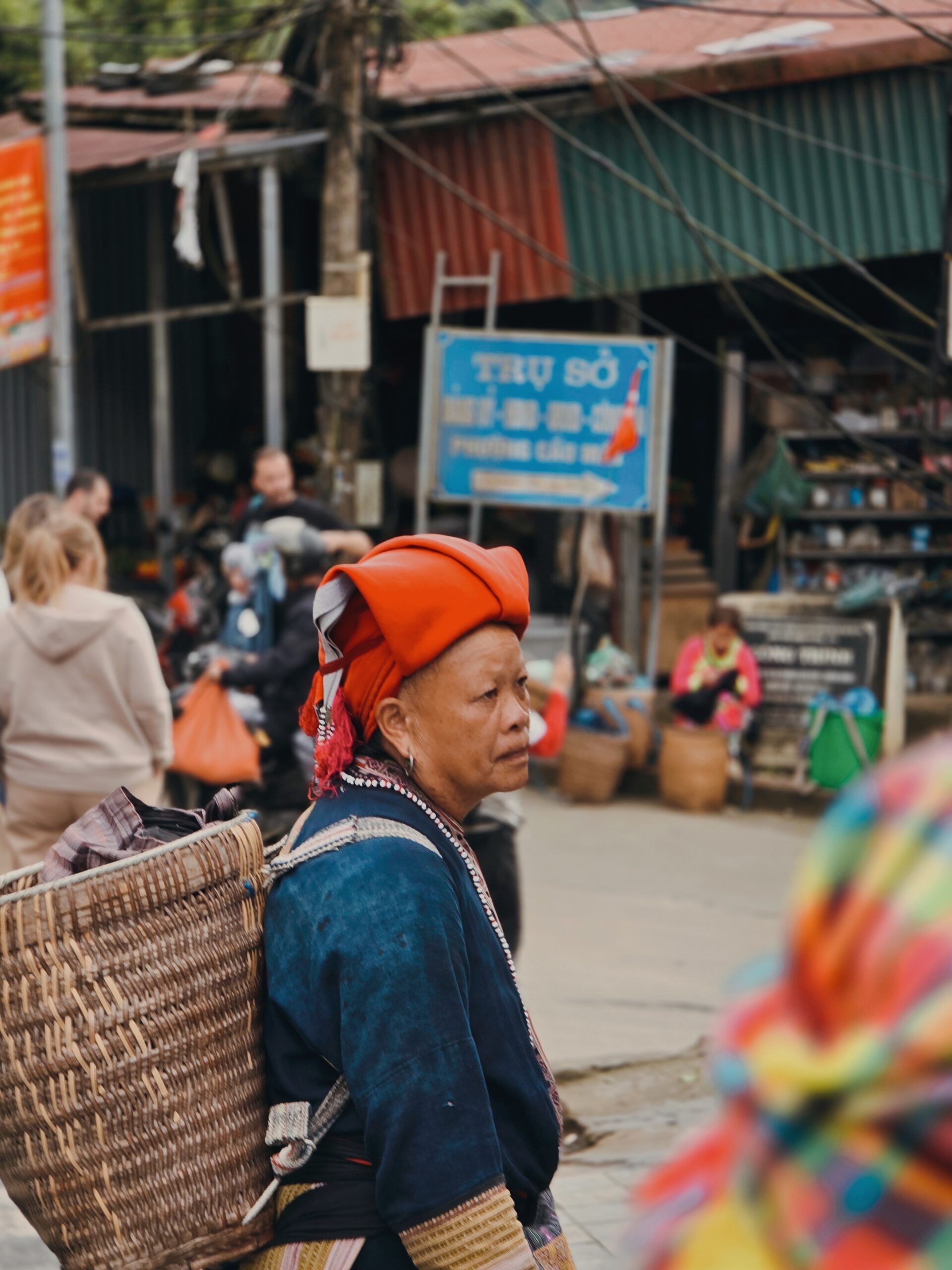
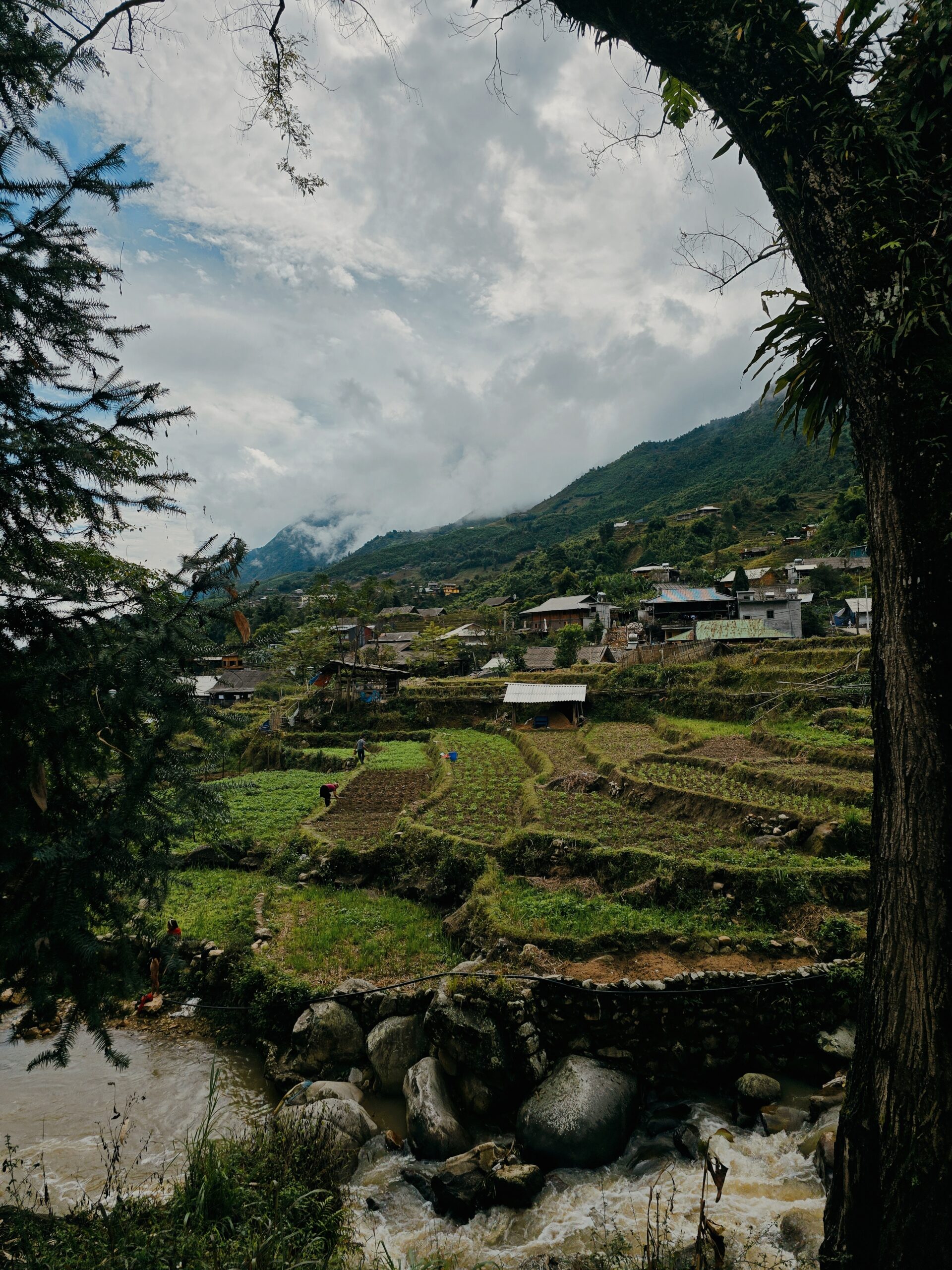
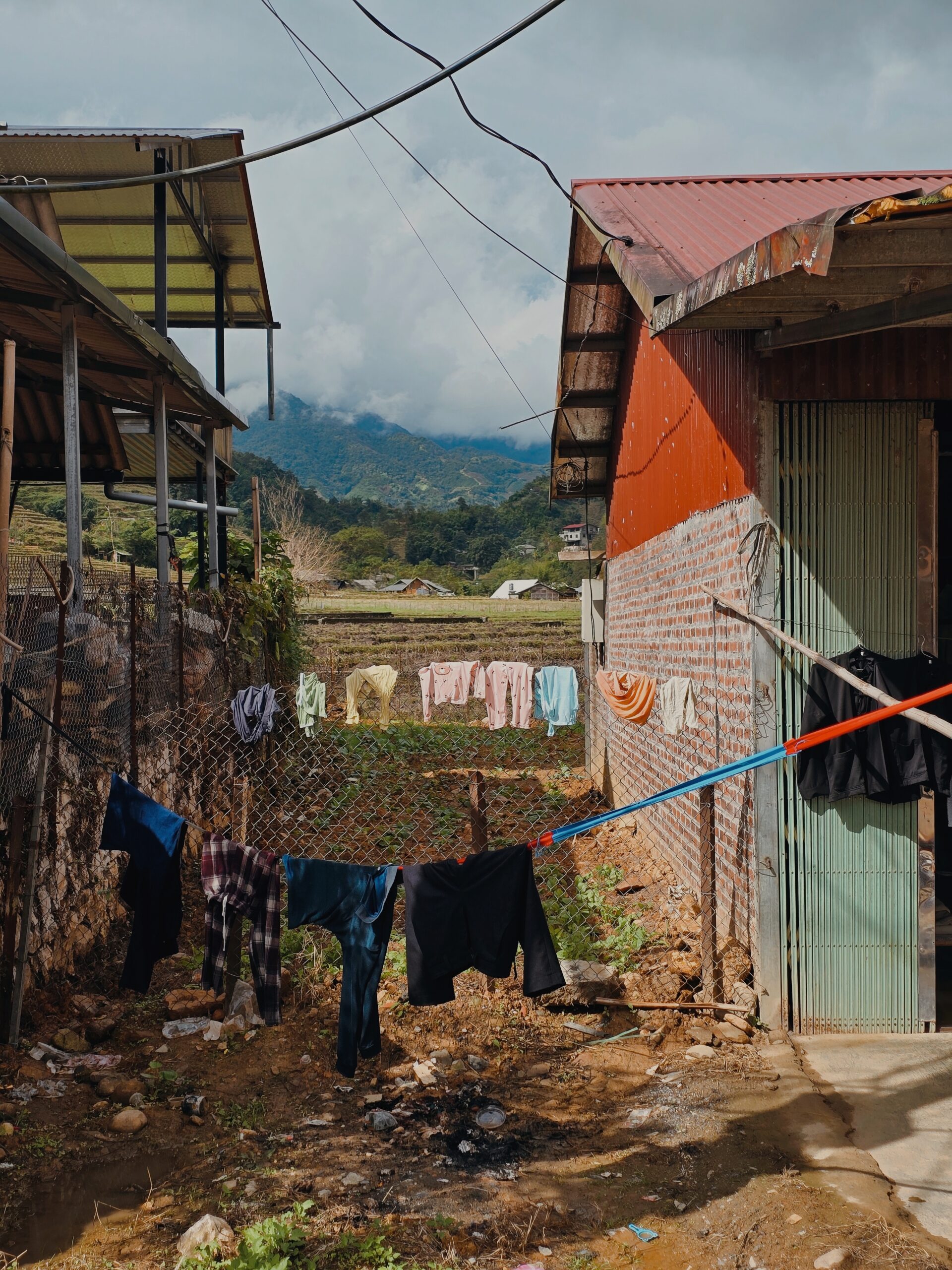
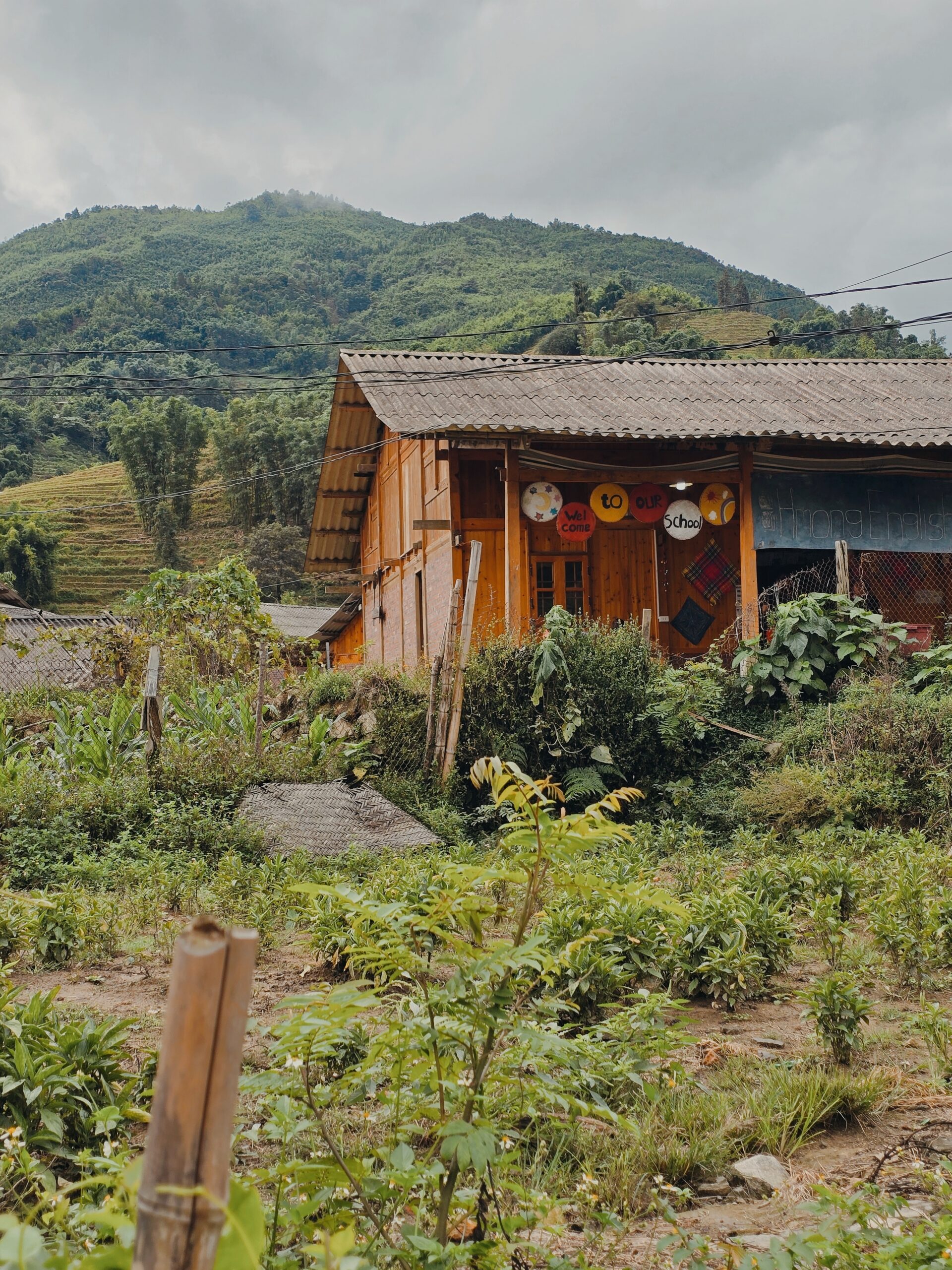
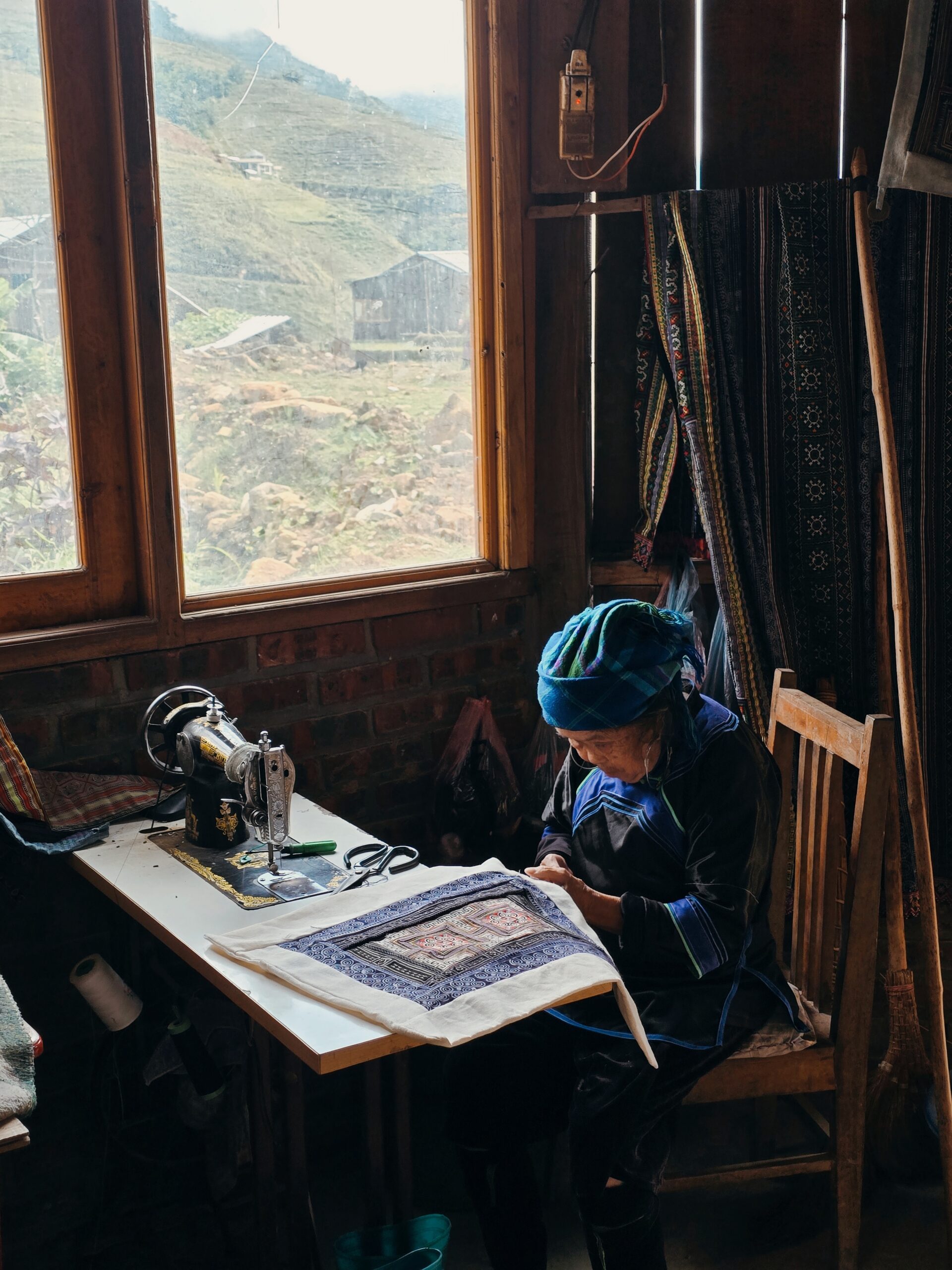
Our bus dropped us off in Lao Chai, where we were welcomed by local women carrying baskets filled with handmade goods and souvenirs to sell. As we started our walk, some of them accompanied us all the way down through the village, hoping to show us their products along the way. We wandered through local neighbourhoods, passed a village school, walked by the rice terraces, watched local seamstresses at work and followed paths alongside the rivers.
It was a lovely opportunity to see a more rural side of Vietnam and get a glimpse of everyday life in the mountains. We eventually made our way towards neighbouring Ta Van Village, where our bus was waiting to pick us up.
Our time in Sapa was a lovely change of pace from Vietnam’s busy cities. From the excitement of reaching Fansipan to walking through the traditional villages of Lao Chai and Ta Van, we got to experience a different side of the country, one shaped by mountains, rice terraces and local traditions.
The weather may not have given us the postcard-perfect views, but the misty landscapes had a character of their own. And between the sleeper bus adventure and all the unexpected little experiences along the way, Sapa certainly gave us plenty to remember.