Ha Long Bay:
Everything you need to know before visiting
S
ome places stay on your bucket list for years, and Ha Long Bay was one of them. I had seen countless photographs of its islands rising from emerald-green waters, and finally getting to see this extraordinary landscape in person was a special moment. Often described as one of Vietnam's most spectacular natural wonders, it certainly lived up to the anticipation.
Ha Long Bay offers a glimpse of one of Vietnam’s most extraordinary landscapes.
It was an early start from Hanoi, but I knew it was worth it.
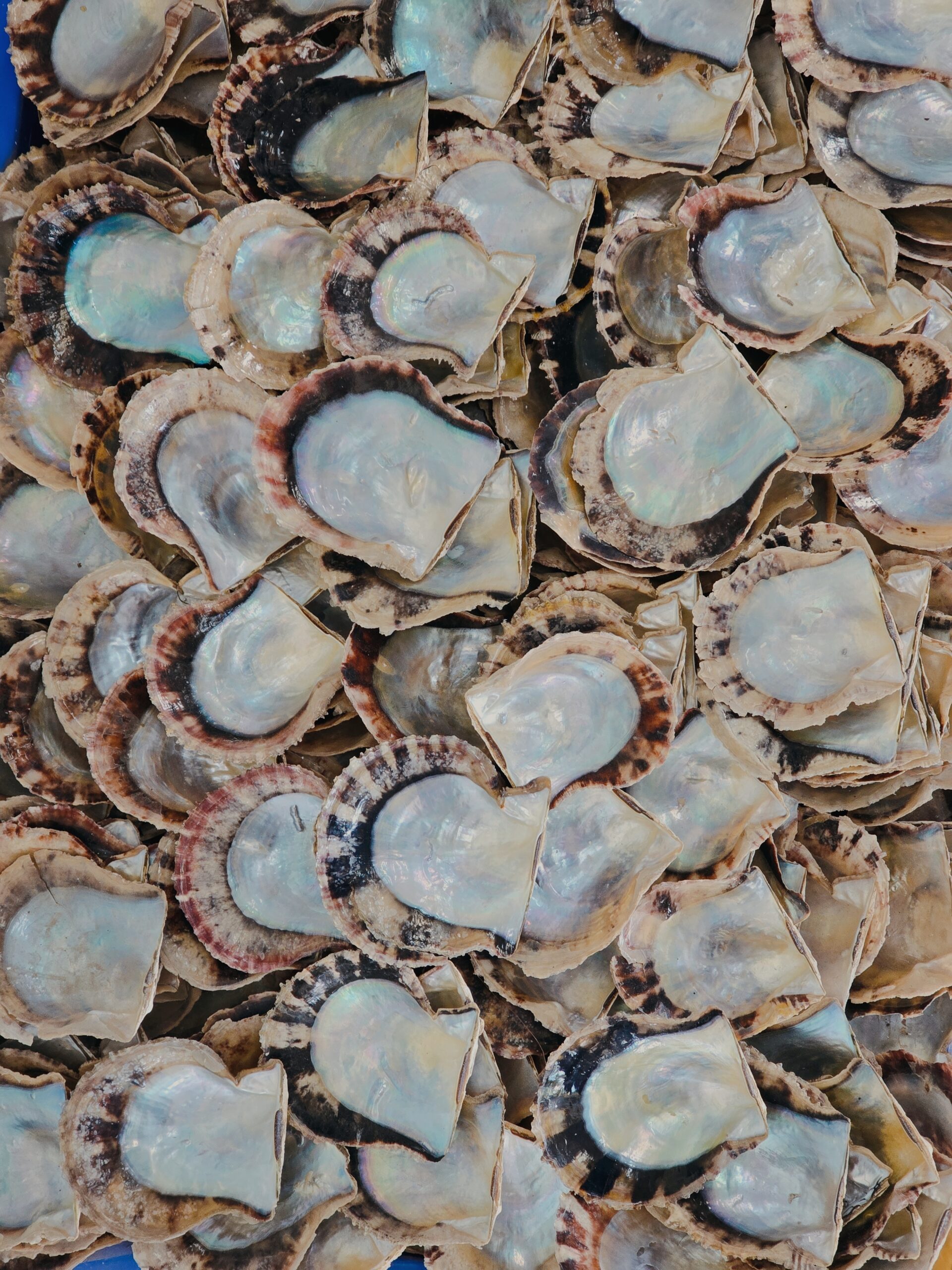
About 1 hour in our drive, before reaching Ha Long Bay, we made a stop at the Legend of Pearl, where we got a glimpse into Vietnam’s long-standing pearl cultivation tradition. The region is particularly known for pearl farming, with oysters carefully cultivated in the surrounding waters to produce these natural gems.
It was an interesting little introduction to the local culture and one of the area’s best-known industries before heading out to explore the bay.
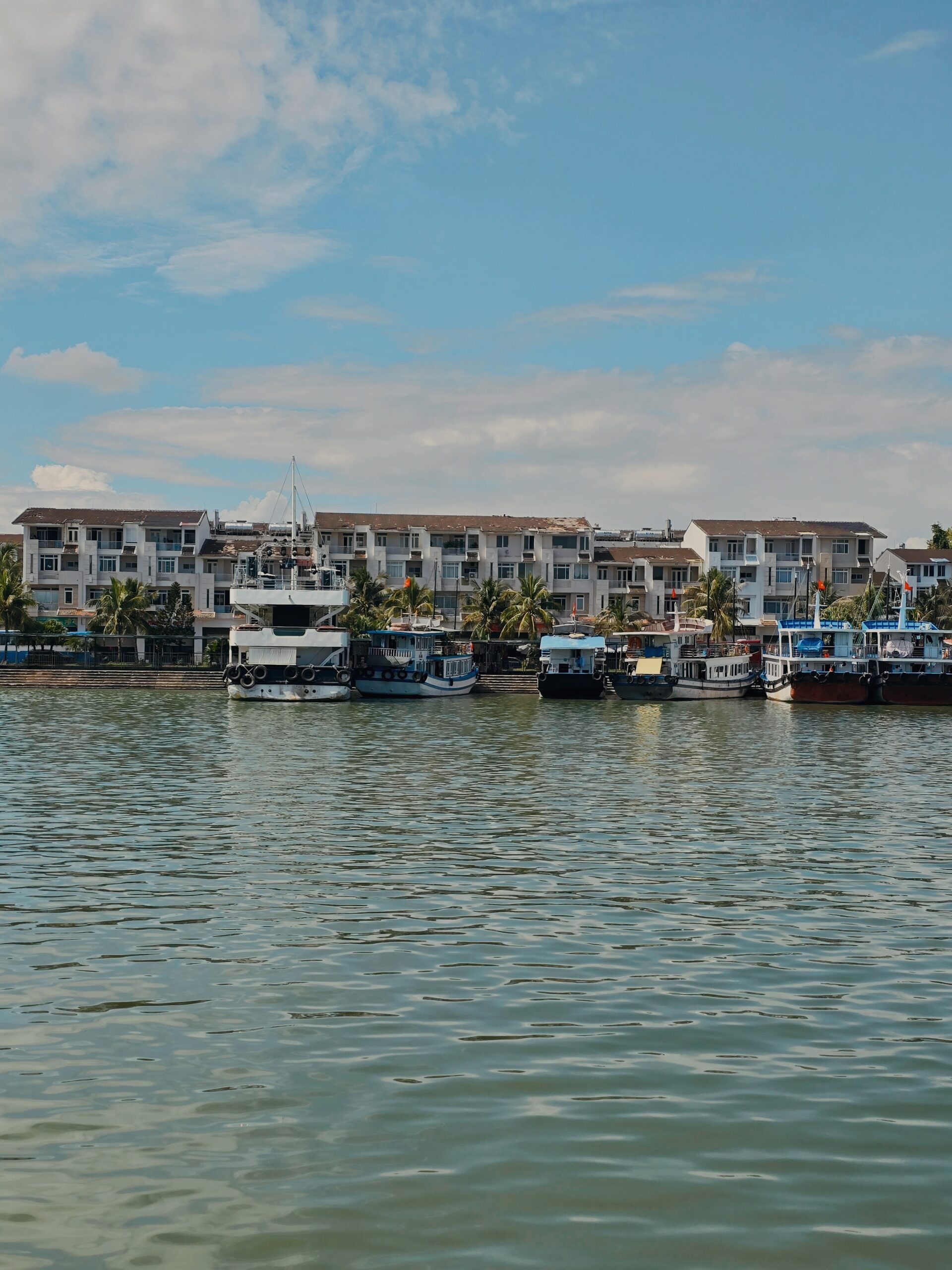
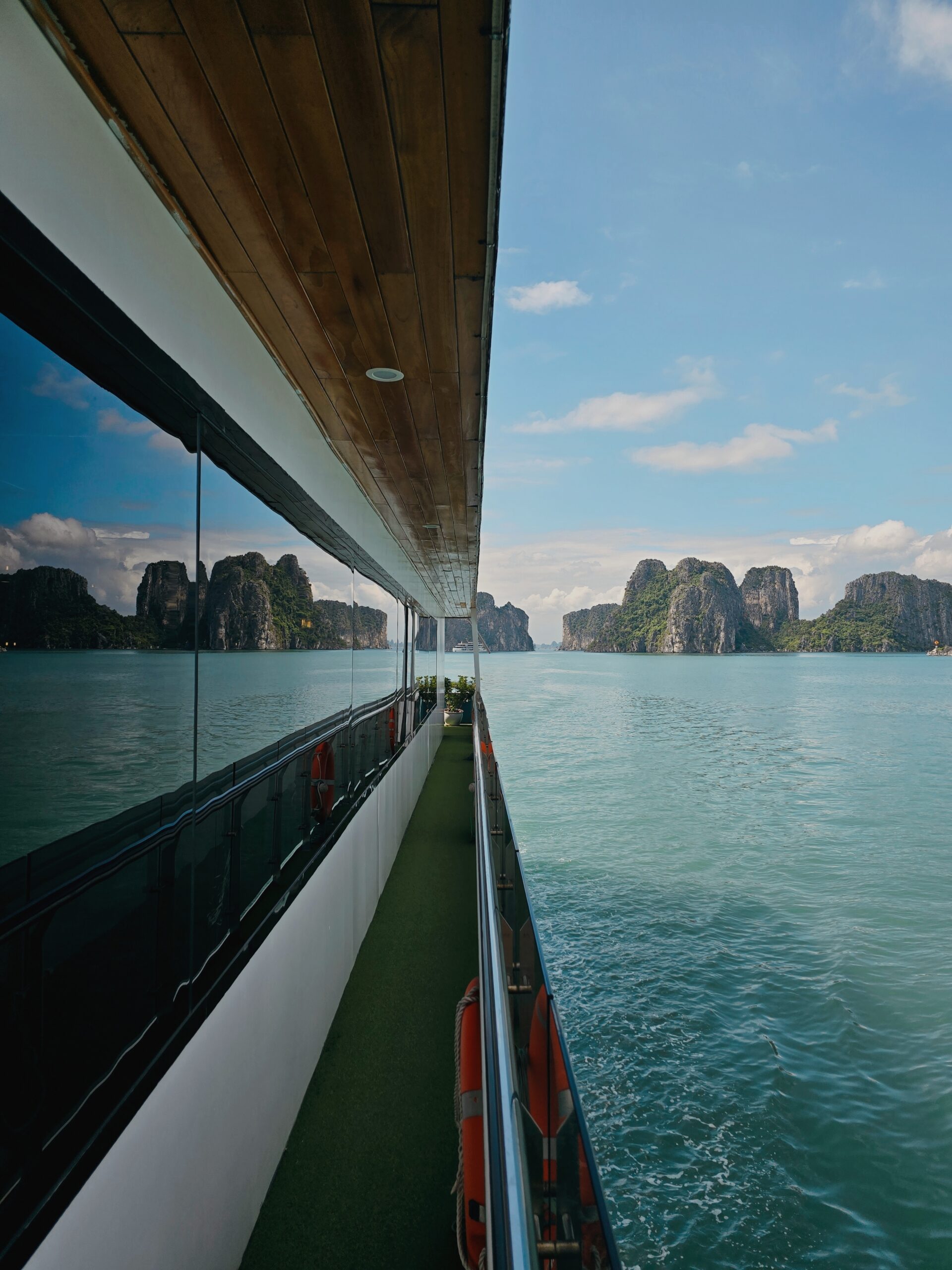
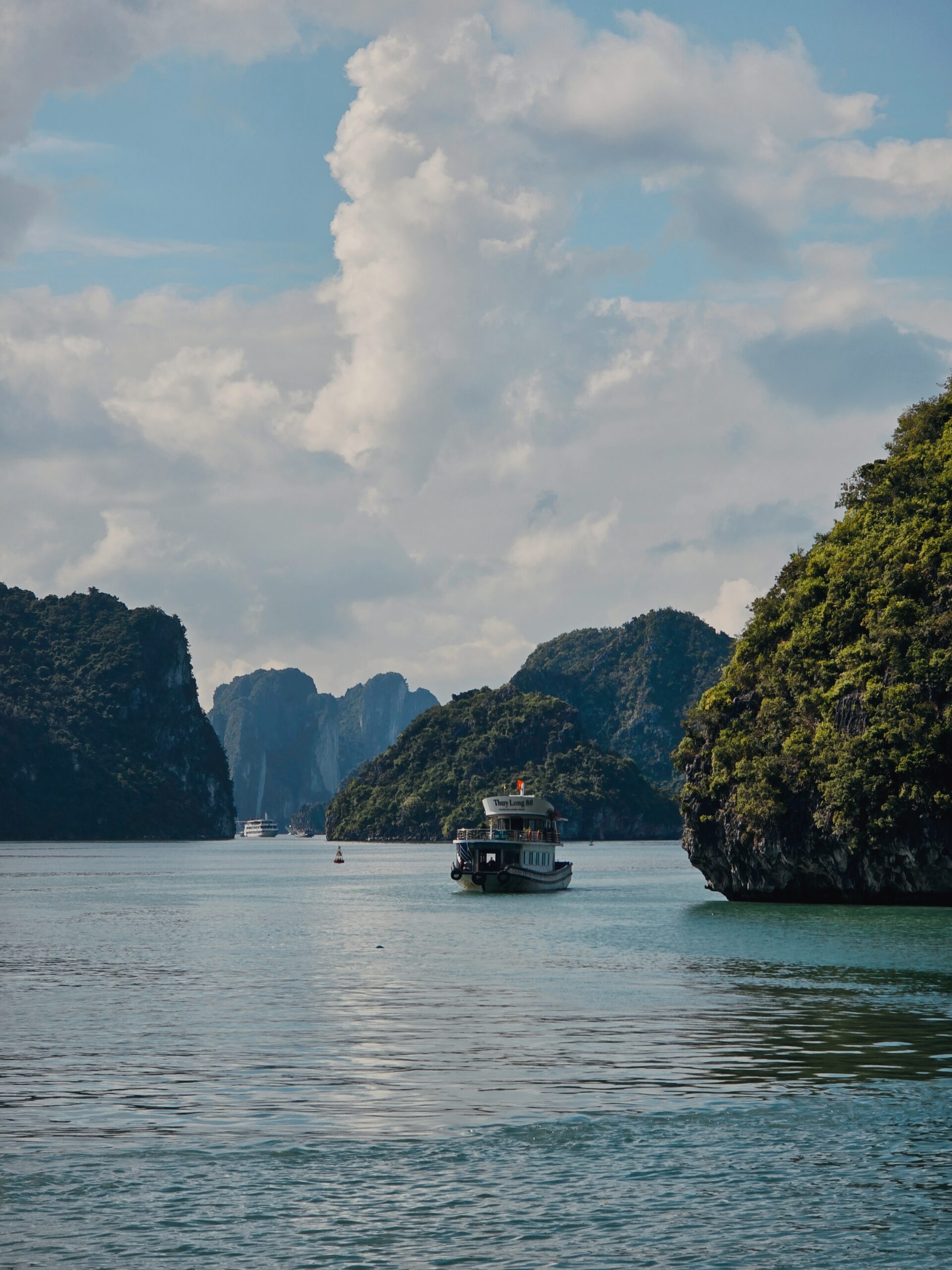
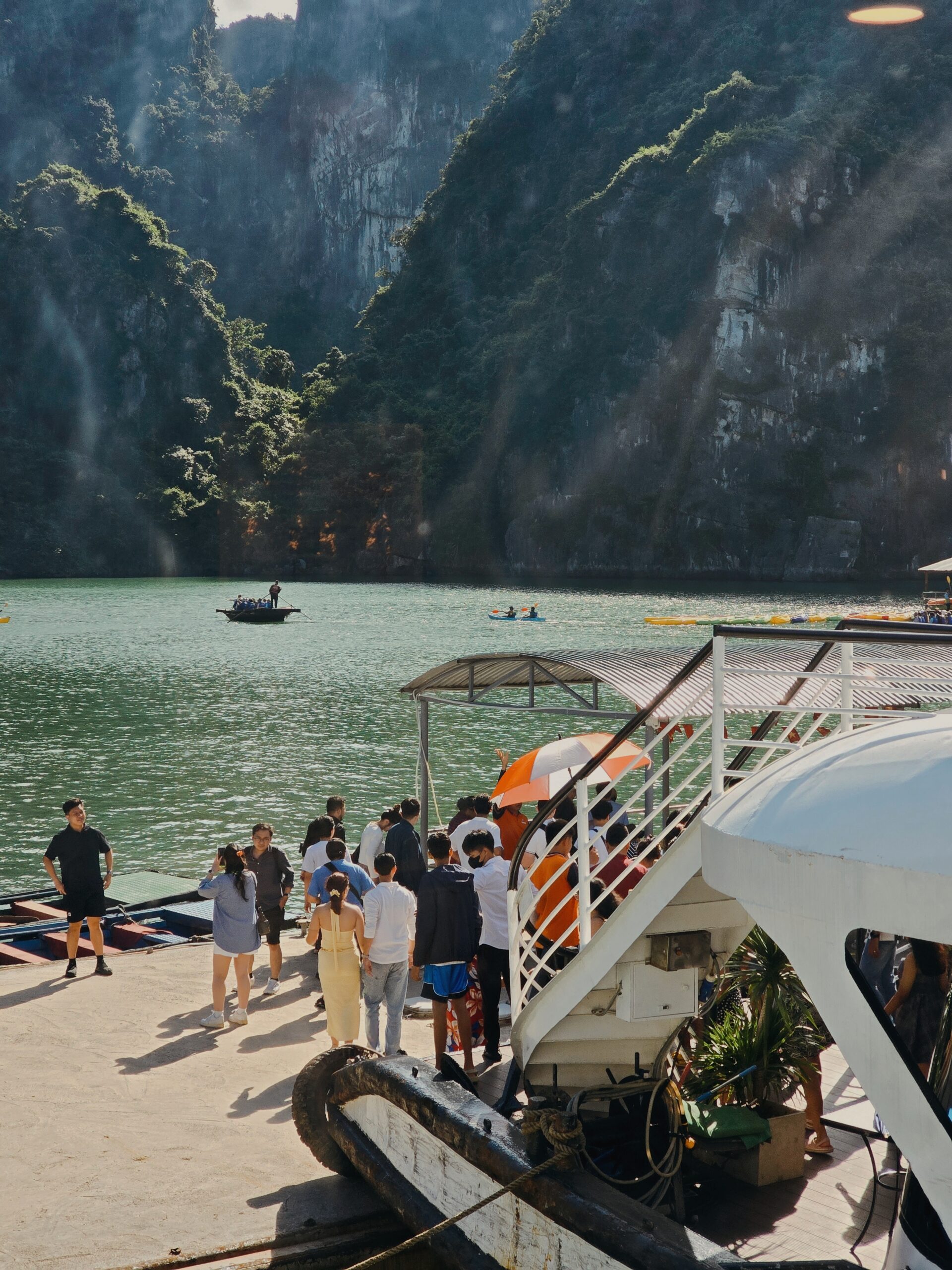
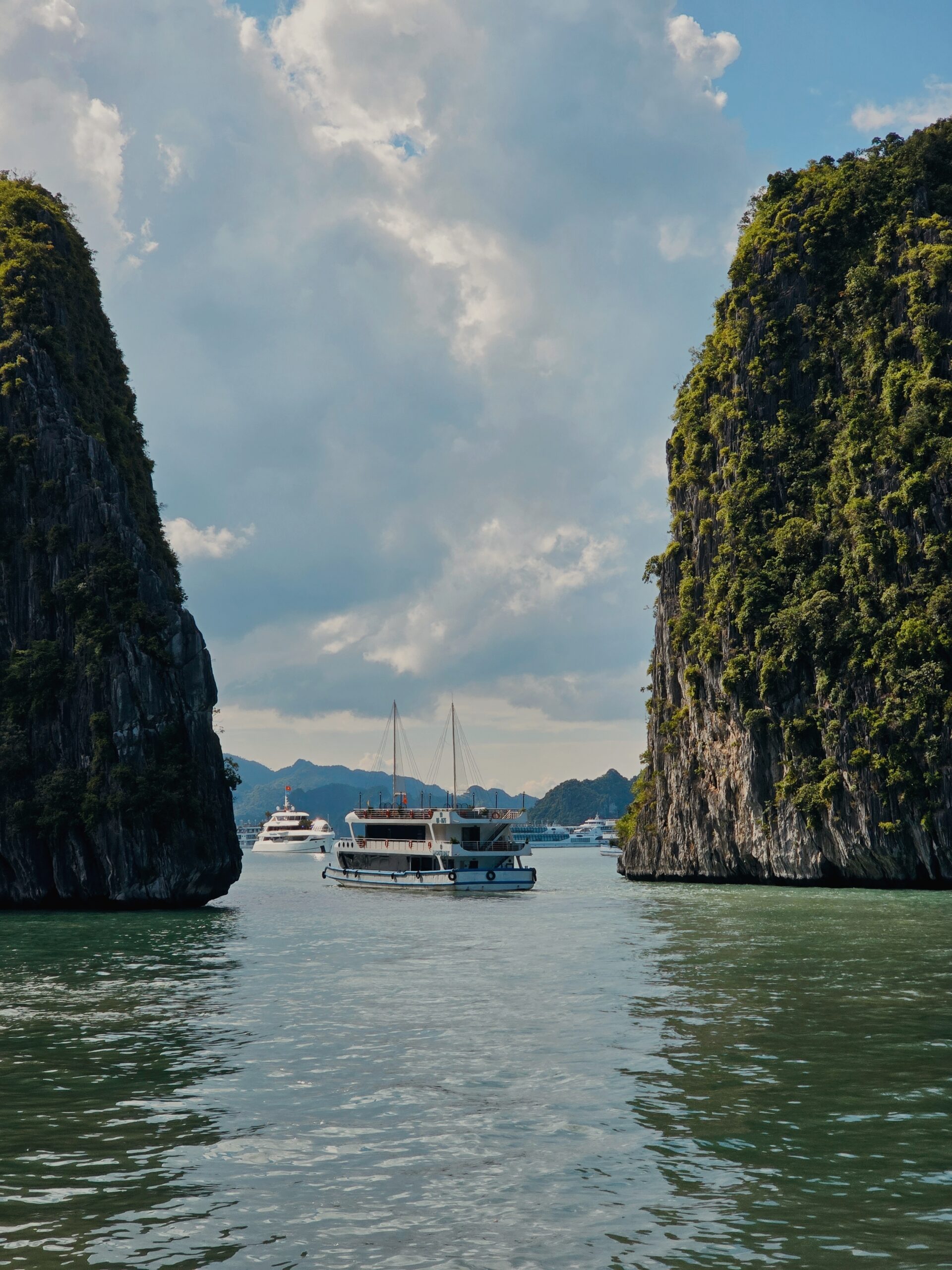
A short drive from the Legend of Pearl, we finally reached the harbour, where our cruise around Ha Long Bay was about to begin. Located in northeastern Vietnam, in the Gulf of Tonkin, Ha Long Bay is famous for its extraordinary collection of limestone karsts and small islands rising from emerald-green waters.
Its name translates to “Descending Dragon Bay”, a reference to an ancient Vietnamese legend that explains how this remarkable landscape came to be.
The Story
According to Vietnamese folklore, the bay was created when dragons descended from the skies to protect the country from invaders. They spat out jewels and jade, which transformed into the thousands of islands and rocky formations that now stand between the sea and the land.
Beyond its mythology, the bay has a fascinating geological history. Its formations developed over hundreds of millions of years, shaped by changing sea levels, weathering and erosion.
Today, Ha Long Bay is home to around 1,600 islands and islets, most of them uninhabited. Its exceptional natural value earned it UNESCO World Heritage status in 1994.
The Experience
It took me a moment to get over the initial awe and actually realize that I was sitting on a boat, cruising between these enormous limestone formations and witnessing this incredible place with my own eyes.
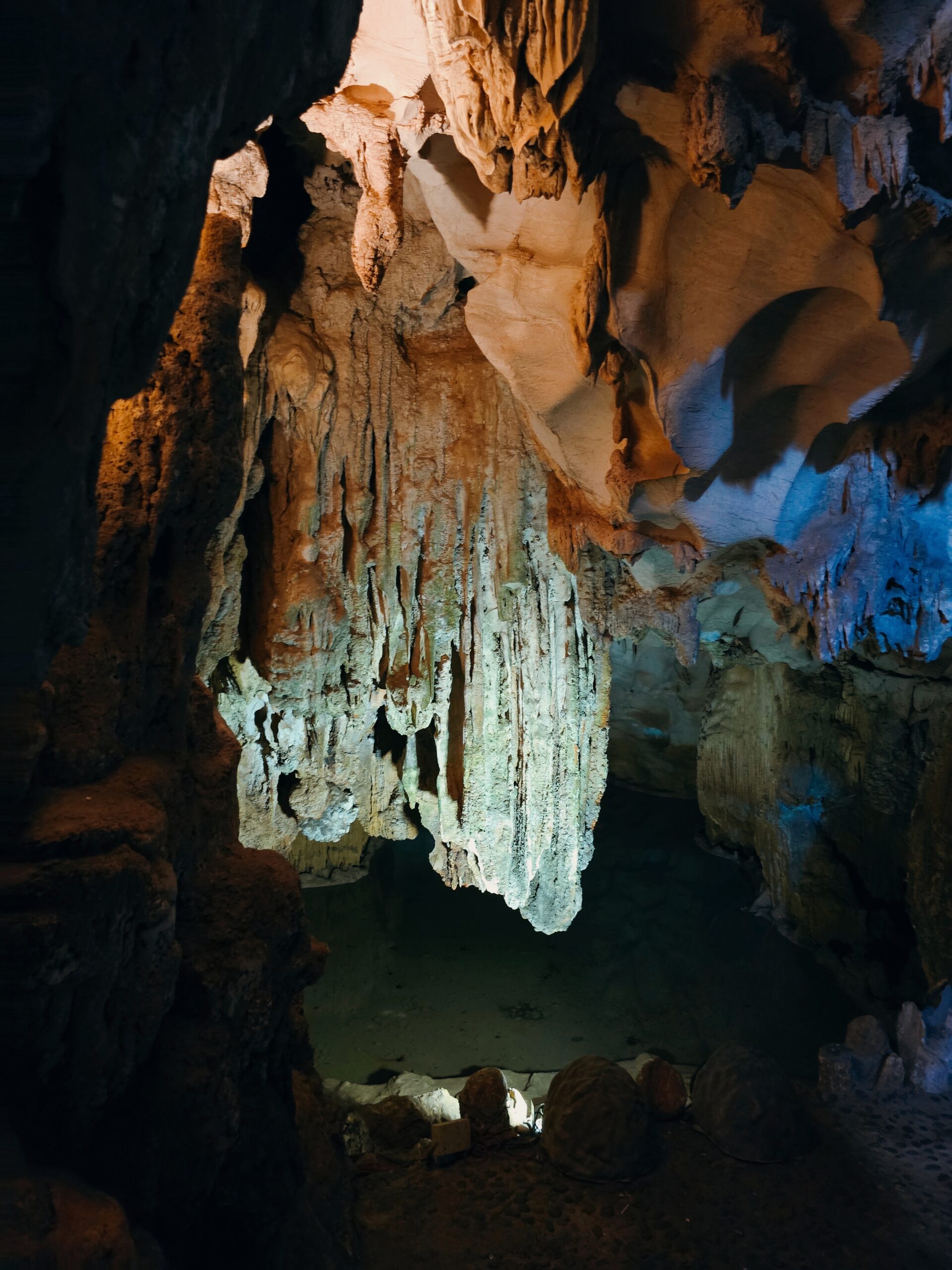
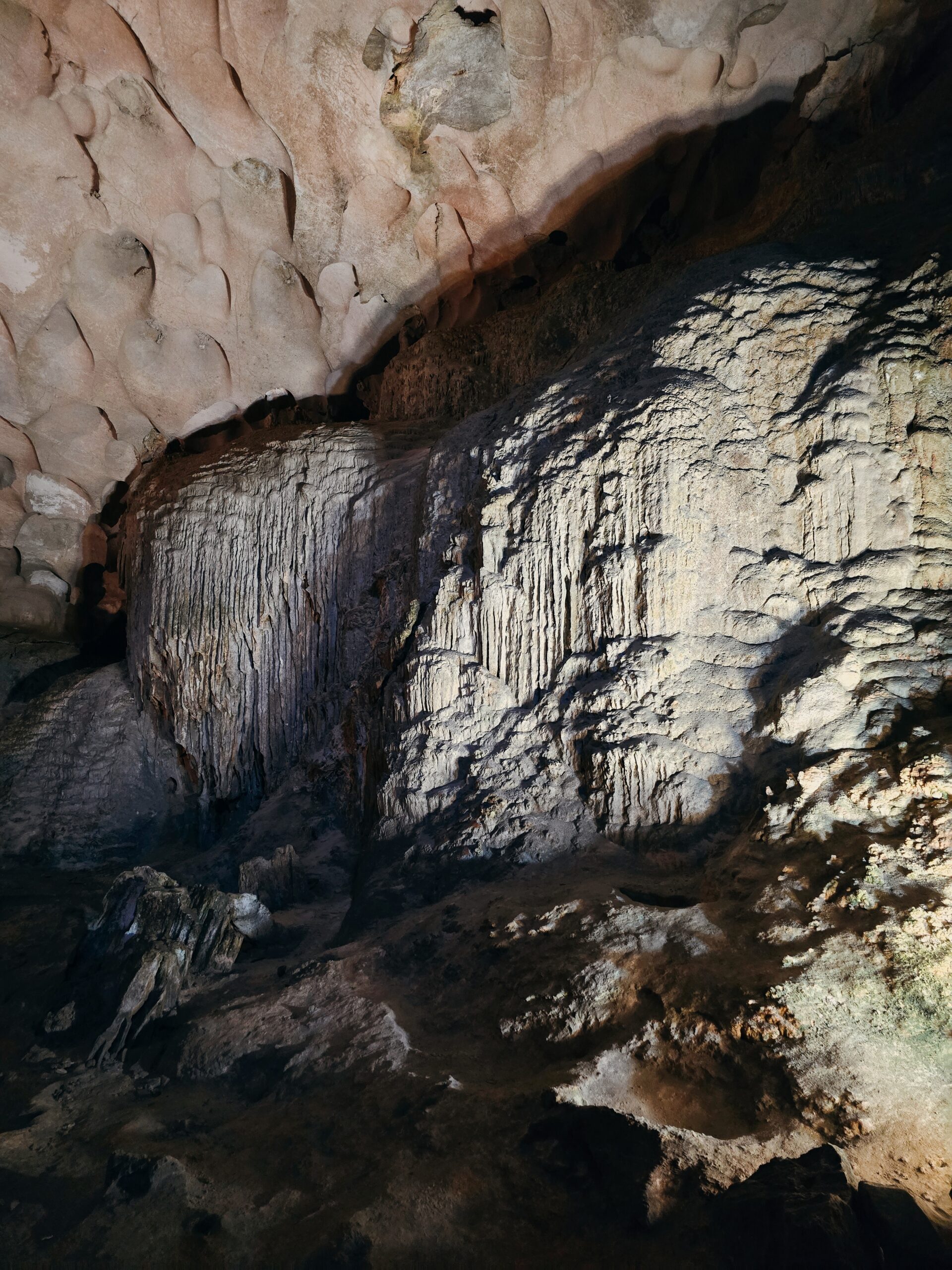
One of the highlights of exploring the bay is Sung Sot Cave, also known as Surprise Cave. Discovered by French explorers in 1901, it is among the largest and most impressive caves in the area.
Its name is particularly fitting: after climbing a series of steps through lush vegetation, visitors enter a vast underground world of stalactites, stalagmites and enormous chambers. The cave is divided into two main sections, with the second opening into an especially spacious chamber filled with fascinating rock formations.
Whether you visit for its legends, geological wonders or simply the opportunity to sail among its limestone islands, Ha Long Bay offers a glimpse of one of Vietnam’s most extraordinary landscapes. And after seeing it in person, it becomes a little easier to understand why the ancient Vietnamese imagined dragons creating this place.
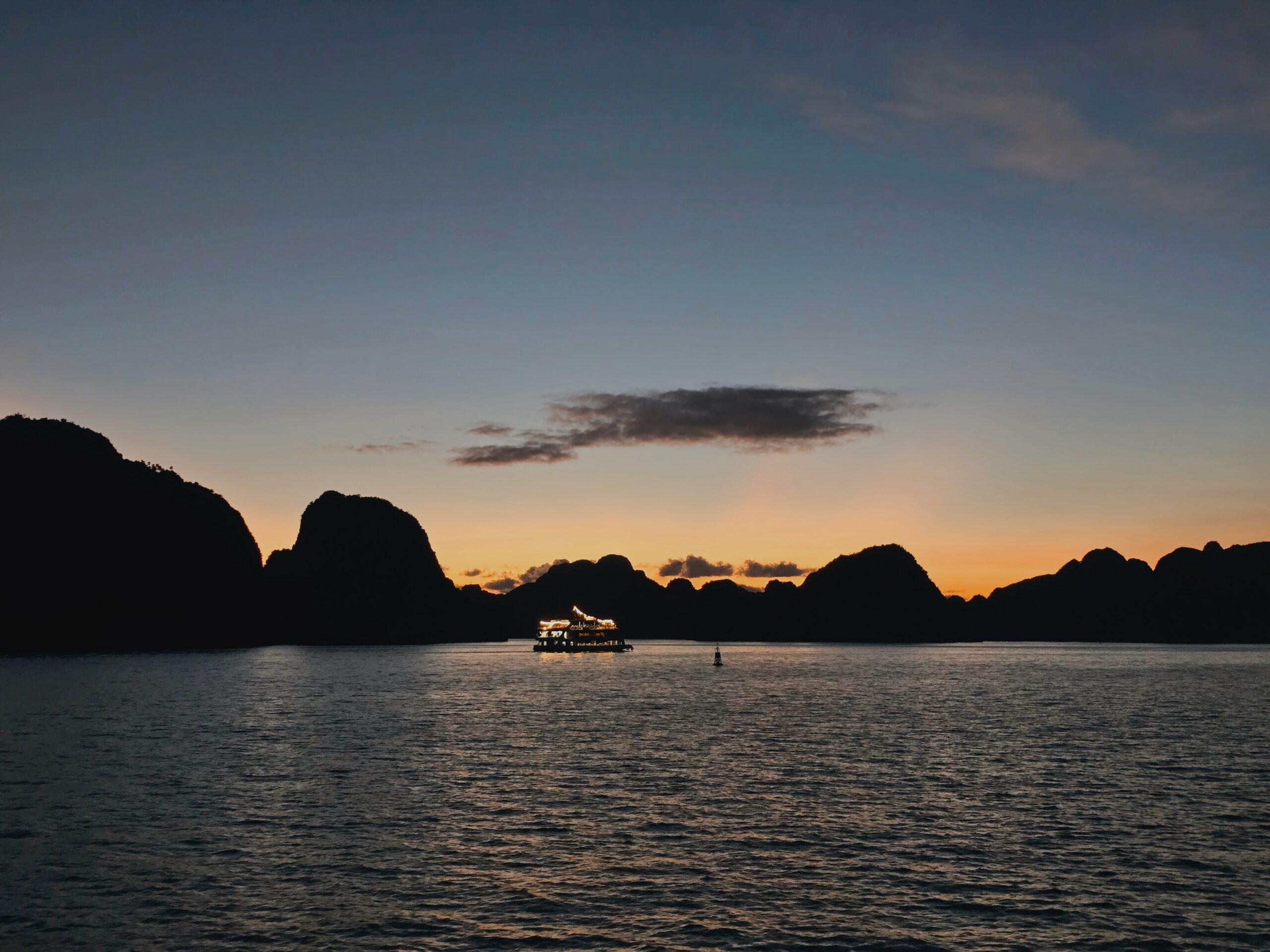
And if you have time to stay until sunset, Ha Long Bay rewards you with an equally spectacular view, as the sun slowly sets behind the islands and towering limestone formations.