How to make the most of a 12‑hour layover in Singapore
W
e chose to have a 12-hour layover in Singapore on our way back from Indonesia, with the challenge to explore as much as we could.
We had a 12-hour layover starting from 1:00pm, so realistically we had around 8 full hours to explore, and we were determined to make the most of it
Singapore is a unique and fascinating country, notable for being both a city and a country with a compact size of 734km2. The name “Singapore” originates from the Sanskrit words “Simha” (lion) and “Pura” (city), translating to “Lion City.” According to legend, the founder Sang Nila Utama saw a lion upon arriving on the island, although lions were never native to the region (theories say he encountered a Malayan tiger).
One thing you should know is that Singapore is very clean and has laws to make sure it stays that way. Chewing gum is banned, and violations like littering, vandalism, or failing to flush public toilets can result in significant fines or mandatory community service. Smoking is also allowed only in designated areas outside (usually at least 5m away from entrances / exits).
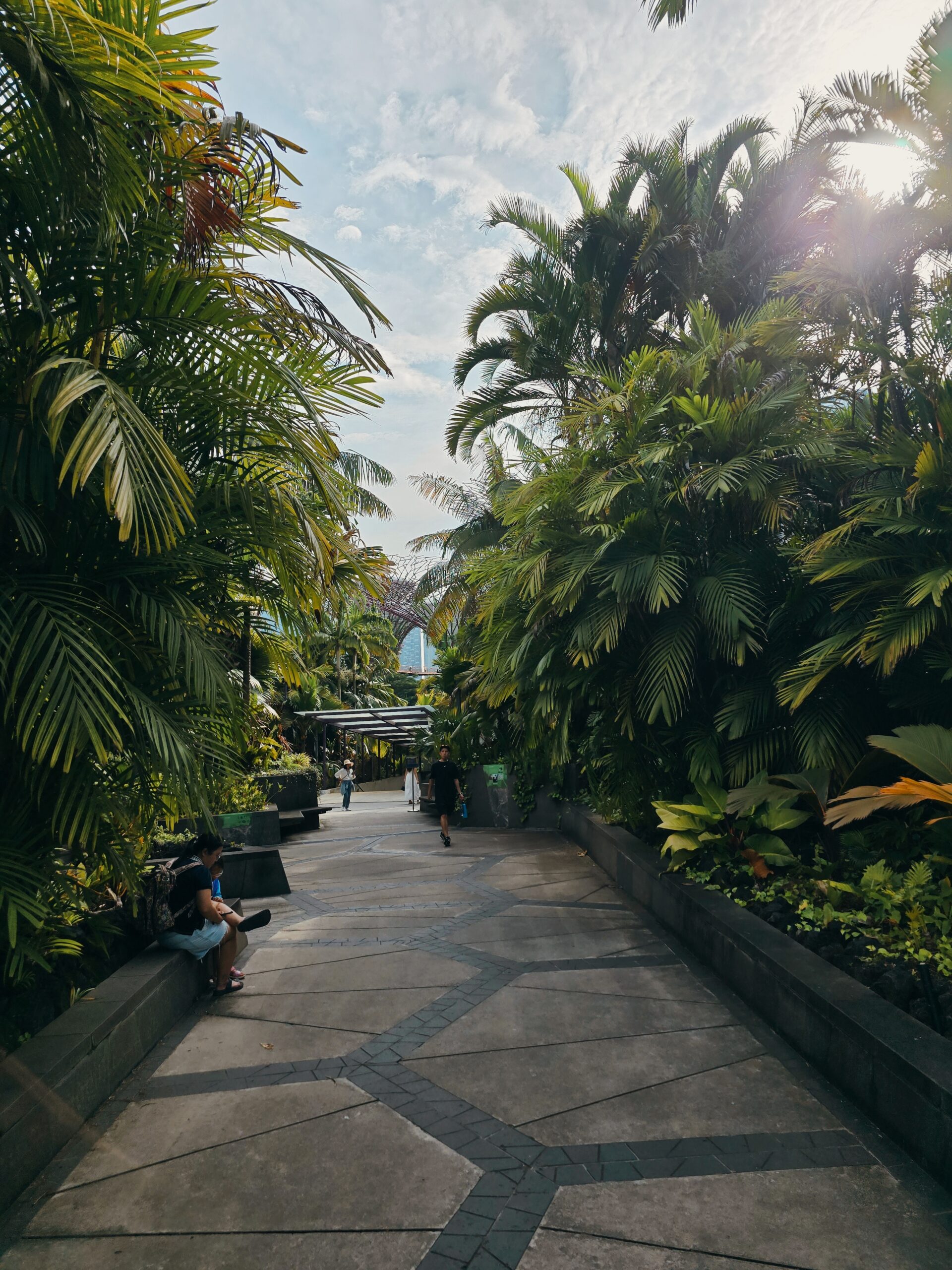
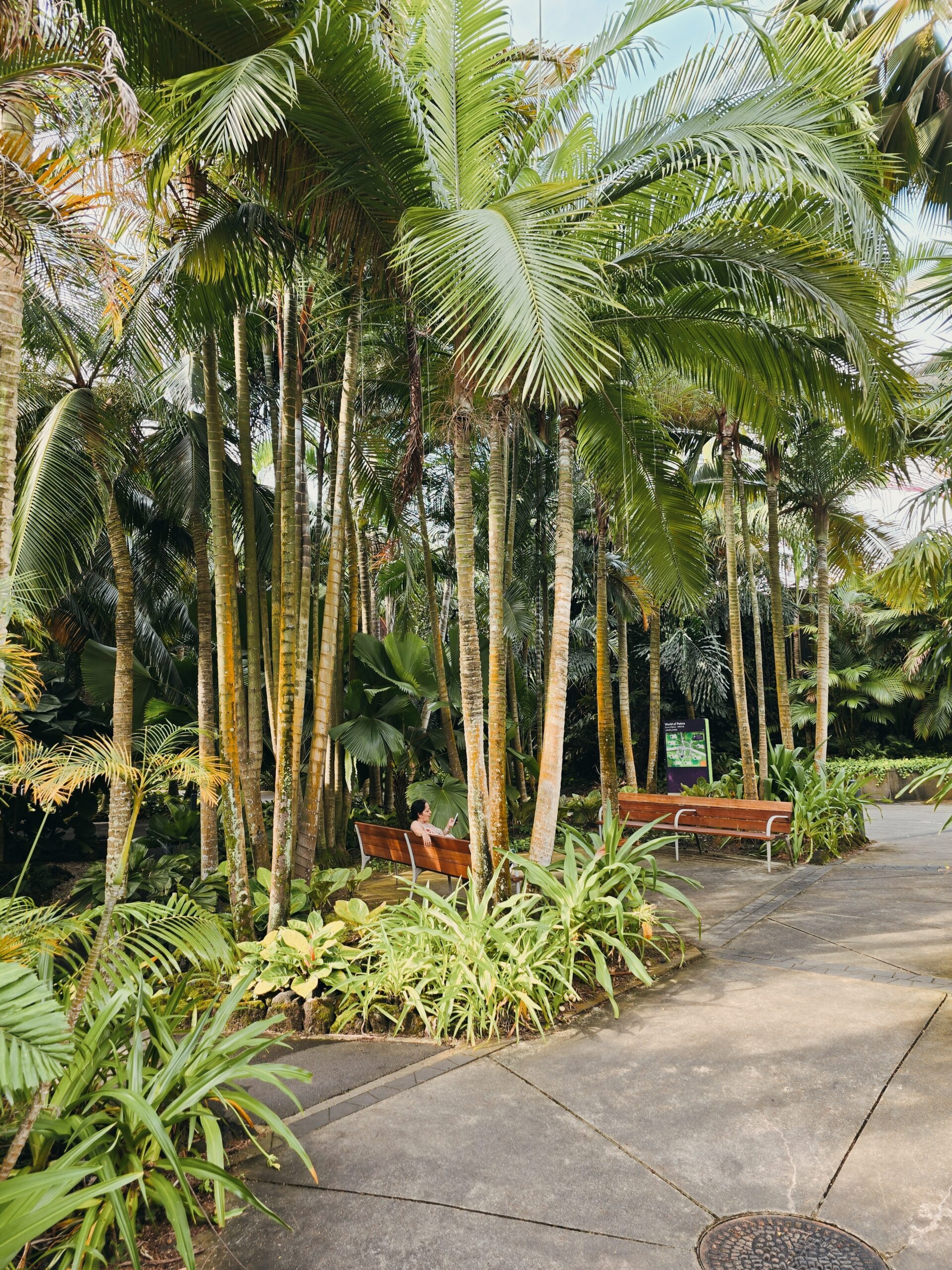
The first thing you will notice is that it’s a city blending modernity with nature. There’s green everywhere, over 50% of the land is covered in greenery. So, basically, we went from the city in a jungle (Ubud, Bali) to the city in a garden.
We had a 12-hour layover starting from 1:00pm, so realistically we had around 8 full hours to explore Singapore and we were determined to make the most of it. We dropped our cabin bags at the Luggage Storage and we were ready to go.
Here’s what you can do, if you have a similar scenario:
Jewel Changi Airport
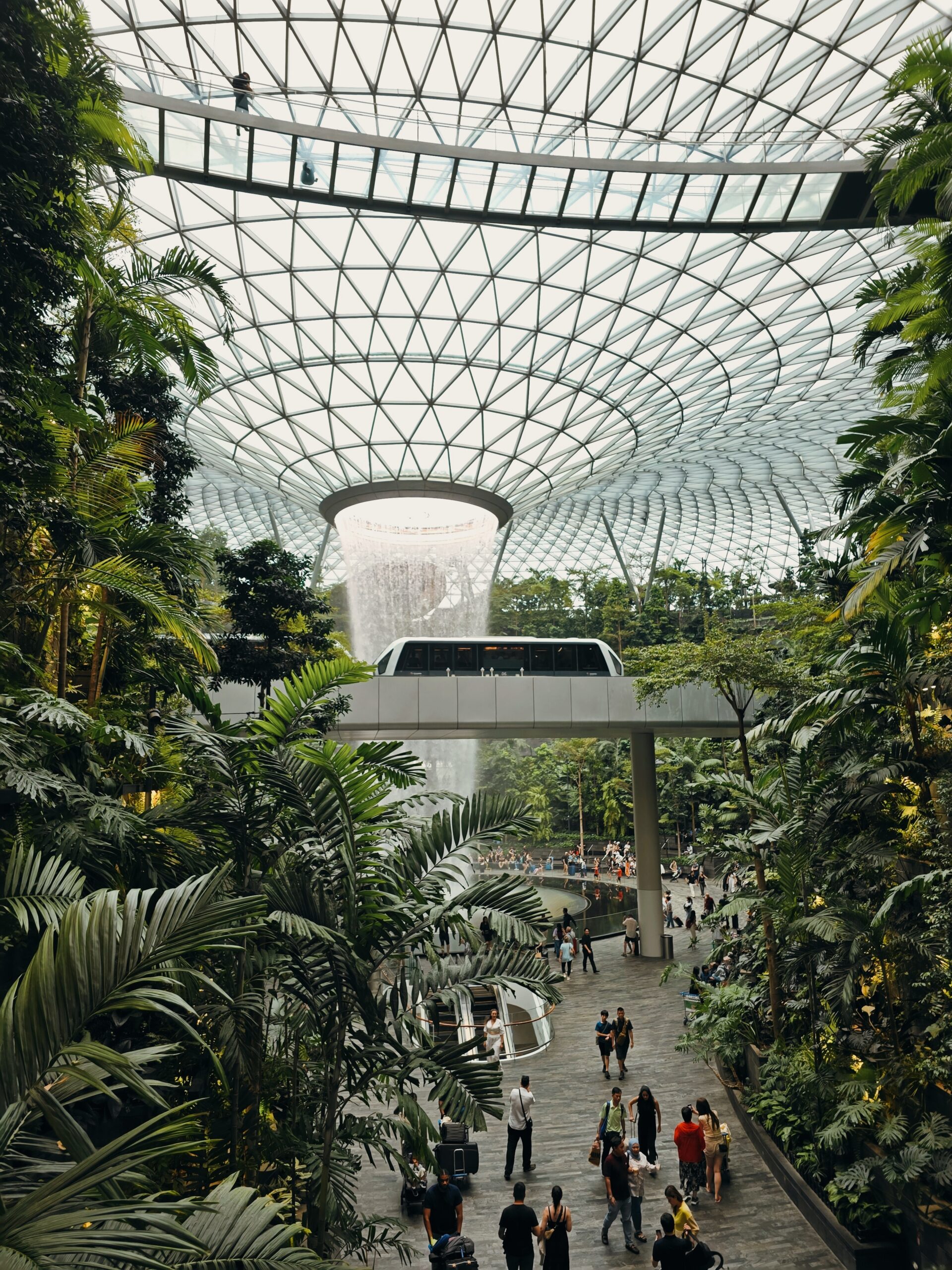
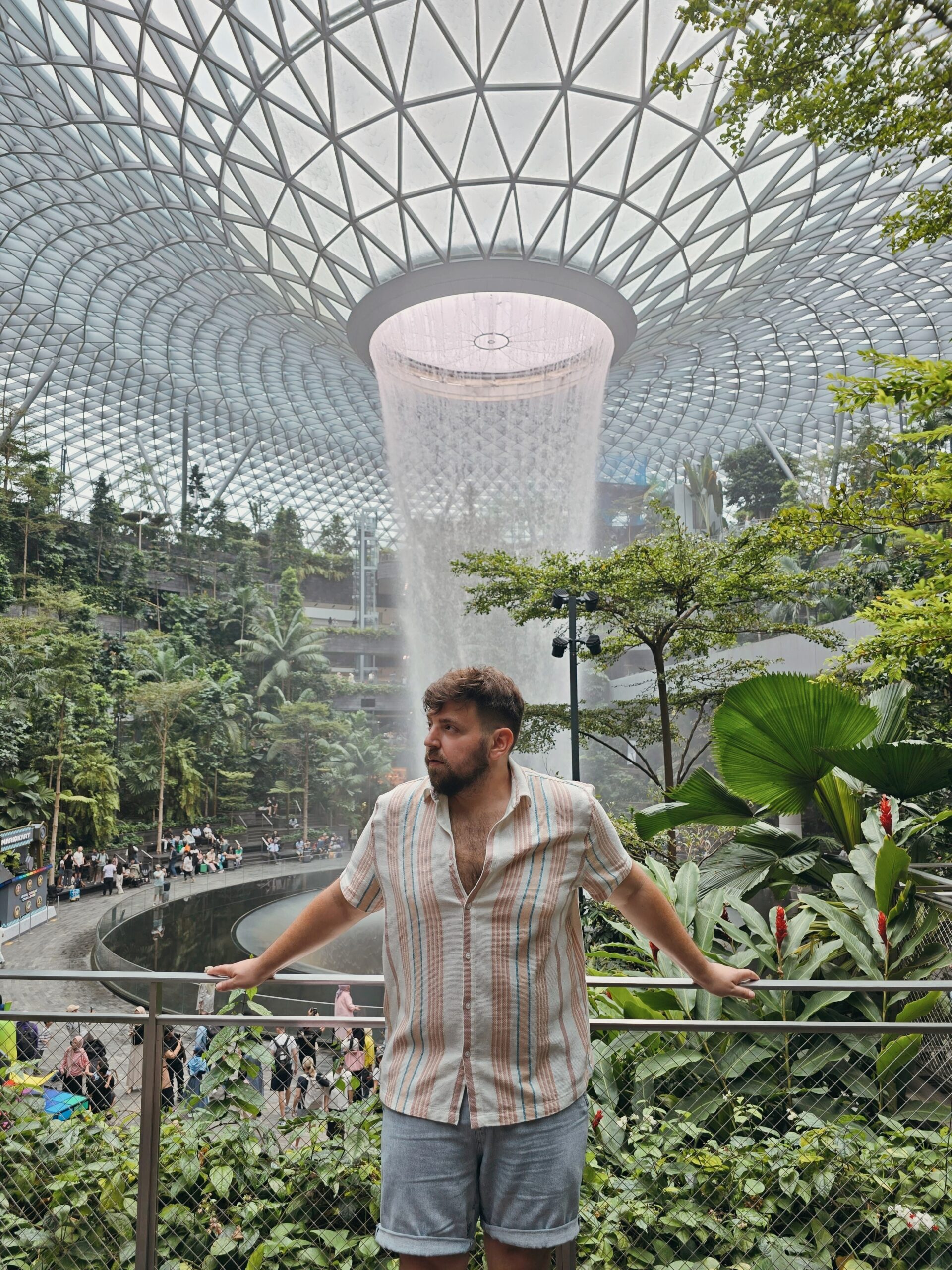
Probably part of my bucket list since it opened in 2019, Jewel Changi Airport really is a jewel. A fusion of nature and architecture, Jewel is like a mall directly connected to Terminal 1 of the airport. At its heart you will find the Rain Vortex – the world’s tallest indoor waterfall, cascading 40m in a dome.
I’ve seen so many Instagram posts of this vortex, it felt unbelievable when I got to witness it with my own eyes. And it truly is a marvel. An indoor paradise full of green (3,000 trees and 60,000 shrubs) and viewpoints (and a train), surrounded by shops, restaurants and cafés. We visited the vortex before going out in the city, and later returned to the shops. That Pokemon center was calling my name for months, and I really took my sweet time deciding what to buy. There are shops for everyone, every age and every style so, if you choose to stay in the Jewel, time will pass easily.
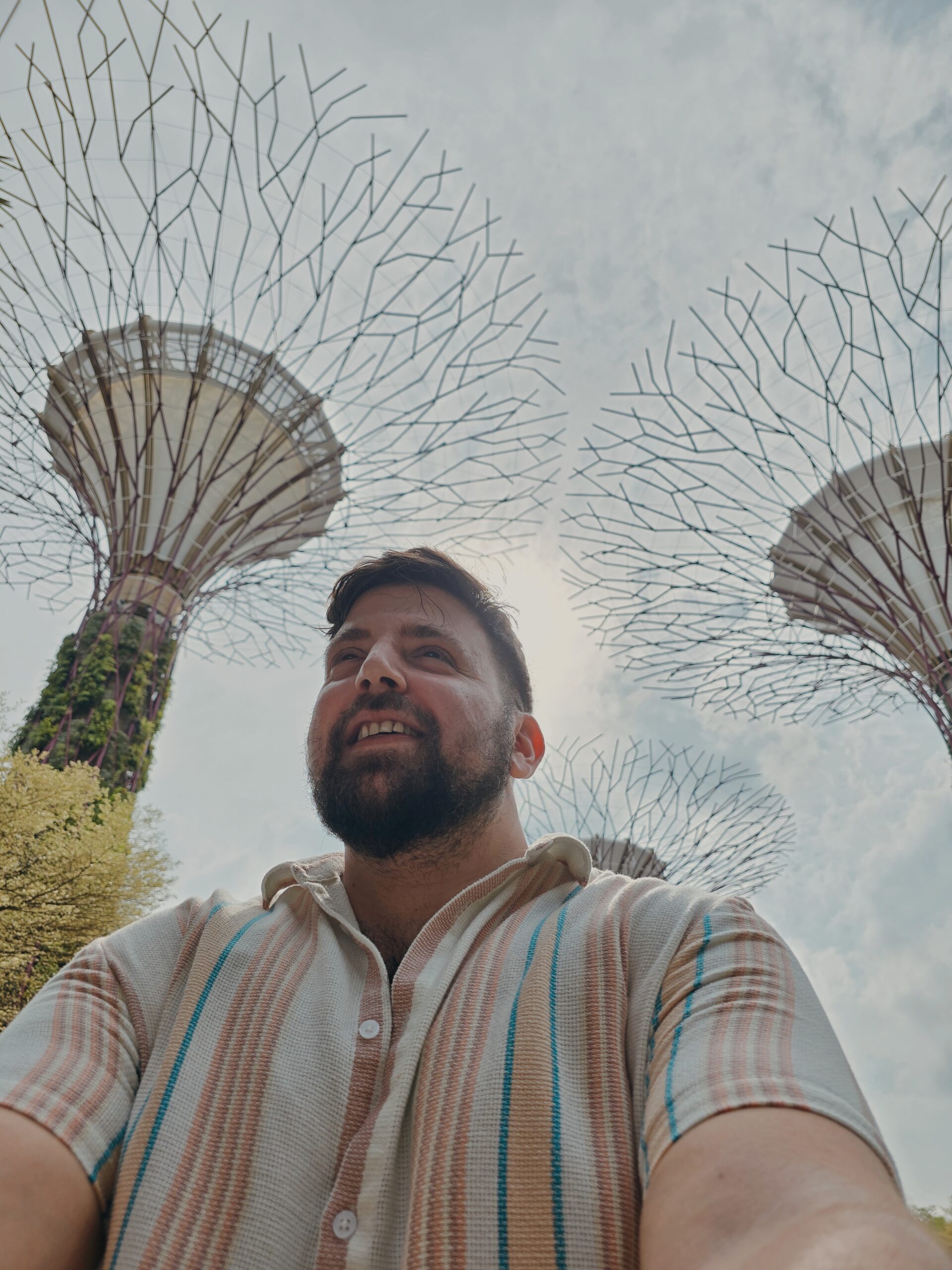
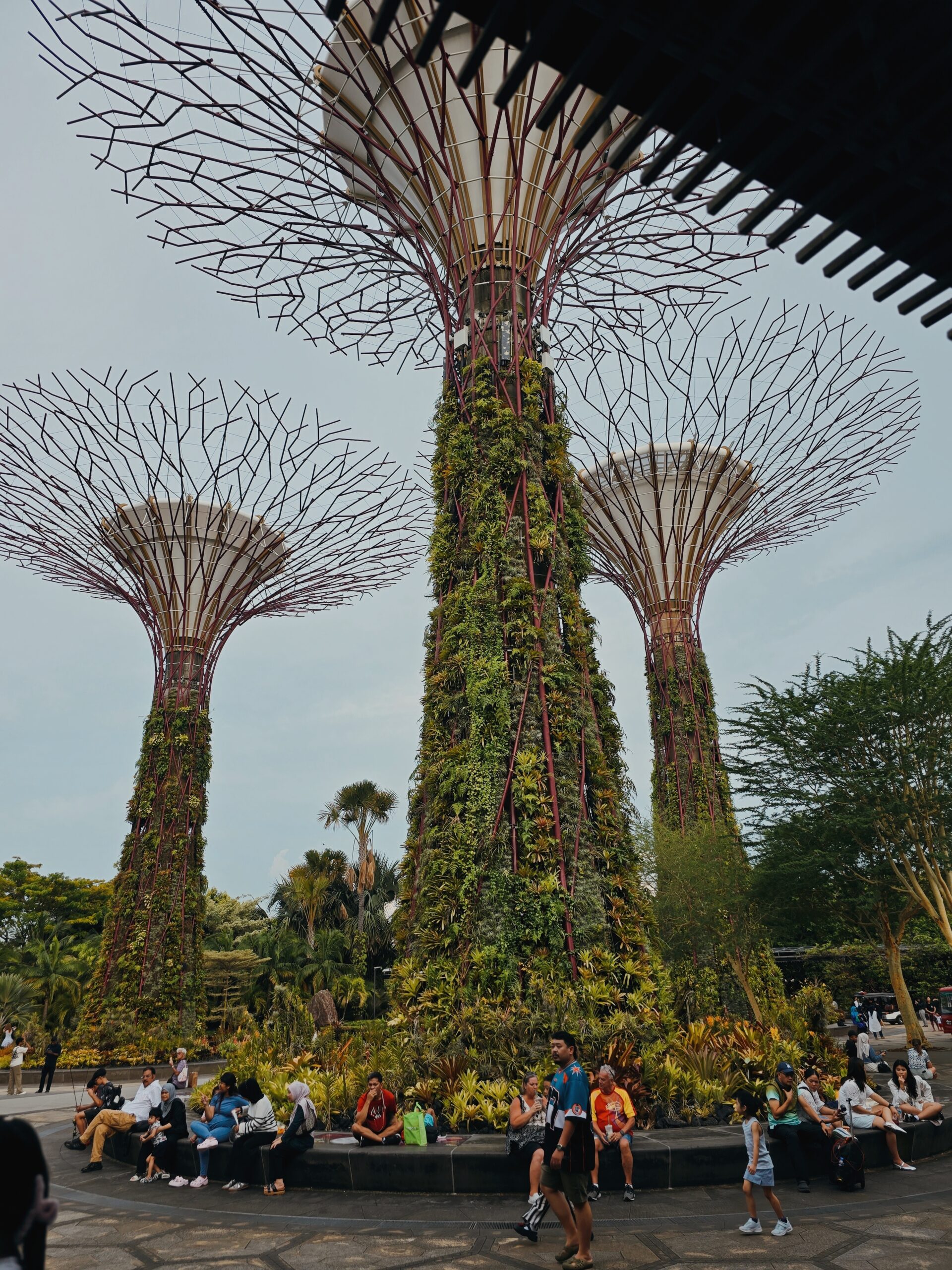
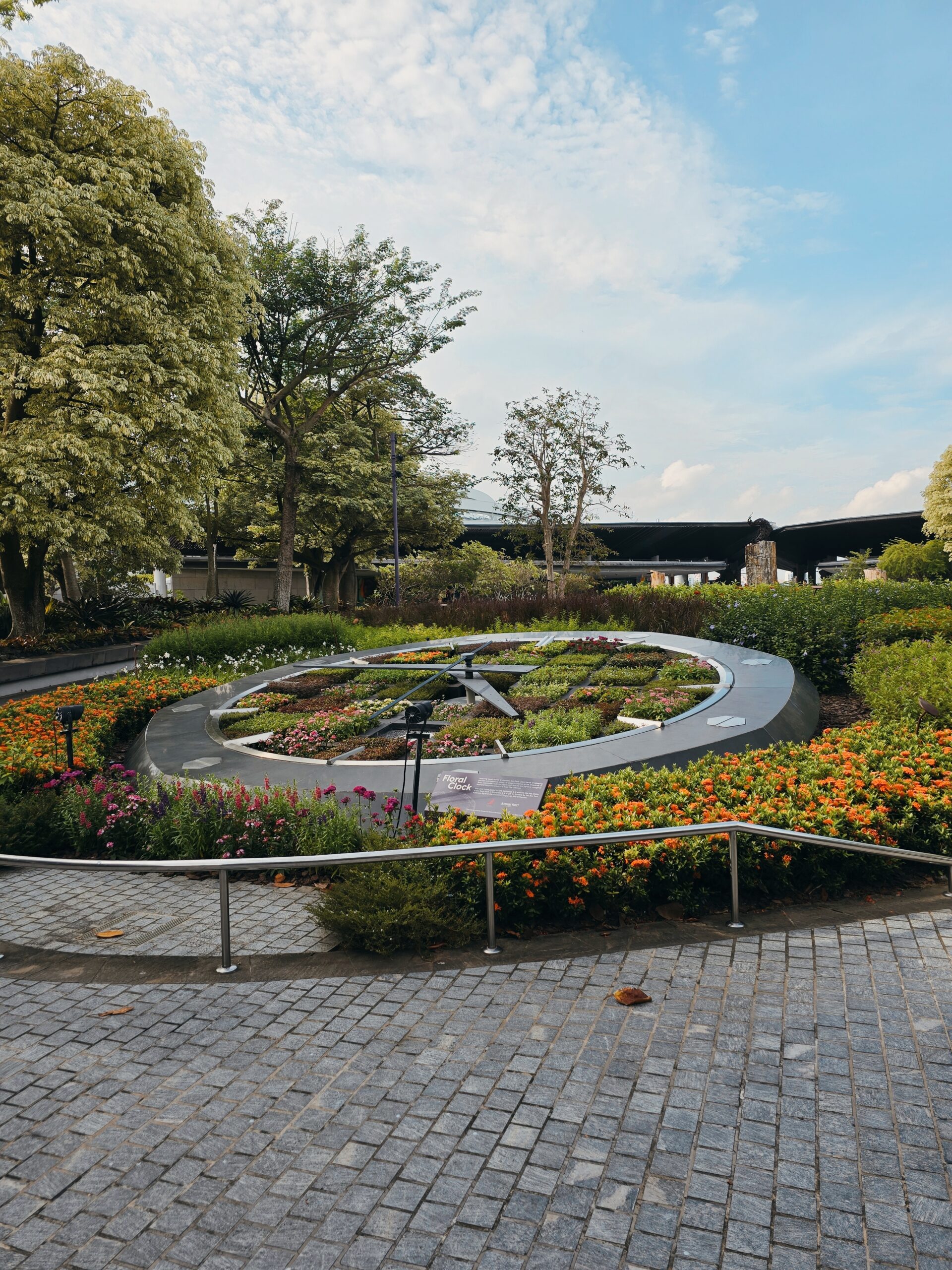
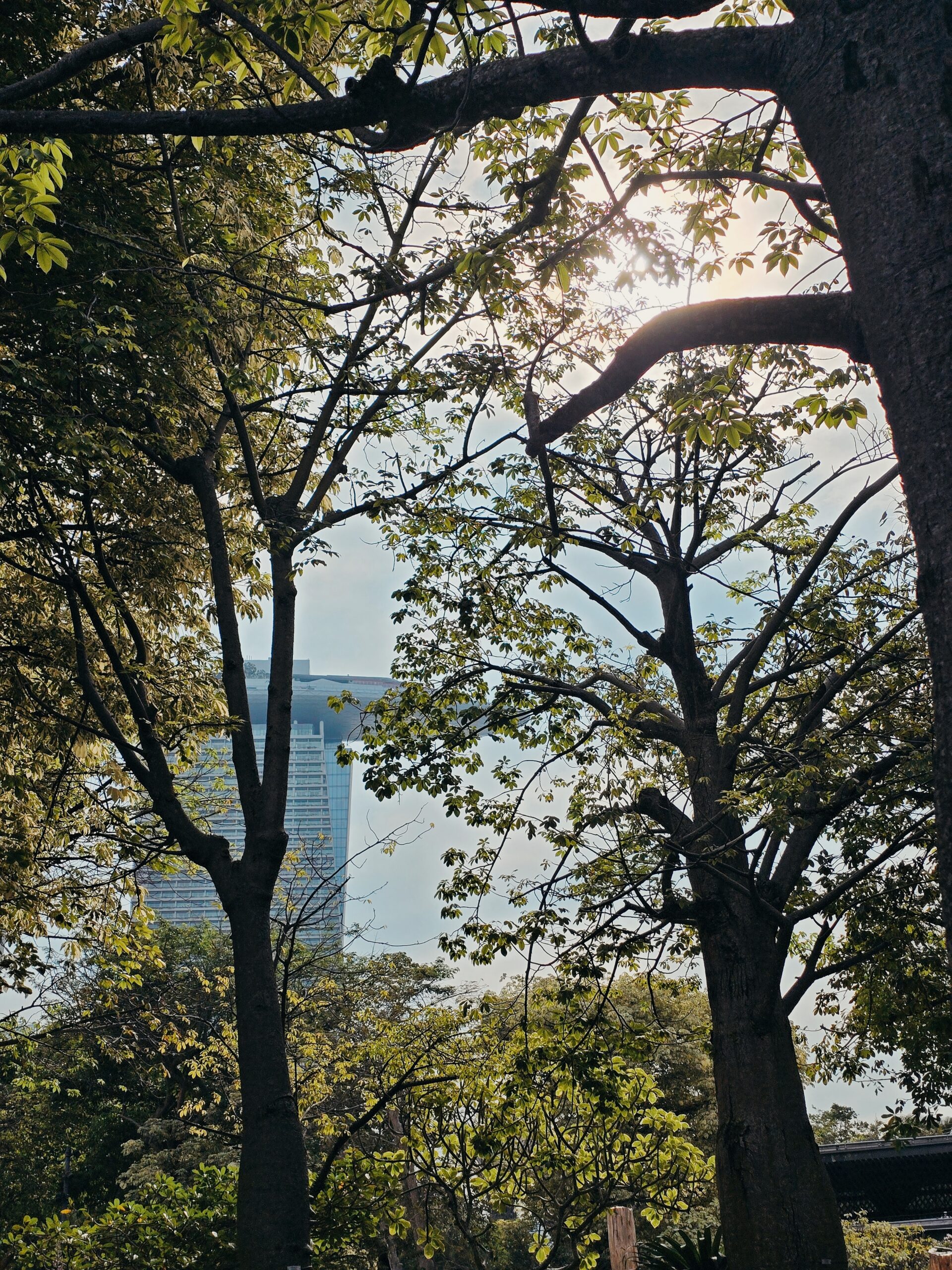
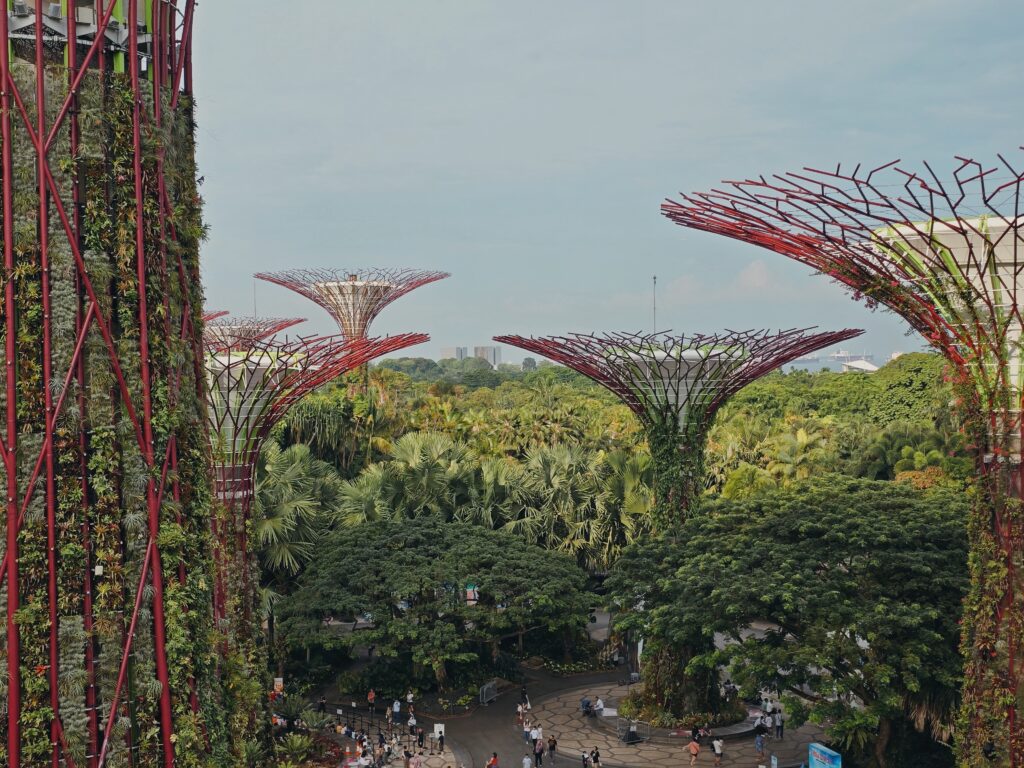
Here’s one thing we hadn’t really considered: humidity was extraordinary, and it slowed us down severely. But the important thing is, we were at the bay! Gardens by the Bay is one of Singapore’s most iconic attractions, in the heart of the city by Marina Bay. Designed to transform Singapore from a “Garden City” into a “City in a Garden,” it showcases the perfect blend of futuristic architecture, sustainability, and biodiversity. When you arrive at the marina you will find the three tall supertrees, near the shop and restaurants, taking your breath away before you move in the garden. This area is free to enter and walk around, but take your time in the shop too, I discovered some amazing drawn and sculpted magnets (for quite a price) and there are dozens of other great souvenirs including books, mugs and décor.
Supertree Grove
We originally planned to visit the Cloud Forest but the only ticket available was paired with a flower dome for a hefty price, and our time was limited so we unfortunately decided to skip.
OCBC Skyway was the next great option for €8.80 (SGD 14). The whole place is staged like a public theme park and there are maps but we spent a while trying to find the doorway to the Supertree Grove and the OCBC Skyway. And there was a corner full of claw machines, so we took some time there.
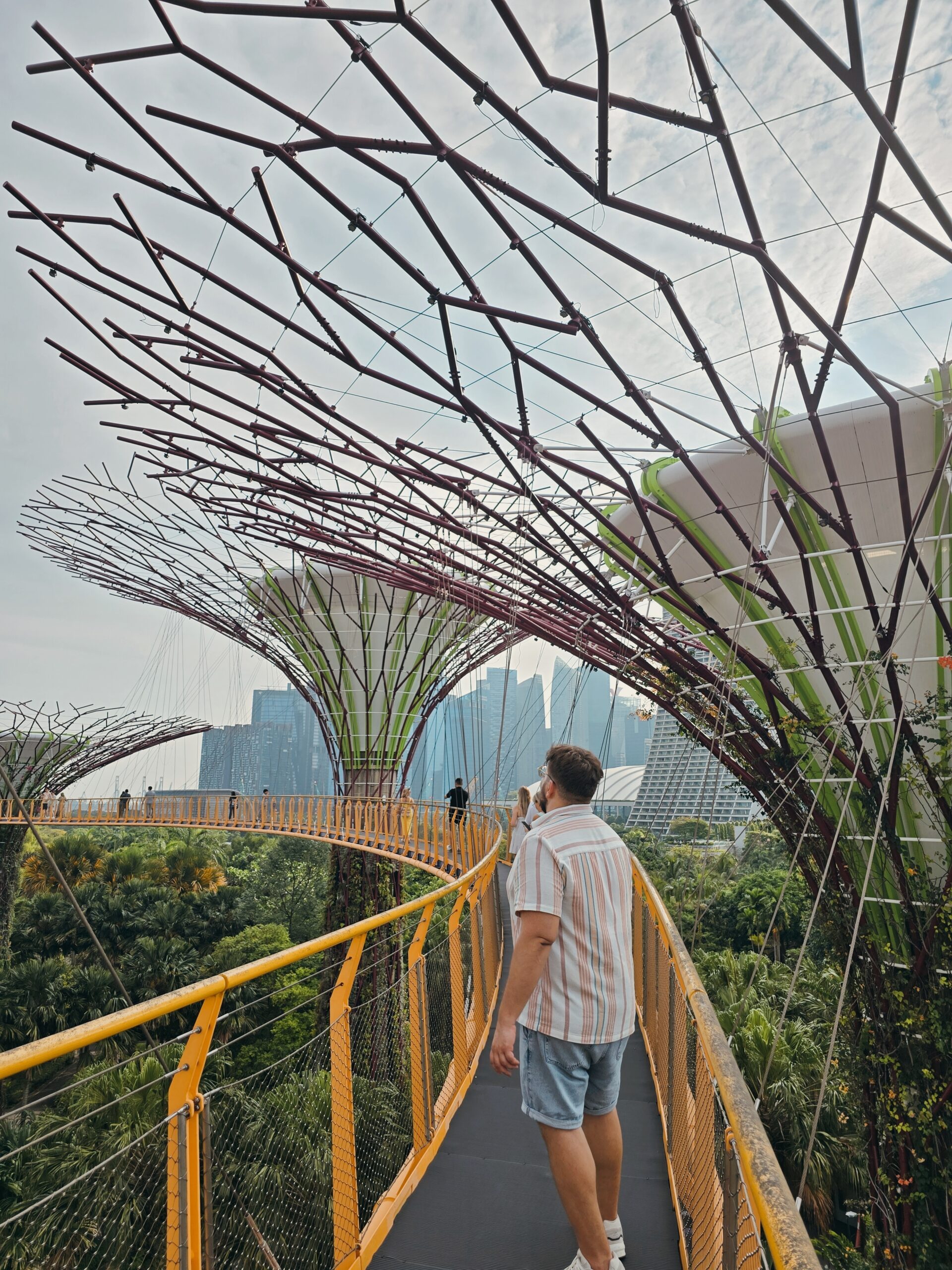
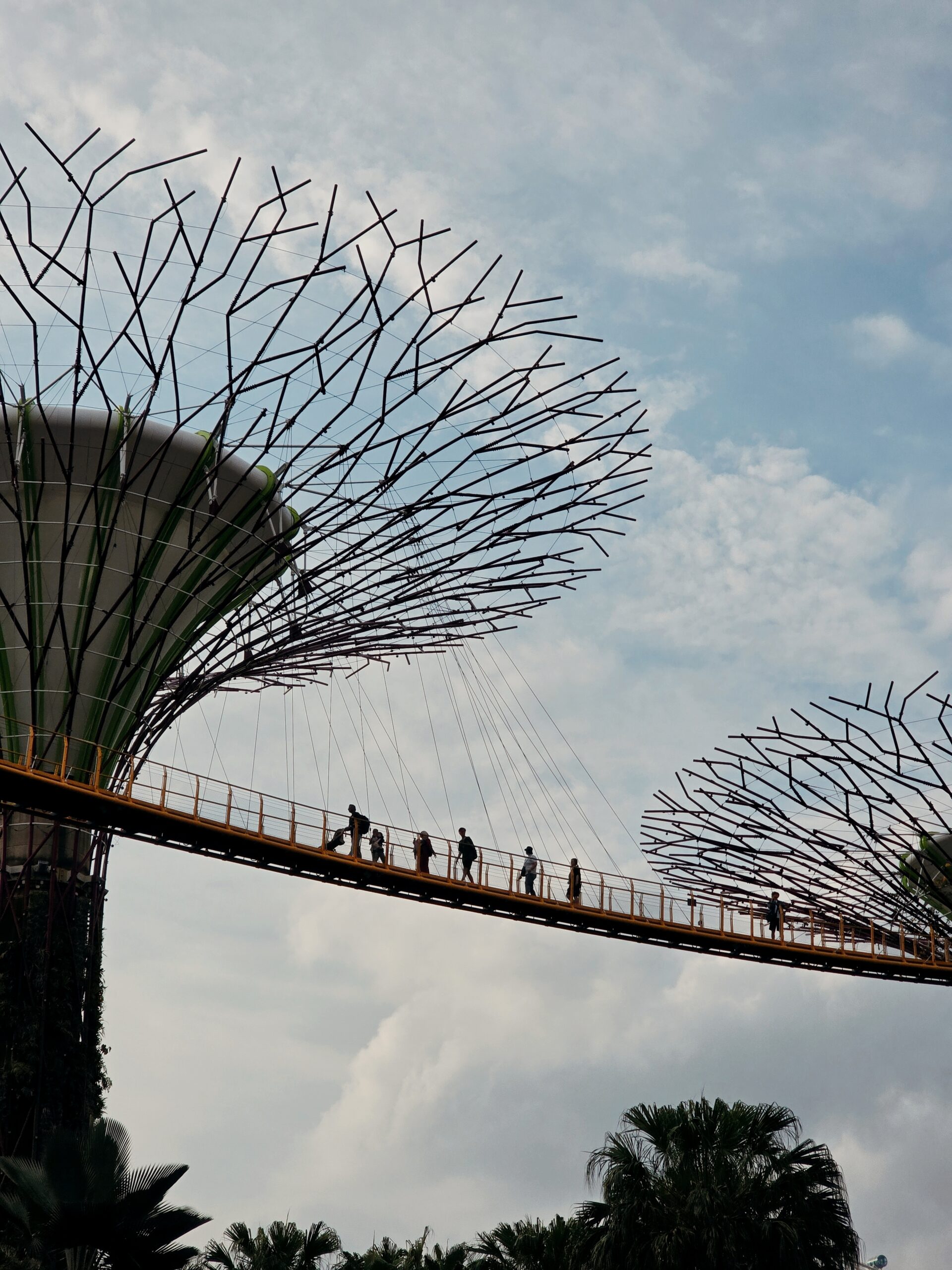
The OCBC Skyway is a breathtaking aerial walkway that offers visitors a unique perspective of Gardens by the Bay.
Suspended 22 meters above ground and stretching 128 meters in length, this elevated path weaves through the towering Supertrees in the Supertree Grove, allowing for panoramic views of the gardens, Marina Bay, and the Singapore skyline. As you stroll along the skywalk, you’ll feel as if you’re floating among futuristic trees covered in tropical plants.
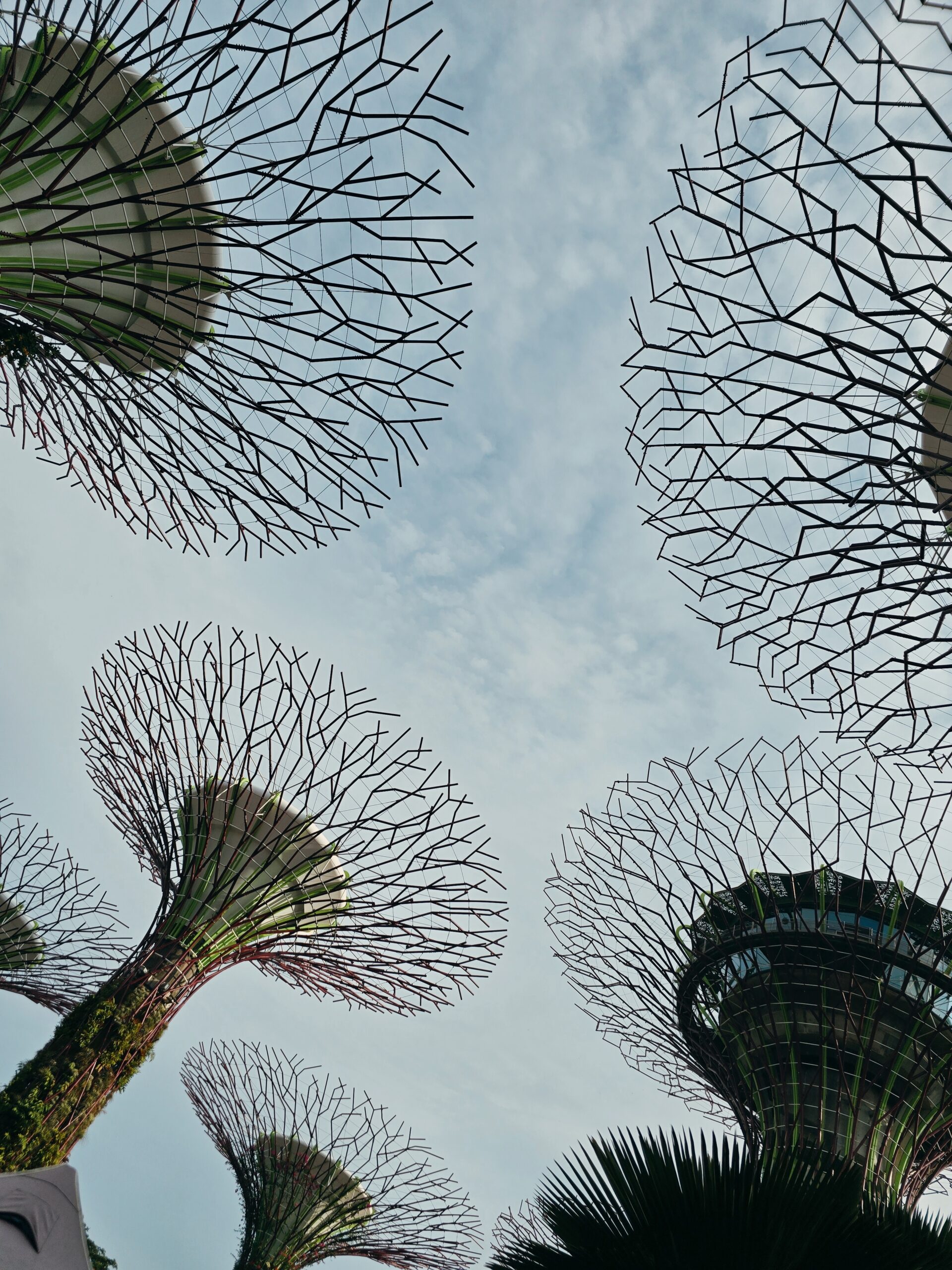
The supertrees from below
Walking on the Skyway
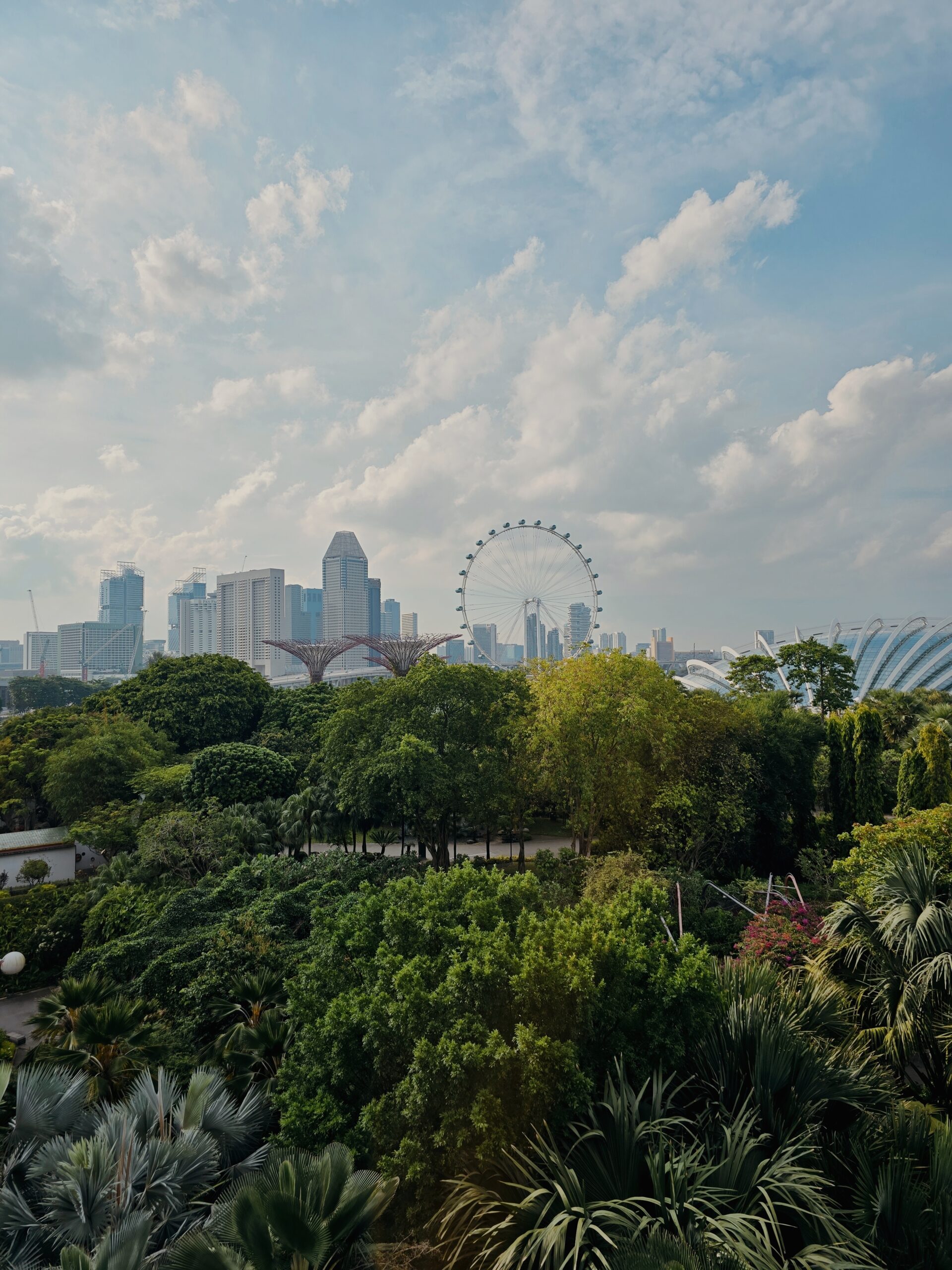
The view from the Skyway
We were up there
Fort Canning
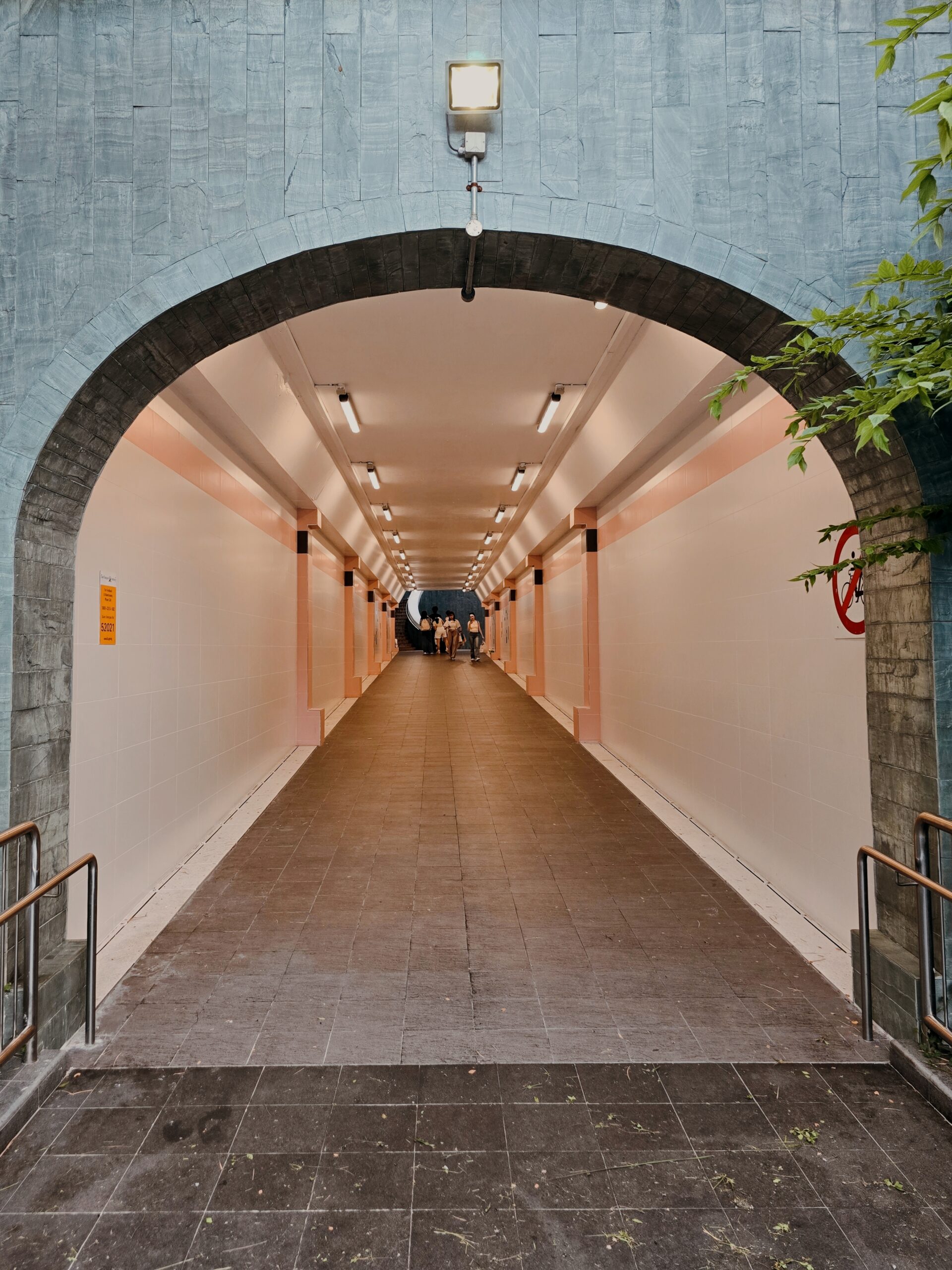
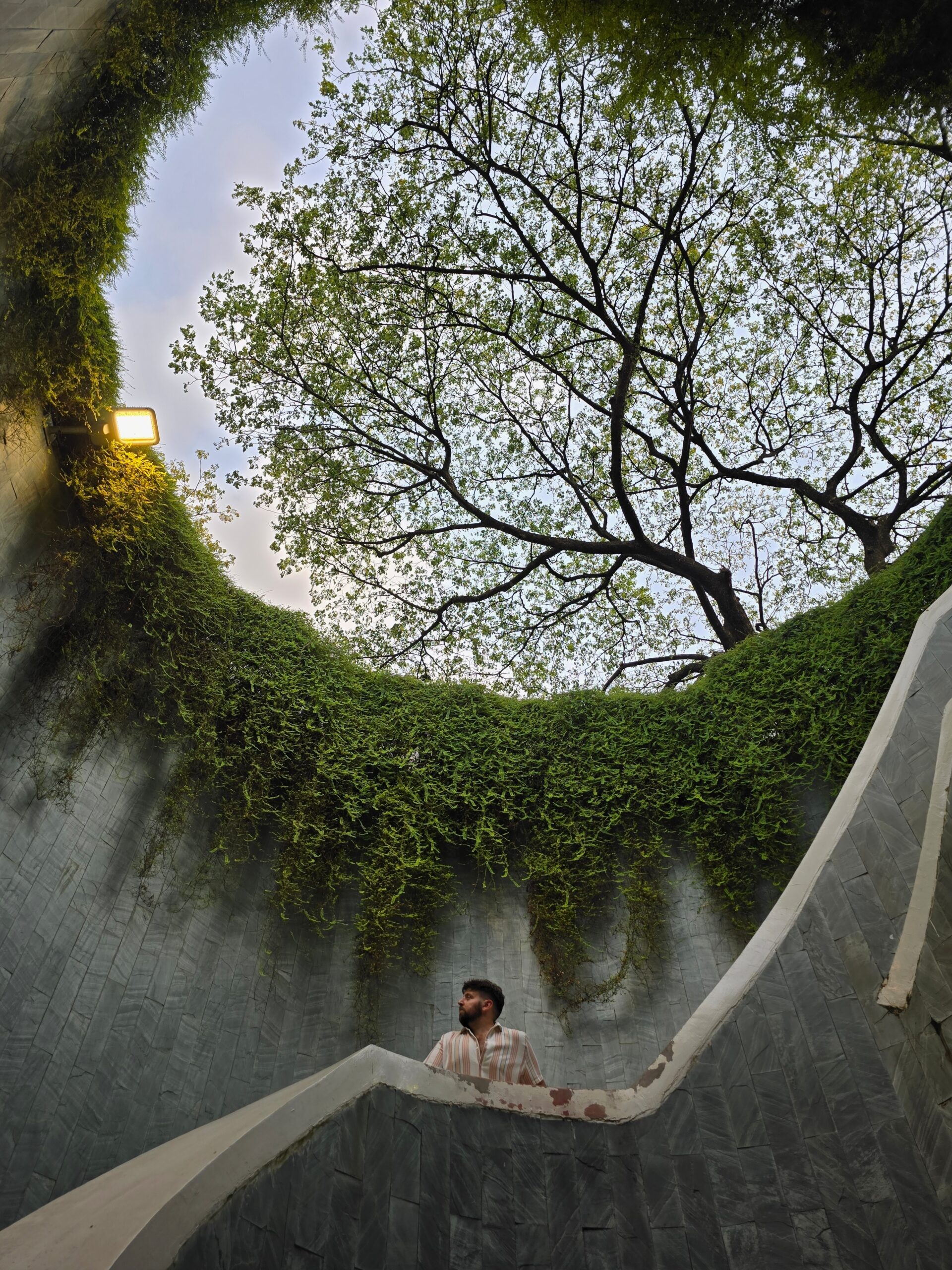
One of the most Instagram-worthy spots at Fort Canning Park is the enchanting “tree tunnel” spiral staircase (much shorter than you might think from social media). This underground passage links Penang Road to the park’s slopes and features a winding stone staircase crowned by a towering Yellow Rain Tree. Shoot from the bottom to capture the staircase’s circular frame with the tree and sky above—it’s the quintessential “money shot” that’s made its way all over social media.
The tunnel, leading to the staircase
The ''money shot''
This spot is a bit tricky, because there’s almost always a queue of people waiting for a picture. We went over at 6:00pm so we only had two or three in front of us. Fort Canning Hill was once known as “Bukit Larangan”, which means “Forbidden Hill” in Malay. Ancient Malays believed it was sacred and inhabited by royal spirits. The park itself is stunning, free to visit and offers a nice relaxing landscape.
Little India
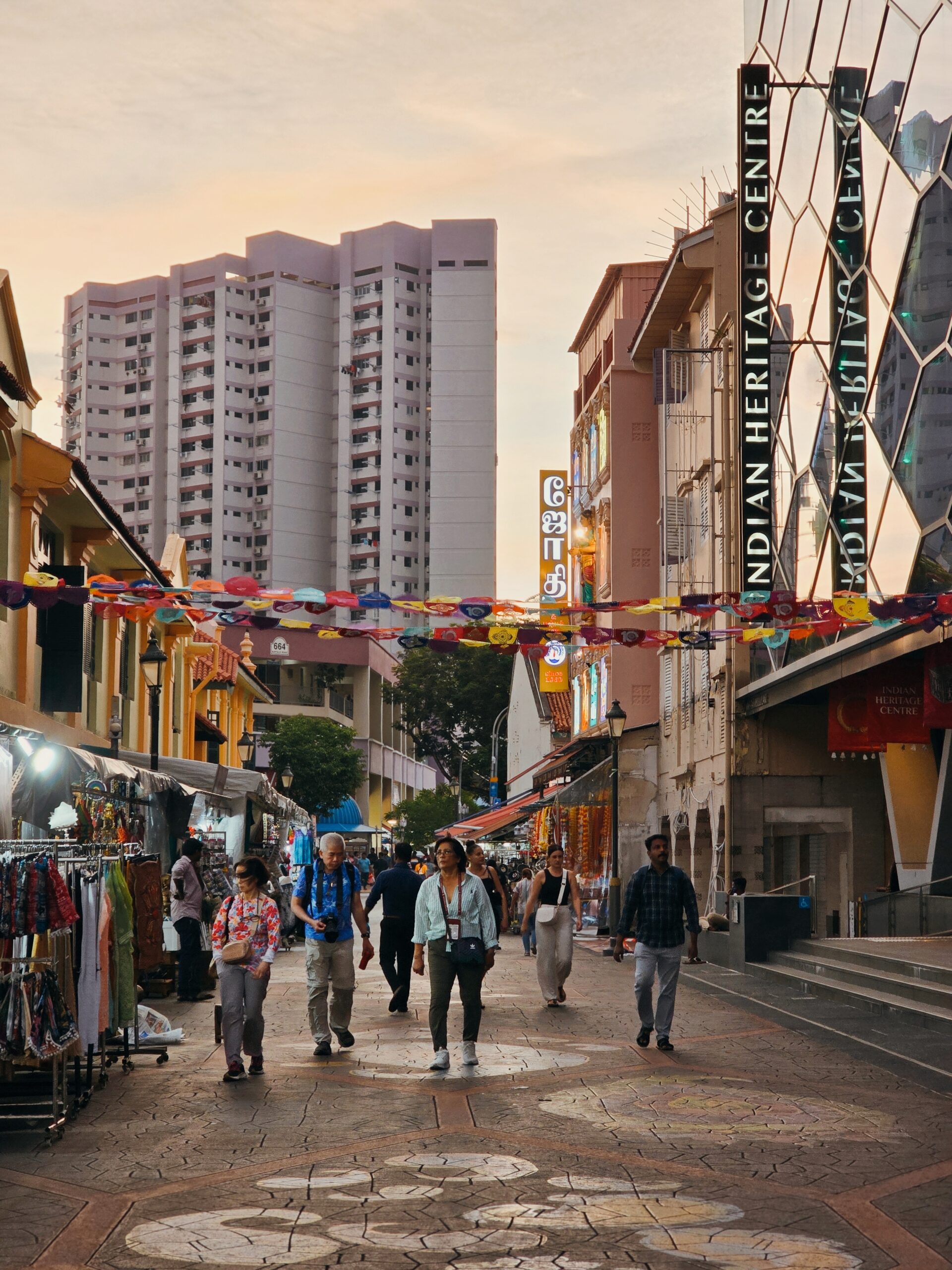
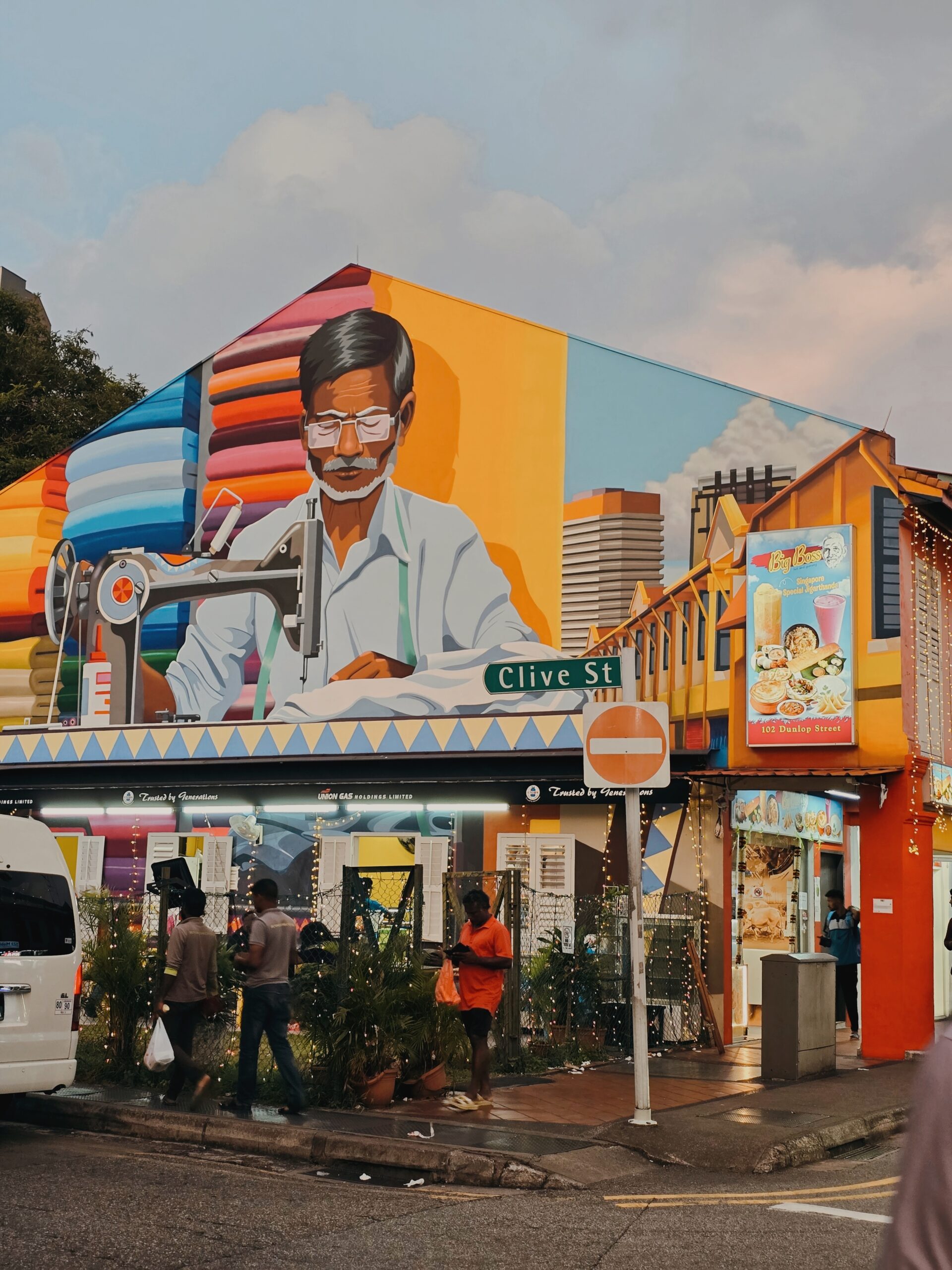
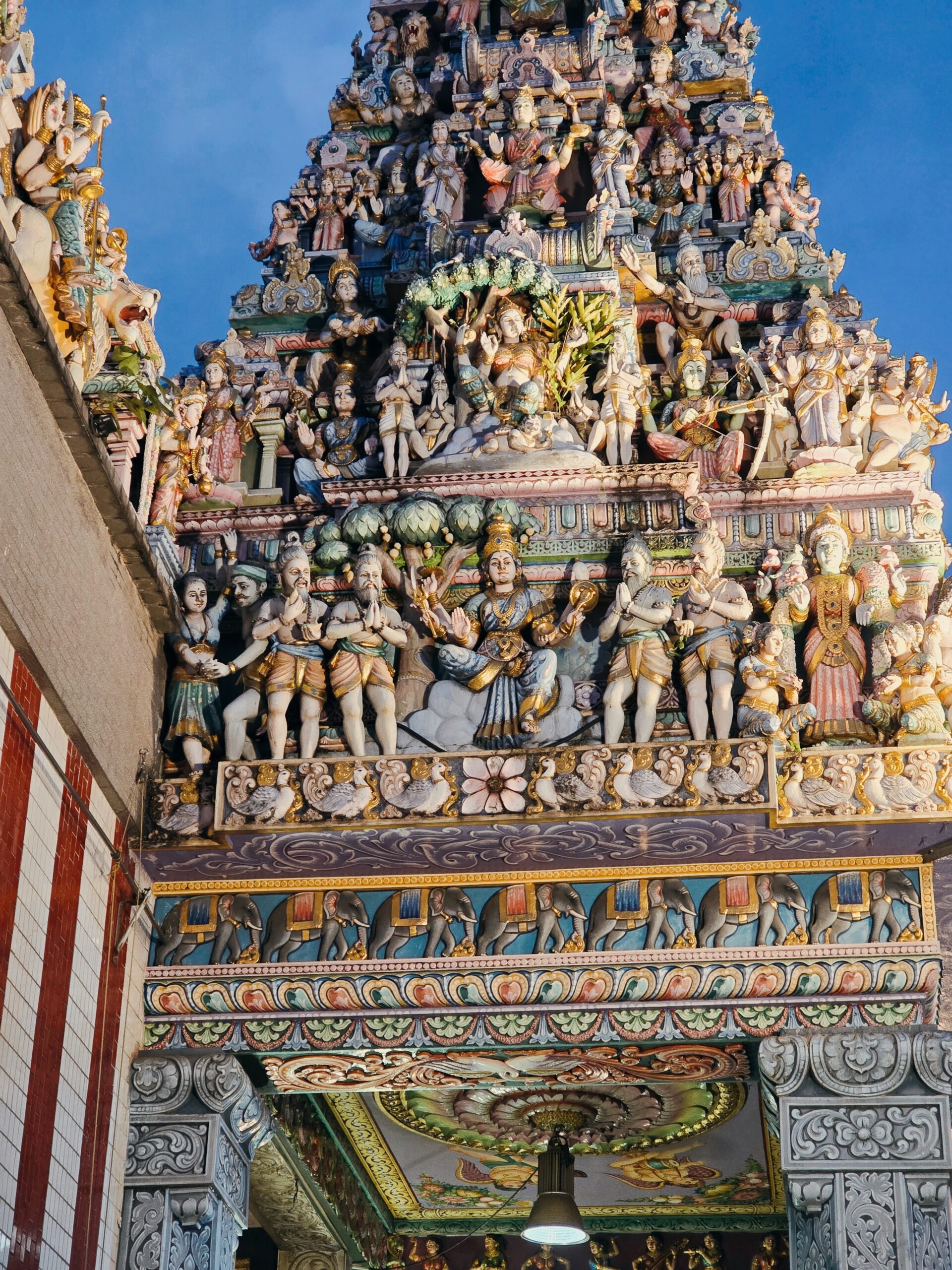
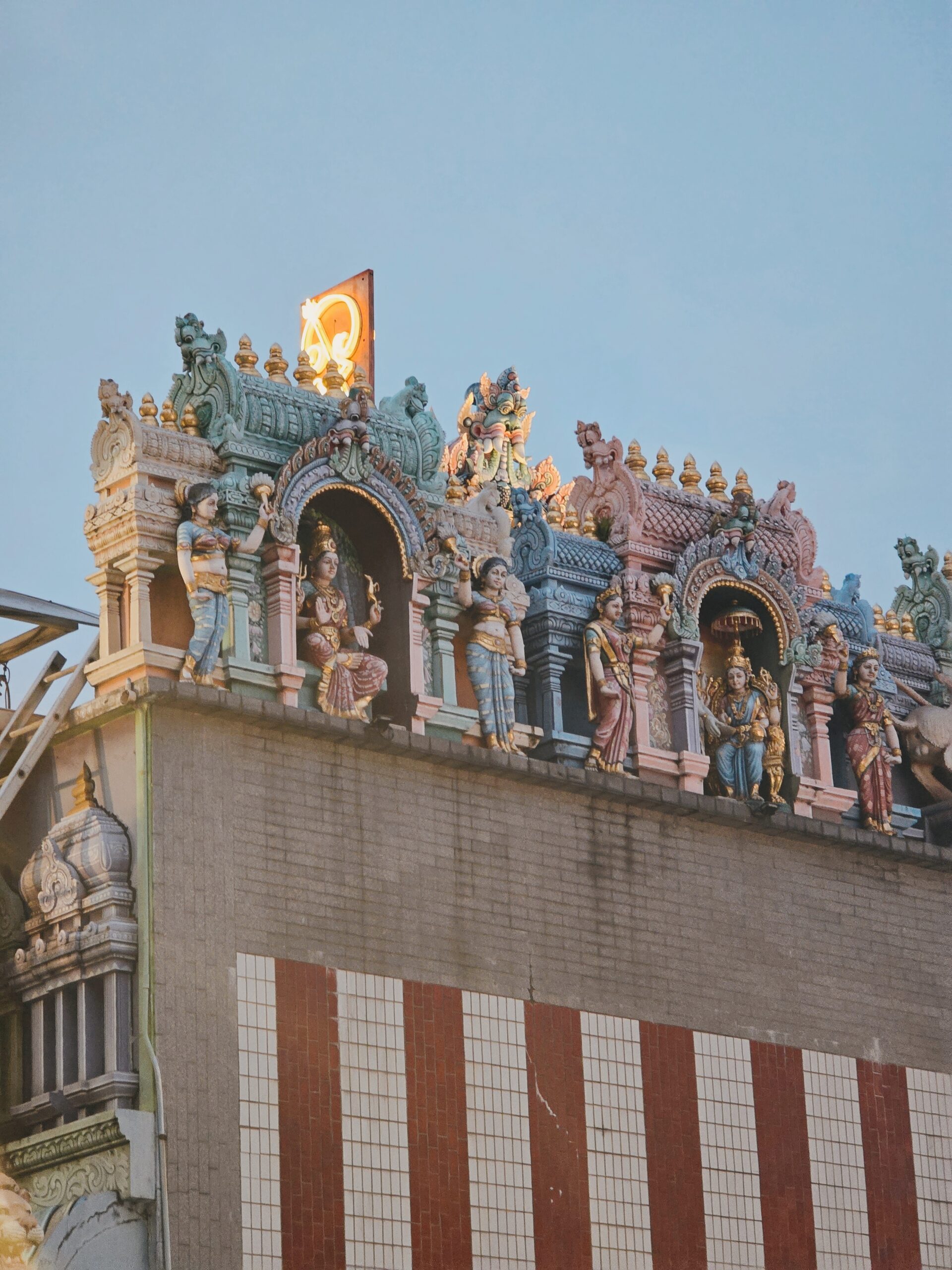
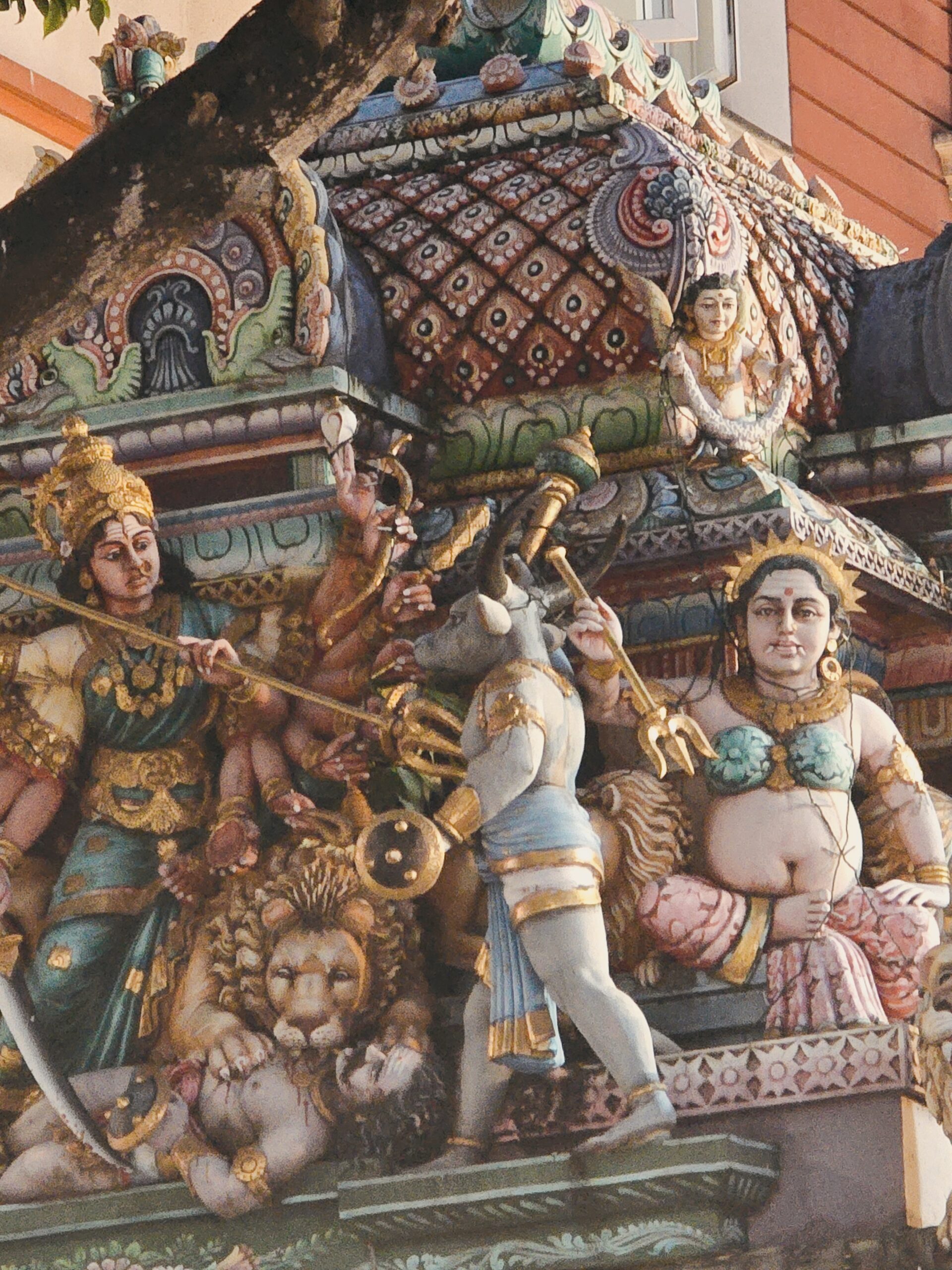
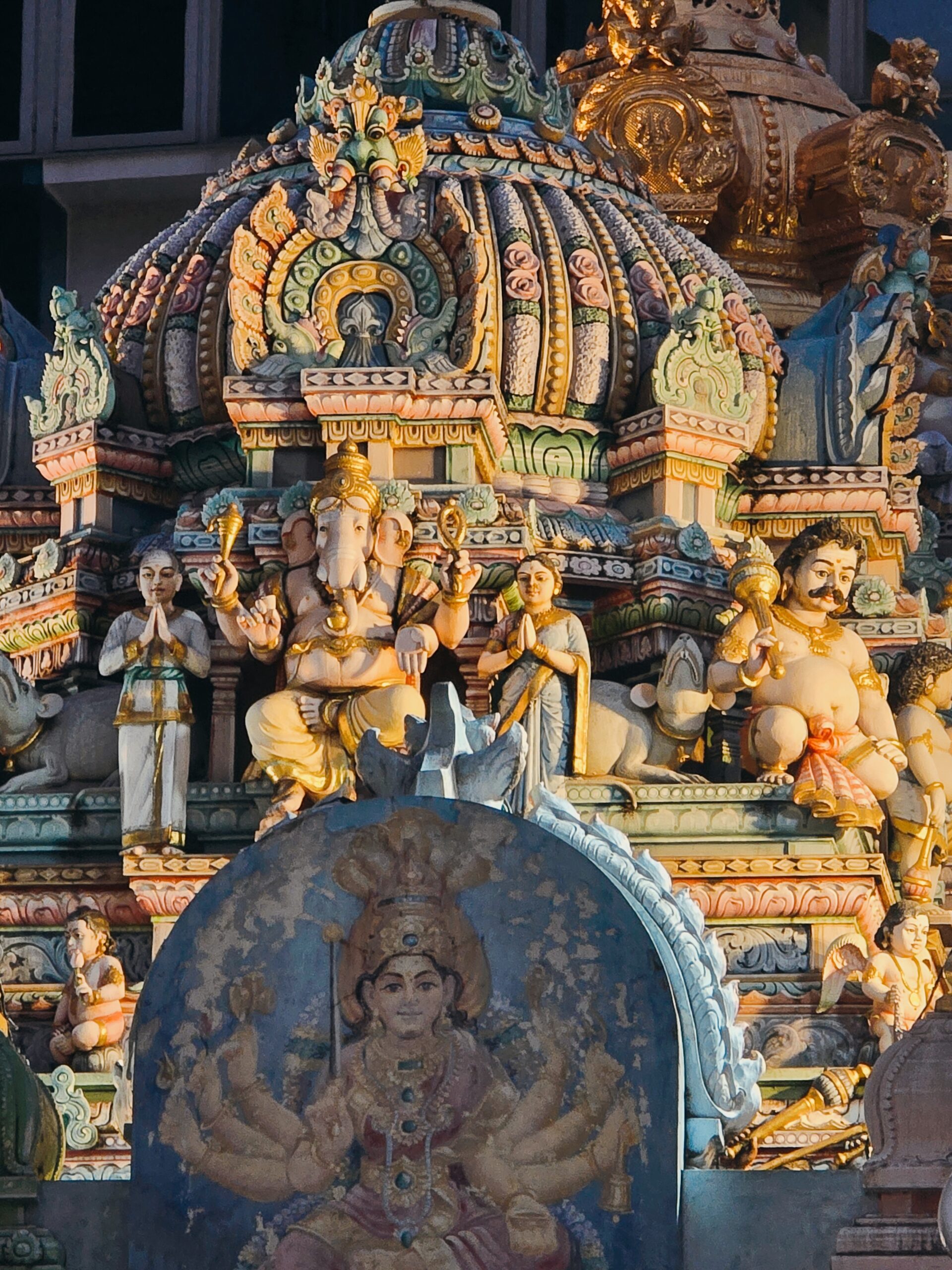
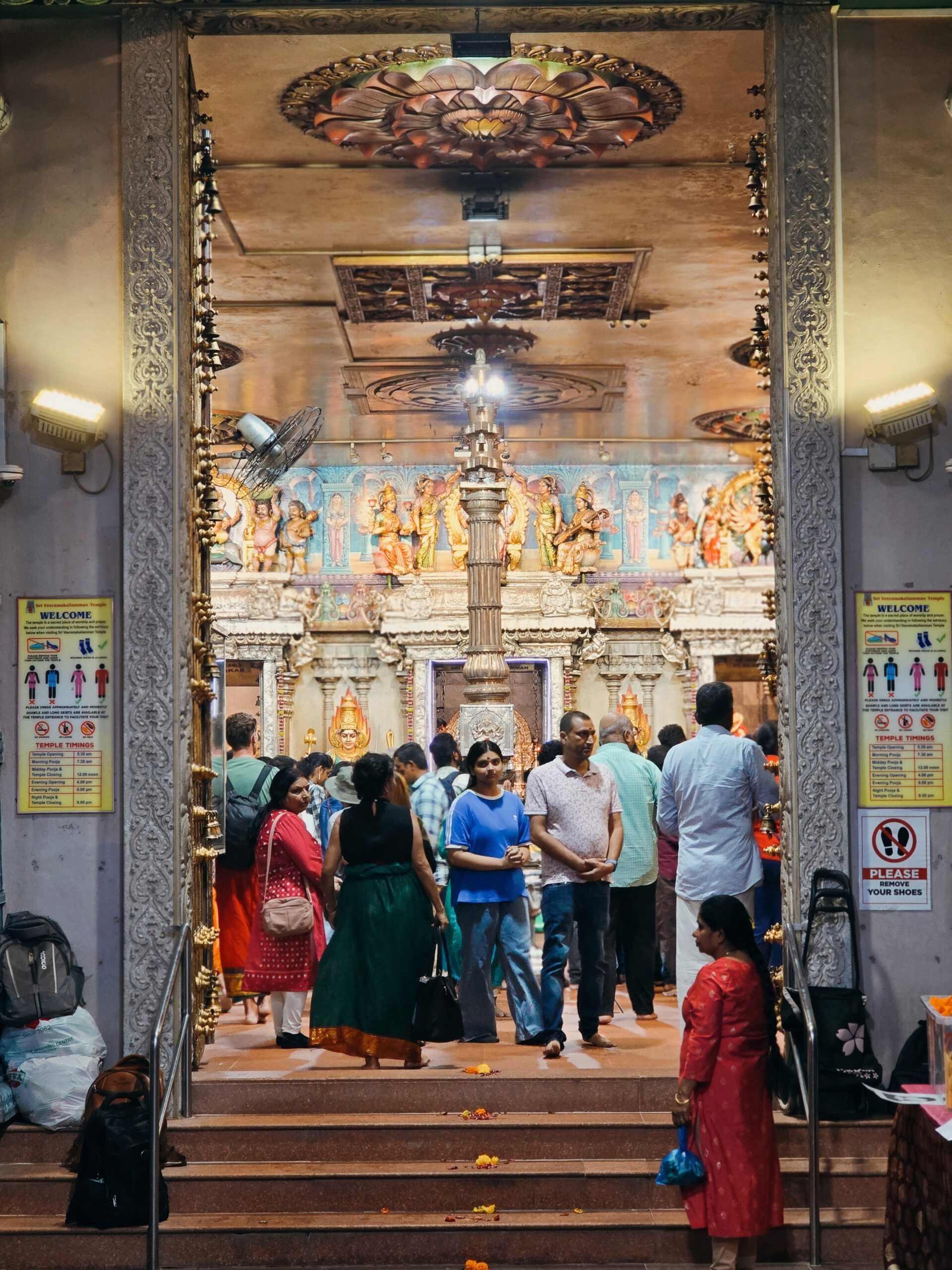
Our last spot was Little India, one of Singapore’s most vibrant and culturally rich neighborhoods, offering a sensory feast of colors, sounds, and scents. This historic district is a hub of Indian culture, religion, and cuisine, where heritage shophouses sit side by side with ornate Hindu temples like Sri Veeramakaliamman and Sri Srinivasa Perumal Temple. We visited Sr Veeramakaliamman temple and we were lucky enough to be on time for pooja, a Hindu ritual of worship or offering performed to honor and connect with a deity, spirit, or revered figure.
The Sri Veeramakaliamman Temple is one of the oldest and most striking Hindu temples in Singapore, dedicated to Veeramakaliamman, a fierce incarnation of the goddess Kali, the temple is a powerful symbol of spiritual protection and strength, especially for early Indian immigrants who built it in the late 19th century. Its elaborately decorated Dravidian-style architecture, adorned with colorful statues of Hindu deities, mythological scenes, and intricate carvings, makes it a major cultural and photographic landmark.
So, did we come through with the challenge? Yes, we did! I really, really wanted to visit ArtScience Museum but I made the rookie mistake of not checking opening hours until it was too late so, we had to skip. The only drawback in this experience is that we were so overwhelmed by the humidity, we didn’t have time to try any local food or snacks.
However, I think we did take advantage of our layover to the maximum and still had plenty of time to walk around Jewel, shop, eat and rest before our flight. Singapore is an amazing place, really, multicultural, serene, clean and so, so green, I was enchanted as soon as I got used to the humidity. If you intend to do something similar, keep in mind that everyone accepts credit card, everything is close to the airport (20 minutes max.) and Grab rides are quite expensive (nothing under €10).