es is a city where history, art, and culture come alive at every turn. From the labyrinthine alleys of the medina to the iconic Chouara Tannery, the city is a living museum of craftsmanship and tradition.
Fes is a city that celebrates art, culture, and everyday life. Every street, every courtyard, and every handmade tile tells a story.
One thing is for sure – you know the famous Chouara Tannery, with pictures and videos all over social media for years now. We spent a full day and a night in Fes and what I discovered was that this city is so much more. Its no wonder its known as the cultural capital of Morocco.
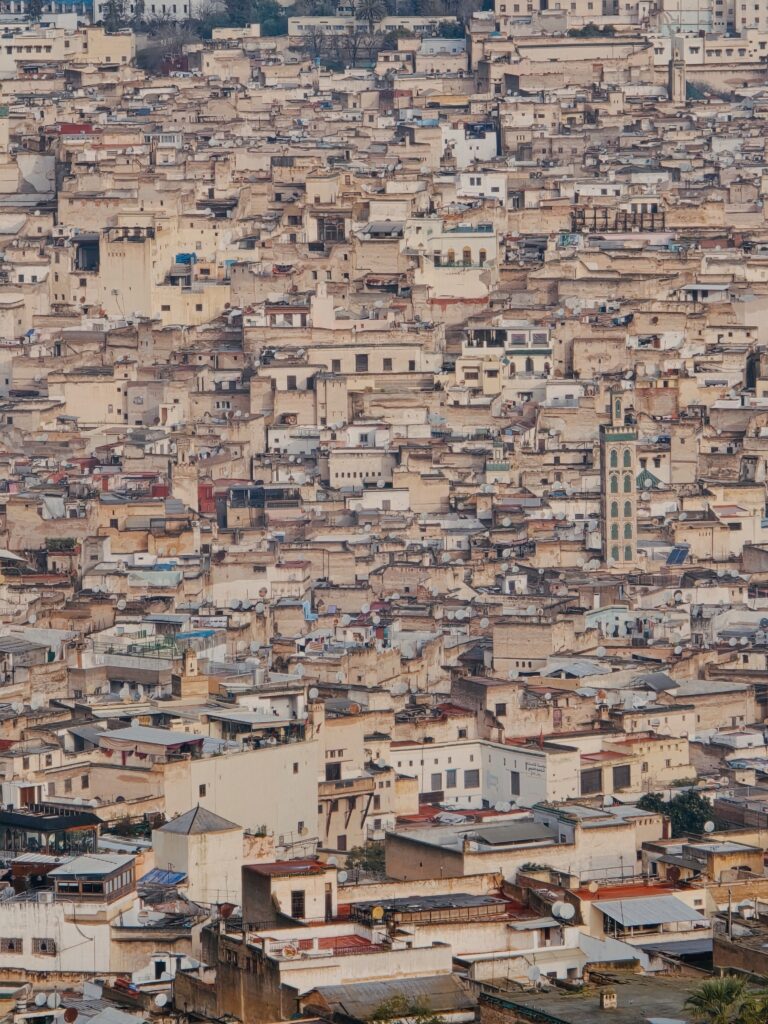
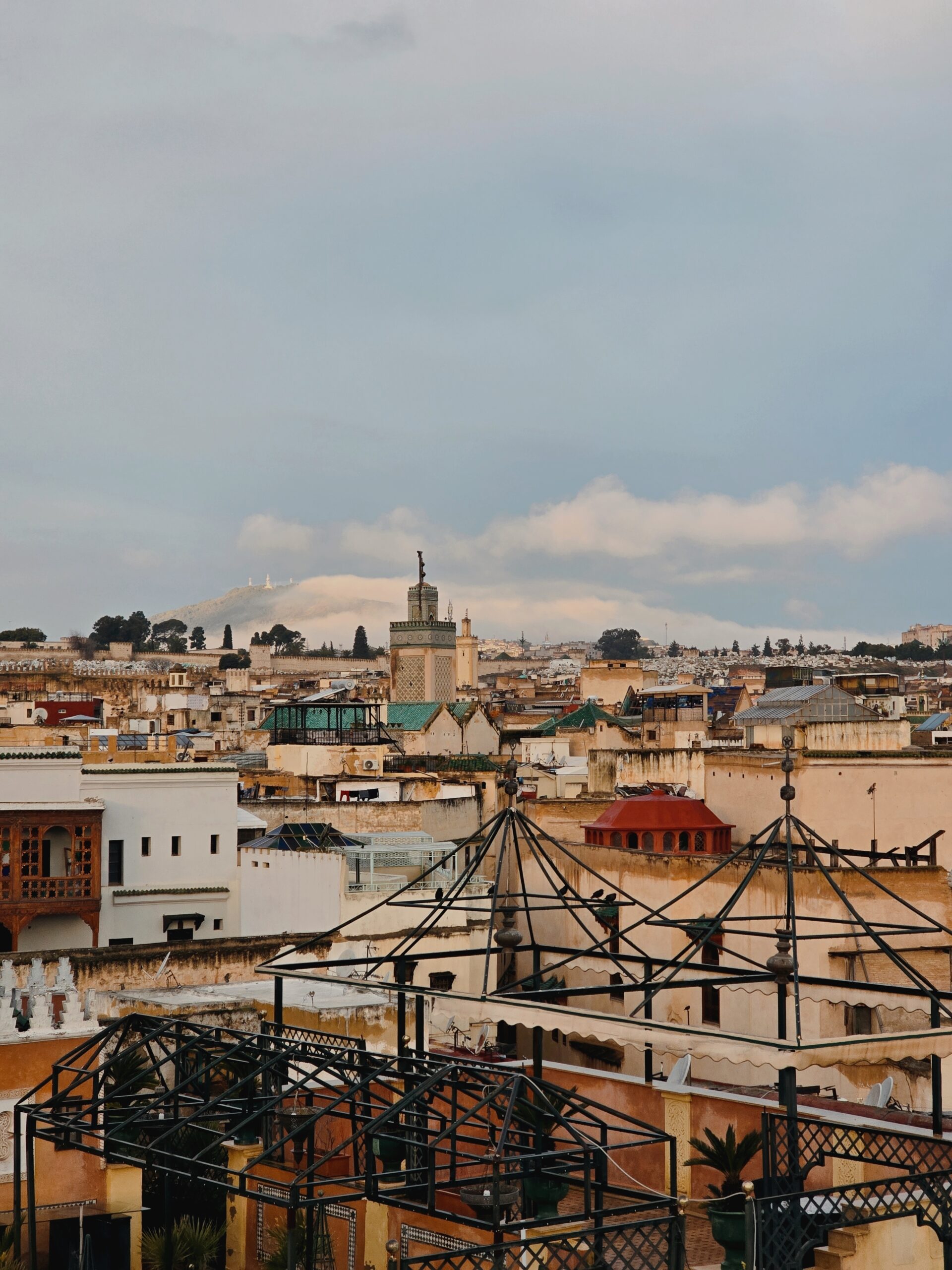
We started our day with a panoramic view of the (giant) medina, from Borj Sud. It was first established around 1582 by the Saadian dynasty, located on the hills overlooking the old city (Fes el-Bali) from the south, across the valley from its sister fort, Borj Nord, on the hills to the north of the city. Today it is also known as a prime lookout point over the old city.
I absolutely love this picture because the medina looks like a glitch?! This is the view from Borj Sud
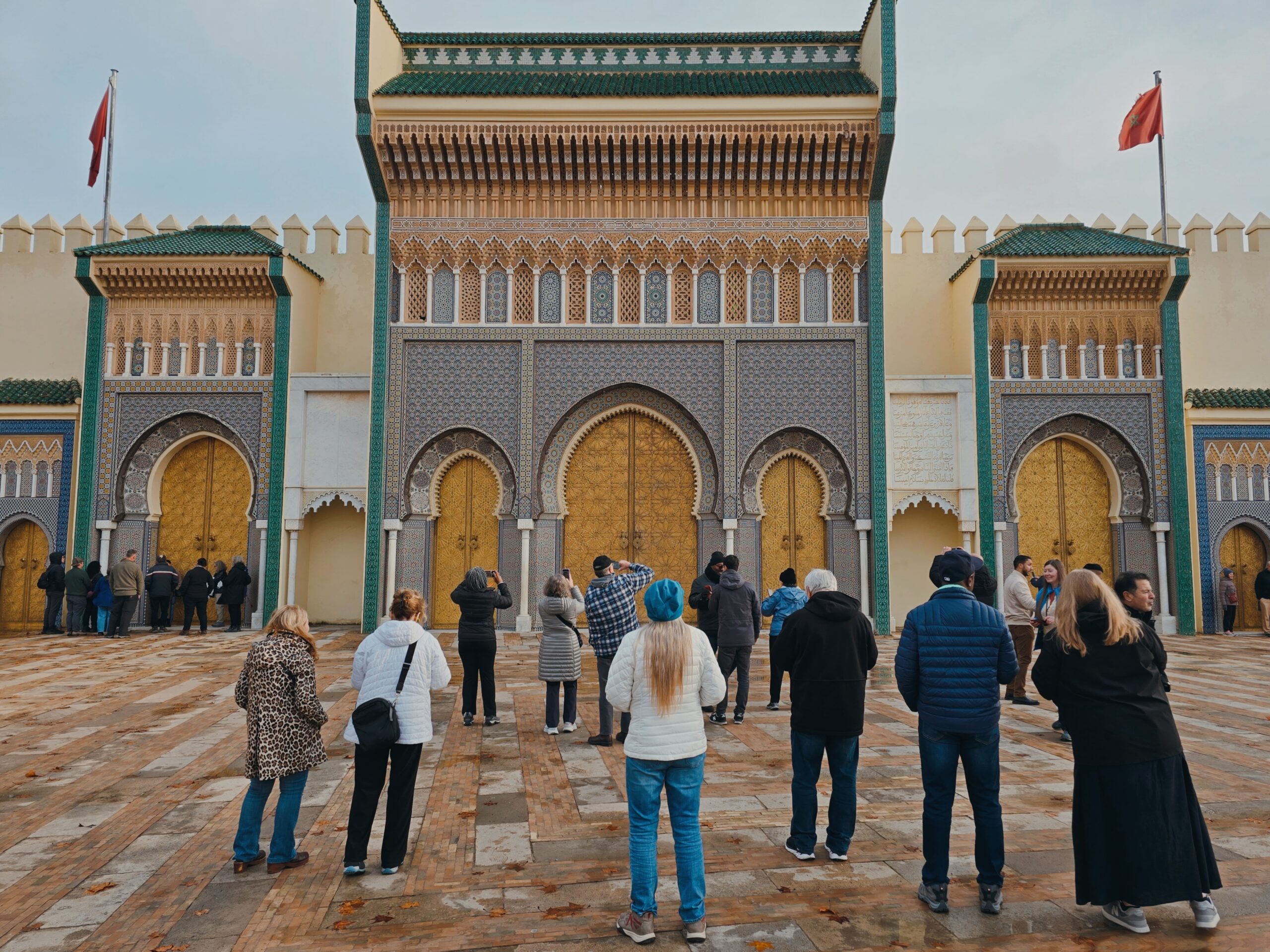
The Royal Palace
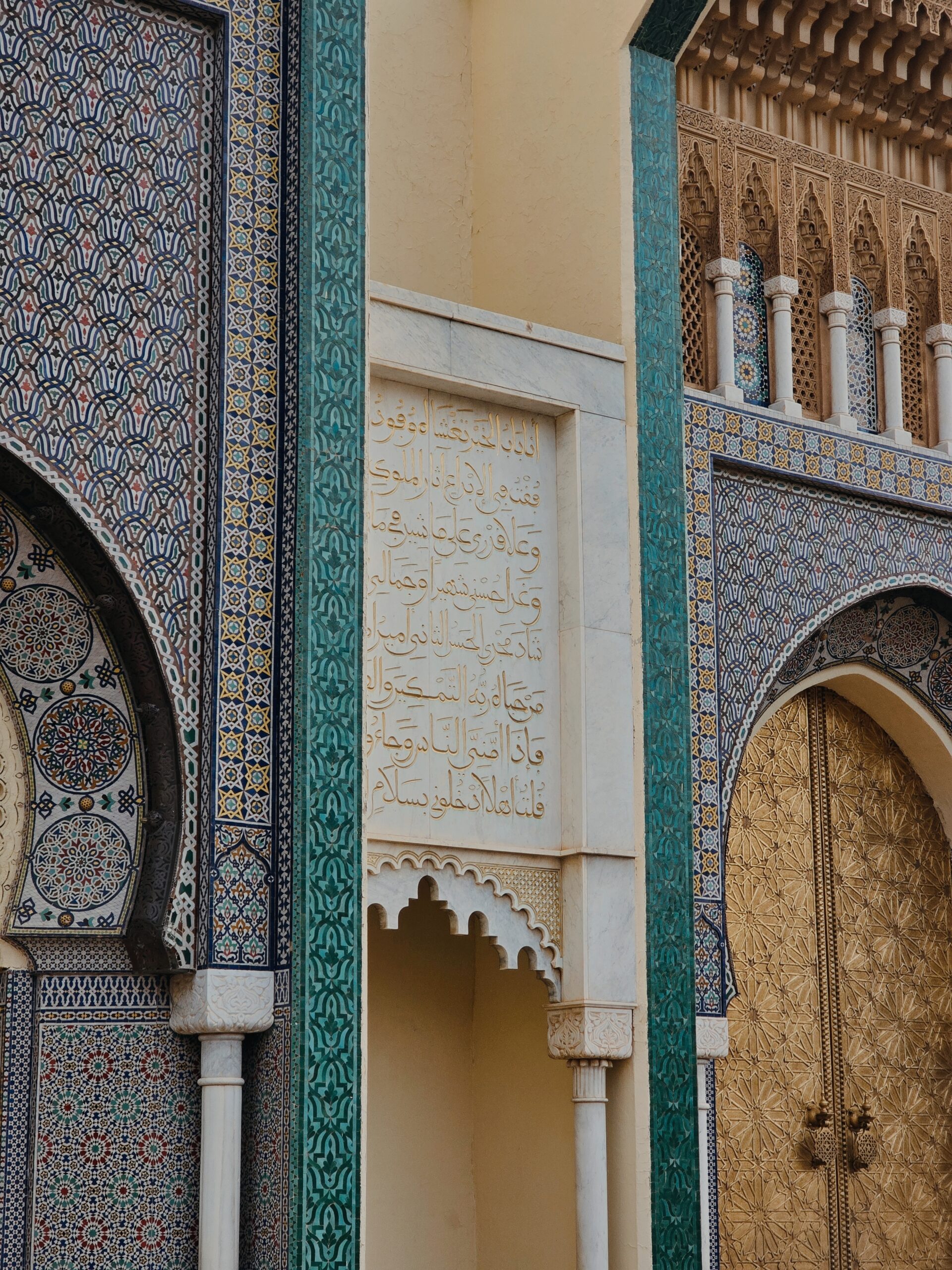
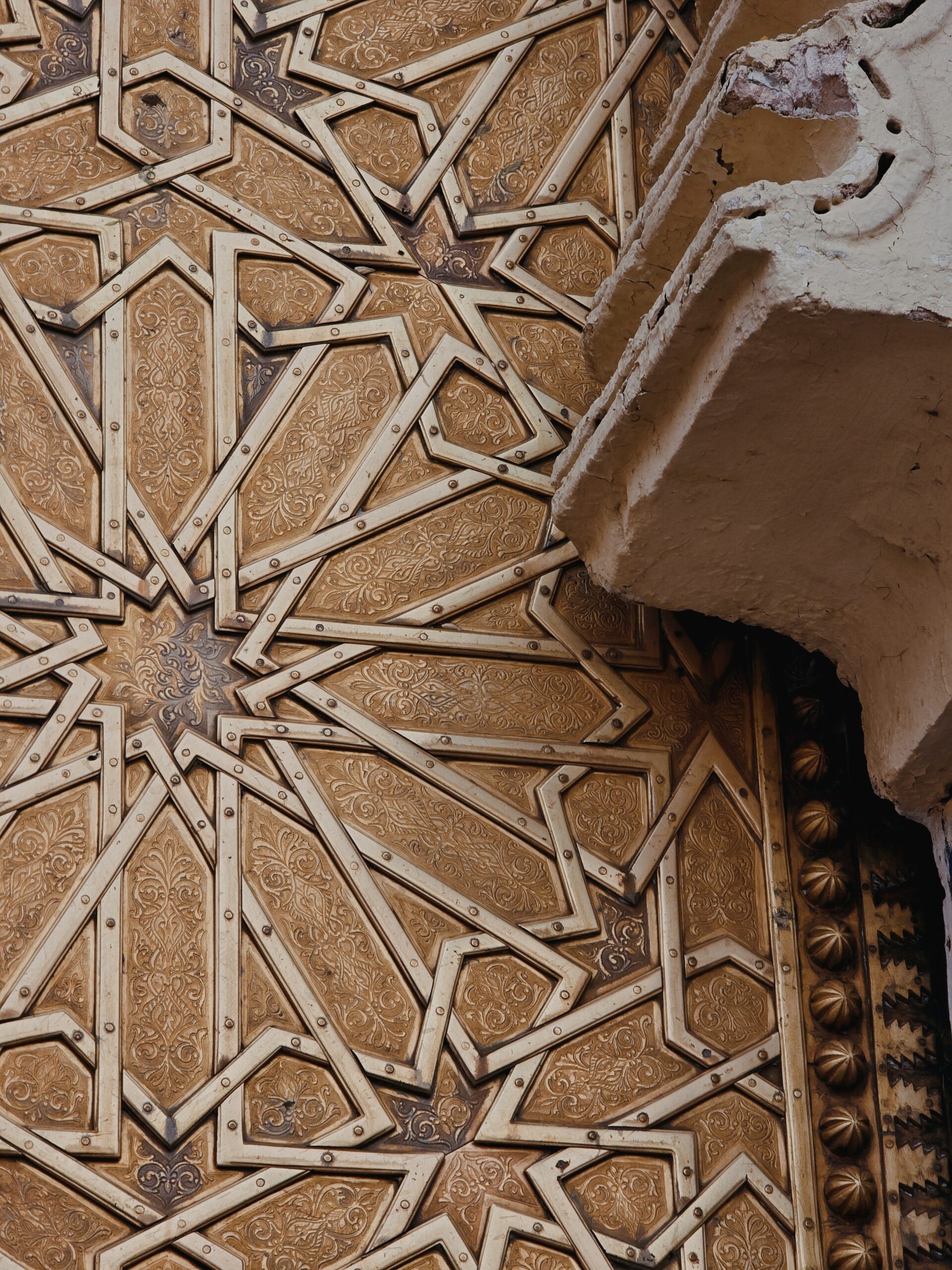
The Royal Palace of Fes, known as Dar al-Makhzen, is one of the city’s most important historic landmarks, originally established in the 13th century and still used today for official royal purposes. While the interior is closed to the public, visitors come to admire the impressive exterior—especially the seven monumental brass gates set within ornate zellige tilework and finely carved cedarwood, all made by hand.
Art D’ Argile
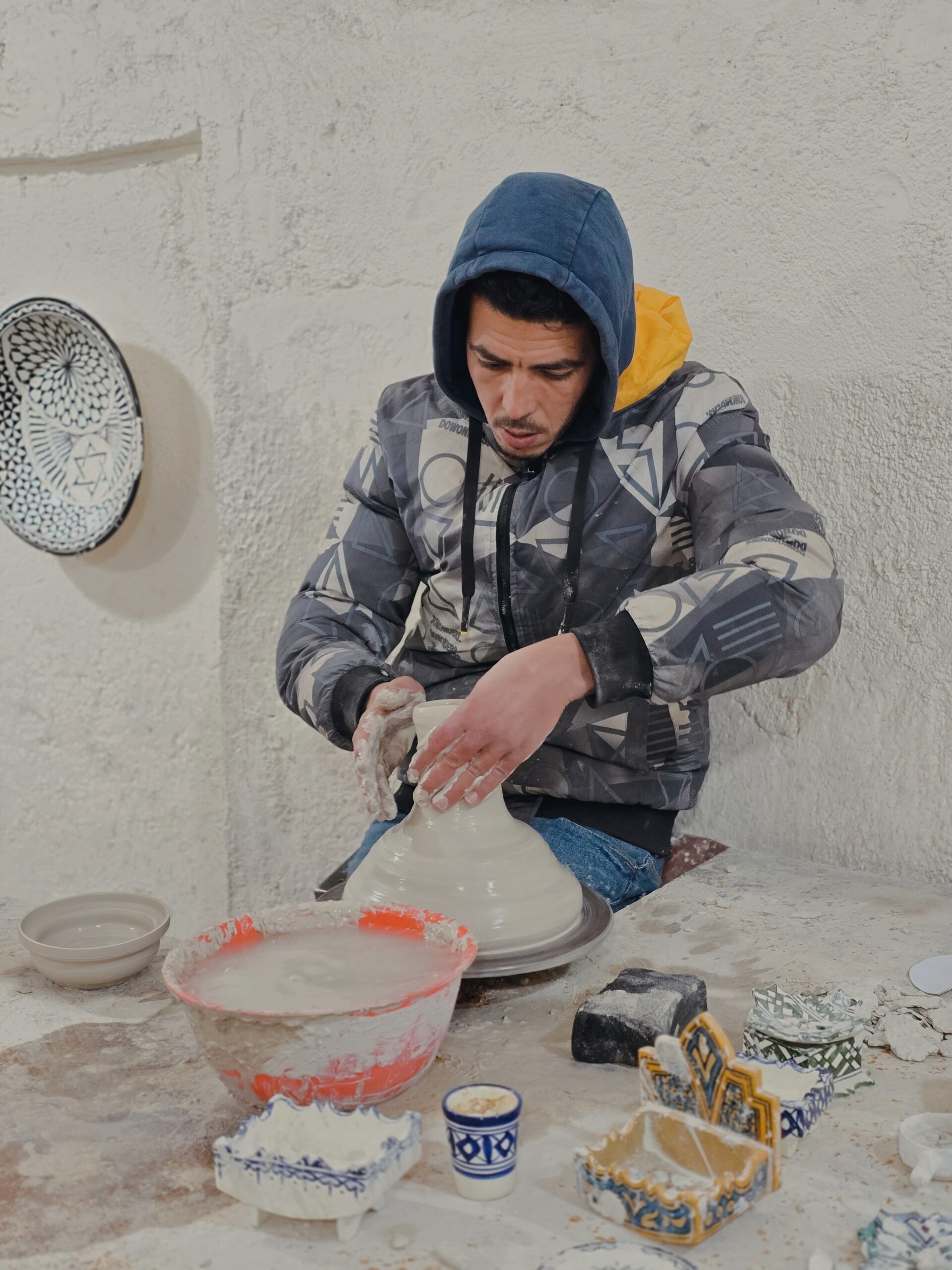
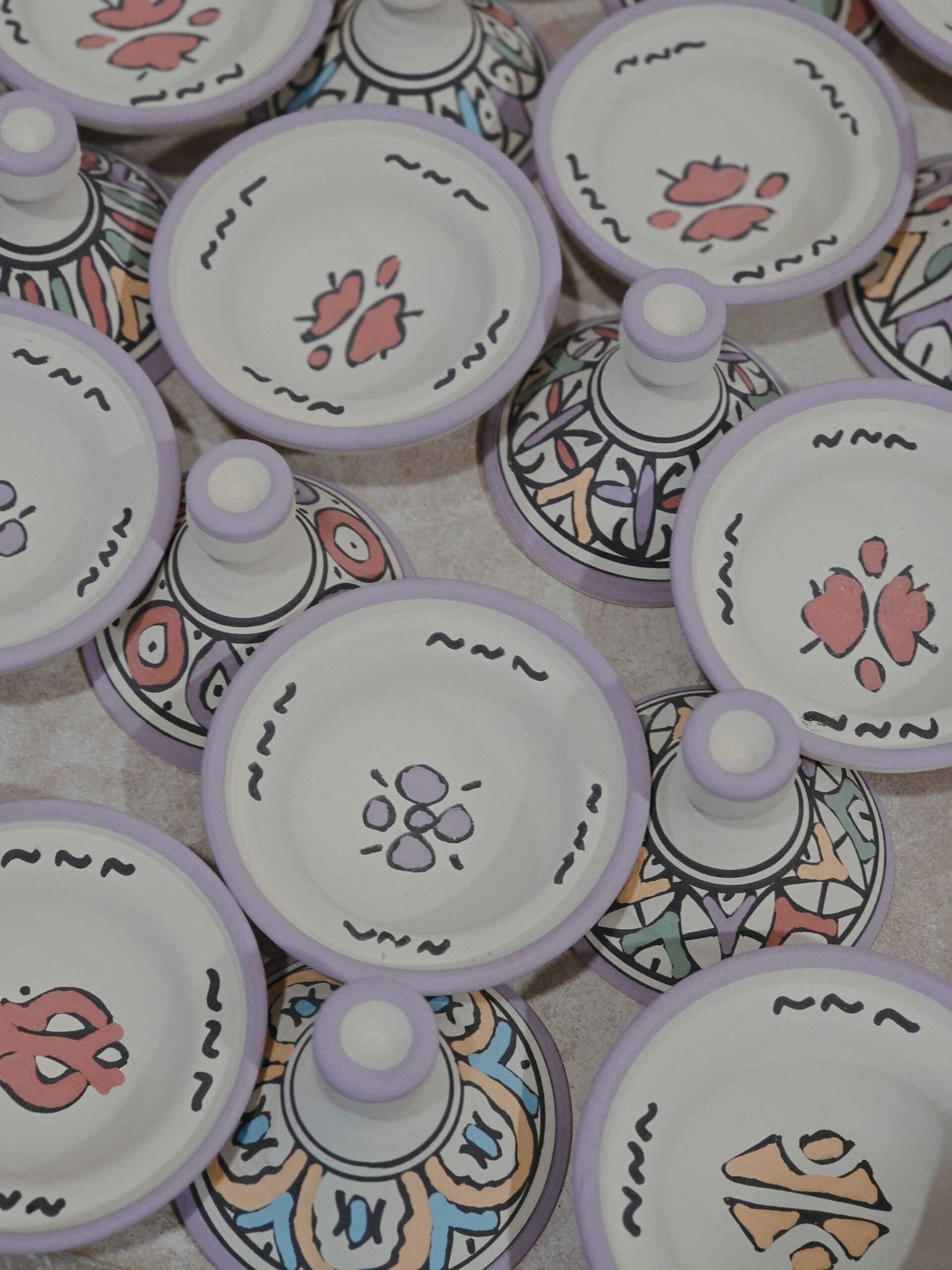
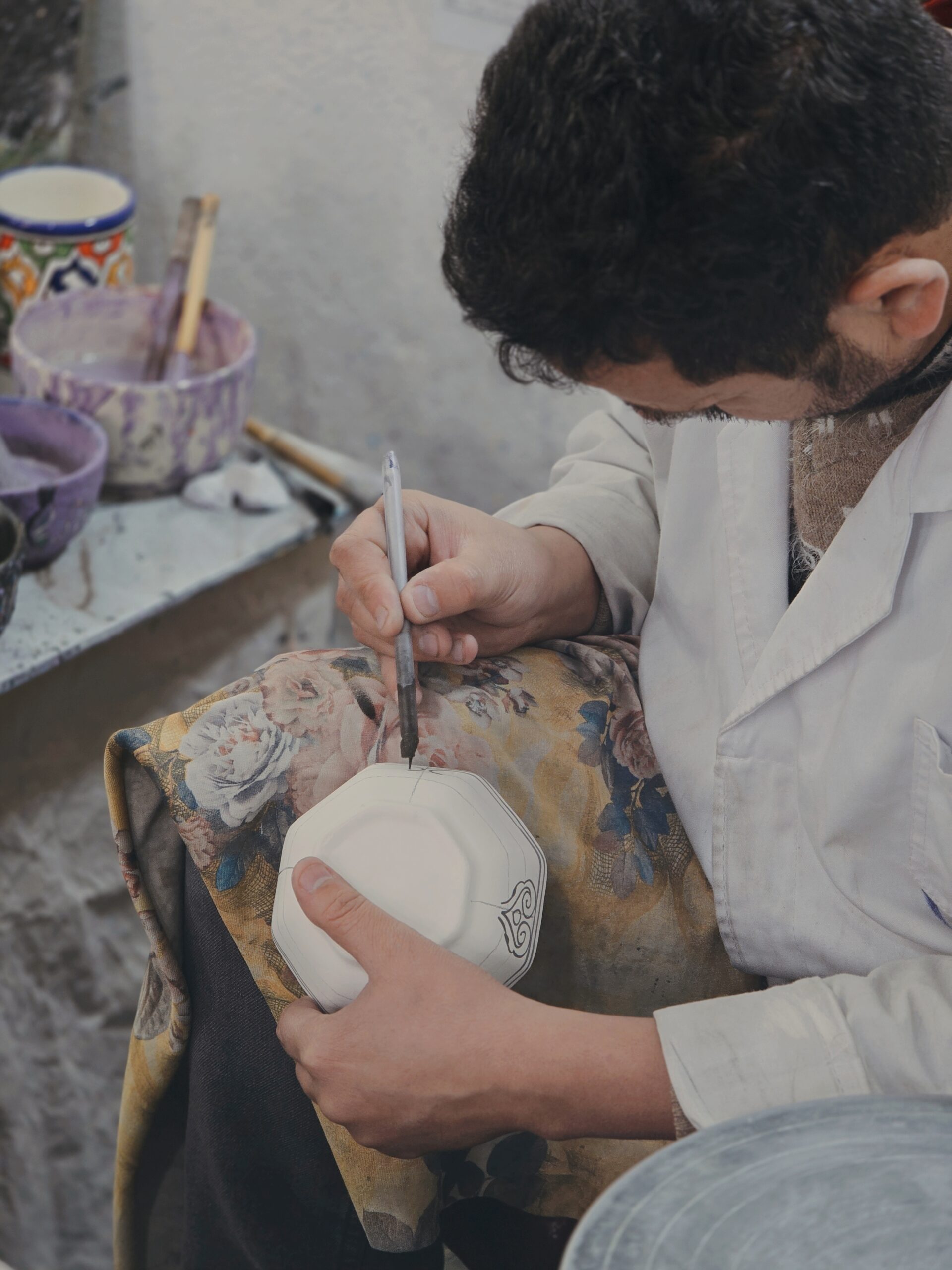
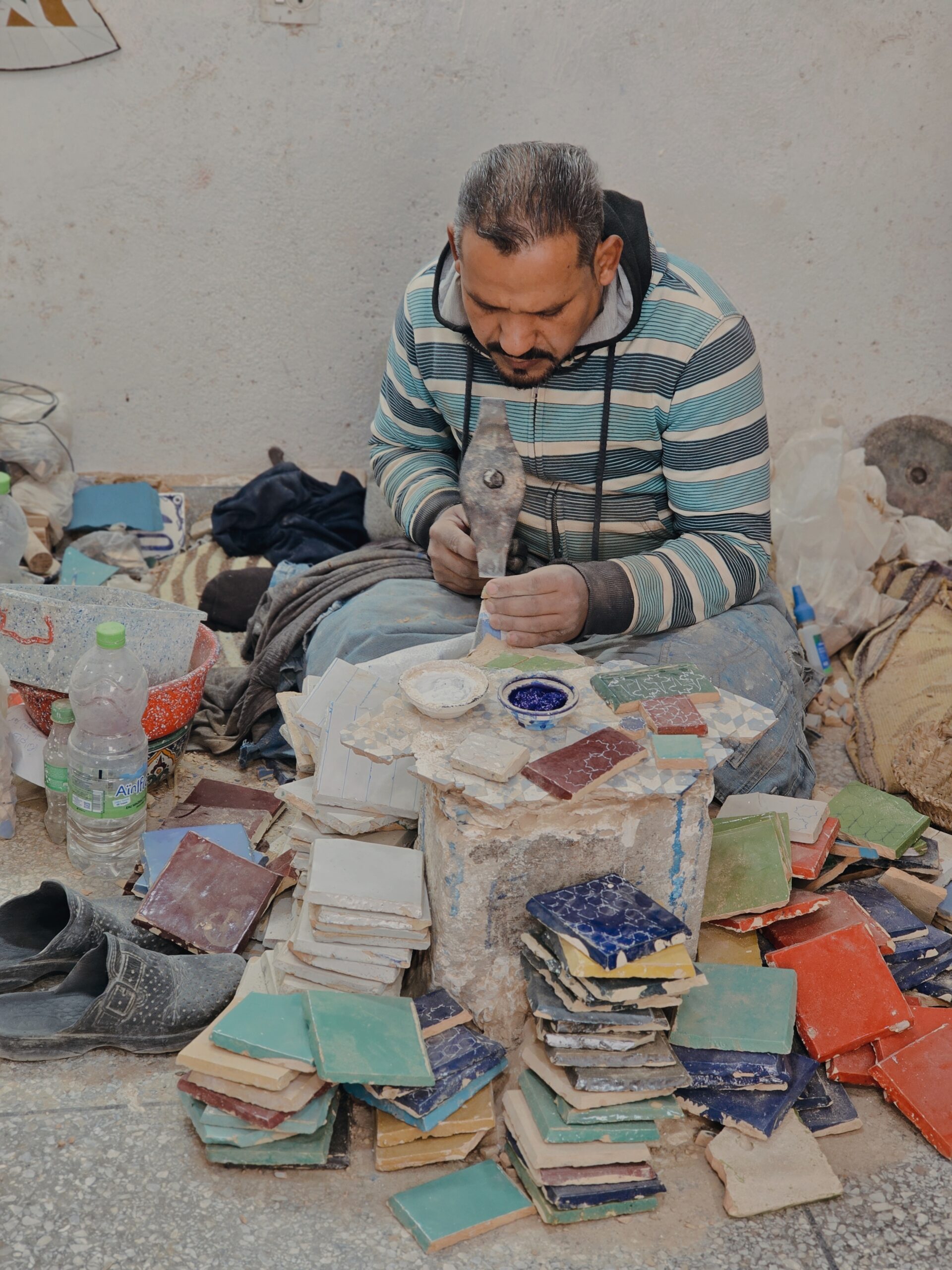
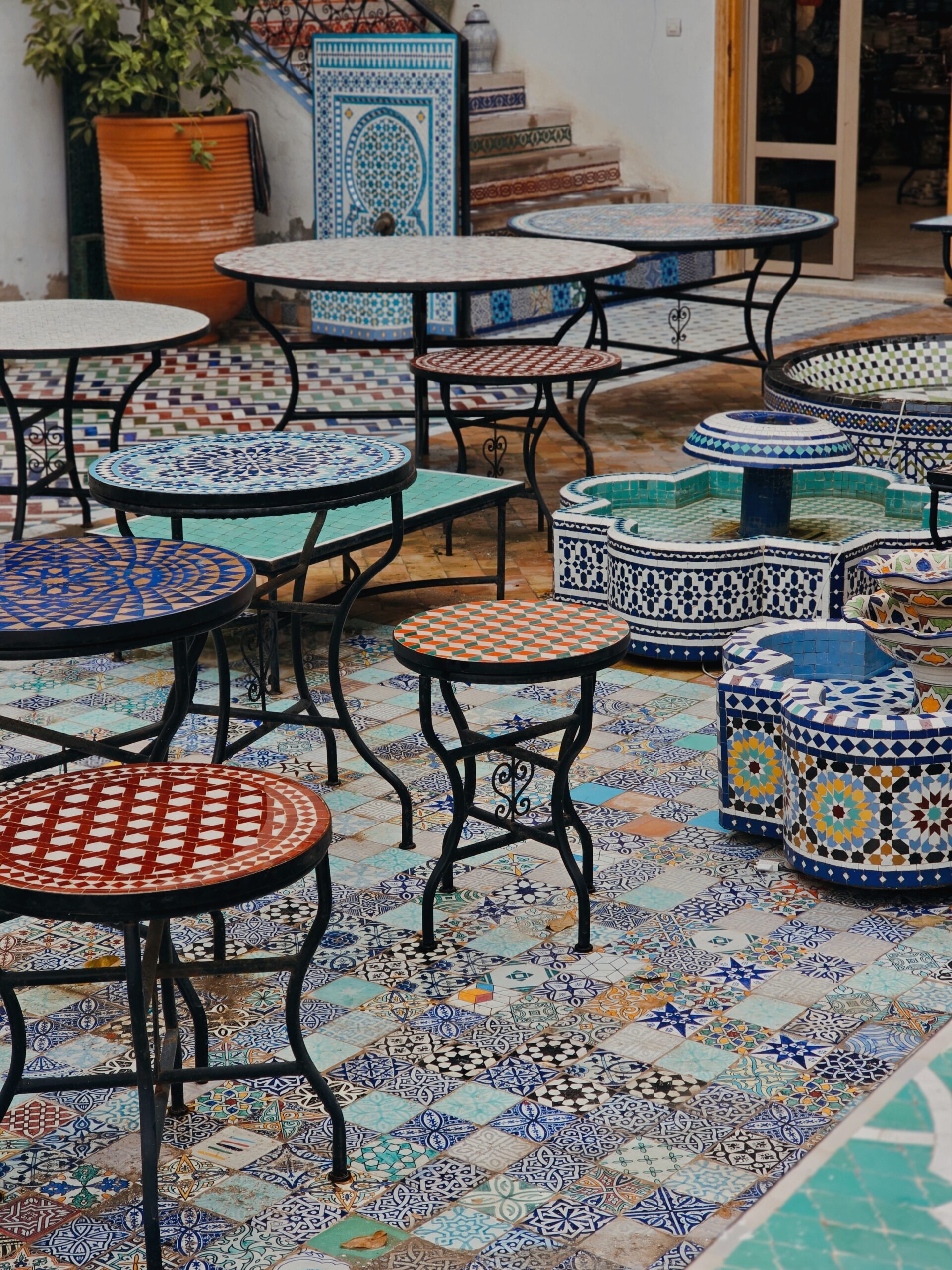
Tucked just outside the medina of Fes, Art D’Argile felt less like a hub of shops and more like stepping into the living heartbeat of Moroccan craftsmanship. We wandered through the workshops, while artisans quietly shaped clay into vibrant bowls and intricate tiles. The place has been family-run for generations, and you can sense that deep pride in every hand-painted detail and carefully arranged mosaic.
Whether you’re browsing for a meaningful souvenir or simply curious about traditional zellige and pottery, Art D’Argile offers an immersive glimpse into a centuries-old craft that still thrives in modern Fes.
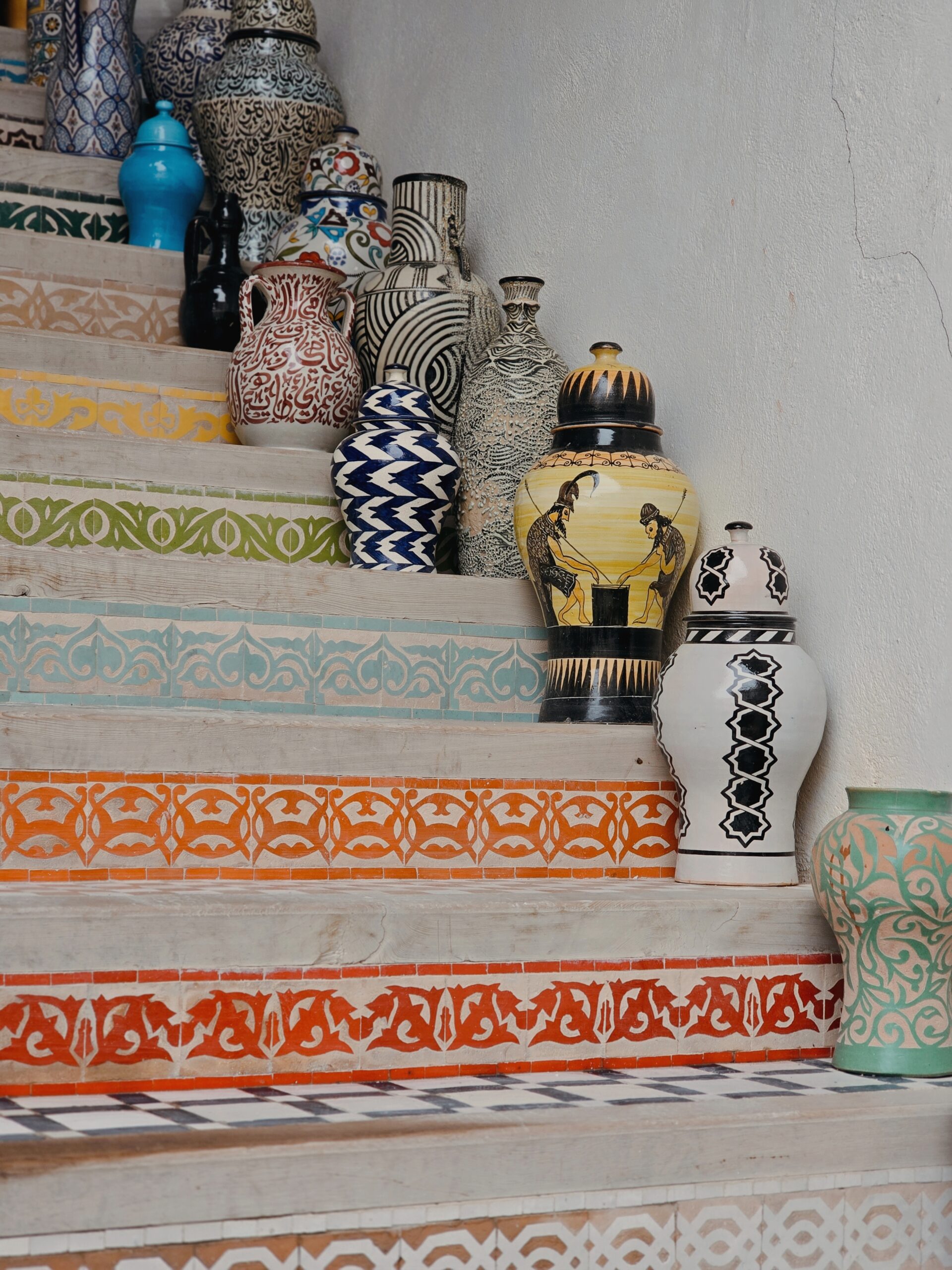
There’s no entrance fee, but there’s a shop filled with countless ceramics of all sizes (and at very reasonable prices).
Medina
The Medina of Fes (Fes el-Bali) is one of the world’s largest and best-preserved historic urban centers, recognized as a UNESCO World Heritage Site for its cultural and architectural significance.
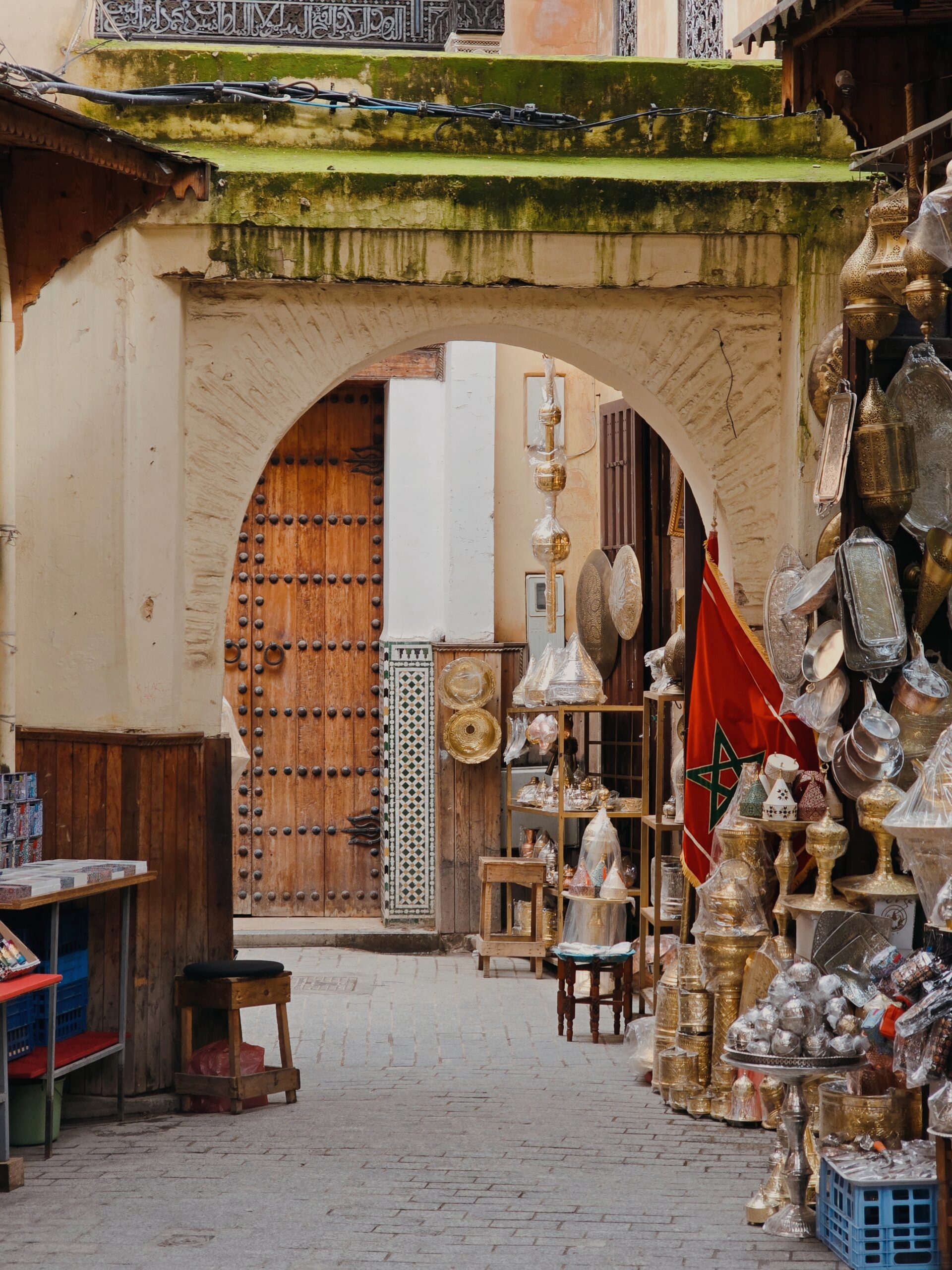
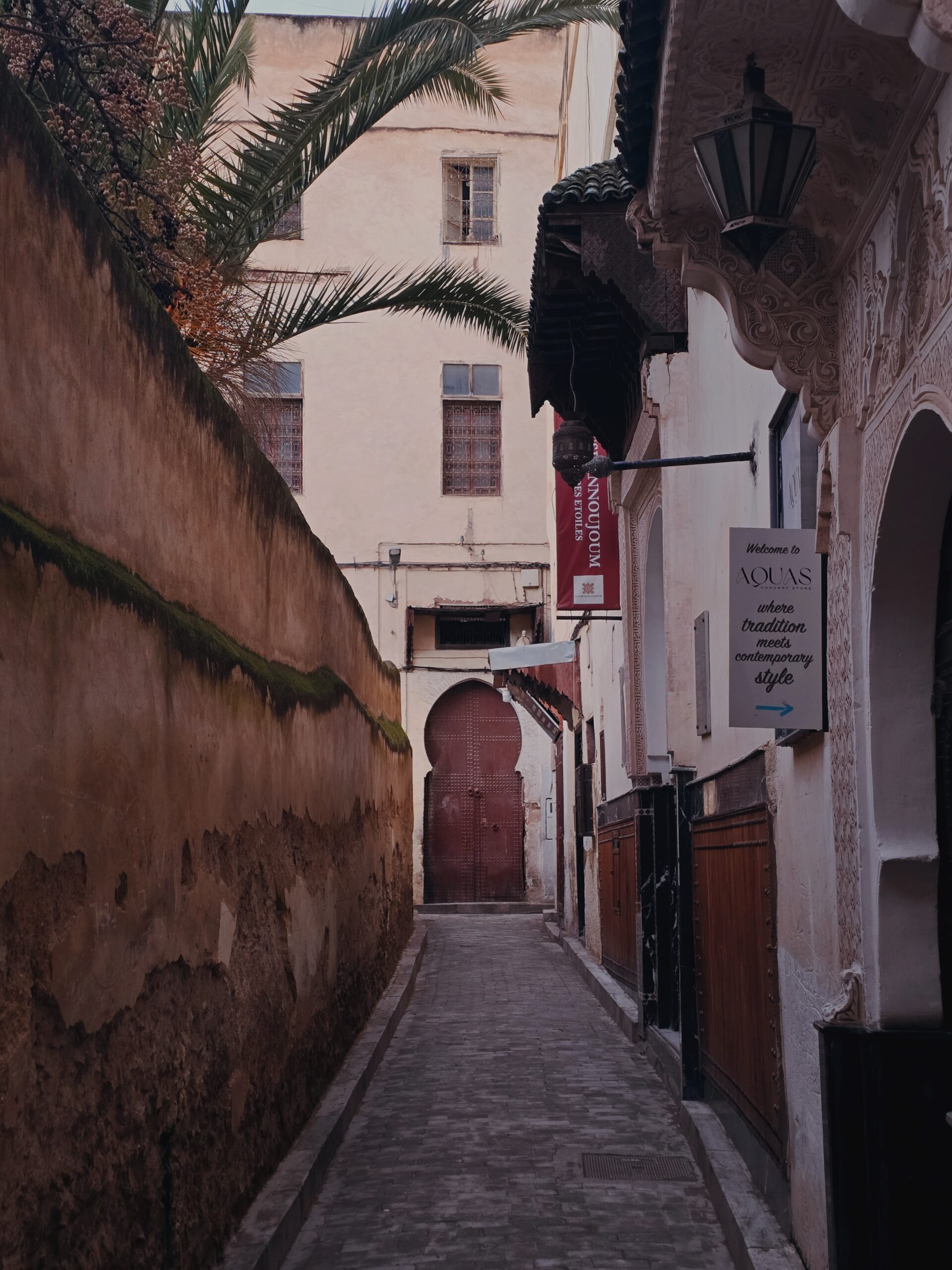
Dating back to the 9th century, the carless medina is a dense maze of (very) narrow alleyways, traditional souks, mosques, madrasas and riads, with goods still transported by handcarts and donkeys, preserving a strong sense of medieval life. There are also wider alleys and open squares so, no need to worry. The narrowest paths are often where the houses are.
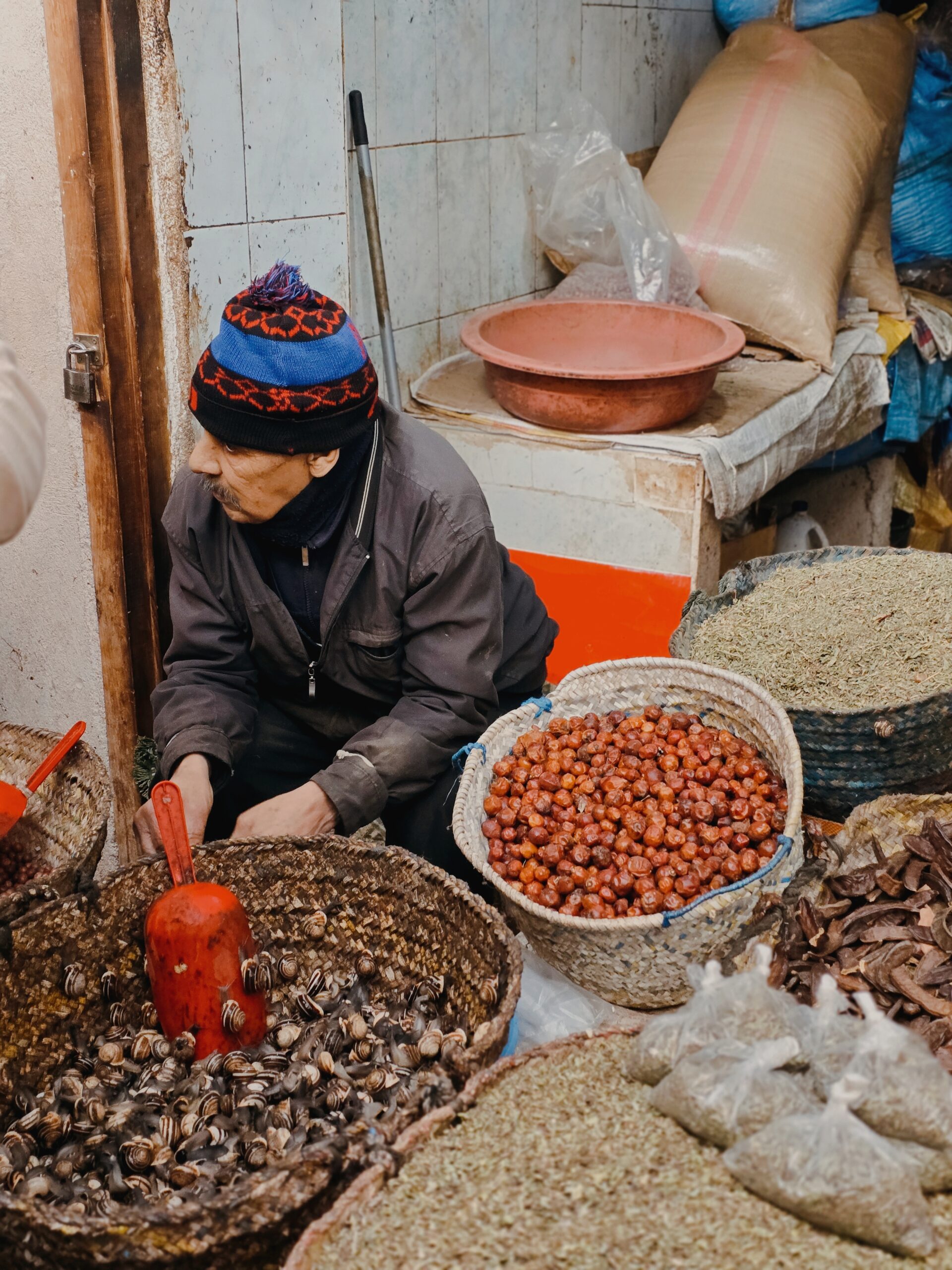
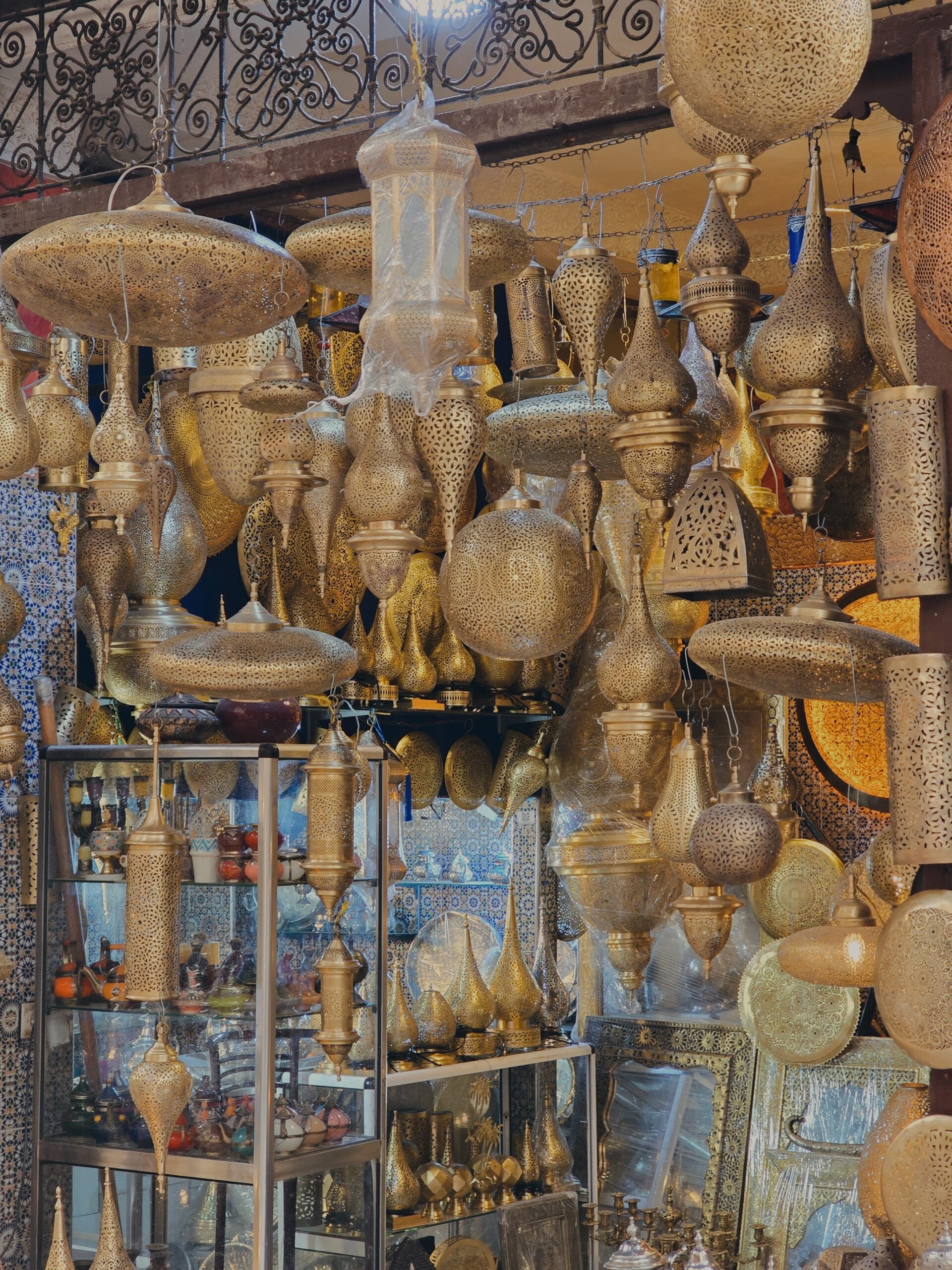
Beyond its historic monuments, the medina remains a vibrant living community where artisans produce leather, textiles, metalwork, and ceramics using traditional techniques.
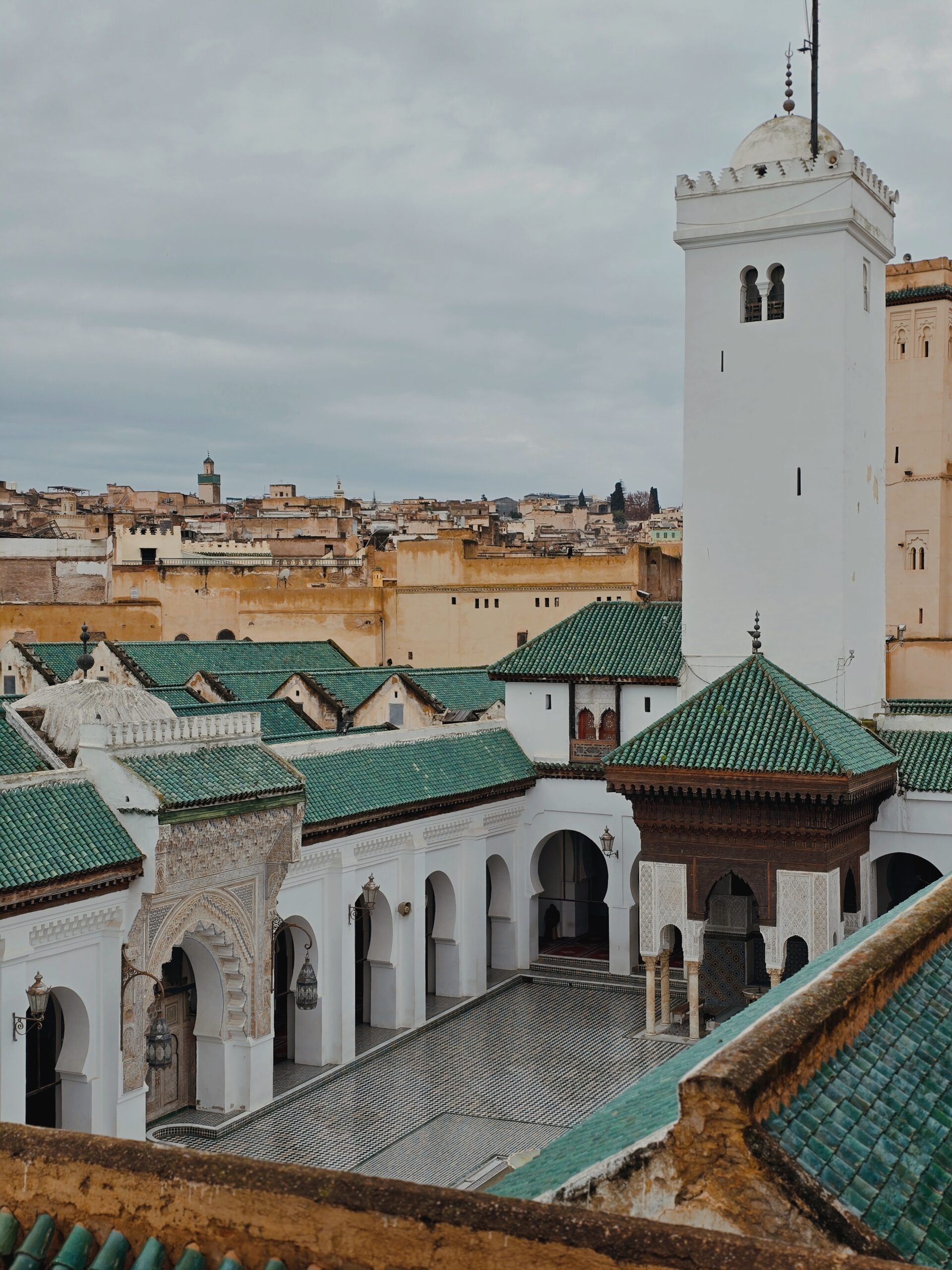
Key landmarks include the University of Al Quaraouiyine – one of the oldest continuously operating universities in the world – and, of course, the famous Chouara Tannery. If you want a glimpse of the university, go in Palais Quaraouiyine. It’s a shop full of fabrics, rugs and pashminas (and demonstrations of how it’s made from agave). If you go up to the roof terrace, you can see the gorgeous university.
The university
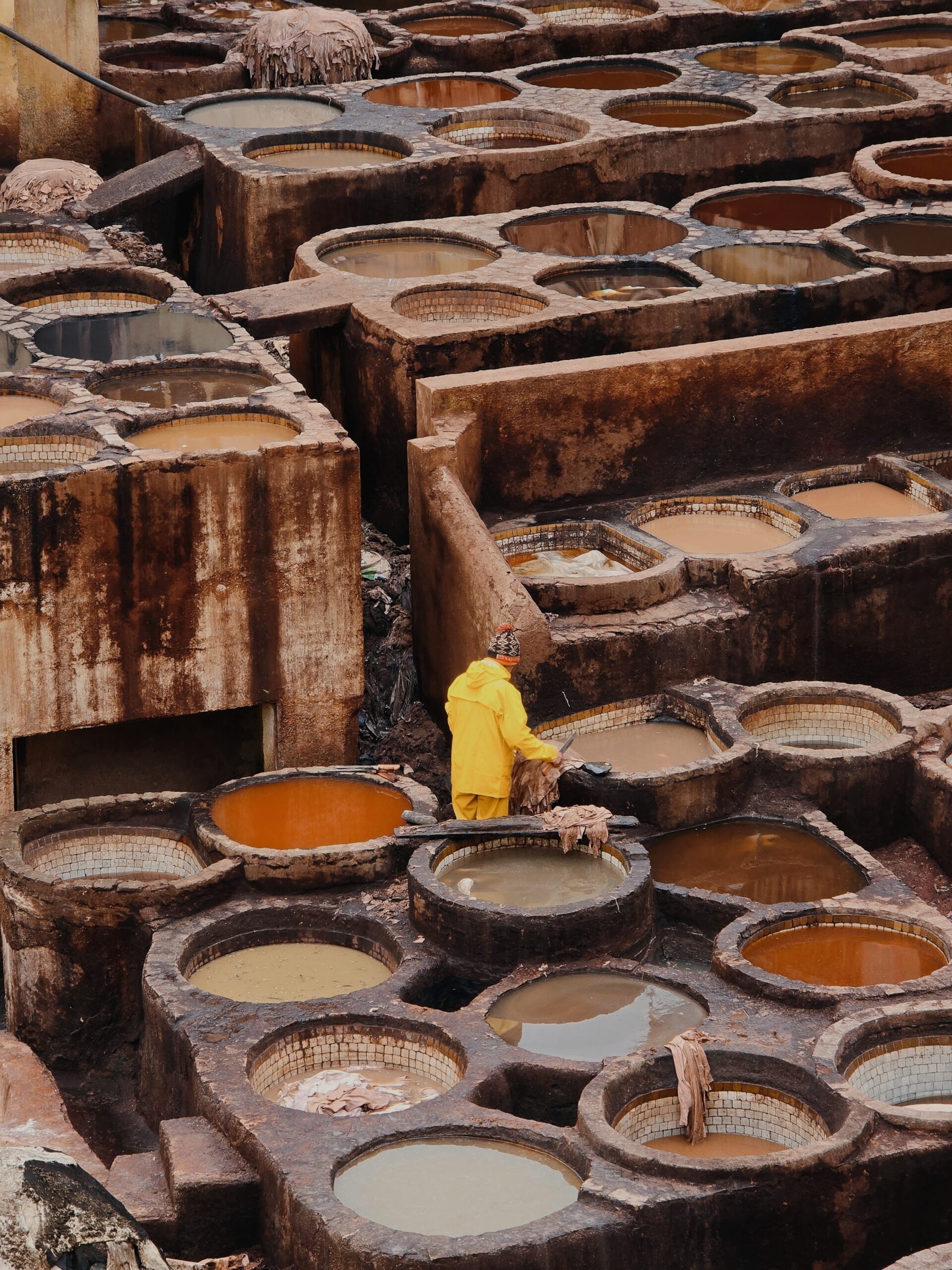
Chouara Tannery
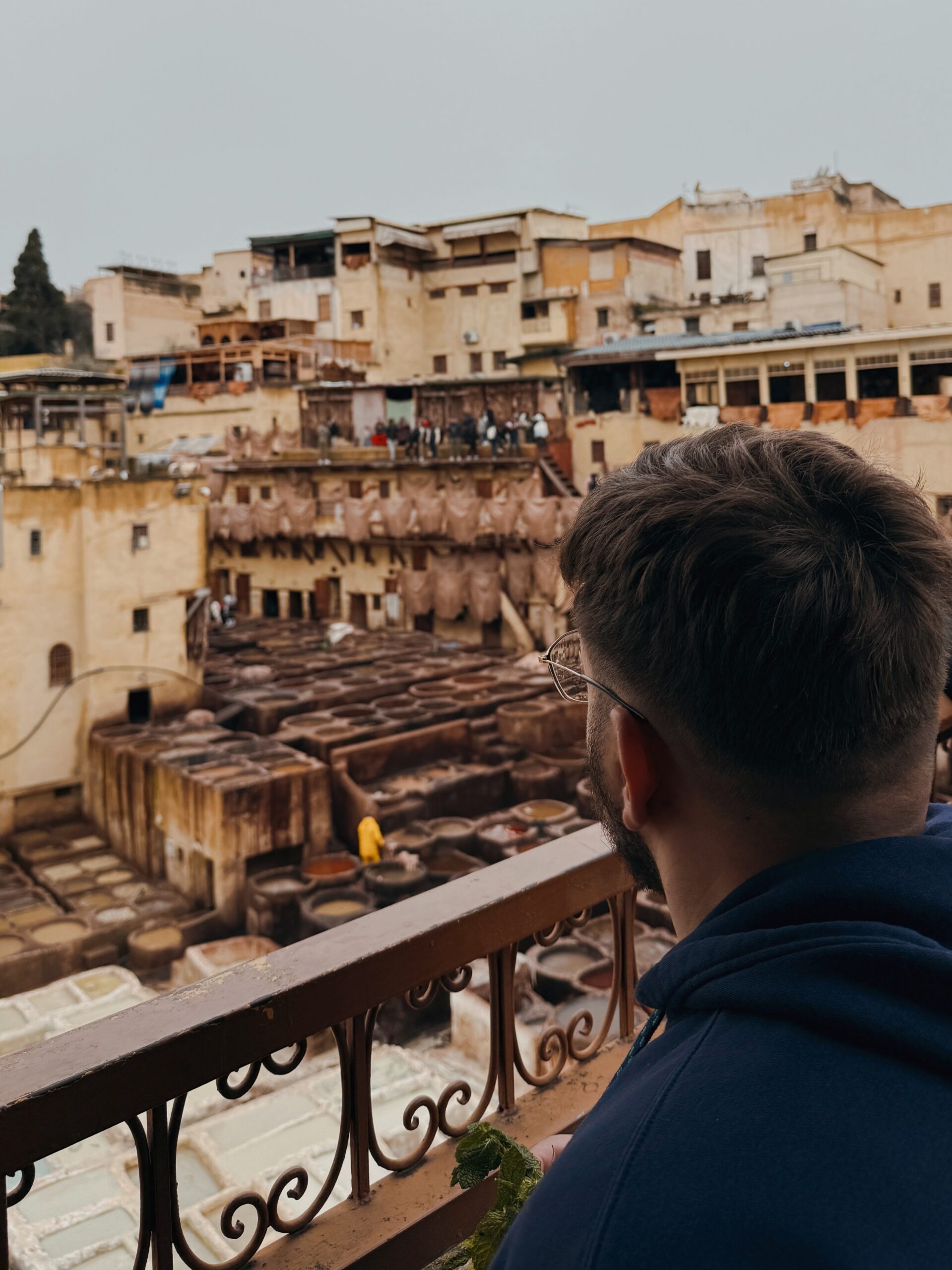
It still feels unreal that I was in the tannery, after all these years seeing so many photos and videos online.
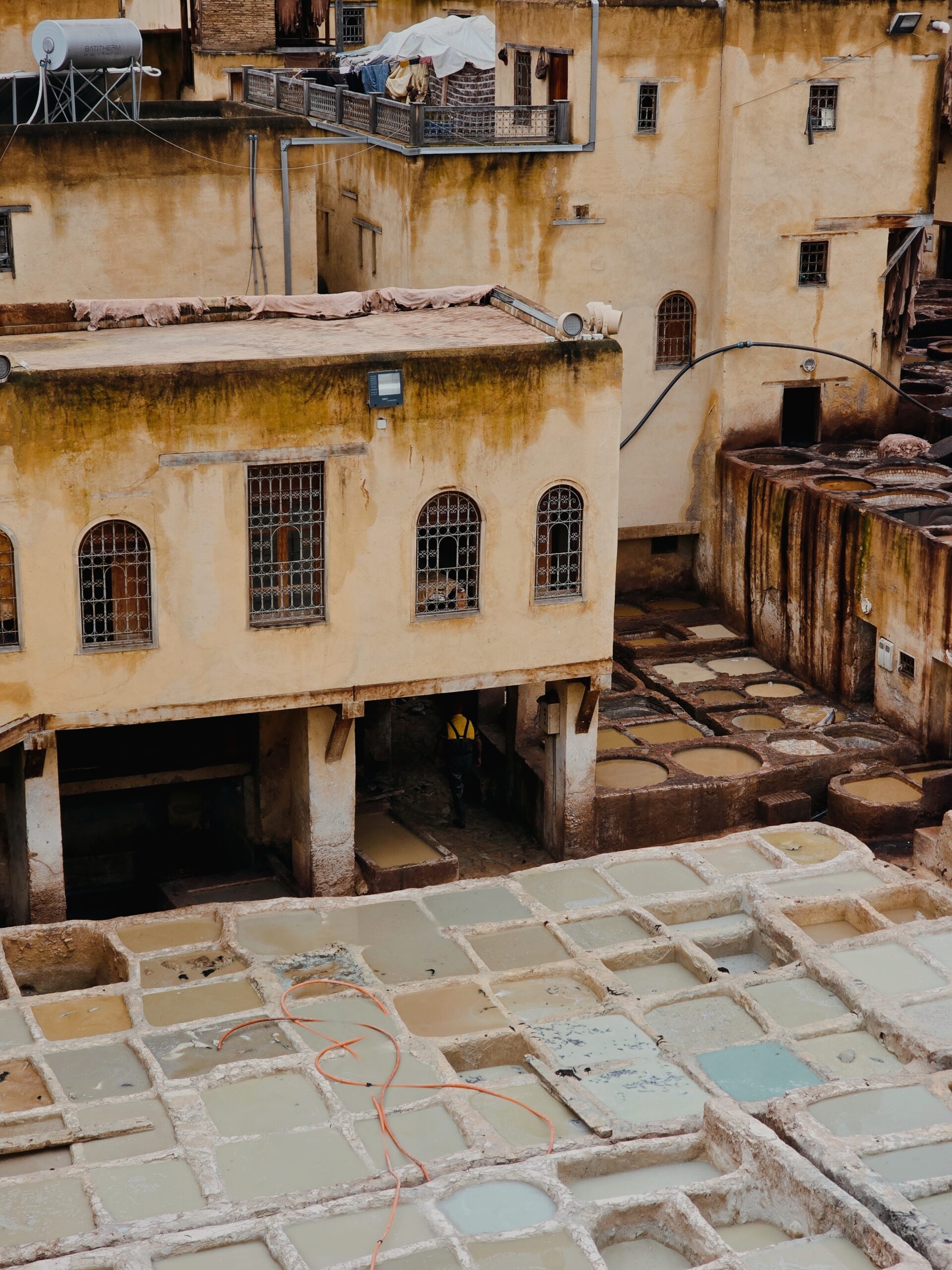
Located in the heart of the medina, is one of the oldest and most iconic leather-processing sites in the world, with traditions dating back nearly a thousand years. From surrounding terraces and leather shops, visitors can observe workers treating hides in large stone vats filled with natural dyes such as saffron, indigo, mint, and poppy.
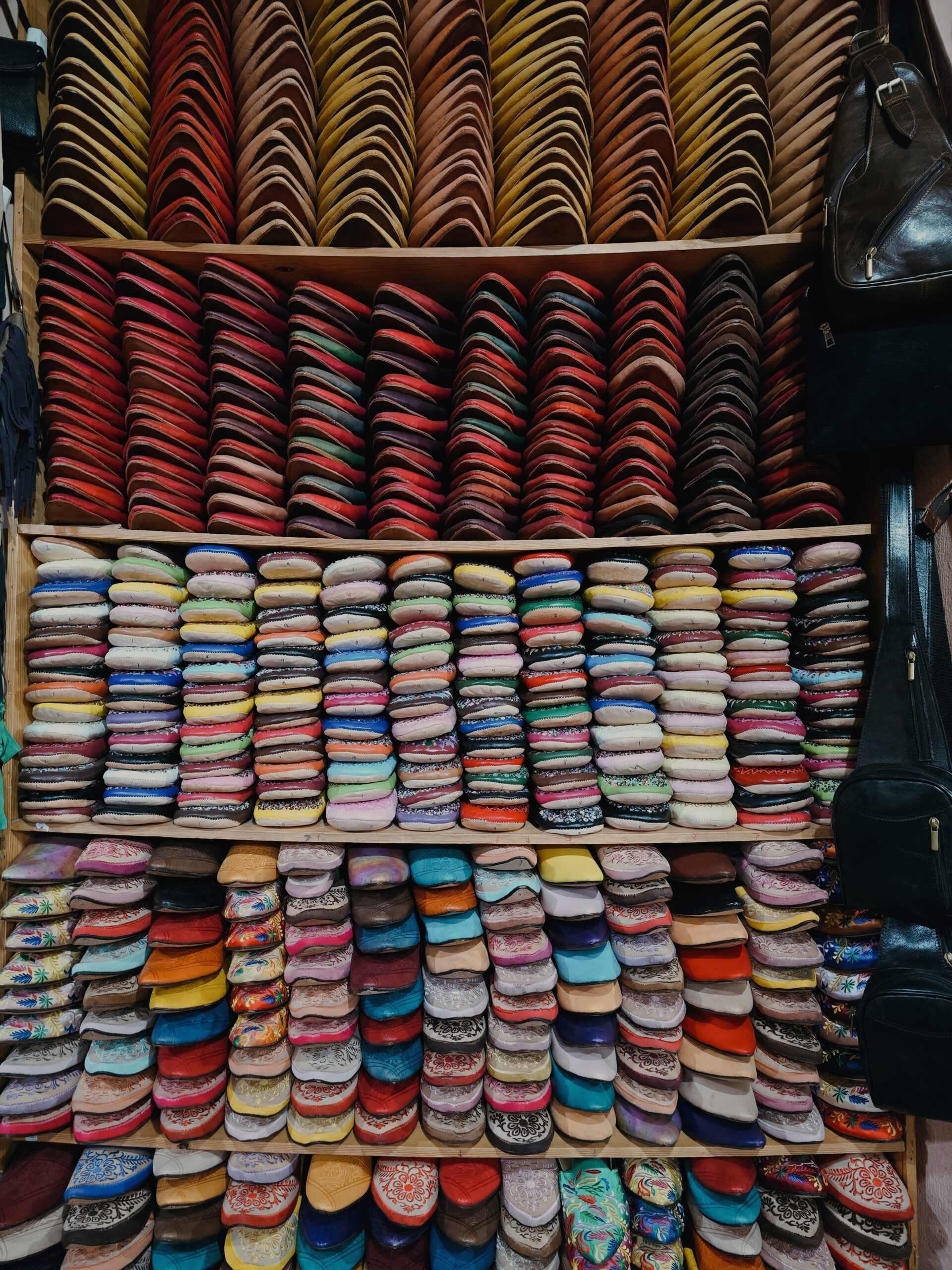
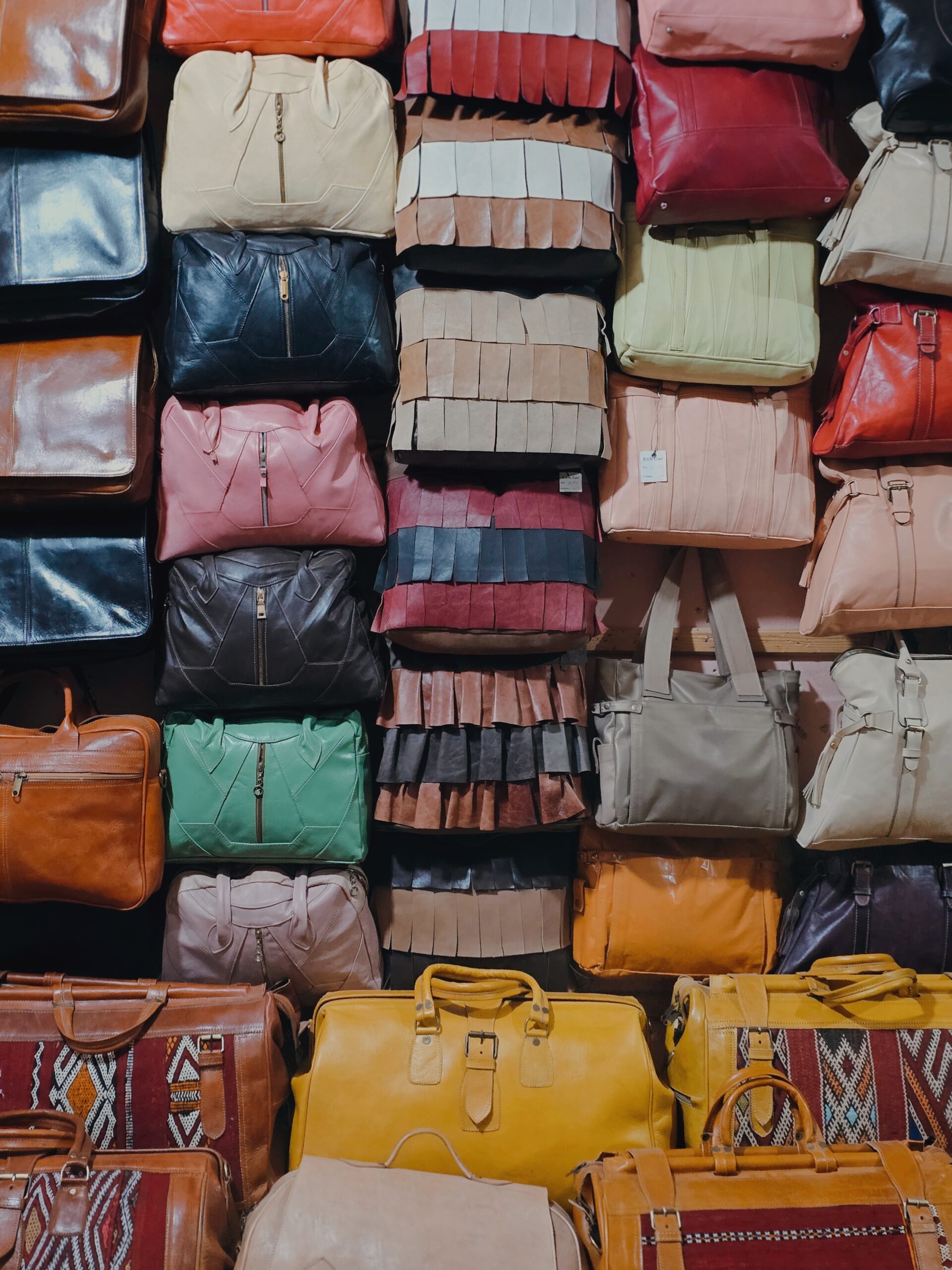
The process remains largely manual, preserving techniques passed down through generations. While the strong smell is part of the authentic experience – they offer mint when you enter, but in January there was no smell – the tannery remains an important economic and cultural hub, supplying leather goods that are sold throughout the medina and beyond. There’s also a shop in the same building full of leather goods, but you can find stuff like these all over the medina.
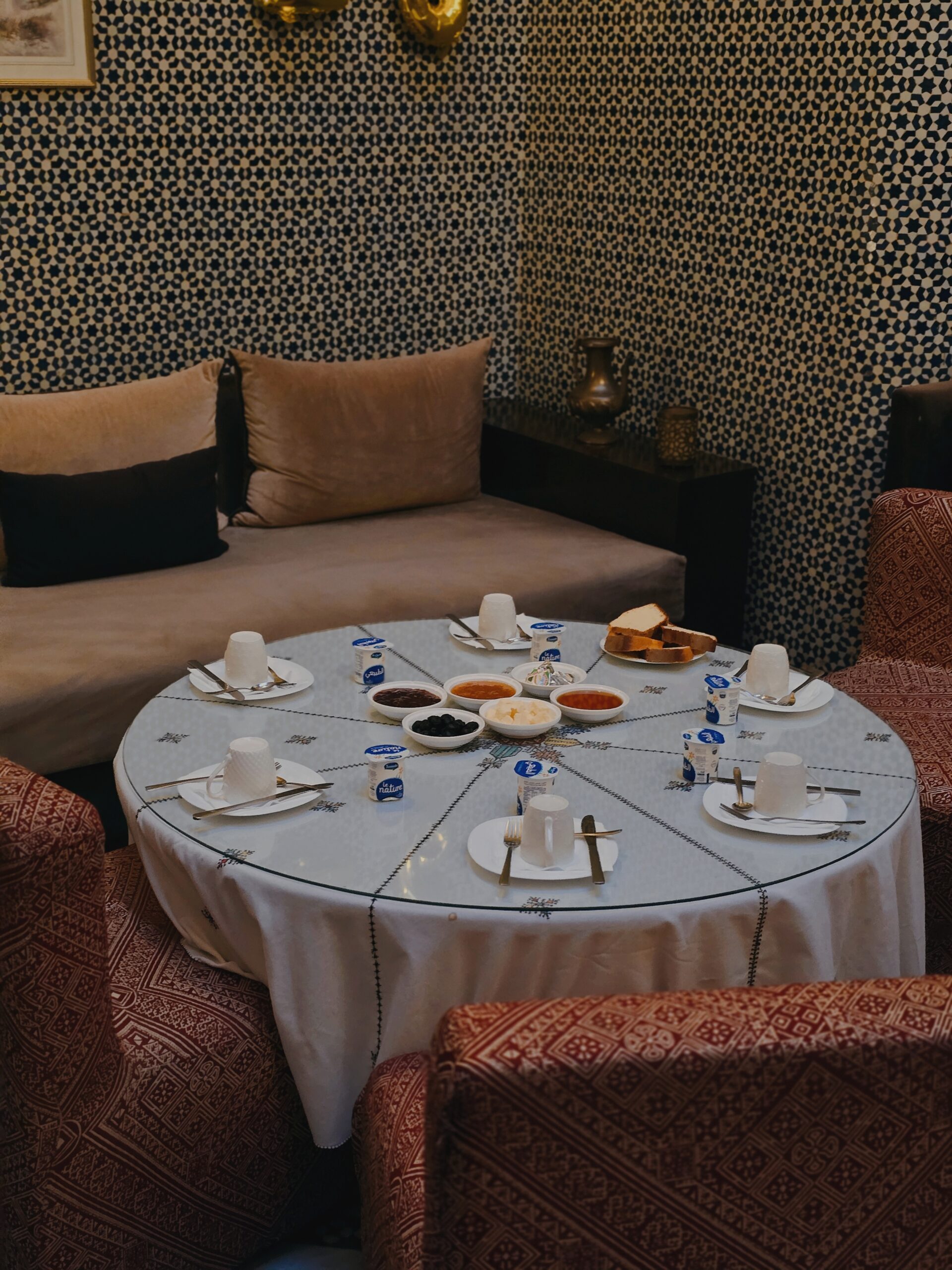
We stayed at Riad Yamanda, a charming, traditionally styled riad located in the heart of the historic Fes el‑Bali medina, making it an ideal base for exploring the city streets and major sights on foot. Housed in a restored 19th‑century building, the riad combines classic Moroccan architecture and décor – with carved plaster, zellige tiles, and ornate woodwork – with modern comforts. If you stay there, make sure to check out the rooftop terrace with beautiful panoramic views over the medina day and night.
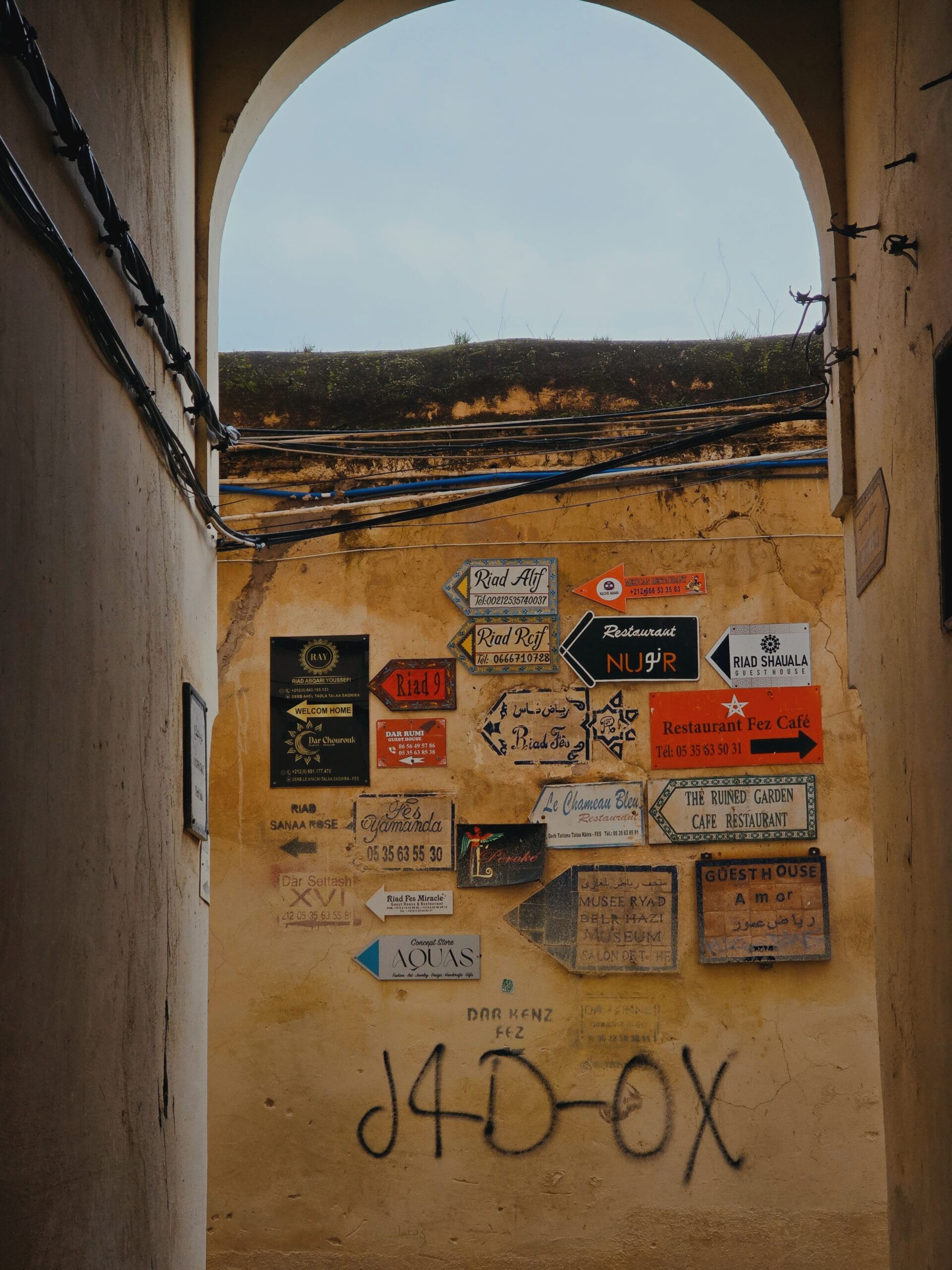
On the way to our riad
Our neighborhood
The view from the roof terrace
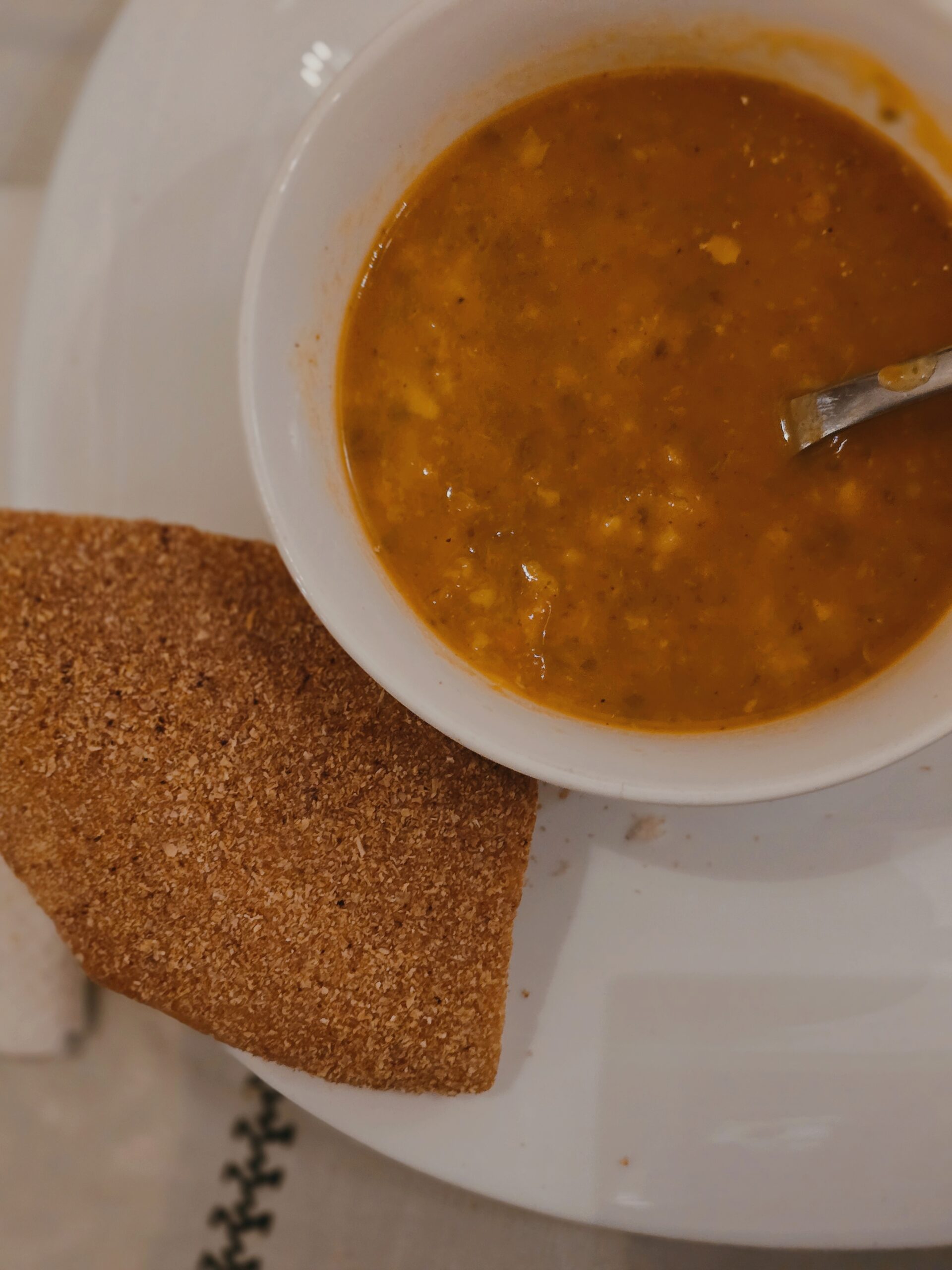
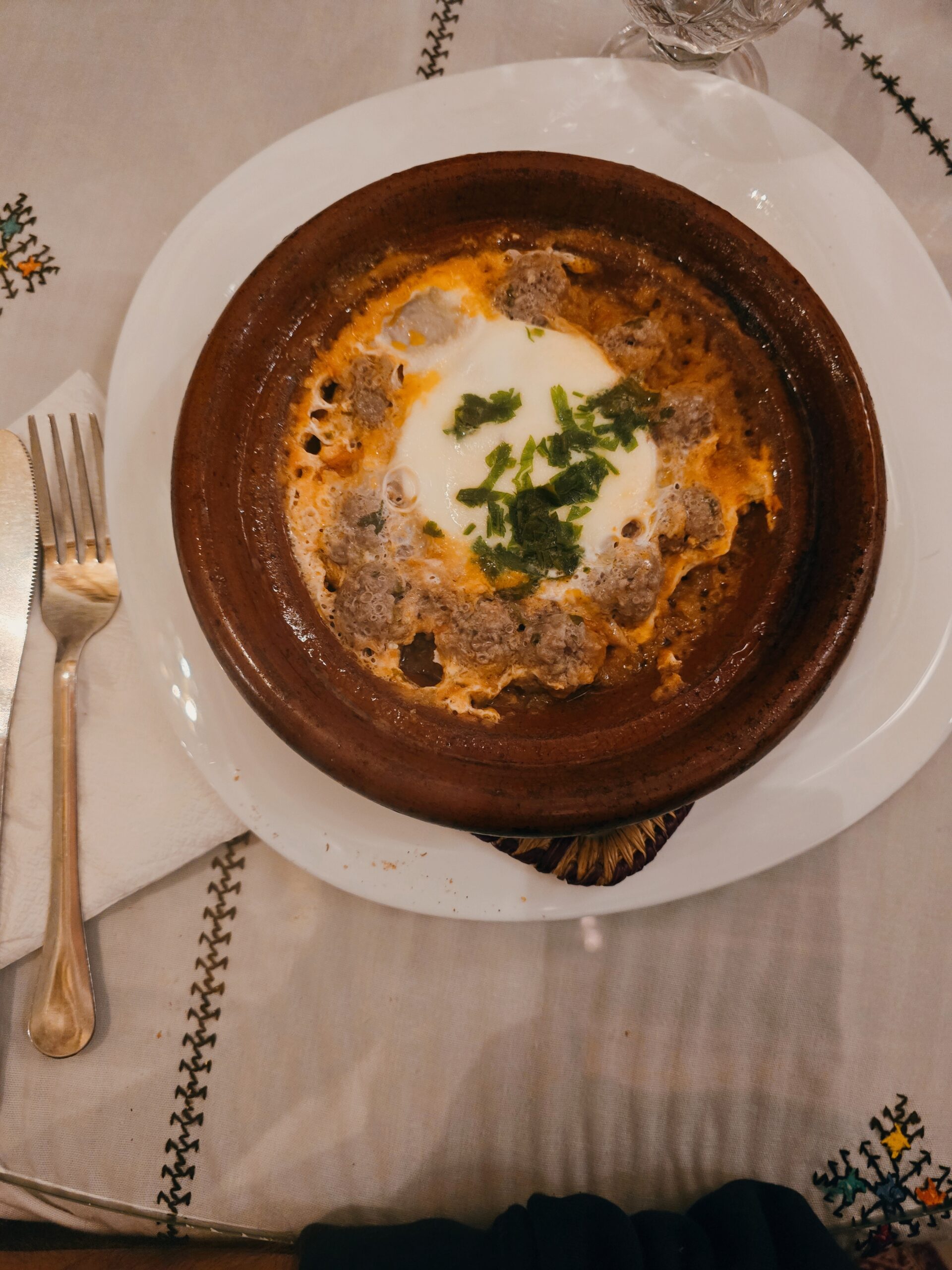
On our night there, we had kefta and sweet peasoup – two classic Moroccan dishes, comforting for a cold night. Kefta is spiced ground meat, beef or lamb, shaped into small meatballs and cooked in a rich, aromatic tomato sauce, then topped with eggs that poach in the sauce. Paired with sweetpea soup, a hearty, fragrant dish made from tender peas, onions, garlic, and Moroccan spices, it creates a perfect balance of savory flavors and warming textures.
Fes is certainly a city that celebrates art, culture, and everyday life in every corner. Every street, every courtyard, and every handmade tile tells a story, inviting visitors not just to look, but to experience. Leaving Fes, you realize you experienced a city where history and creativity live side by side, and where every moment feels like stepping into a timeless work of art.