Ghent in one day: How to make the most of your visit
I
spent a few hours in Ghent, and honestly, it completely surprised me. Between wandering through medieval streets, sipping coffee or getting lost in the buzz of the city, Ghent turned out to be one of those places that quietly wins you over without even trying.
I went in expecting a quiet little Belgian town, and instead I found this vibrant mix of history and creativity,
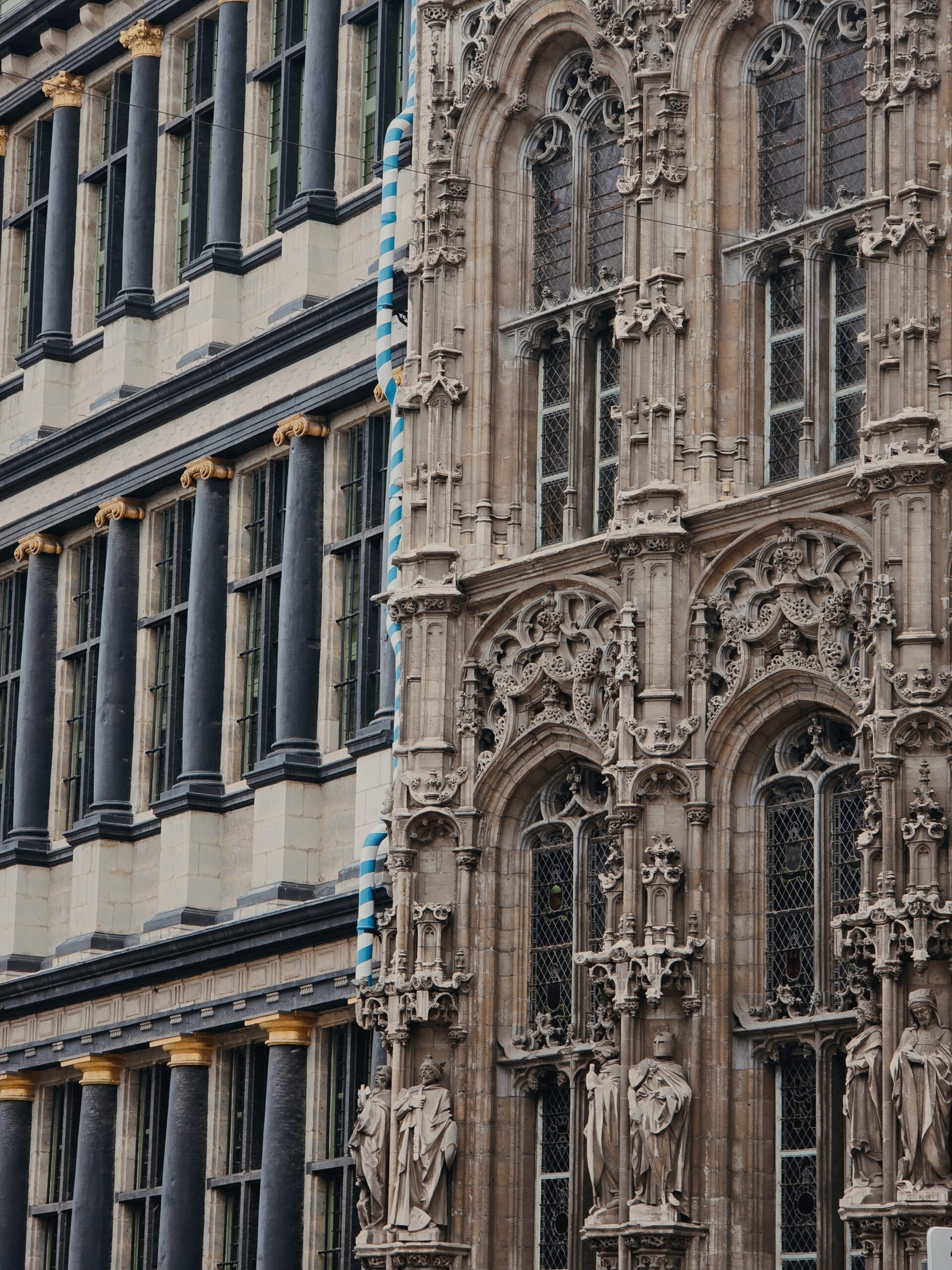
First thing to win you over is the City Hall because it’s one of those buildings that instantly pulls you in once you stop to actually look at it. What’s fascinating is how two completely different styles meet on the same façade — one side all late Gothic drama, with intricate carvings and tall, slender columns; the other is a calm Renaissance balance, marked by graceful pilasters and rounded columns that bring a sense of order and symmetry. The mix feels almost accidental, yet it tells the story of a city evolving through time — bold, artistic, and never afraid to blend old and new.
The city hall
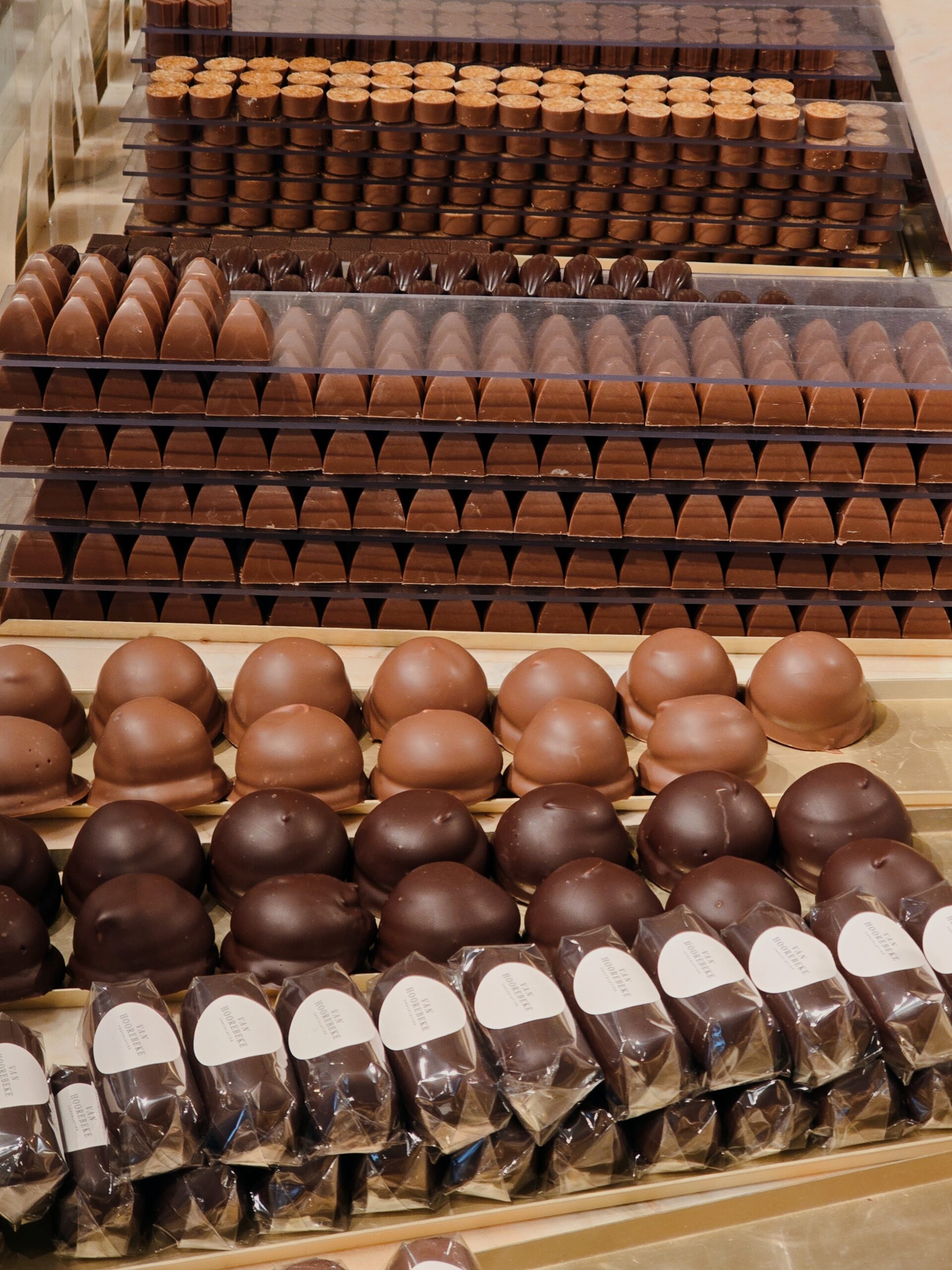
Craving Belgian chocolate?
Then we walked our way over to the cathedral of Saint Bavo – with a necessary stop at Van Hoorebeke for chocolates. One thing I will tell you is that Belgian chocolates always look tempting and delicious, but the best thing you should try is chocolate covered marshmallows. Divine.
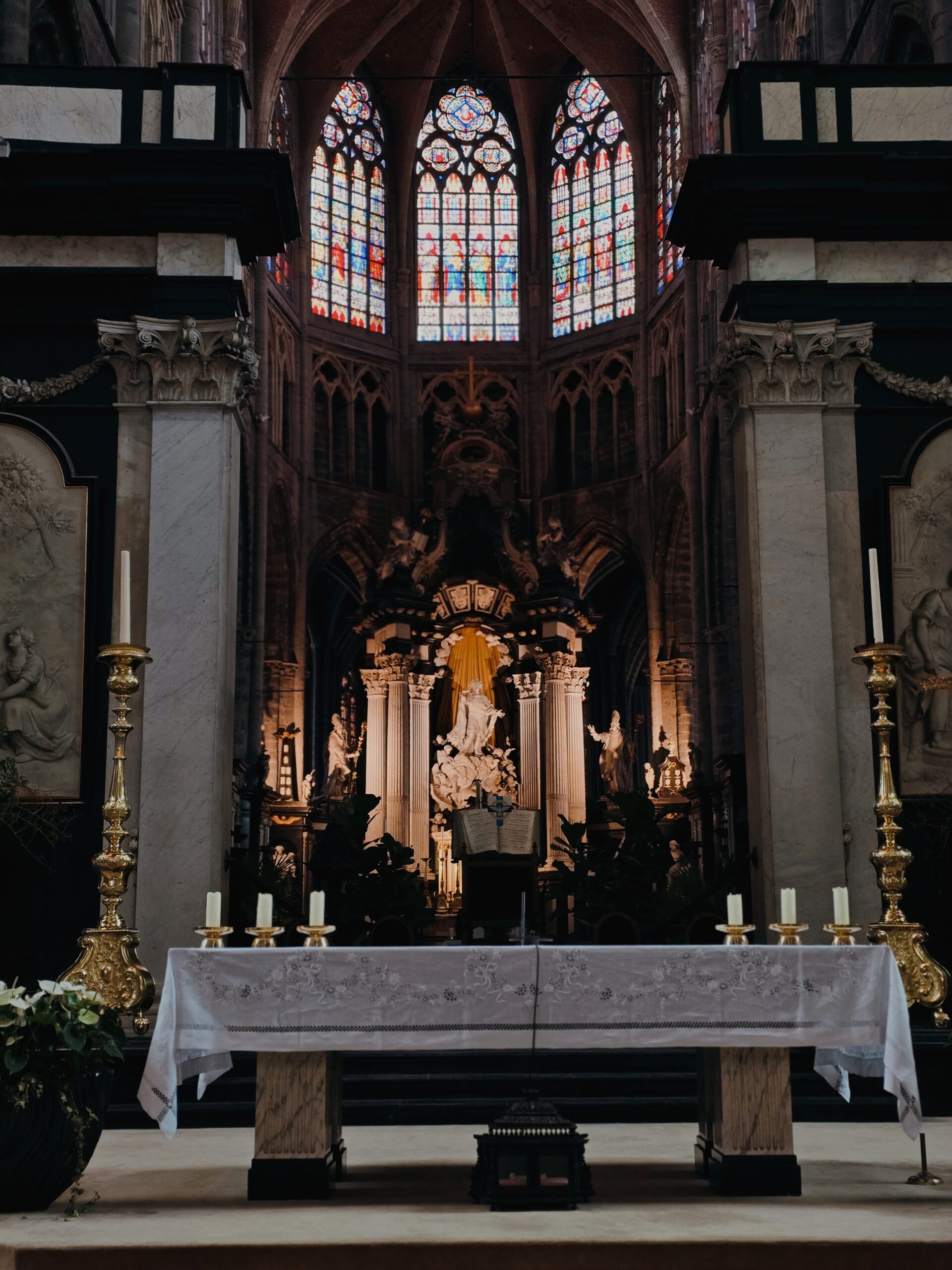
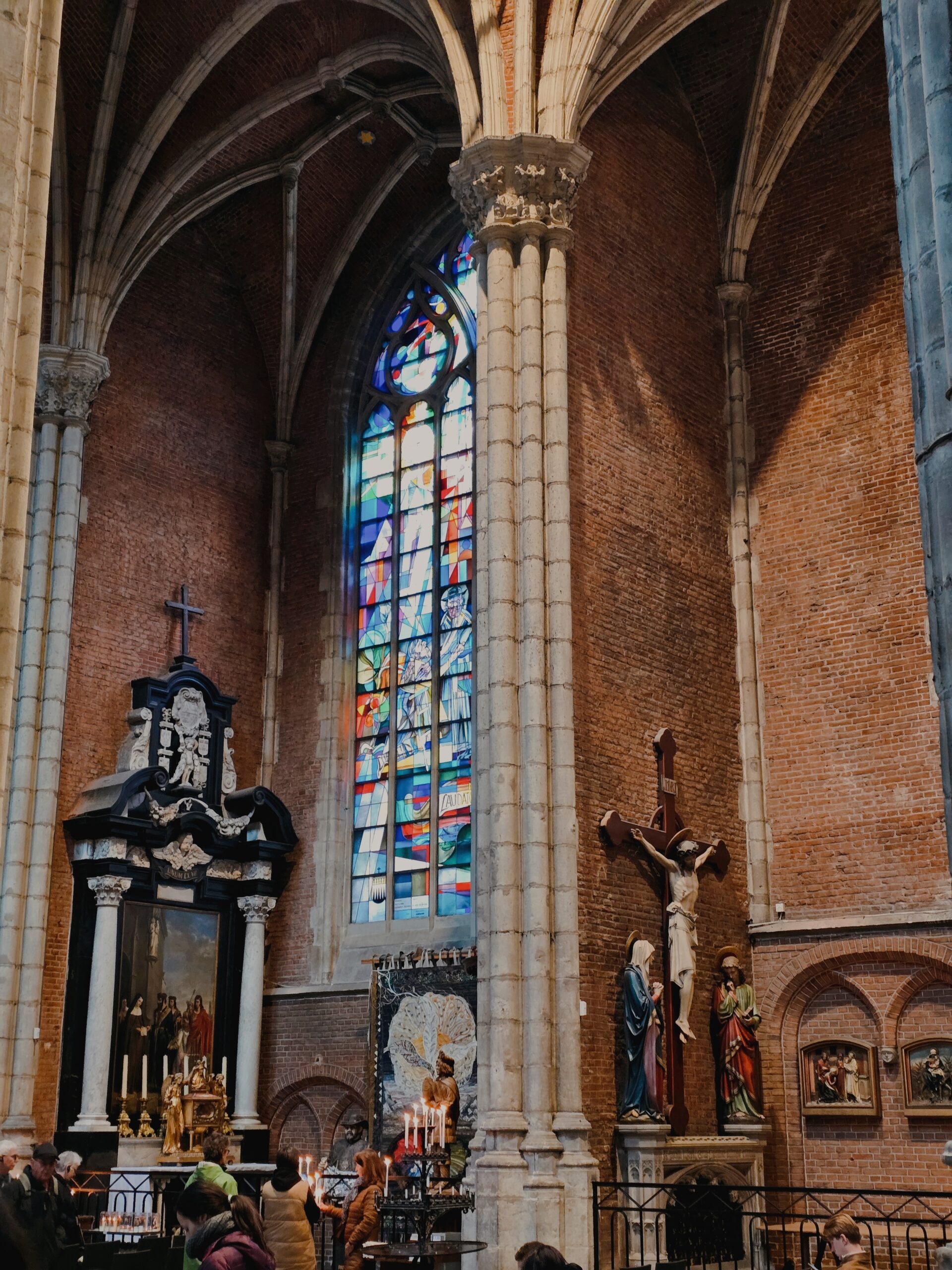
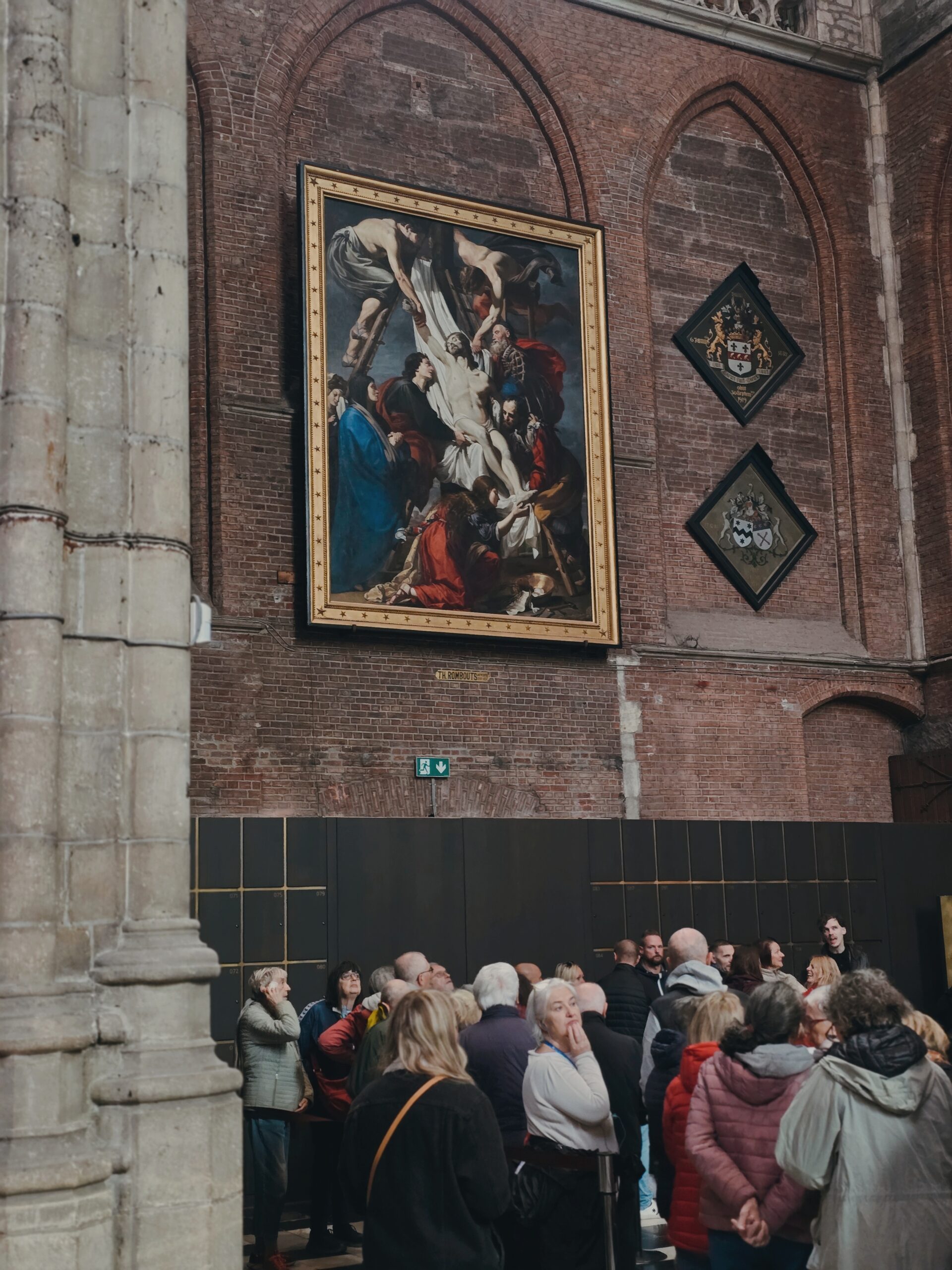
Now, back to the cathedral. The gothic architecture is breathtaking, with its high vaulted ceilings, tall stained-glass windows, and a calm, golden light that fills the space. It also includes some incredible paintings like «The Descend from the Cross» by Theodor Rombouts and the world-famous «Adoration of the Mystic Lamb» by the Van Eyck brothers.
The interior of the cathedral
Beautiful stained glass
The Descend from the Cross
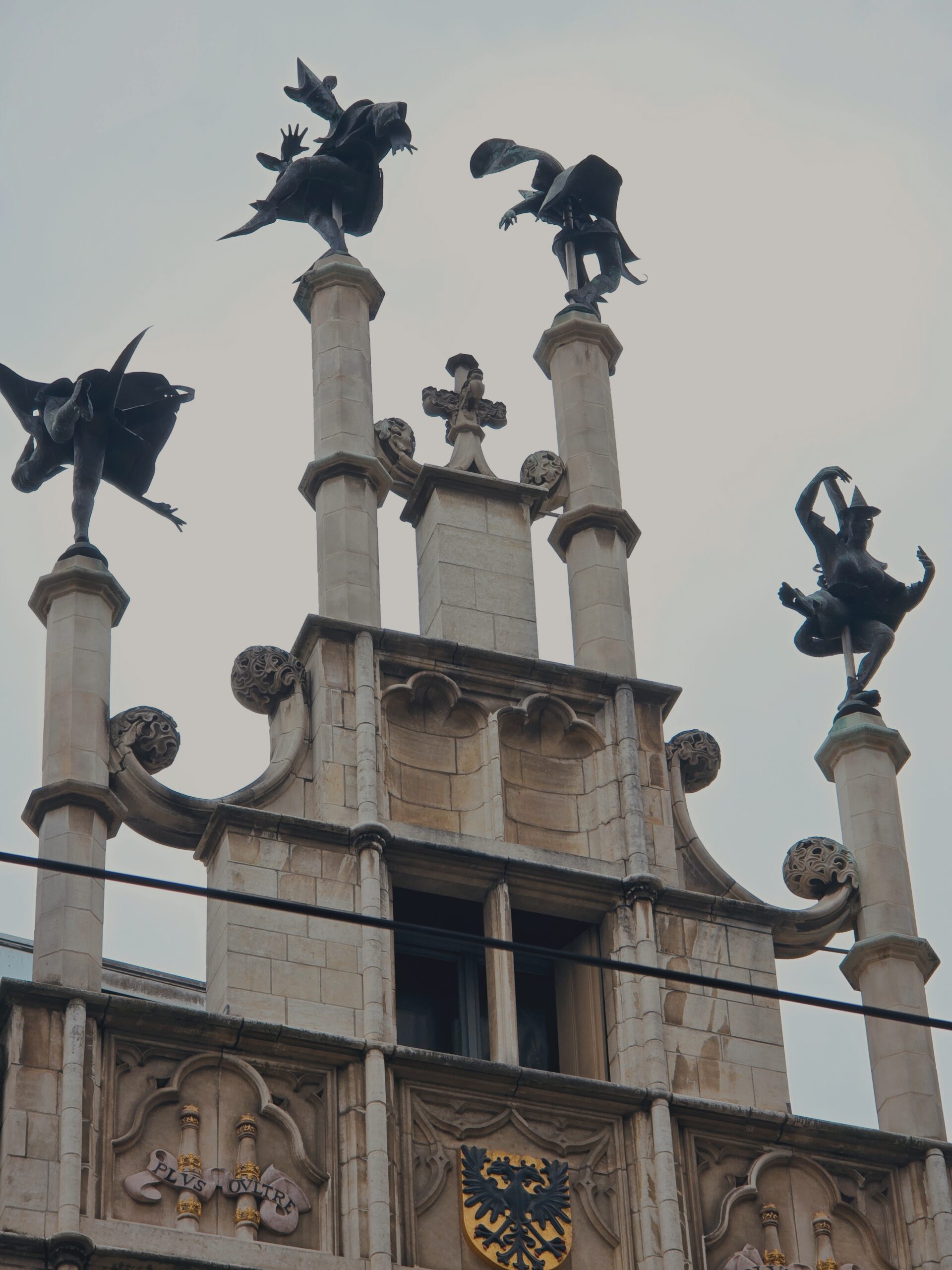
If you walk towards the bridge and Saint Nicholas’s church, the more picturesque part of the town will be slowly unveiled. The Masons’ Guild House (Metselaarshuis) is one of those buildings that makes you stop mid-walk and just stare up. Its easily recognized by its stepped gable and the row of stone figures standing like silent guardians along the roofline.
Built in the early 16th century, it was the headquarters of Ghent’s stonemasons — fittingly one of the city’s most ornate façades, all sharp angles and fine Gothic detail. The version you see today is actually a careful reconstruction from the early 20th century, but it still captures that same spirit of craftsmanship and pride that defined Ghent’s medieval guilds.
Masons' Guild House
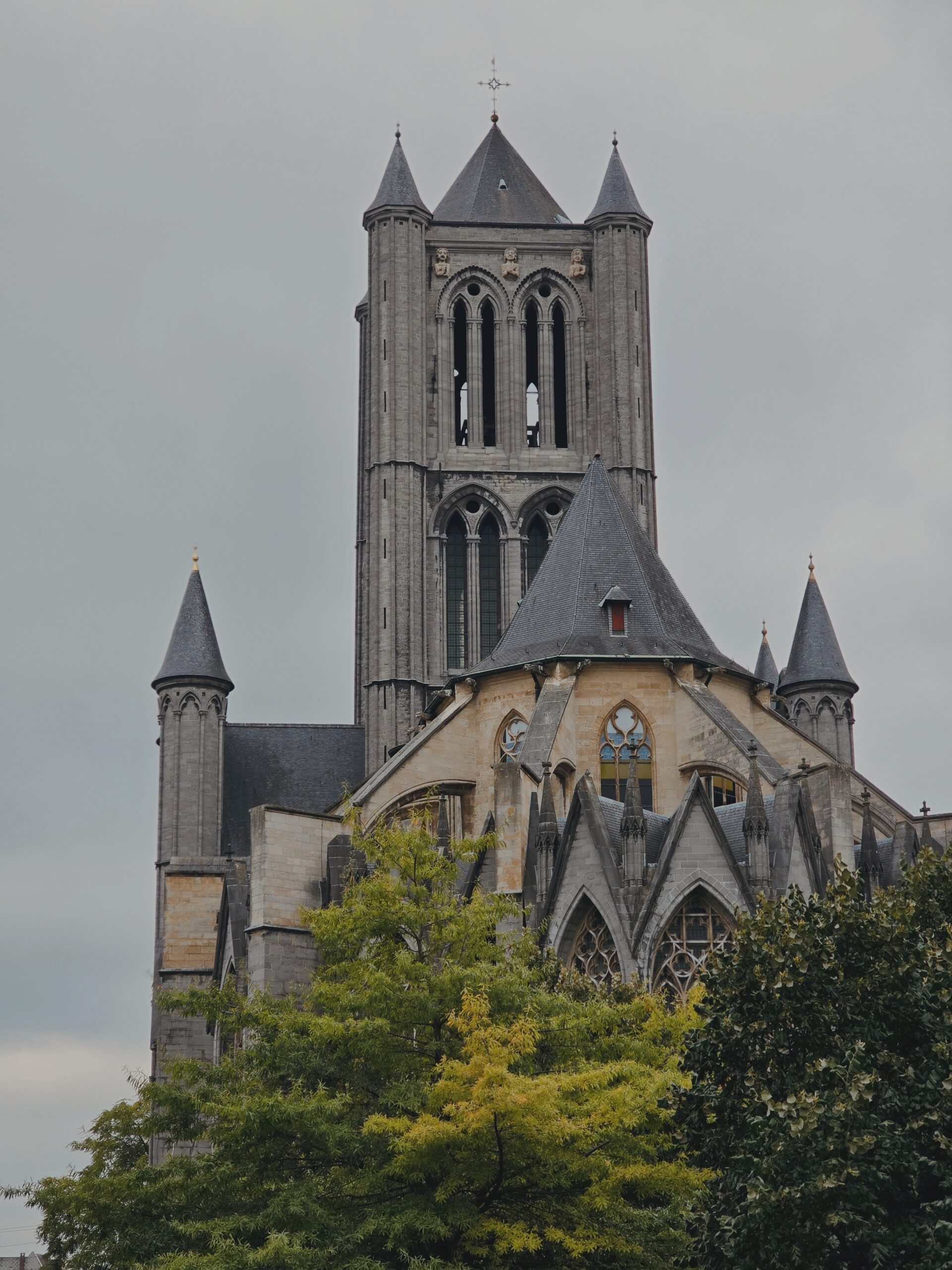
Saint Nicholas's church
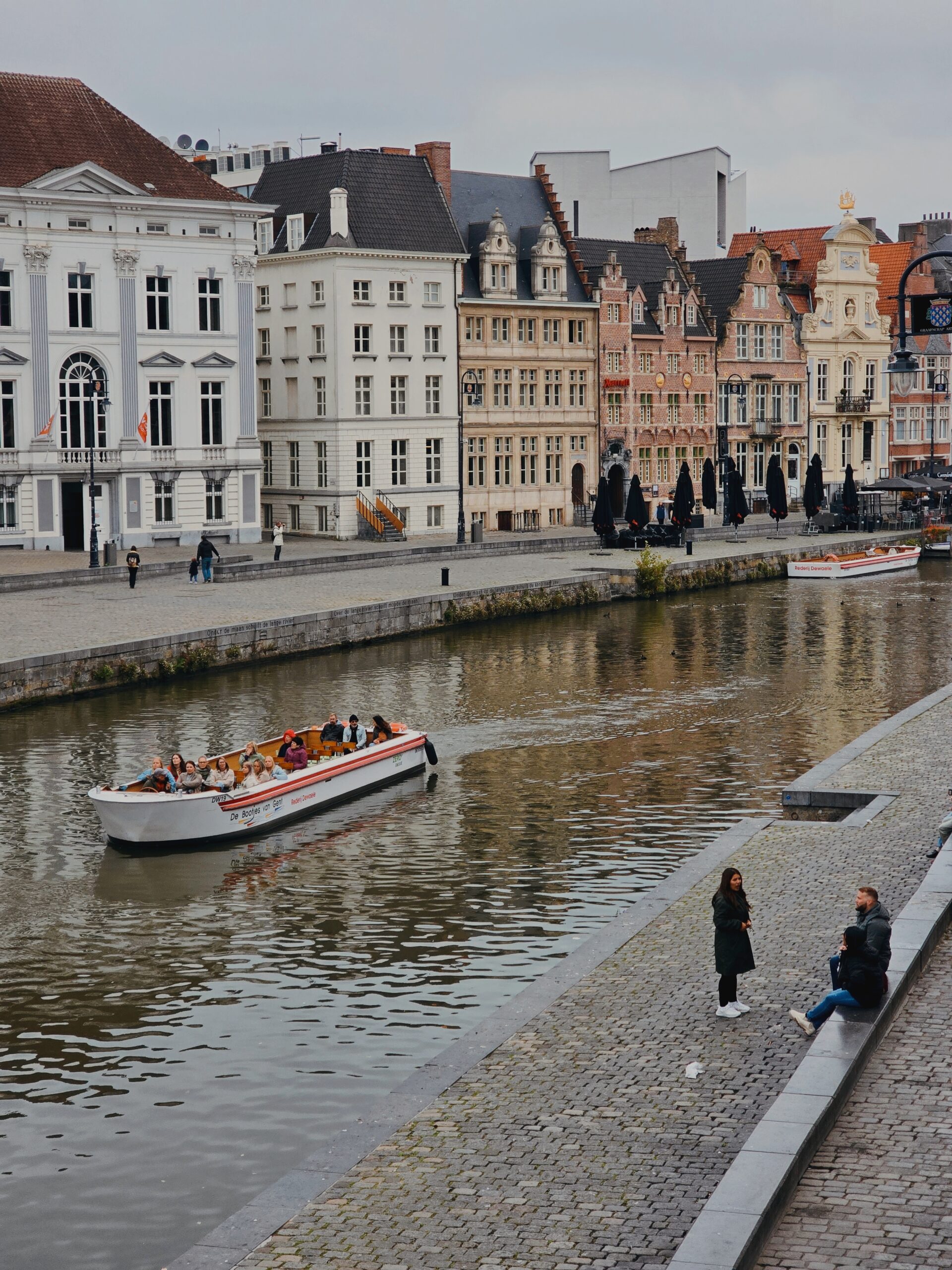
The houses lined up on the waterfront
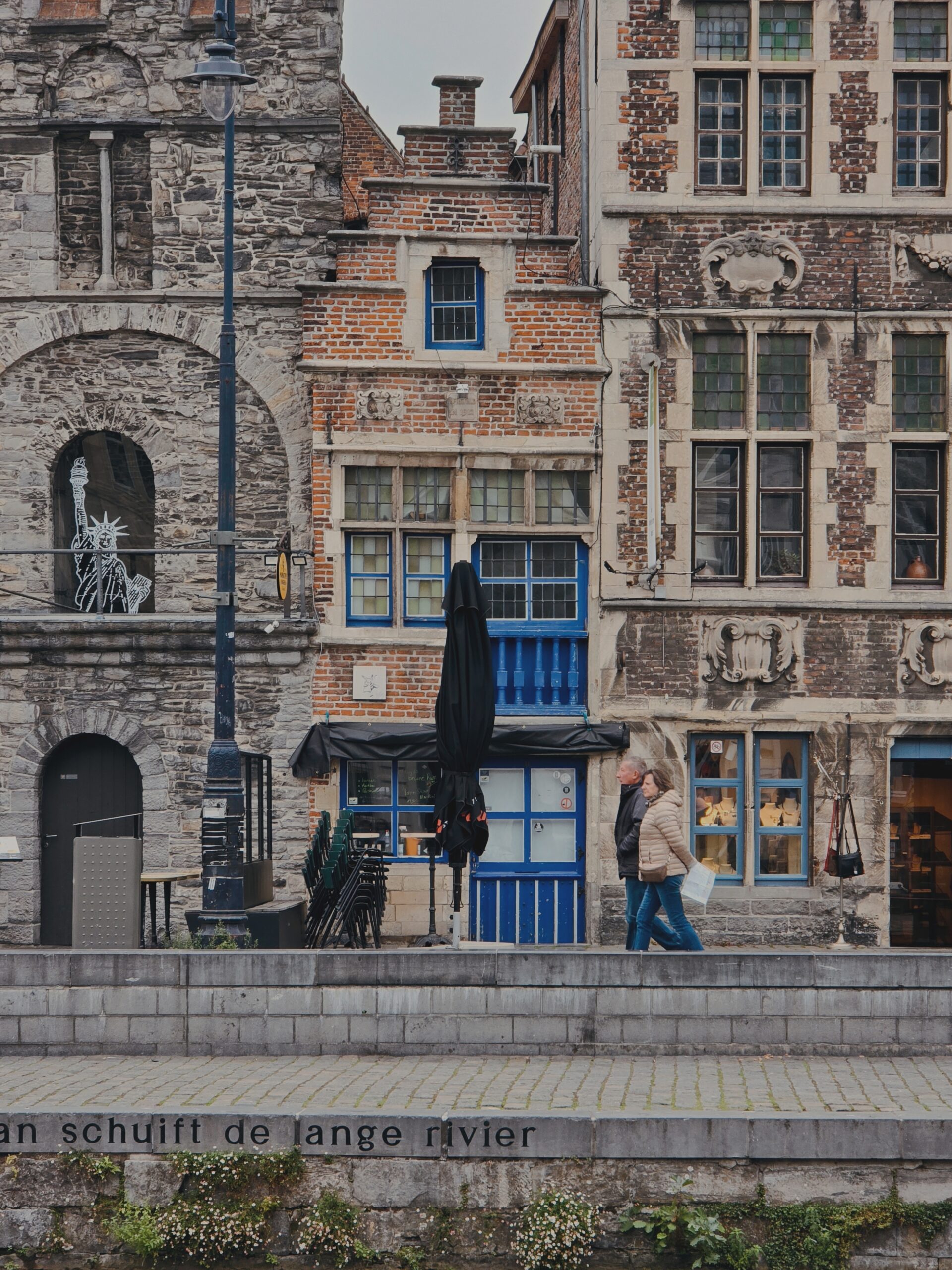
The Toll House
A bit further you walk on the bridge over the river. It is no exaggeration to call the Lys river one of Ghent’s main attractions. The river, which originates in Northern France, occupies a prominent spot in this riverside city. On the one side, you will notice a thin, blue building tucked between two taller ones. That’s the Toll House, and small buildings like that were used for collecting tolls or dues along river trade routes.
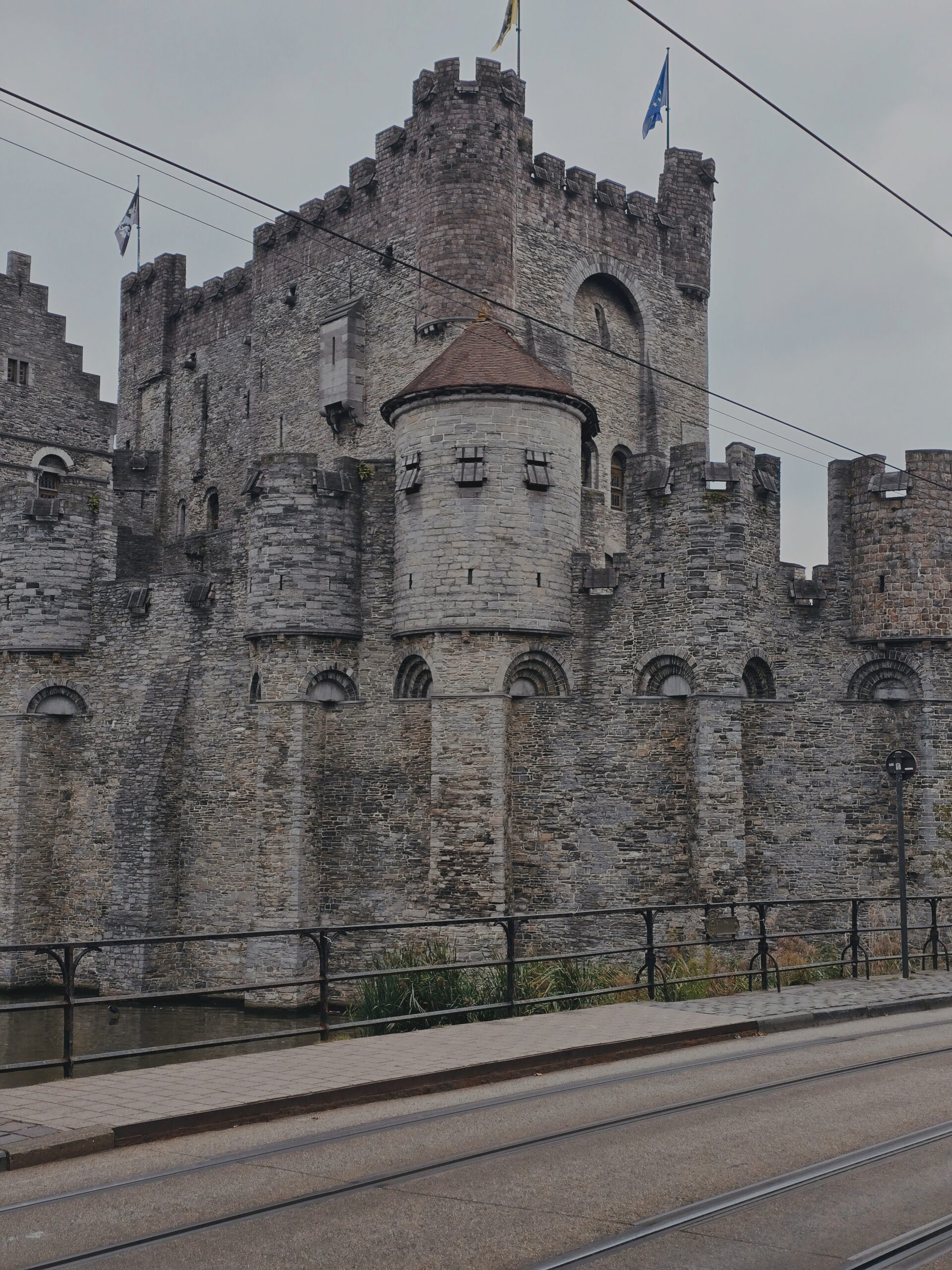
I was following the curve of the canal, walking in the quieter streets, when I came across the Castle of the Counts – a massive grey fortress rising out of the middle of the city – looking like it’s been pulled straight from a medieval legend. Originally built in 1180 by Count Philip of Alsace, it served as the residence of the Counts of Flanders for a time, but over the centuries, it took on very different roles — it became a court, a prison, and later even housed a textile factory in the 19th century.
The Castle of the Counts
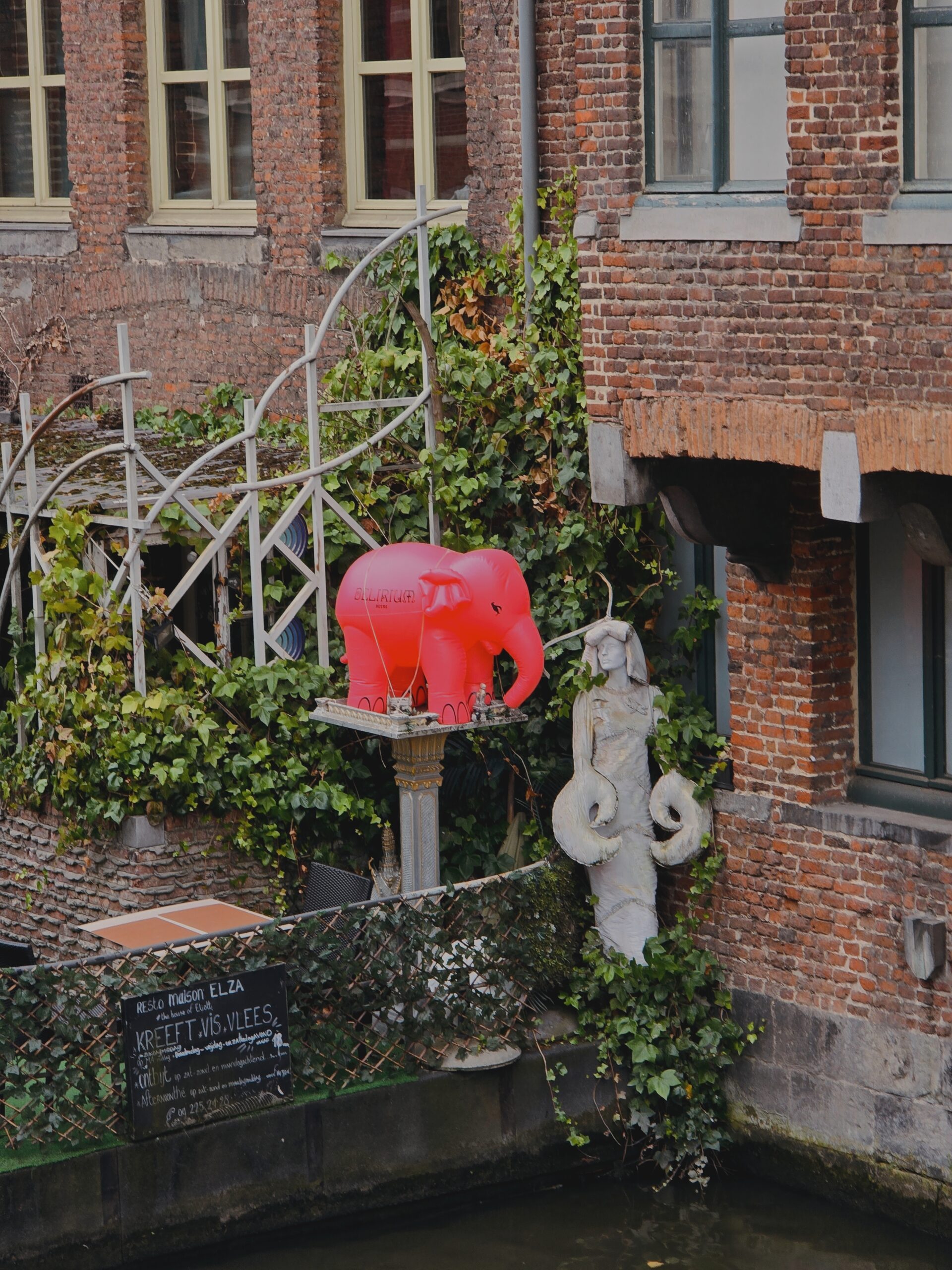
Just a random art pop on the canal
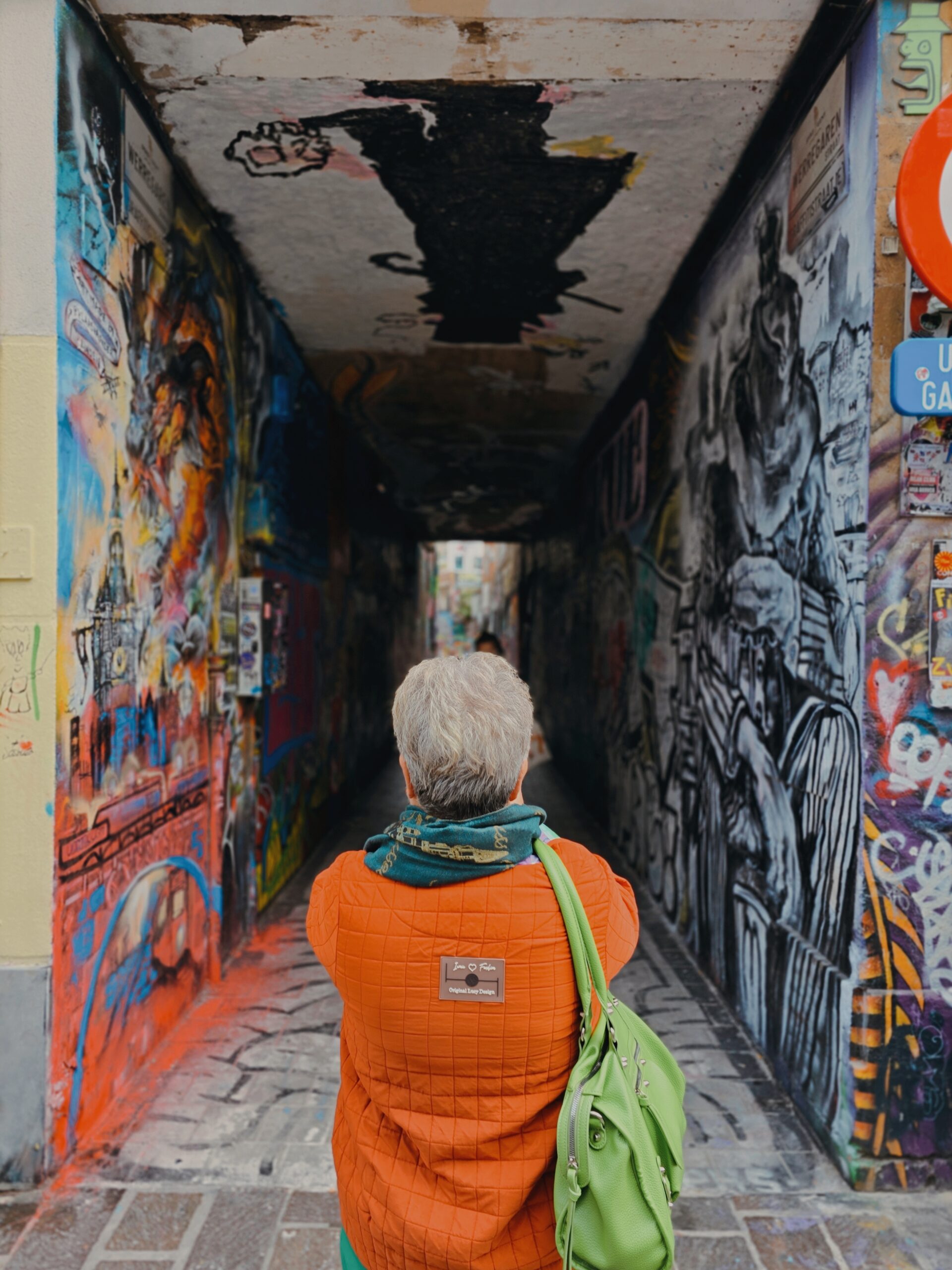
A colorful passage on our way back
Finally, we slowly circled back to the City Hall, passing by vibrant squares and colorful passages. Despite the grey sky, it was obvious that Ghent really is a beautiful town, offering both a quiet retreat and everything you might need. I went in expecting a quiet little Belgian town, without any thoughts or visual images, as it was just an extra stop on my trip to Bruges, and instead I found this vibrant mix of history, creativity, and canals that feel almost too pretty to be real.