Ultimate Guide to Tunis: Top attractions, tips and day trips
T
unisia has been on my radar lately and the opportunity came quickly. One week in this country turned out to be one of the most interesting experiences and I will tell you exactly why.
It felt like entering a city where history and modern life coexist in a vibrant, unexpected harmony.
For starters, let’s say that the country is now starting to find its feet again in the tourism department. Several major events created periods during which tourism was heavily restricted, discouraged, or partially shut down, the first being the 2011 revolution. The flights from Athens take place once a week, so we had to stretch out our schedule from Saturday to Saturday
Things to know:
-If you need a visa (like I did, from Cyprus) make sure you send in the application at least one month before your trip. You will receive an approval, and the visa will be issued (and paid) on arrival.
-You can’t exchange money before your trip. You have to pay for the visa in Tunisian dinars and they will guide you where to exchange in the airport.
-The official languages are Tunisian Arabic (Darija) and French, but many speak even the basic English especially in tourist areas.
1. Bardo National Museum
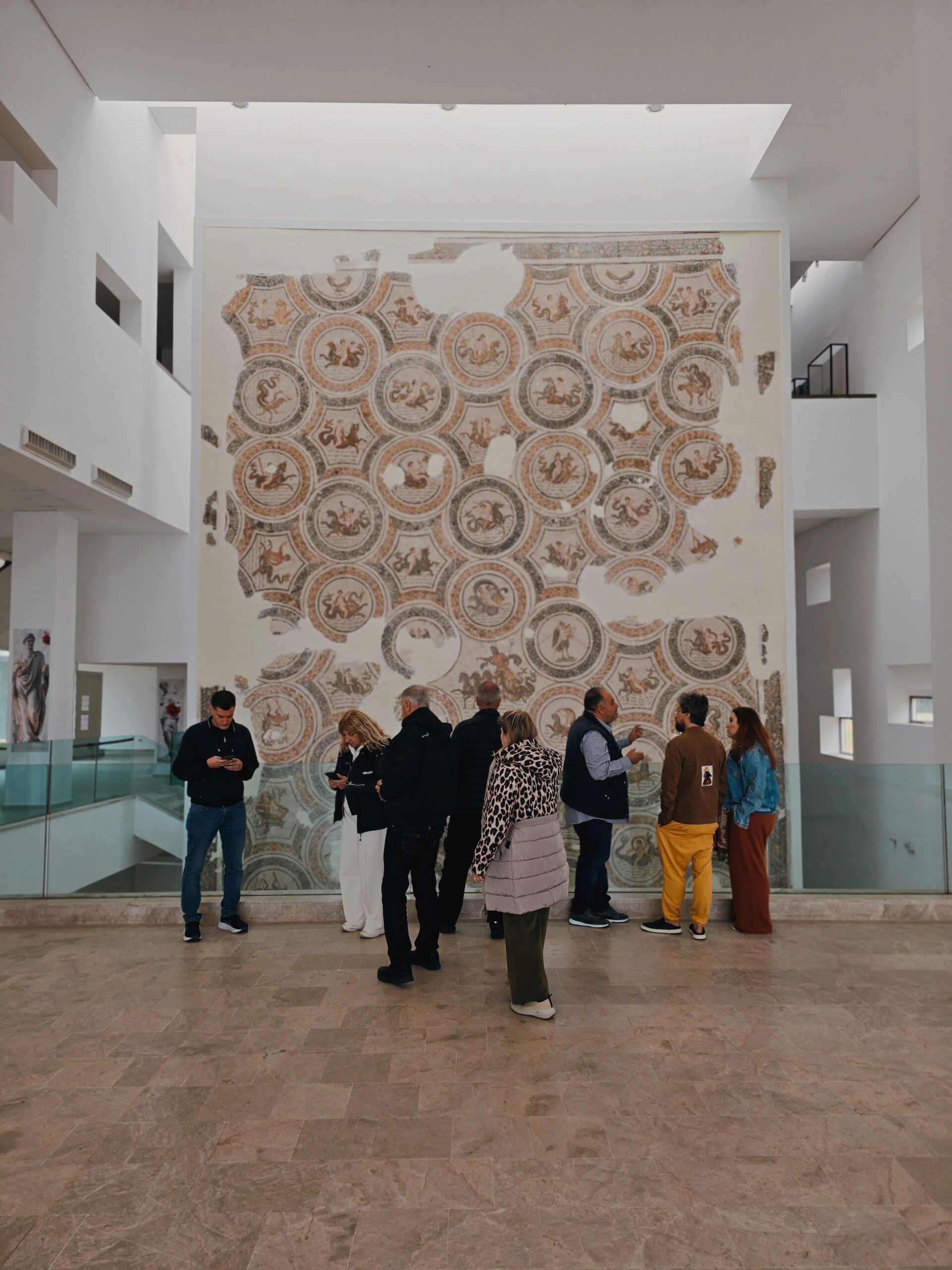
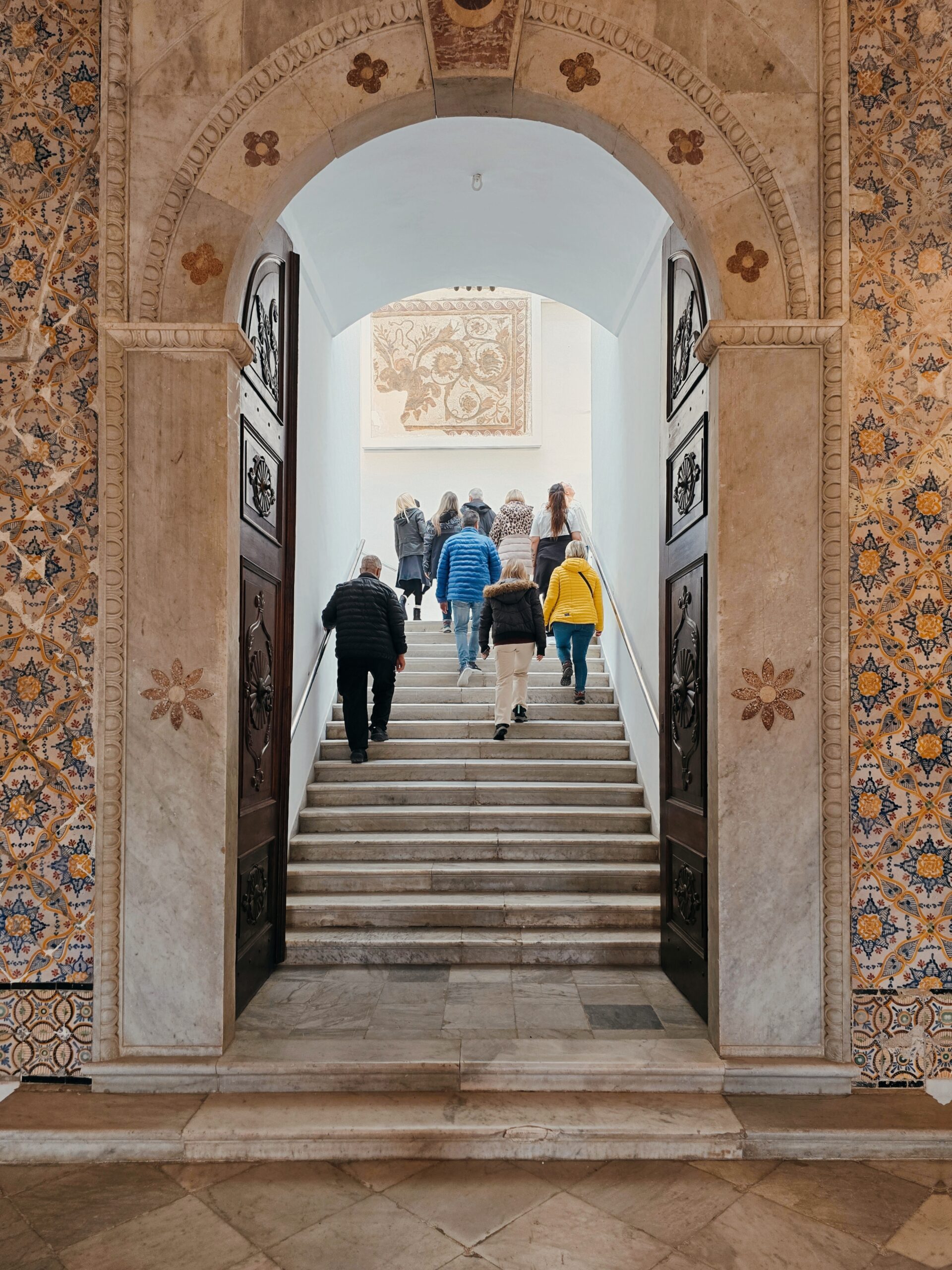
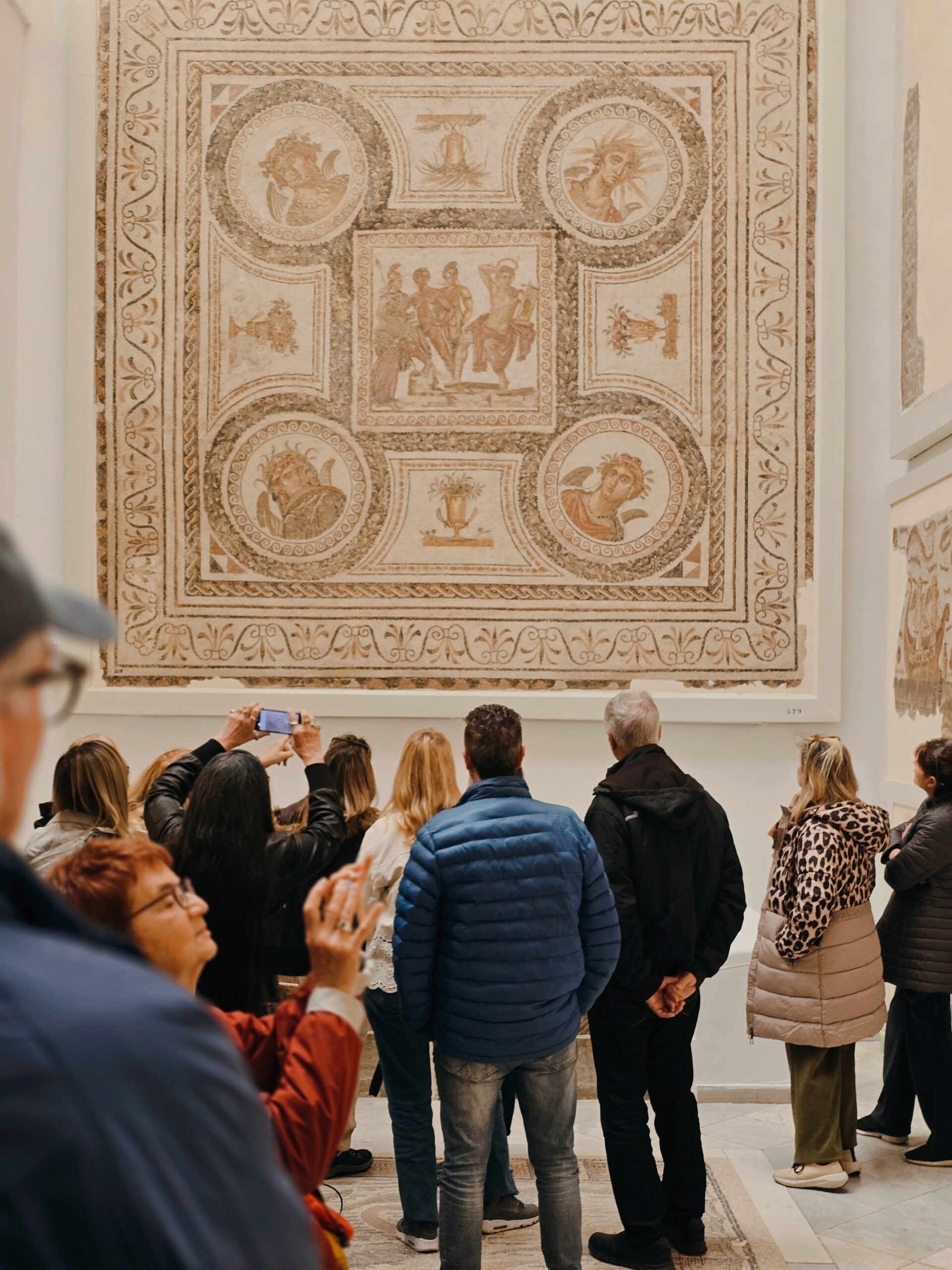
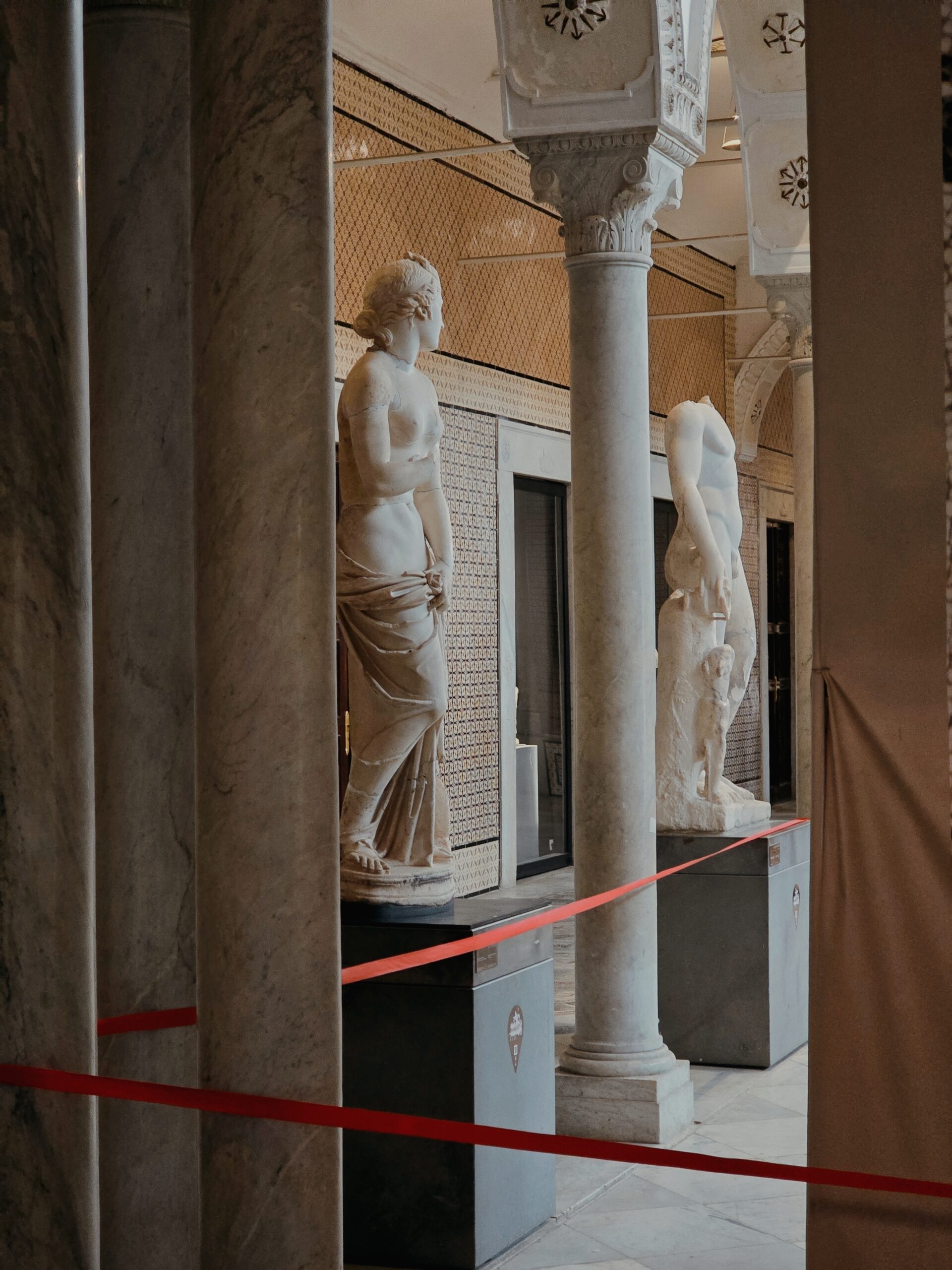
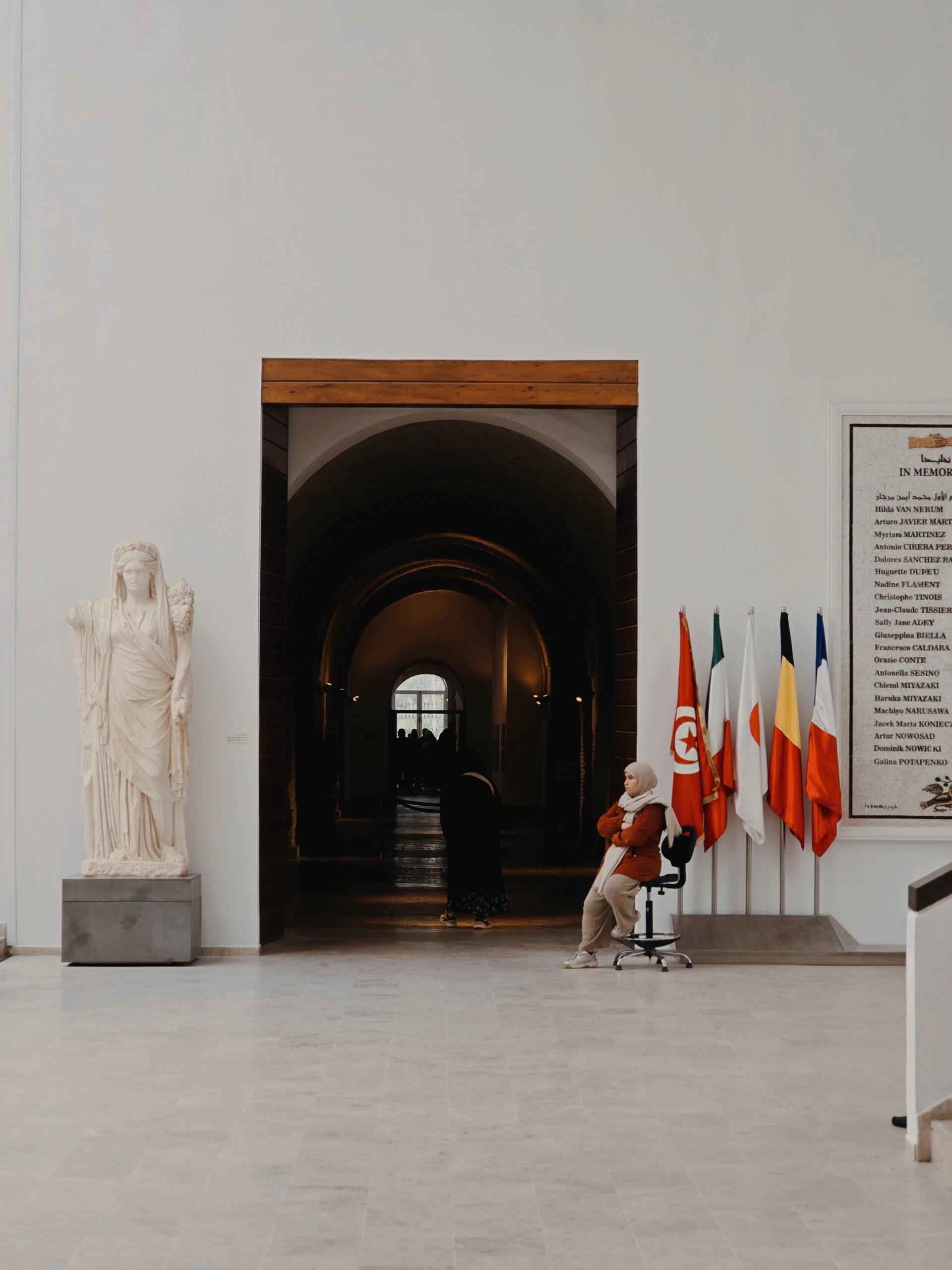
The Bardo Museum is one of North Africa’s greatest cultural treasures, famous for its extraordinary collection of Roman mosaics and beautifully preserved artifacts from Tunisia’s long and layered history. Housed in a former palace, the museum blends graceful Ottoman architecture with modern exhibition spaces, creating an atmospheric setting for exploring Punic, Roman, Byzantine, and Islamic eras. Highlights include vast mosaic floors discovered in ancient cities like Dougga and El Jem, intricate statues, and objects that bring Tunisia’s civilizations to life. Entrance fee is 13 TND.
2. Sidi Bou Said
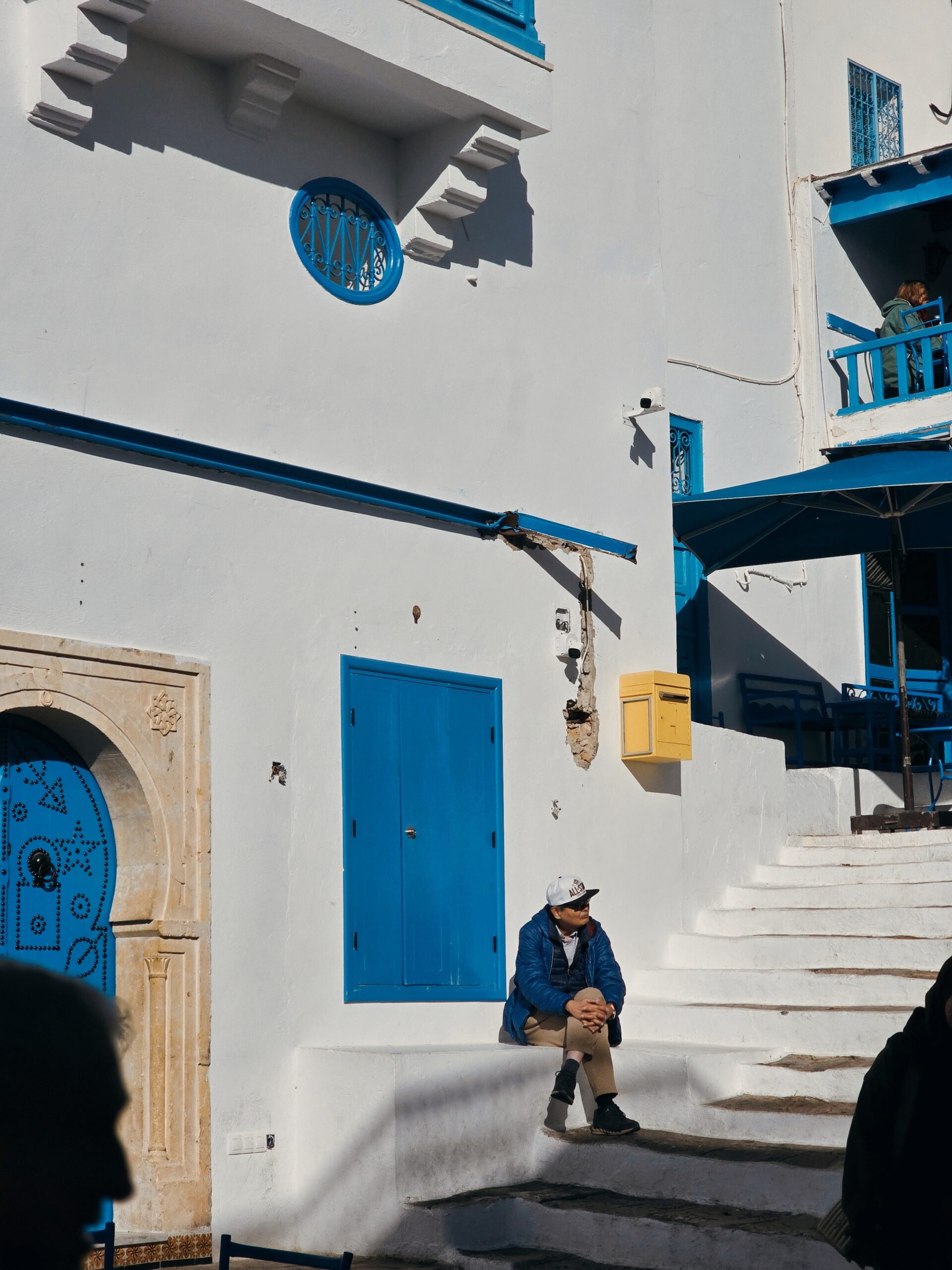
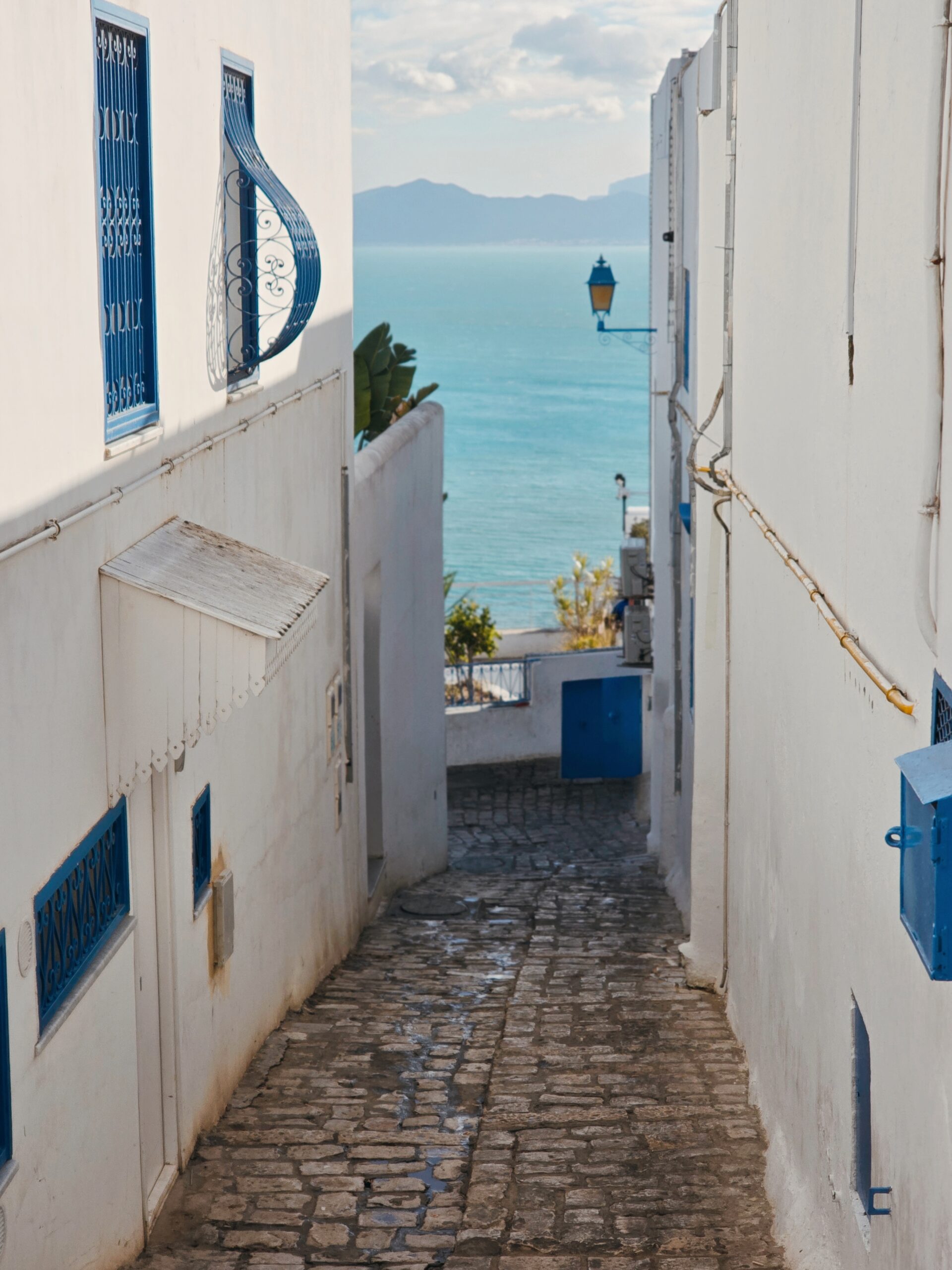
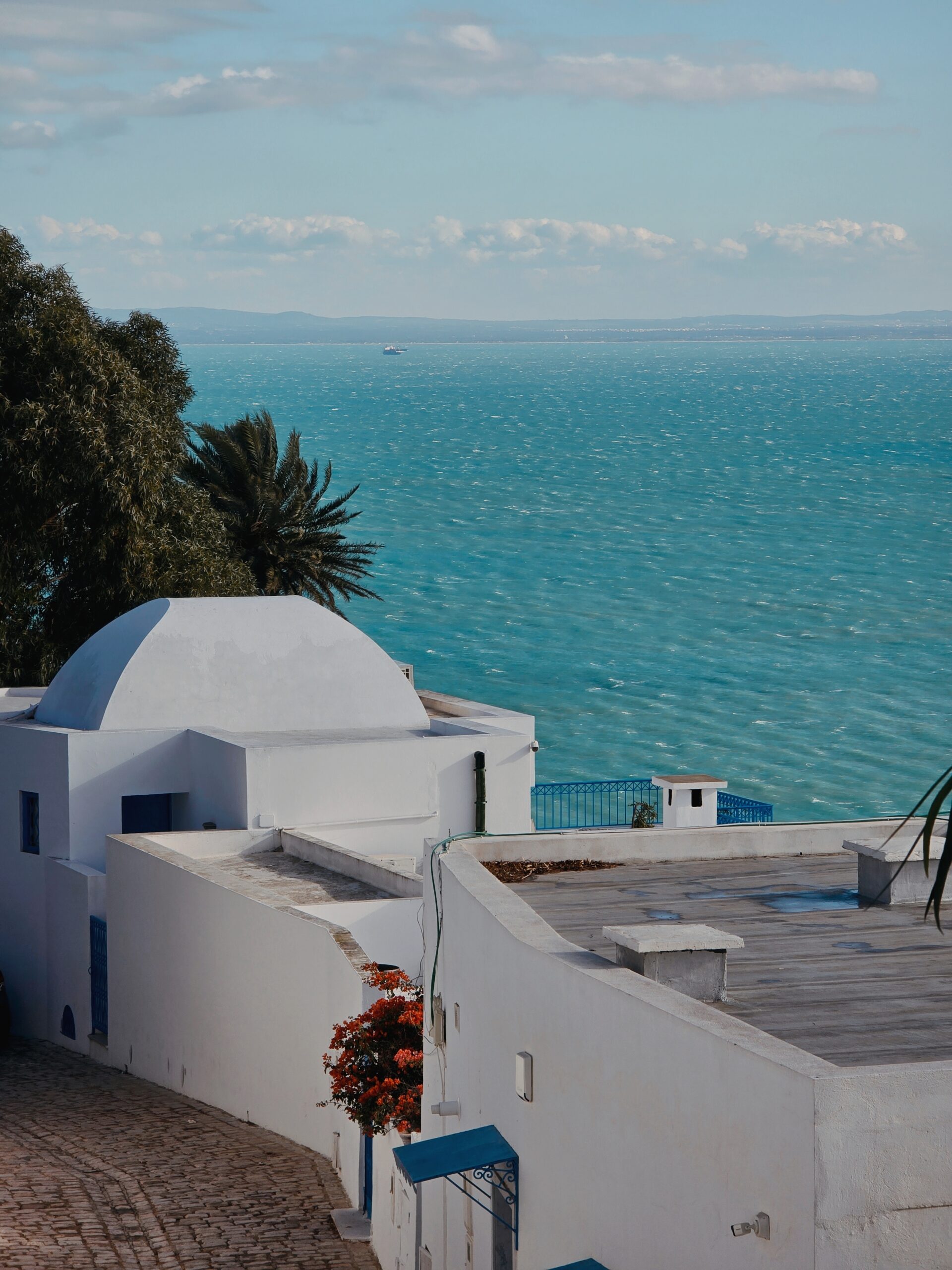
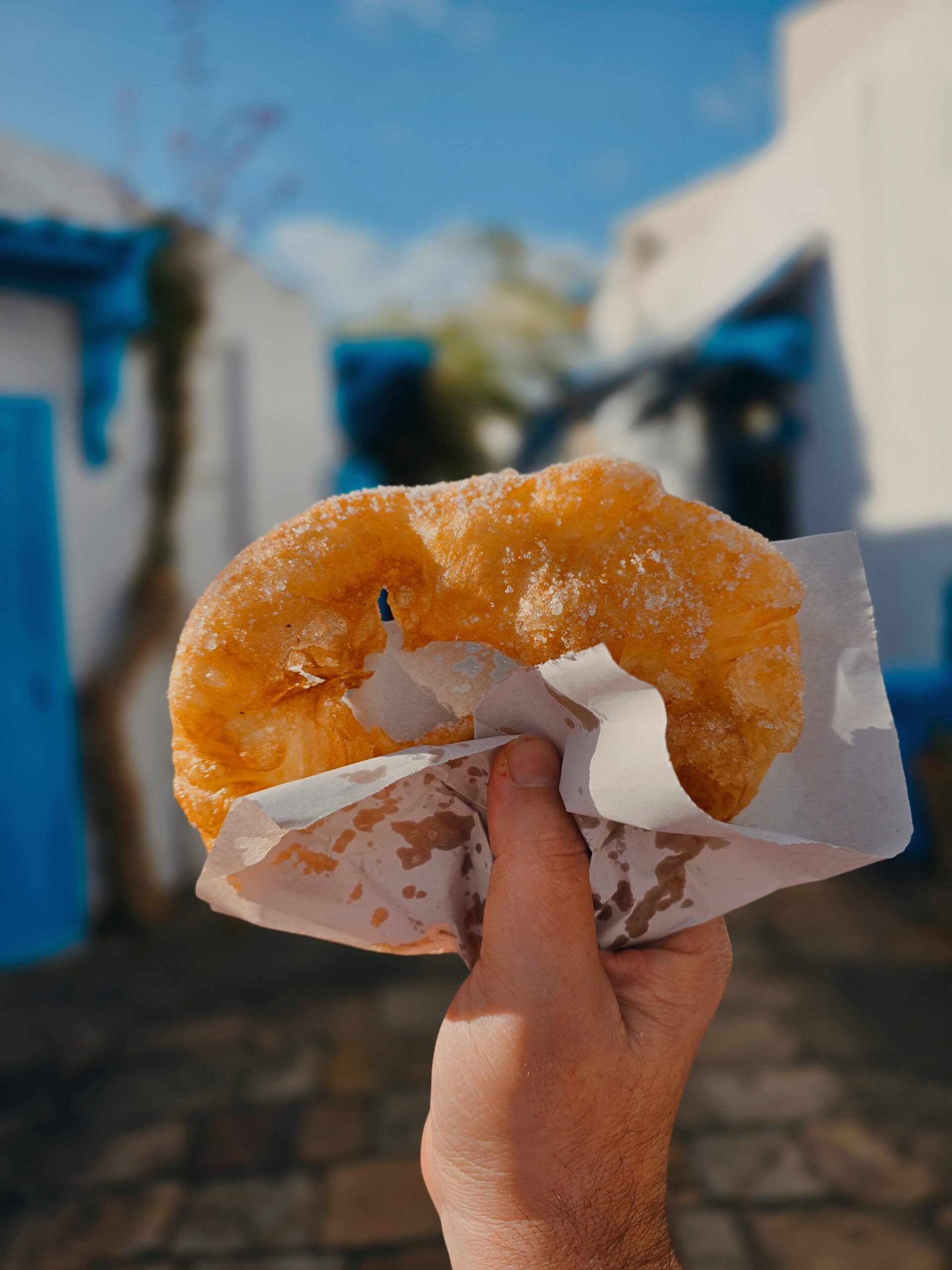
Here, you will feel like you are transported to a Greek island. Sidi Bou Said is a picturesque town located on a cliff overlooking the Mediterranean Sea in northern Tunisia, just a few kilometers from Tunis. Famous for its striking blue-and-white architecture, the town exudes a charming, Mediterranean ambiance that has inspired artists, writers, and musicians for decades. Its narrow, cobblestone streets are lined with cafés, artisan shops, and galleries, offering visitors a blend of traditional Tunisian culture and vibrant artistic life.
While you’re at it, please enjoy a Tunisian bambalouni. A deep-fried doughnut made from a simple yeast-based dough, and usually sprinkled with sugar. Don’t underestimate its simplicity, it’s honestly one of the tastiest snacks I tried.
3. Ancient Carthage
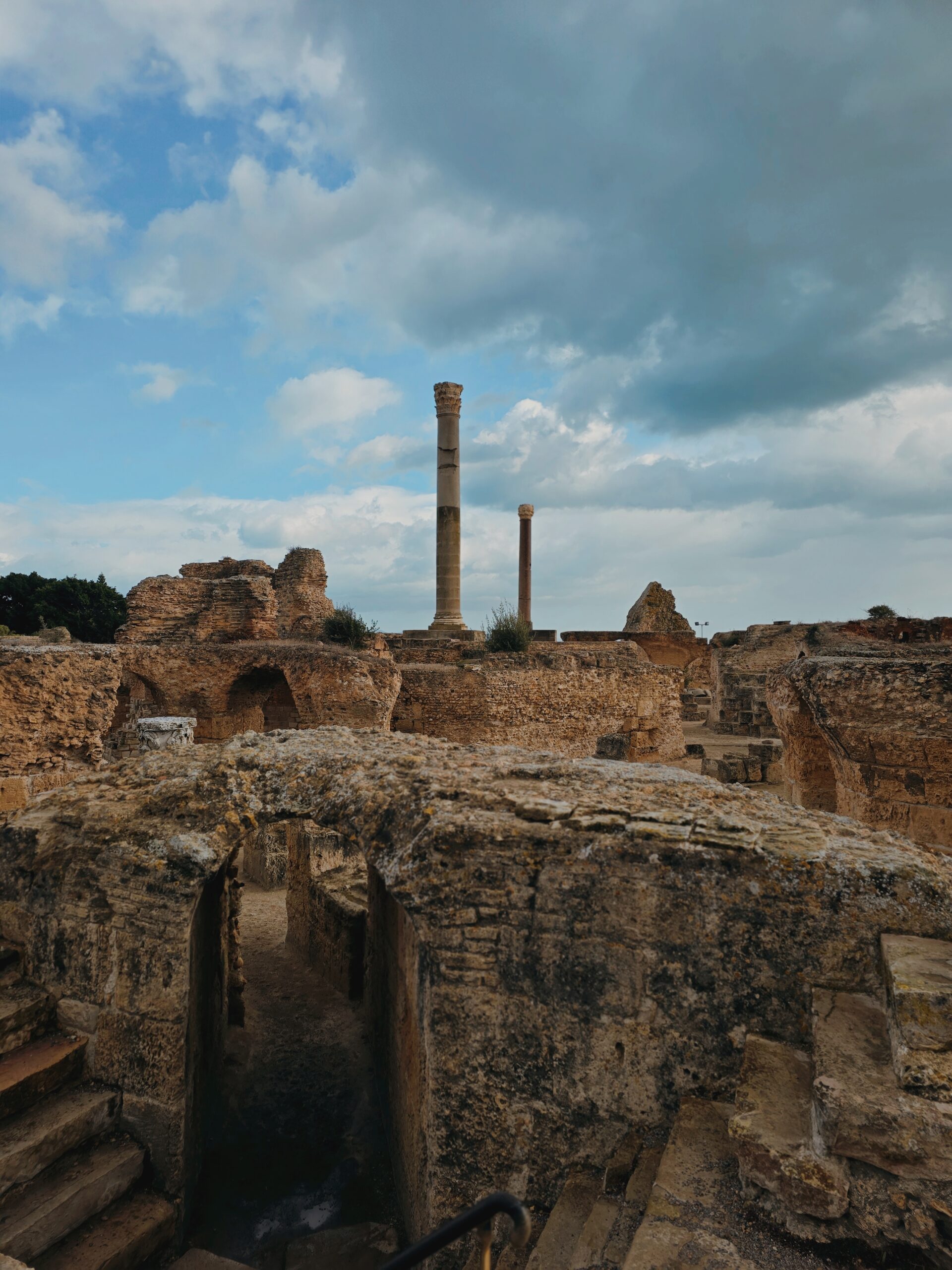
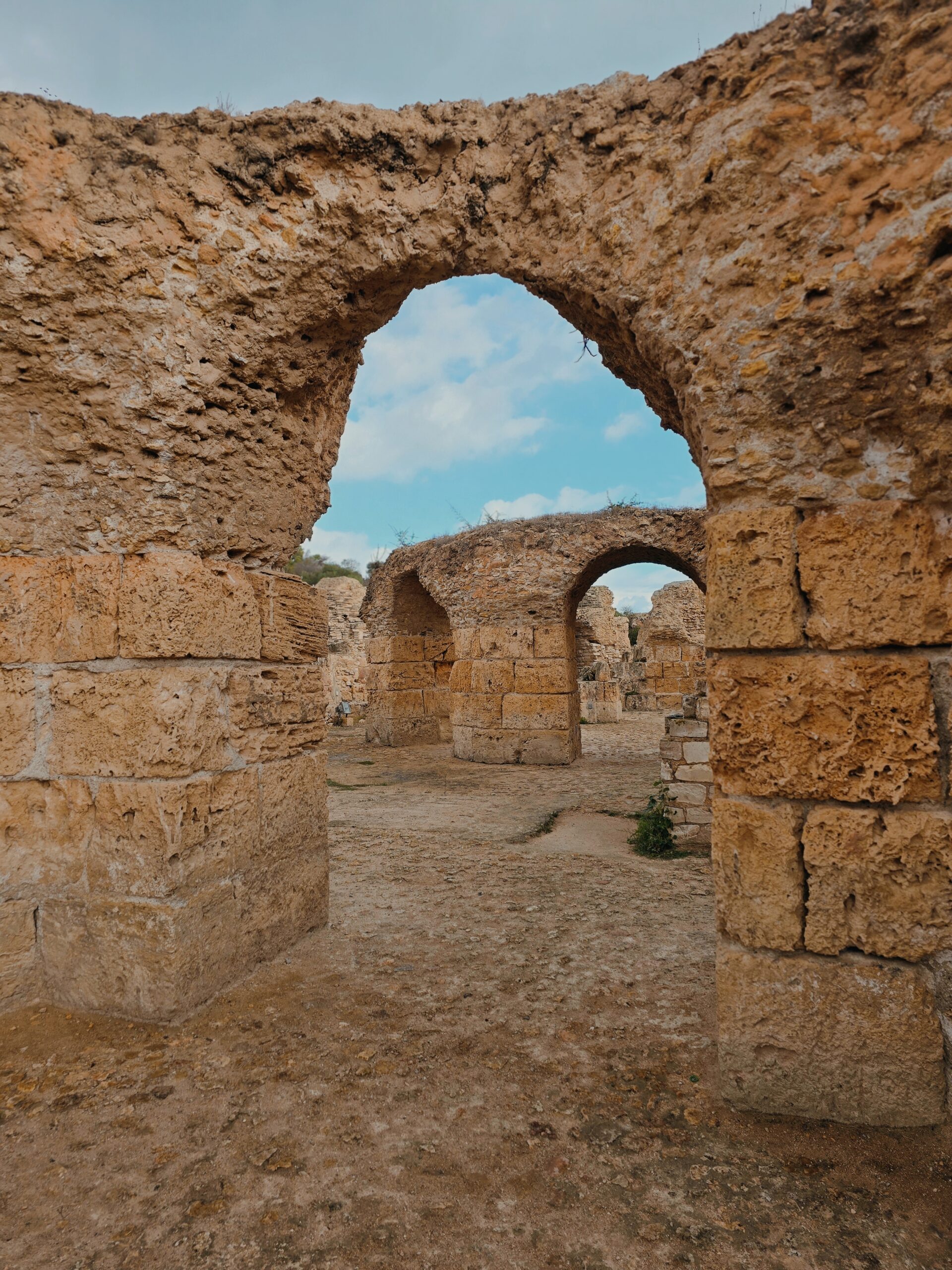
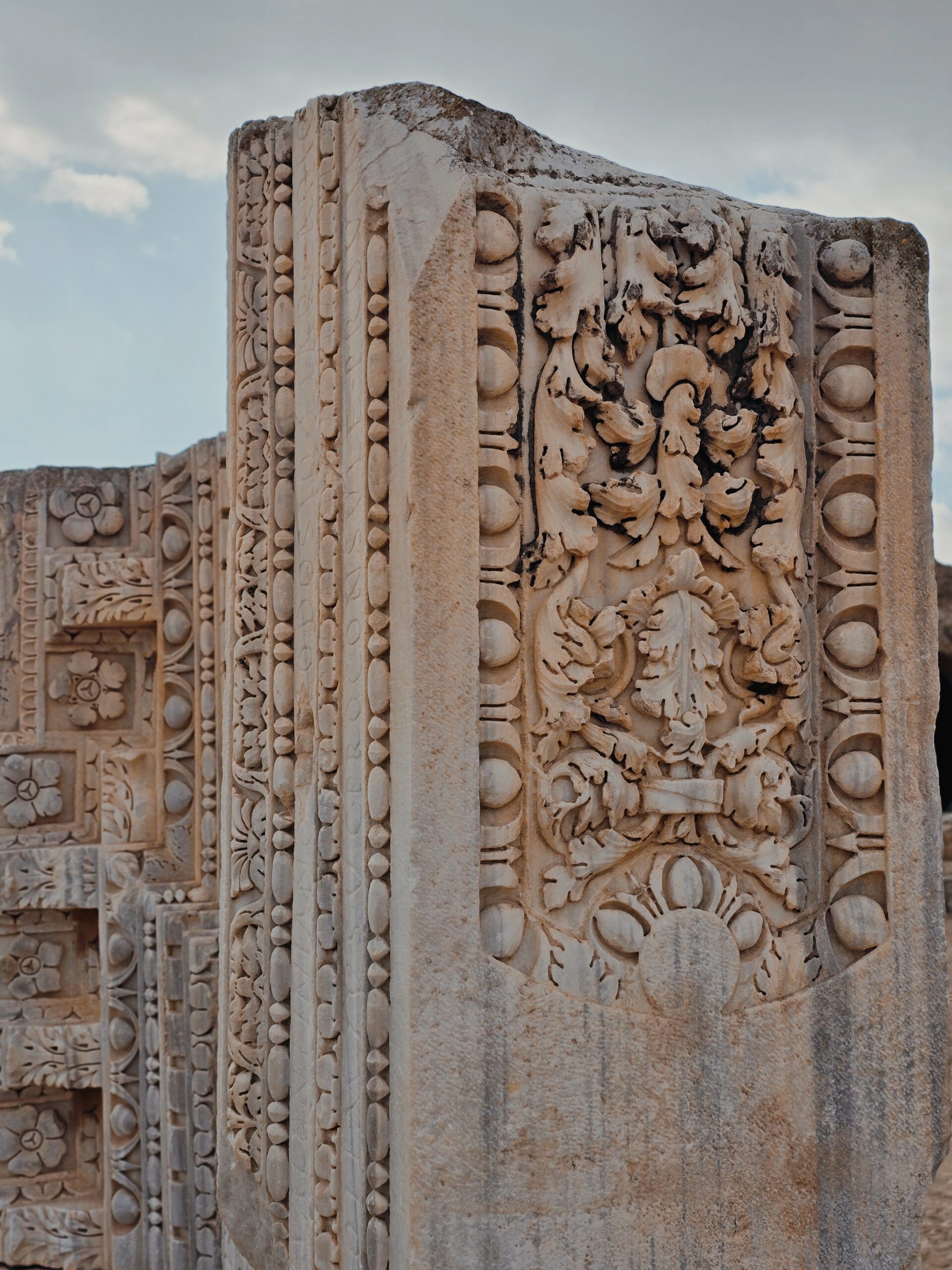
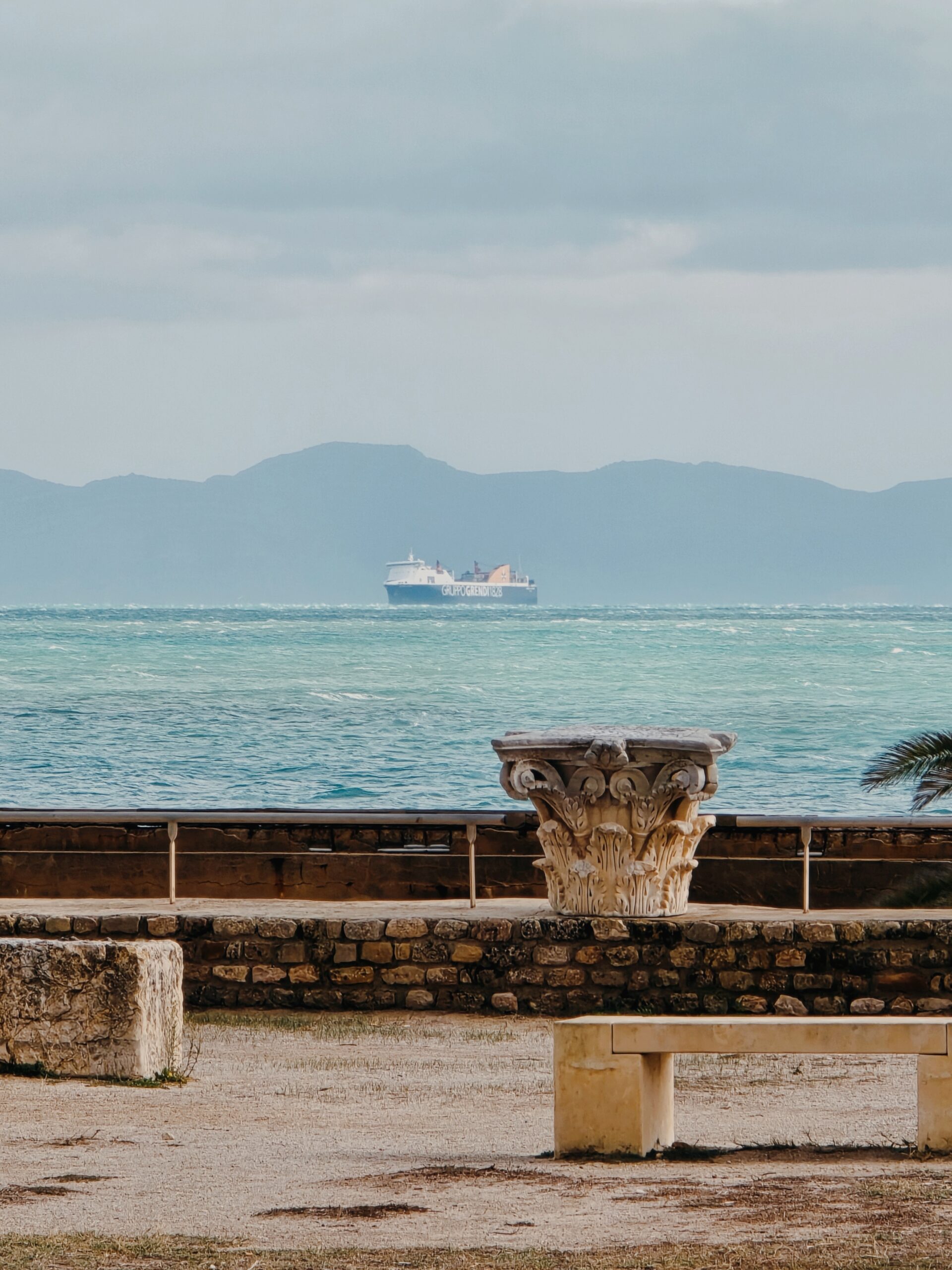
Just a short ride from central Tunis, you will get to Carthage – one of the Mediterranean’s most evocative archaeological sites. Spread over several hilltops and overlooking the Bay of Tunis, the ruins include the famed Antonine Baths, the Punic ports, temples, villas, and the Byrsa Hill acropolis. Though much of ancient Carthage was destroyed and rebuilt multiple times, wandering through its open-air sites still gives a powerful sense of the city’s former grandeur as the capital of the Carthaginian Empire and later a major Roman center. Entrance fee is 12 TND.
4. Medina
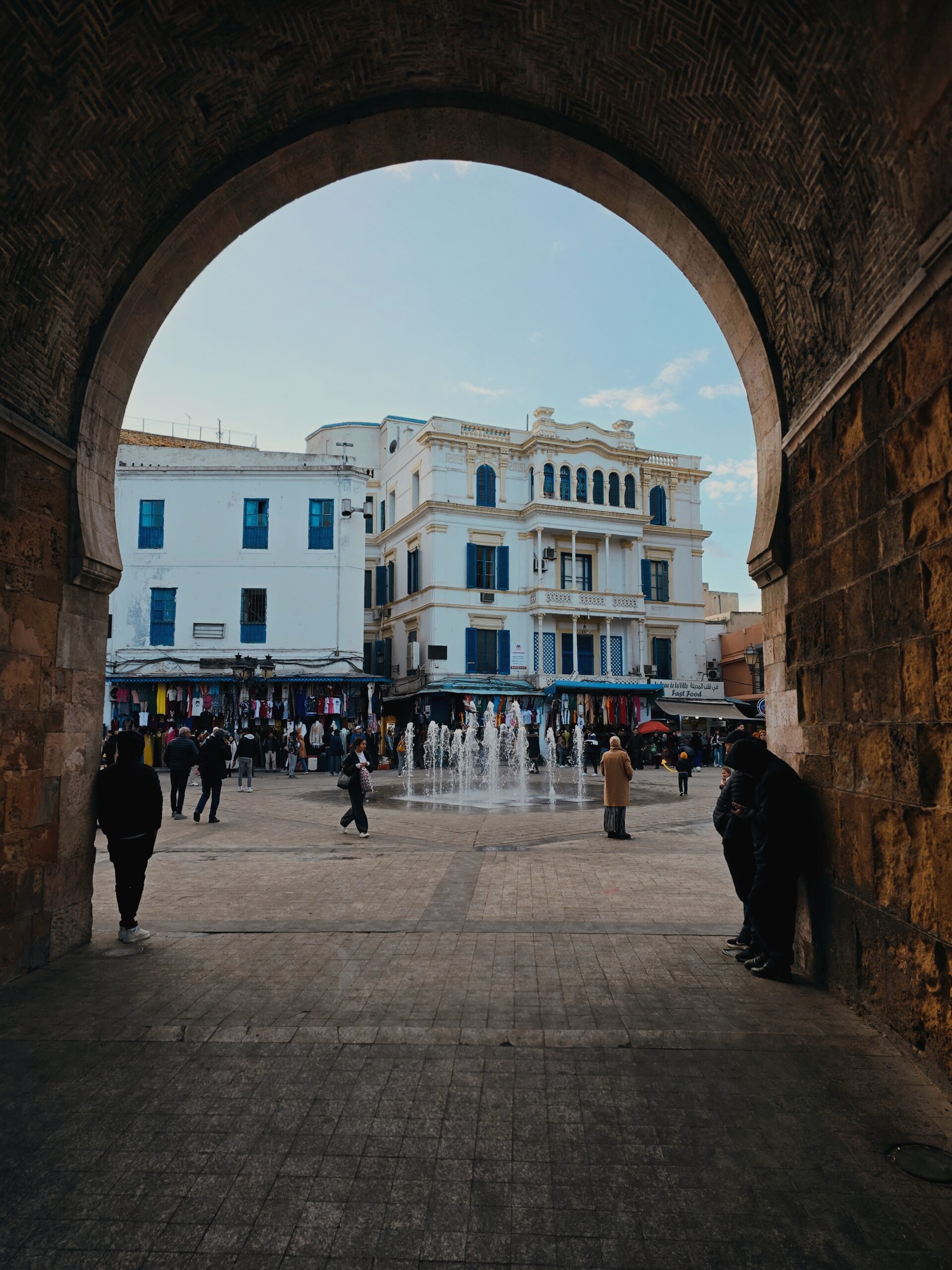
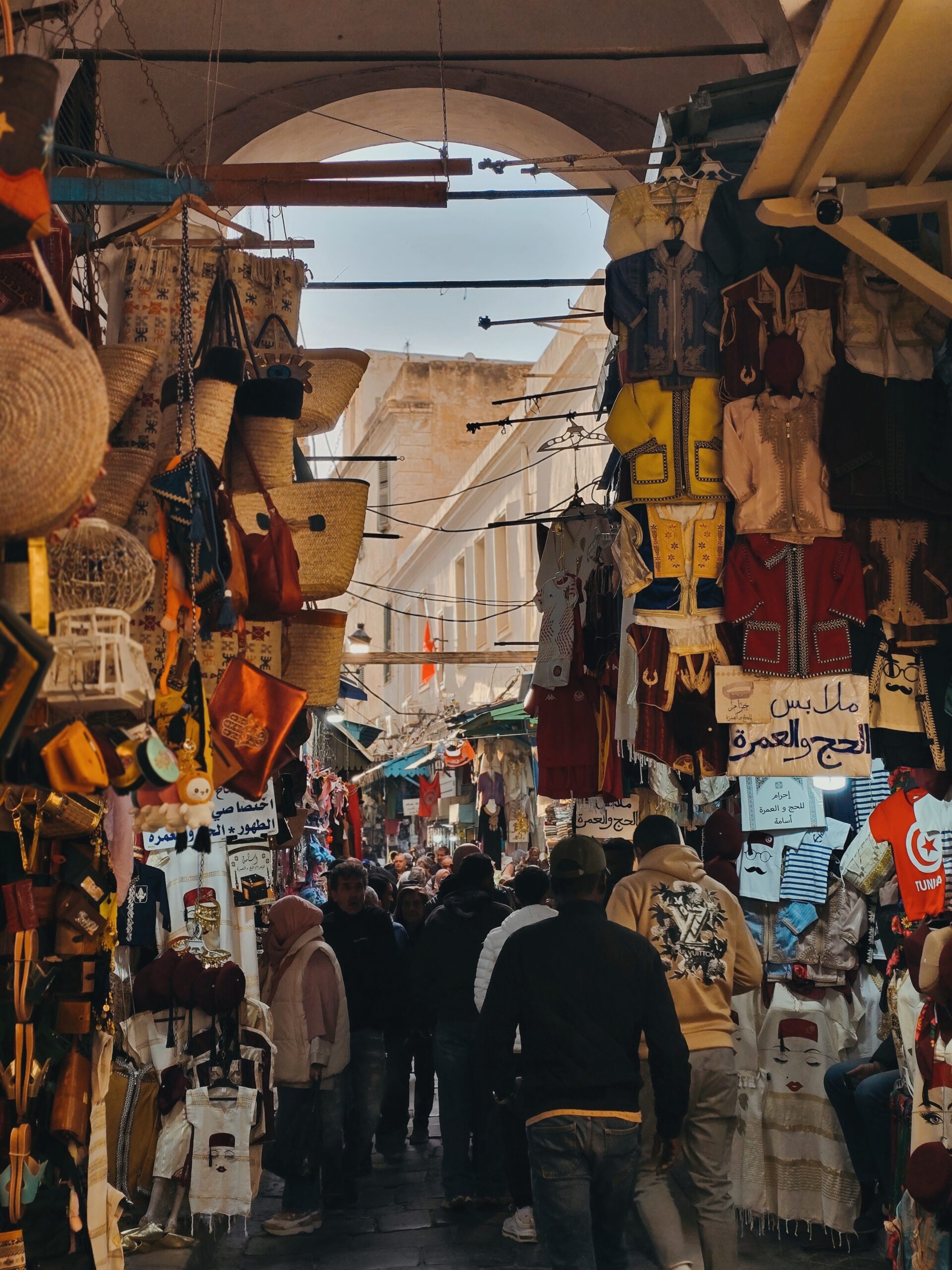
We got the Medina at the end of the day, so we didn’t get to spend much time there – stores close at sundown – but I could understand its essence fully. The historic heart of Tunisia’s capital, renowned for its rich cultural heritage and vibrant atmosphere was founded in the 7th century, and its one of the best-preserved medinas in the Arab world. Its narrow, winding streets are lined with traditional souks (markets). Visitors can explore bustling markets selling spices, textiles, ceramics, and jewelry.
5. Archaeological Site of Dougga
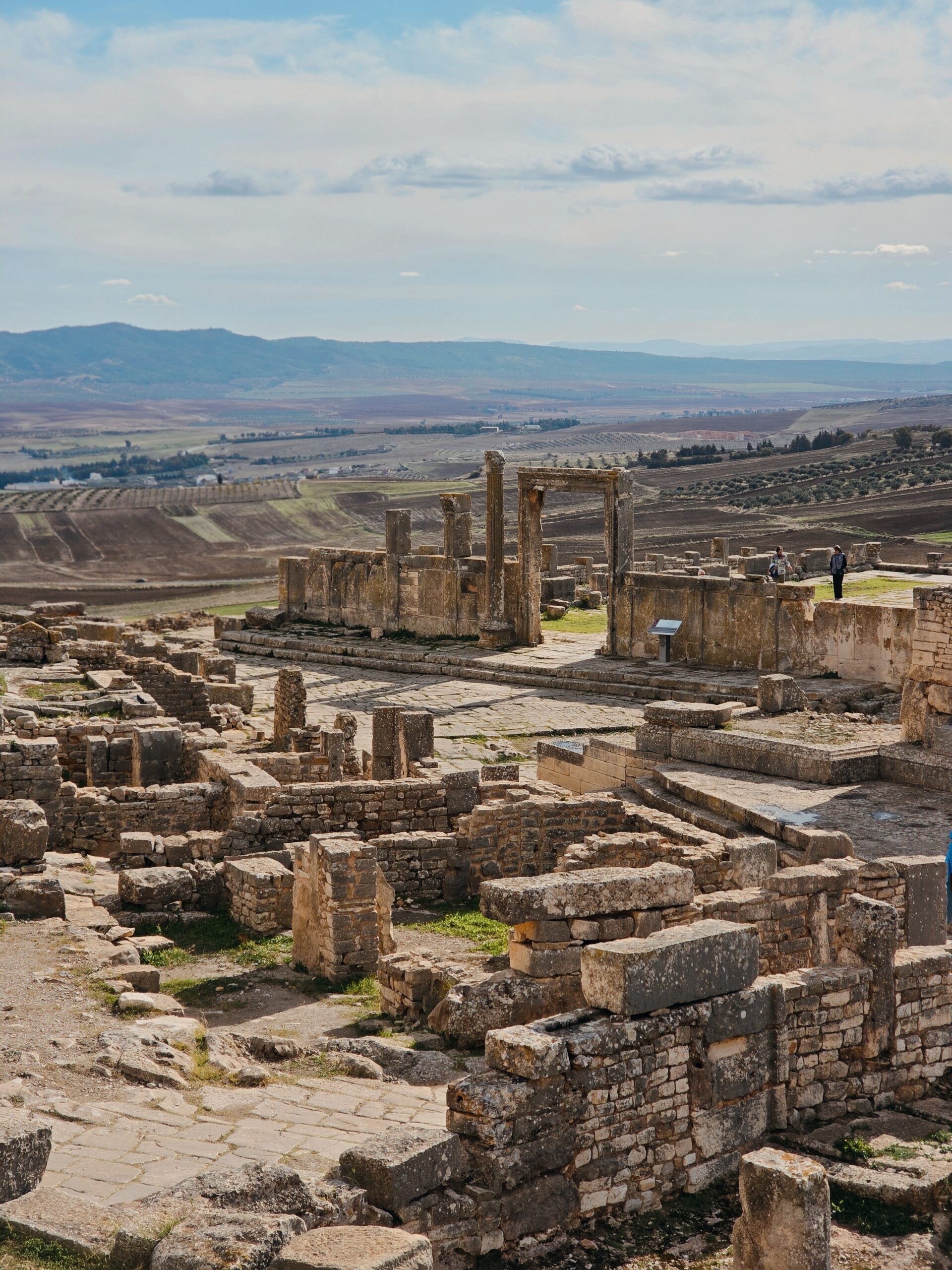
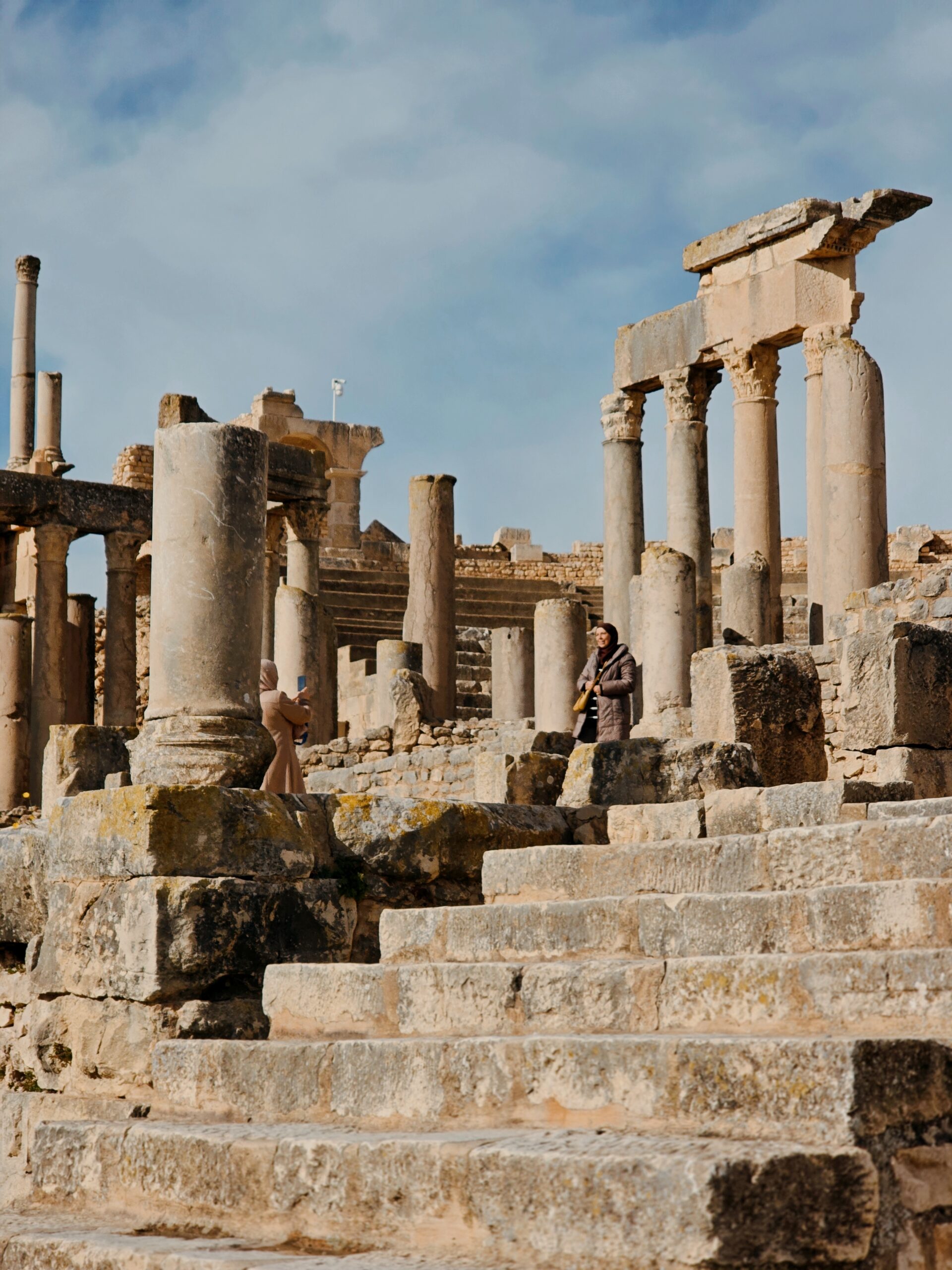
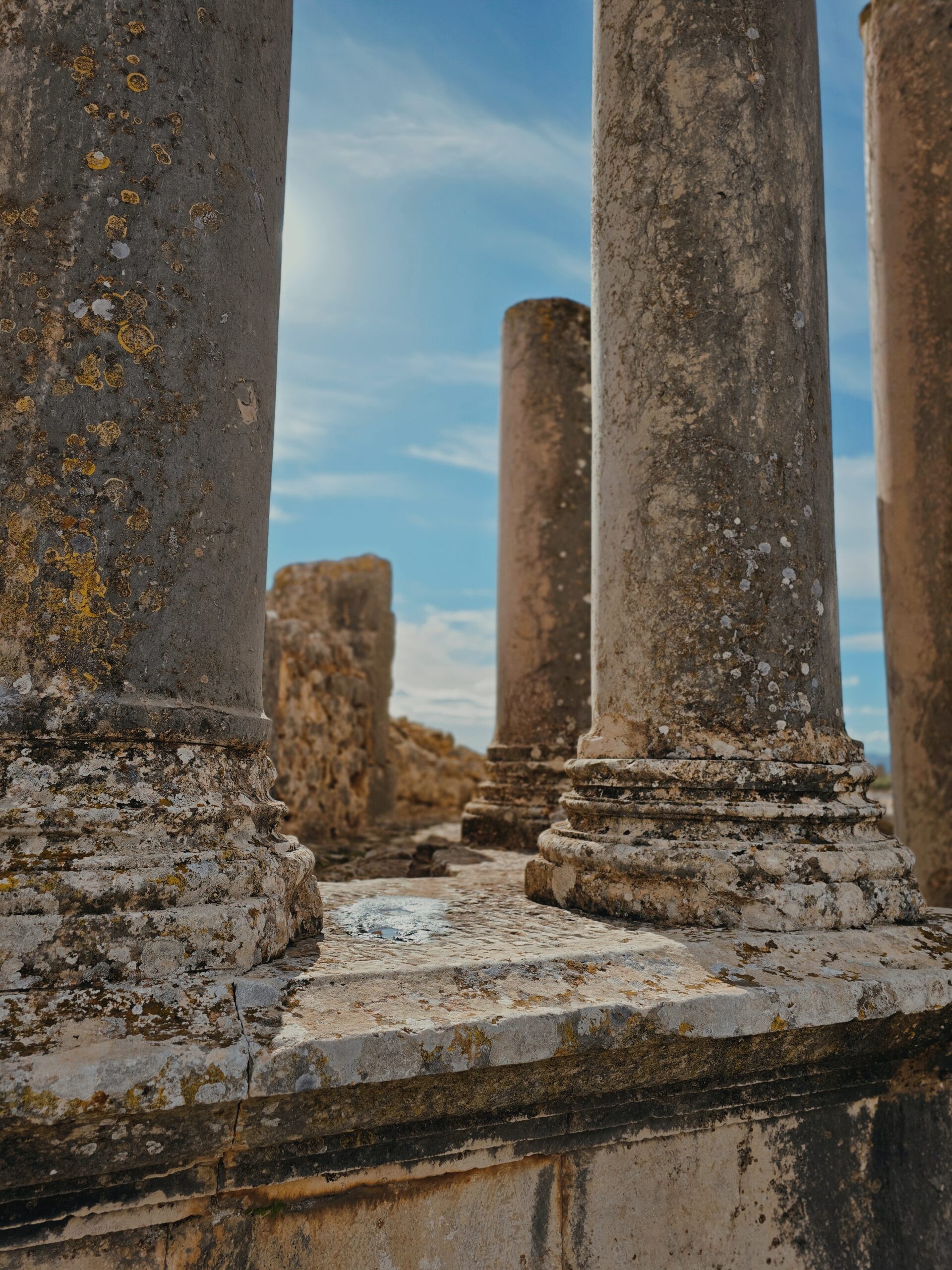
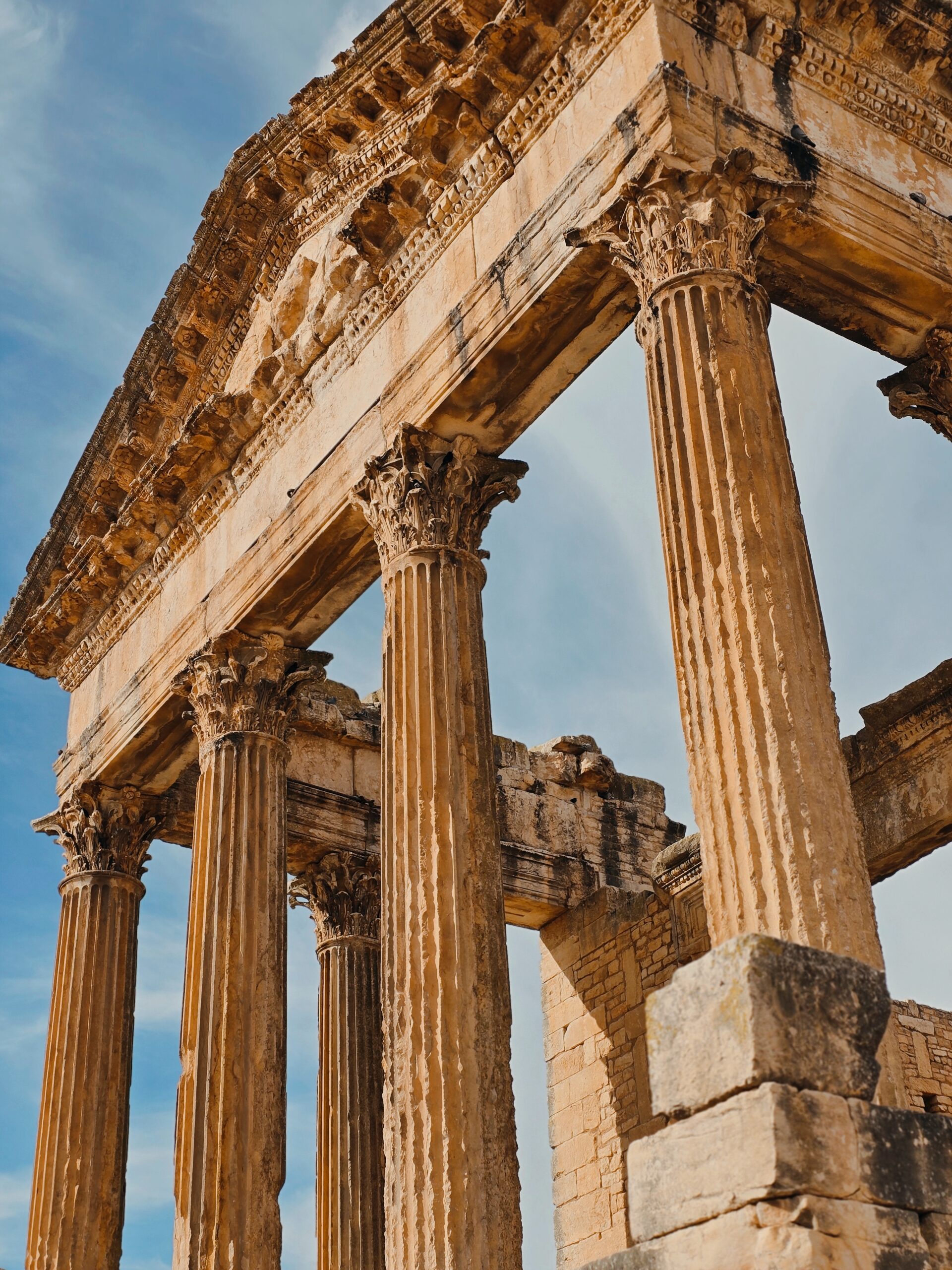
For this you will need to travel a bit further. About 100 kilometers southwest of Tunis is one of the country’s most impressive archaeological sites, often considered the best-preserved Roman town in North Africa. Dougga dates back to the Numidian and Roman periods, featuring well-preserved ruins such as the Capitol, the theater, temples, triumphal arches, and intricate mosaics that reflect the town’s former grandeur. Its careful preservation allows visitors to walk through ancient streets and imagine daily life in a Roman provincial town. Entrance fee for foreign visitors is 8 TND.
6. The Clock Tower
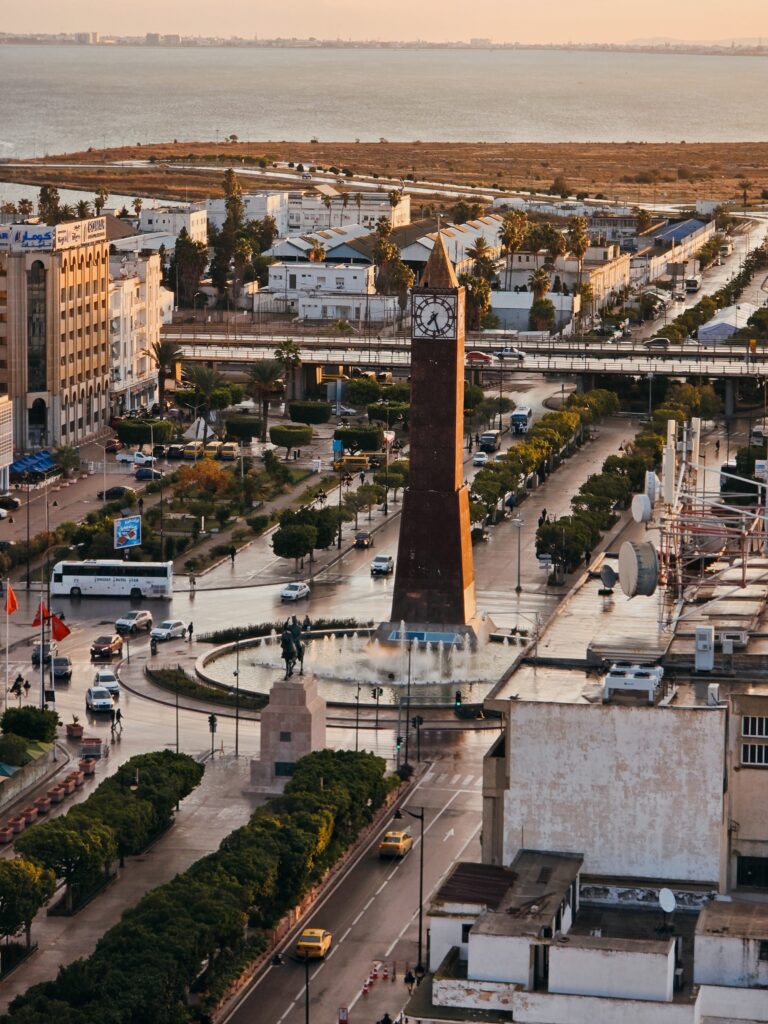
The Clock Tower of Tunis is one of the city’s most iconic modern landmarks, located at the Place du 14 Janvier 2011, near the central avenue Avenue Habib Bourguiba.
Erected in 2001, it marks the entrance to the main thoroughfare and symbolizes modern Tunisia alongside its historic sites. Surrounding the Clock Tower, the bustling Avenue Habib Bourguiba is lined with cafés, shops, and historic colonial-era buildings, making it a popular spot for locals and tourists alike.
Tunis was my first impression of Tunisia. It felt like entering a city where history and modern life coexist in a vibrant, unexpected harmony. The bustling streets of the Medina, alive with the calls of market vendors and the scent of spices and fresh bread, immediately draw you in. The energy of the people makes the city feel alive, and the Mediterranean breeze carries a sense of openness.