ucked away in the hills of the Medjerda Valley, about 70 km from Tunis, lies Testour. We made a quick stop on our way to Dougga, and got the chance to experience this small town.
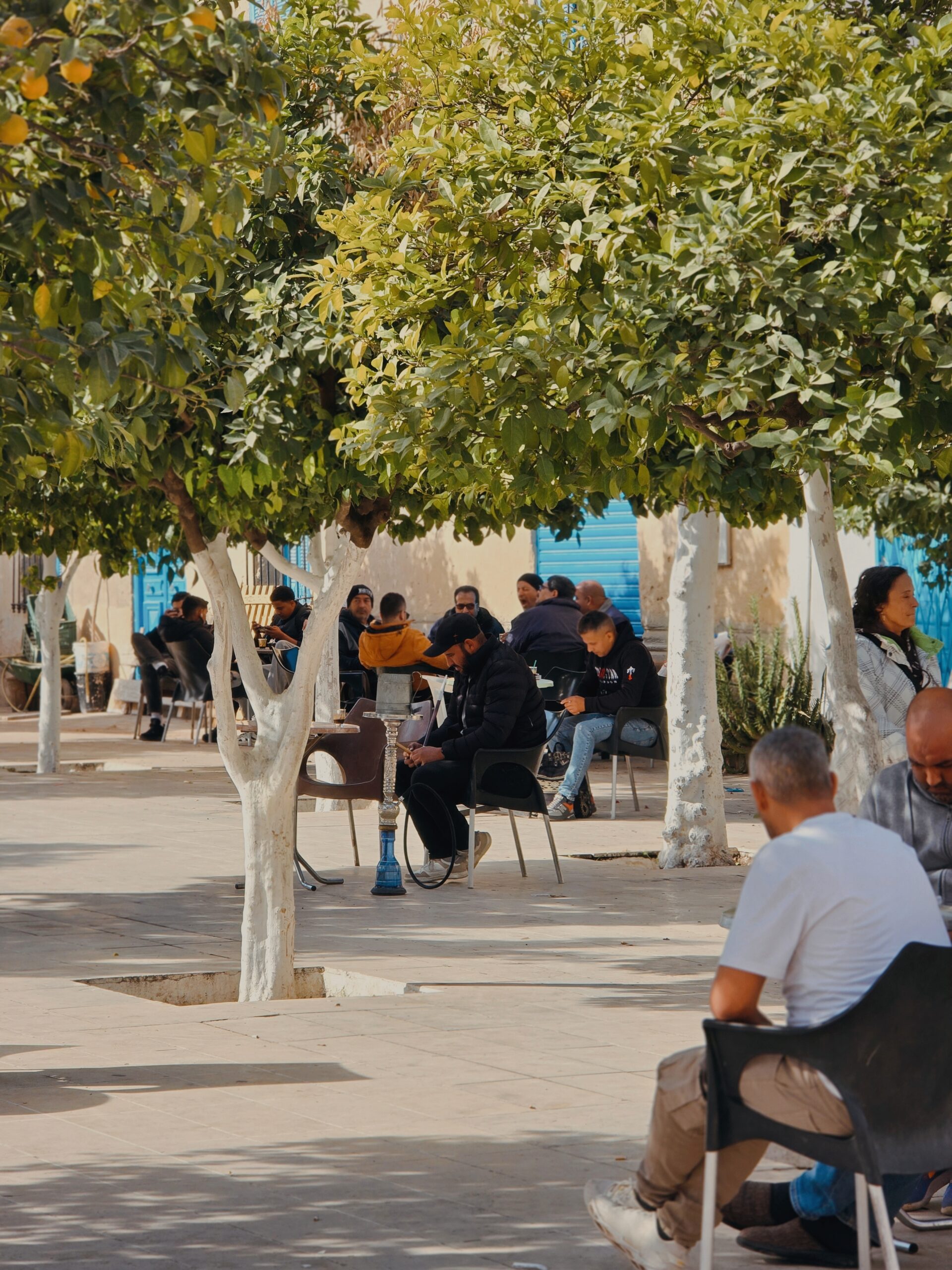
Even though it was a very quick stop, you can't help but be drawn in the vibes of this small town.
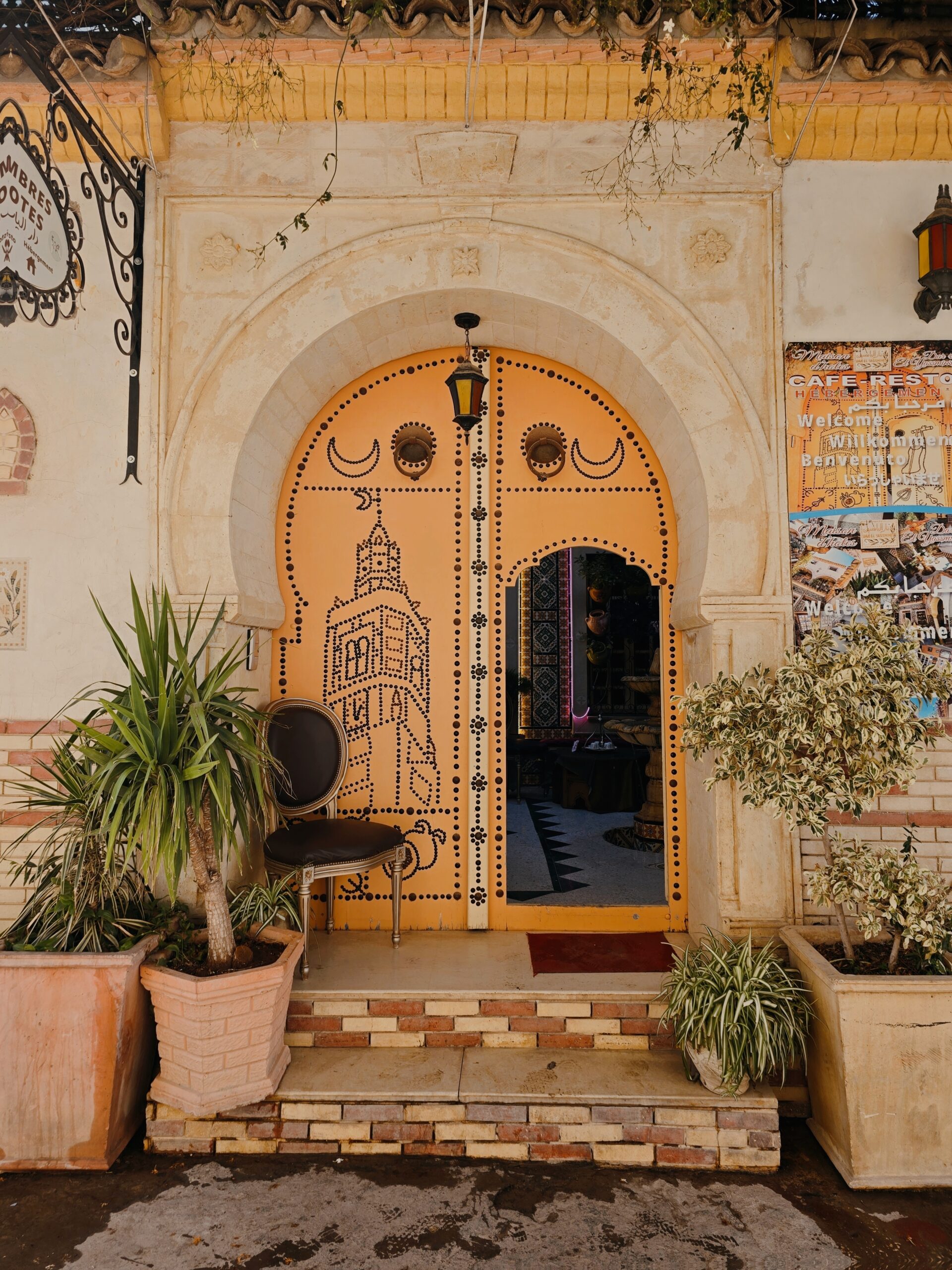
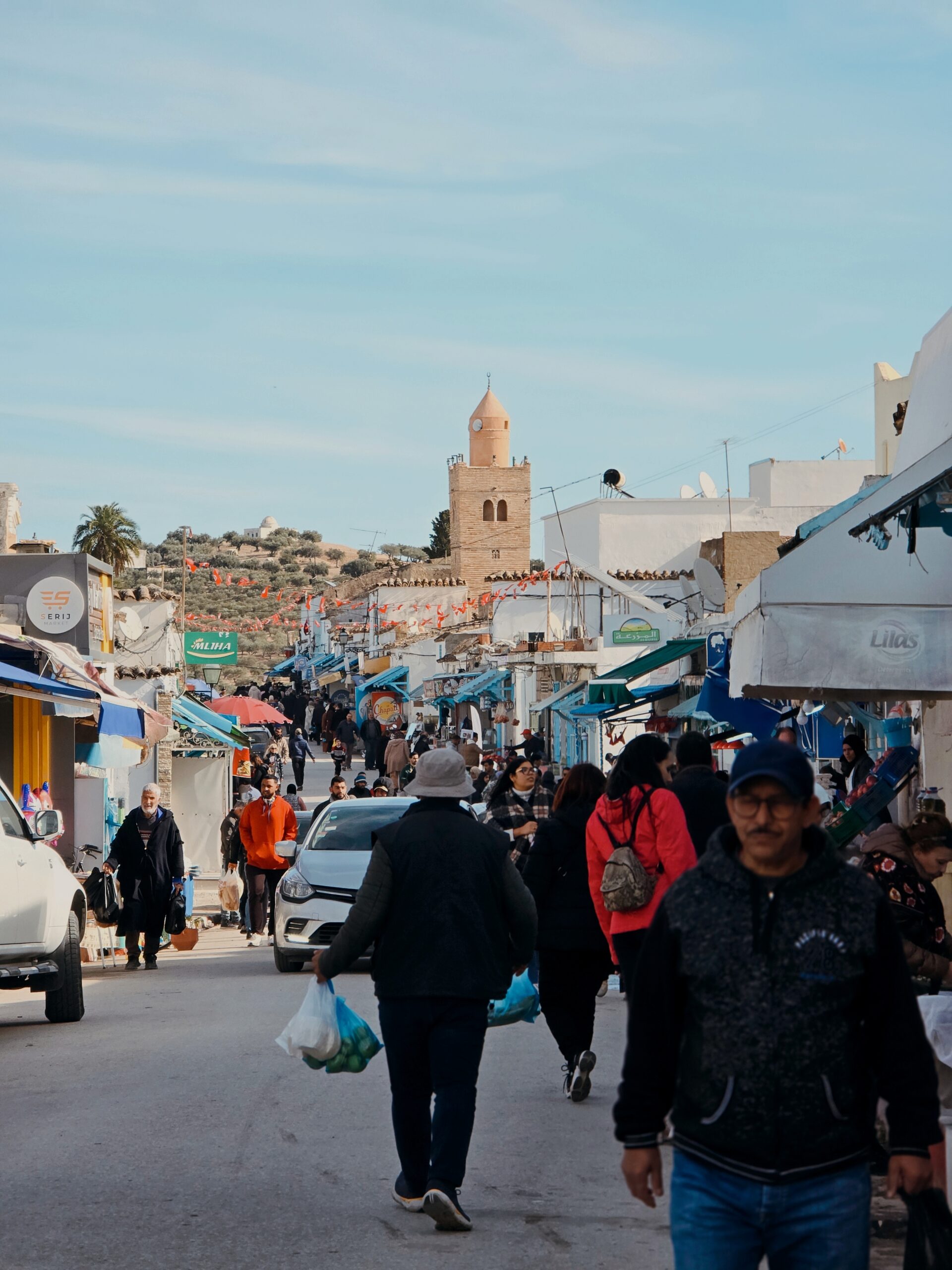
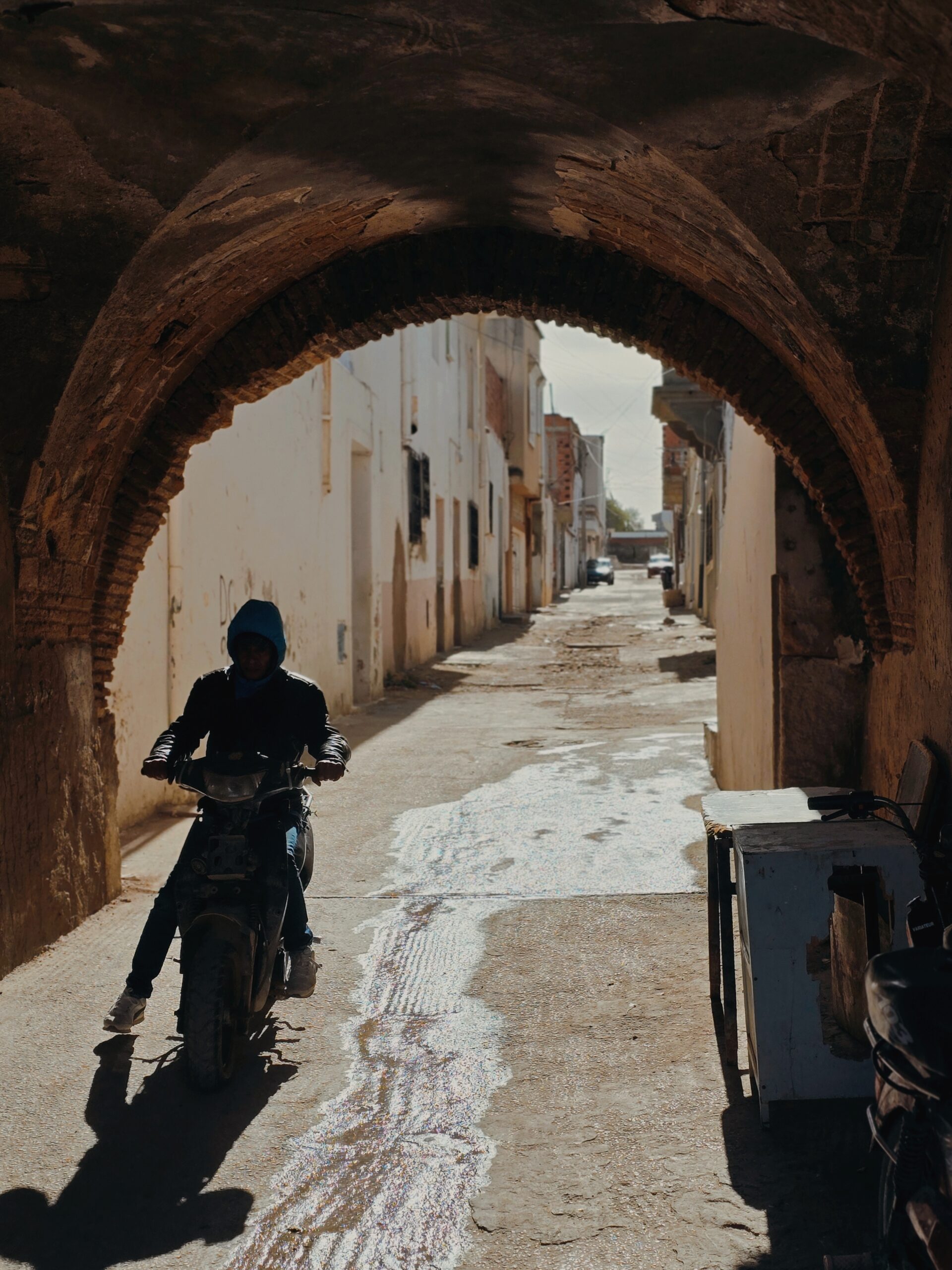
Walking through the old city’s narrow, grid-like streets feels like stepping into a fragment of Andalusia embedded into Tunisia. White-washed buildings, archways, and those gorgeous doors evoke a blend of Mediterranean serenity and Moorish style.
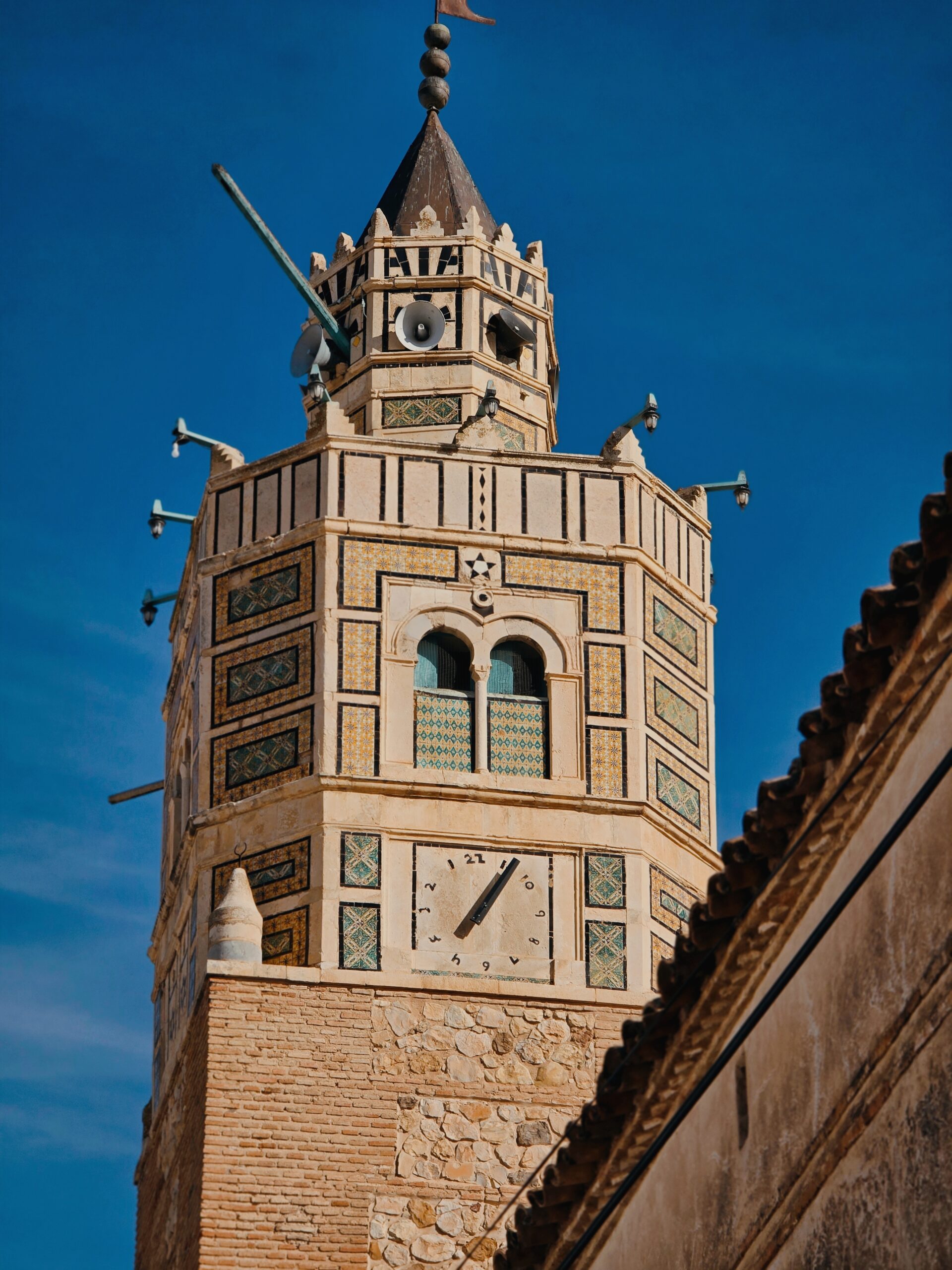
At the heart of this historic center stands the Great Mosque of Testour – built around 1631 by architect Muhammad Tagharinu. Its octagonal minaret, Moorish design, glazed Andalusian tiles and orientation reportedly echo the styles of northern Spain, symbolizing the deep links to Andalusian heritage. On the south face of the minaret there is a clock whose numbers are placed backward and it’s one of the rare mosque minarets in the world combining such clock and aesthetic features. The fact that the minaret shows two Stars of David — a rare and striking detail — reflects the multi-faith heritage of Testour’s founders (both Muslim and Jewish communities settled together).
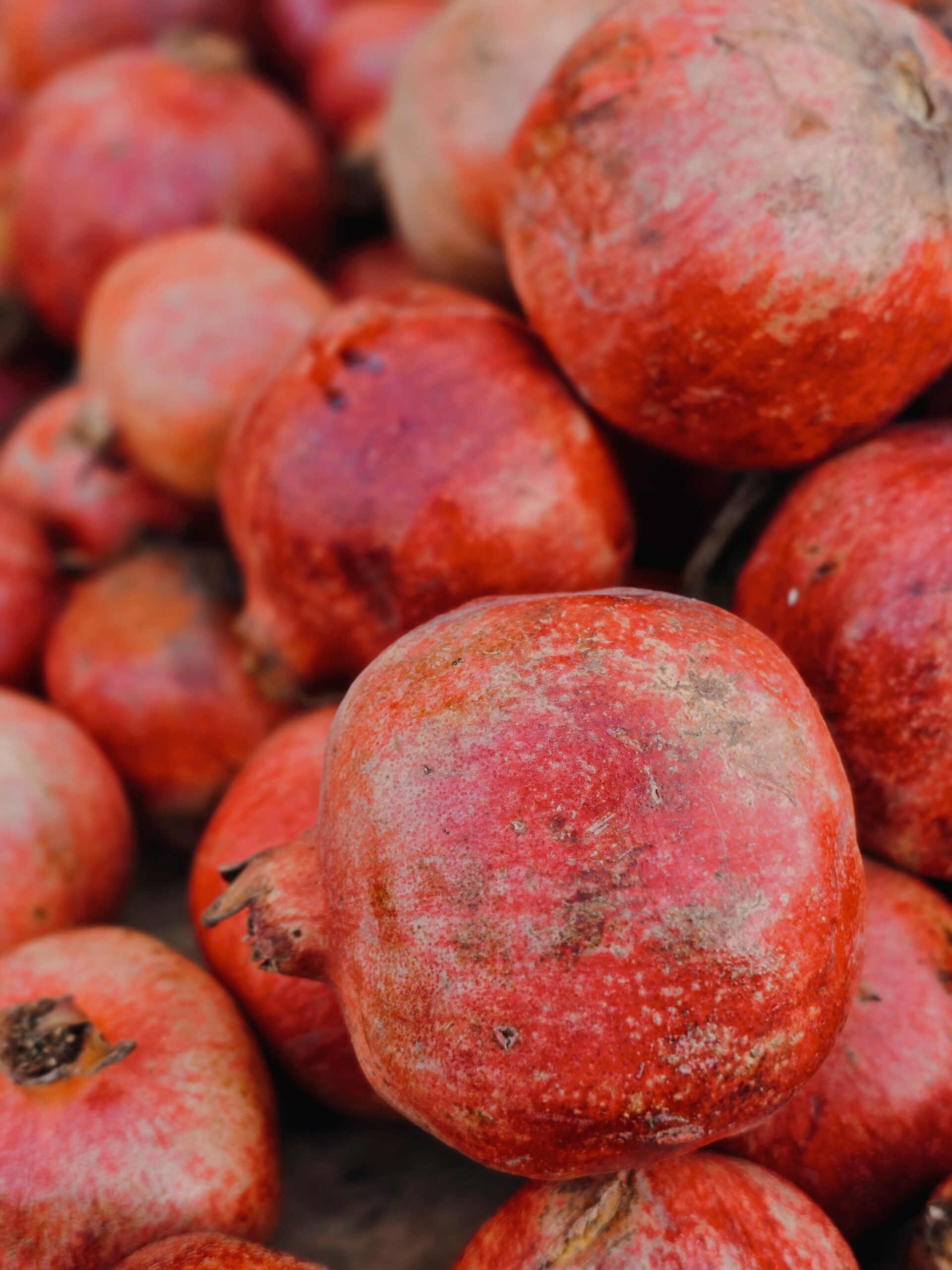
For Testour, the pomegranate is more than a fruit — it’s a living emblem of identity. When the Andalusian refugees settled the town, they brought with them their expertise in agriculture and introduced local varieties of pomegranate adapted to the land. Over time, pomegranate farming became a major part of Testour’s economy, to the point where the town now produces a large share of the pomegranate harvest in its region, making it a leading center of cultivation in the northwest of Tunisia.
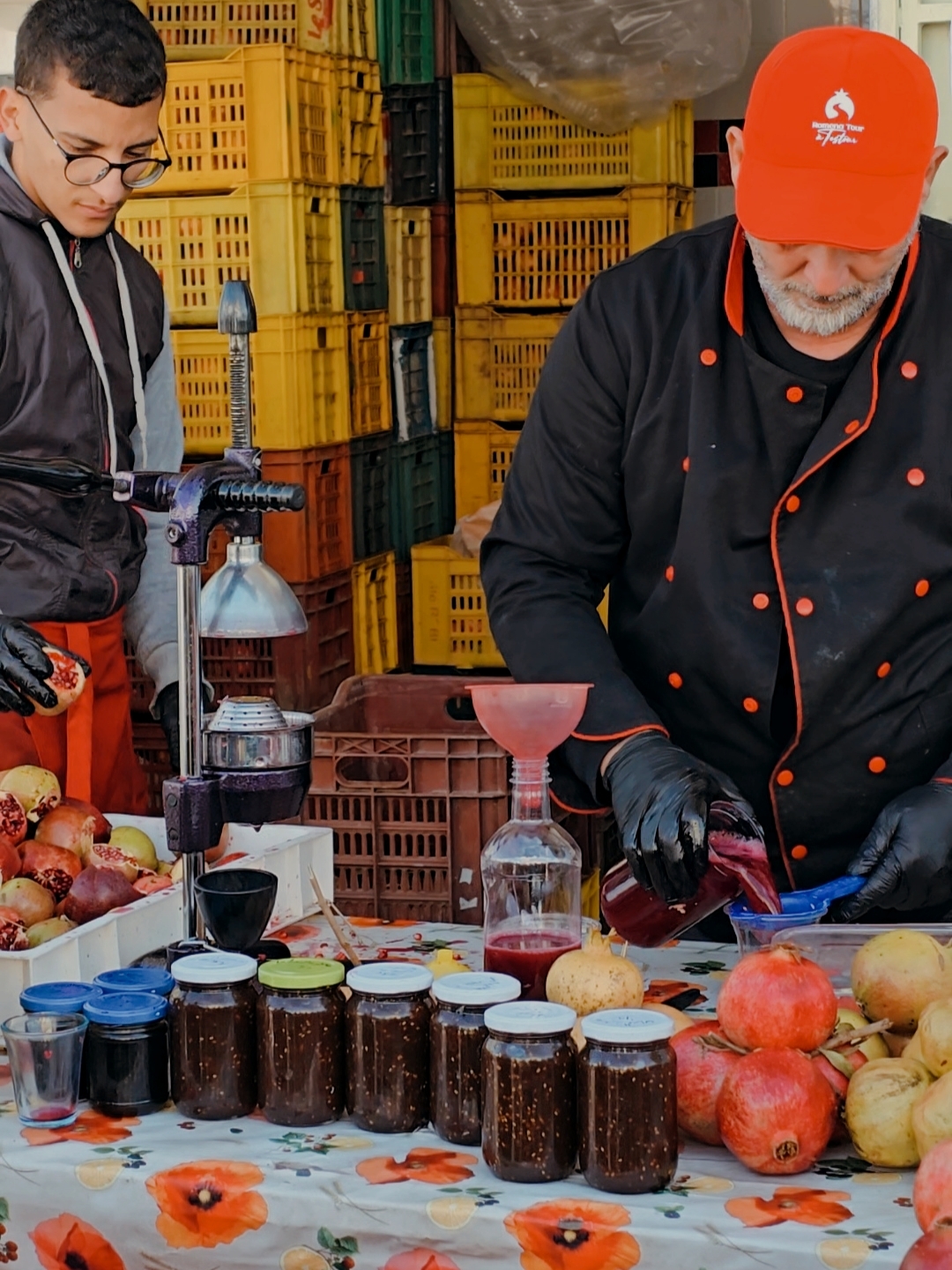
Every year, typically from late October to early November, Testour bursts into celebration for the Pomegranate Festival, a mix of agriculture, culture, gastronomy, and tradition. During the festival, the whole town seems to come alive: the main streets are filled with stalls selling fresh pomegranates, juices, jams, and other pomegranate-based products. While we visited later than that, the pomegranates were still very much the star of this town.
The main street was filled with vendors selling freshly pressed pomegranate juicy. The town is known to produce its own variety so the tasting was about to be interesting, and you know I couldn’t resist. It’s a very intriguing mix of sour with sweet undertones, if you happen to stop by Testour make sure to try a cup.
Even though it was a very quick stop, you can’t help but be drawn in the vibes of this small town. If you’re wondering whether you should include it in your itinerary or your day trip, my answer is yes!