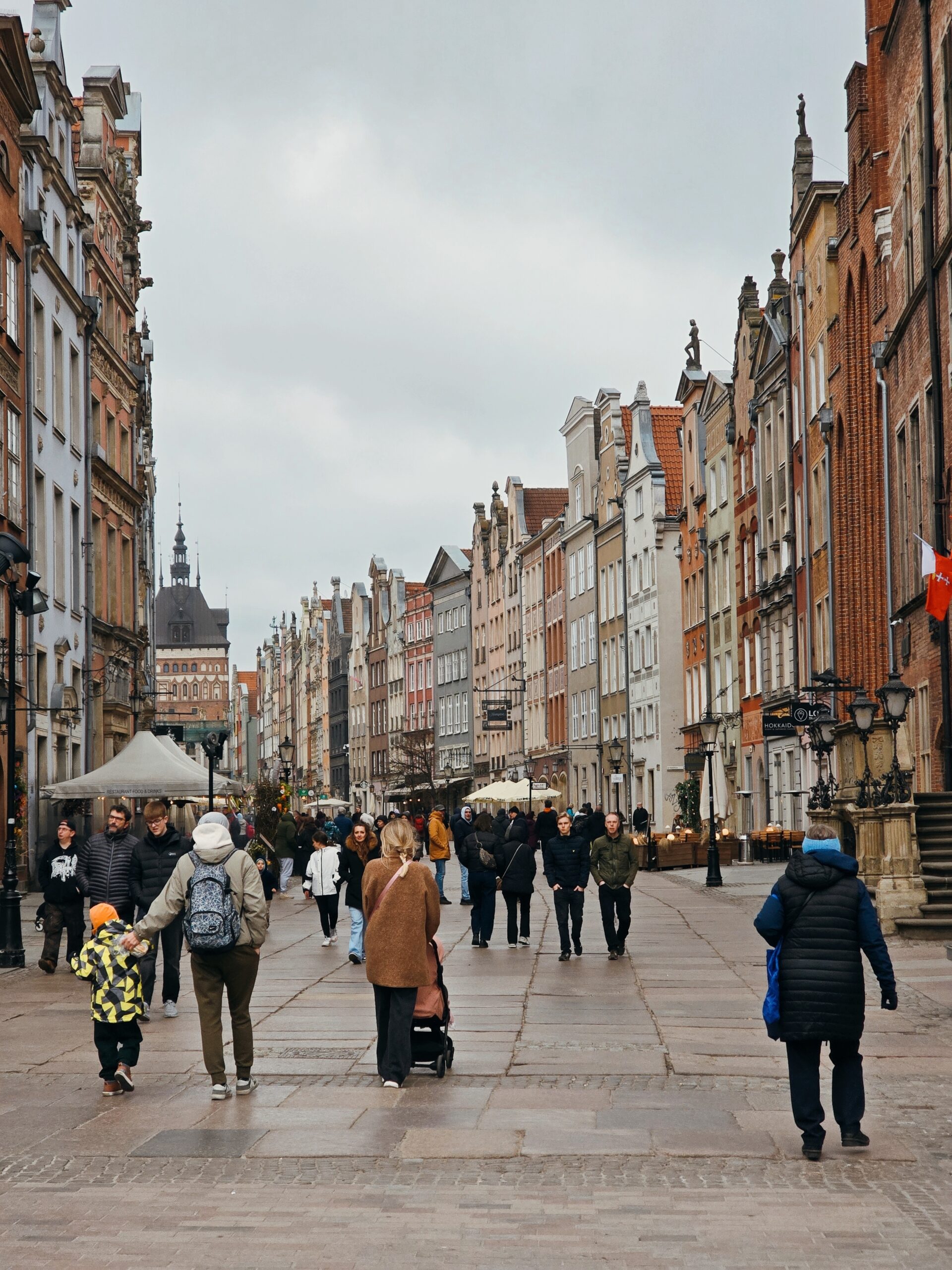
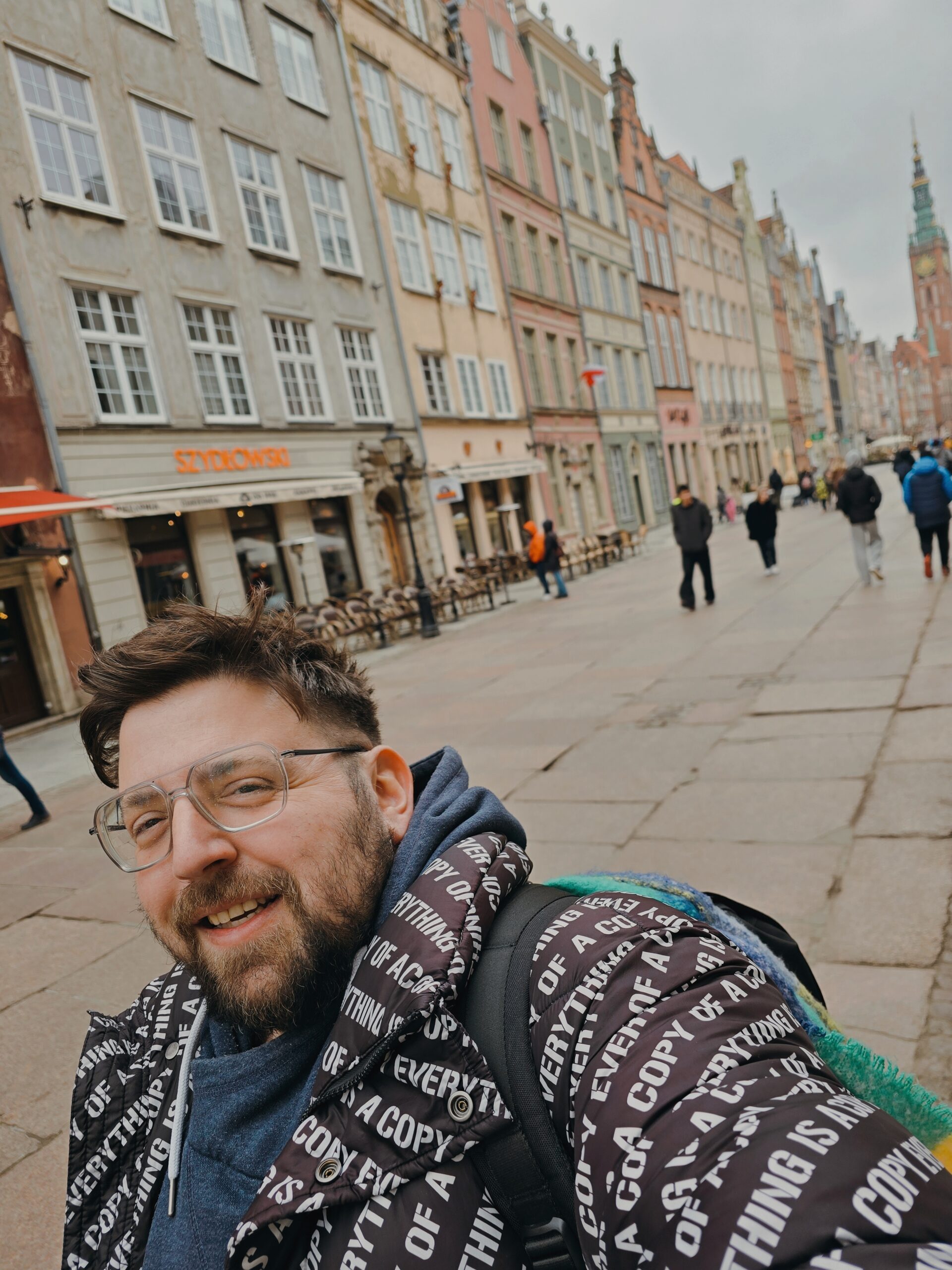
layover doesn’t have to mean sitting at the airport scrolling your phone - especially if you find yourself in Gdańsk. This Baltic gem is one of those cities where history, charm, and walkability come together perfectly for a short visit, with its colorful merchant houses, cobbled streets, and postcard-worthy waterfront.
From its medieval landmarks like the towering Żuraw to the grand interiors of St. Mary’s Church, every street tells a story shaped.
We had a 12-hour layover in Gdansk, which started late at night, so we had the chance to explore starting early morning. Most of the sightseeing is close or around the Old Town so time shouldn’t be a problem. Despite its historic feel, the area is lively and compact, making it ideal for a layover. Whether you’re sipping coffee at a sidewalk café or simply wandering the streets, you can experience the essence of Gdańsk in just a couple of hours.
1. The Old Town
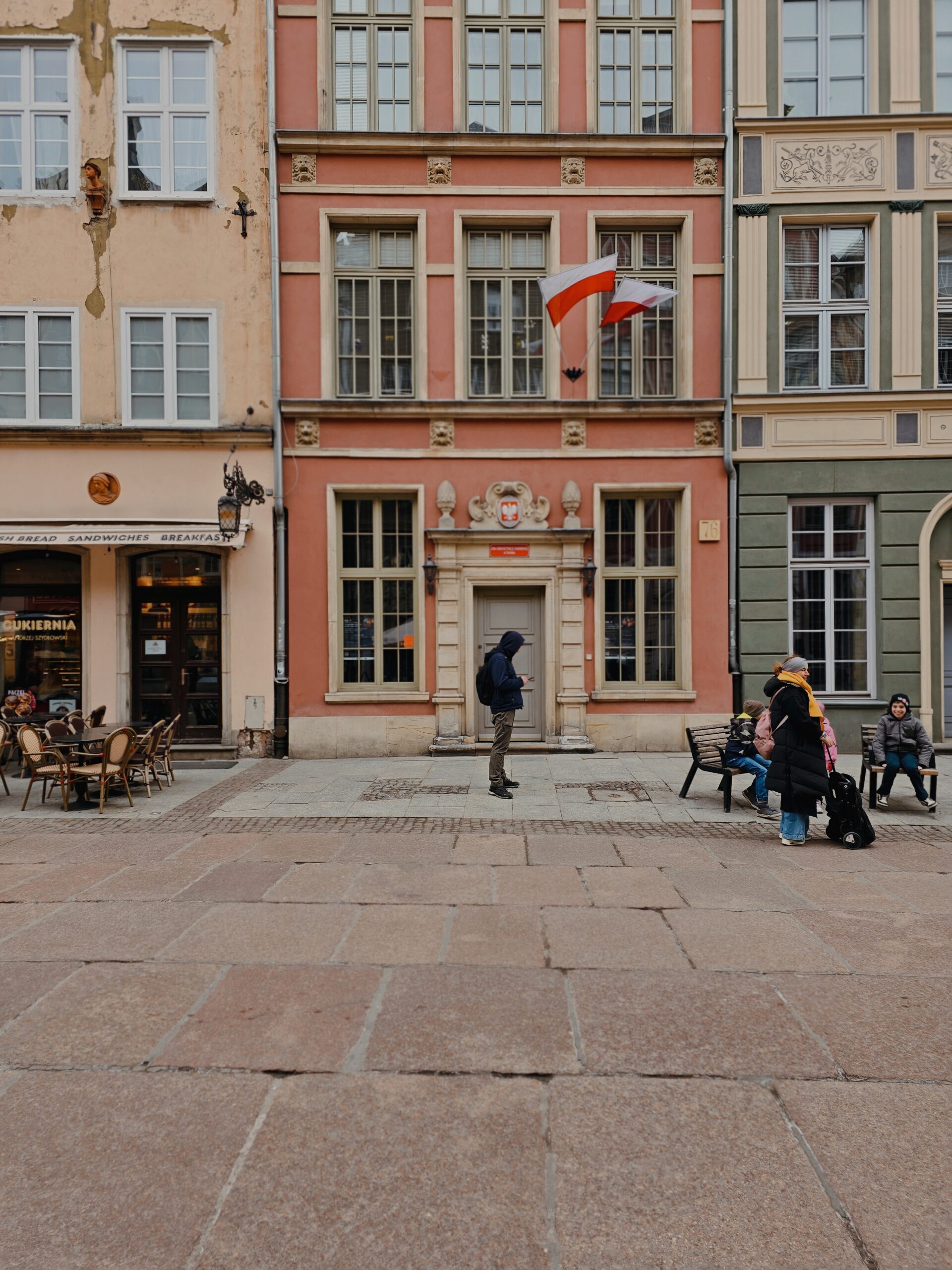
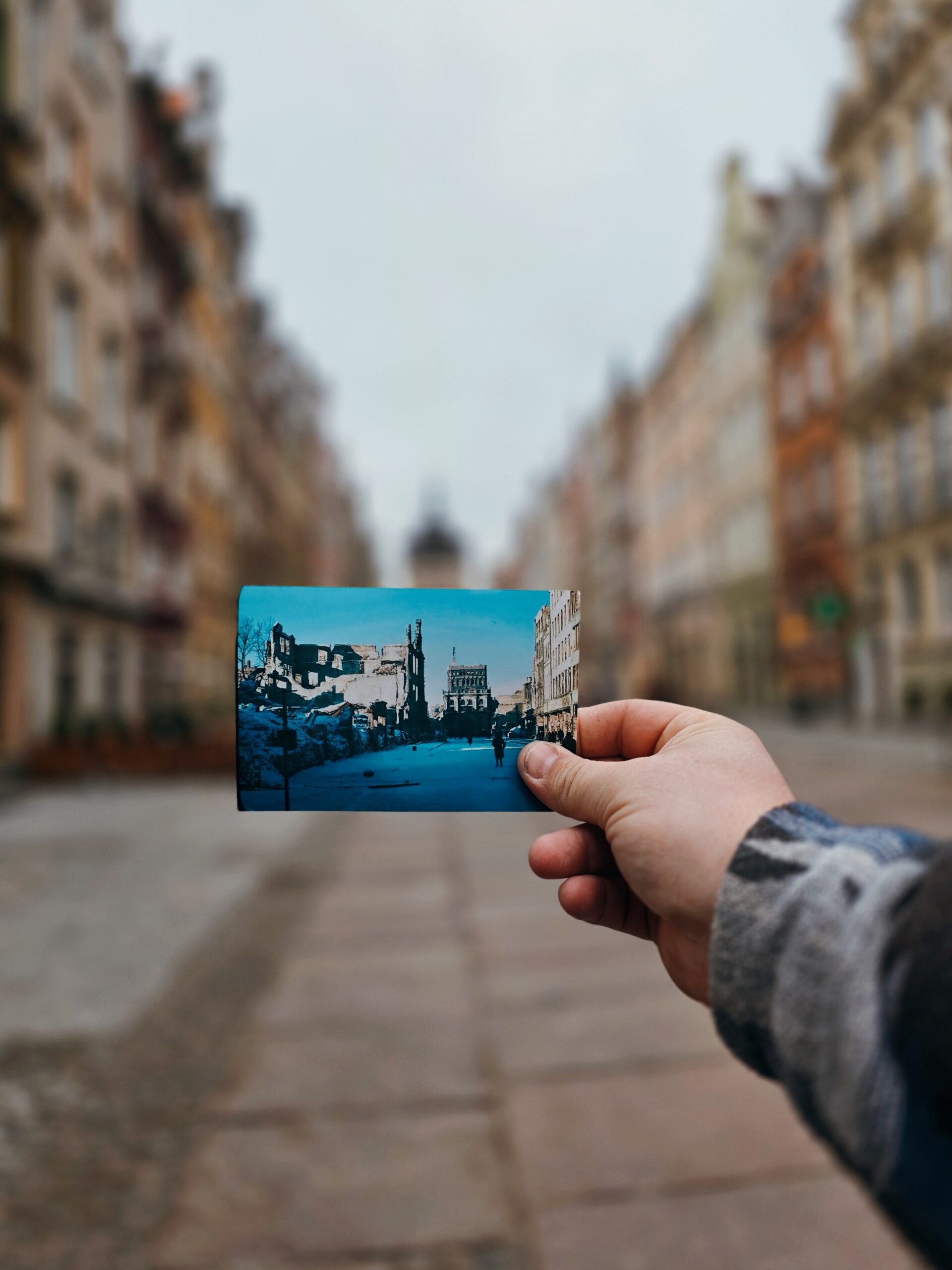
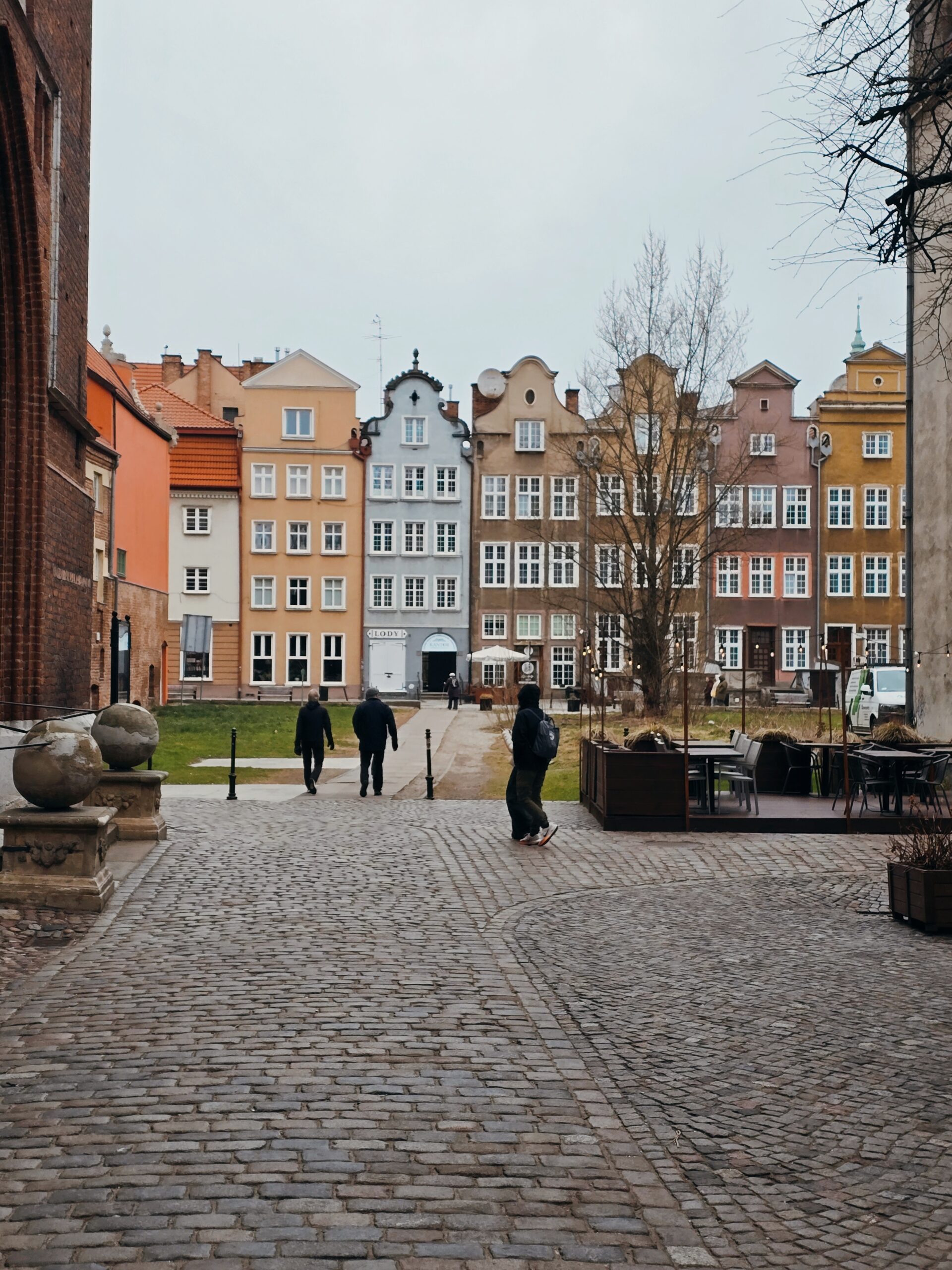
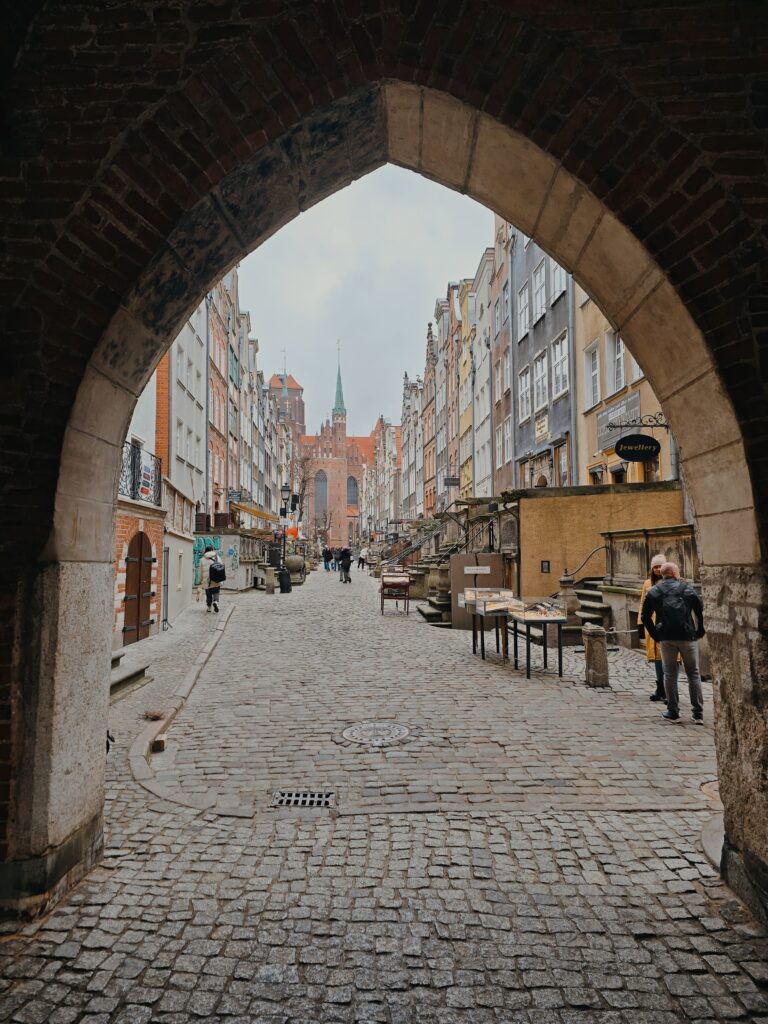
What most visitors call the Old Town is actually the Main Town (Główne Miasto), while the true Old Town sits just beyond it, quieter and less visited. Nearly 90% of this historic area was destroyed during World War II, yet it was painstakingly rebuilt to reflect its golden age, which is why it looks so remarkably cohesive today. Landmarks like the Neptune Fountain come with legends – locals say Neptune once turned the fountain’s water into gold – while the towering St. Mary’s Church remains one of the largest brick churches in the world. Even the narrow-looking buildings along Long Market hide a clever secret: they were designed that way to reduce taxes.
2. Neptune’s Fountain
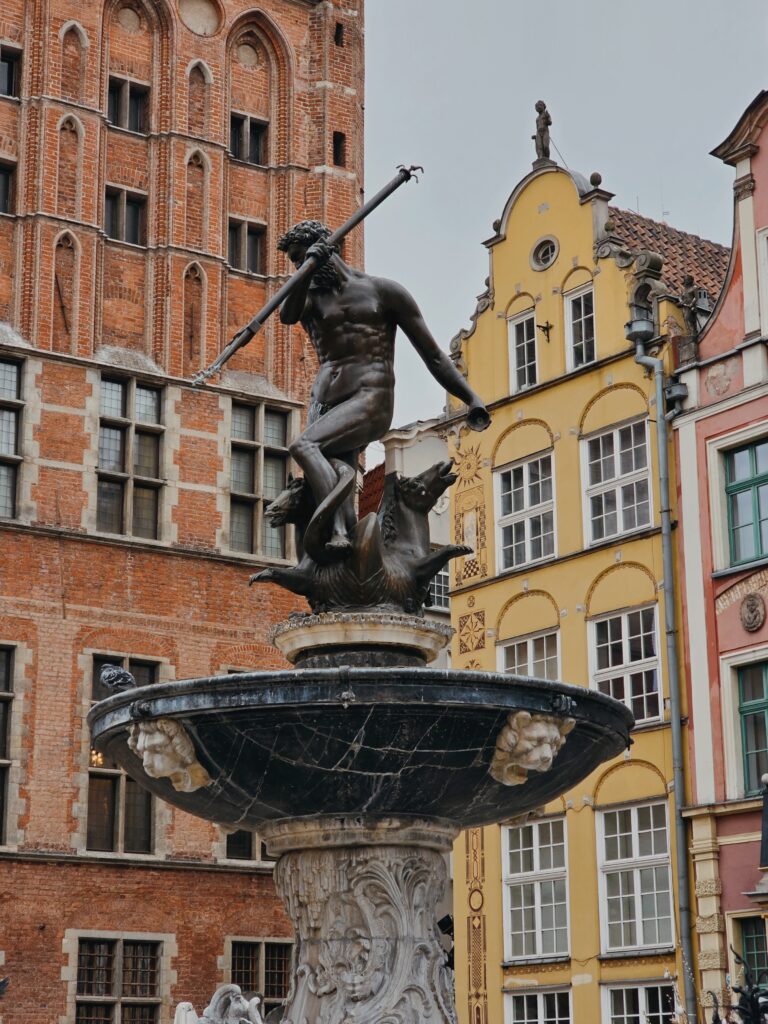
Standing at the heart of Long Market, the Neptune Fountain is one of the city’s most recognizable symbols. Installed in the 17th century, the statue of Neptune reflects Gdańsk’s deep connection to the sea and its history as a powerful trading port. Beyond its striking appearance, the fountain comes with a popular local legend: it’s said that Neptune once grew irritated by people tossing coins into the water, so he struck it with his trident, shattering the coins into tiny flakes of gold, supposedly inspiring the creation of the city’s famous Goldwasser liqueur.
3. St. Mary’s Church
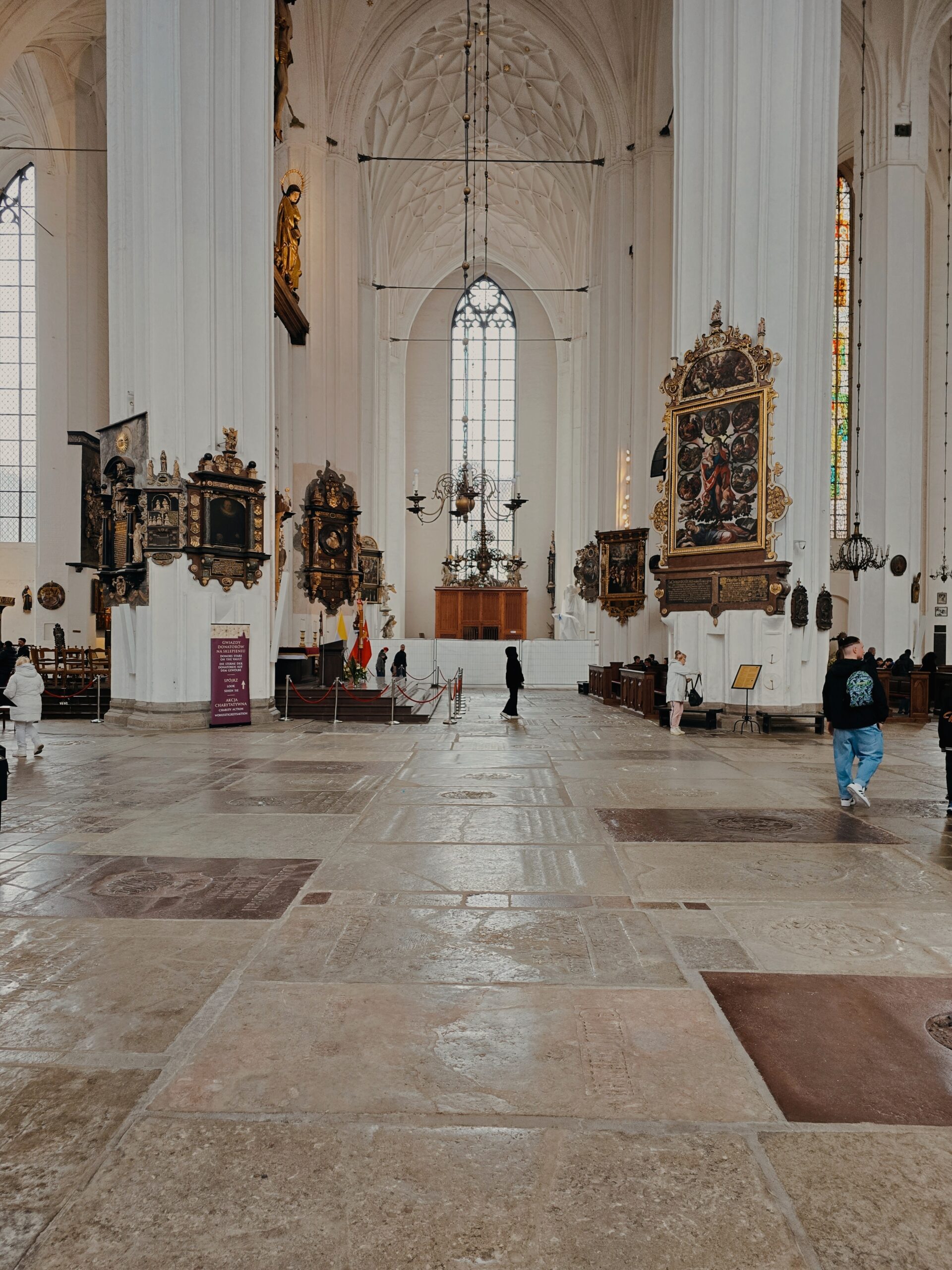
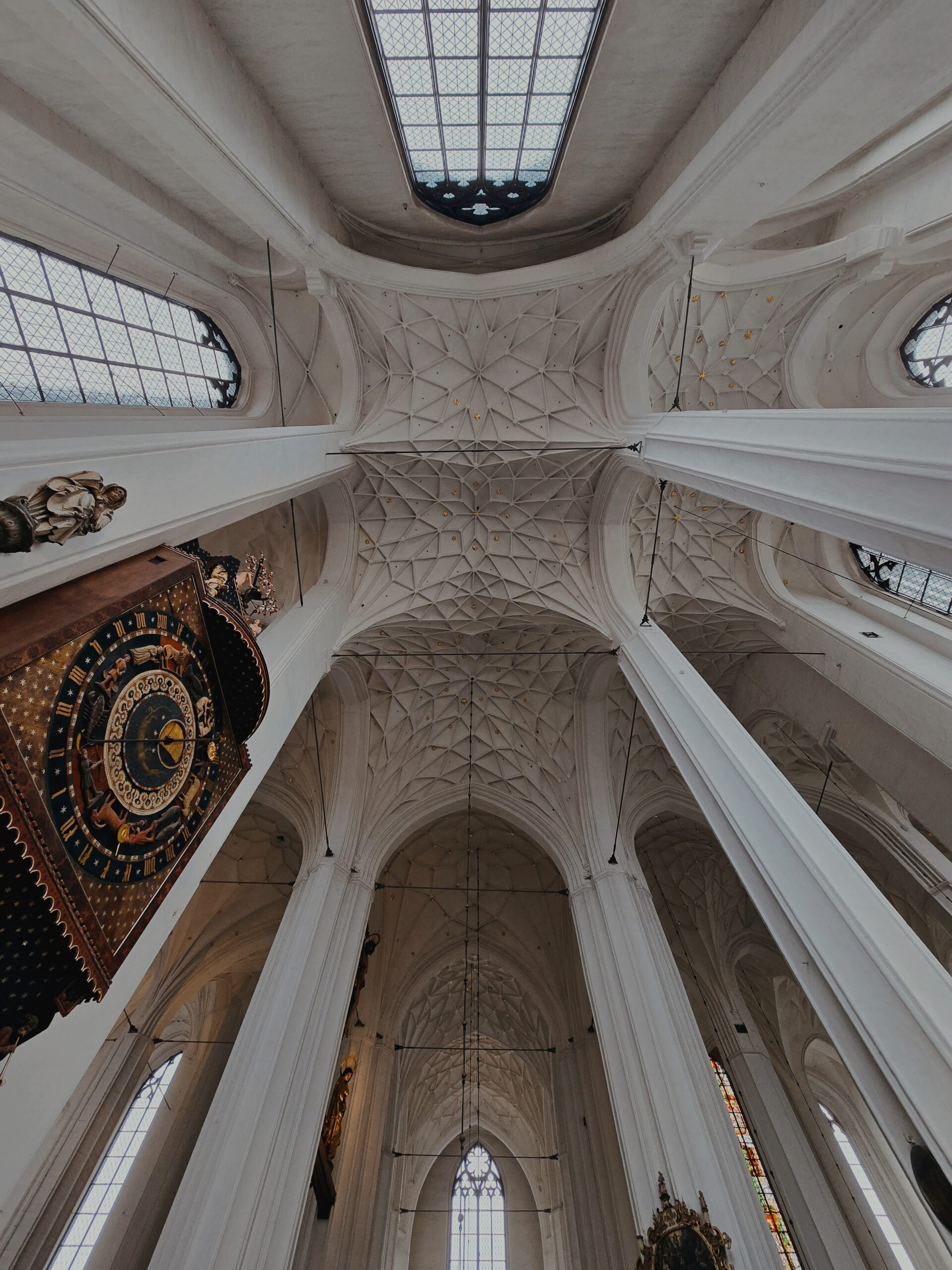
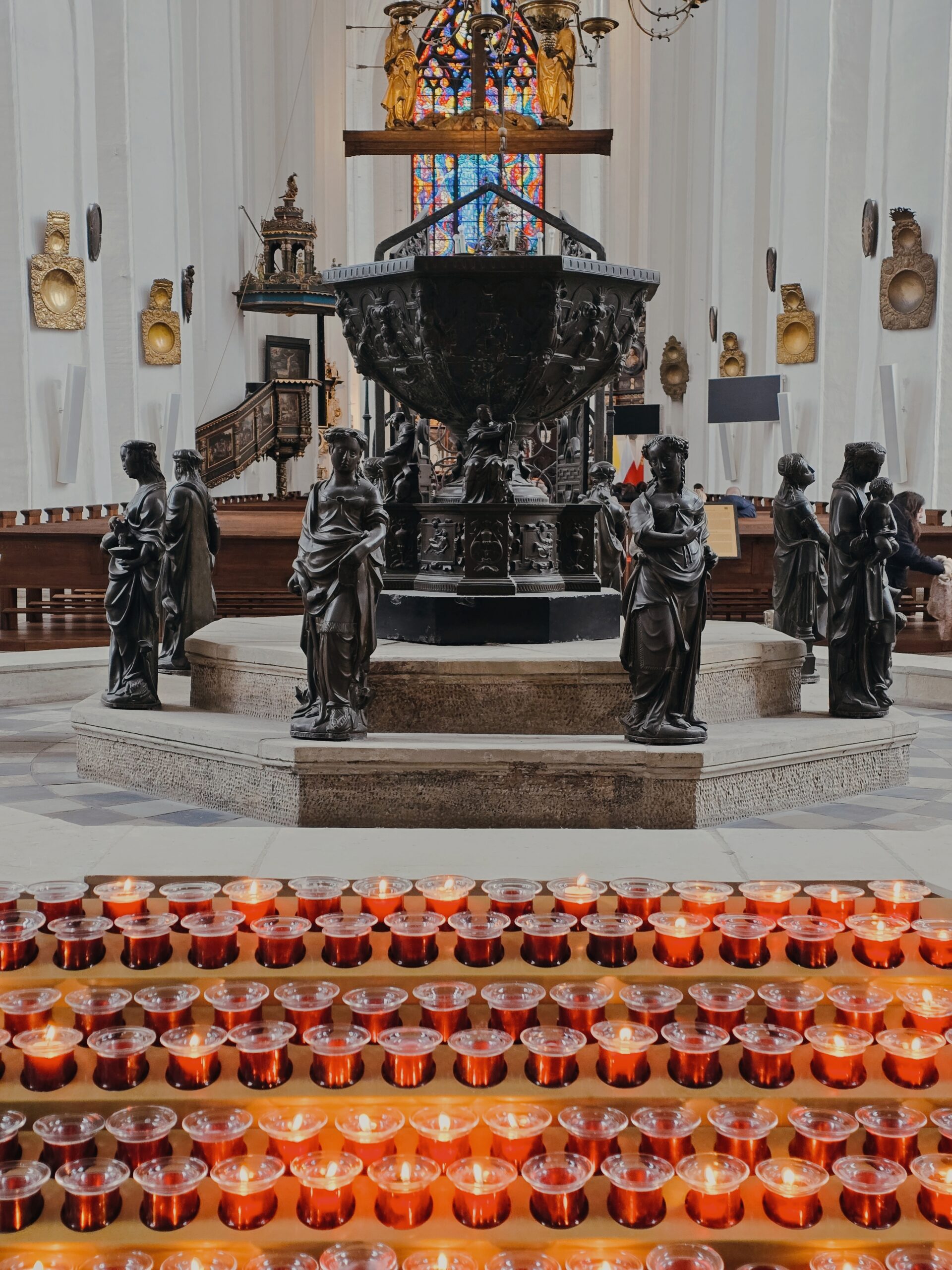
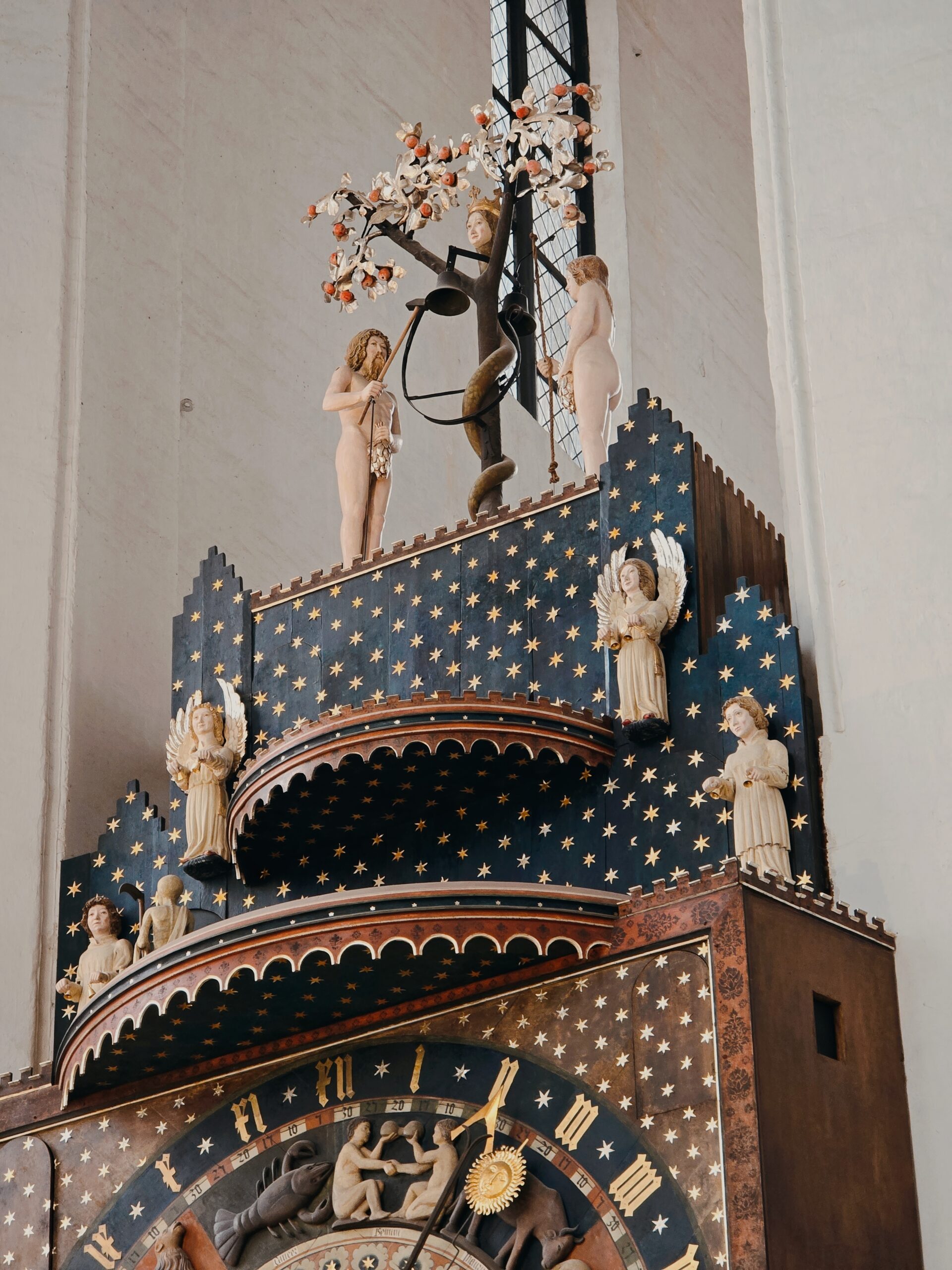
Its plain, fortress-like exterior contrasts with a surprisingly elegant interior, where you’ll find intricate details like a 15th-century astronomical clock and soaring vaulted ceilings. Inside St. Mary’s Church, the artwork is impressive: a rich collection of religious sculptures, altarpieces, and carvings. If you have the time (and energy), climbing the tower rewards you with panoramic views over the rooftops of Gdańsk, making it one of the best vantage points in the city and well worth the effort during a short visit.
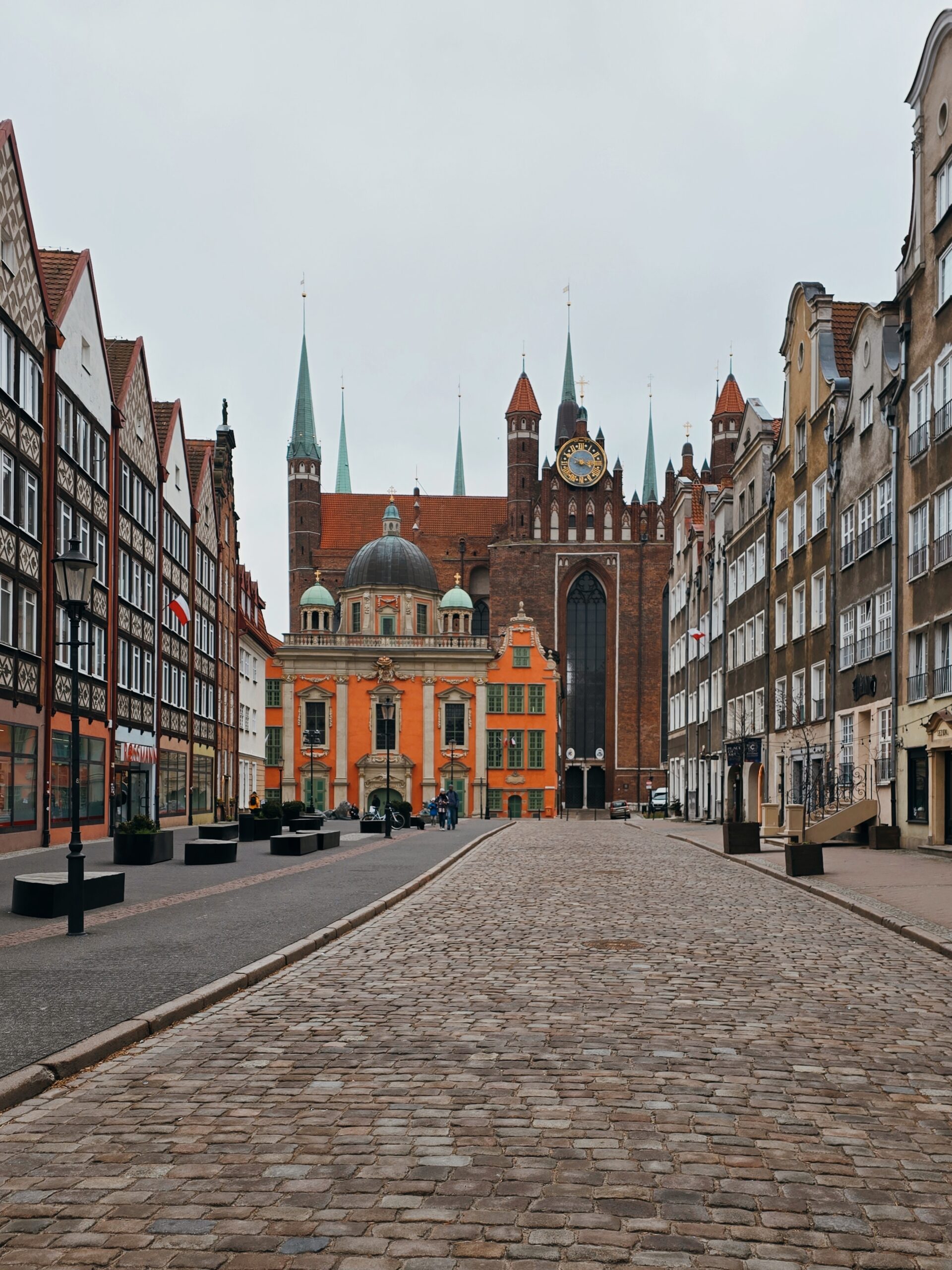
In front of it, you will see a contrast: The Royal Chapel at St. Mary’s Church is a striking Baroque-style addition built in the late 17th century. It was commissioned by King John III Sobieski as a Catholic place of worship at a time when the main church was controlled by Protestant congregations. Architecturally, it stands out from the massive Gothic brick structure of St. Mary’s with its lighter, more decorative façade and domed roof.
4. St. Nicholas’s Church
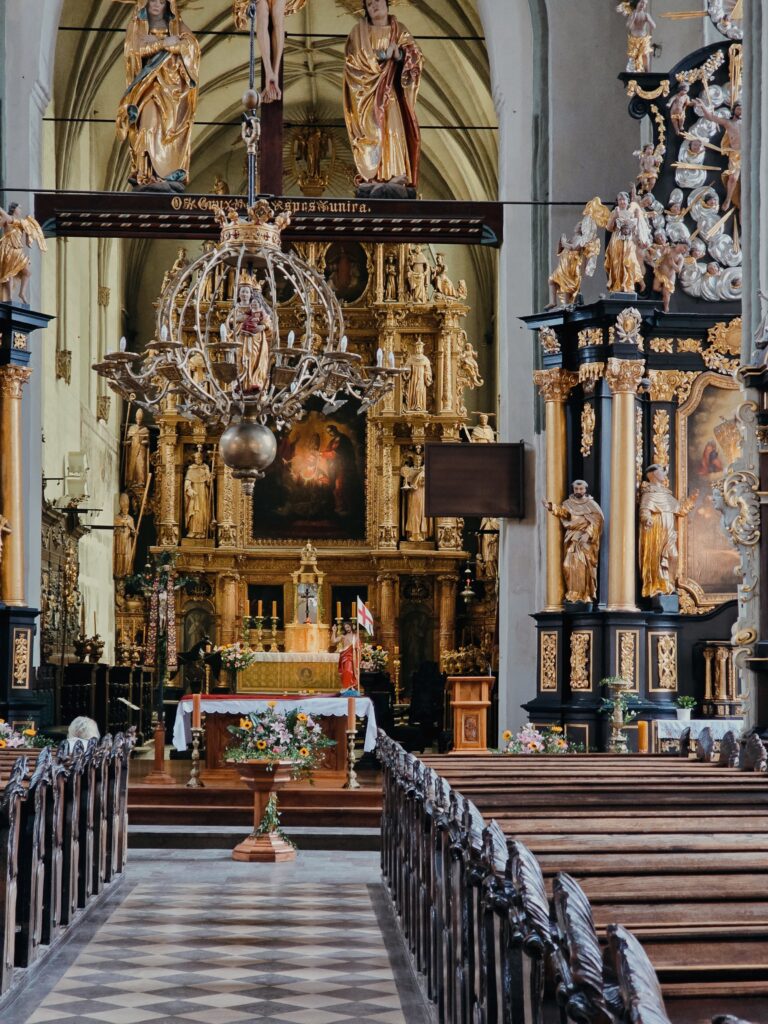
Tucked away just beyond the busiest streets, St. Nicholas Church offers a quieter, more intimate glimpse into the city’s past. Founded in the 13th century and run by Dominican monks, it is one of the oldest churches in Gdańsk and remarkably, one of the few that survived World War II without major destruction. Inside, the atmosphere shifts from the grandeur of larger churches to something more richly decorated and baroque, with ornate altars, gilded details, and centuries-old religious artwork.
5. The Crane
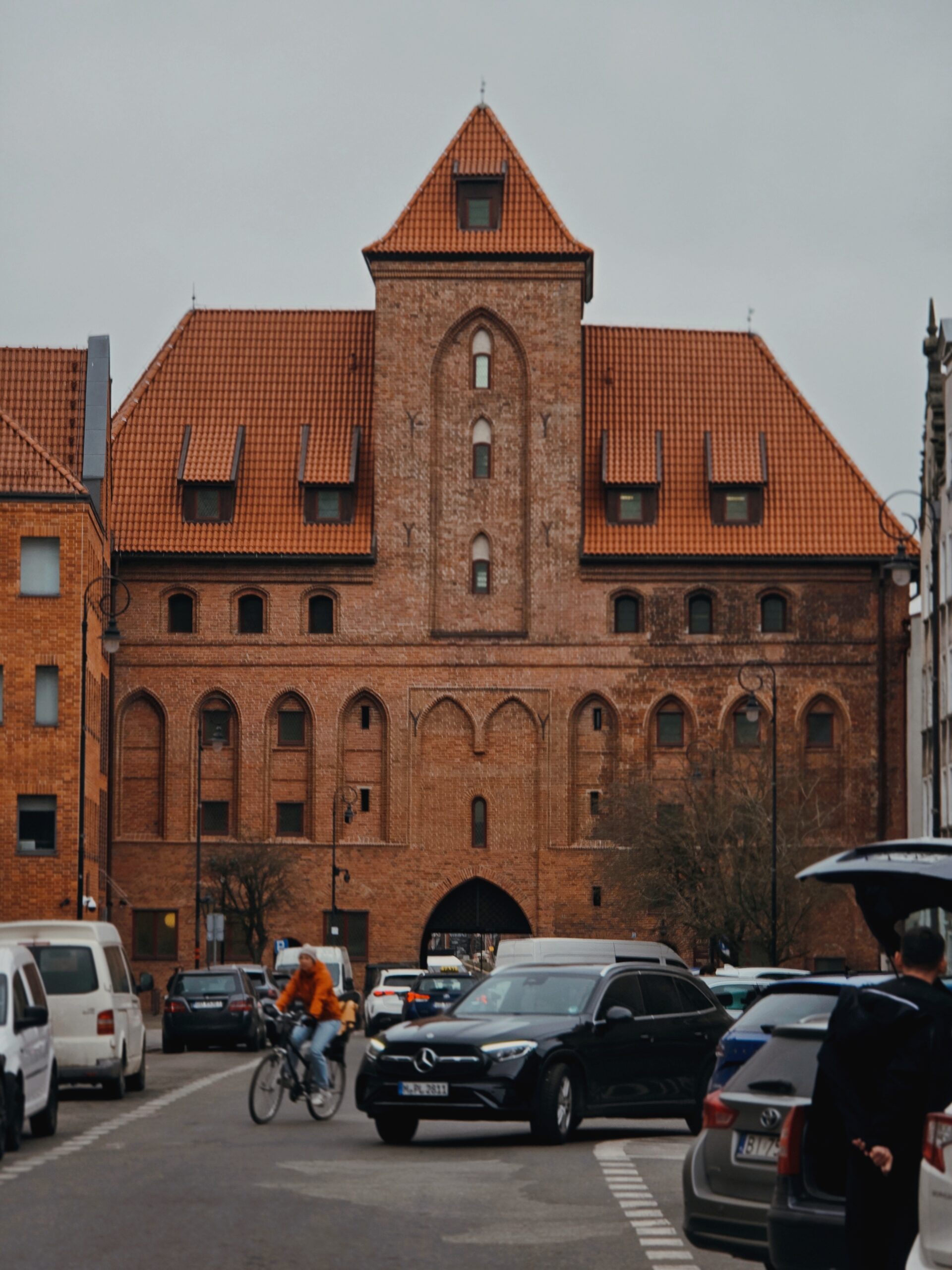
The Żuraw (Gdańsk Crane) is one of the most iconic historic landmarks in Gdańsk. Built in the 15th century, it served both as a medieval port crane and a fortified city gate on the Motława River. At the time, it was one of the largest working harbor cranes in Europe, used for loading heavy goods like ship masts onto vessels. Today, it stands as a symbol of Gdańsk’s rich maritime history and is part of the city’s preserved Old Town waterfront.
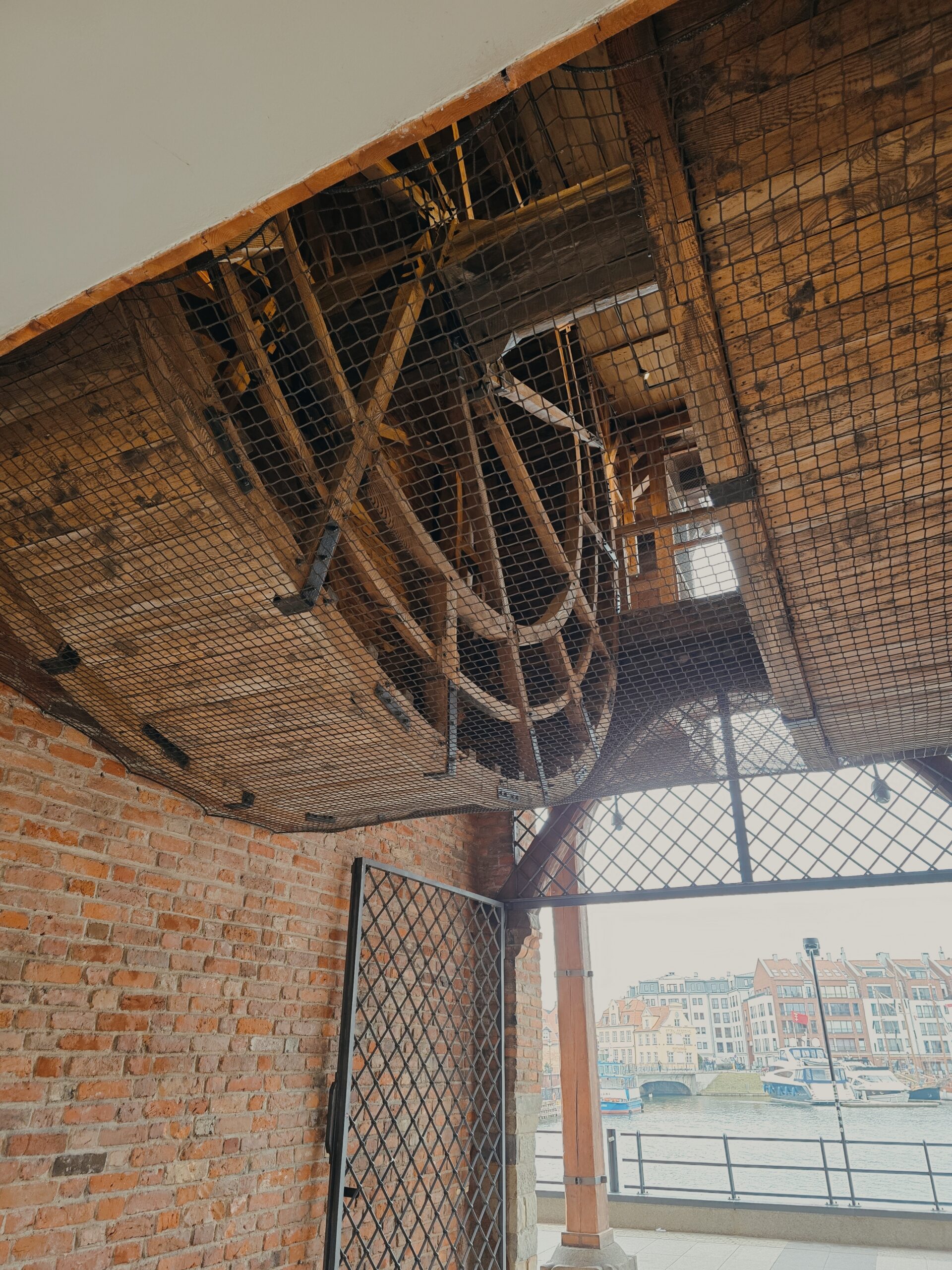
Keep an eye out for the big hamster wheels. Those are actually human-powered treadwheels. Inside the crane’s towers, workers would walk inside large wooden wheels to generate the force needed to lift extremely heavy cargo. The crane was powerful for its time, and it was a key piece of medieval port technology in Gdańsk, helping the city become a major trading hub on the Baltic Sea.
6. The Robots
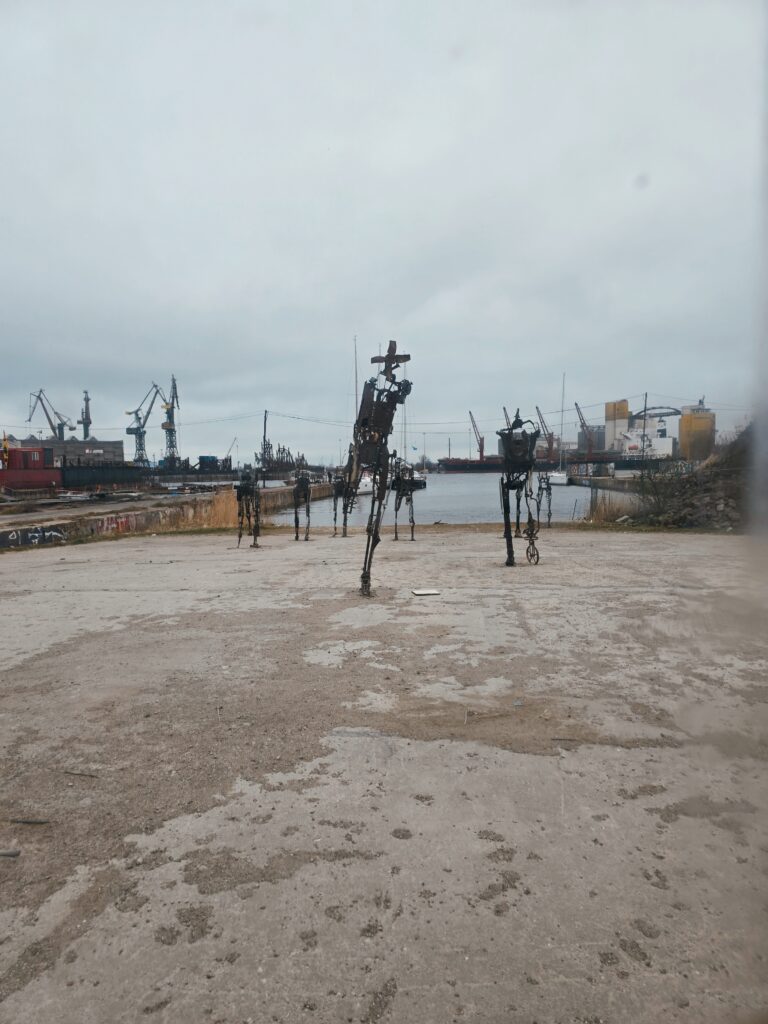
If you’re in the mood for a little «treasure hunt», go look for the robots. Those metal sculptures are part of the famous installation called Mamut Art Installation Gdańsk. They’re made from scrap metal and industrial parts, arranged to look like mechanical animals or creatures. This installation is located near the shipyard harbor area and is meant to evoke industrial transformation, a slightly dystopian / futuristic feel and movement, even though the figures are static.
7. Góra Gradowa
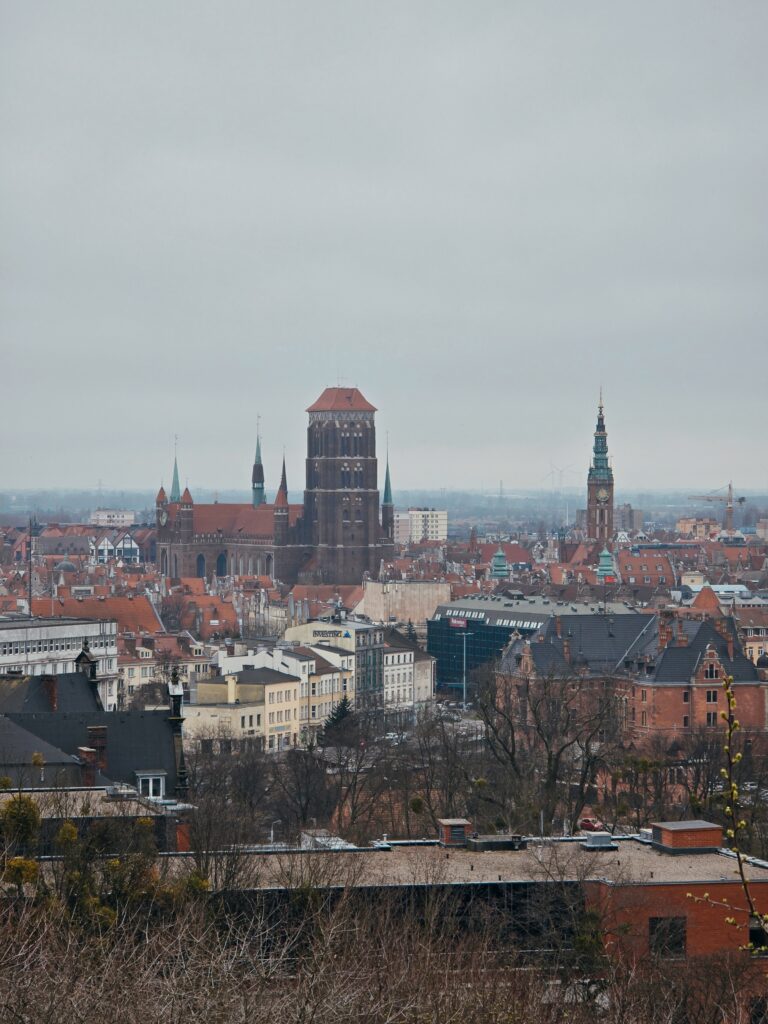
Also a bit further away from the center, Góra Gradowa is a hill that offers one of the best panoramic views of the city’s historic skyline. Historically, it was a strategic military site, used for centuries as a defensive position because of its elevated location. Today, it is part park, part open-air heritage area, where visitors can explore remnants of old fortifications while enjoying green spaces and walking paths. At the top, the view stretches across the Old Town, the shipyards, and even toward the Baltic coast, making it a popular spot for both history enthusiasts and people looking for a quiet place above the city.
8. Queen Cookies
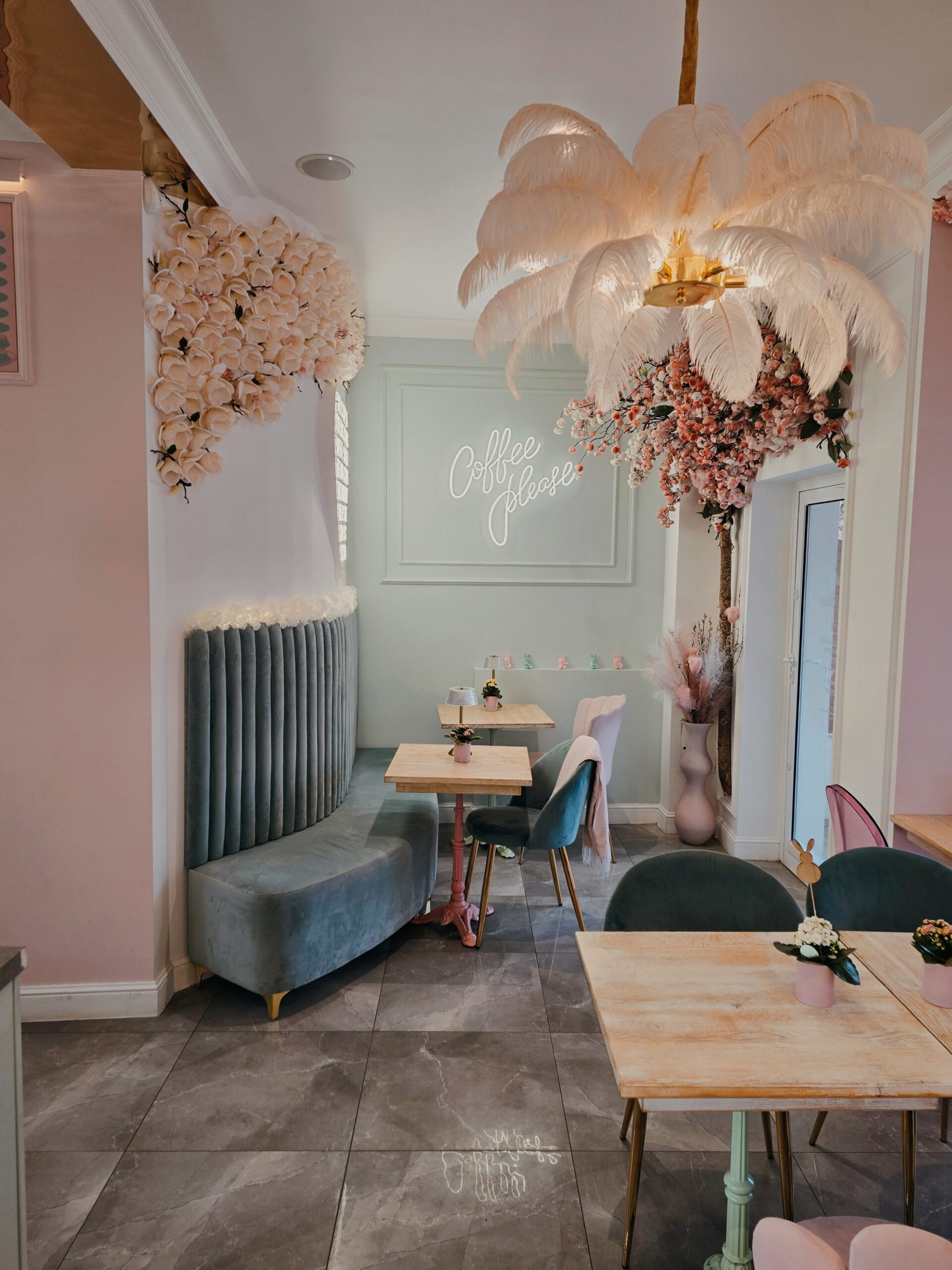
When you walk at the harbor, you will stumble across Queen Cookies. This gorgeous, small café is your go-to place for the best sweets in Gdańsk. I tried the Raspberry Merengue and it was truly one of the most delicious sweets I tasted lately.
Gdańsk is a city where history and modern life sit side by side on the Baltic coast. From its medieval landmarks like the towering Żuraw (Gdańsk Crane) to the grand interiors of St. Mary’s Church, every street tells a story shaped by trade, resilience, and culture. The waterfront along the Motława River, lively cafés, and restored merchant houses create a unique atmosphere that blends old port city charm with a vibrant present.