returned to Austria after 7 years for just a weekend and since my one day was already booked and away from the capital, I had to make the most of Vienna in just 24 hours. And it really was an incredible journey.
This was such a special day, full of incredible art and delicious food, better than I ever expected it to be.
The last time I was in Austria I didn’t get the chance to visit Hallstatt and Schloss Ort so when the opportunity came up, I came back for more. That also meant I had a whole day in Vienna, so I could revisit big loves and discover places and tastes I hadn’t have the chance to.
So here’s everything I did in Vienna, without any rush, in one Sunday of February, starting from the night before, after we returned from Hallstatt.
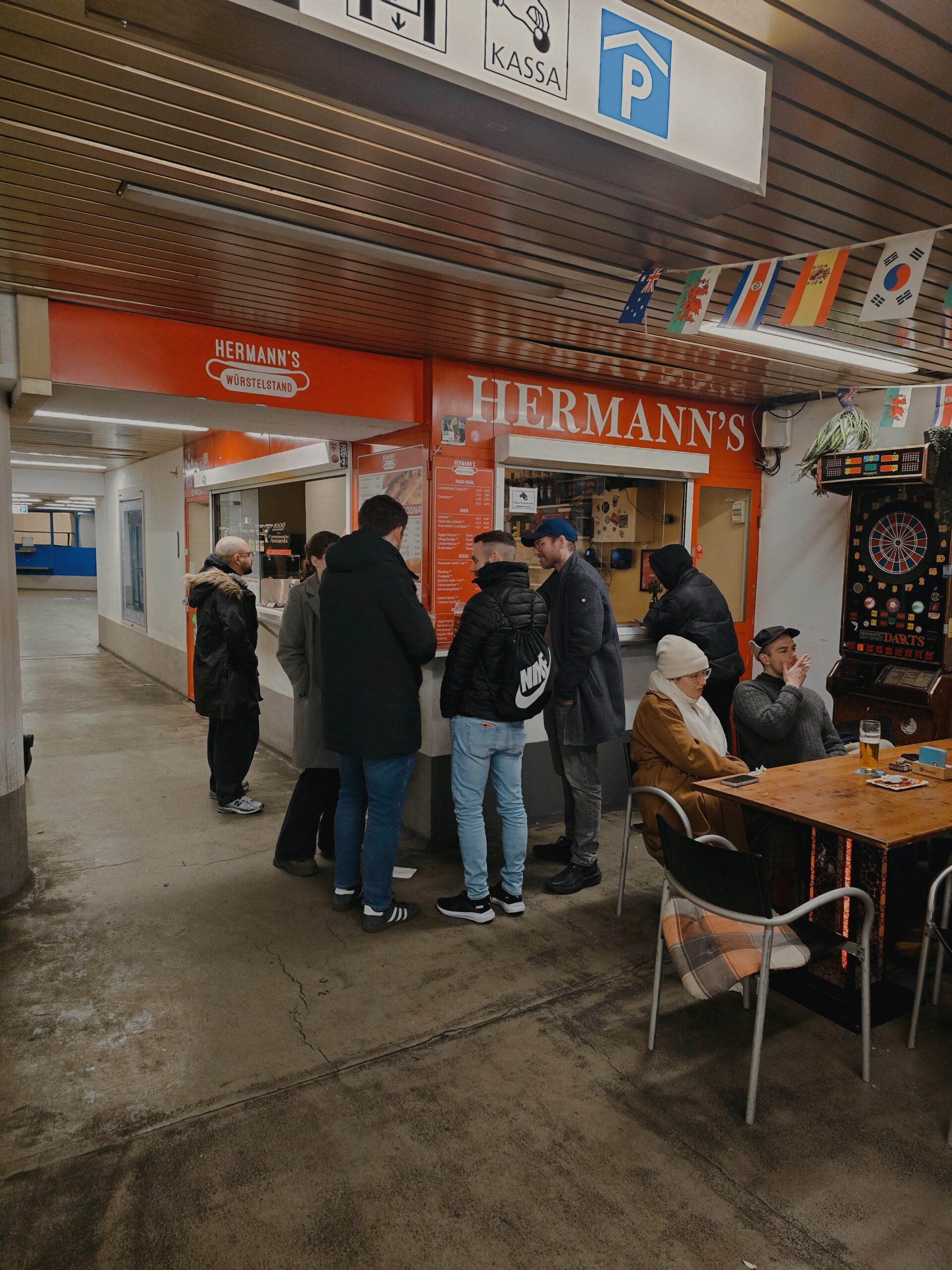
Hermann's Würstelstand
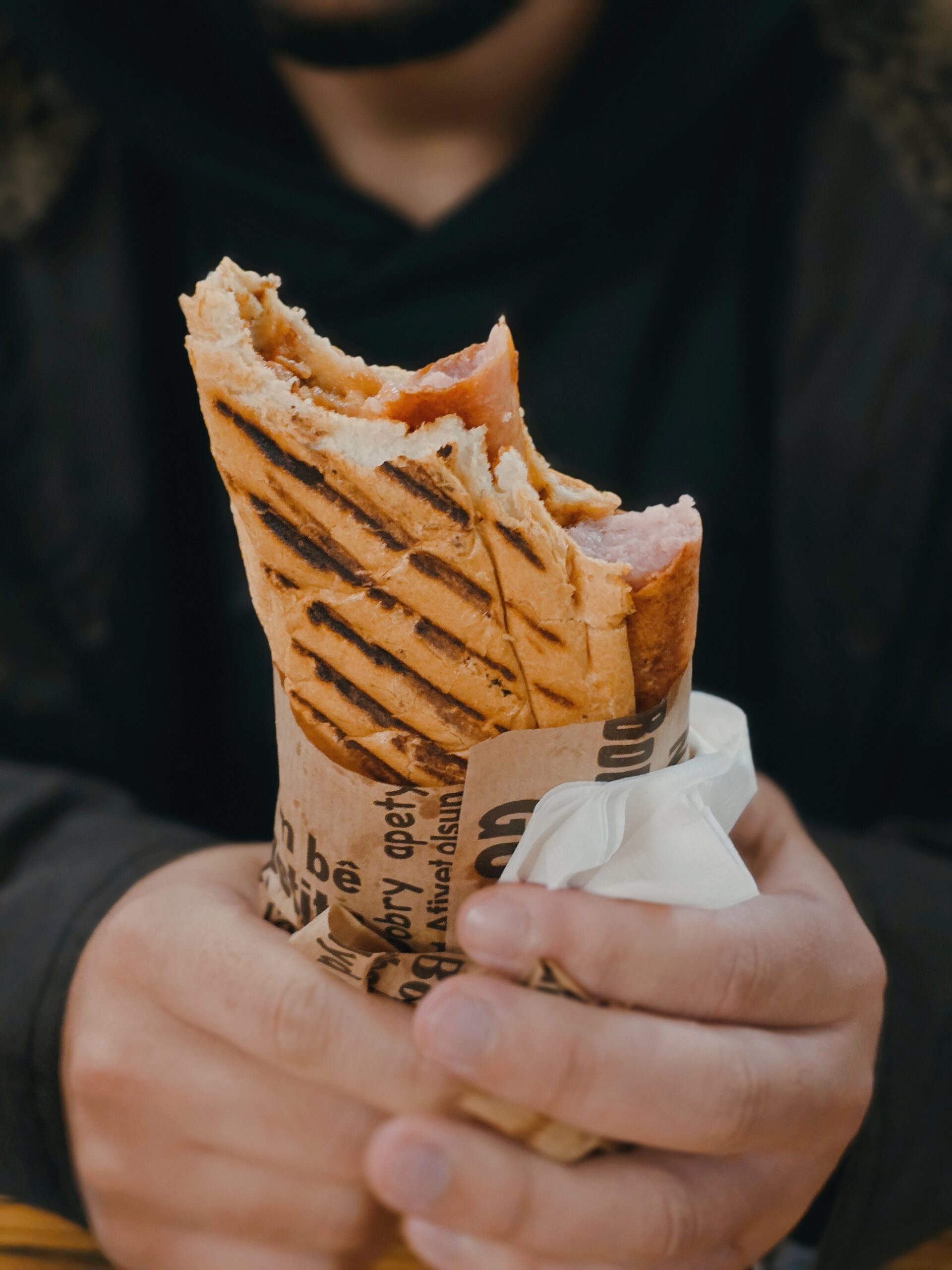
Probably one of the biggest (and best) surprises was discovering Hermann’s Würstelstand in the Wipark garage. It was only a 2 minute walk from our hotel so we thought we’d try it after we returned from Hallstatt the day before. Known for its unique, “edgy” atmosphere, the stand has been in operation for over 30 years and serves as a popular late-night gathering spot for locals and visitors alike. The hot dog was incredibly tasty and the vibes were so cool I fell in love with the place.
The Upper Belvedere
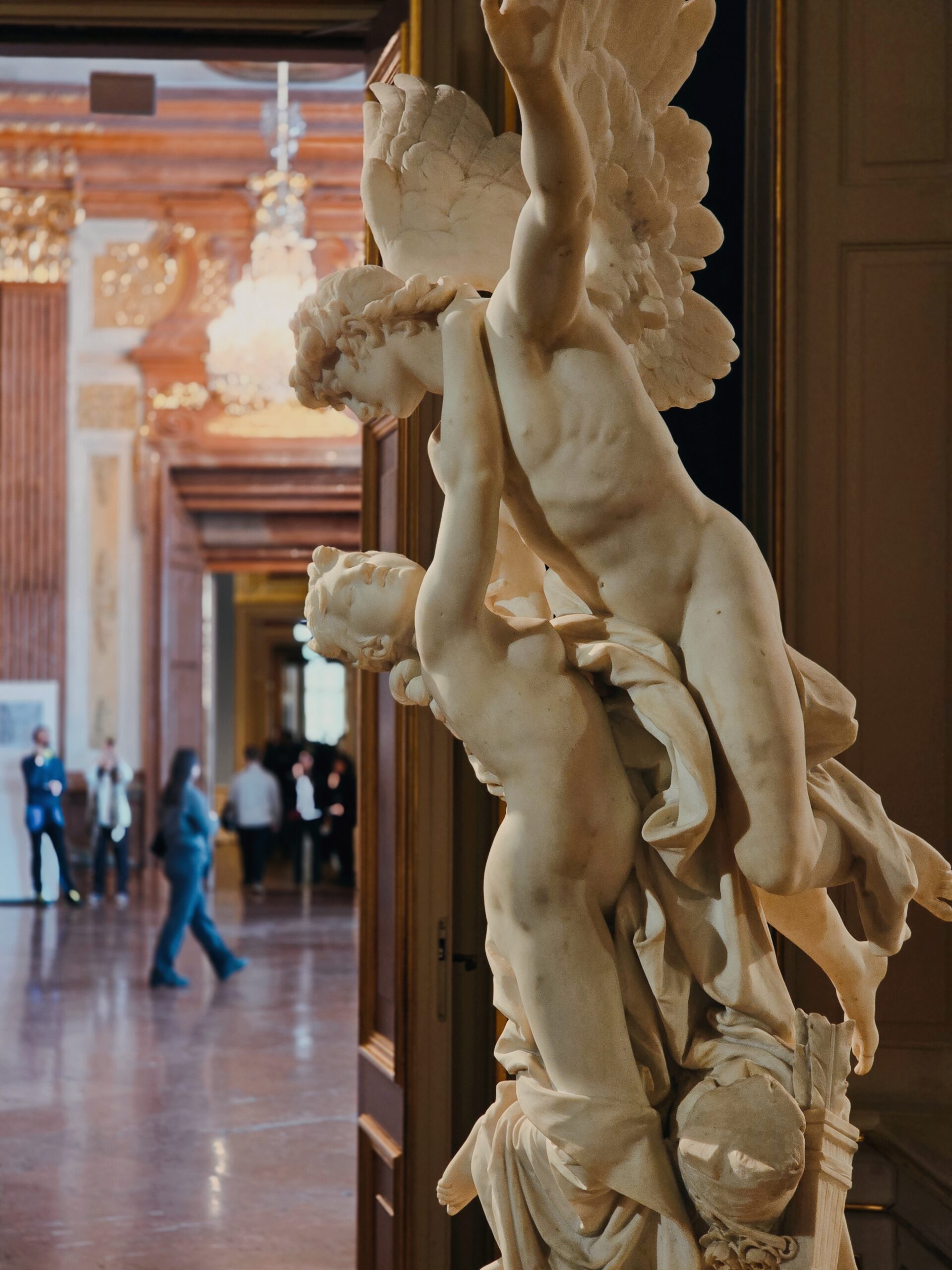
Cupid & Psyche, by Theodor Friedl
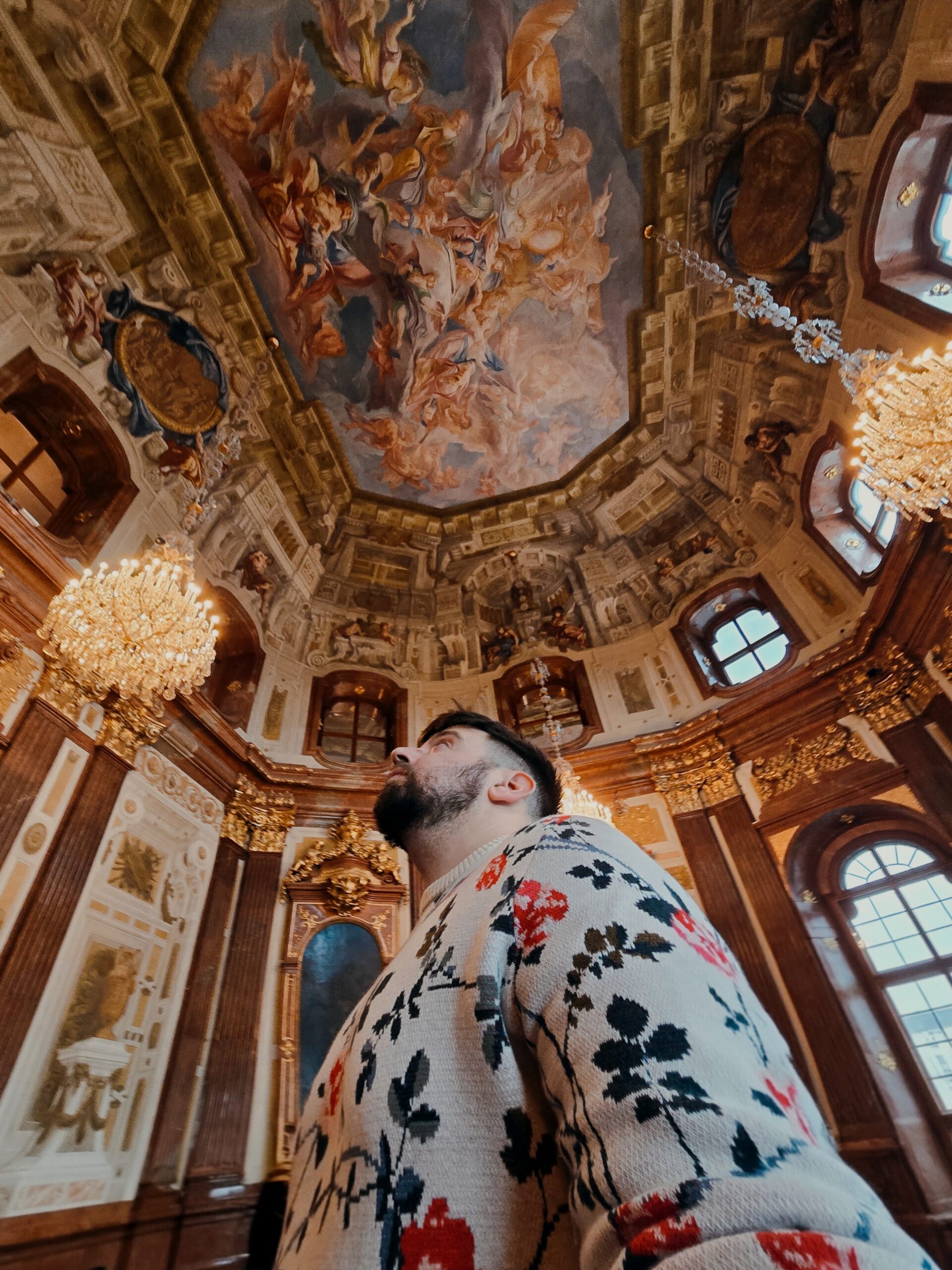
The ceiling... it's always the ceiling
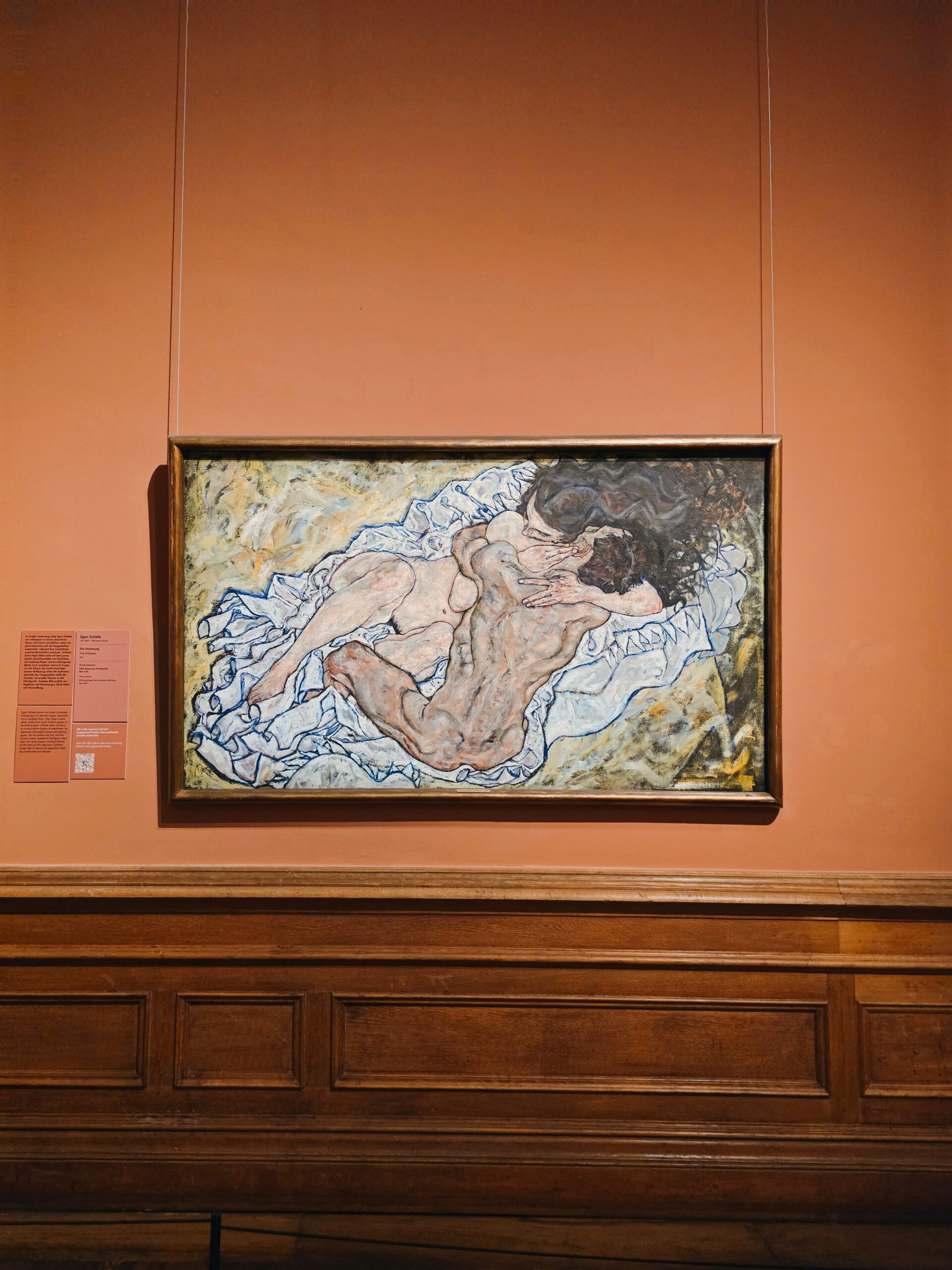
Egon Schiele's ''The Embrace''
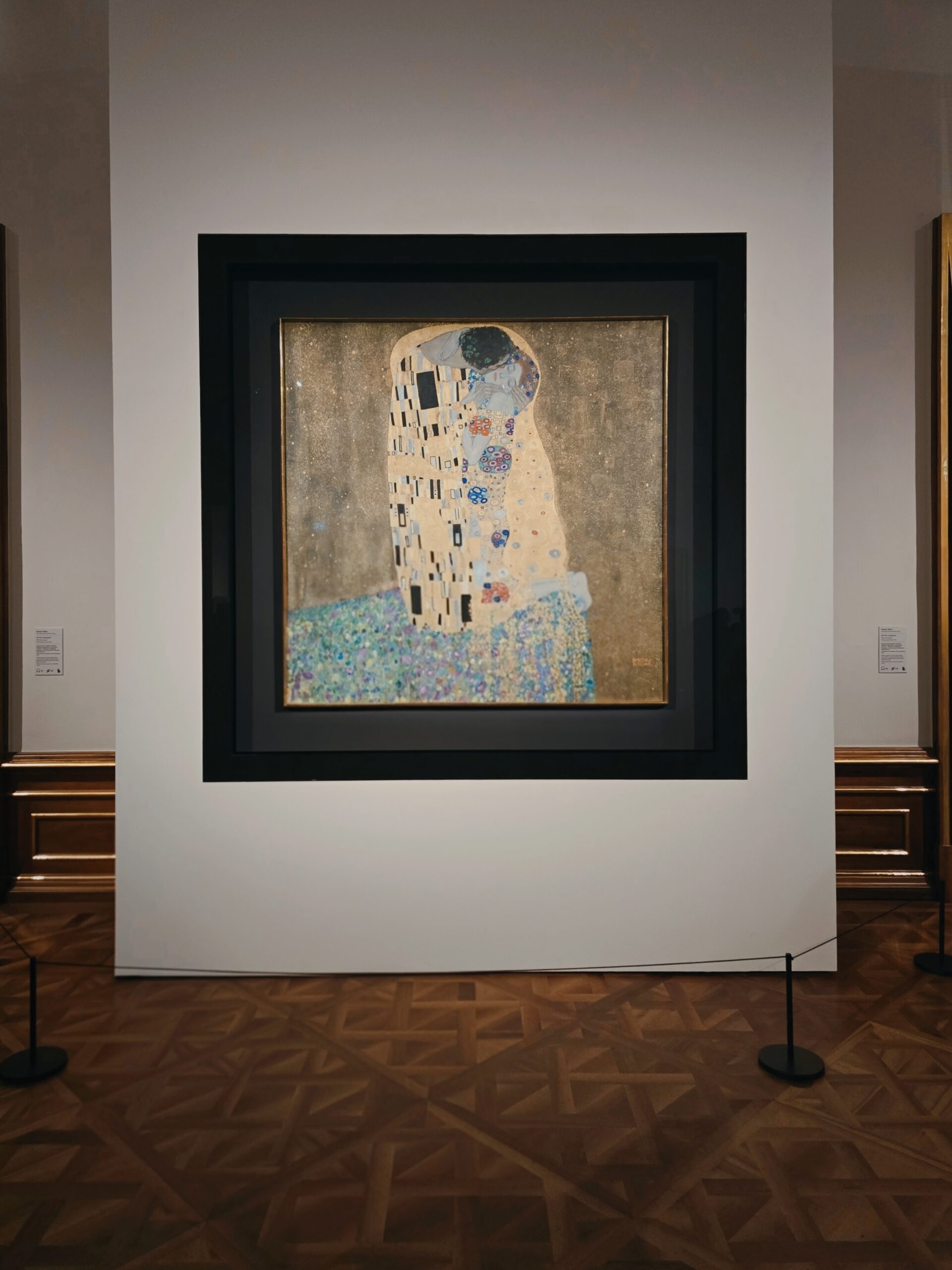
''The Kiss'' checked off from my bucket list
The Upper Belvedere was easily one of the highlights of my time in Vienna. Originally built as the grand ceremonial palace of Prince Eugene of Savoy in the early 18th century, it feels every bit as magnificent as it was meant to be. The marble hall, with its soaring ceilings and frescoes, immediately sets the tone – dramatic, elegant, unapologetically Baroque.
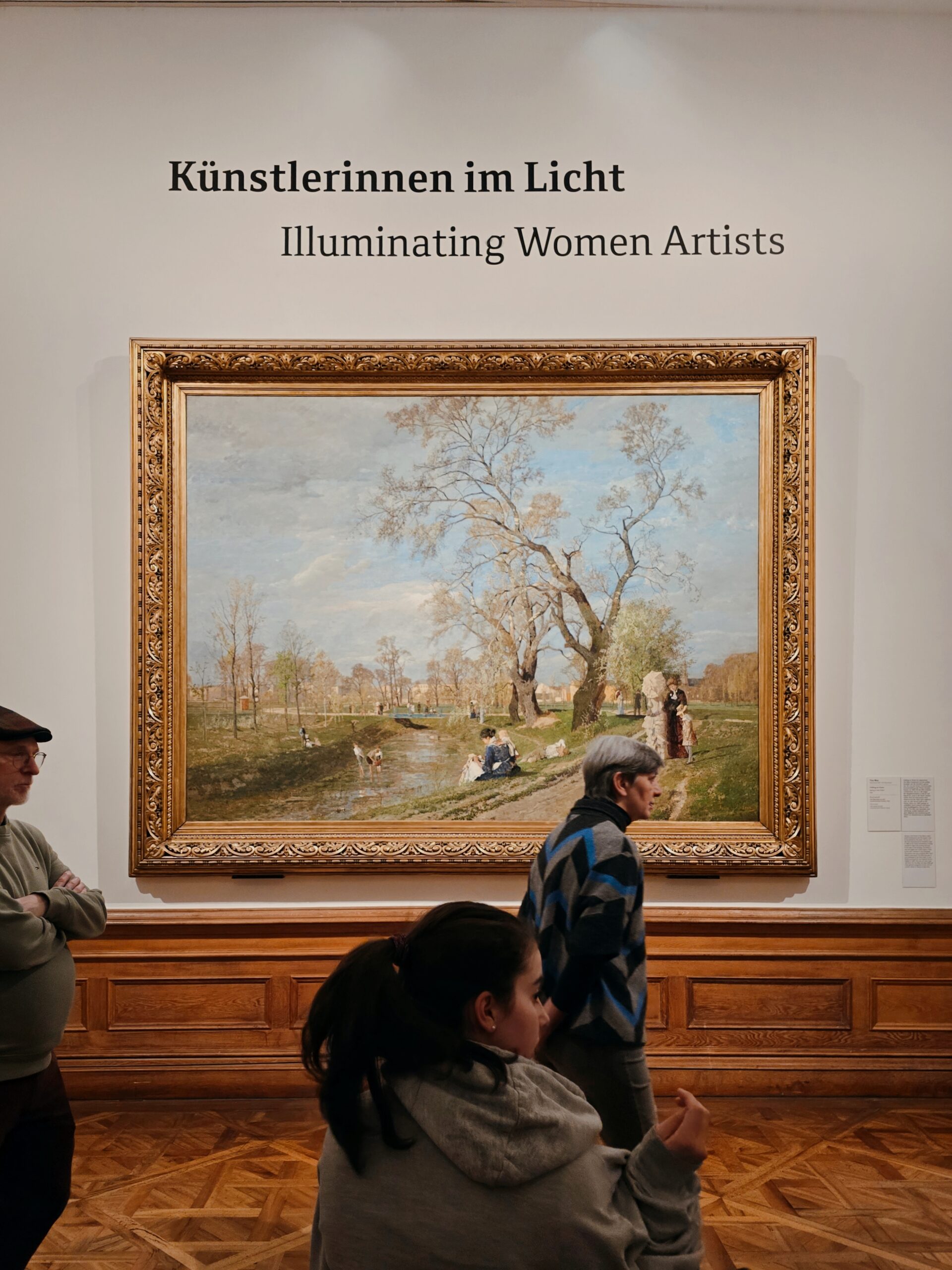
Today, the palace houses one of Austria’s most important art collections, including Gustav Klimt’s world-famous The Kiss, which is even more mesmerizing in person than I expected, work by Egon Schiele, Theodor Friedl’s incredible Cupid & Psyche and so many more. Walking through the ornate rooms, surrounded by gilded details and masterpieces spanning centuries, felt like stepping into a space where art and architecture are in constant conversation.
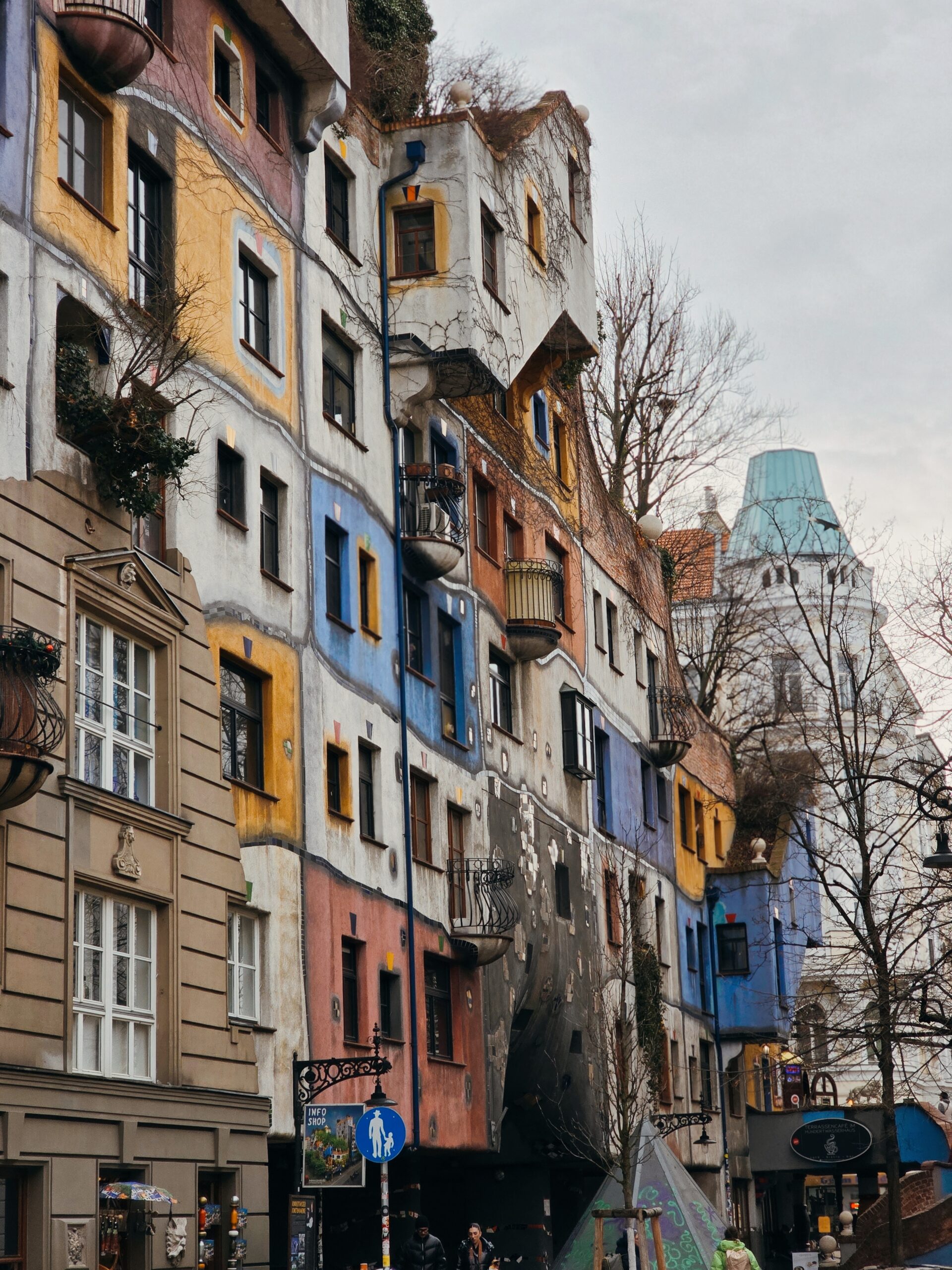
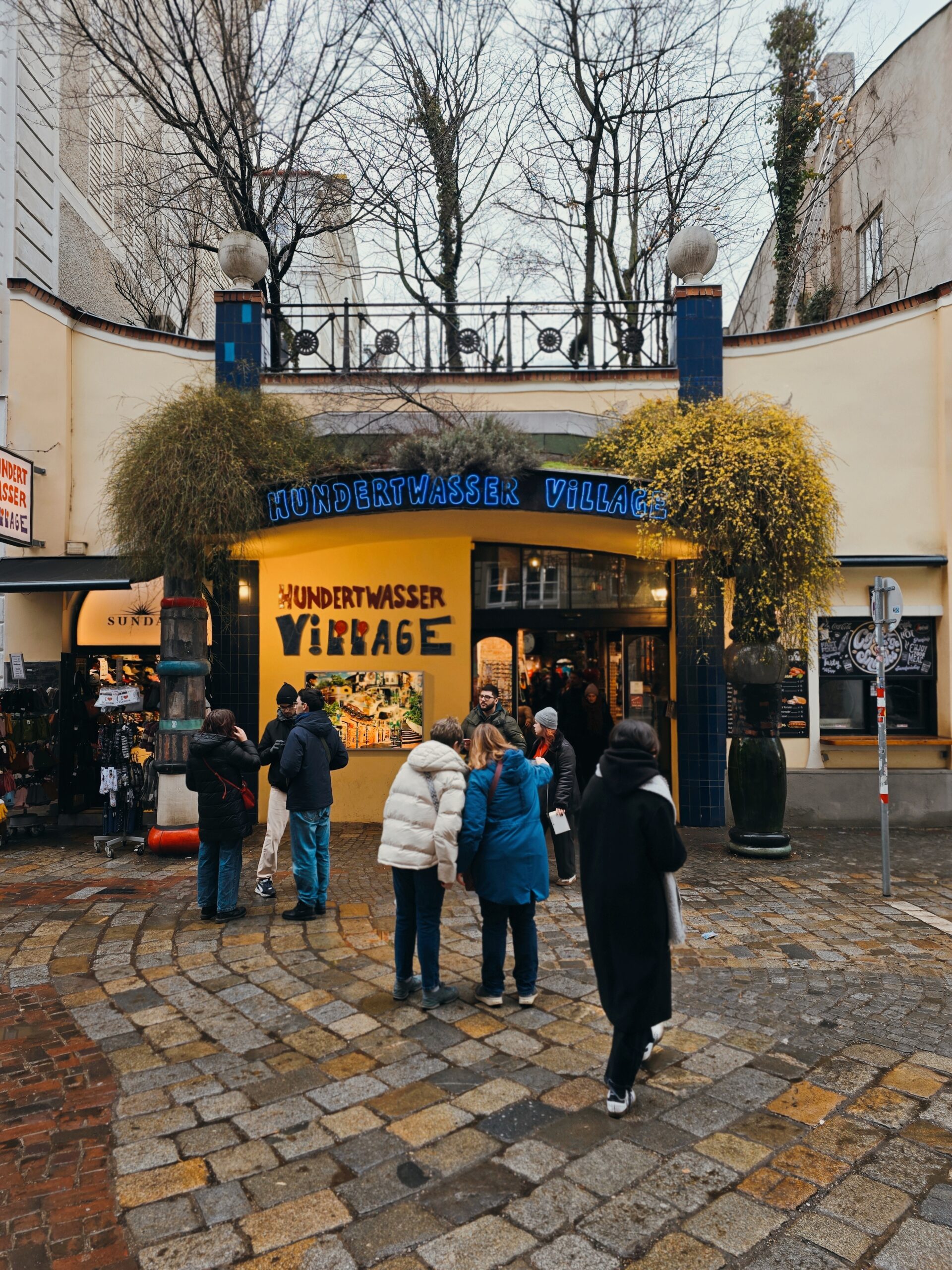
The Hundertwasserhaus
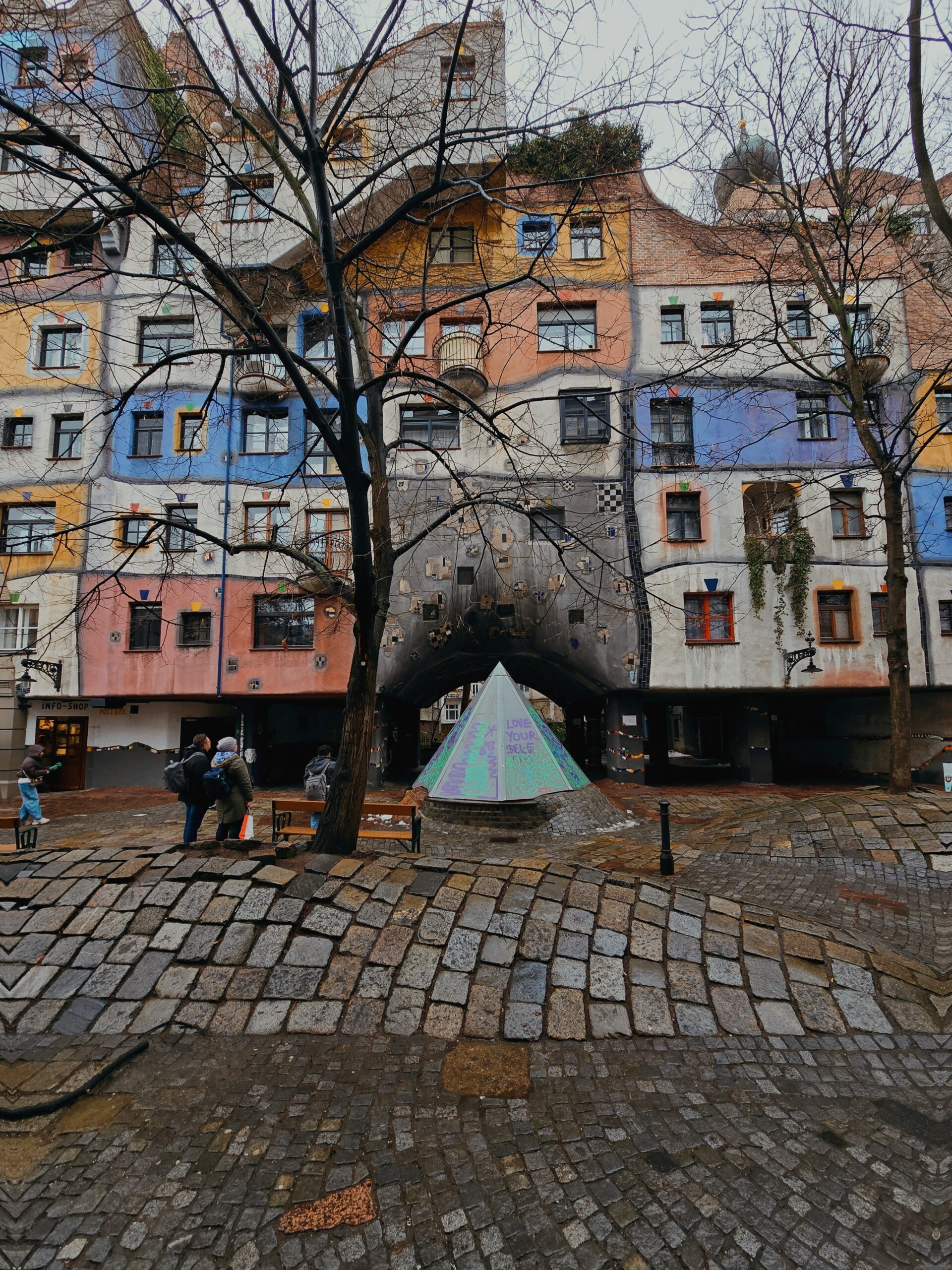
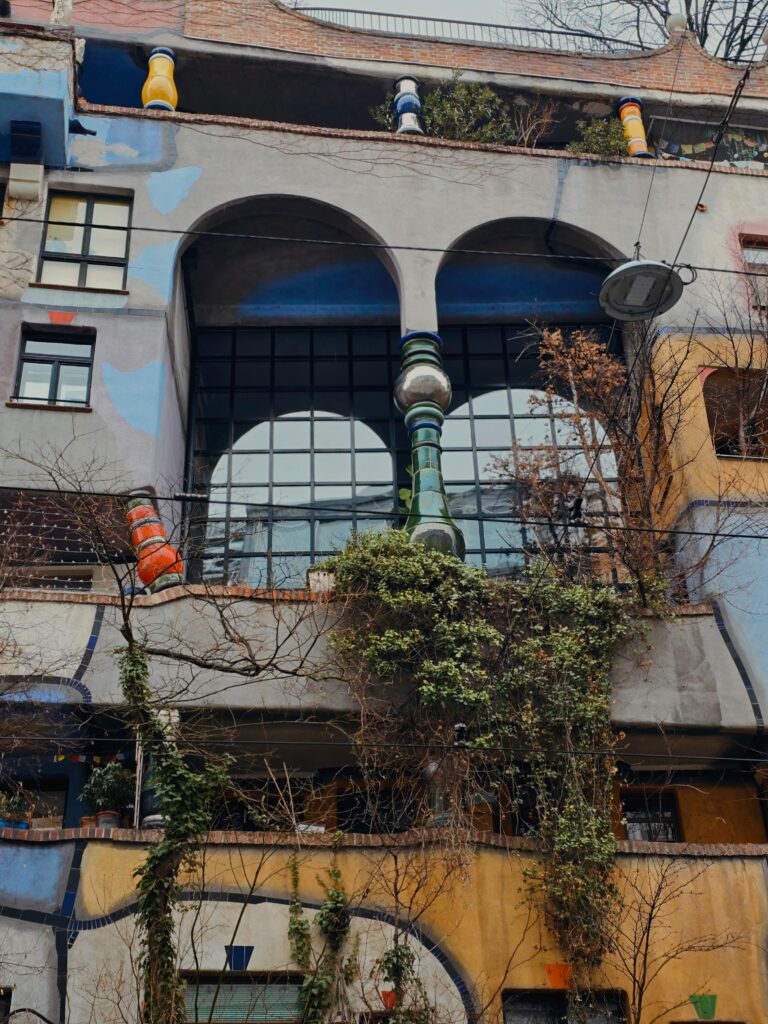
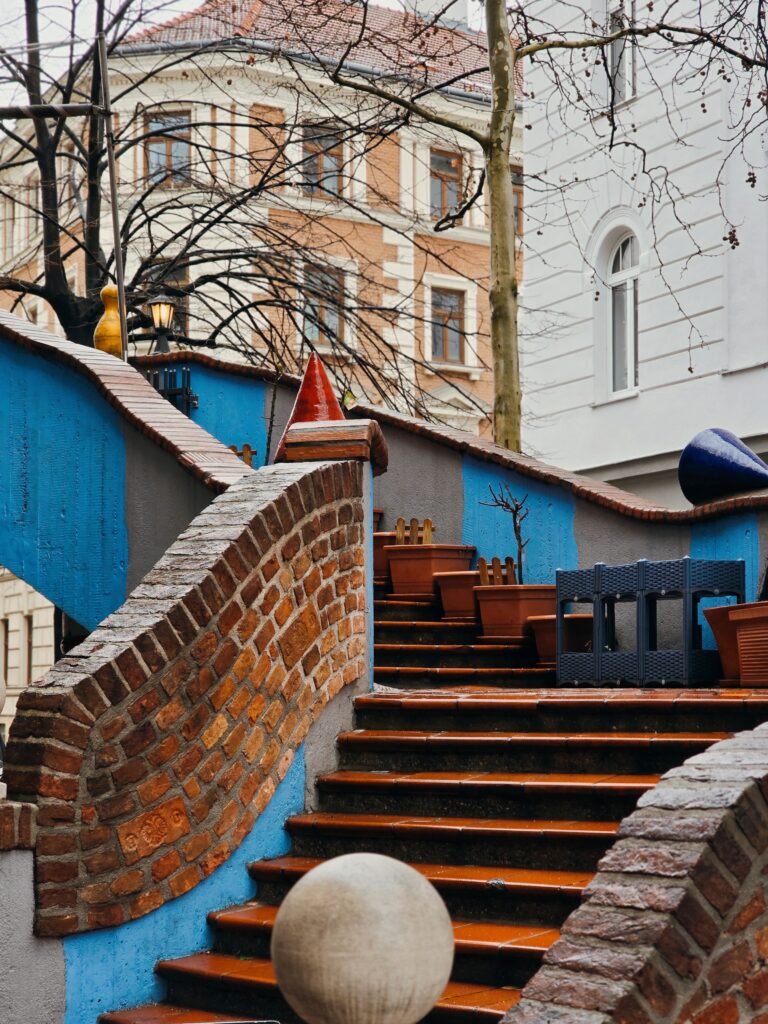
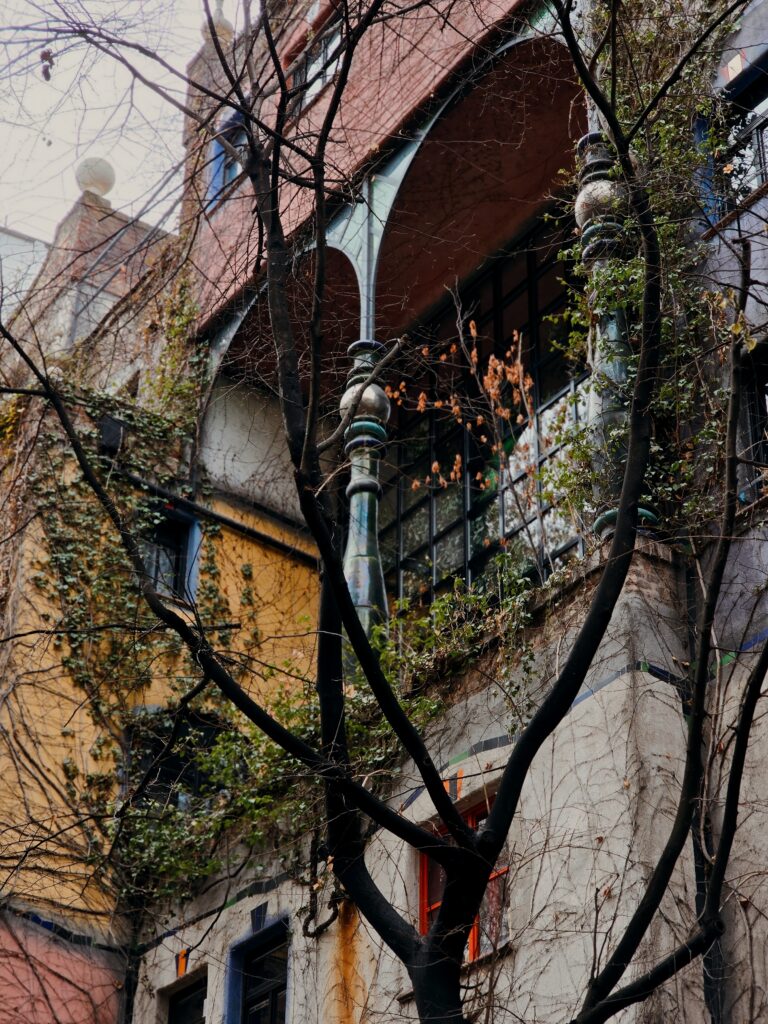
One of the most unexpected highlights of my last visit in Vienna was seeing the Hundertwasserhaus. I discovered it by accident, and I couldn’t wait to come back to it. I guess, after so much imperial grandeur and Baroque symmetry, this colorful, whimsical apartment building feels like stepping into a surreal dream.
Designed by Austrian artist Friedensreich Hundertwasser in the 1980s, the house rejects straight lines entirely – floors are uneven, windows are irregular, and trees grow from the rooms and balconies. Hundertwasser believed architecture should be in harmony with nature, and you can really feel that philosophy here. It’s playful, rebellious, and completely different from anything else in the city.
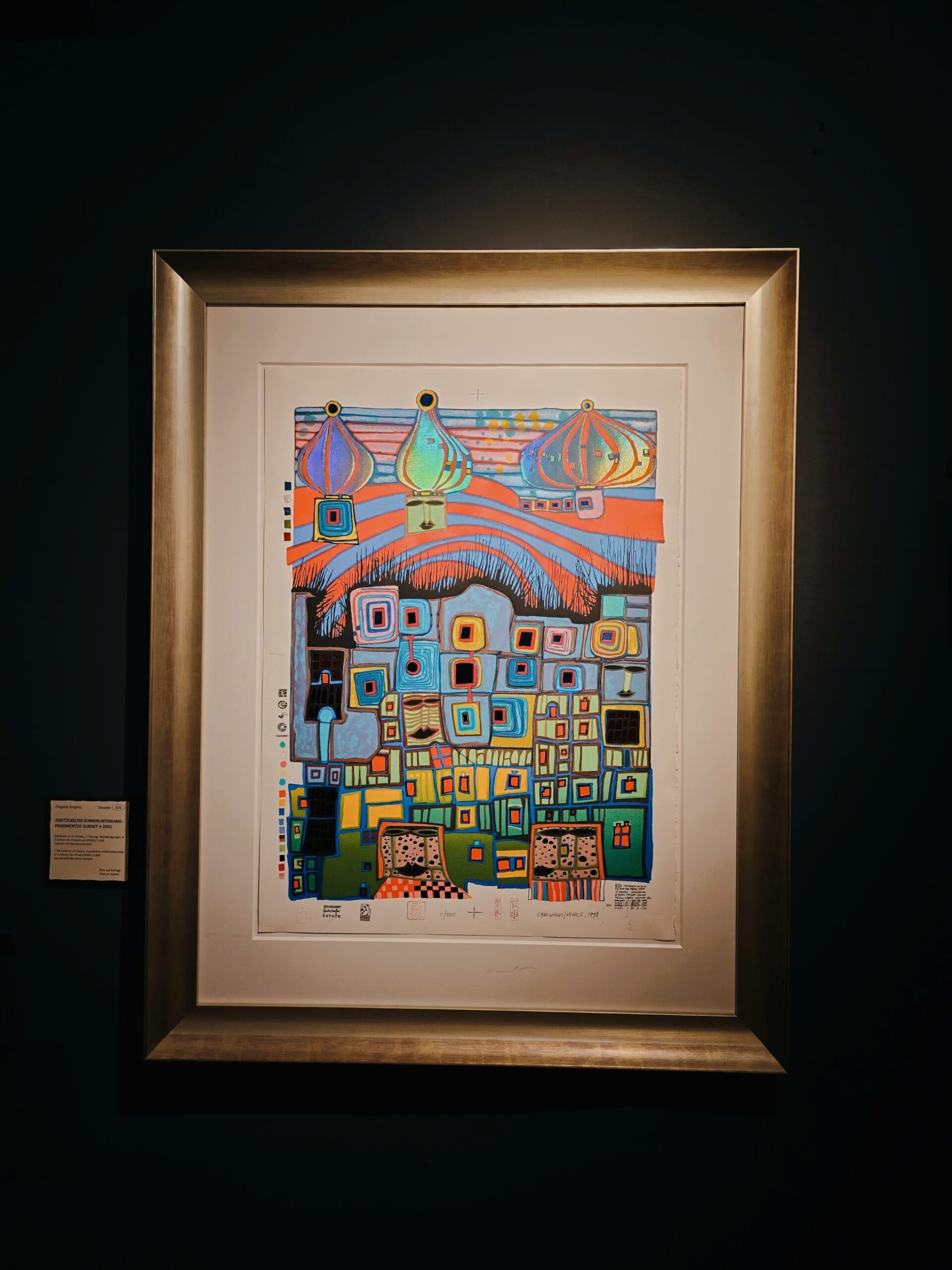
One of the artworks I loved
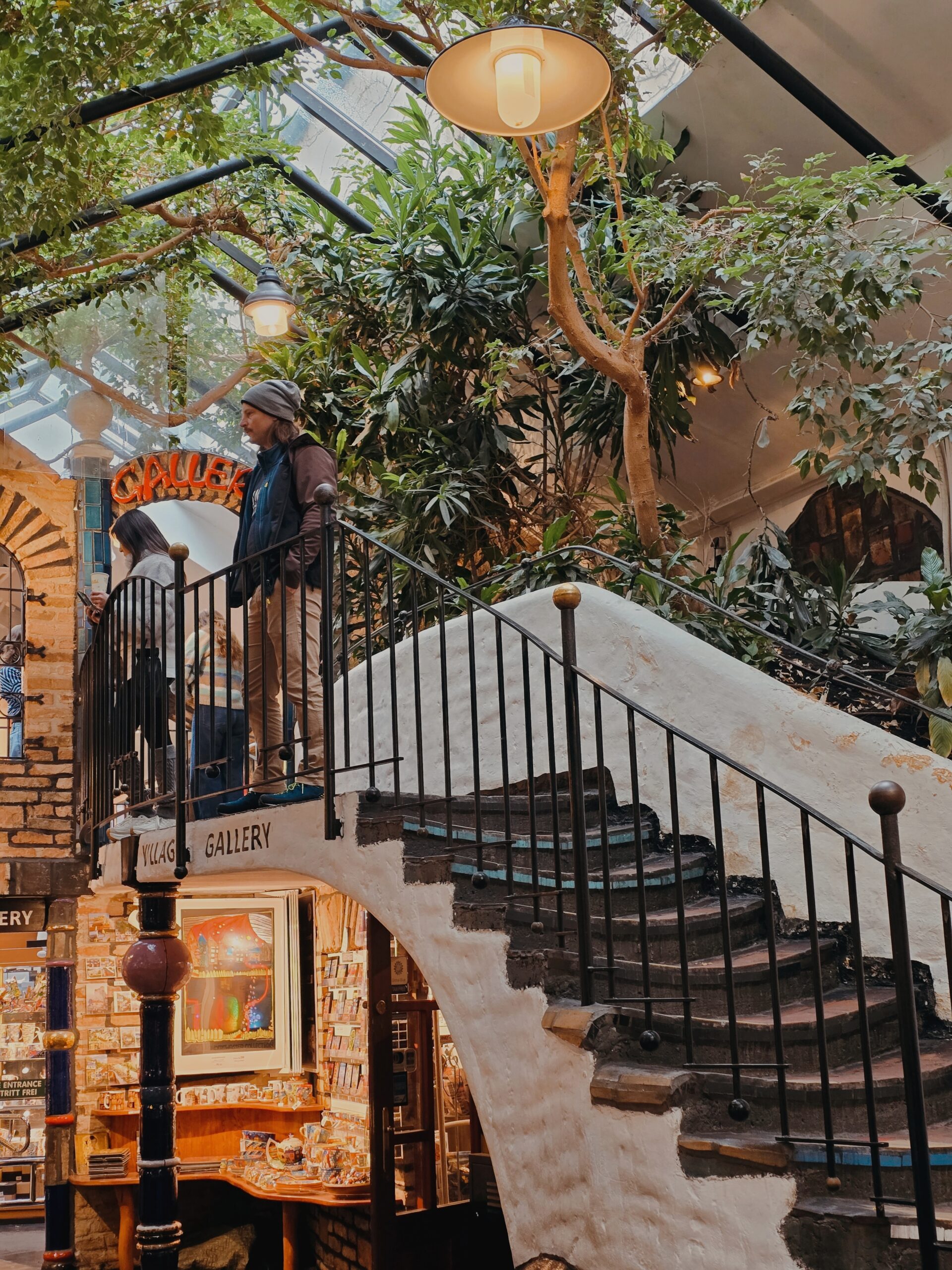
The Village expands in two levels full of art
Of course, Hundertwasser Village is right across, full of shops with souvenirs and more artistic crafts, all inspired by the colorful building and the artist. There’s also a tiny gallery with framed artwork.
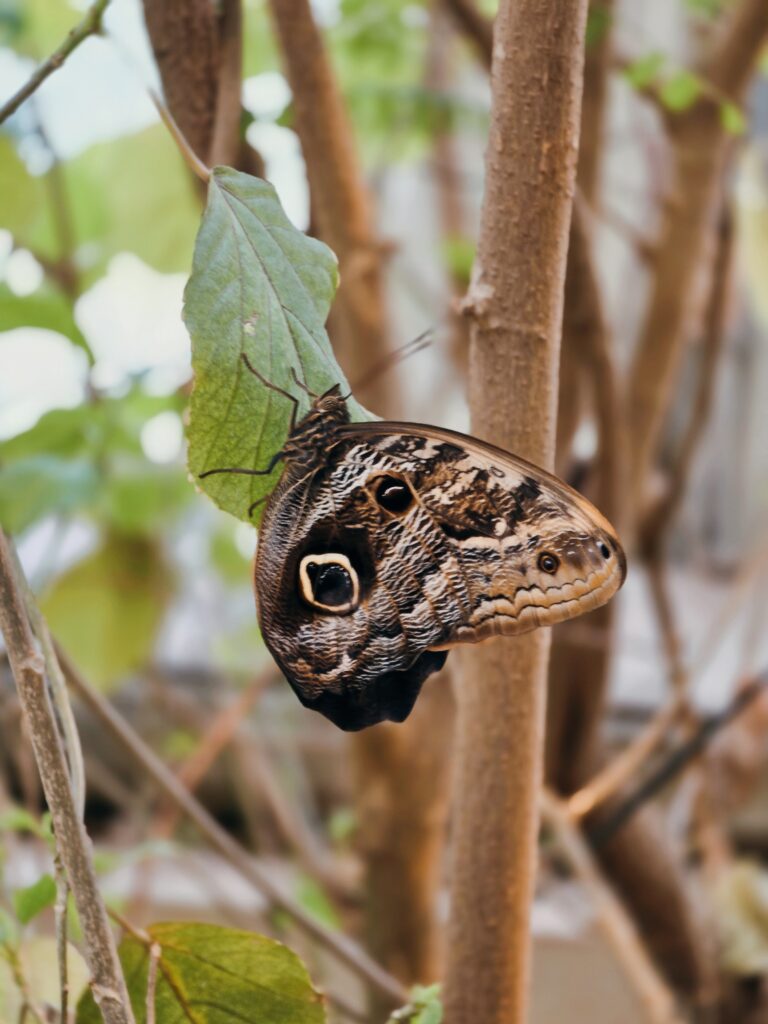
The Butterfly House
Tucked behind the grand buildings near the Hofburg, this Art Nouveau glasshouse feels like a hidden tropical escape in the middle of the city. The moment I stepped inside, the air turned warm and humid, and delicate butterflies fluttered freely all around. To be honest, it was peaceful and joyful but felt a bit underwhelming, compared to the last time I was here – maybe it was the fact the butterflies where much fewer or that the people were noticeably more.
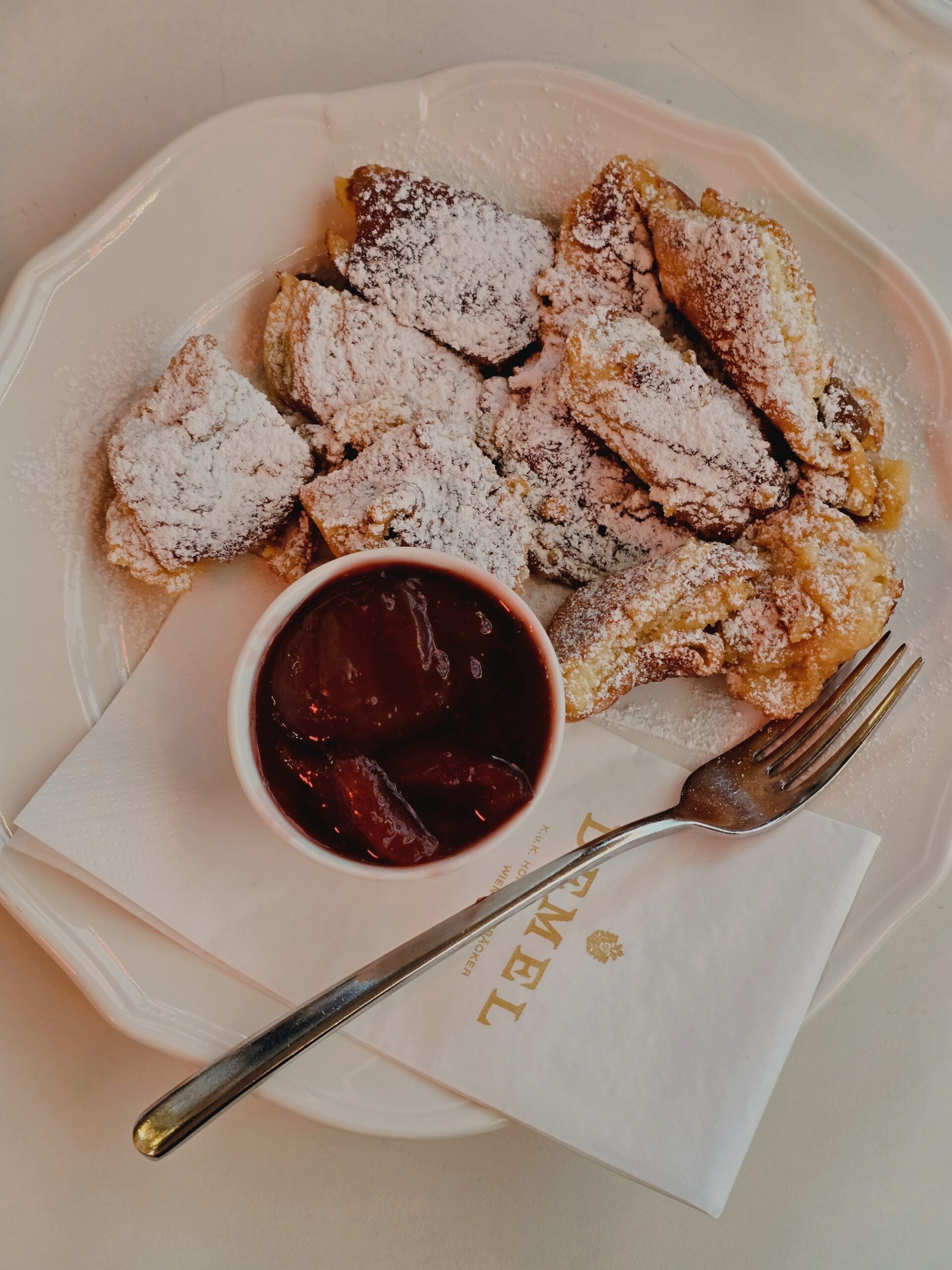
Kaiserschmarrn
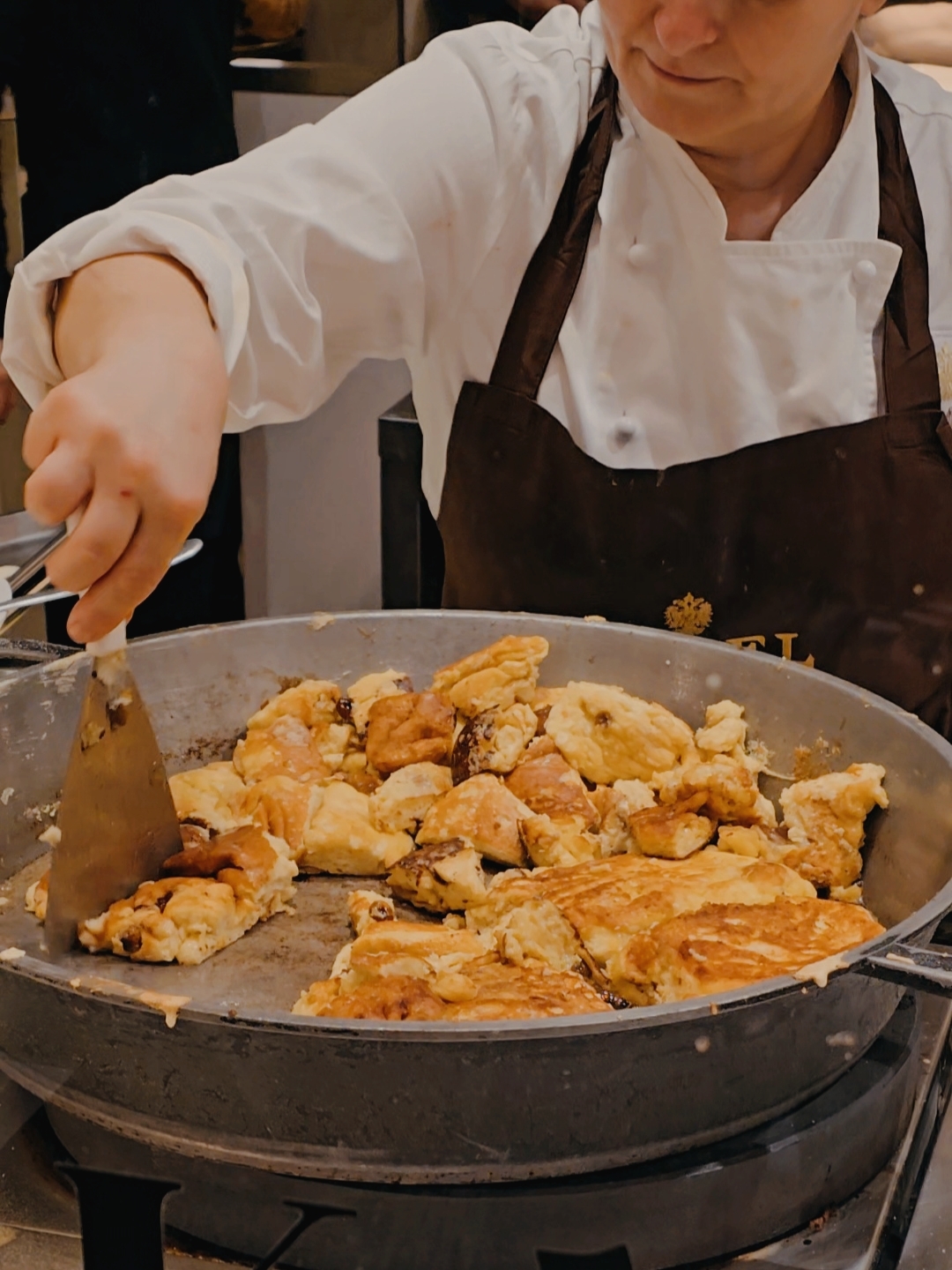
I couldn’t leave Vienna without trying Kaiserschmarrn at Demel, and it instantly became one of my favorite food memories. This fluffy, shredded pancake — lightly caramelized, dusted generously with powdered sugar, and served with plum compote — is pure comfort on a plate. The name literally means “Emperor’s mess,” and legend says it was a favorite of Emperor Franz Joseph I. Whether that’s entirely true or not, it certainly tastes royal.
There’s usually a queue for both take away and a table, but we were seated almost immediately. Don’t miss the preparation of Kaiserschmarrn, done in front of a big window for people to watch and take pictures.
Kunsthistorisches Museum
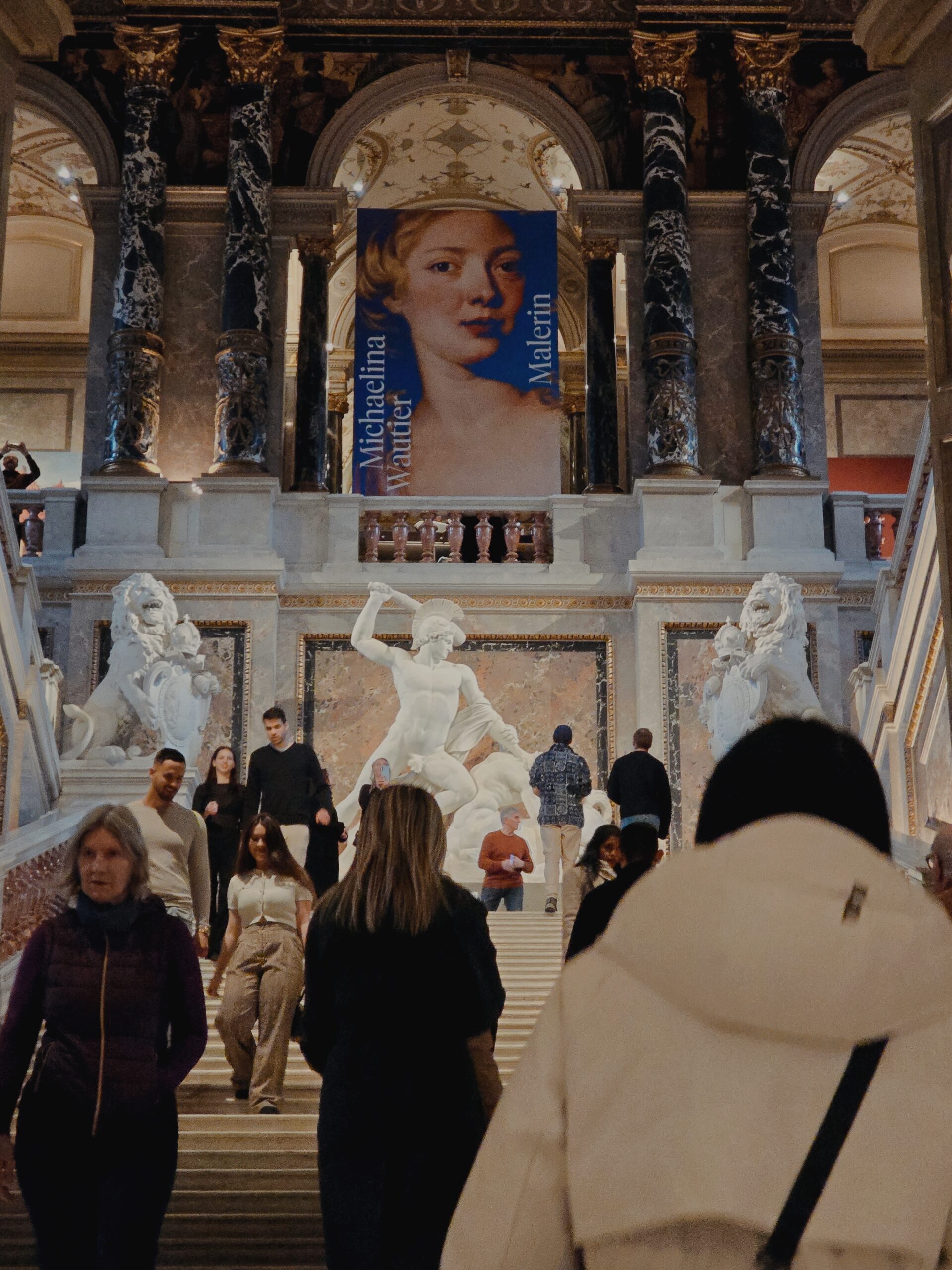
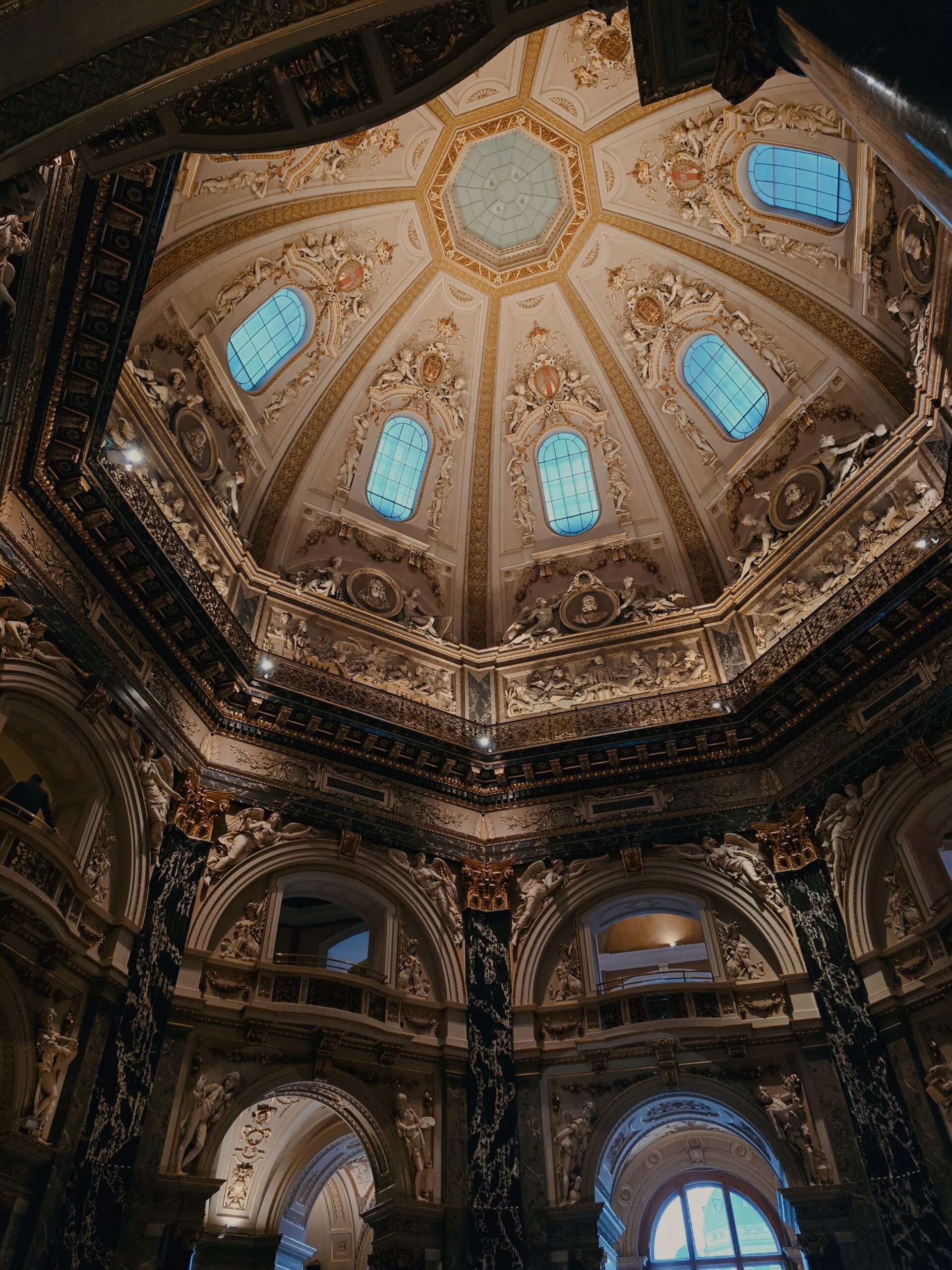
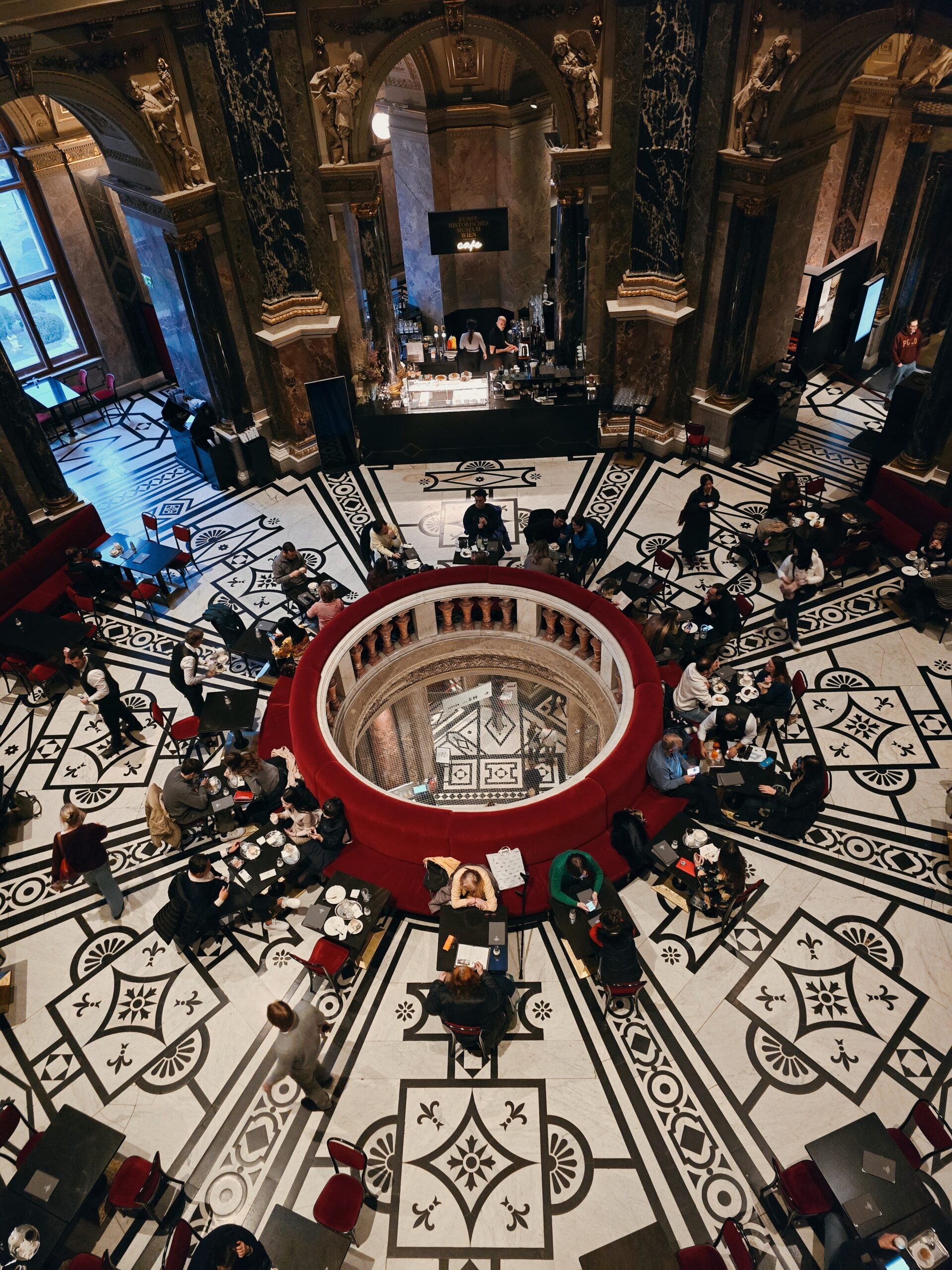
Spending a few hours inside the Kunsthistorisches Museum felt like stepping into a temple of art.
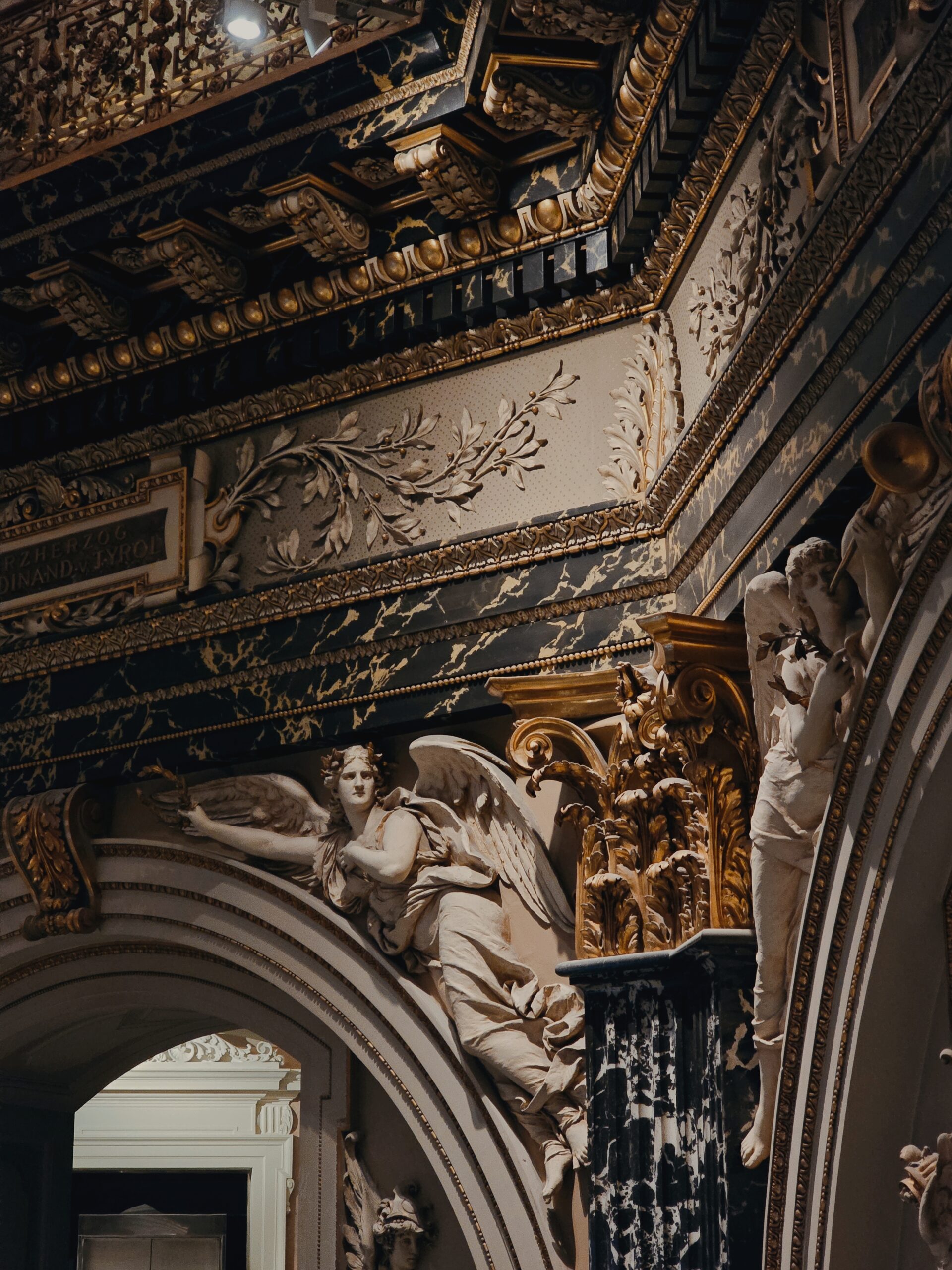
Even before seeing a single painting or statue, I was struck by the building itself: the grand staircase, the marble columns, the soaring dome crowned with frescoes. Commissioned by Emperor Franz Joseph I in the 19th century to house the vast Habsburg collections, the museum is as imperial as the treasures it protects.
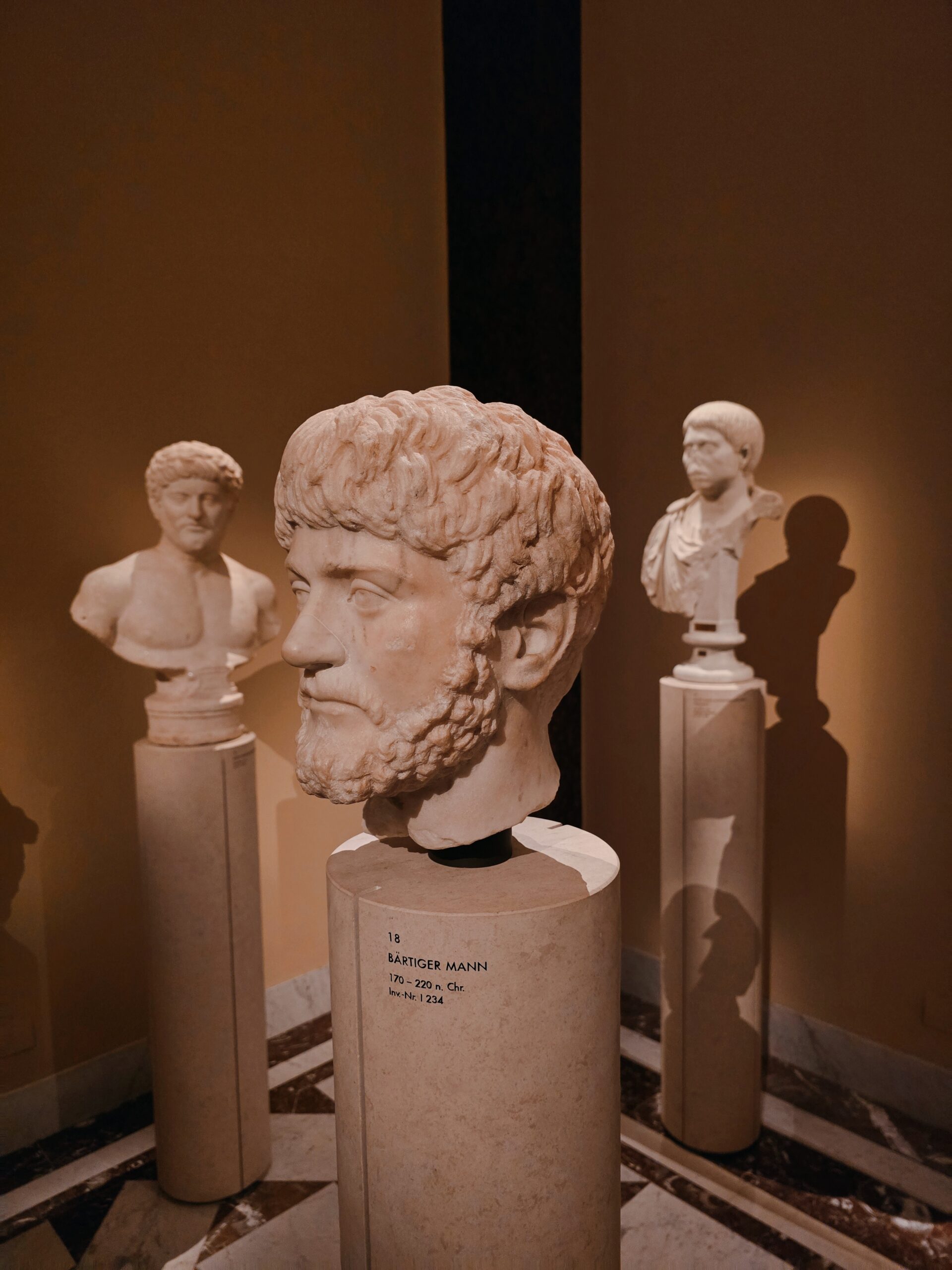
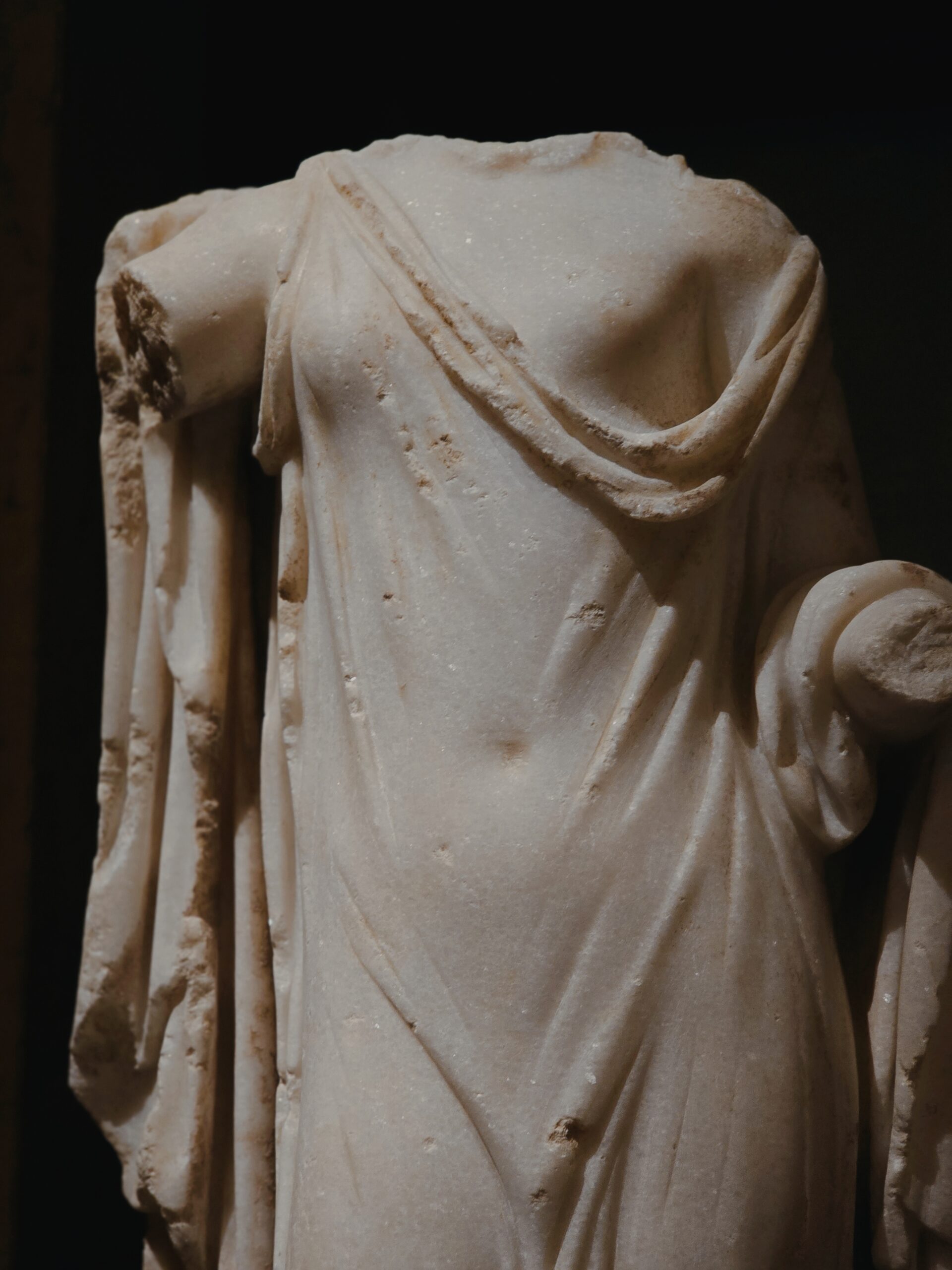
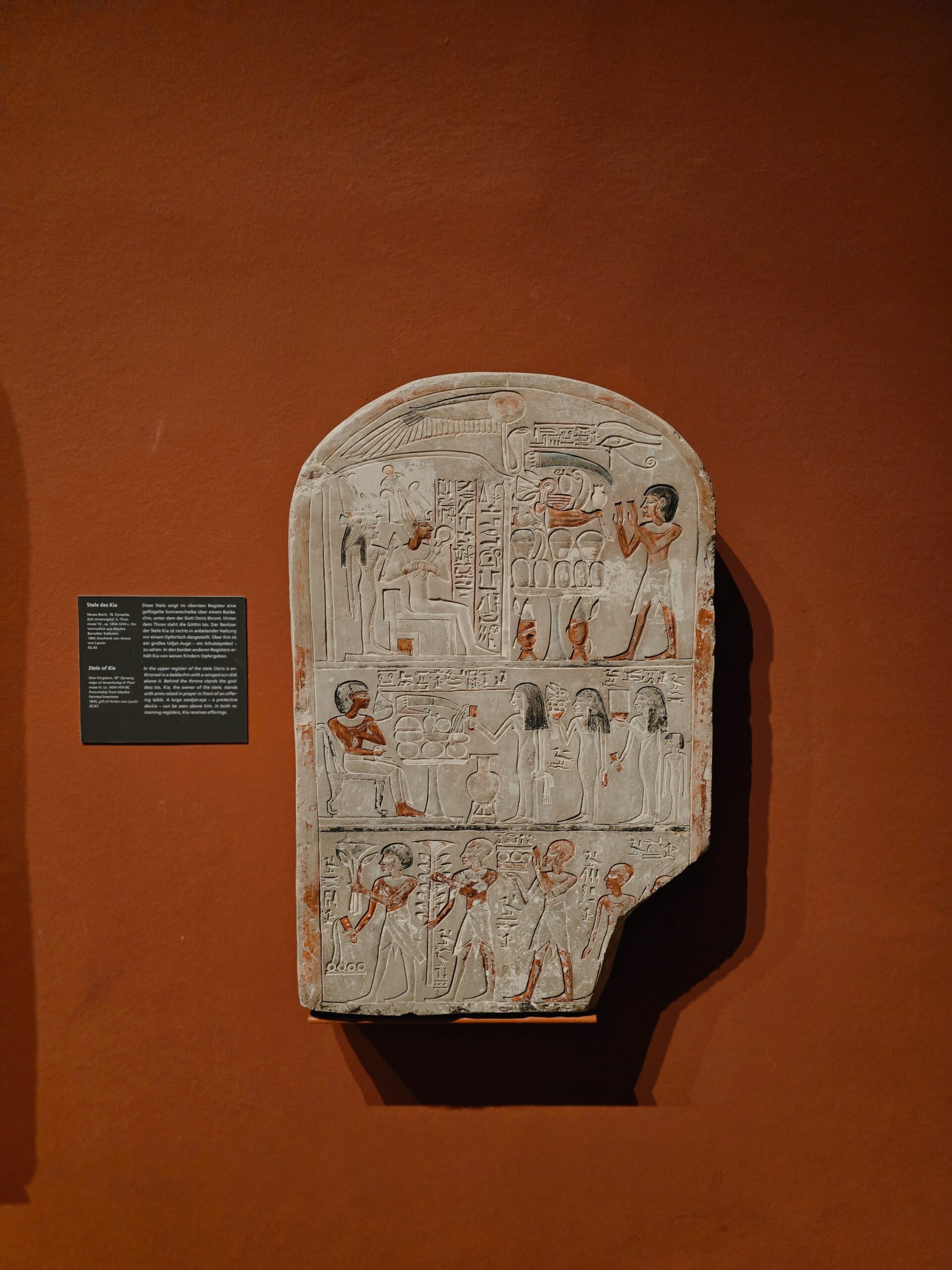
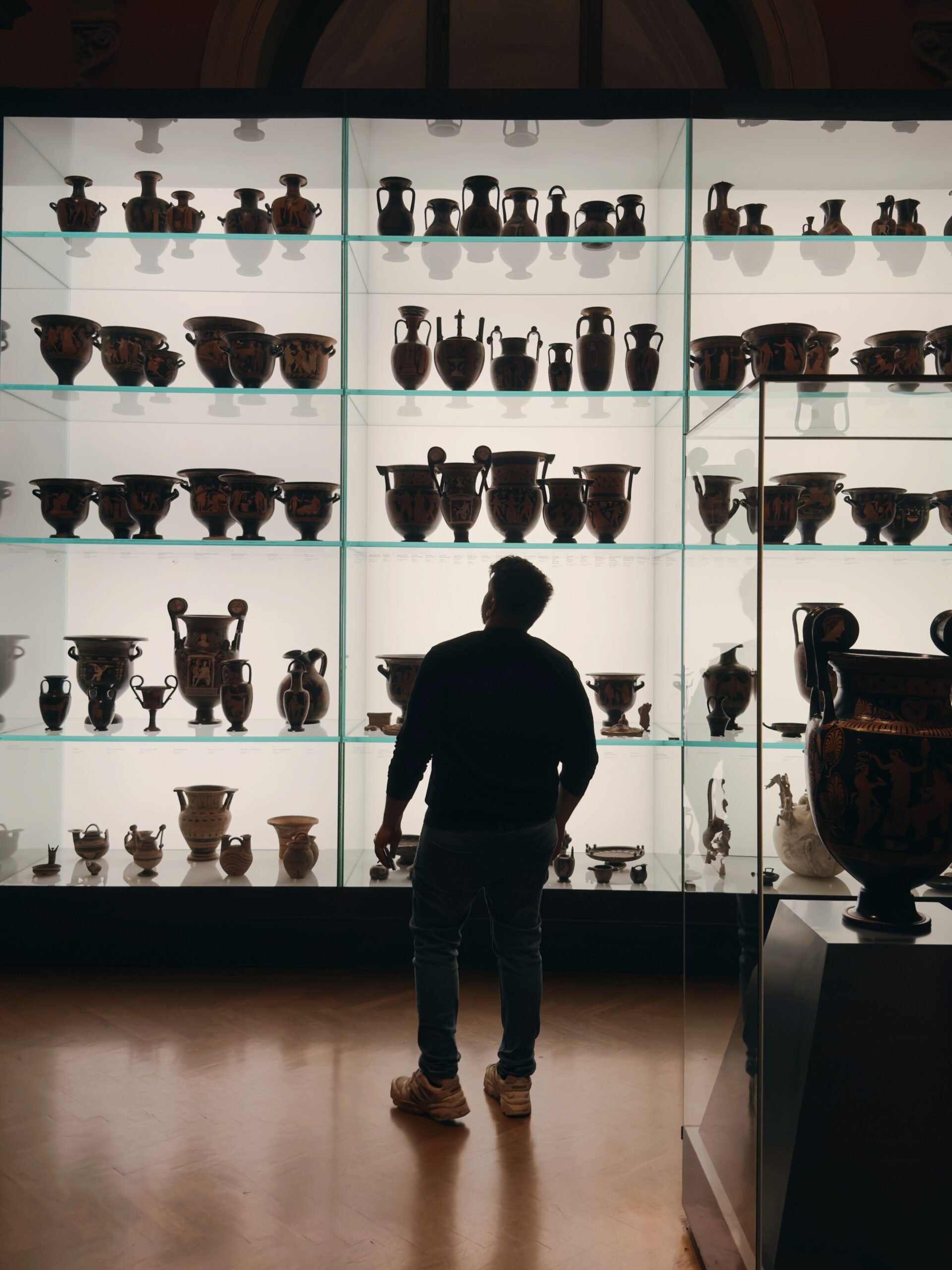
On the first level you will find the collection of Greek and Roman antiquities, and the Egyptian collection.
From classical figures that capture the beauty and ideals of ancient times to Roman works full of character and presence, each piece has its own story to tell – including a couple of striking Venus statues made with drapes that look transparent. Interspersed among them are smaller artifacts, including Egyptian plaques and reliefs, which add a fascinating glimpse into another world entirely.
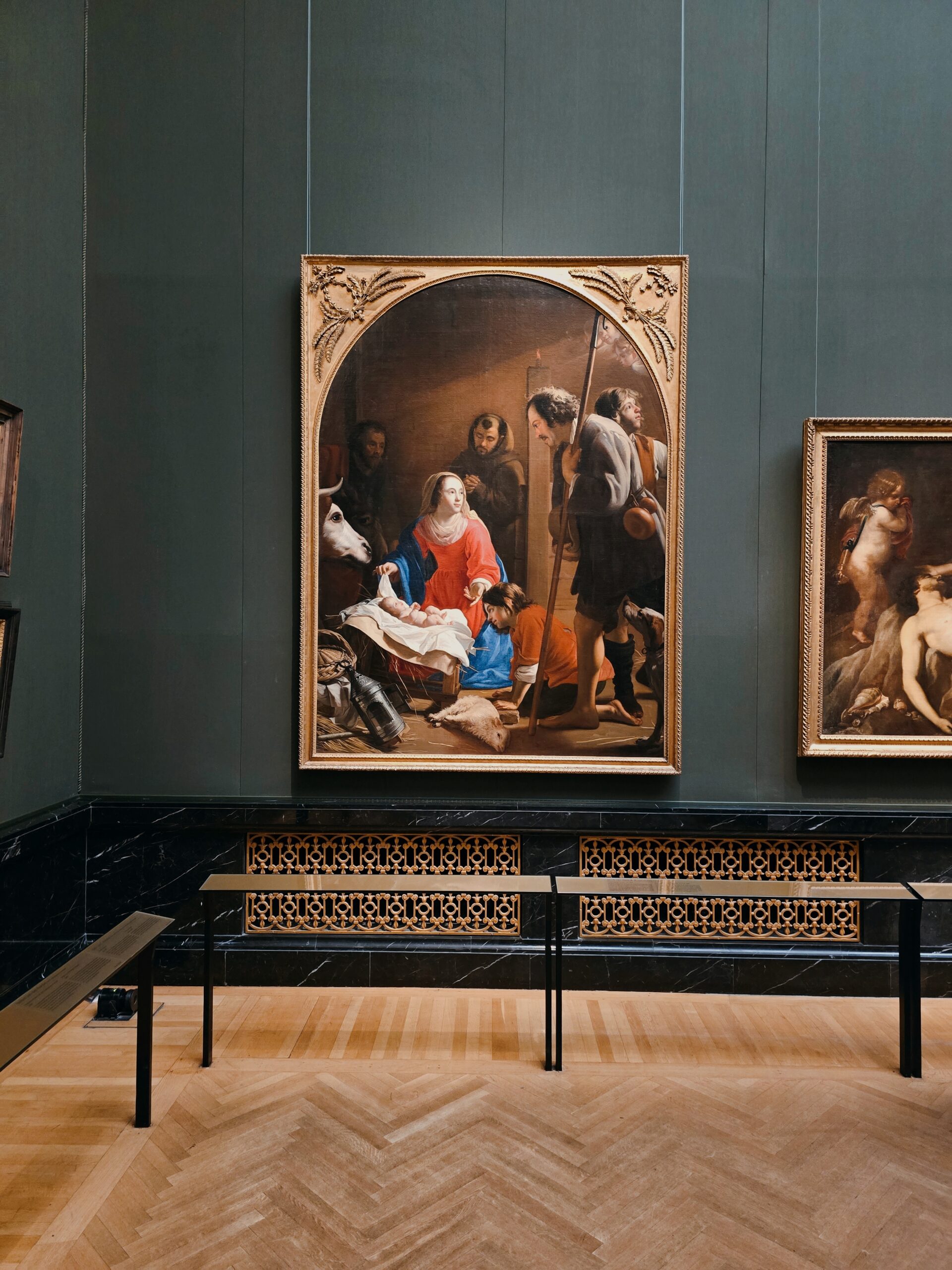
''The Adoration of the Shepherds'' by Jacob Van Oost
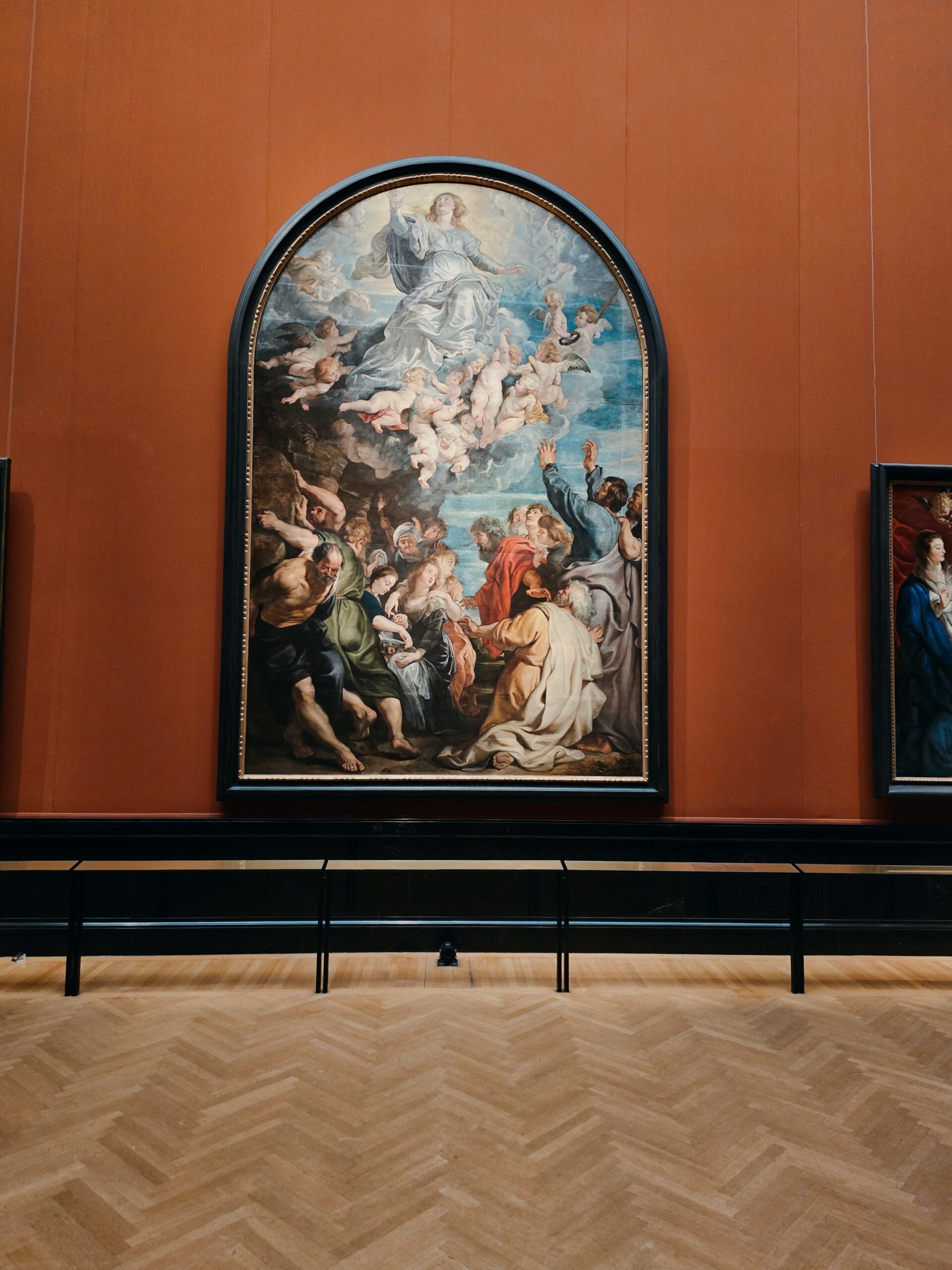
''The Assumption of the Virgin Mary'' by Peter Paul Rubens
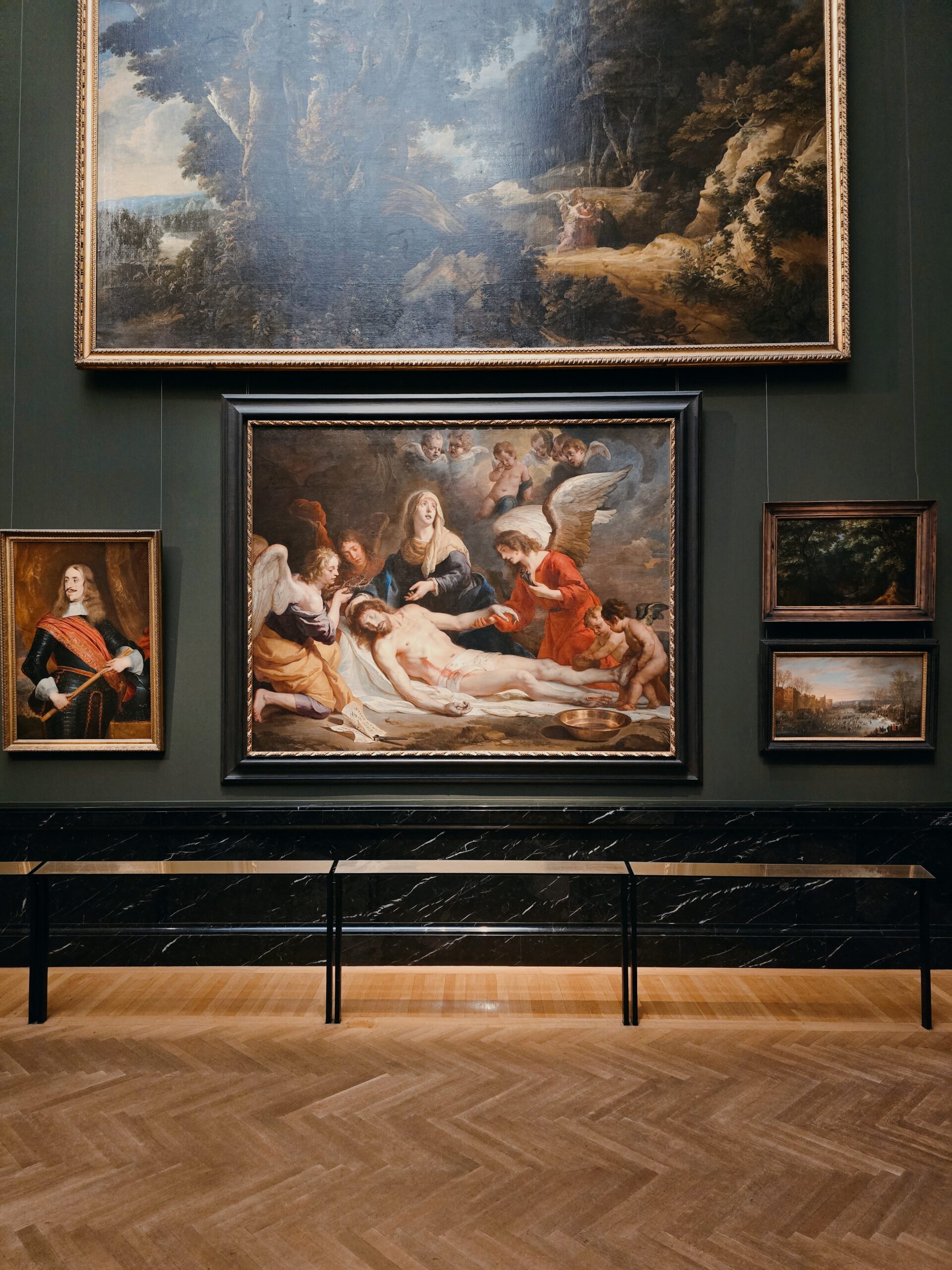
''The lamentation of Christ'' by Gaspar de Crayer
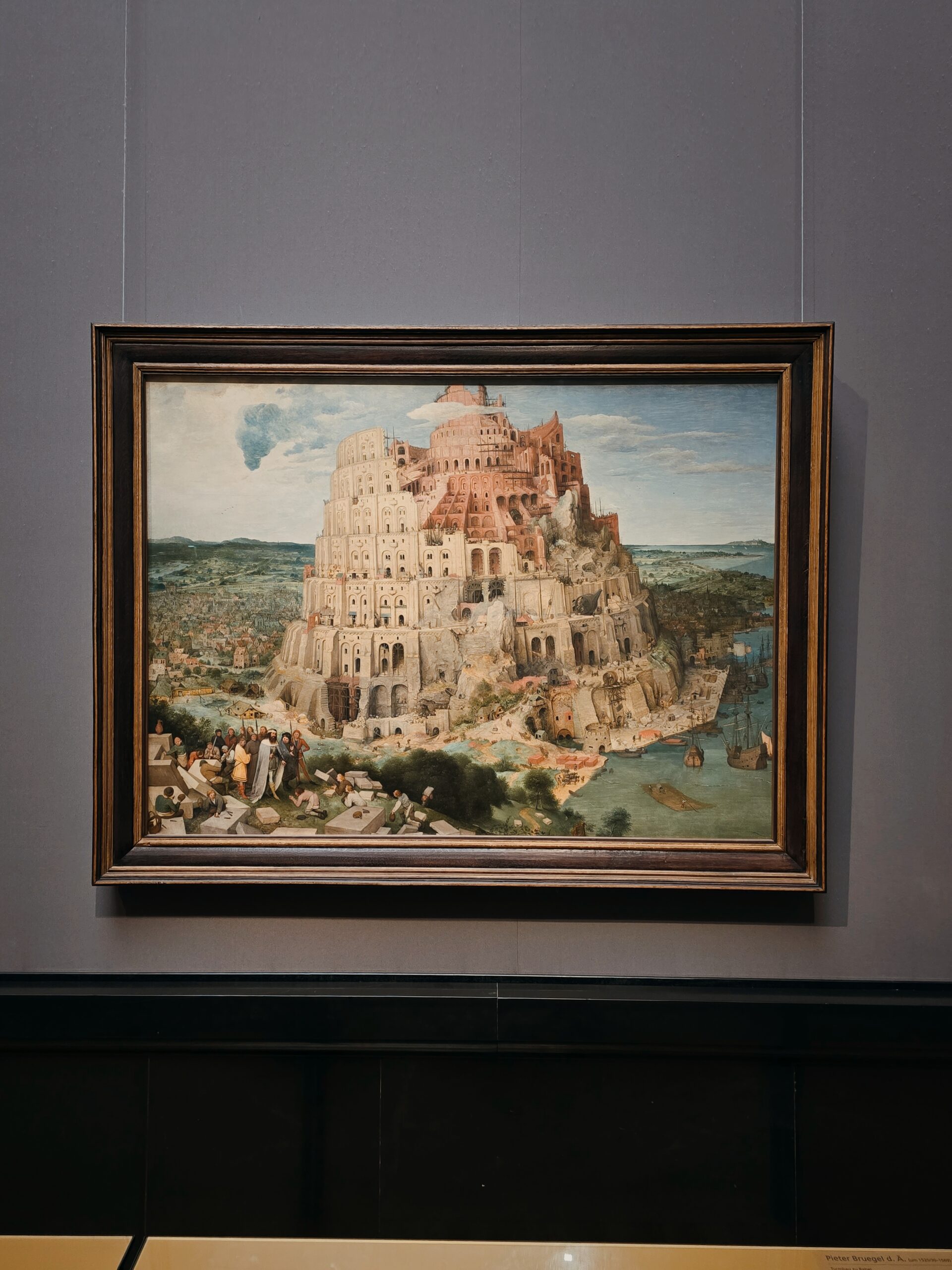
''The Tower of Babel'' by Pieter Gruegel
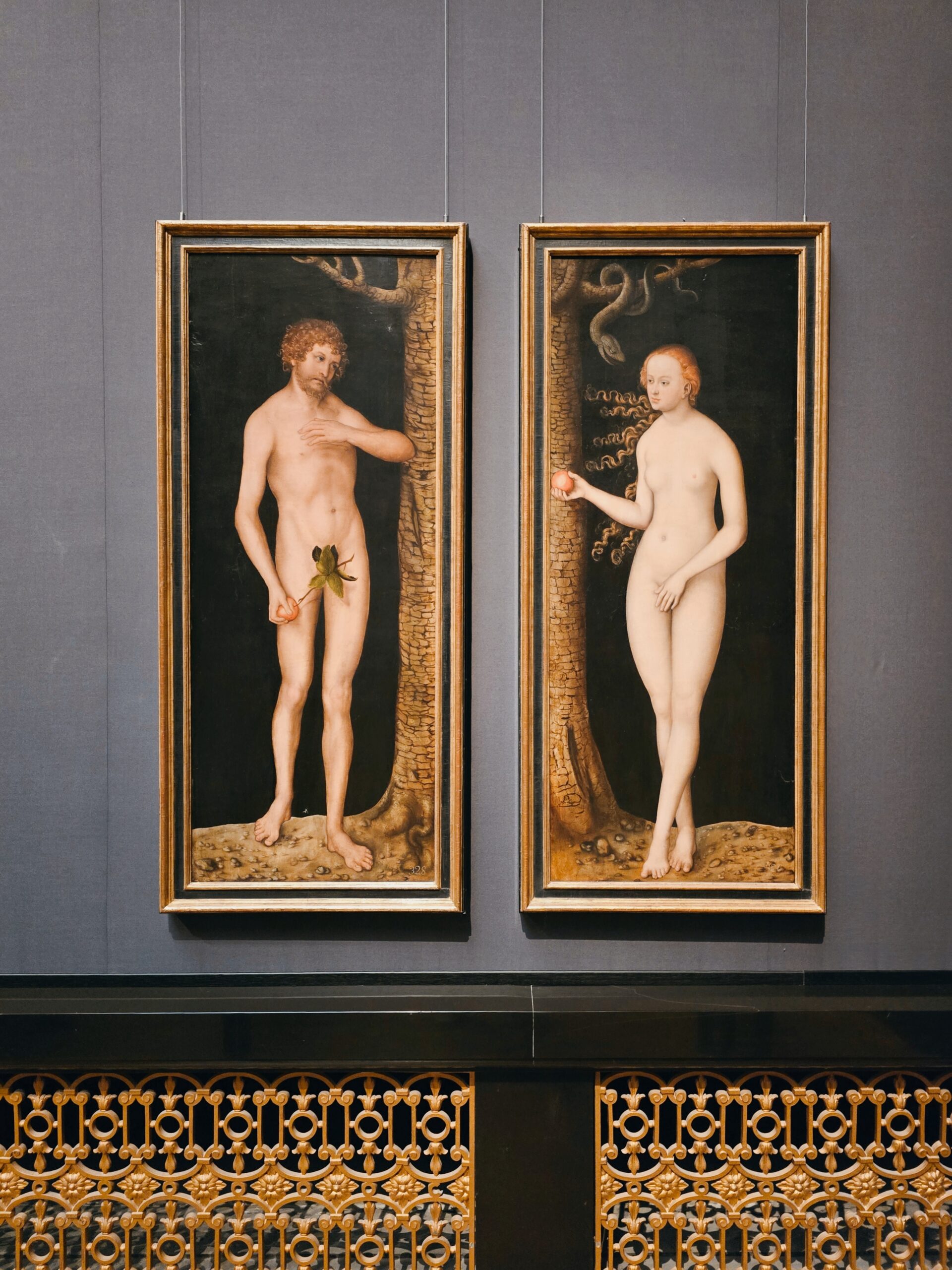
''Adam and Eve'' by Lucas Cranach
However, its the picture gallery that took my breath away. Walking through the galleries, you encounter masterpieces from across Europe and centuries, from Renaissance icons to Baroque grandeur.
Every room feels like stepping into a different chapter of art history, with dramatic compositions, vibrant colors, and astonishing attention to detail. Even if you don’t know every artist, the collection has a way of captivating you, inviting you to linger, study, and simply marvel at the creativity on display.
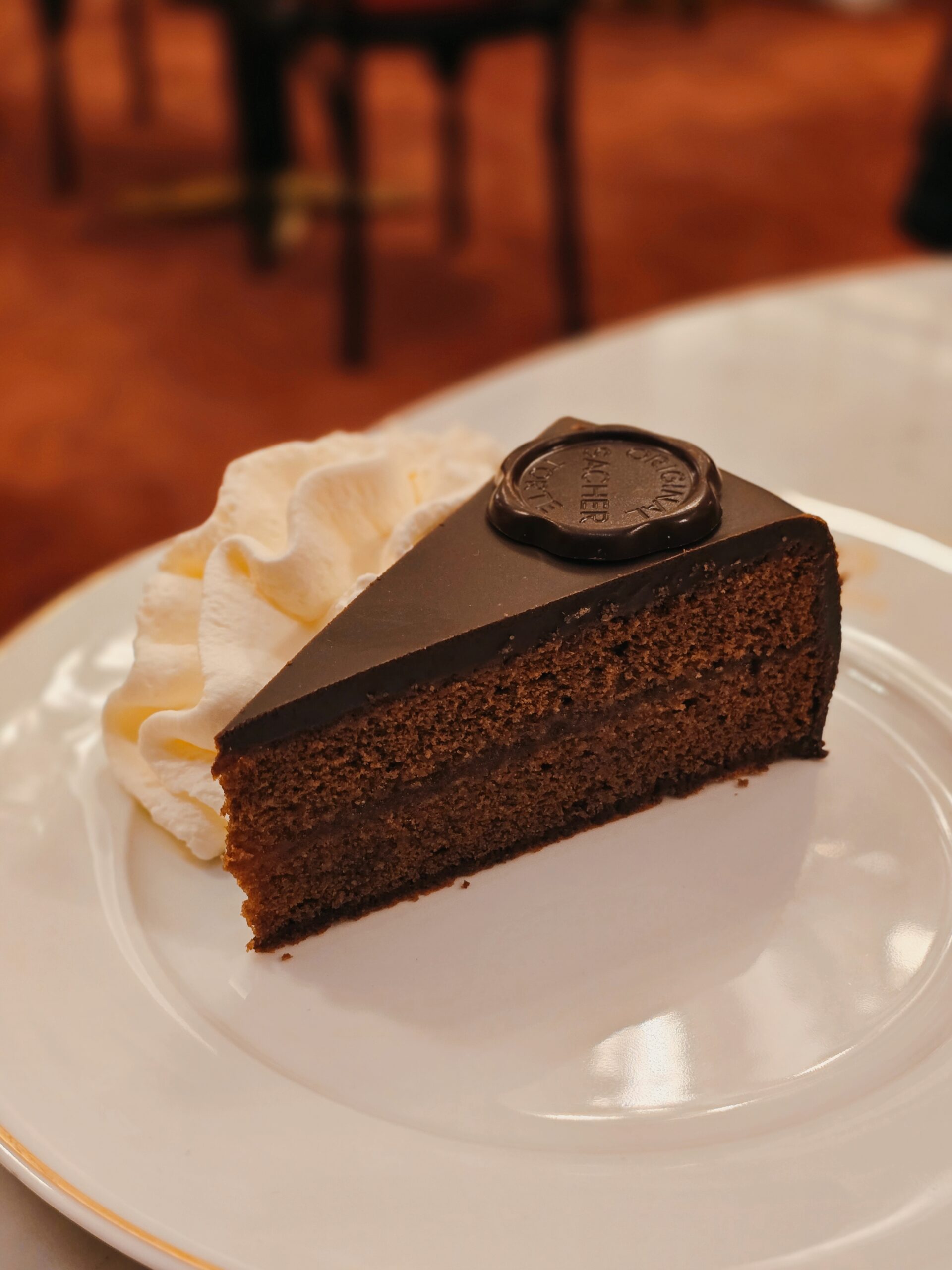
The Original Sachertorte
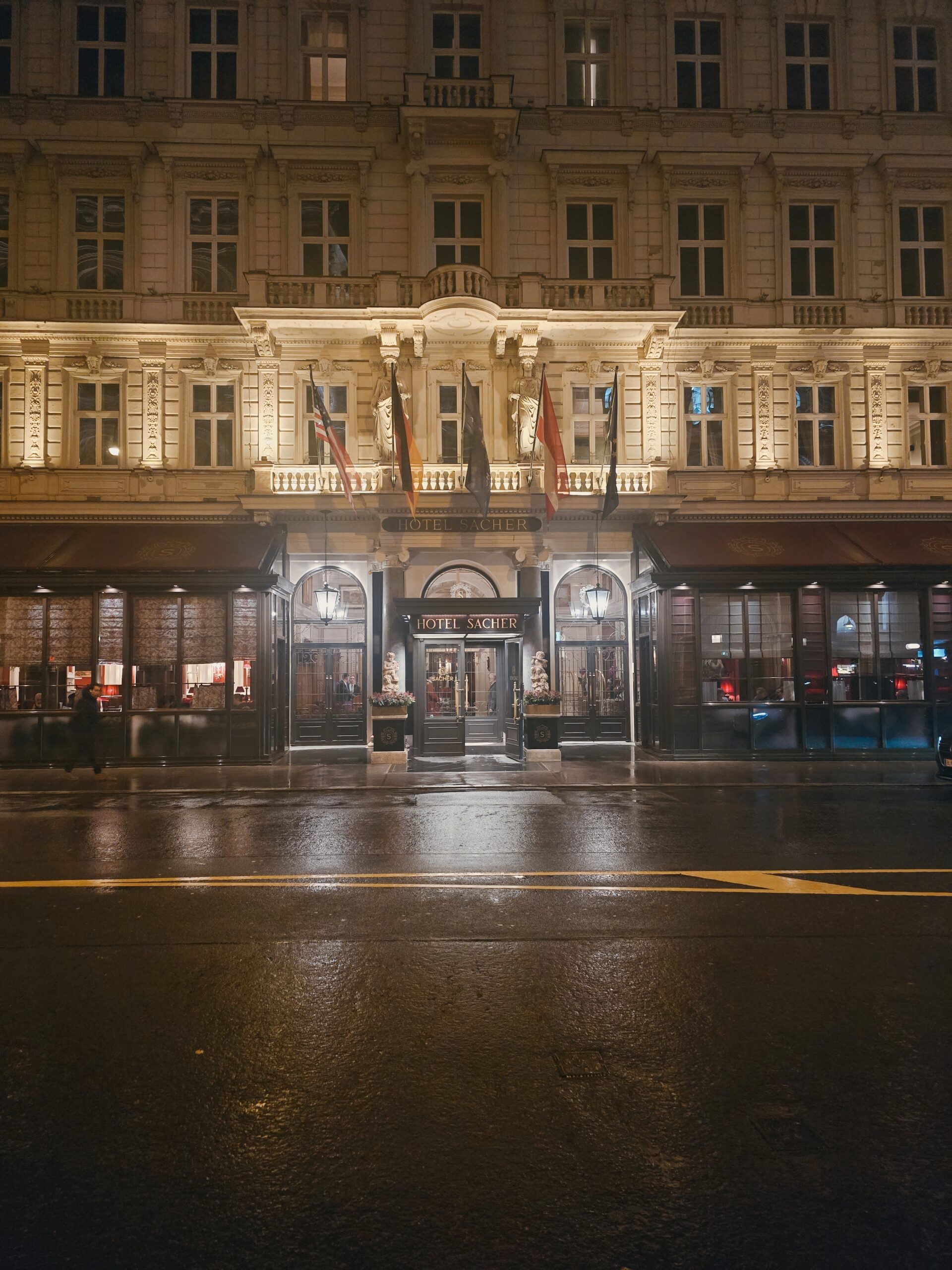
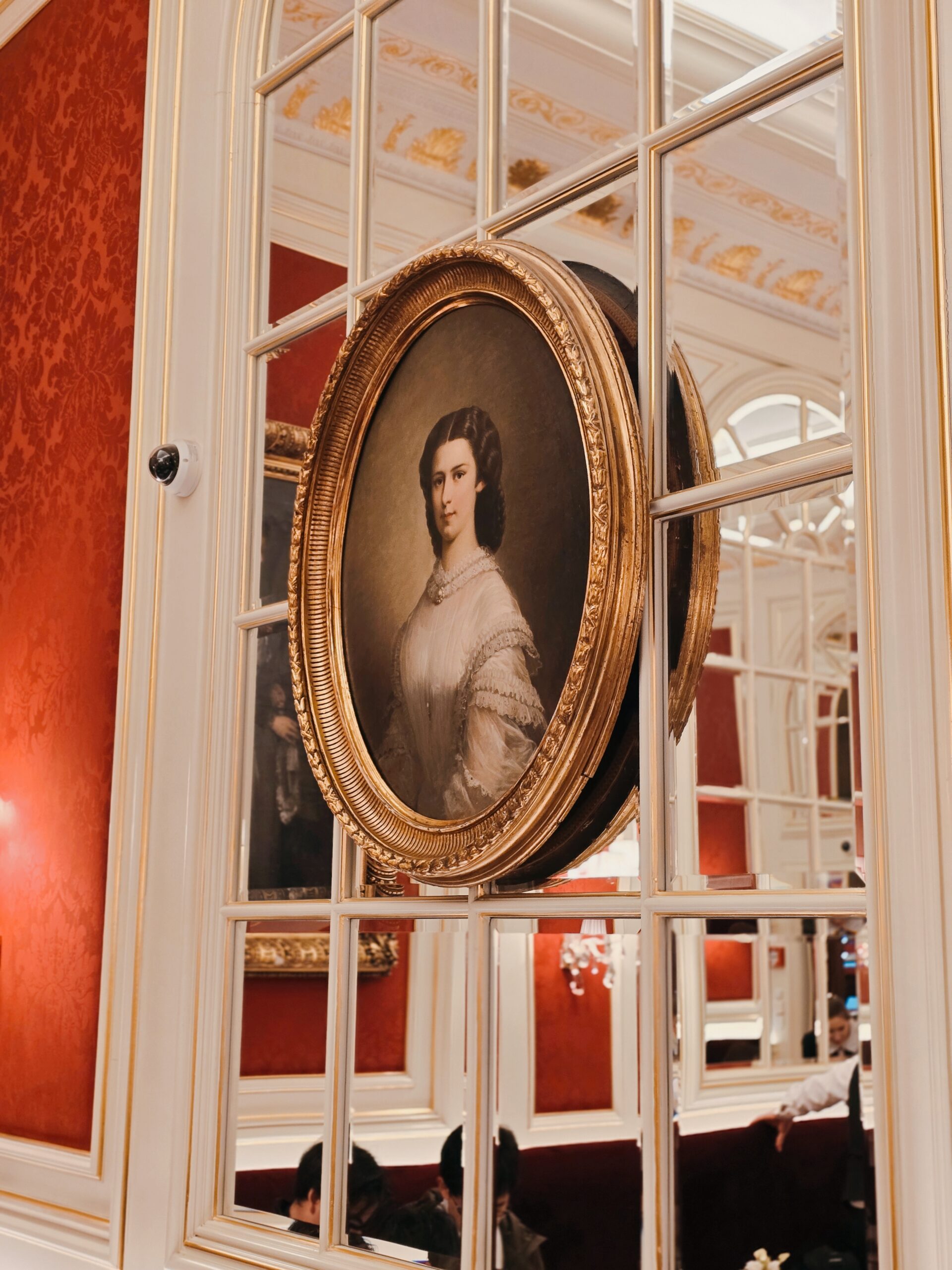
No visit to Vienna feels complete without indulging in a slice of Sacher Torte at the legendary Café Sacher. Rich, dense chocolate cake with a thin layer of apricot jam and topped with glossy chocolate icing, it’s the perfect balance of sweetness and elegance.
The Sacher-Torte was created in 1832 by 16-year-old apprentice Franz Sacher, who stepped in to invent a special dessert for Prince Metternich after the head chef fell ill. Today, the legendary chocolate cake remains a protected Viennese icon, still featuring its signature layer of apricot jam and dark chocolate glaze.
Honestly, I’ve been waiting for this ”reunion” ever since I left Vienna in 2019 and it was completely worth it.
The ''Home of the Schnitzel''
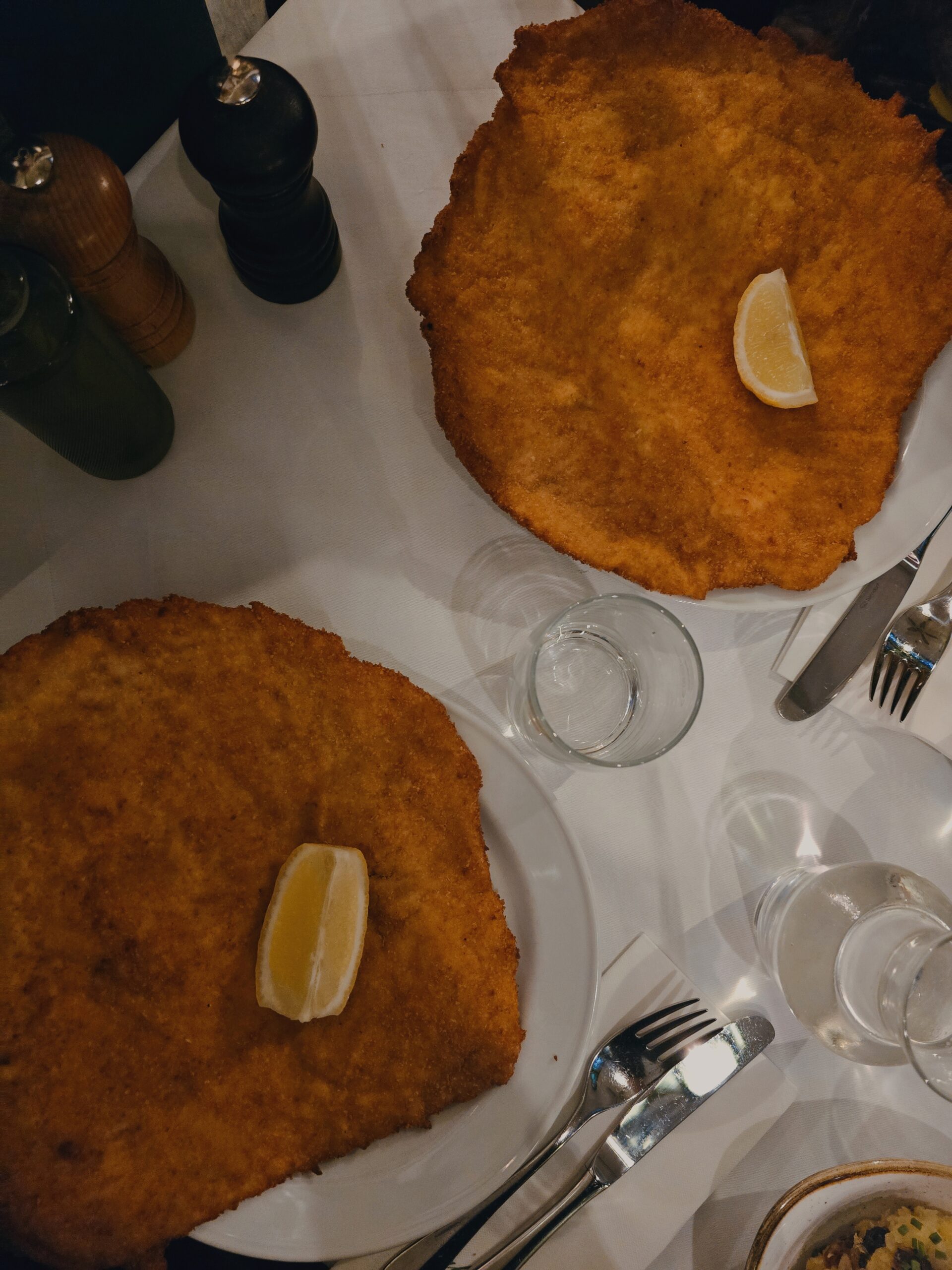
Figlmüller is a cornerstone of Viennese culinary history, often celebrated as the “Home of the Schnitzel” since its founding by Johann Figlmüller in 1905. Located in the heart of Vienna’s first district, just steps from St. Stephen’s Cathedral, this family-run institution has spent over a century perfecting a single dish.
While many restaurants in the city serve Schnitzel, Figlmüller achieved global fame by focusing on a specific, high-quality pork tenderloin version that is pounded incredibly thin, reaching a diameter of about 30 centimeters, so that it famously overflows the edges of the plate.
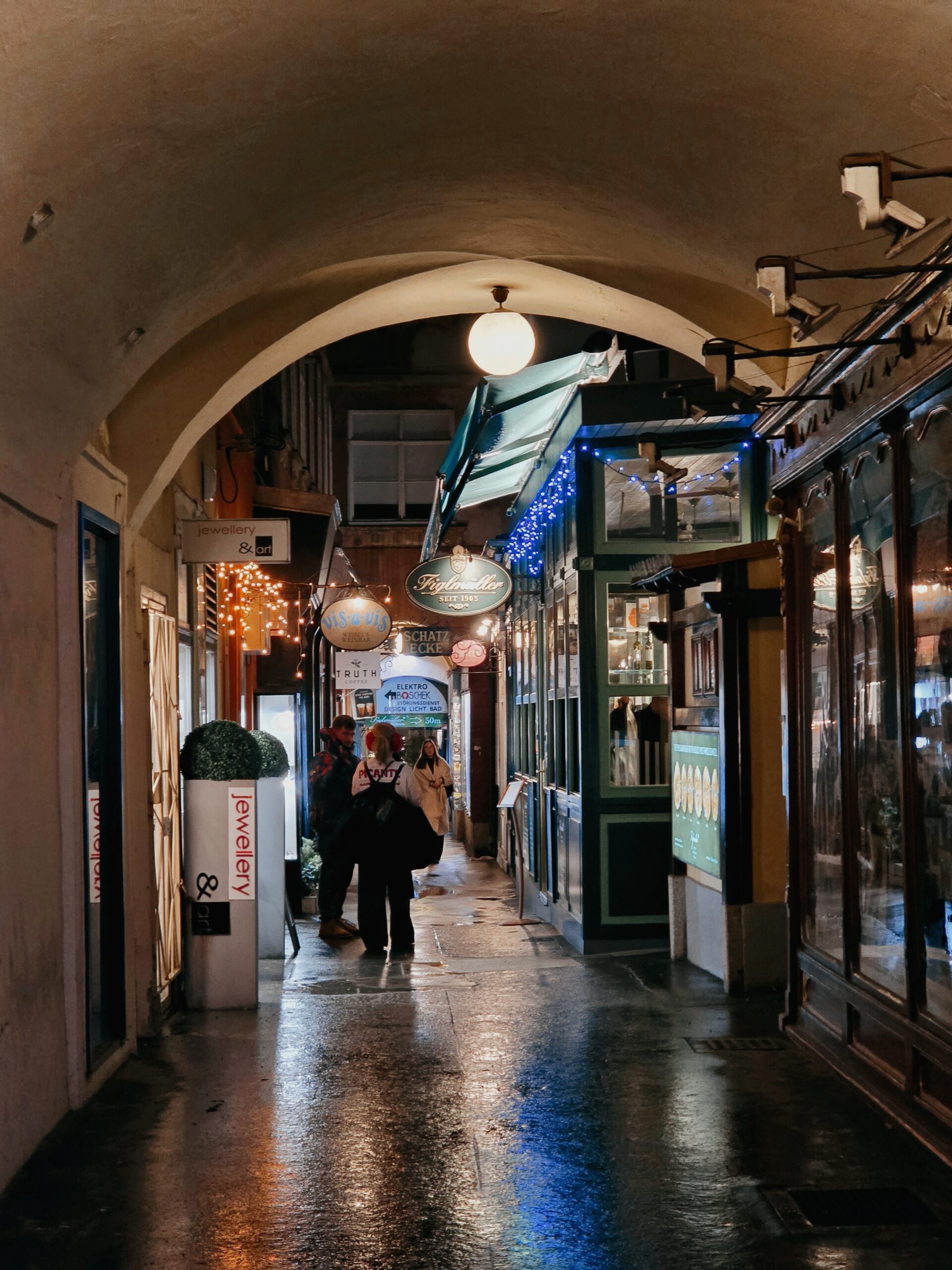
The dining experience at the original Wollzeile location – where we dined – is steeped in the tradition of a classic Viennese wine tavern. Tucked away in a narrow passage with a remarkably rustic, you will find a cozy atmosphere with wood-paneled walls and a “no-nonsense” approach to the menu.
It requires a reservation, otherwise you will be either waiting for a while or turned away. The schnitzel was probably the most delicious I ever had, rightly cooked and juicy, overflowing the plate as it should.
When the day came to an end, my thoughts were very clear: this was such a special day, full of incredible art and delicious food, better than I ever expected it to be. The best part was that we were never in a rush, we casually walked around the city, enjoying the architecture and the wintery atmosphere, making stops along the way. Probably one of the best 24 hours I had in a trip.
If you want a more thorough guide to Vienna, catch my previous article here.