s my first long-haul trip, Bali was always going to be special. We decided to balance activities and relaxation on our 9-days there and it turned out perfectly.
As I said, Bali was always going to be special. It felt like we had a 9-day break from reality, in a lively town in a jungle.
Traveling to Bali from Cyprus requires three flights with two stops. The tickets are probably the most expensive thing you’ll buy in this trip, we chose the €1100 ones, flying with Emirates and essentially booking all our flights at once. It was a bit more expensive, but we were chill, no baggage claims in-between and all our flights were checked in at the beginning.
First thing’s first, if you’re going to Bali you will need:
All of those can be done online before arrival and prefer to do so, it will save you lots of time. We landed at I Gusti Ngurah Rai International Airport scanned our passport and the QR Code from our Customs Declaration and walked out in no time. All your papers are linked to your passport, so no time is wasted.
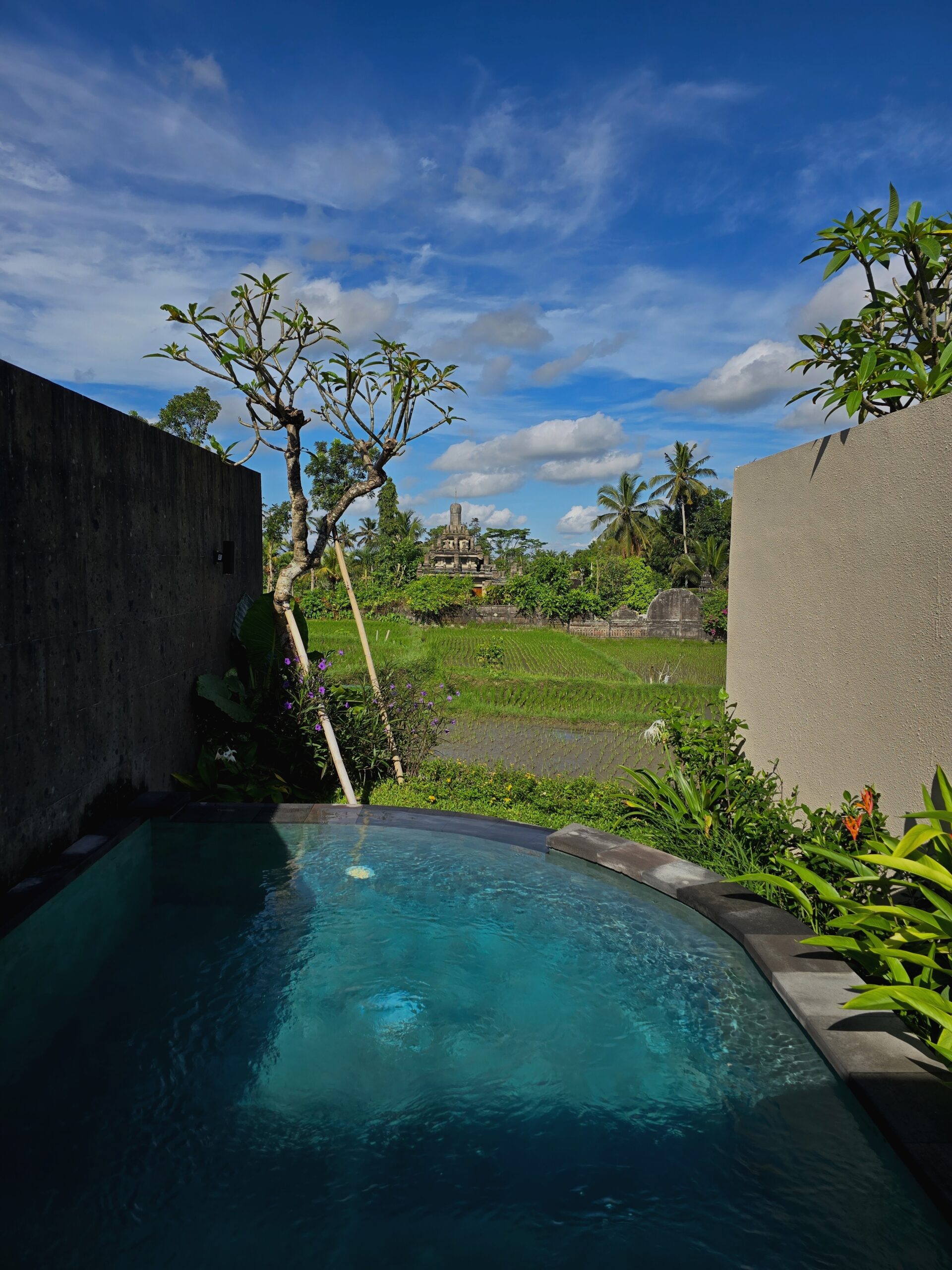
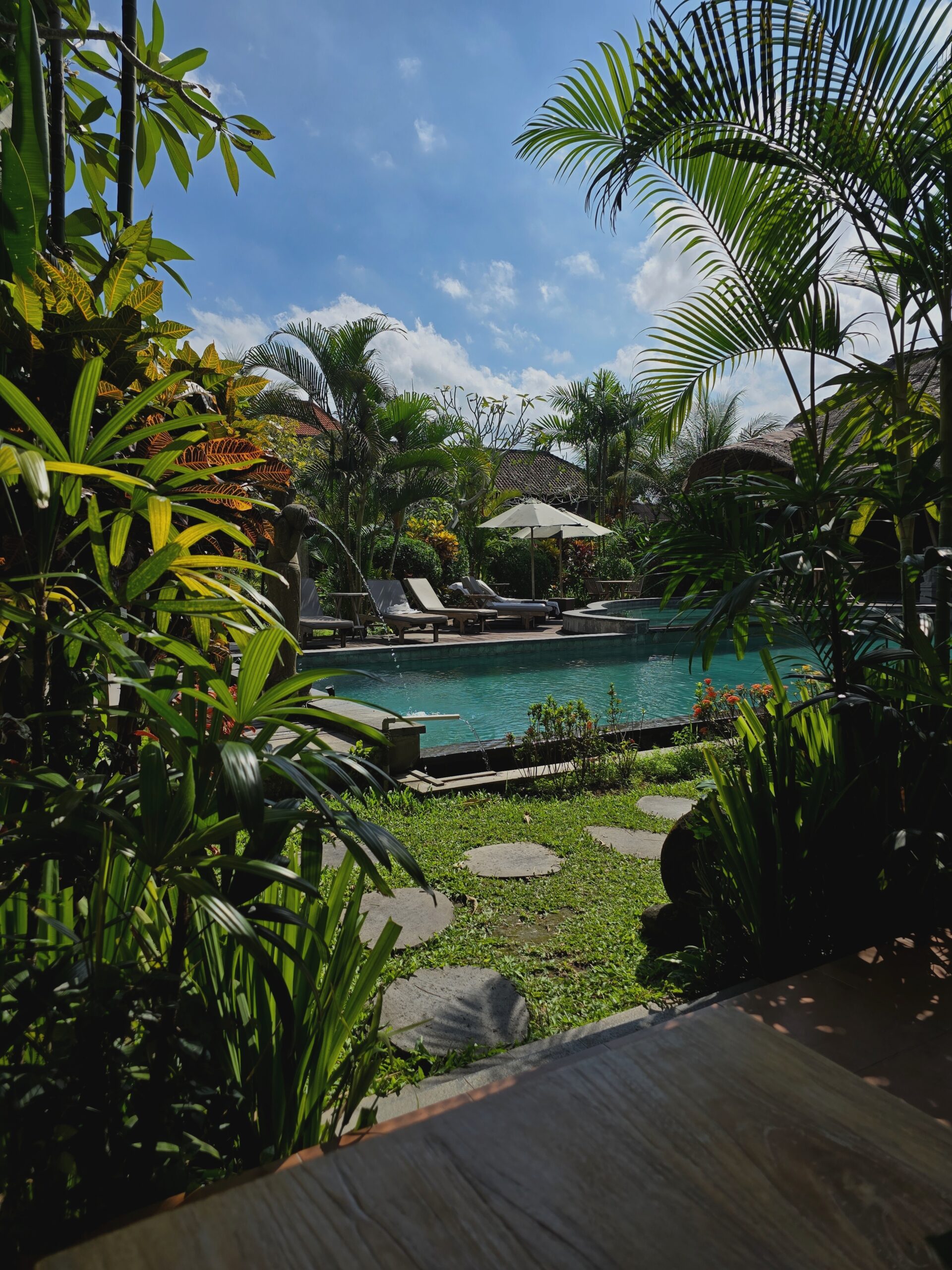
We booked two stays, Sabuh Mas Villa for the first three nights, with a private pool and a bit more secluded and Kailash Suites – a resort-like hotel – for the rest of our trip. Both were exceptional and super budget-friendly: Sabuh Mas was €175 (two people) for three nights, Kailash Suites was €363 (two people) for five nights with breakfast.
Our private pool at Sabuh Mas
The view from our room at Kailash Suites
Things to know:
They use Indonesian Rupiah.
Tap water is, of course, not potable so be sure to carry bottled water with you (Kailash Suites had two bottles at the bathroom vanity).
Ubud is very cheap. Even the restaurants at tourist areas are super affordable.
Use GRAB or GOJEK for transfers. We used Grab, it was great, quick and very cheap.
Have some cash for smaller shops at the center (and the entrance fees if you haven’t pre-booked them).
Tip is not mandatory.
Keep on reading for everything we did during our trip.
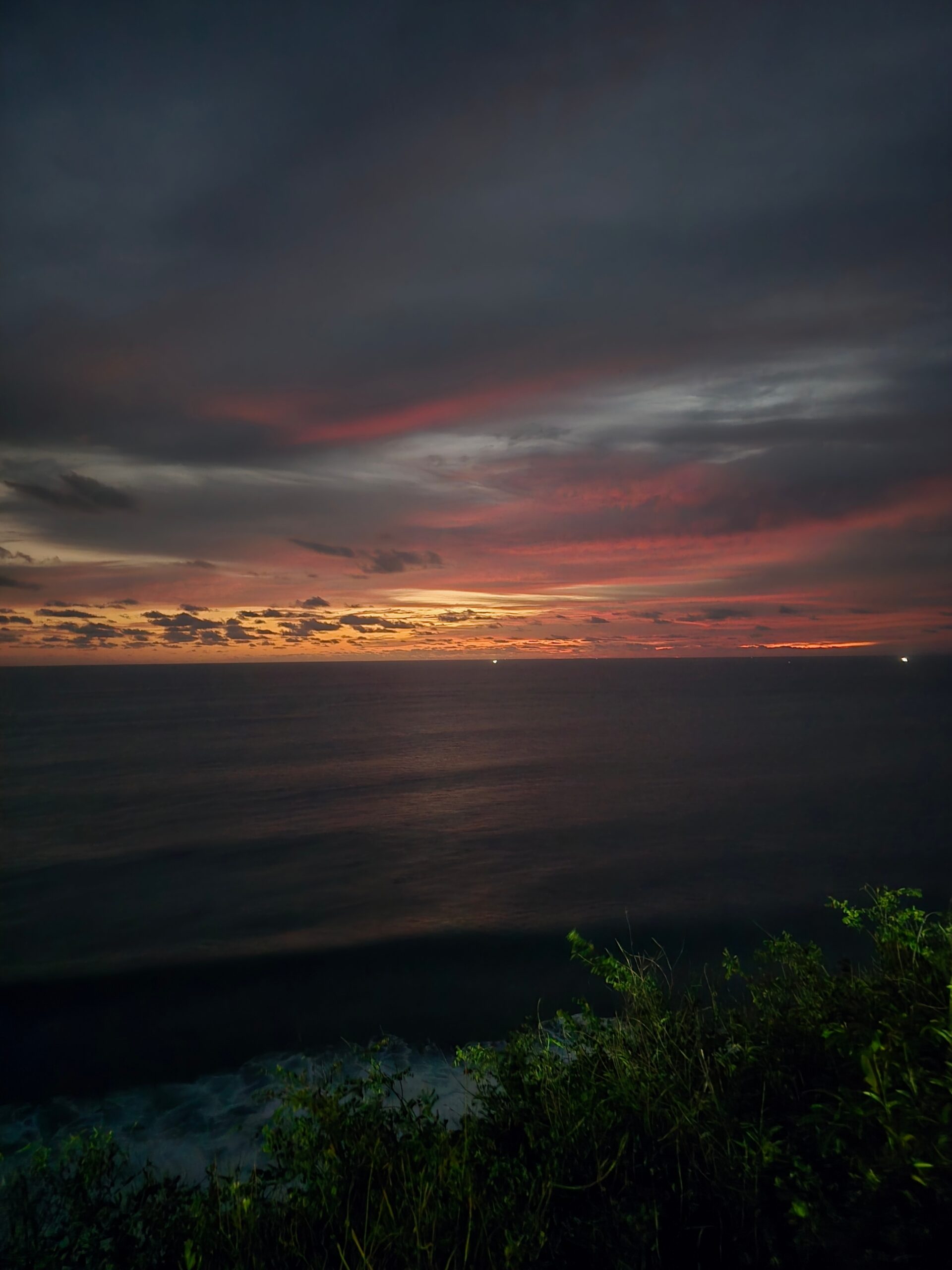
The Uluwatu sunset
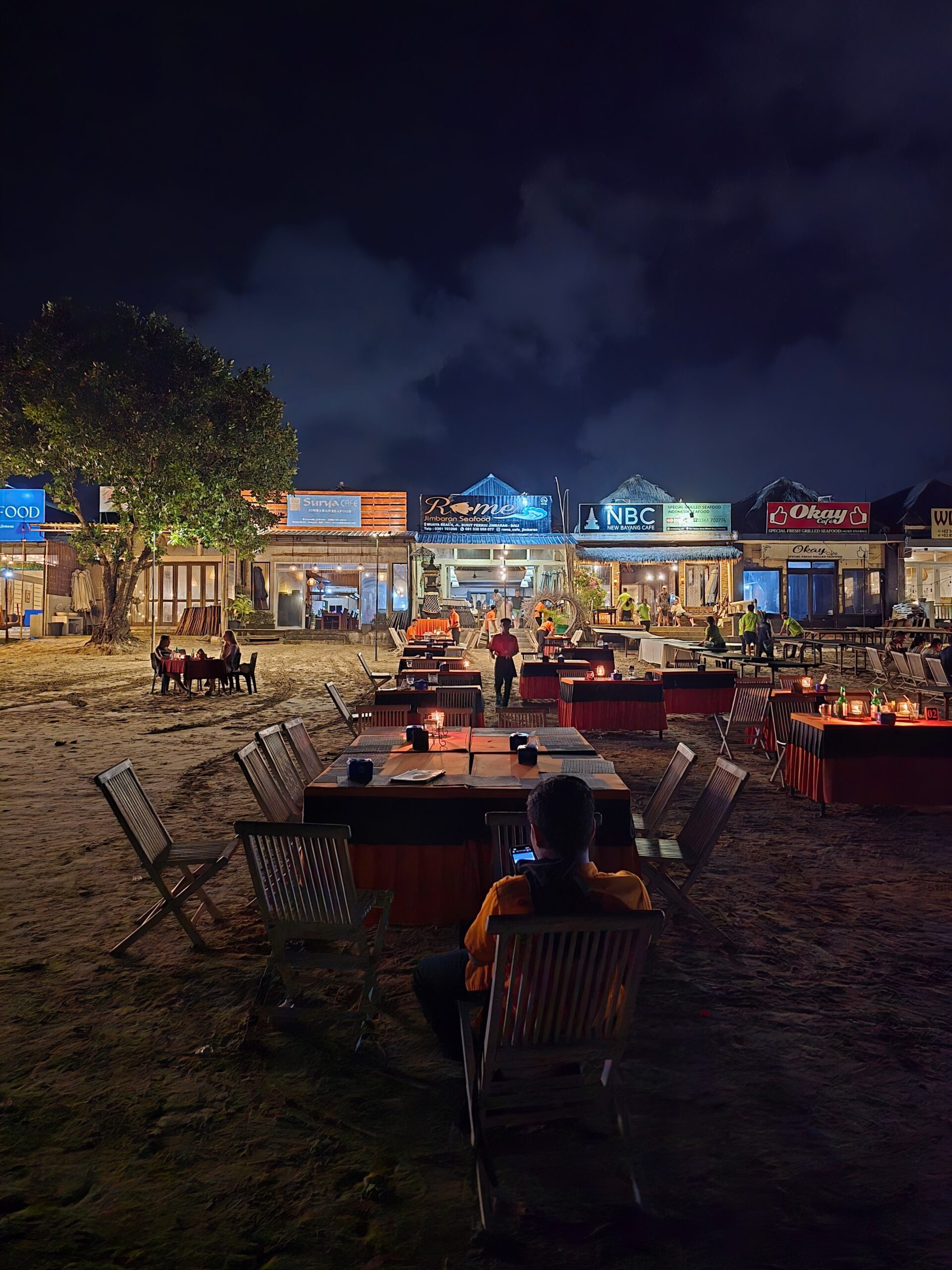
The fish restaurants at Jimbaran
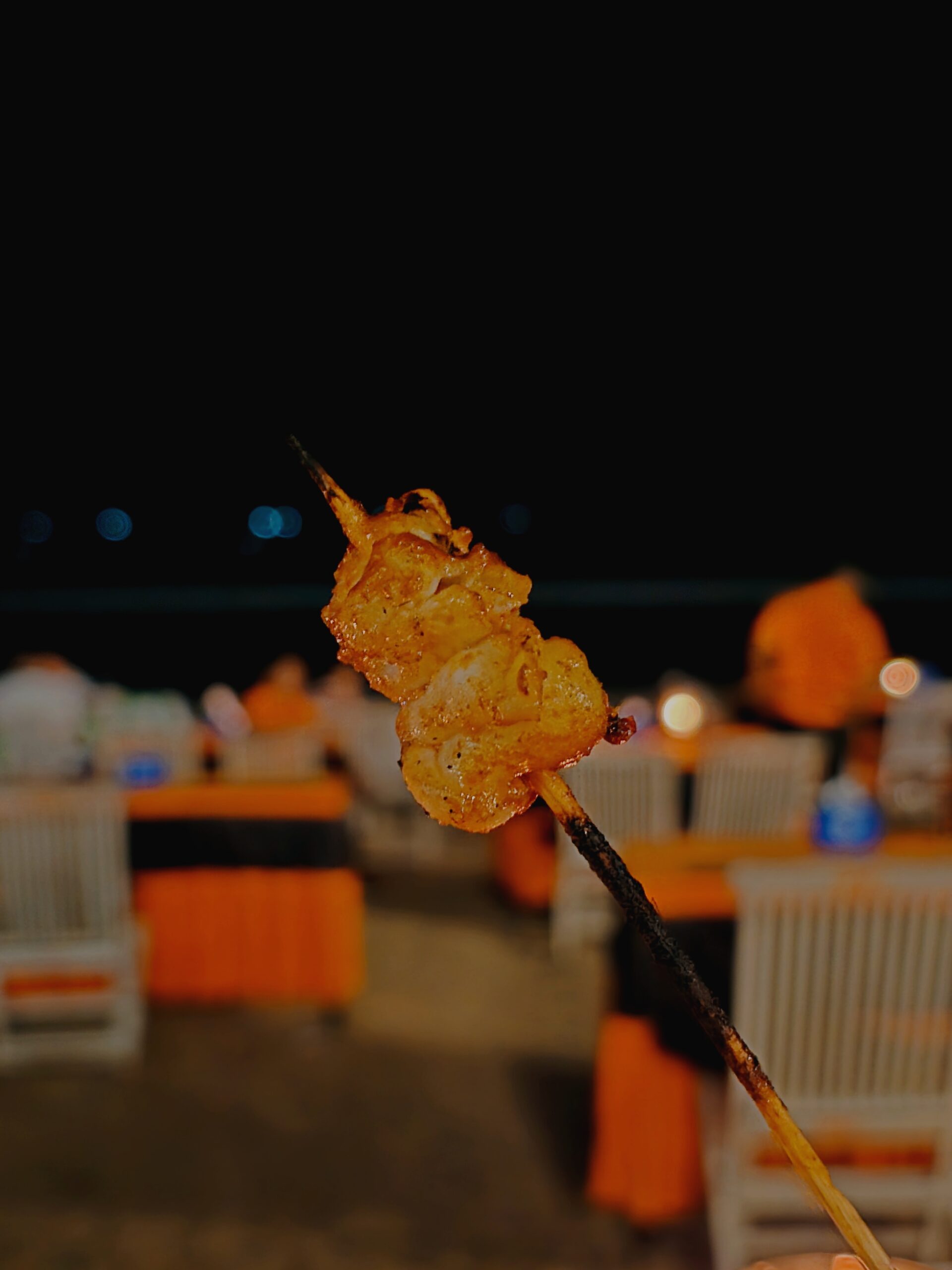
Delicious calamari satay
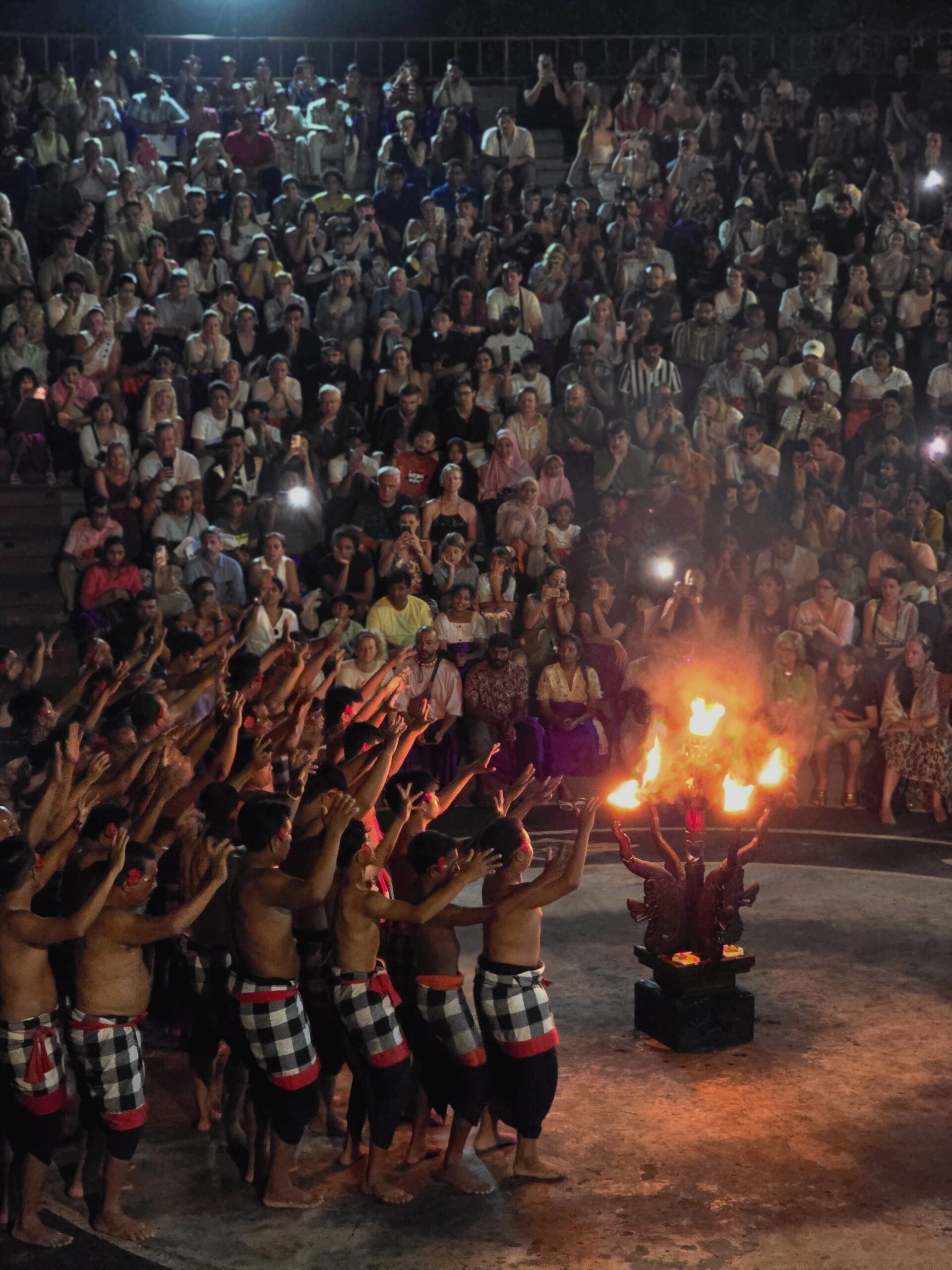
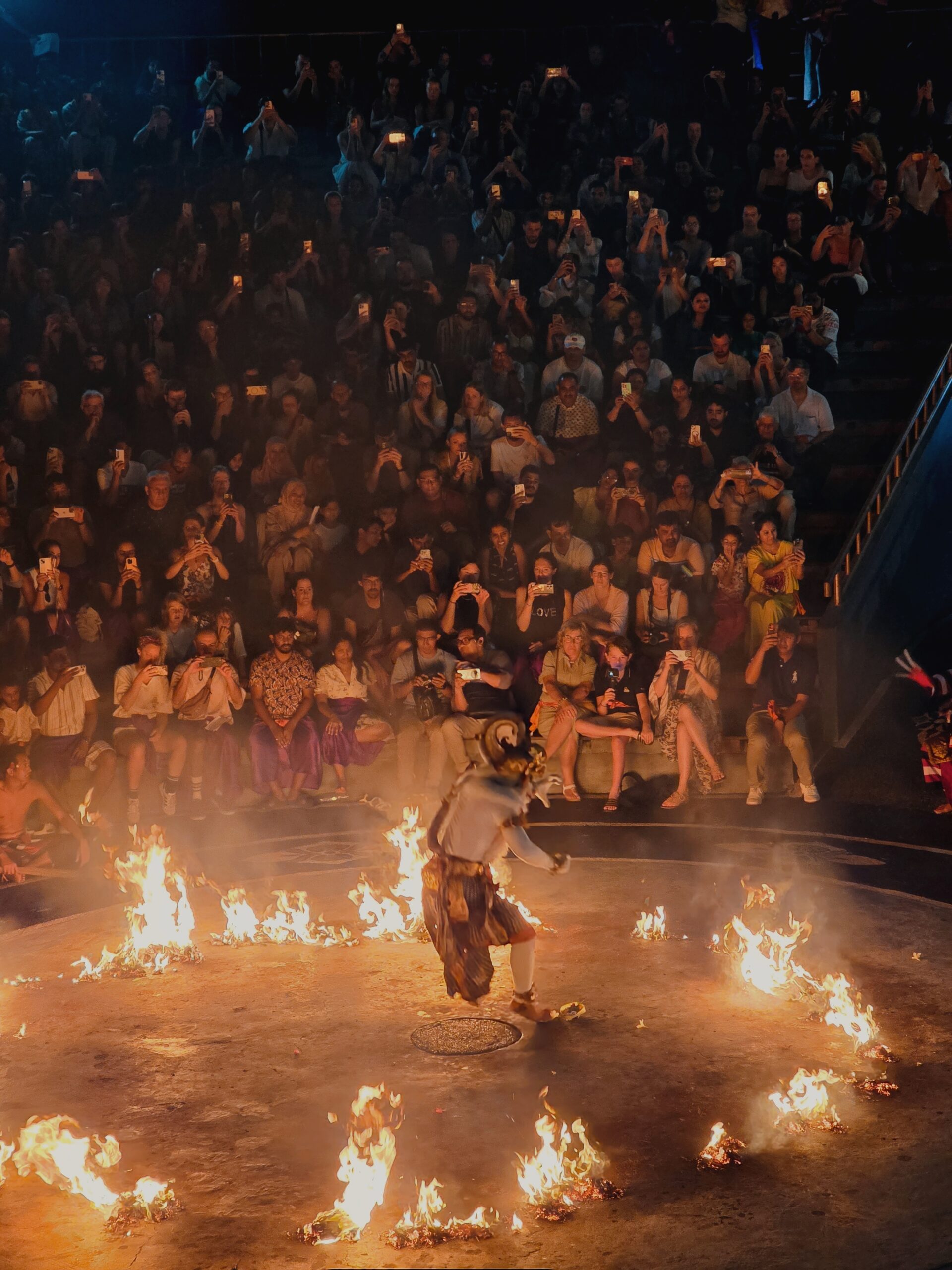
1. KECAK DANCE
The Kecak fire dance is a captivating Balinese Hindu dance drama, primarily performed at Uluwatu Temple at sunset, that tells the story of the Ramayana epic. The dance is based on the Ramayana, a Hindu epic, and focuses on the abduction of Sita and the subsequent rescue by Rama and his allies, including the monkey god Hanuman. If you have the time, go early so you can visit the temple as well. That was our plan too, but we got stuck in traffic, arriving at the site after the temple had closed.
Even if you can’t make it on time, try to catch the sunset from the temple. It’s a magical sight, it fills your heart with peace.
After the show we grabbed dinner at Jimbaran Beach. Eating seafood and watching the Indian ocean was the first real click that we’re on the other side of the world. Calamari satay was also delicious, so that’s a plus.
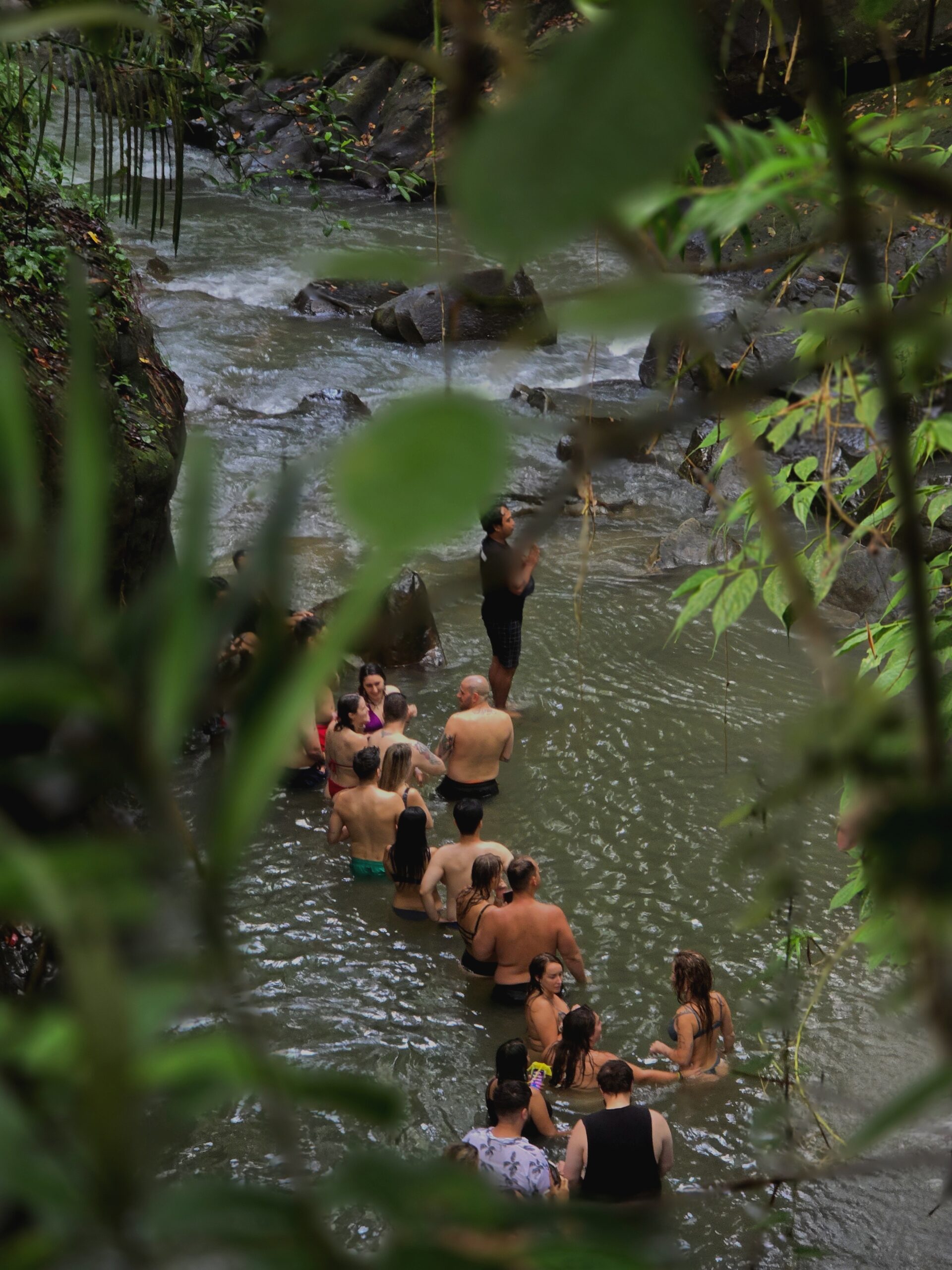
People waiting for a picture at Kanto Lampo
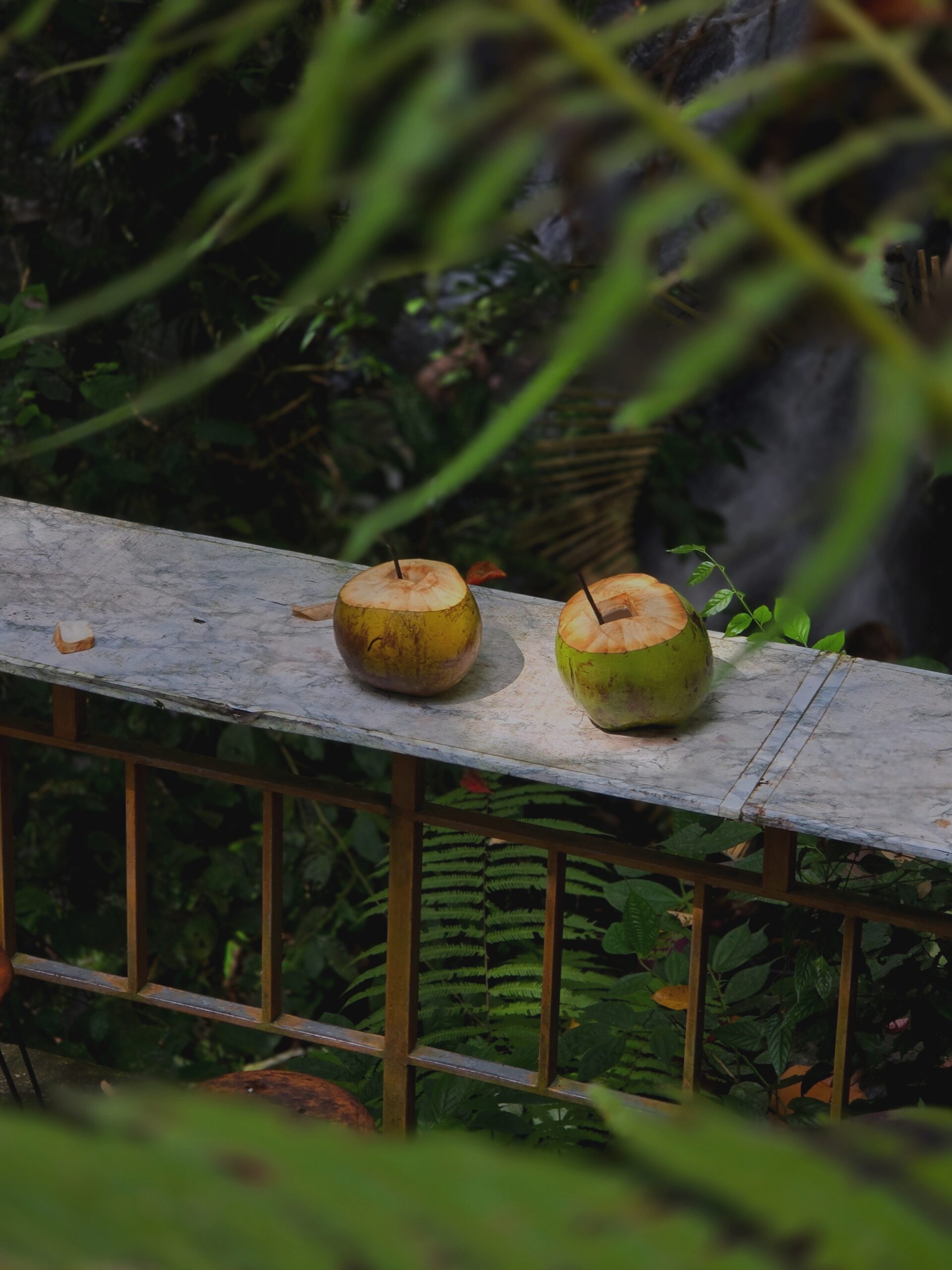
We went for coconut water and chill instead
2. WATERFALLS
Of course you have seen the stunning landscapes with big, beautiful waterfalls all over social media, but thousands of other people had seen it too. And that’s seemingly how many people were waiting for a picture at Kanto Lampo, the most famous one. After waiting, and taking pictures at the smaller waterfalls right next to the main attraction, we decided to skip it and go to the café for coconut water.
Entrance fee: €1.35 (IDR 25,000)
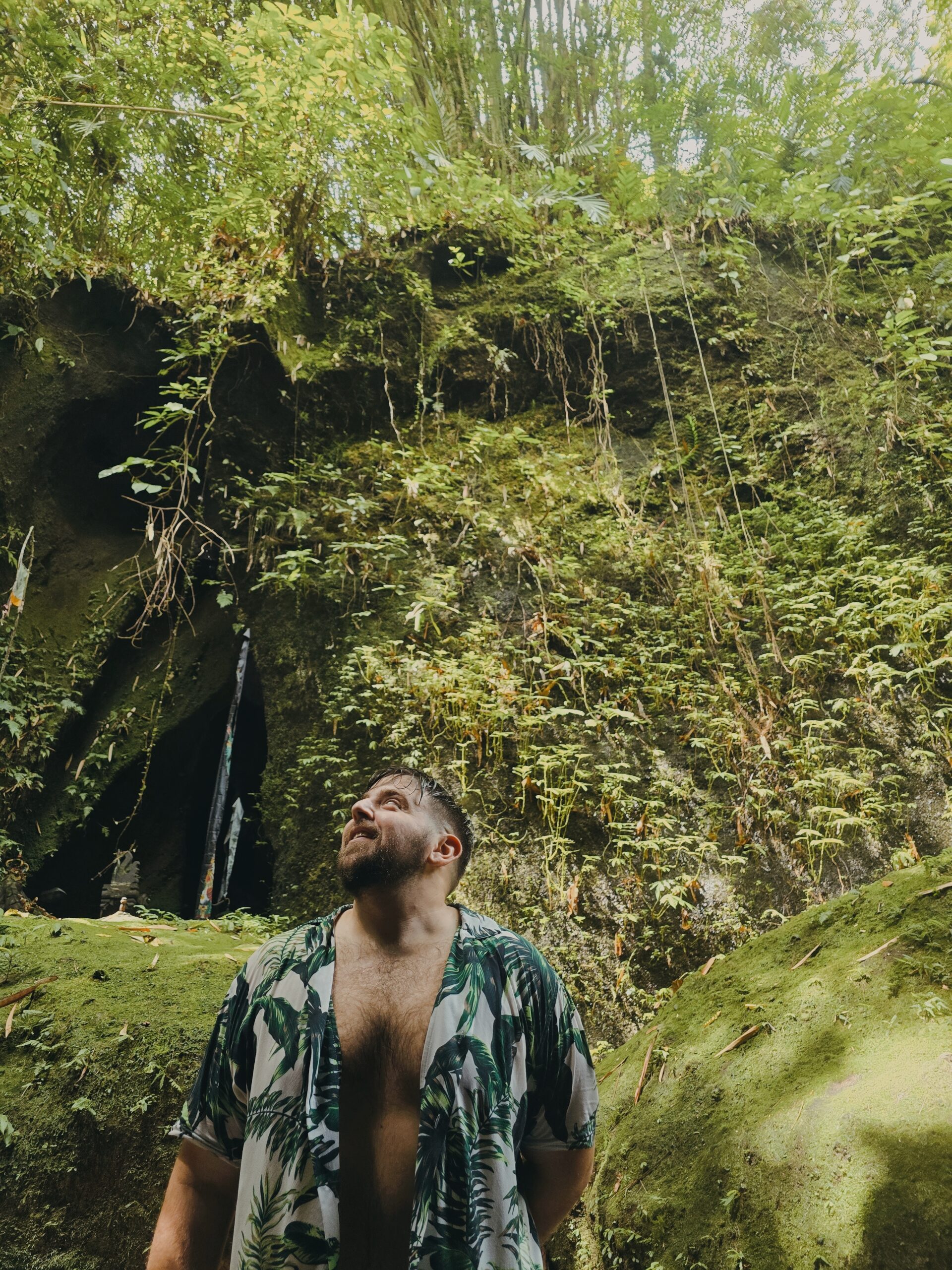
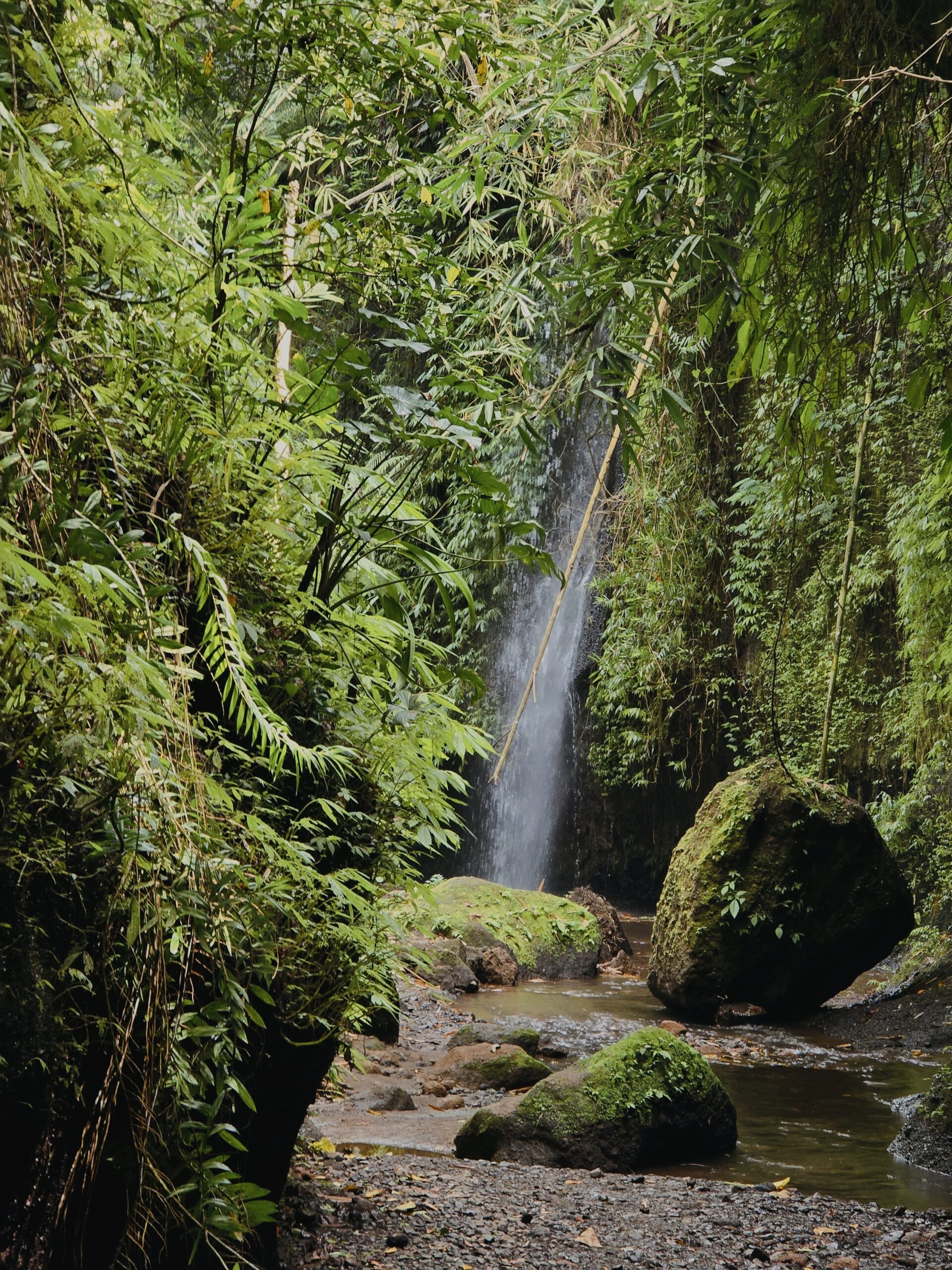
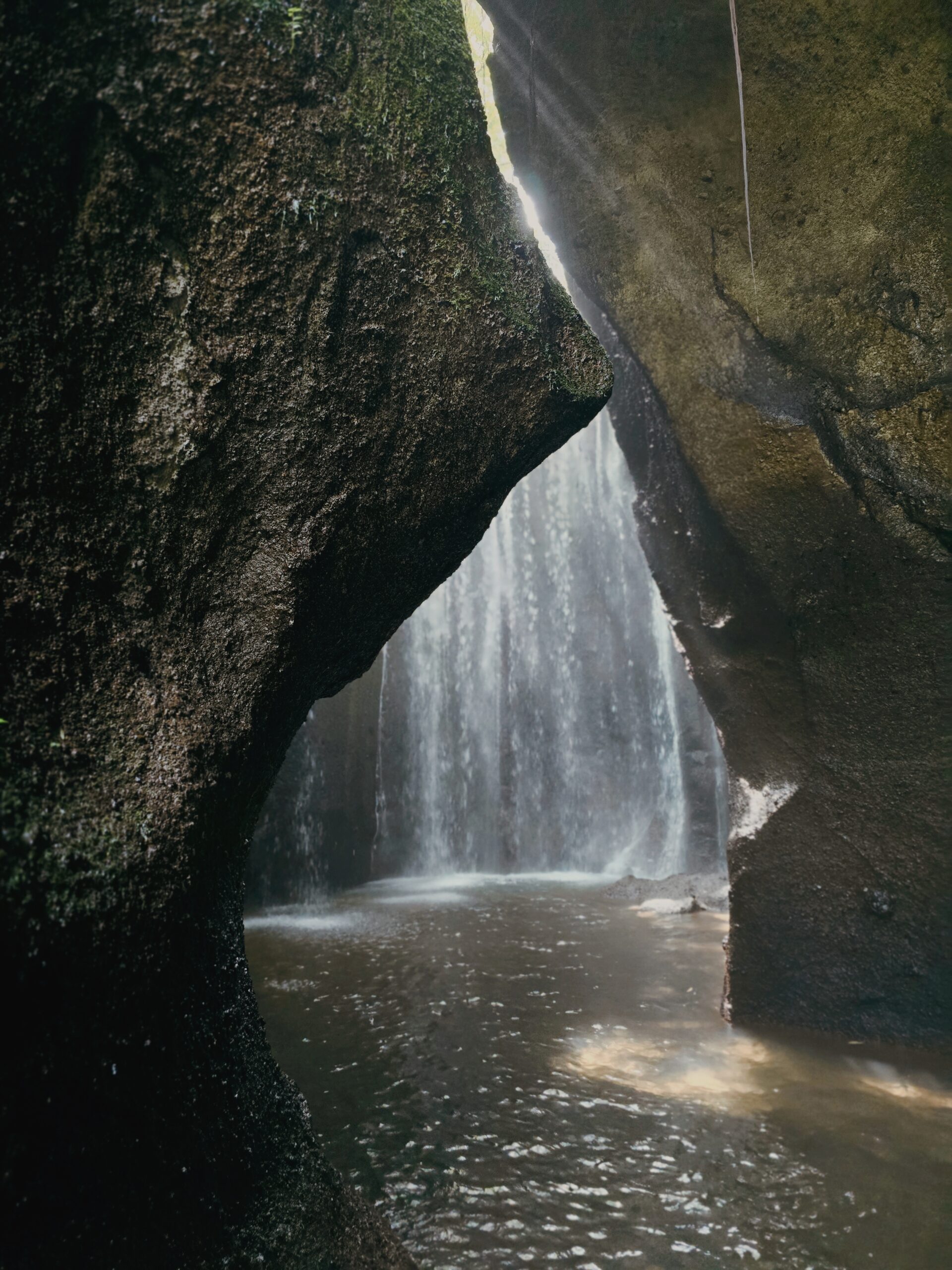
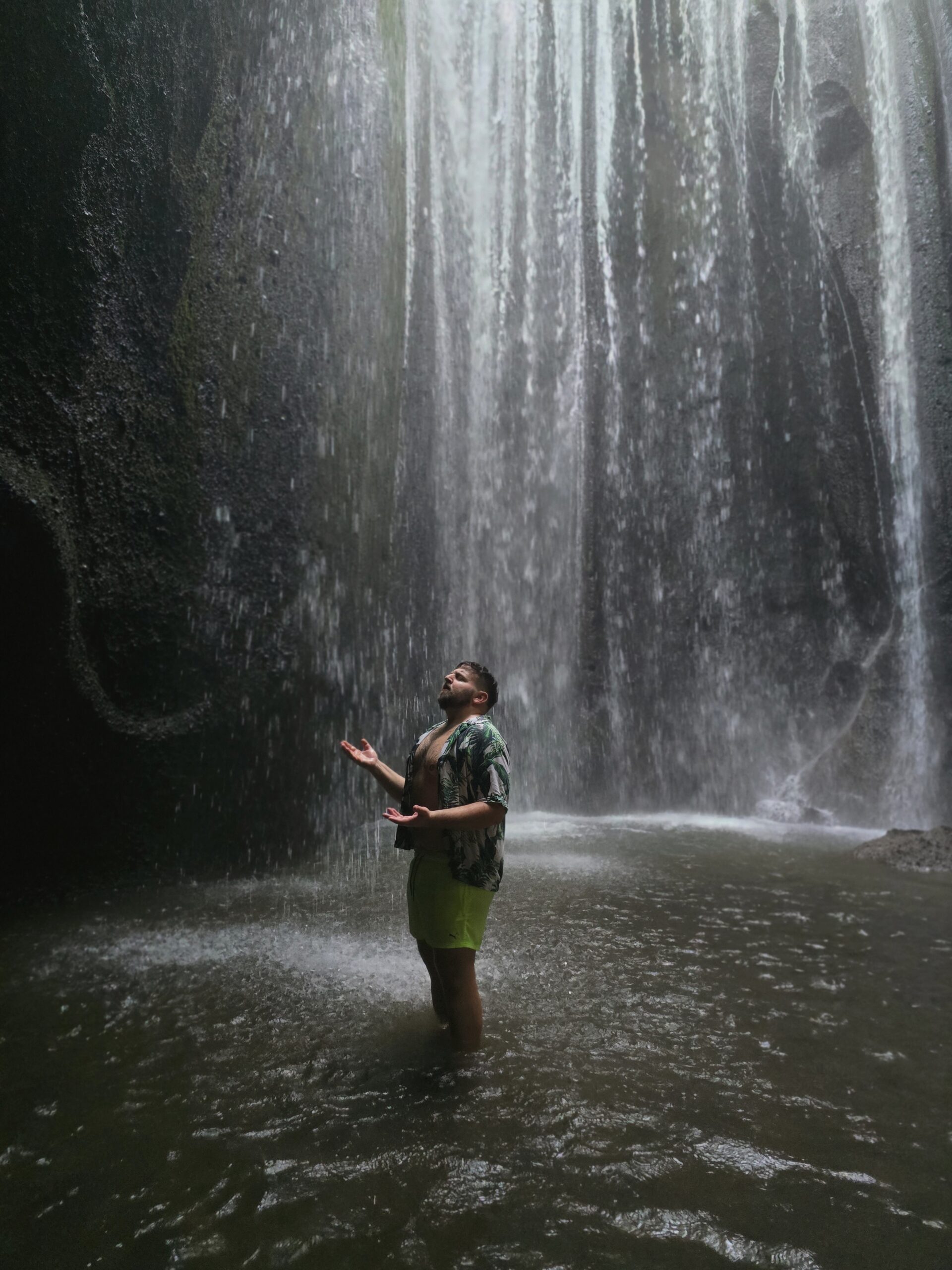
Tukad Cepung was like paradise on Earth
The ''baby waterfall''
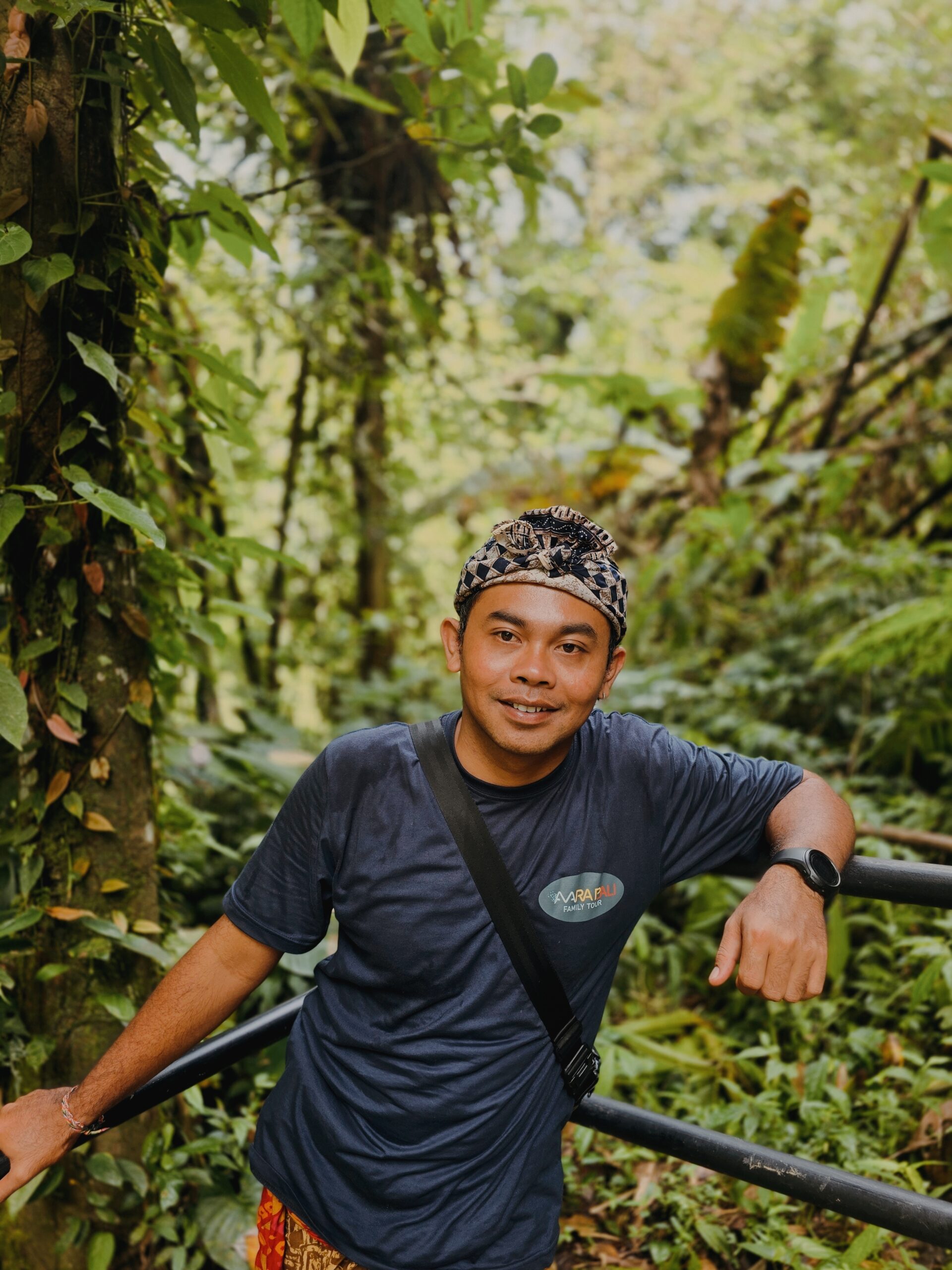
Our amazing guide, Kadek, from Amara Bali Family Tour
A first glimpse of this natural masterpiece
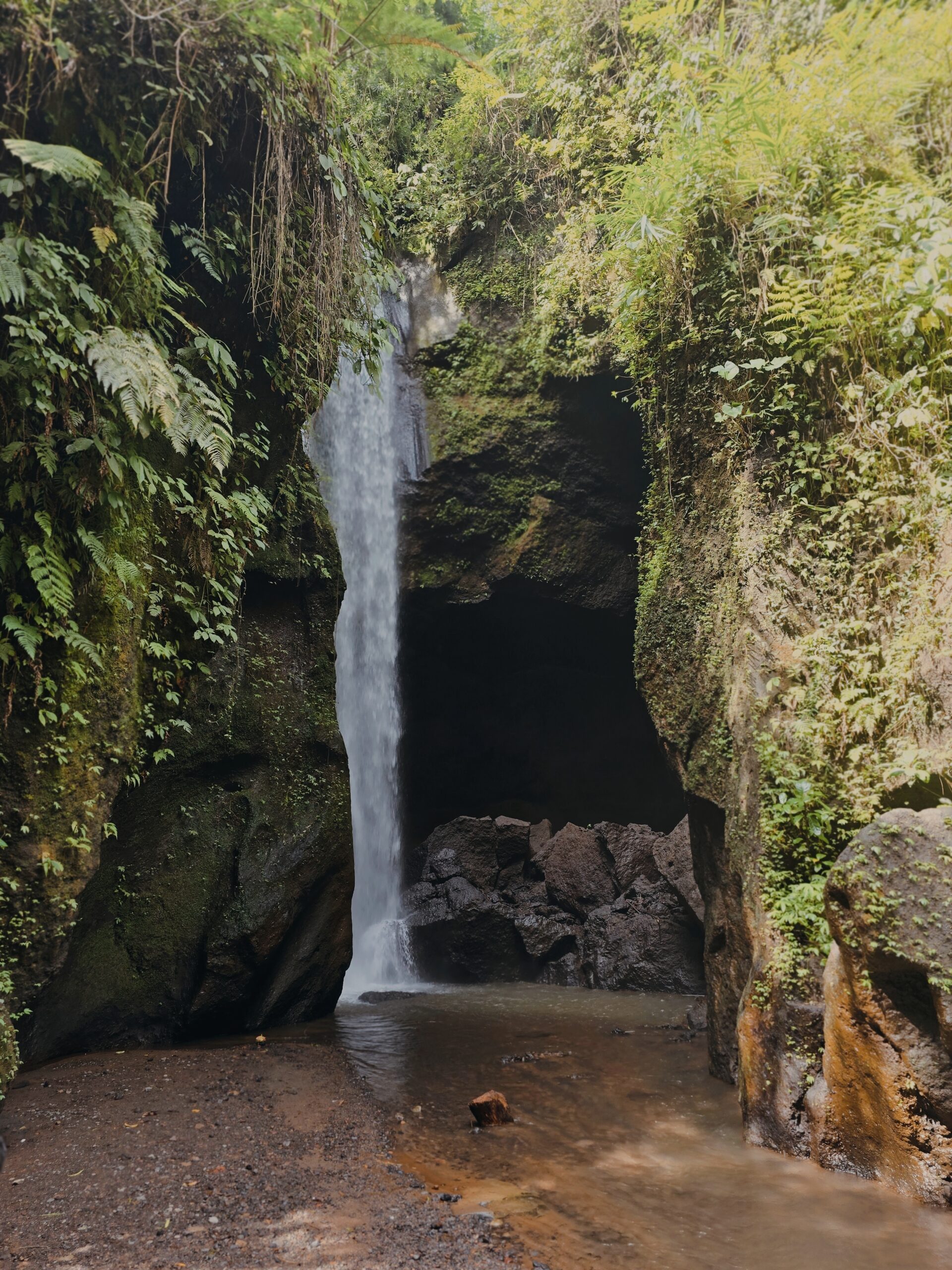
The water cascades down through a circular cliff opening, creating a magical light effect
Next stop was Tukad Cepung and this should definitely be in your list. It’s one of Bali’s most unique and photogenic waterfalls, hidden inside a cave near Tembuku village in Bangli Regency. It cascades down through a circular cliff opening, creating a magical light effect when sunlight hits the cavern— especially between 9 and 11 AM. The 15-minute trek involves stairs, river crossings, and walking through a shallow canyon, making it feel like a little adventure. While the waterfall itself isn’t deep enough for serious swimming, it’s a refreshing spot to cool off your feet.
Fun fact: “Tukad” means “river” in Balinese, and “Cepung” refers to “splashes,” so the name roughly translates to “river of splashes. There were no lines of people when we arrived, which is another plus.
Entrance fee: €0.80 – €1.60 (IDR 15,000 – 30,000)
Right outside Goa Raja
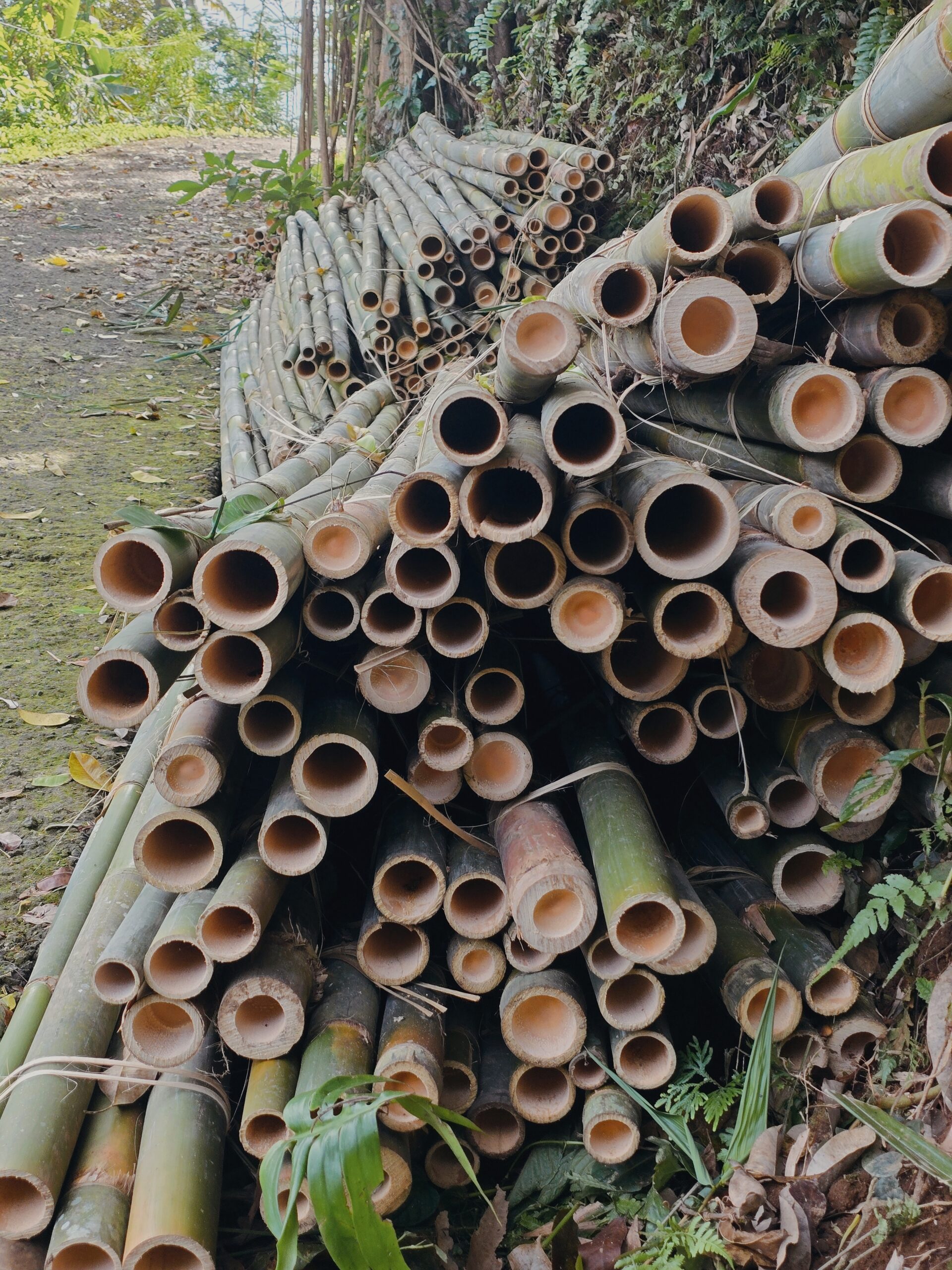
Bamboo sticks
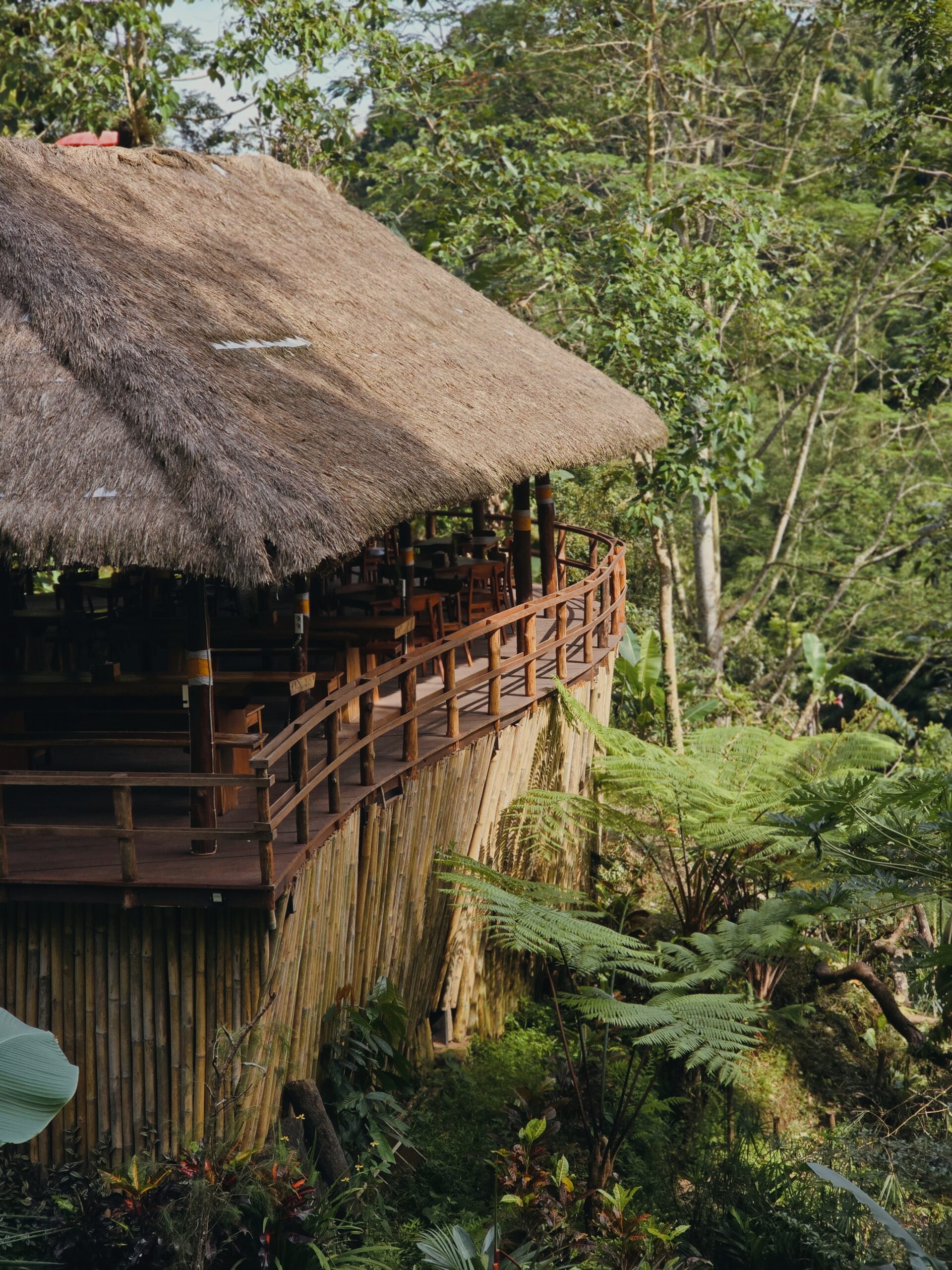
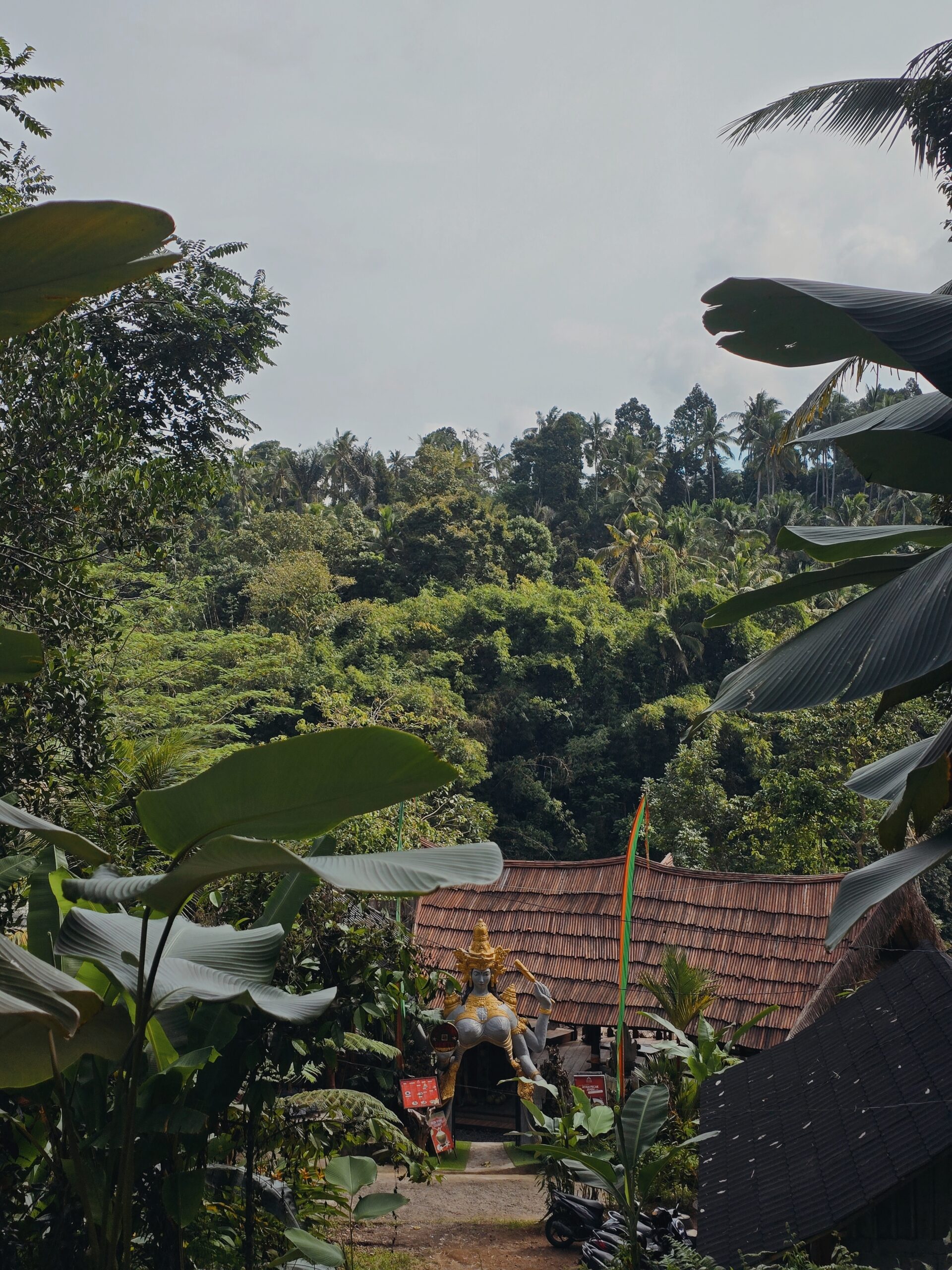
The view from the parking
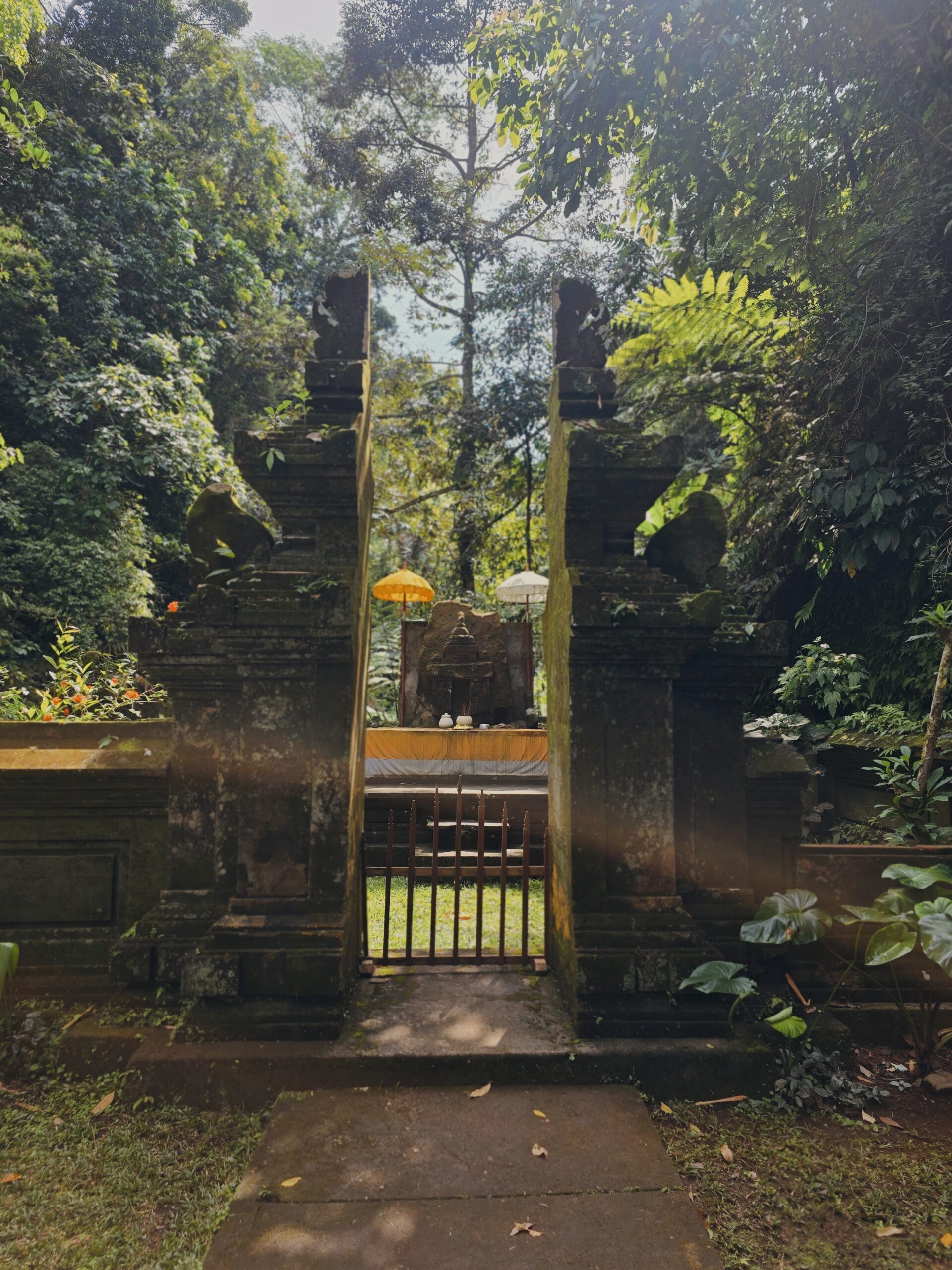
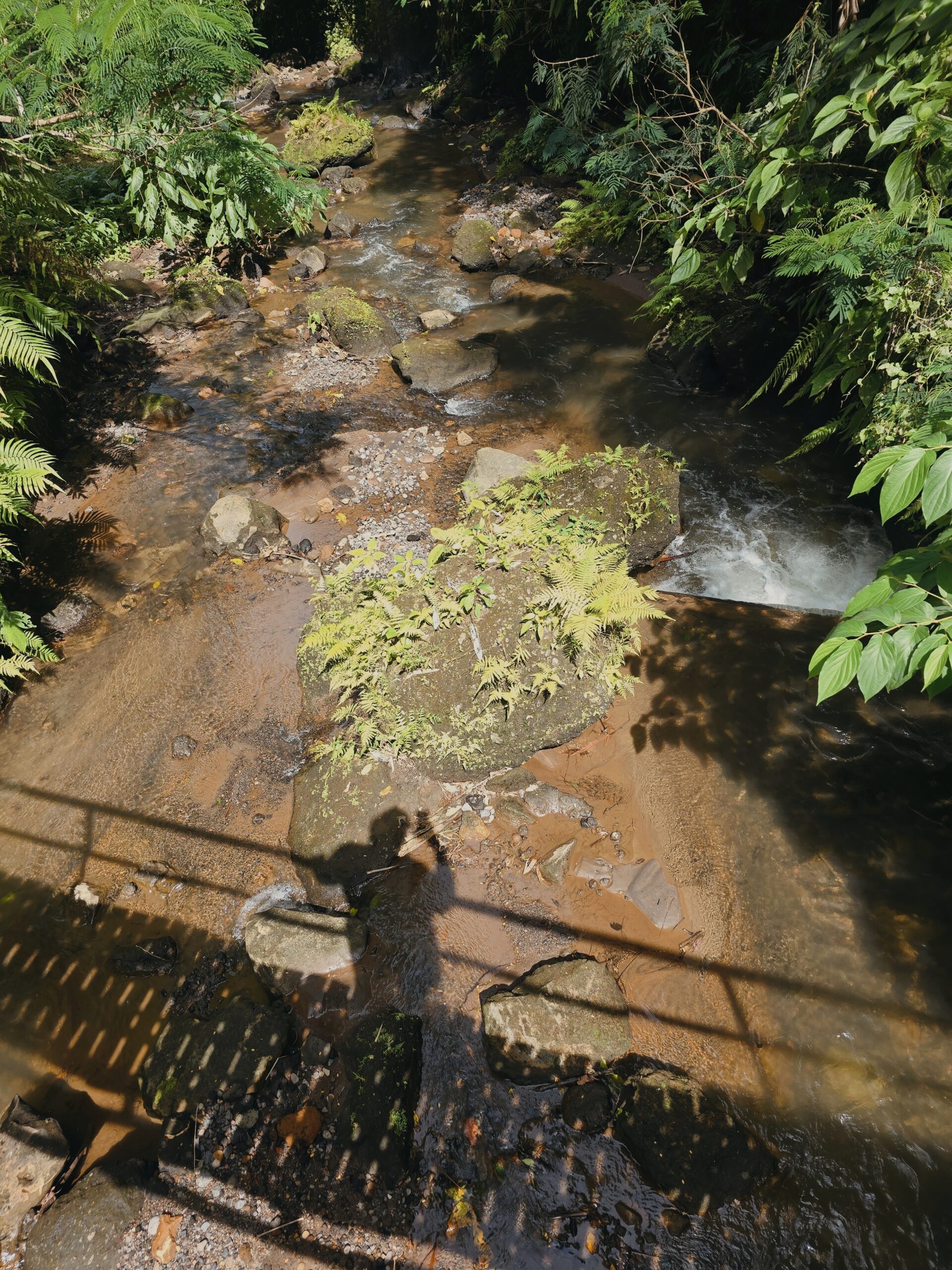
On the way to the waterfall
Natural beauty
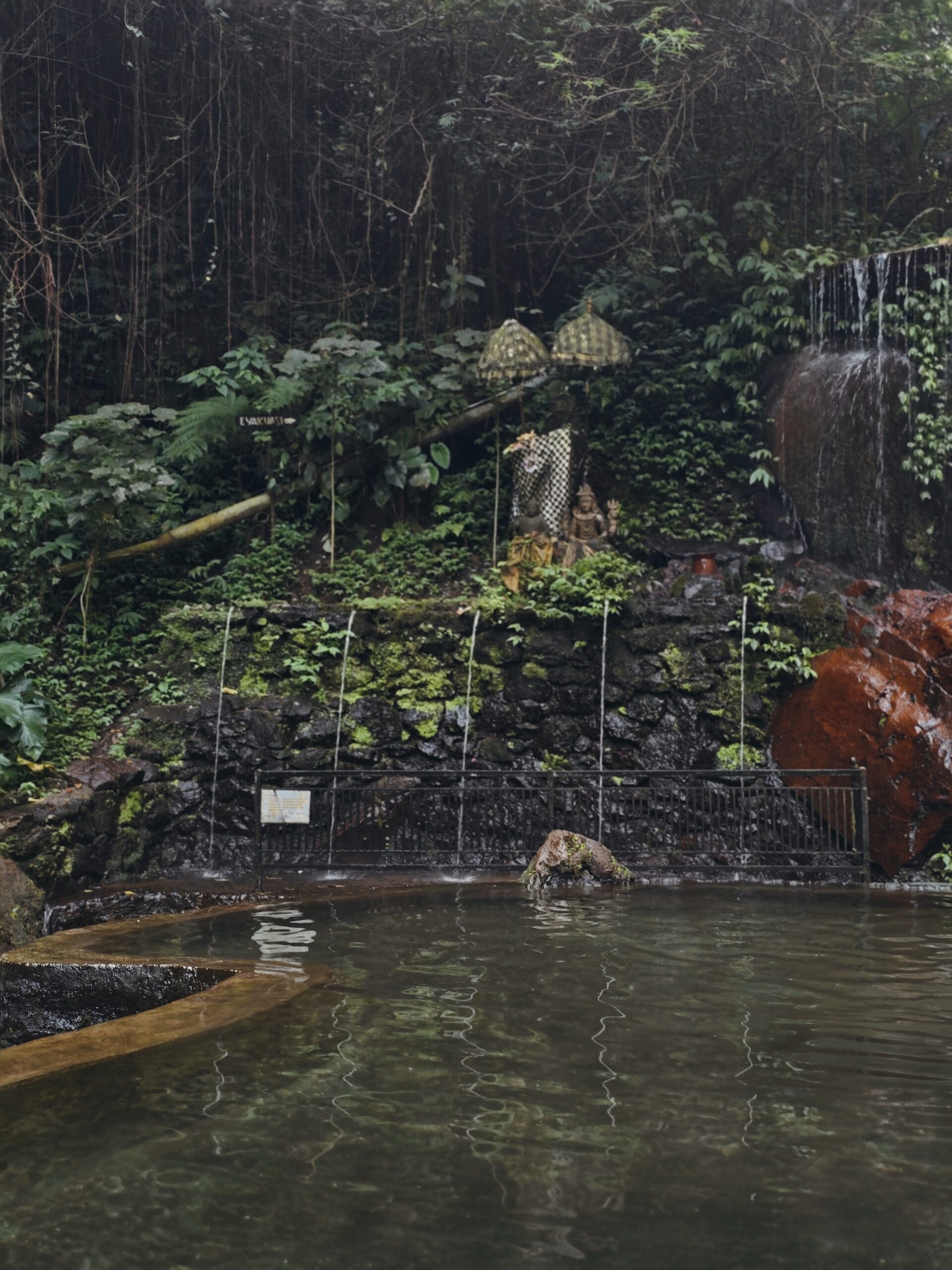
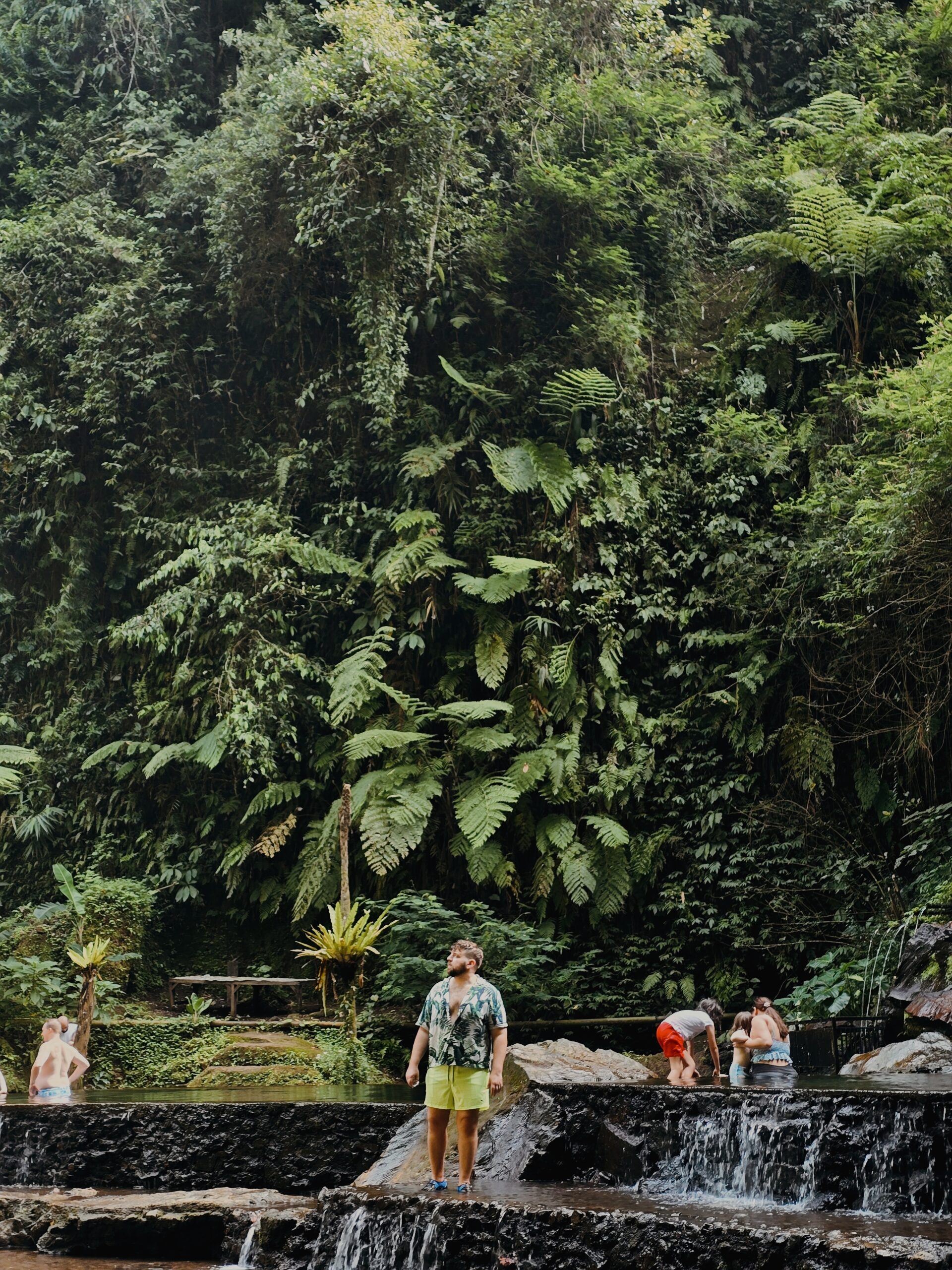
The pool of Goa Raja
The waterfall
Surrounded by nature
Finally, we arrived to our last waterfall.
Goa Raja, meaning “King’s Cave,” is a serene waterfall nestled inside a mossy canyon near the village of Jehem, not far from Tukad Cepung. Accessible via a short, slightly slippery trail through jungle and river crossings, it offers a peaceful and less touristy alternative. The waterfall tumbles about 25 meters into a shallow pool within a cavernous space. Its name is rooted in local legend, believed to be linked to ancient kings or holy hermits who meditated in the caves nearby. Goa Raja is a gem for those who enjoy quiet exploration and natural beauty—without the crowds.
The walk down and up the stairs of Goa Raja ended me, but the place is 100% worth it. There were a few people when we arrived, but we were all enjoying the place peacefully.
Entrance fee: €1.35 (IDR 25,000)
We had more waterfalls spread around our itinerary of our stay in Bali, but we eventually decided to skip them (because the one day we had woken up at 3:00am and the other was rainy)
The falls can be quite slippery so its best if you buy aqua shoes and be prepared for a bit of walking. The stairs can be exhausting, especially with the aqua shoes.
3. SILVER MAKING CLASS
What isn’t specifically shown about Bali in social media, is that it’s synonymous with arts. You will see silver making, wood carving, statues, paintings and glass art in every turn and corner, so we decided to respect that and make something of our own, as a souvenir.
The village of Celuk, just south of Ubud, is the island’s most famous silversmithing center, where families have passed down their skills for generations. Balinese silverwork is renowned for its intricate filigree patterns, granulation techniques, and symbolic motifs inspired by nature, mythology, and spirituality.
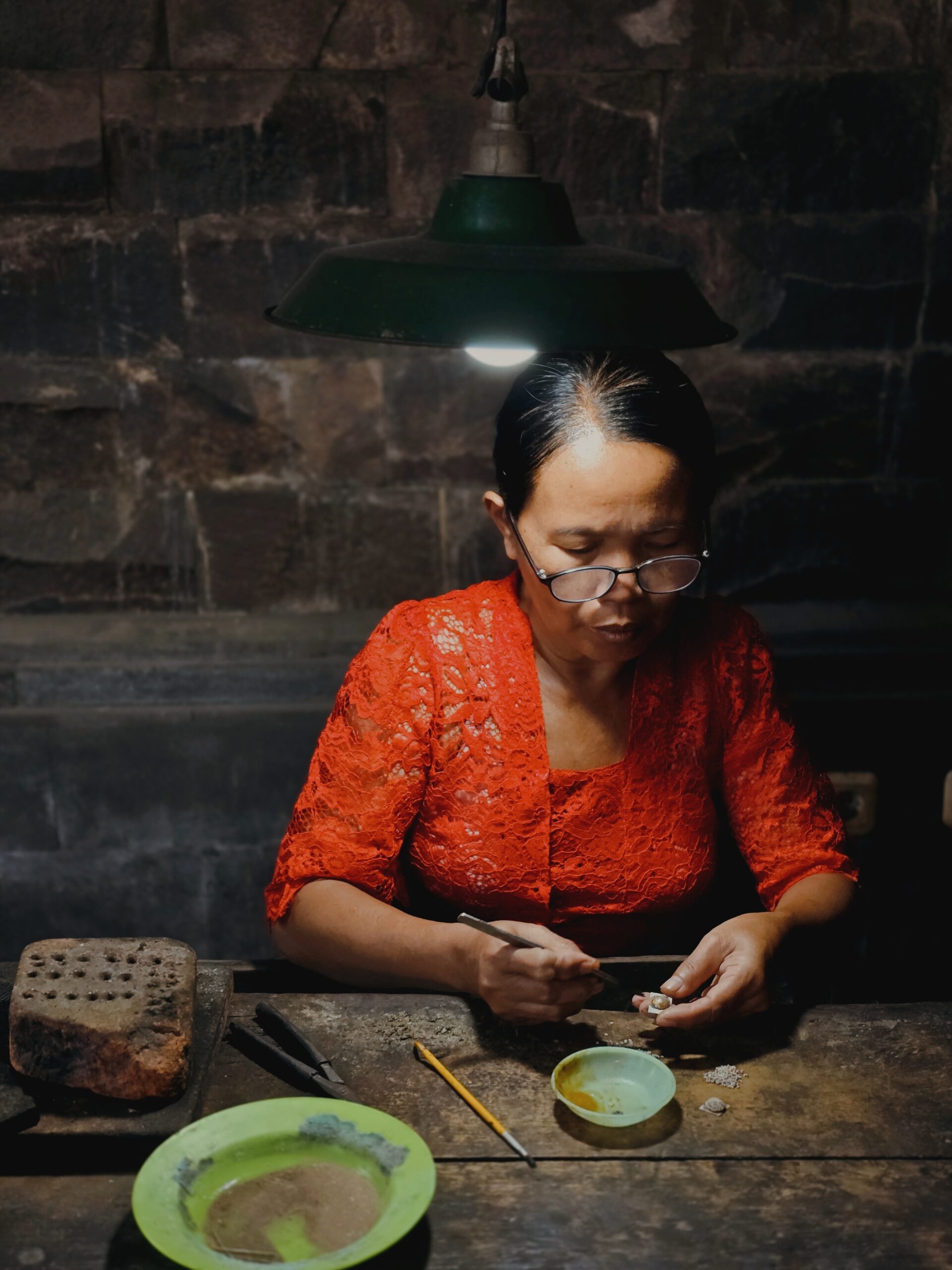
However, we stayed in the city for our silver making class at Bali Silver Class. You basically pay for 7g of silver, and you turn it into a ring of your choice (with guidance from a professional, of course). I don’t even like wearing rings and I can assure you I enjoyed this workshop so much.
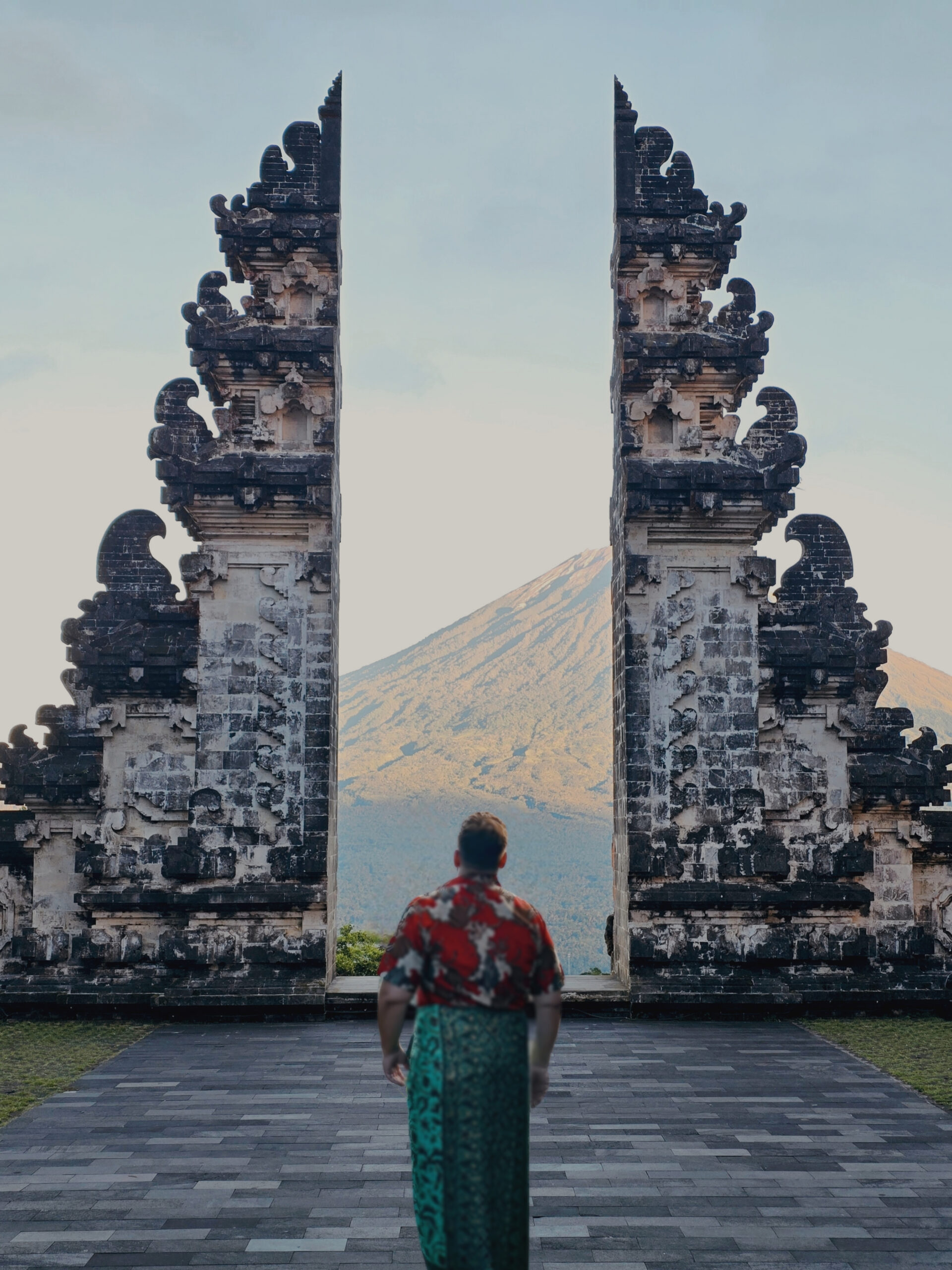
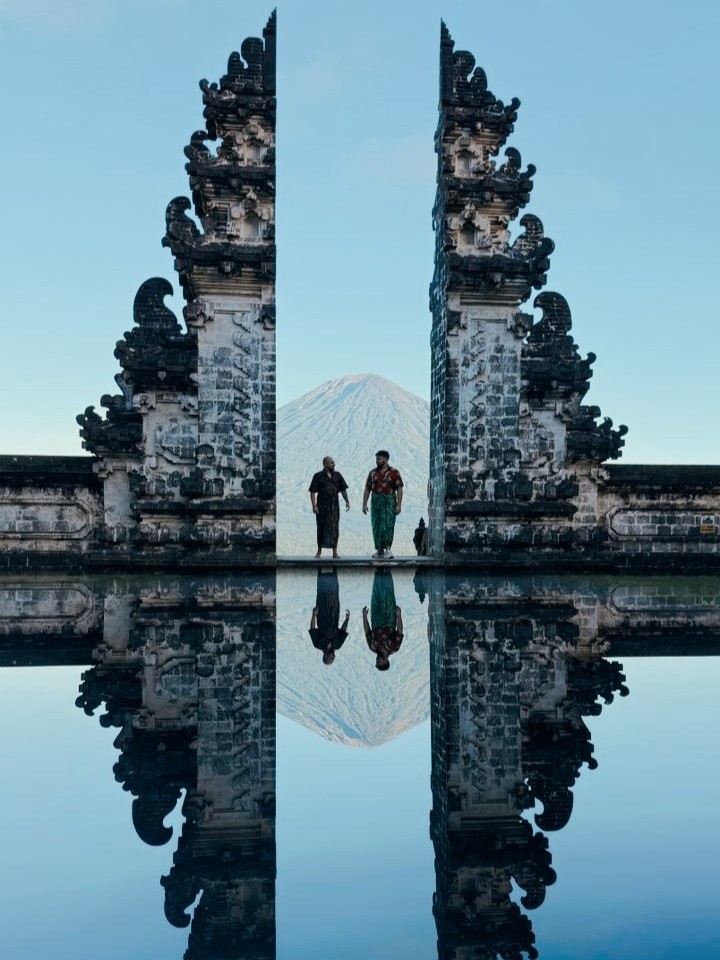
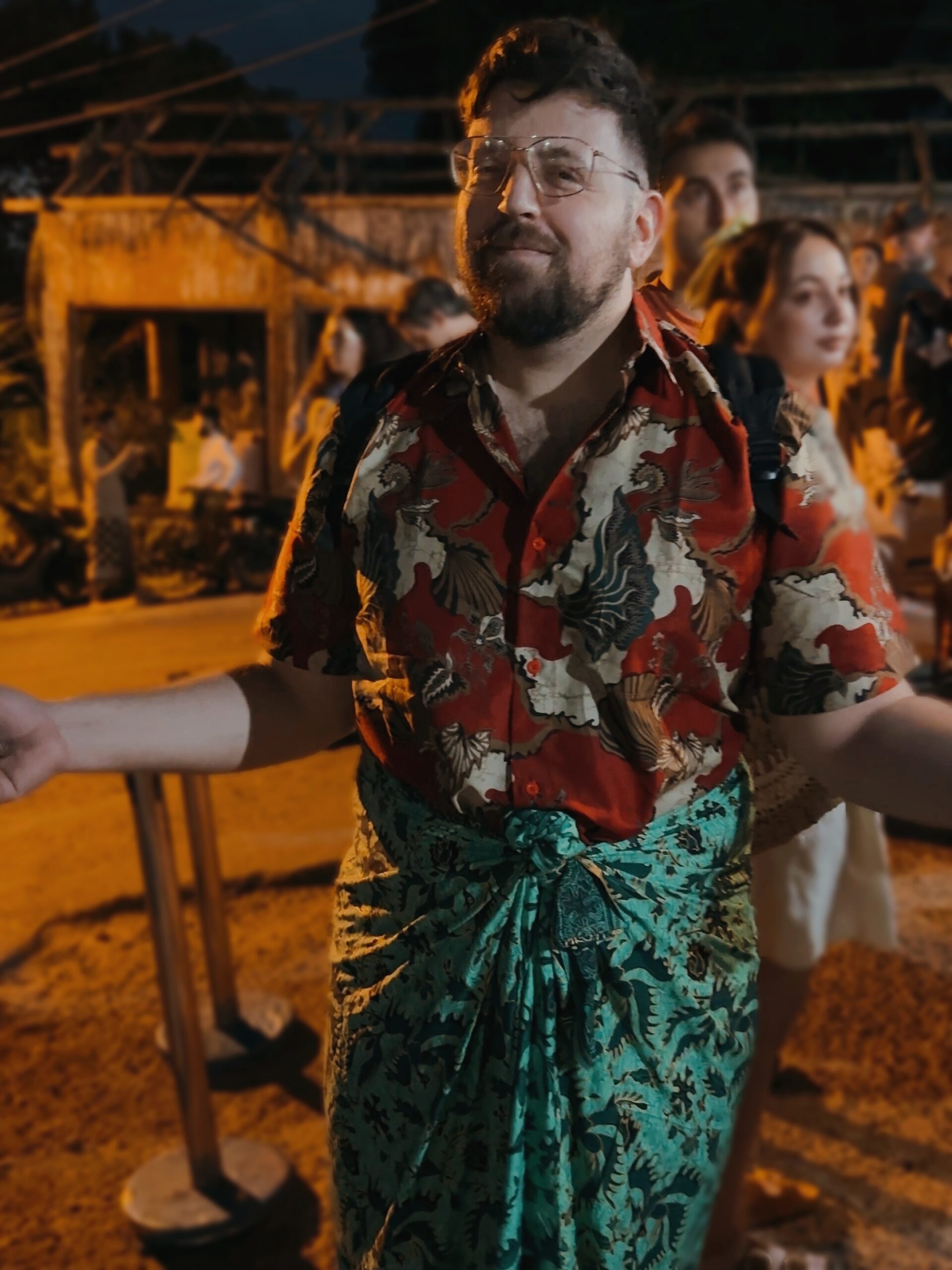
This was the main attraction (for me). Part of my bucket list for so long, I never even imagined that one day I’d be standing before it. For that, we had to wake up at 3:00am, our guide picked us up at 4:00am and by 5:30 we were at the station. You wear your sarong (or borrow one from there) and take your number. The line can be long and exhausting, but we were lucky enough to have a small number, so the wait wouldn’t be long. We waited for about one hour. There are two men there, one taking the famous pictures with the mirror and the other keeping the order, calling the numbers. It’s an easy process, to be honest.
And because I was wondering too, you can take pictures yourself, it’s not mandatory to use the photographer (but if you do, tips are welcome).
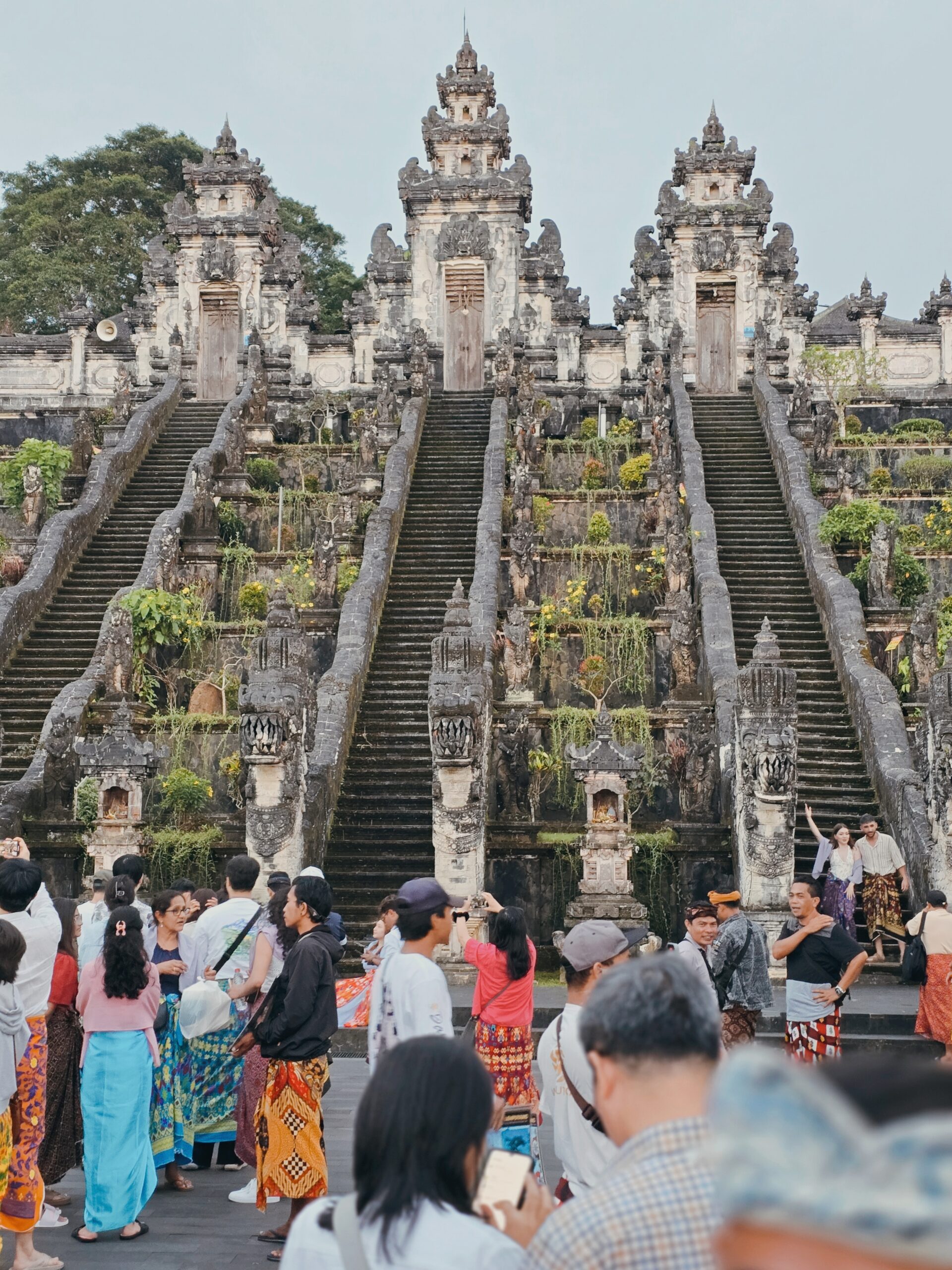
Lempuyang Temple, or Pura Luhur Lempuyang, is one of Bali’s oldest and most sacred temples, perched on the eastern slopes of Mount Lempuyang near Karangasem. Known for its iconic “Gates of Heaven,” this temple offers a breathtaking view of Mount Agung framed perfectly between two intricately carved split gates—a photo that has become synonymous with Bali. On the site there are also the triple split staircases leading to the other temple gates and a smaller gate (like Gates of Heaven but with less people waiting).
Fun fact: the name “Lempuyang” comes from “lampu” (light) and “hyang” (divine), meaning “the light of God,” reflecting its spiritual significance on the island.
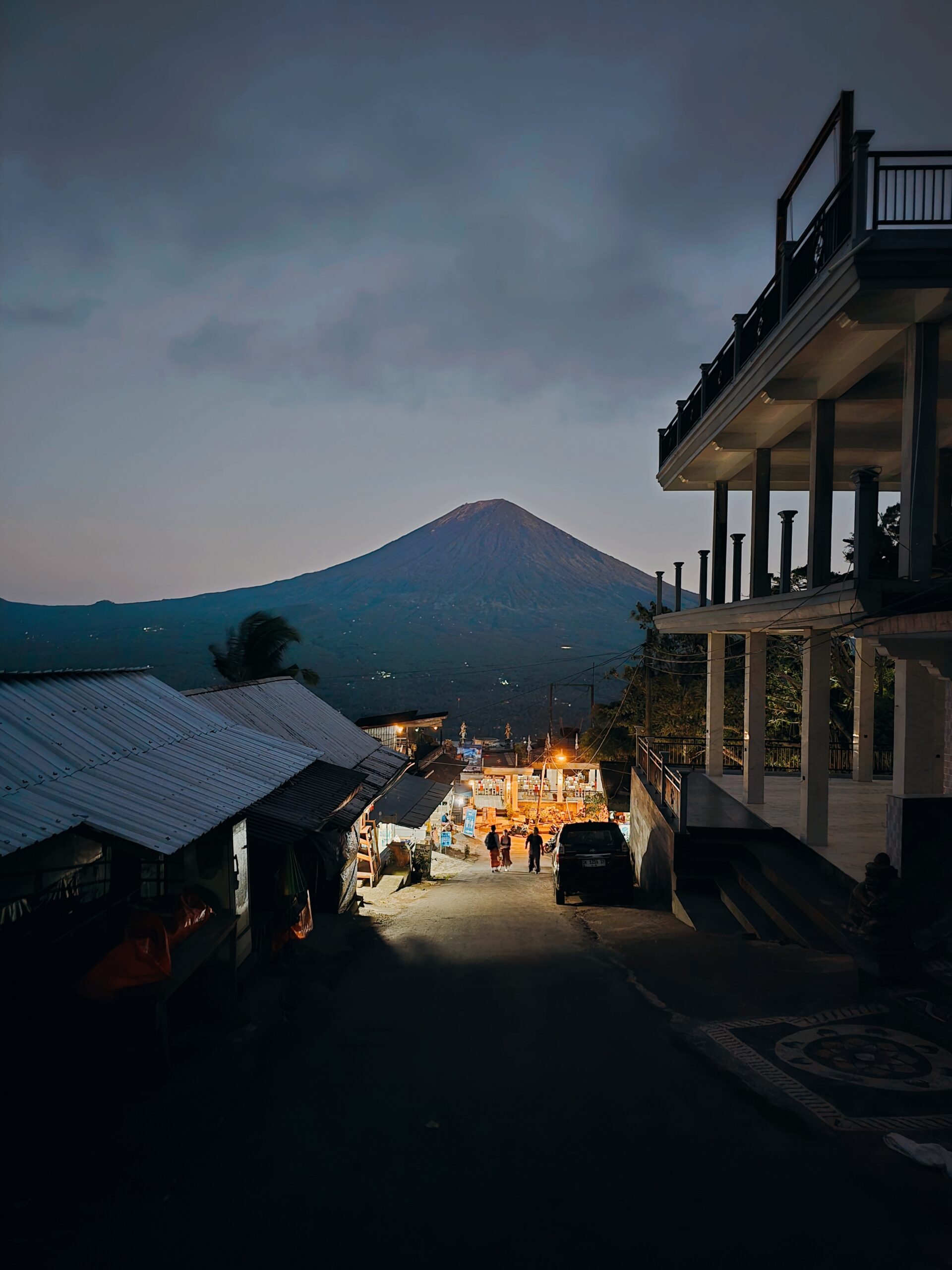
Mount Agung, on our way up to the temple
The stairs leading to the other temples
My sarong and ready to go
5. TIRTA GANGGA
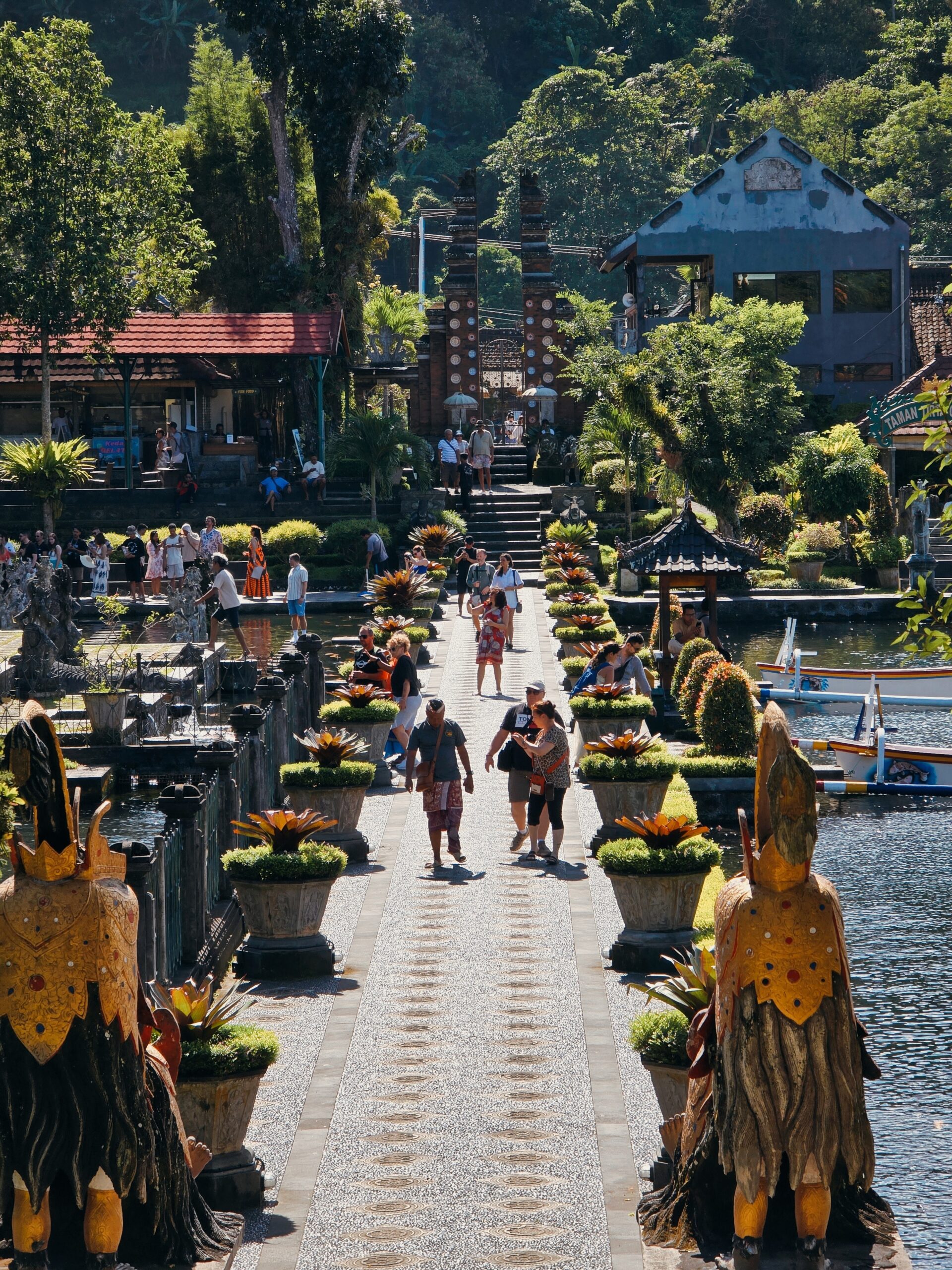
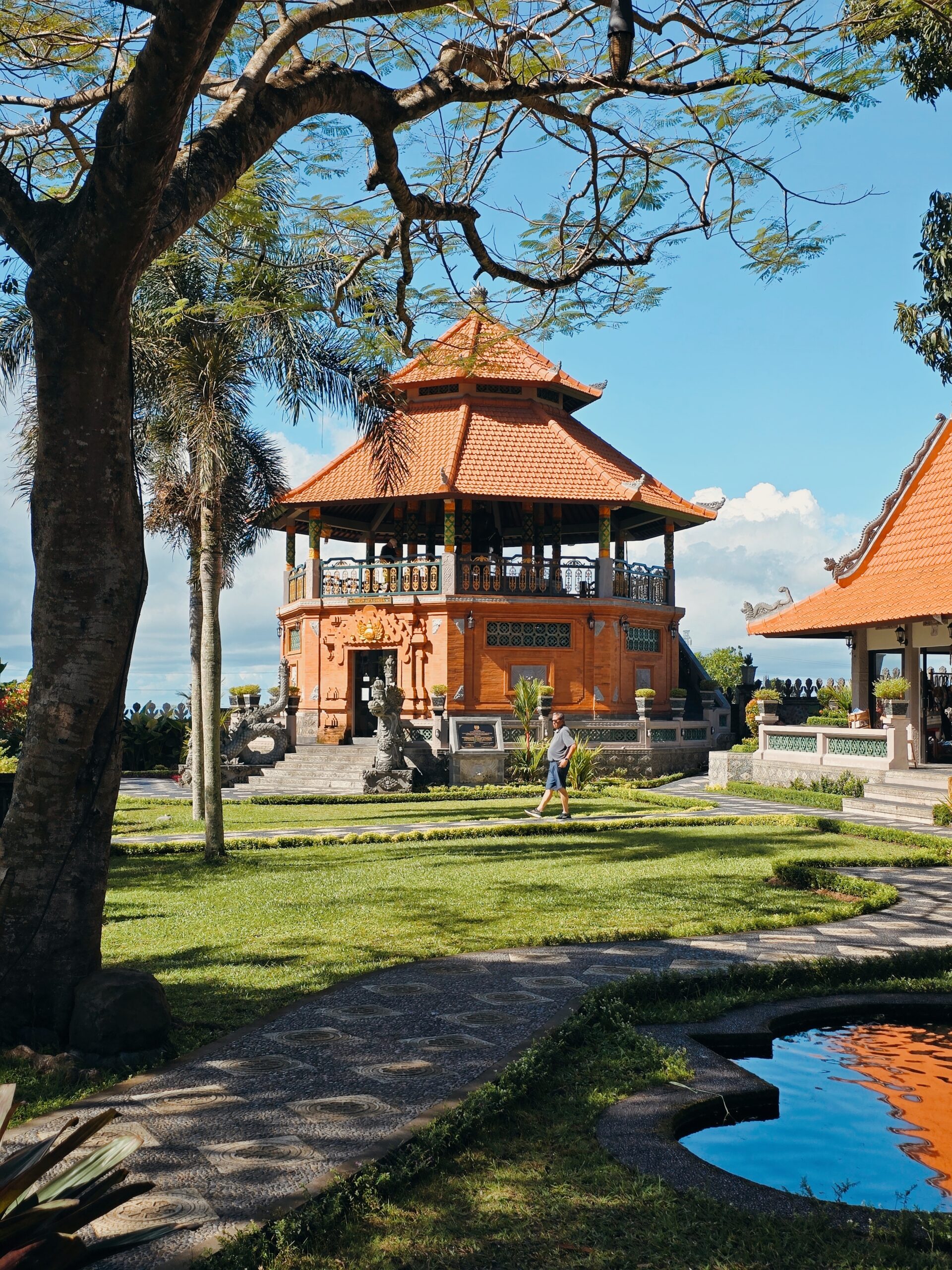
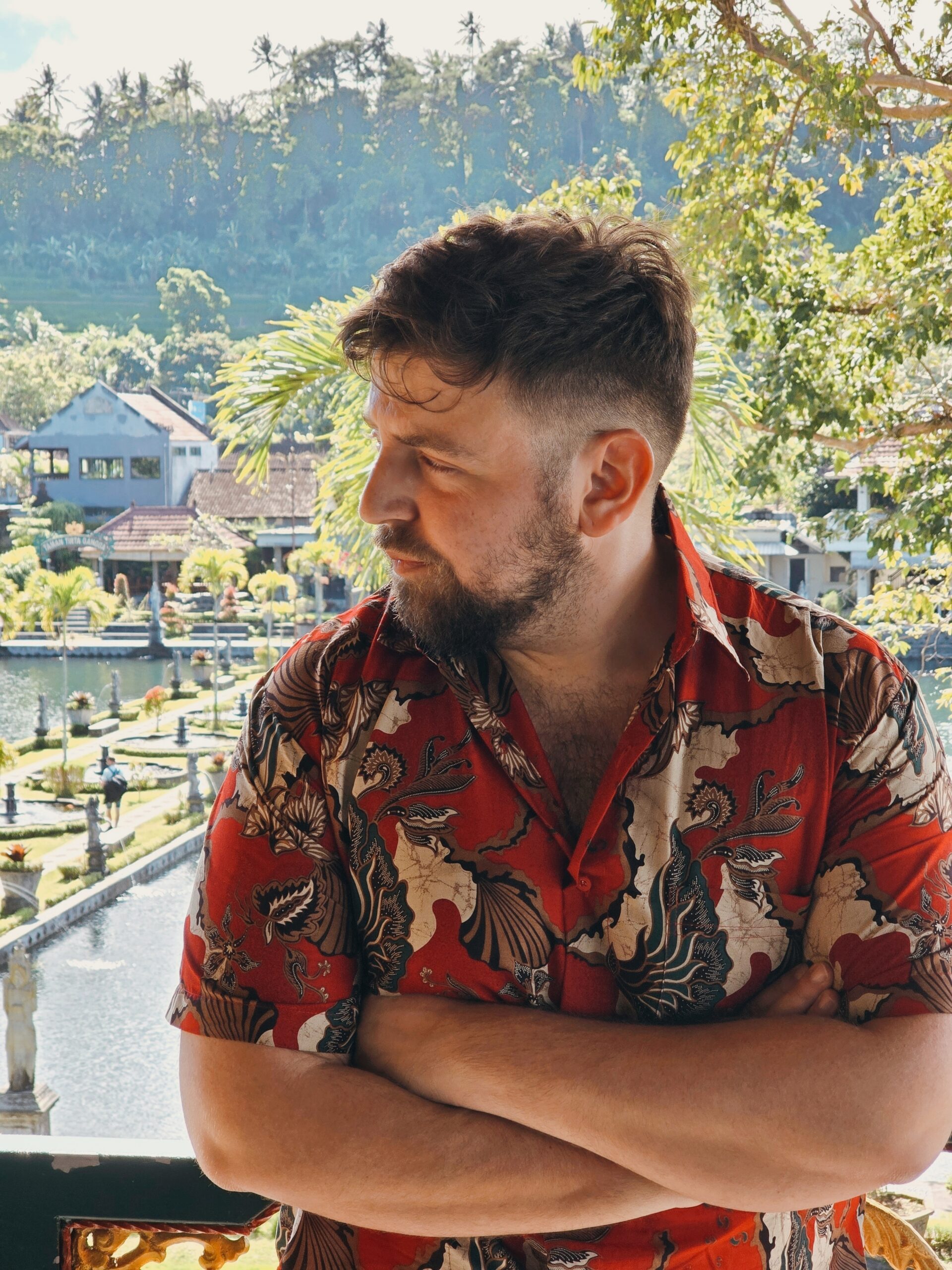
The famous Koi pond… is so much more than that. Tirta Gangga, meaning “Water of the Ganges,” is a stunning former royal water palace located in East Bali, near Karangasem. Built in 1946 by the late King of Karangasem, with pools, tiered fountains, and stone carved statues. The palace is centered around a garden where koi-filled ponds and sacred fountains flow with holy water from nearby natural springs. One of the most iconic features is the stepping stones that allow visitors to walk across the main pond, surrounded by water and colorful fish. Take a minute to walk around, visit the mini museum and the balcony just above it for a wonderful view of the premises.
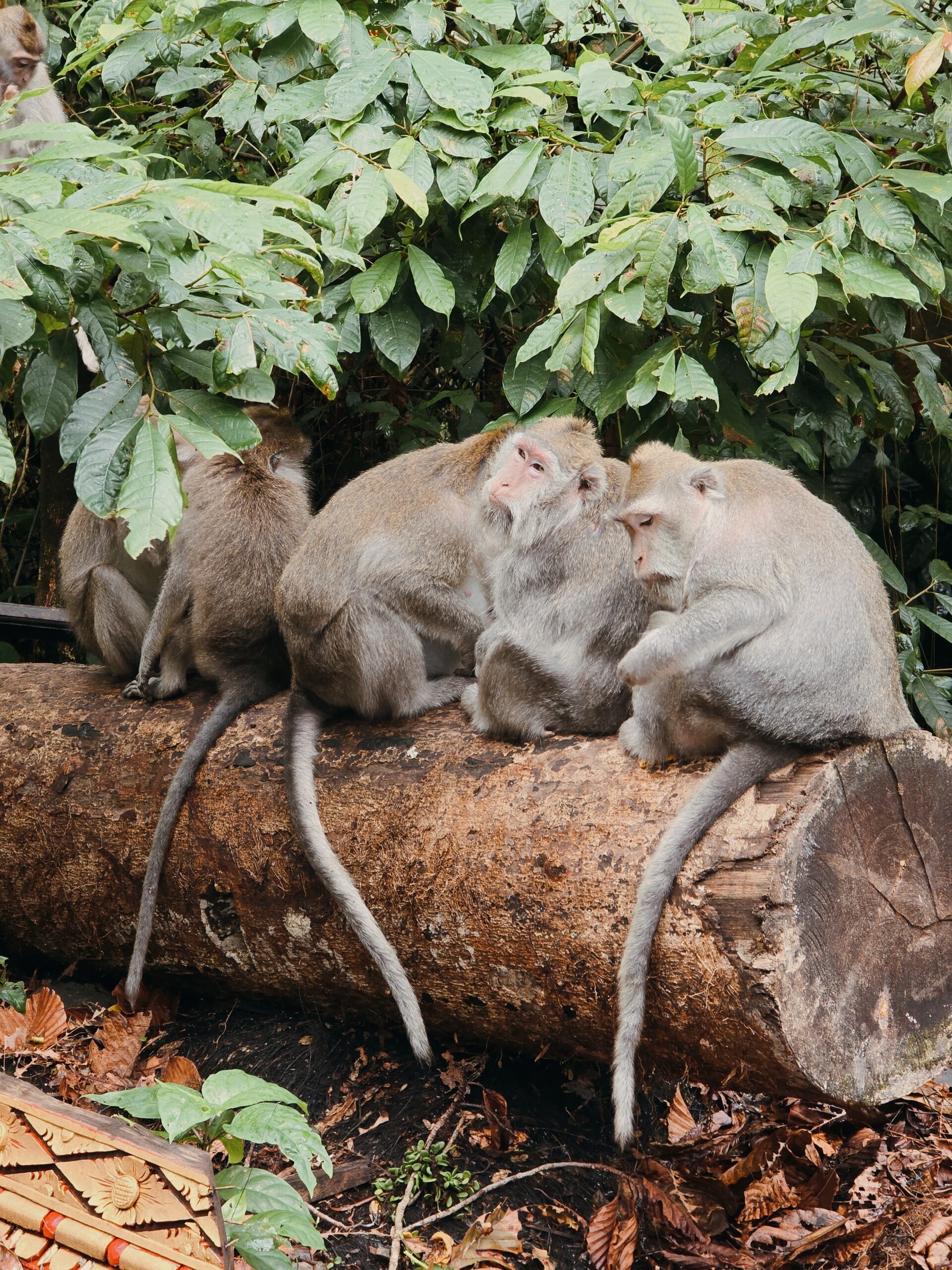
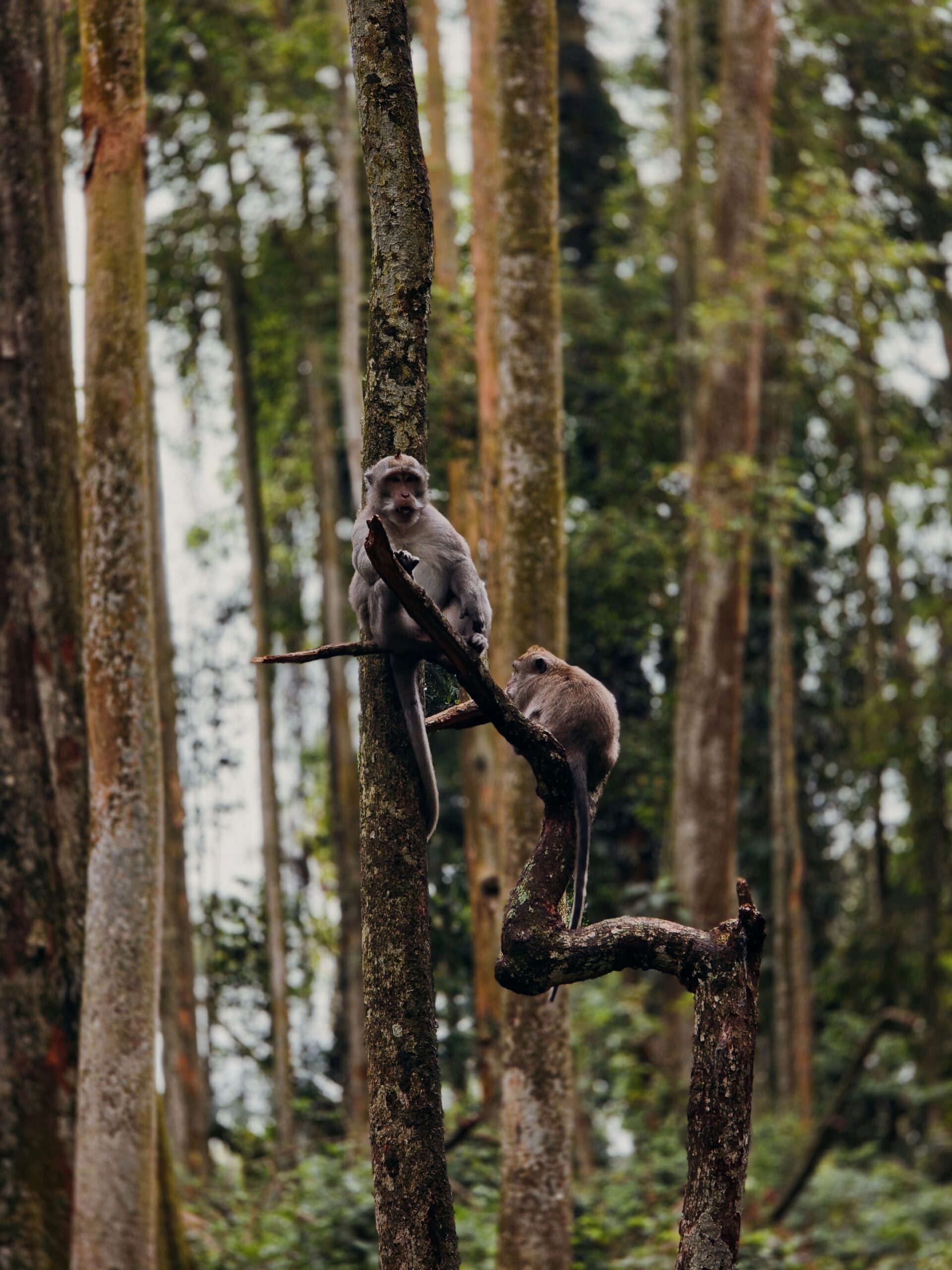
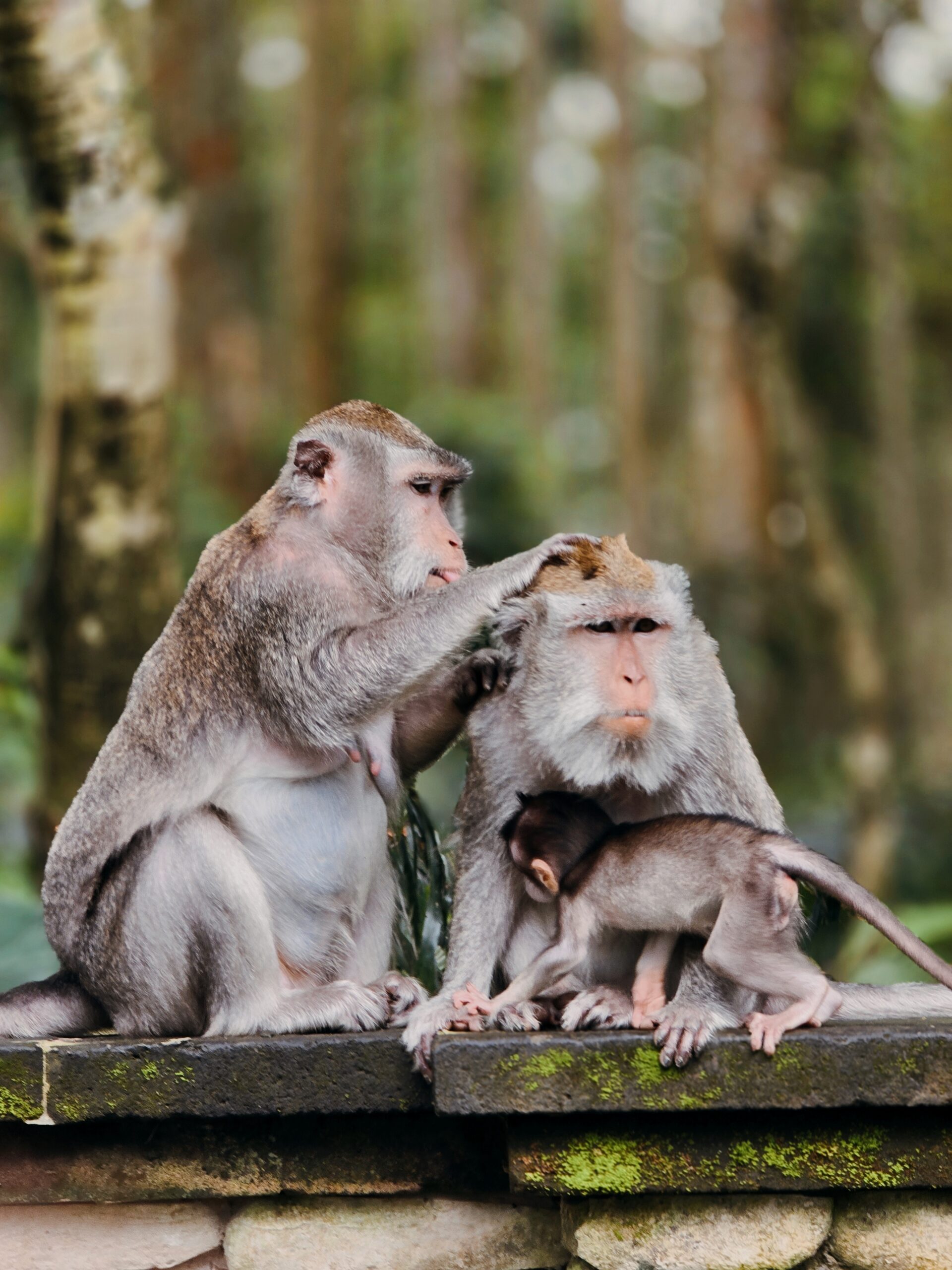
So, this was an essential part of our trip and we wanted the best experience possible. On my research I found out the monkeys at Sangeh are calmer and friendlier than those at Ubud Monkey Forest, though the place was smaller and around a 50-minute drive from Ubud. When we arrived, clearly we chose well. The forest is stunningly beautiful. Home to roughly 500-700 macaques living in tribes under 40m nutmeg, mahogany and guava trees.
The monkeys are believed to be sacred guardians, living harmoniously alongside temple rituals and wildlife. If you have the time, choose Sangeh. The place is peaceful and serene, the monkeys are everywhere, they hop on your shoulders and then they just leave if you don’t feed them, they’re soft, light and harmless (though don’t try to touch them or look them in the eye). If you like, you can feed them (food is extra) if you’re ready for four or five monkeys to jump on you at once. That was the first stop of our day, and soon it started to rain so we didn’t get too much time there. However, it’s a special experience and cannot be missed.
Entrance fee: €4 (IDR 75,000)
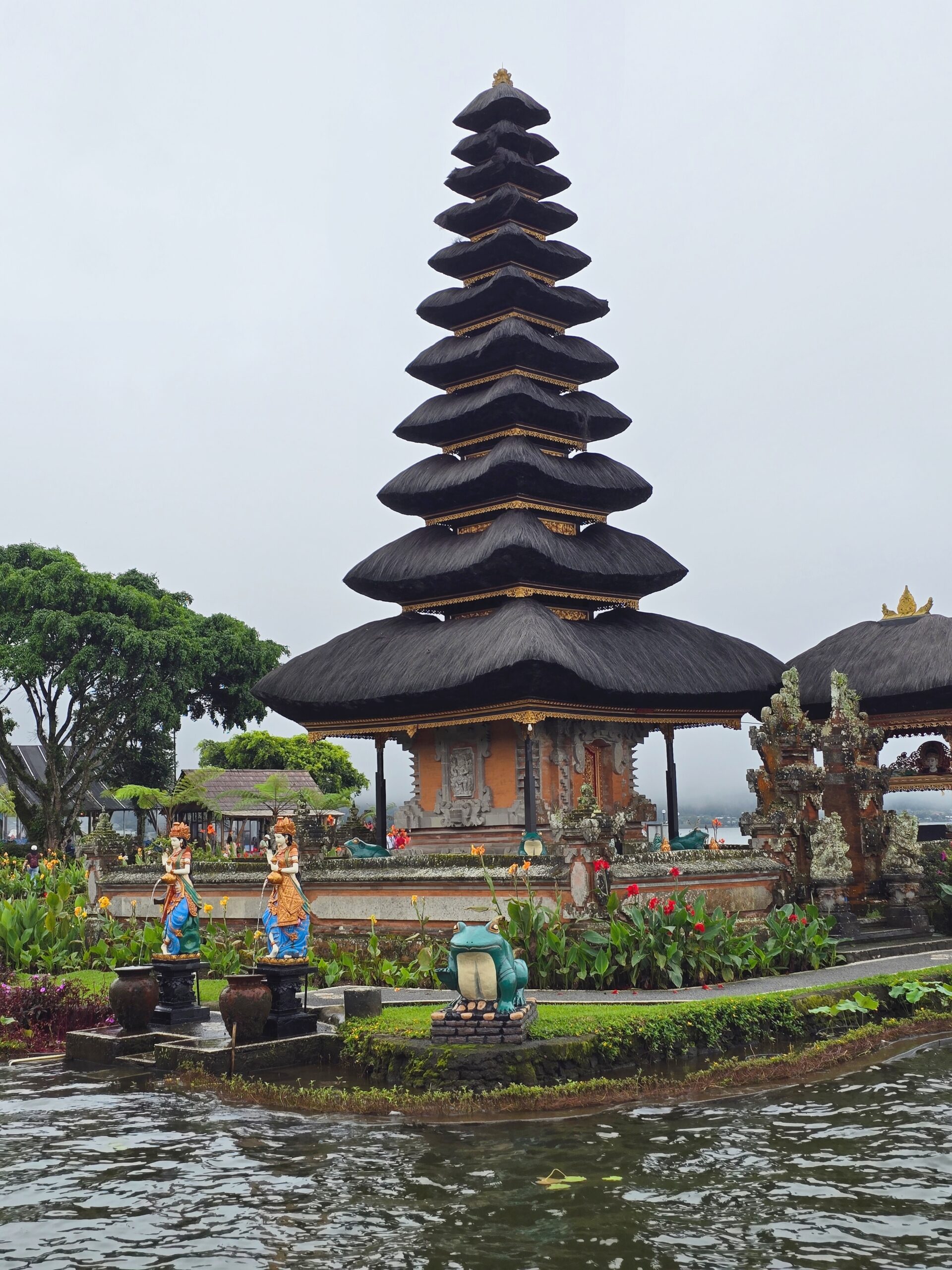
7. ULUN DANU BERATAN TEMPLE
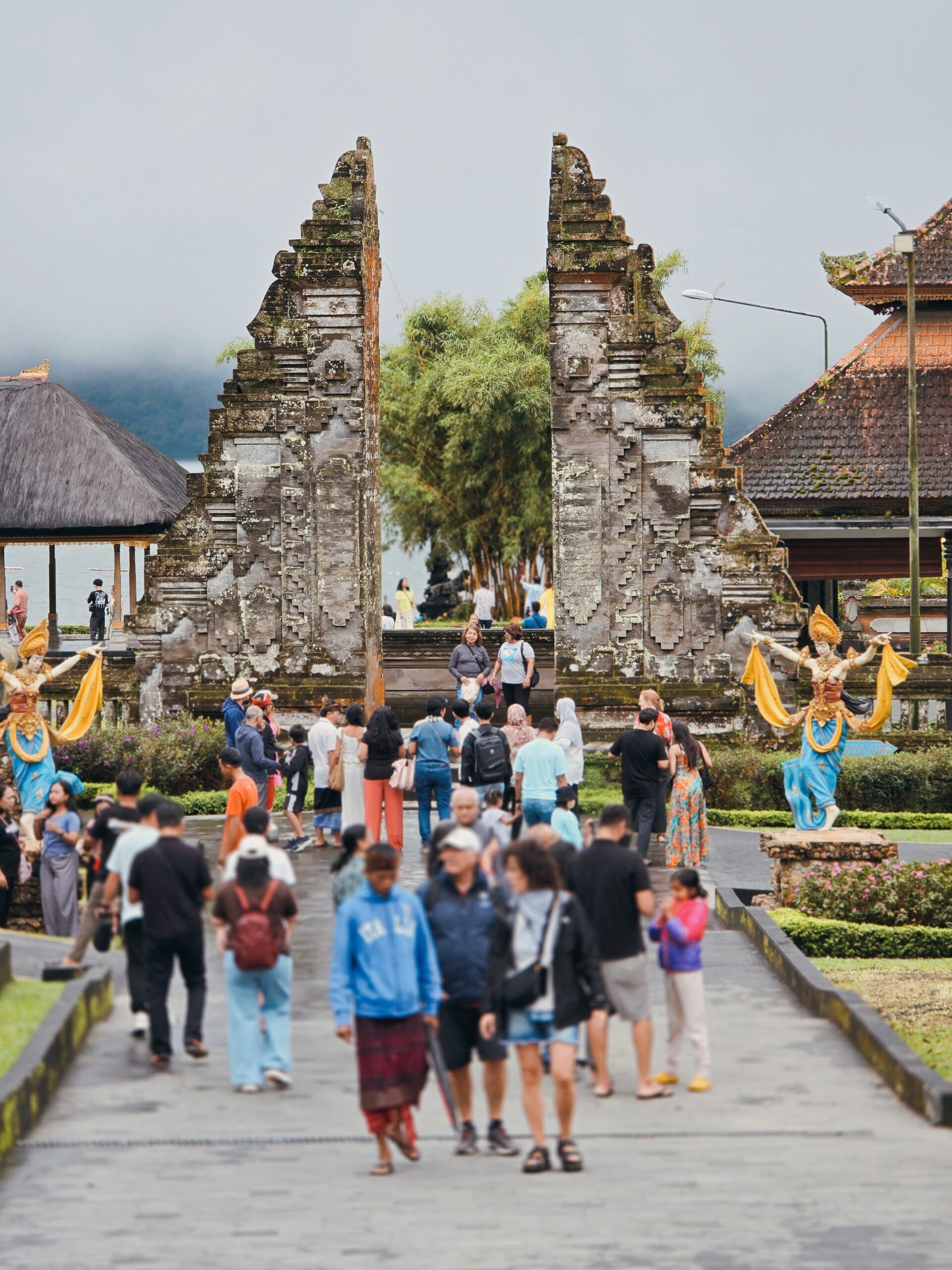
Ulun Danu Beratan Temple is one of Bali’s most iconic and picturesque temples, set against the stunning backdrop of Lake Beratan. Built in the 17th century, it’s dedicated to Dewi Danu, the Balinese goddess of lakes, rivers, and irrigation, making it an important spiritual site for agriculture on the island. The temple’s most famous feature is its floating multi-tiered shrine (meru), which appears to hover above the lake when water levels are high—especially magical in the early morning mist. The place is beautiful for a walk and pictures, but it did feel a bit like a theme park, with restaurants and shops between the gardens. Maybe we didn’t get the chance to enjoy it fully because the weather was cloudy and was raining on – off. Fun fact: this temple is featured on the 50,000 IDR banknote, making it both spiritually and culturally iconic.
Entrance fee: €4.03 (IDR 75,000)
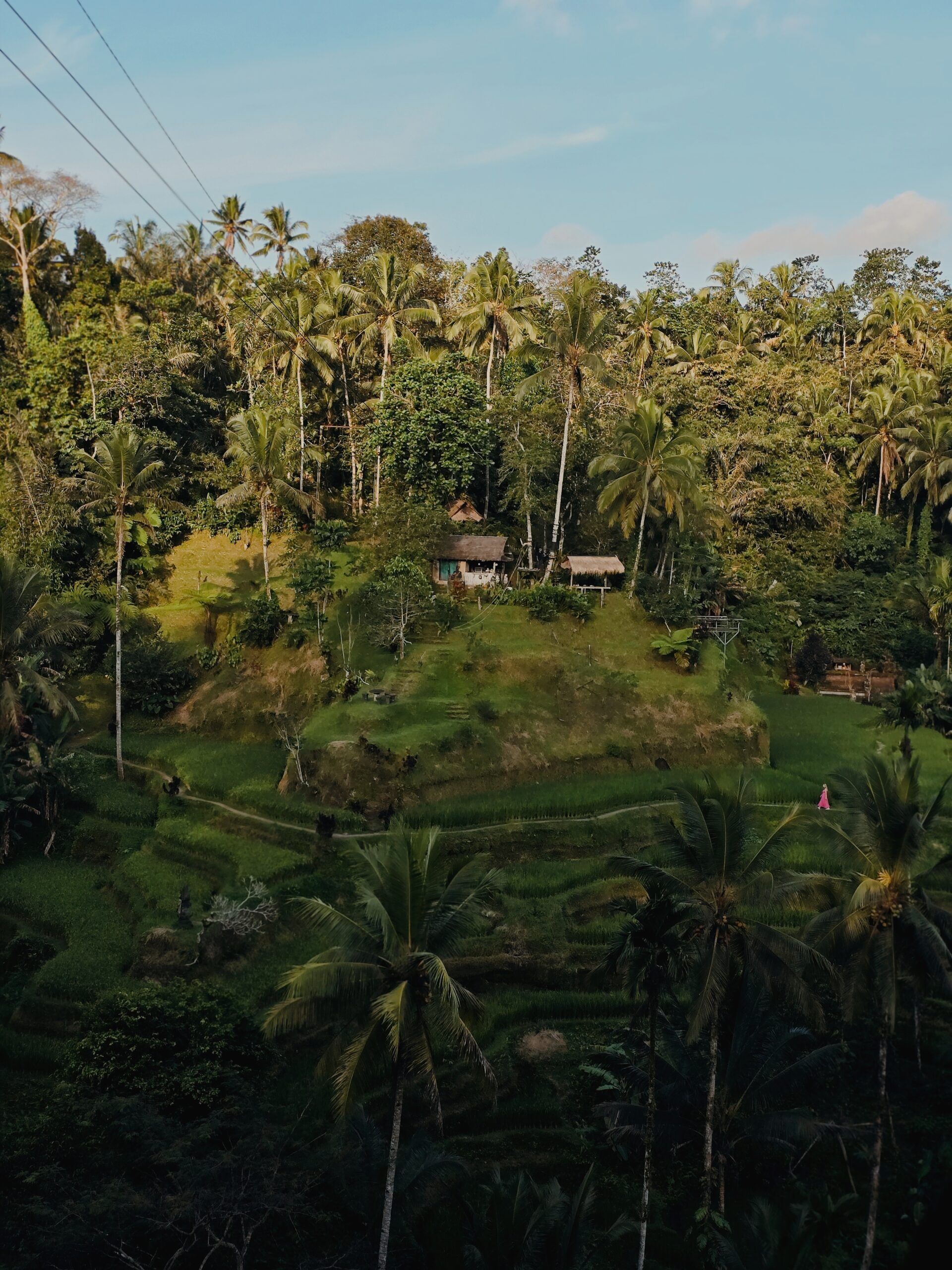
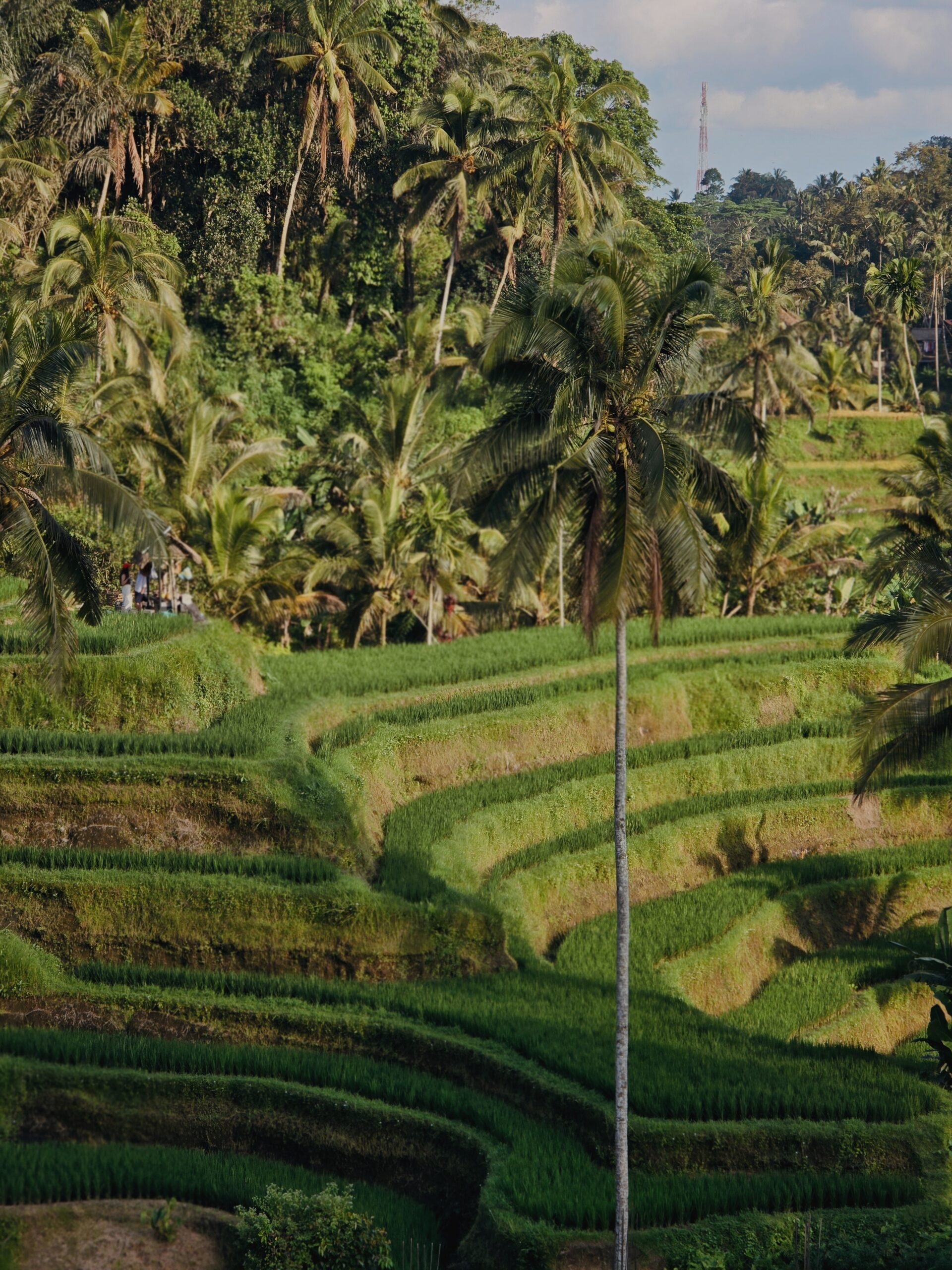
8. TEGALLALANG RICE TERRACES
The Tegallalang Rice Terraces, located just north of Ubud, are one of Bali’s most iconic and photogenic landscapes. Carved into the steep hillsides using the traditional subak irrigation system—a UNESCO-recognized Balinese practice—the terraces create sweeping layers of vibrant green. Visitors can simply admire the scenery, walk among the paddies or swing over them on one of the many swings (charged extra). The area also features cafés with panoramic views, artisan stalls, and opportunities to learn about Bali’s agricultural traditions. It’s a wonderful scenery, but it once again ended up looking like a theme park due to the crowds, the swings and the cafés.
Entrance fee: €0,80 – €1.35 (IDR 15,000 – 25,000)
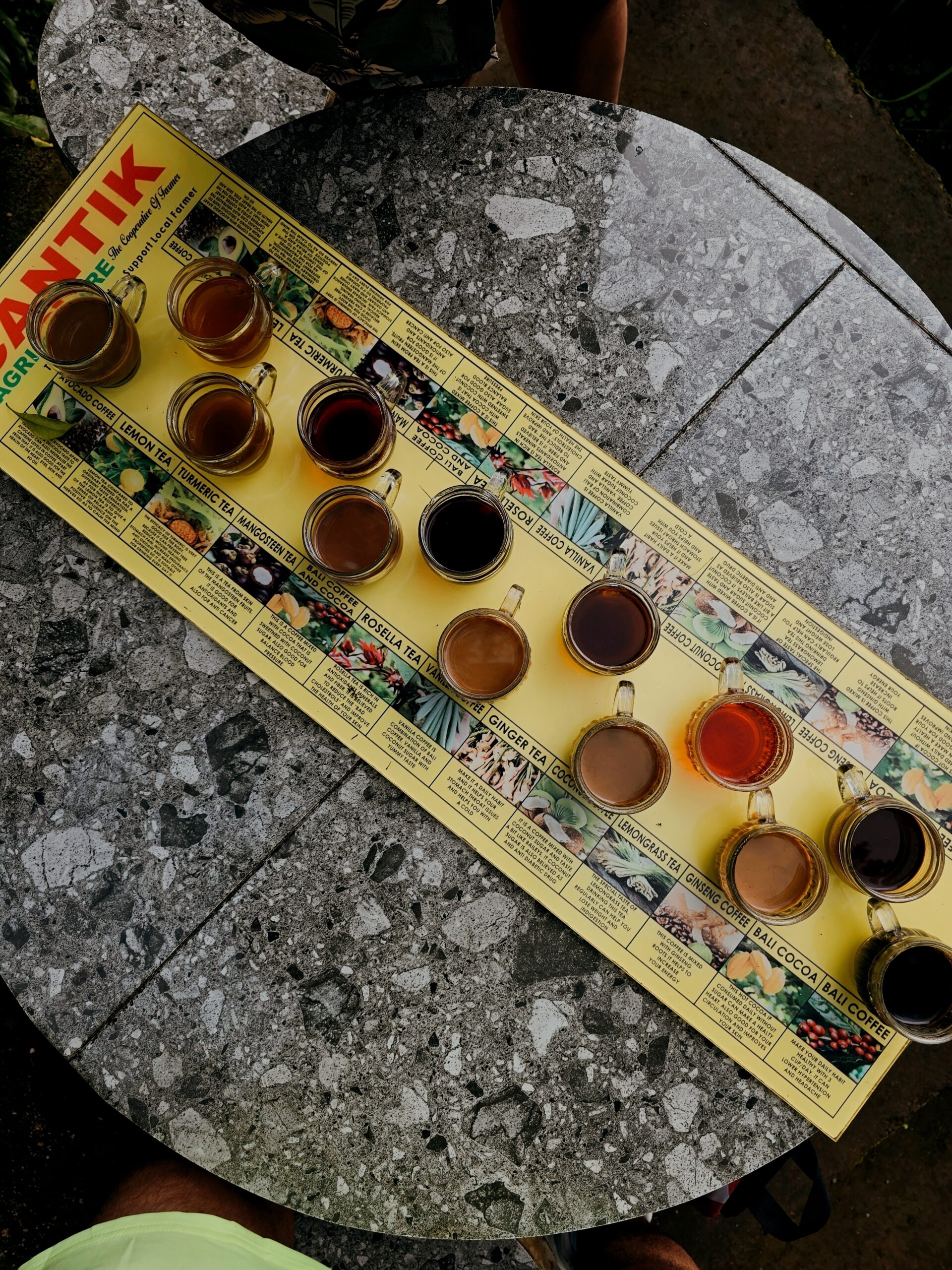
9. COFFEE TASTING
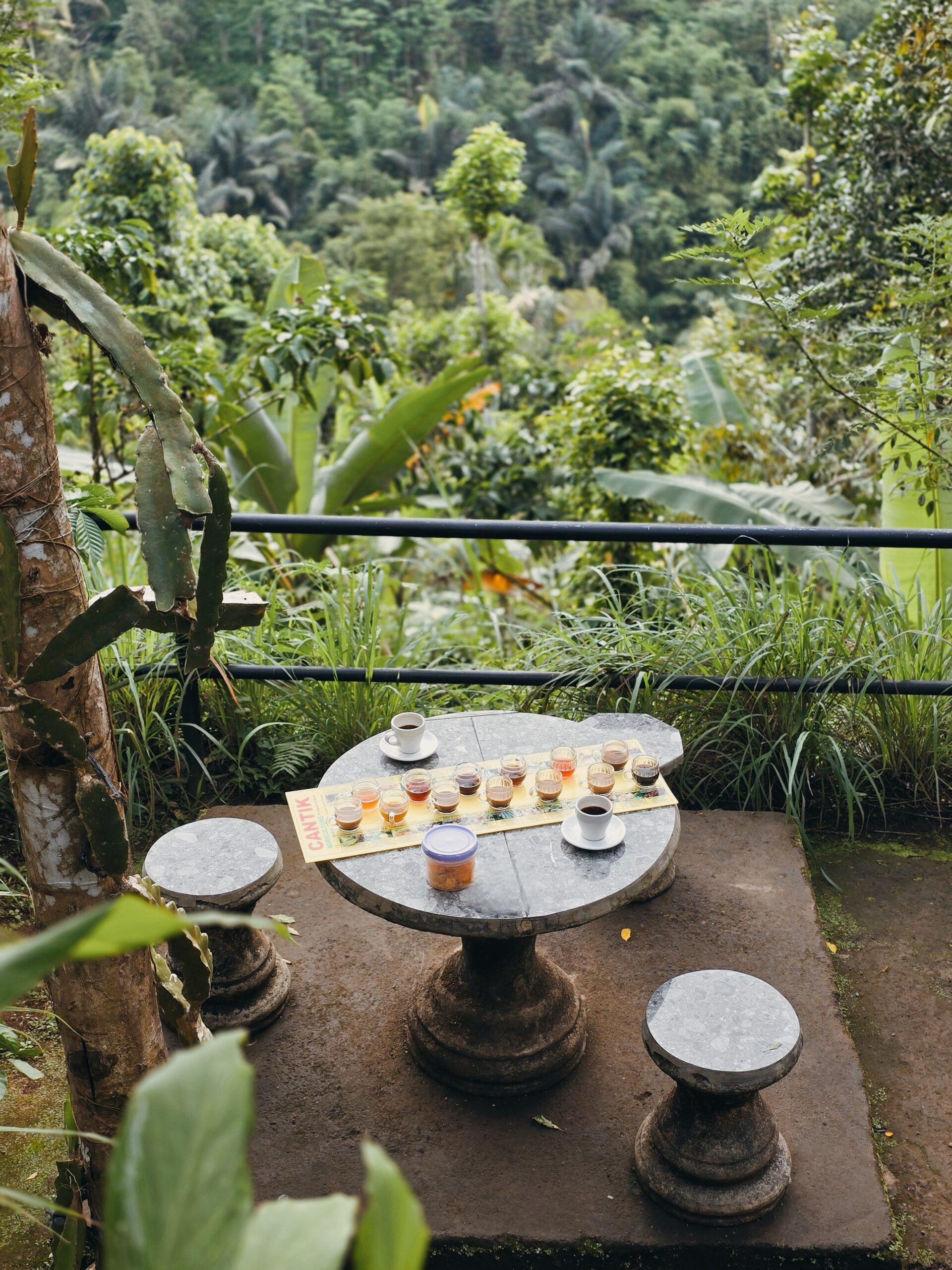
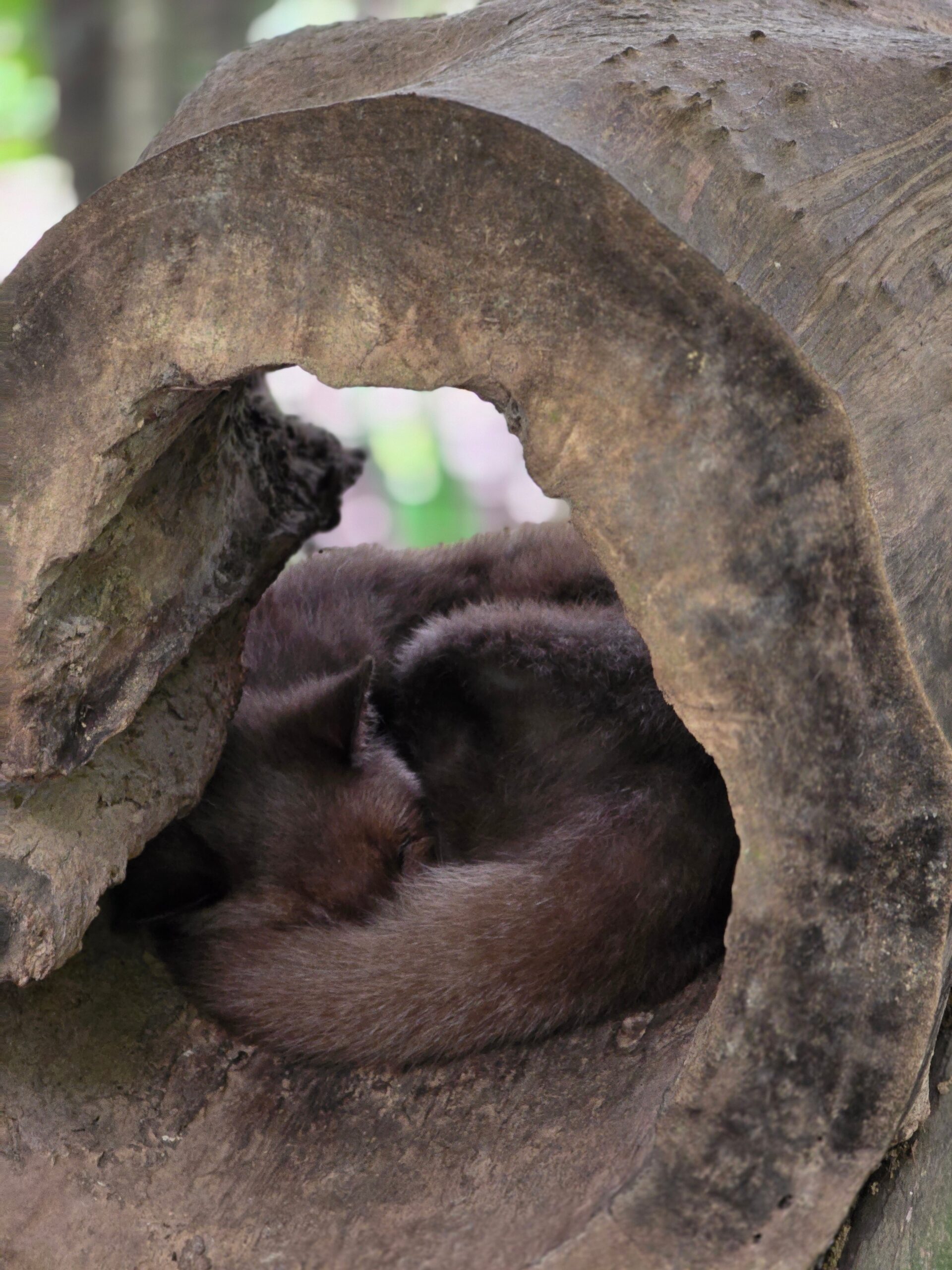
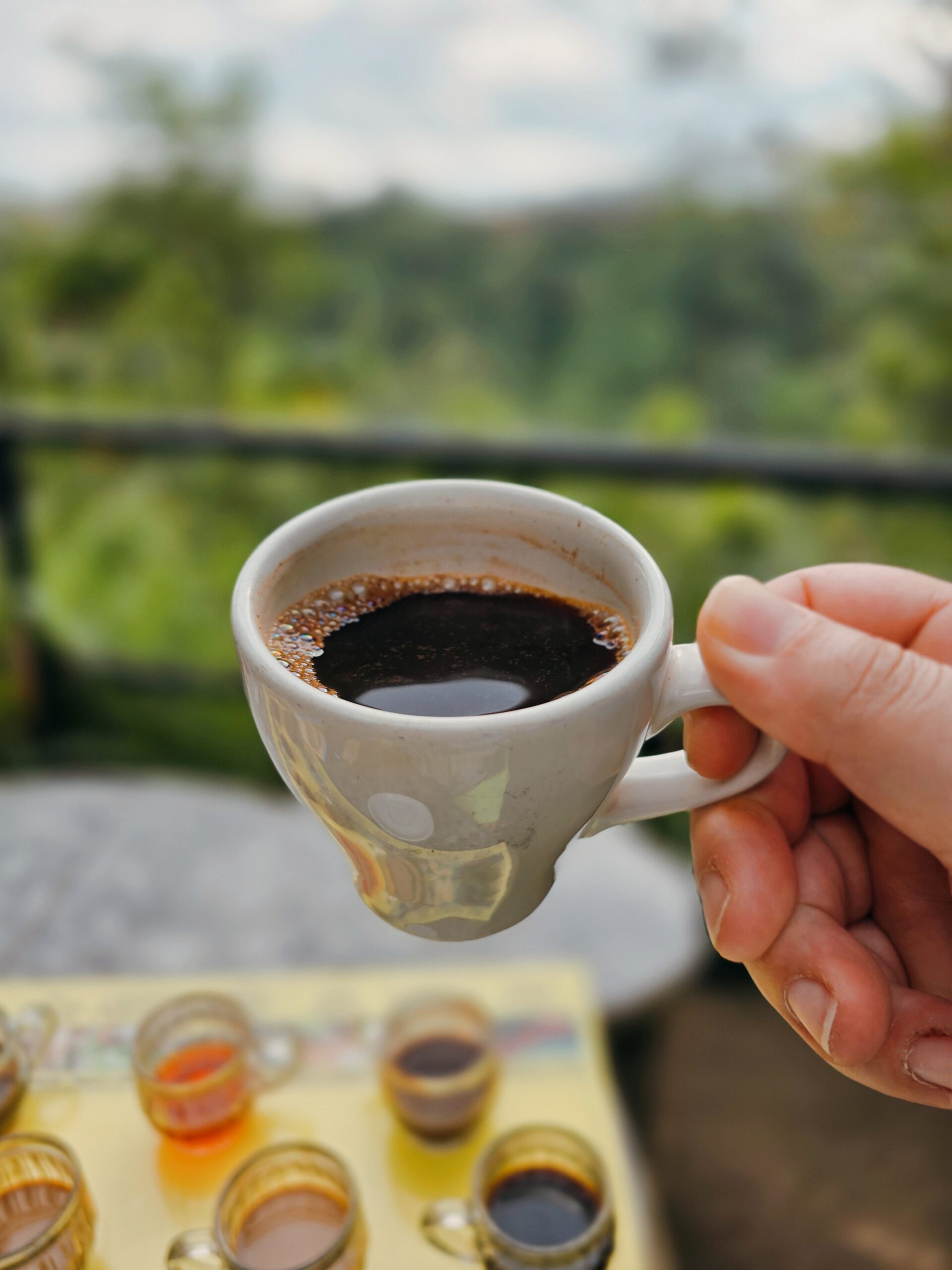
If you book tours in Bali, coffee tasting is almost inescapable. You walk through coffee and cocoa plantations and then you’re served a tray with 15 small samples of different flavors. One of the most intriguing experiences is sampling Luwak coffee—also known as civet coffee—which is made using beans that have been eaten, digested, and excreted by the Asian palm civet. The digestive process is believed to alter the bean’s chemical composition, resulting in a smoother, less acidic brew. Honestly, it’s actually a tasty coffee, though it’s charged extra (from €2 to €4 per cup) if you want to try it.
So many flavors to sample
Coffee tasting with a view
The civet
Trying the famous Luwak coffee
10. YOGA WITH PUPPIES
A last-minute addition to our itinerary, but surely a special experience. We chose Bali Swasthya Yoga because it was closer to us and its surrounded by trees even though its set in the city.
It’s a beautiful, lush garden giving you the perfect backdrop for a short yoga session with puppies running around.
Most of these (if not all) bring puppies from shelters and a portion of the €30 ticket is donated. I was absolutely exhausted by the end of it, but the whole experience was unique and fun.
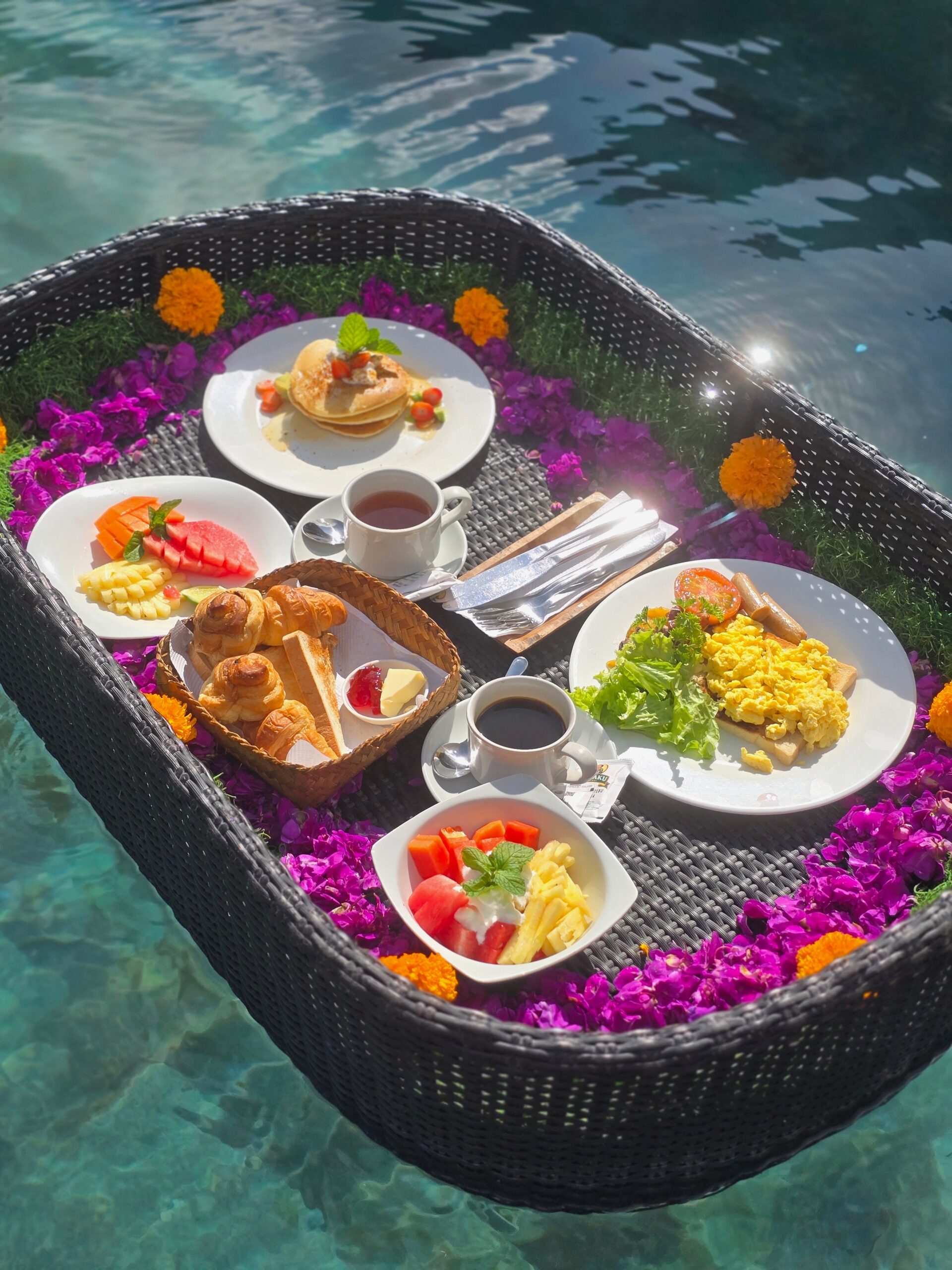
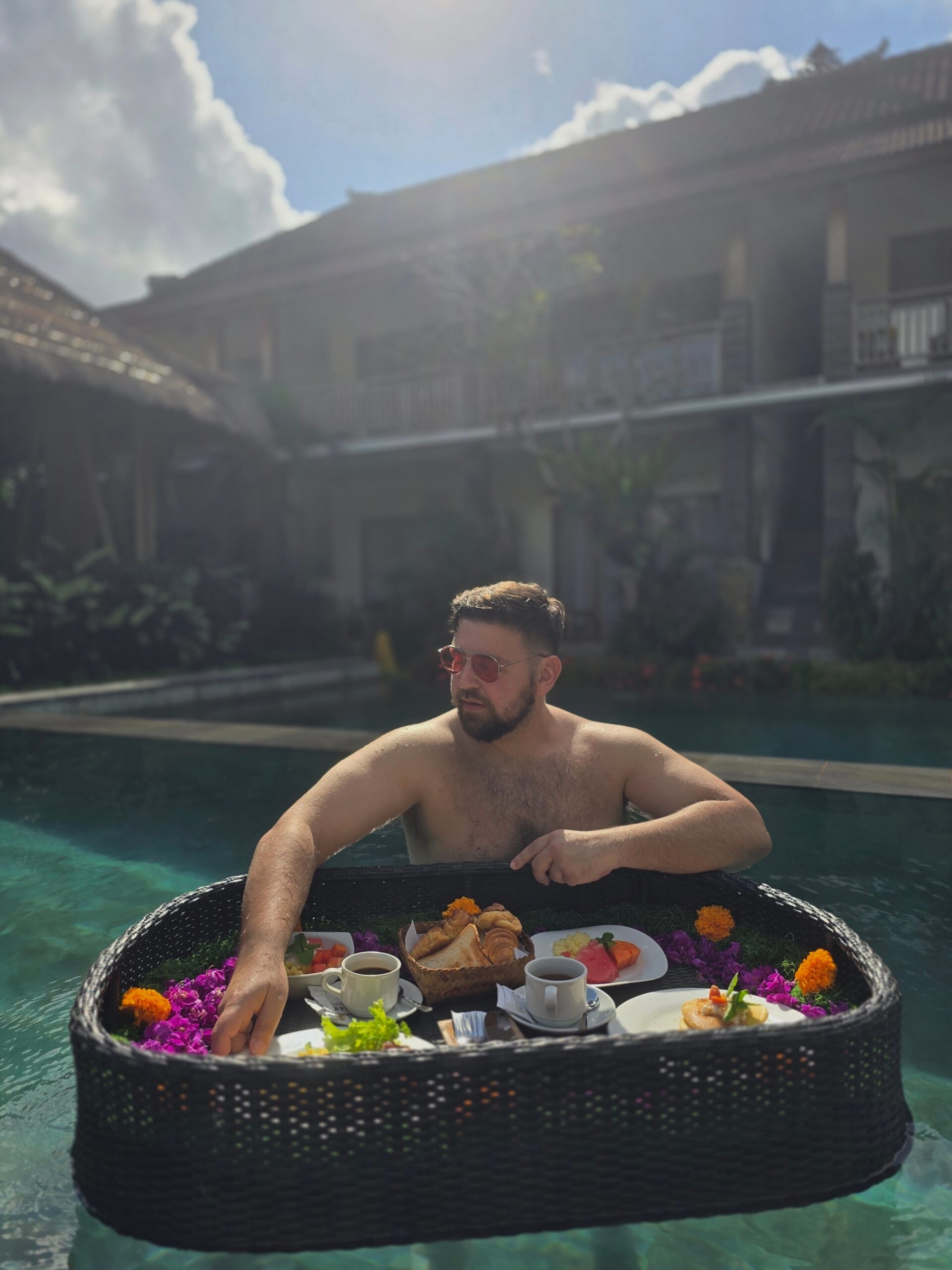
If you have seen Bali on social media, you already have seen the floating breakfast. It holds no traditional meaning, it started purely as a tourist-y thing from resorts in Bali but its fun. Basically you are served breakfast in a basket tray floating in the swimming pool and its nothing more and nothing less than that. It’s just one more fun experience. We had it on Kailash Suites for €8 or IDR 150,000 (for two people)!
2. WANAGIRI HIDDEN HILLS
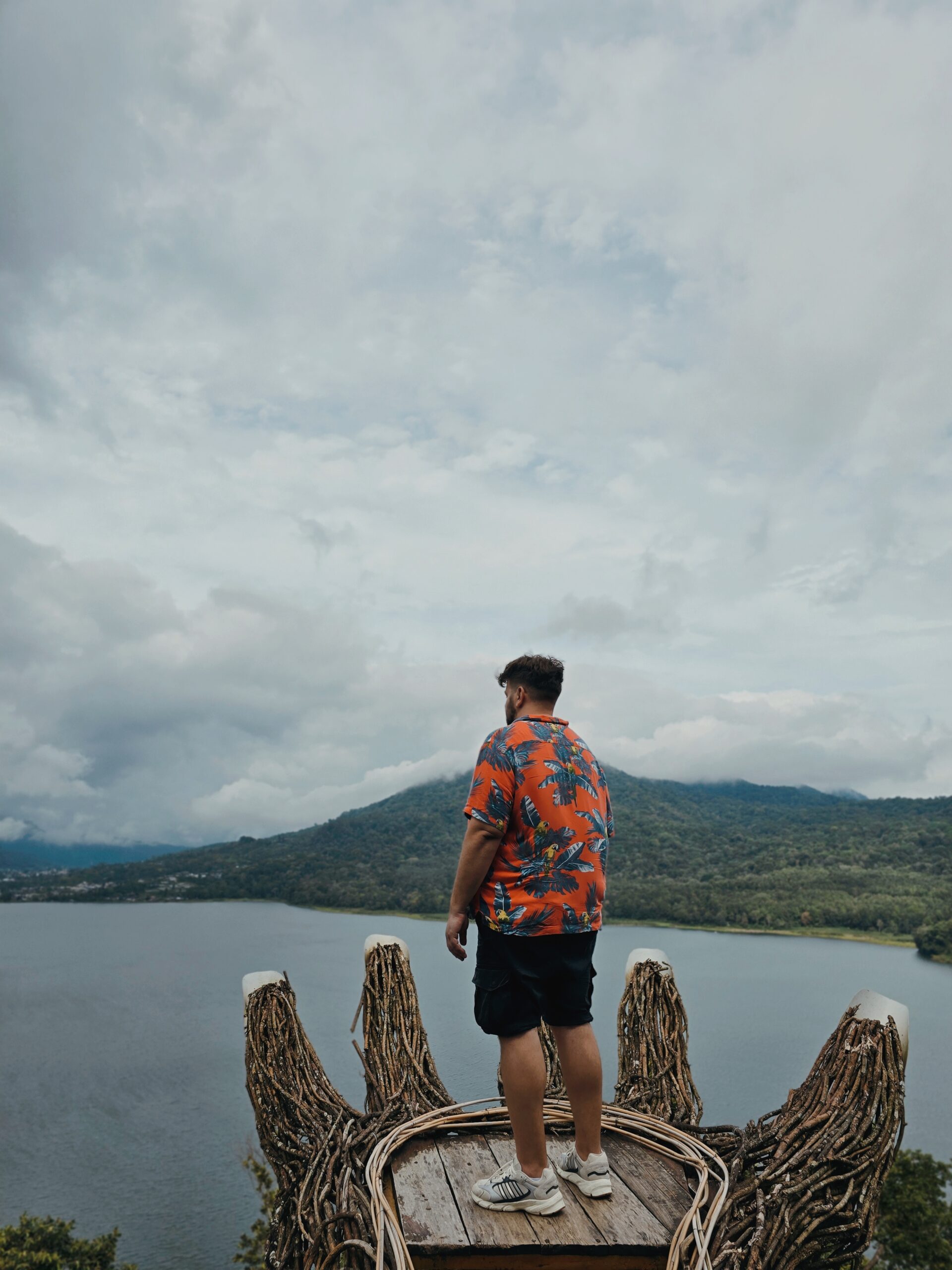
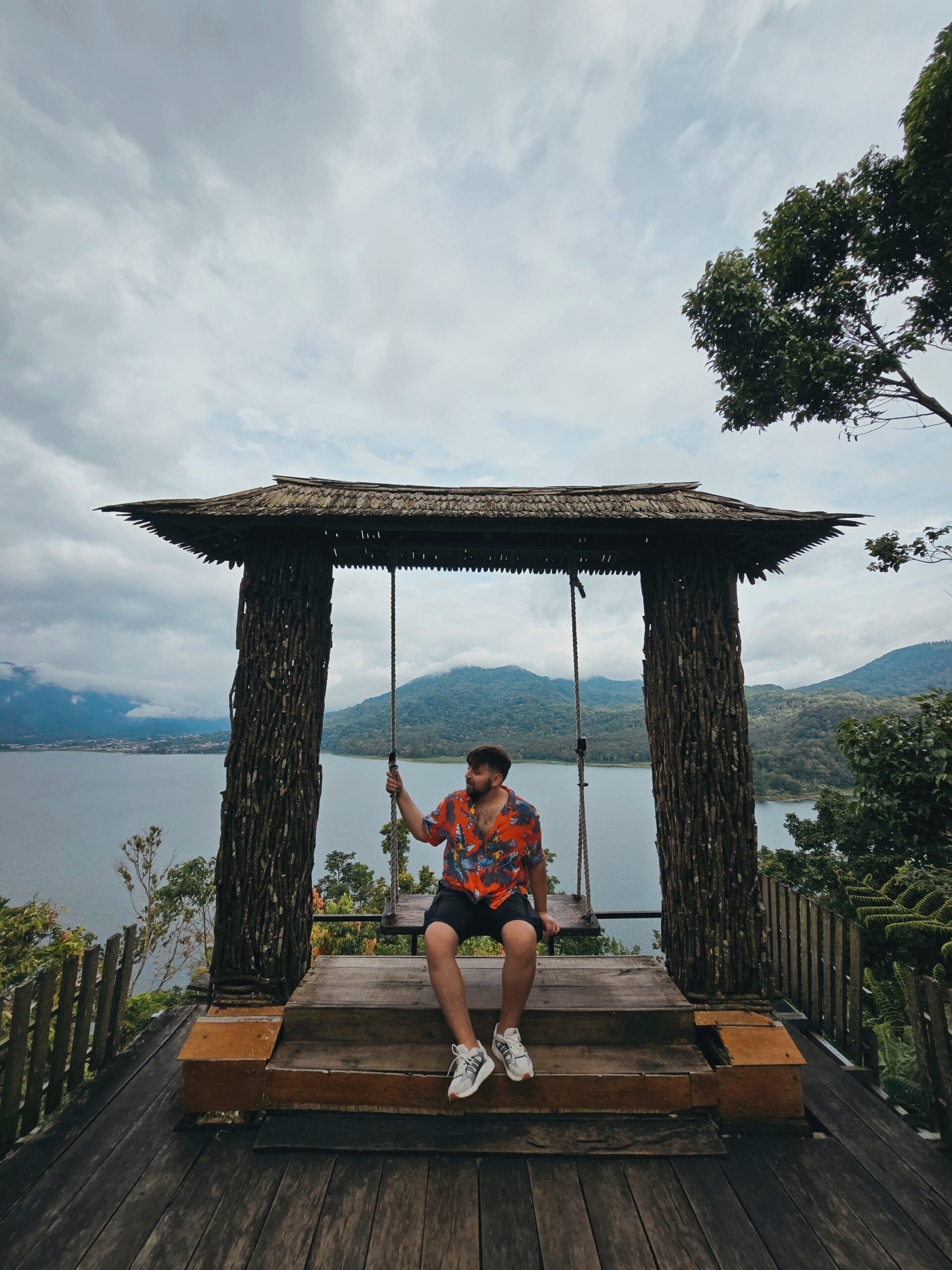
It’s a site made for Instagram, located in northern Bali, above the twin lakes of Buyan and Tamblingan. The site features whimsical photo installations—giant swings, human‑sized bird nests, bamboo platforms, boat-shaped decks, and even wicker hearts. The entrance fee is around €6 (IDR 114,000) but once we were inside, we could take pictures anywhere we wanted without extra charge (with or without the on-site photographer).
I only tried two because I have a fear of heights, and if you see the picture above and on the left I’m actually panic-frozen on the spot.
Now, a mishmash of info I might have left out.
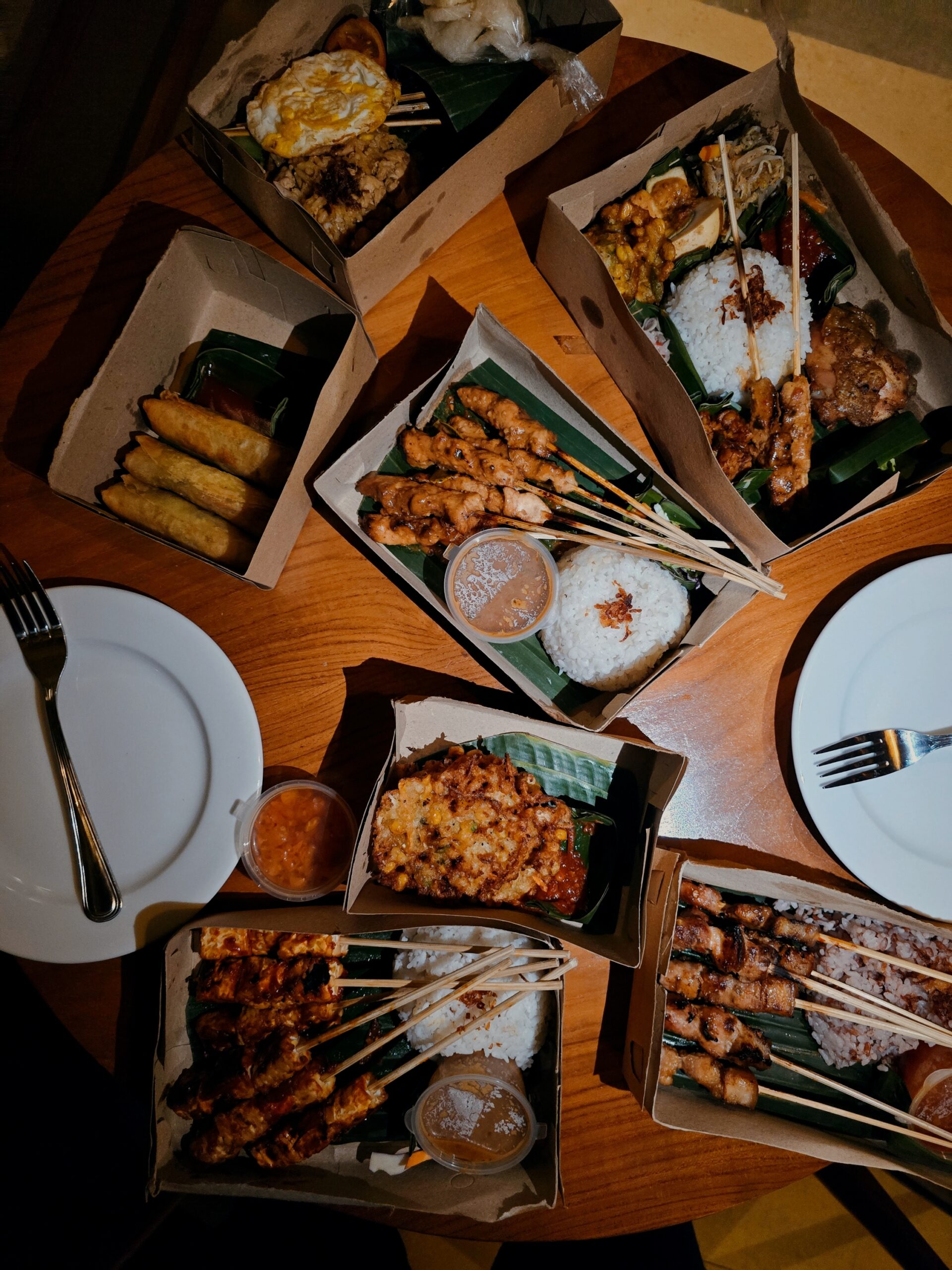
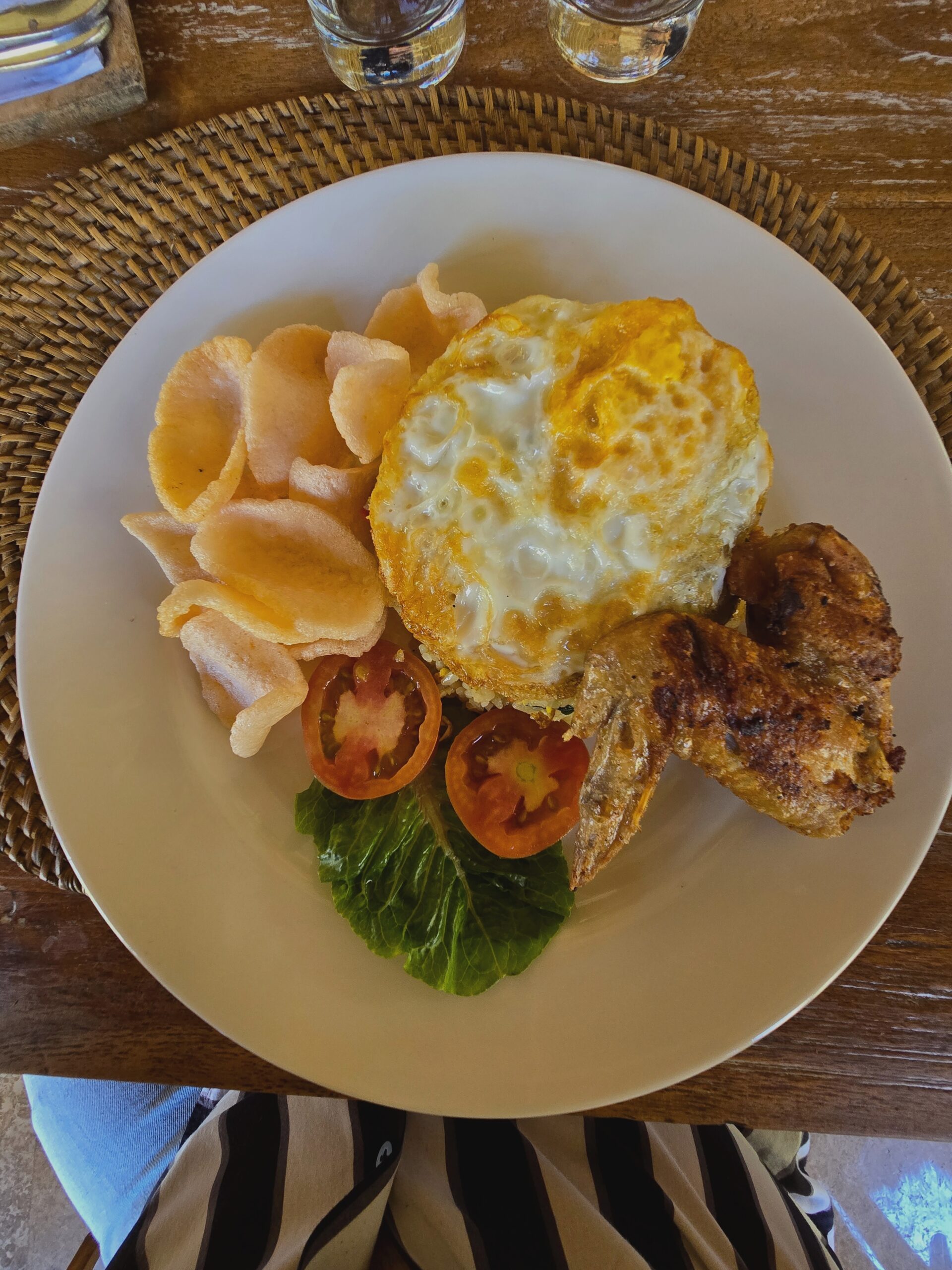
Try local dishes like Nasi Padang (egg over rice, served with chicken) and the delicious dadar gulung (green-coloured pancake made of rice flour, filled with grated coconut and palm sugar). We tried everything Balinese on our third night – ordering food delivery – when we were too lazy to go out from Ubud Shanti Warung and we did have a blast.
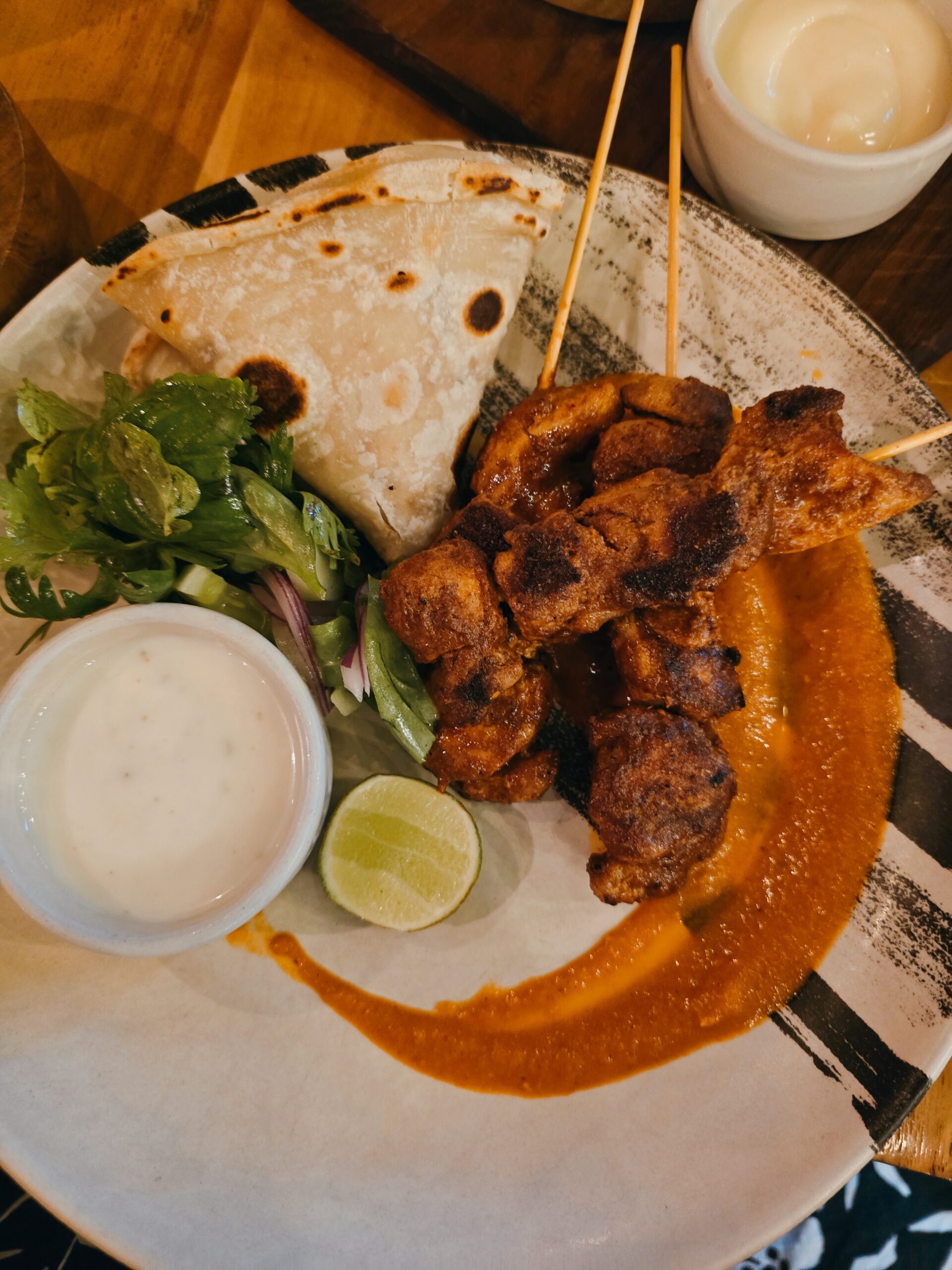
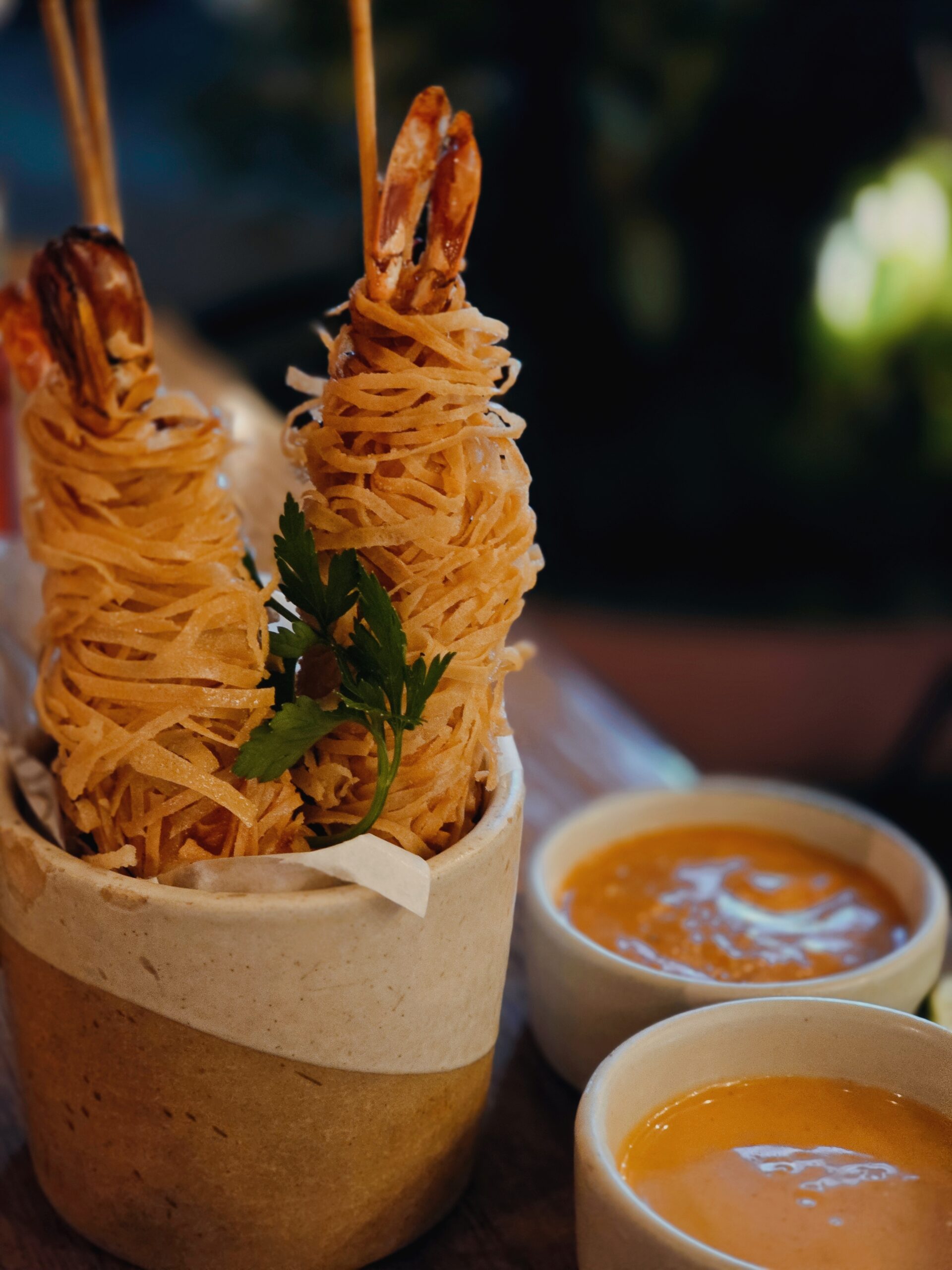
Other than that, we found a series of cool restaurants in the center or near it (and with catchy names nevertheless). Tablespoon, Simply Social, Baba Ubud and Cherry Pepper were all excellent, with local and international cuisine. Special nod to Simply Social for that incredible tandoori chicken and the prawn rolls.
These are all over Ubud
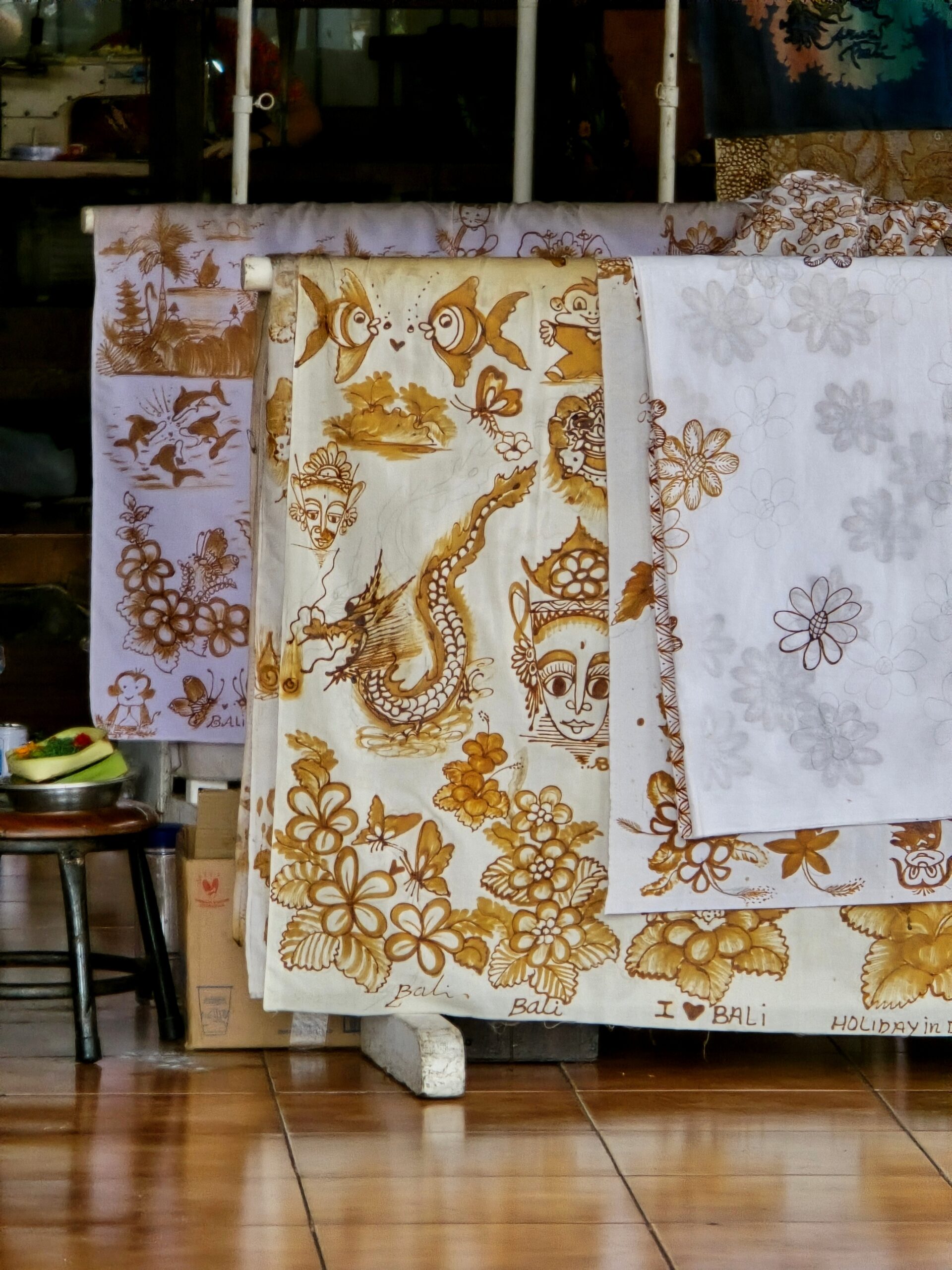
You have to visit a Batik factory
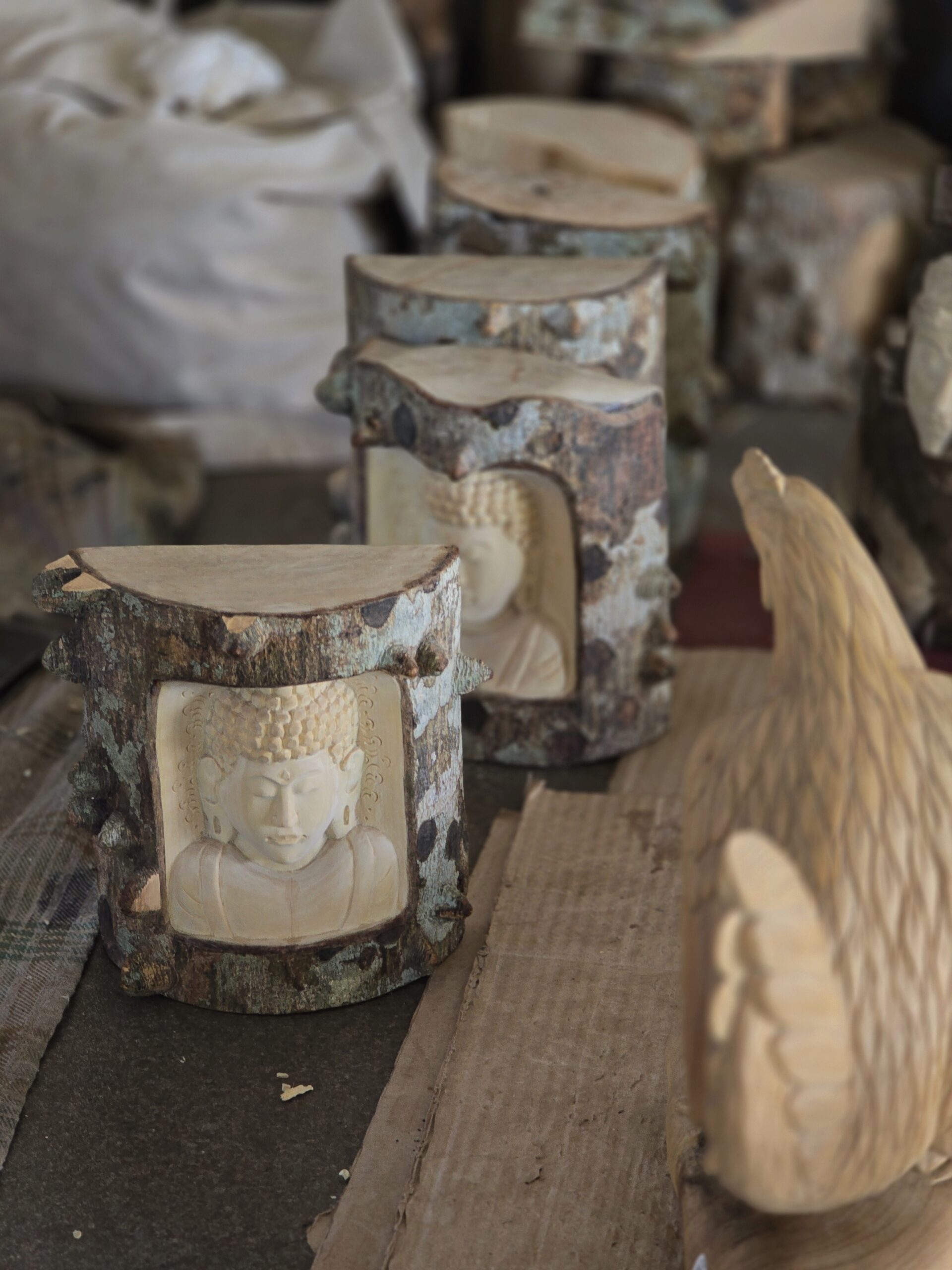
Made from crocodile tree, only grown in Bali
A silver worker doing her job under a great, low light
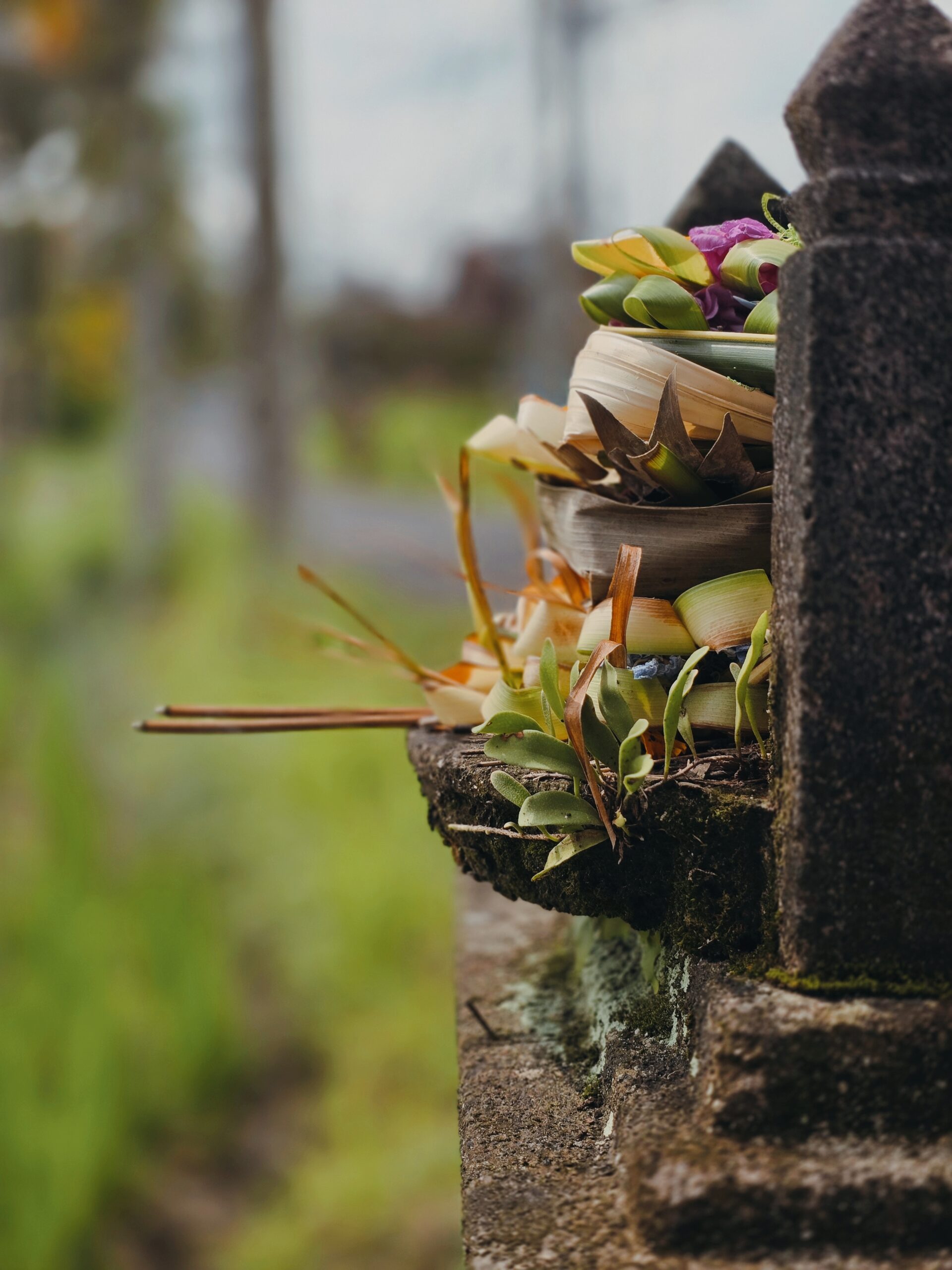
Offerings are everywhere, placed outside the houses and the hotels
Ubud, on a rainy day, because you're not safe even during dry season
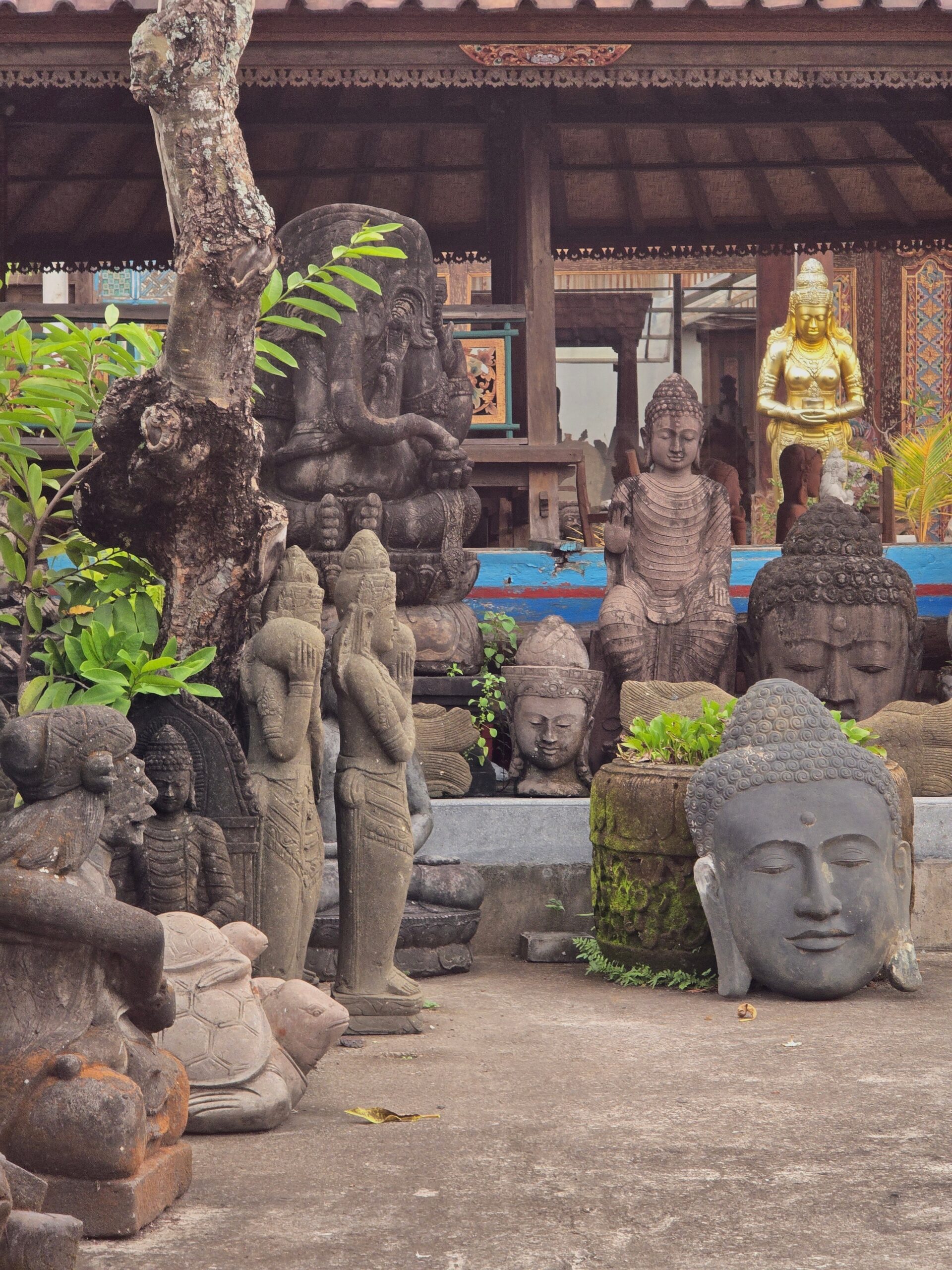
On your car rides watch outside, the streets are full of workshops showcasing their craft outside and full of temples and houses with incredible statues. If you have time, visit more workshops, like those making Bali Batiks (hand dyed fabrics) or wood carvings. Then you’ll realize that Bali is filled with art, more than it is of partying, and your perception will change completely.
As I said, Bali was always going to be special, but the trip exceeded all expectations. The itinerary was full but also chill, we deliberately chose to not stay by the beach so we had plenty of days to explore Ubud and everything around it. The people are probably the nicest I’ve met on my travels, most speak even the basic English and they’re always eager to help.
The city center is lively, you can find food for everyone from traditional to more international and every tour guide was going over and beyond to accommodate our wishes (the tours turned out to be private, so we had the freedom to alter the itinerary if we wanted, and we did a few times). It felt like we had a 9-day break from reality, in a lively town in a jungle.